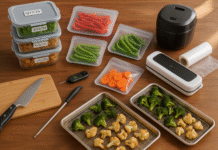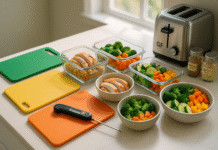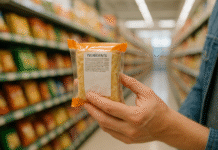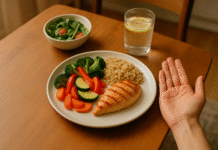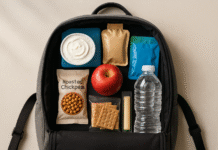











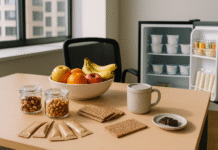













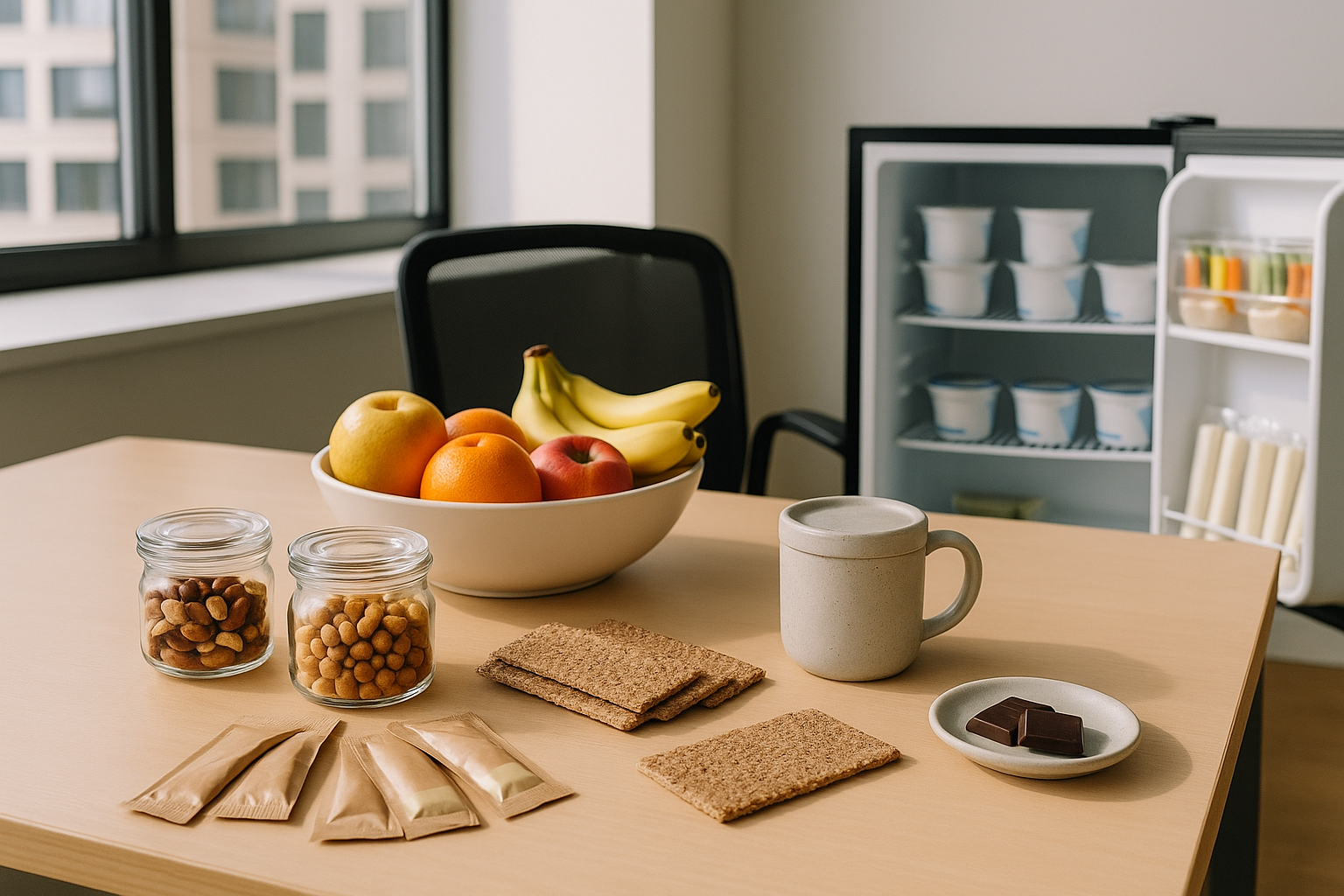
If you want snacks that actually help you power through the workday—not just tide you over for 20 minutes—stock options with protein, fiber, and minimal added sugar and sodium. The best office-friendly snacks are either shelf-stable or safe in a shared fridge, portionable, and easy to pair into mini-balanced bites you can eat between meetings. As a quick answer: keep a mix of nuts or roasted legumes, whole-grain crackers, nut butter packs, oatmeal cups, and (if you’ve got a fridge) plain Greek yogurt, cheese sticks, and hummus with veggies; watch added sugars and sodium; and follow the “2-hour rule” for perishables.
Fast plan (skim this):
• Pre-portion single servings (snack bags or small jars).
• Keep shelf-stable items at your desk; reserve the fridge for dairy and dips.
• Read labels: aim for ≥3g fiber and ≥5–10g protein per snack; keep added sugar low.
Note: This guide is general information, not medical advice. If you have a health condition (e.g., diabetes, hypertension, food allergies), tailor choices with a clinician or registered dietitian.
1. Pre-Portioned Nuts & Seeds
Nuts and seeds are one of the most office-proof snacks: they’re shelf-stable, require no prep, and deliver a steady, satisfying mix of healthy fats, fiber, and protein. A single ounce (about a small handful) typically provides roughly 160–200 calories, 3–7g protein, and 1–3g fiber, which is why they keep you full longer than sugary nibbles. Opt for unsalted or lightly salted varieties to keep sodium in check, and consider mixing almonds, walnuts, pistachios, or pumpkin seeds for flavor and micronutrient variety. Pre-portion 28–30g into small jars or zip bags to prevent “hand-in-jar” overeating while you’re on a call. If you like crunch mixes, combine nuts with a small amount of unsweetened dried fruit and whole-grain cereal to add texture, but keep added sugars moderate (more on that below). Harvard Health
1.1 Numbers & guardrails (as of August 2025)
- Serving: ~28g (about 23 almonds).
- Typical macros (almonds, 28g): ~164 kcal, ~6g protein, ~3.6g fiber.
- Added sugar: steer clear of candied nuts.
- Sodium: choose unsalted to stay under daily limits. Nuthealth.org
1.2 Smart picks & pairings
- Raw or dry-roasted almonds, walnuts, pistachios, pumpkin seeds.
- DIY mix: 2 parts nuts + 1 part whole-grain cereal + 1 part unsweetened dried fruit.
- Pair with a fruit (apple/citrus) for a fiber boost.
Mini case: Swapping a daily pastry (~300–400 kcal, low protein) for ~28g mixed nuts (~170 kcal, 5–6g protein) plus an apple can save calories while curbing hunger more effectively—without a mid-afternoon crash. My Food Data
2. Greek Yogurt Cups (Fridge) & Skyr
If your office has a fridge, plain Greek yogurt or skyr cups are a high-protein, low-prep snack that plays well with both sweet (fruit, cinnamon) and savory (olive oil, herbs) toppings. A typical 170g (2/3 cup) nonfat Greek yogurt serves ~17g protein for ~100 calories, meaning you get serious satiety per spoonful without added sugar if you choose plain. To keep it office-friendly, buy sealed single-serve cups and stash a spoon at your desk; if you prefer full-fat versions, note the higher calories and saturated fat, but you’ll get extra creaminess and longer fullness. For a “dessert” feel, stir in cacao powder and a few dark chocolate flakes rather than buying flavored cups with lots of added sugar. Never leave yogurt out on your desk: perishable dairy should stay cold or be eaten within safe time windows.
2.1 Numbers & guardrails (as of August 2025)
- Protein: ~15–18g per 170g cup (nonfat).
- Added sugar: choose plain; sweeten with fruit or a teaspoon of honey if needed.
- Food safety: refrigerate promptly; follow the 2-hour (1-hour >90°F/32°C) rule.
2.2 Quick combos
- Yogurt + cinnamon + chopped almonds.
- Yogurt + berries (fresh/frozen) + oats or muesli.
- Savory: yogurt + lemon + za’atar + cucumbers (labneh-style vibes).
Mini case: Switching from a 150g flavored yogurt (~14–18g added sugar) to plain with fruit can trim ~50–70 kcal and reduce added sugar toward recommended limits—without sacrificing taste.
3. Fresh Fruit That Travels Well
Whole fruits like apples, pears, bananas, and citrus are naturally portion-controlled, durable, and office-friendly—no label math required. They deliver water, fiber, and natural sugars, which, when paired with protein or fat, provide steady energy rather than spikes. Keep a small fruit bowl at your desk and rotate choices for palate variety across the week. If you snack late in the day, choose fruits with edible skins (pear, apple) for a bit more fiber and pair with a protein like nuts or cheese to stay satisfied until dinner. For meetings, pre-slice apples and oranges and tuck them into a small insulated pouch with an ice pack if they’ll sit out longer than lunch hour.
3.1 Mini-checklist
- Favor compact, less-messy picks: apples, pears, mandarins, baby bananas.
- Add-ons: a tablespoon of nut butter, a cheese stick, or a handful of nuts.
- Keep a paring knife and napkins in your desk drawer.
3.2 Region note
In South Asia (including Pakistan), dates (khajoor) and roasted gram (bhuna chana) are common, shelf-stable pairings: 1–2 dates with a small handful of roasted gram balances natural sweetness with protein and fiber for a portable, budget-friendly office snack.
Synthesis: Fruit is the most “plug-and-play” snack—combine it with protein/fat and you’ll avoid the 3 p.m. slump.
4. Whole-Grain Crackers & Crispbreads
Whole-grain crackers and crispbreads are the backbone for mix-and-match desk snacks: they carry nut butter, hummus, cheese, or tinned fish without creating a mess. The key is choosing true whole-grain options with meaningful fiber, not refined flours with caramel color. As a quick heuristic, scan for “whole wheat/whole grain” as the first ingredient and aim for ≥3g fiber per serving; skip options with lots of added sugars. Thin rye crispbreads or seeded crackers provide extra crunch with fewer calories per piece, which helps with portion control during virtual meetings. Store an unopened sleeve in your drawer and keep a small airtight container for opened packs to preserve snap.
4.1 Numbers & guardrails (as of August 2025)
- Fiber target: crackers ≥3g per serving; higher is better.
- Sodium: compare brands—some exceed 200–300mg per serving.
- Pair for balance: add protein (cheese, hummus) and color (tomato, cucumber).
4.2 Tools/Examples
- Keep a small plate/napkin, and a portioning habit: 2–4 crackers + topping.
- Try rye crispbread with labneh and za’atar or whole-grain crackers with tuna and lemon.
Synthesis: Think of whole-grain crackers as edible office “plates” that help you build balanced mini-meals.
5. Single-Serve Nut & Seed Butter Packs
Individual nut/seed butter packs (usually 32g/2 Tbsp) are mess-proof and perfect for travel days. They pack protein, healthy fats, and some fiber; squeeze onto whole-grain crackers, fruit slices, or even into oatmeal. Because nut butters are energy-dense, pre-portioned packs enforce moderation without scale-weighing. Prefer “peanuts/almonds + salt” ingredient lists, or choose no-salt, no-sugar varieties if you’re watching sodium and added sugars. Peanut or almond butters typically deliver ~180–200 kcal and ~6–8g protein per packet, making them a compact and satisfying late-afternoon option. Food and Nutrition ServiceNutrition Value
5.1 Mini-checklist
- Choose natural varieties (nuts + possible salt).
- Keep 2–3 packets in your laptop bag for travel days.
- Pair with apples, bananas, or crispbreads for fiber.
5.2 Numbers & guardrails (as of August 2025)
- Serving: 32g ≈ 2 Tbsp.
- Typical macros: ~190 kcal, ~7–8g protein, ~16g fat.
- Sodium: seek ≤150mg per packet if you’re limiting sodium. WebMD
Synthesis: Nut butter packs transform plain fruit or crackers into a balanced, hunger-curbing snack in 30 seconds.
6. Hummus + Veggie Dippers (Fridge or Shelf-Stable Cups)
Hummus is a versatile, plant-based dip made from chickpeas and tahini, offering fiber and a bit of protein. Single-serve cups (often 2–2.5 Tbsp) keep portions sensible and prevent dip-and-dip contamination in shared fridges. Pair with mini-carrots, cucumber coins, bell pepper strips, or whole-grain crackers. If you can’t access fresh produce easily, keep shelf-stable veggie cups (vacuum-packed beets or pickles) as a backup. Do check sodium on flavored hummus and dips; some options pack more salt than you expect. For food safety, keep hummus refrigerated and follow standard time limits if it sits out during meetings. PMC
6.1 Numbers & guardrails (as of August 2025)
- Serving: 2 Tbsp ≈ ~60–80 kcal, ~2g protein.
- Sodium: varies widely—compare labels and choose lower-sodium options.
- Food safety: don’t leave hummus unrefrigerated >2 hours (1 hour if >90°F/32°C).
6.2 Smart dippers
- Mini-carrots, cucumber sticks, bell pepper strips.
- Whole-grain crackers or crispbreads.
- Roasted chickpea “crumbs” for crunch.
Synthesis: Hummus turns raw veggies into a filling, fiber-forward snack—just mind the sodium and the clock.
7. Cheese Sticks & Mini Cheeses (Fridge)
Individually wrapped mozzarella string cheese or mini rounds are portion-controlled, protein-rich, and grab-and-go. A typical 28g mozzarella string cheese provides ~7g protein for ~80–90 calories, making it an easy pairing with fruit or crackers. Choose part-skim to keep saturated fat lower, and glance at sodium (some sticks are 180–220mg each). Because cheese is perishable, store it in the office fridge and keep a couple of sticks in a small insulated pouch if you’re heading to a meeting. For variety, rotate cottage cheese snack cups, but check labels for added sodium and keep them cold.
7.1 Numbers & guardrails (as of August 2025)
- Serving: 1 stick (28g) ≈ 7g protein, ~80–90 kcal.
- Sodium: ~190–210mg per stick; compare brands.
- Food safety: treat like other dairy—refrigerate; don’t leave out >2 hours.
7.2 Pairings
- Cheese stick + apple or pear.
- Cheese stick + whole-grain crackers + tomato slices.
- Mini cheese round + cucumber coins + cracked pepper.
Synthesis: String cheese is a tidy, protein-dense “anchor” that rounds out carb-heavy desk snacks.
8. Roasted Chickpeas, Chana, and Other Crunchy Legumes
For a salty, crunchy fix that’s not chips, roasted chickpeas (or roasted gram/chana) deliver protein and fiber with far less saturated fat than many fried snacks. They’re shelf-stable, not messy, and easy to portion into 28–30g servings. You can buy plain or lightly seasoned versions; if you’re sodium-sensitive, choose unsalted or lower-sodium flavors and add spices yourself (smoked paprika, cumin, chaat masala). Roasted legumes also mix well with a few nuts to build a higher-protein trail mix that still crunches. Keep a small jar on your desk and refill weekly. The Nutrition Source
8.1 Numbers & guardrails (as of August 2025)
- Serving: ~28g roasted chickpeas ≈ ~100–120 kcal, ~5–7g protein, good fiber.
- Sodium: varies by flavor; aim for modest seasoning.
- DIY: roast canned chickpeas (drained/rinsed) at home with spices to control sodium. Eat This Much
8.2 Region note
In Pakistan and South Asia, bhuna chana (dry-roasted gram) is a budget-friendly, widely available office snack; pair 30g with a few dried fruit pieces for a balanced bite.
Synthesis: Roasted legumes scratch the “chips” itch with fiber and protein—ideal for mid-afternoon crunch.
9. Oatmeal Cups, Muesli, and Porridge Packets
A plain instant oatmeal cup is essentially a mug-meal in 2 minutes, with whole-grain oats that offer soluble fiber (beta-glucan) for steady energy. Keep plain or lightly sweetened cups at your desk and a small jar of add-ins (cinnamon, chia, crushed nuts). If your office has only a kettle, you’re set; if not, microwave with water. For label reading, choose plain or “no sugar added” cups and add your own fruit to control sweetness. Oatmeal also pairs well with a spoonful of Greek yogurt for extra protein, turning it into a more satiating snack-meal.
9.1 Numbers & guardrails (as of August 2025)
- Plain instant oatmeal, cooked: ~120 kcal, ~3–4g fiber, ~4g protein per packet.
- Watch: flavored packets often add 10–13g sugar—choose plain and sweeten yourself.
- Add-ins: nuts, seeds, cinnamon, or a few dark chocolate shavings. NutritionixHealthline
9.2 Mini checklist
- Stock 3–5 cups/packets per week.
- Add a spoonful of nut butter for protein and staying power.
- Pair with fruit for color and extra fiber.
Synthesis: Oatmeal cups are “emergency lunch” insurance that doubles as a heartier snack when meetings run long.
10. Dark Chocolate Squares (70%+) & Sweet Pairings
A square or two of dark chocolate can cap a snack without blowing your goals—especially when you choose 70% cocoa or higher, which tends to be richer in flavanols and lower in sugar than milk chocolate. Keep a bar in your drawer, break off 10–15g pieces, and pair with nuts or fruit for balance. Avoid “dessert chocolates” with fillings (nougat, caramel) that pack added sugars. If you’re tracking sugar, remember even dark chocolate contains some; plan it within your daily limit. For afternoon cravings, pair a square with tea or Greek yogurt to keep it satisfying, not spiral-inducing.
10.1 Numbers & guardrails (as of August 2025)
- Serving idea: 1–2 squares (10–20g).
- Cocoa %: 70%+ for more flavanols, typically less sugar.
- Sugar limits: aim to keep added sugars within daily recommendations.
10.2 Sweet pairings
- 1 square dark chocolate + almonds.
- Dark chocolate shavings over plain yogurt + berries.
- Dark chocolate + orange segments (zest optional).
Synthesis: A small, high-cocoa treat satisfies sweet cravings while keeping sugar reasonable—especially when paired with protein/fiber.
FAQs
1) How many office snacks should I plan per day?
Most people do well with 1–2 snacks (~150–250 kcal each) spaced between meals, based on hunger and schedule. Pair protein with fiber (e.g., nuts + fruit or yogurt + oats) to stay full. If you’re active or have long gaps between meals, you may need more; if you’re sedentary, you may need fewer—let hunger and energy guide you.
2) What’s a quick way to read snack labels at my desk?
Scan three lines: fiber (aim ≥3g), protein (≥5–10g), and added sugars (keep low). Then check sodium; many “savory” snacks hide 200–300mg per serving. Whole-grain crackers, roasted legumes, and plain yogurt often meet these targets, while candy, pastries, and many chips don’t. Harvard Health
3) I don’t have a fridge. What’s still safe and balanced?
Shelf-stable all-stars: nuts/seeds, roasted chickpeas or chana, whole-grain crackers, nut butter packets, oatmeal cups, dark chocolate squares, and whole fruit. Use single-serve packs and airtight containers to keep texture and portions in check.
4) How do I keep added sugars reasonable at work?
Choose unsweetened bases (plain yogurt, plain oatmeal) and add fruit or spices. For treats, pick smaller dark chocolate portions. The American Heart Association suggests keeping added sugar low (about 6–9 teaspoons/day depending on sex and energy needs), so budget sweets around that limit.
5) What sodium limits should I consider for savory snacks?
General guidance is <2,300mg sodium per day for teens and adults. In practice, compare labels and prefer unsalted nuts, lightly seasoned legumes, and lower-sodium crackers and cheeses. Use lemon, herbs, or spices to boost flavor without salt.
6) Any safety rules for bringing dairy or hummus to meetings?
Yes—the 2-hour rule: don’t leave perishable foods at room temperature over 2 hours (1 hour if >90°F/32°C). Keep yogurt, cheese, and hummus cold in a lunch bag with an ice pack if you’re away from the fridge.
7) I crave sweets mid-afternoon. What’s a better swap than candy?
Try a square of 70%+ dark chocolate with almonds or a plain Greek yogurt with berries and cinnamon. You’ll get sweetness plus protein and fiber for steadier energy, versus the quick spike from gummy candy.
8) What about vending machine emergencies?
If choices are limited, scan for plain nuts, roasted chickpeas, jerky (lower-sodium), or whole-grain granola bars with ≥3g fiber and ≤7–8g added sugar per bar. Pair with water or tea rather than sugary drinks.
9) Are cheese sticks “healthy” enough for daily use?
They can be—especially part-skim mozzarella sticks at ~7g protein and ~80–90 kcal each. Balance with fruit or veggies, and check sodium. As with any dairy, if you’re sensitive to saturated fat, consider your overall intake.
10) I’m in Pakistan—any local, budget-friendly ideas?
Yes: bhuna chana (roasted gram), peanuts, dried chickpeas, whole-grain biscuits, and seasonal fruit (oranges, apples, bananas) are widely available and office-friendly. Pair 30g bhuna chana with 1–2 dates or an orange for a fast, balanced snack.
11) How do I avoid “mindless munching” at my desk?
Pre-portion everything. Keep snacks out of sight (drawer, jar with lid) and set a short “snack break” away from your screen. Drink water first; then decide if you’re truly hungry. If yes, have your pre-portioned snack and move on.
12) What’s the simplest weekly snack kit to assemble?
Try this: 5 nut packs, 3–4 roasted chickpea packs, 1 sleeve whole-grain crackers, 2–3 oatmeal cups, 1 dark chocolate bar (70%+), and—if you have a fridge—5 plain Greek yogurts, 5 cheese sticks, and 3 hummus cups plus veggie sticks.
Conclusion
Keeping better snacks at work isn’t about willpower—it’s about setup. When your drawer and fridge hold the right building blocks, you naturally create balanced nibbles that keep you focused and steady all afternoon. Across this guide, you saw ten options that are practical at the office: shelf-stable staples (nuts, roasted legumes, whole-grain crackers, oatmeal cups, dark chocolate) and fridge-friendly boosts (Greek yogurt, hummus, cheese sticks), all designed to combine into protein-and-fiber-rich mini-meals. The keys are simple: pre-portion, read labels for fiber/protein/sodium/sugar, and respect food-safety rules. As of August 2025, major guidelines still emphasize limiting added sugars and sodium and choosing whole foods—habits that fit perfectly into a busy workday. Build your weekly snack kit once, then replenish on autopilot. Your energy—and your future self—will thank you.
Try this this week: assemble the 10-item kit, set two alarms (11:00 a.m. and 3:30 p.m.) for planned snack breaks, and keep a water bottle at arm’s length to make better choices automatic.
References
- Added Sugars — American Heart Association, updated Aug 2, 2024. www.heart.org
- How Much Sugar Is Too Much? — American Heart Association, updated Sep 23, 2024. www.heart.org
- Top 10 Things You Need to Know About the Dietary Guidelines, 2020–2025 — U.S. Department of Agriculture & HHS, 2020. Dietary Guidelines
- About Sodium and Health — Centers for Disease Control and Prevention, updated Jan 31, 2024. CDC
- Steps to Keep Food Safe (Food Safety Basics; 2-Hour Rule) — USDA FSIS, updated 2020–2024. fsis.usda.gov
- Nuts for the Heart — Harvard T.H. Chan School of Public Health, The Nutrition Source, 2017. The Nutrition Source
- Whole Grains — Harvard T.H. Chan School of Public Health, The Nutrition Source, n.d. The Nutrition Source
- Fiber — Harvard T.H. Chan School of Public Health, The Nutrition Source, n.d. The Nutrition Source
- Dark Chocolate — Harvard T.H. Chan School of Public Health, The Nutrition Source, n.d. The Nutrition Source
- Is Dark Chocolate Healthy? — Harvard T.H. Chan School of Public Health (News), Feb 14, 2024. hsph.harvard.edu
- Nutrition Facts for Nonfat Greek Yogurt — MyFoodData (USDA-based), n.d. My Food Data
- Nutrition Facts for Hummus (Commercial/Plain) — MyFoodData (USDA-based), n.d. and https://tools.myfooddata.com/nutrition-facts/784242/wt1 My Food Data
- Cheese, Mozzarella, Part-Skim, String (Nutrition Facts) — USDA Foods Vendor Labels (PDF), n.d. Food and Nutrition Service
- Food Sources of Dietary Fiber — Dietary Guidelines for Americans, 2020–2025 (online materials), n.d. Dietary Guidelines
- FoodData Central (USDA) — Overview and Data Access, n.d. fdc.nal.usda.gov