


























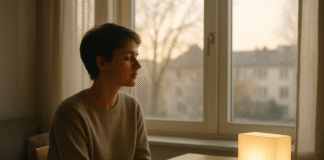
9 Science-Backed Links Between Circadian Rhythms and Mental Health (Mood, Stress,...
Your body keeps time. Circadian rhythms—roughly 24-hour cycles that coordinate sleep, hormones, metabolism, and mood—are set primarily by light and fine-tuned by behaviors like...
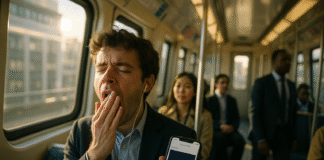
10 Fixes for Social Jet Lag: Lifestyle vs Body Clock Conflicts
When your lifestyle runs on one clock and your biology runs on another, fatigue, fogginess, and cranky mornings become the norm. This chronic mismatch...

12 Ways to Train Your Sleep-Wake Cycle (Backed by Science)
Your sleep-wake cycle is the daily rhythm that helps you feel alert by day and sleepy at night. Training it means using timed “zeitgebers”...
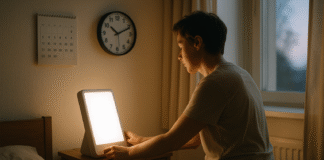
6 Circadian Rhythm Disorders: Symptoms and Management
Circadian rhythm disorders are conditions where your internal 24-hour body clock falls out of sync with your social or work schedule, leading to trouble...

9 Truths About Chronotypes: Morning Larks vs Night Owls
Chronotypes are your built-in timing preferences—being a “morning lark,” “night owl,” or somewhere between—driven by your circadian clock and shaped by genetics, age, and...

9 Strategies for Jet Lag vs Shift Work: Aligning Your Circadian...
When your body clock doesn’t match the clock on the wall, performance, mood, and health suffer. Whether you’re crossing time zones or clocking into...

8 Age-Based Sleep Patterns for Children Circadian Rhythms
If you’ve ever wondered why your baby naps in fragments while your school-age child seems wired at 9 p.m., you’re bumping into biology: children’s...

9 Ways Circadian Genes Shape Your Sleep Schedule (and What You...
Your sleep schedule isn’t just about willpower or coffee—it’s anchored by circadian genes, the DNA instructions that build your internal 24-hour clock. These genes...

The Biology Behind Circadian Rhythms: 9 Hormones and Neurotransmitters
Circadian rhythms are the body’s 24-hour programs for sleep, alertness, body temperature, hormone secretion, and metabolism. They’re coordinated by a master clock in the...

7 Science-Backed Facts on How Light Exposure Resets Your Circadian Clock
Light is the master time cue for your body’s internal 24-hour rhythm. In simple terms, light resets your circadian clock by signaling special retinal...

9 Principles for Understanding Your Circadian Rhythm: The Science of Your...
Your circadian rhythm is your internal 24-hour timekeeping system that coordinates sleep, hormones, body temperature, metabolism, and alertness. In simple terms, it’s how your...

9 Ways Aging and Circadian Rhythms Affect Sleep in Older Adults
As we get older, our internal clock (circadian rhythm) and sleep drive change in predictable ways. Many people notice earlier bedtimes and wake-ups, lighter...

9 Ways How Exercise Timing Influences Circadian Rhythms (Use Timing to...
When you work out can nudge your internal clock earlier or later, changing when you feel alert, hungry, and sleepy. In chronobiology terms, exercise...

10 Apps That Can Help Regulate Your Body’s Internal Clock for...
Many people all over the world have problems getting adequate sleep that is both regular and restful. One of the greatest methods to get...

Connection Between Circadian Rhythm and Mental Health
The circadian rhythm is like an internal clock that instructs the body when to do practically everything, like release hormones and maintain the body's...

7-9-8 Rule Understanding the Ideal Sleep Cycle for Maximum Rest
Getting enough sleep is just as important for our health as eating well and working out. There are a lot of different suggestions, like...
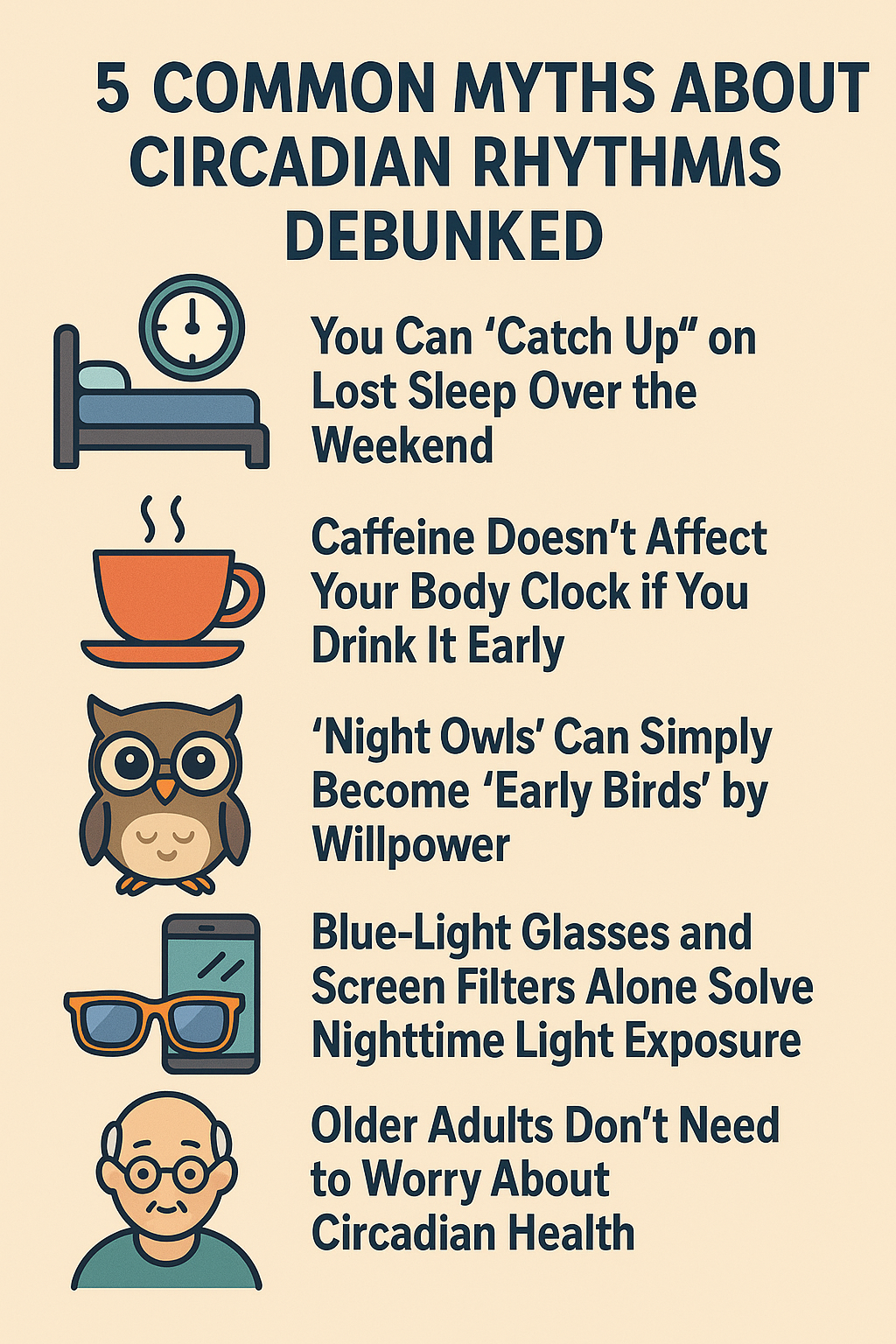
5 Common Myths About Circadian Rhythms Debunked
Our body's natural 24-hour clocks, called circadian rhythms, control many bodily functions, including sleep and wake cycles, hormone production, body temperature, and more. They...
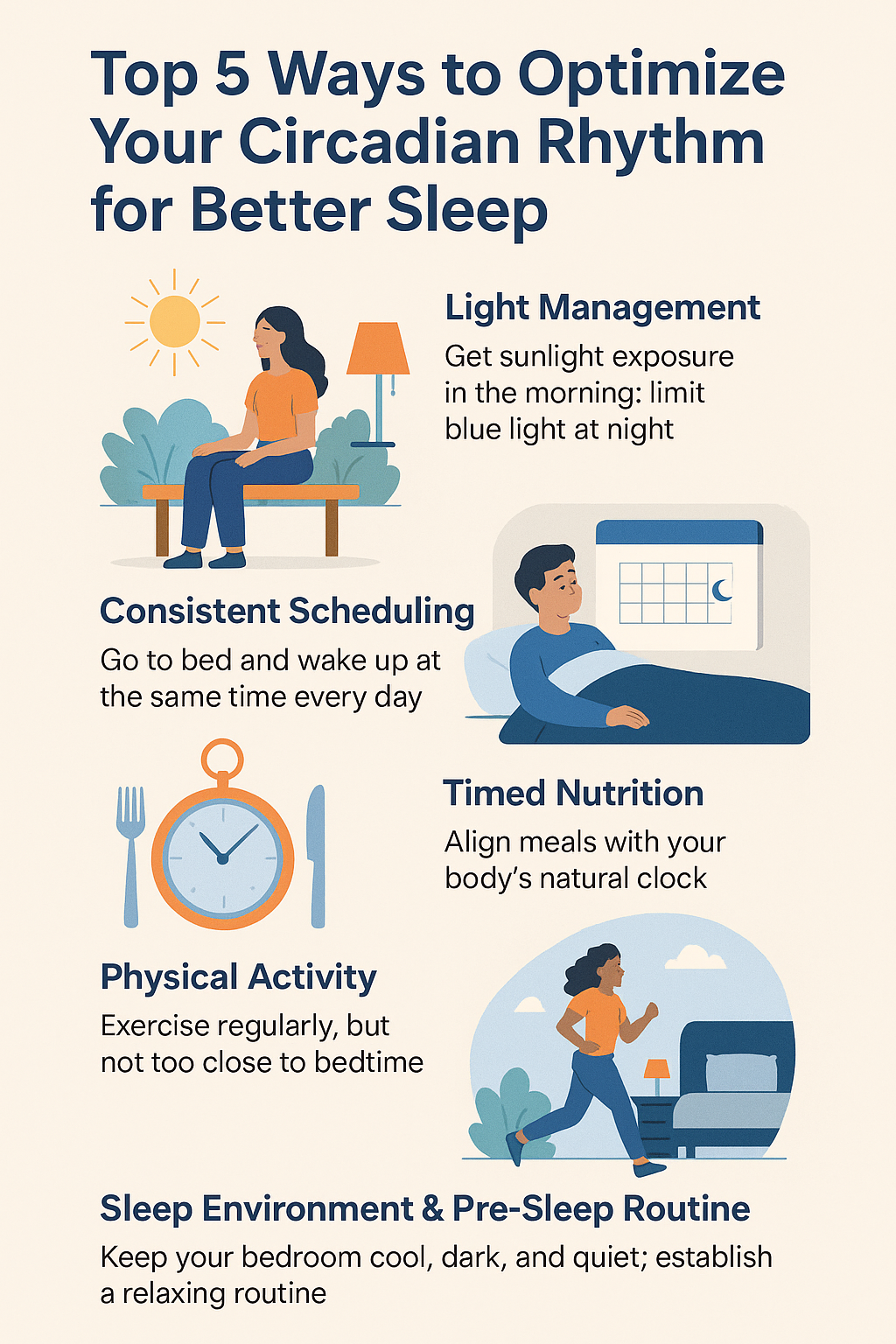
Top 5 Ways to Optimize Your Circadian Rhythm for Better Sleep
Modern ways of life, such too much screen time, erratic schedules, artificial light, and meal times that are impossible to predict, mess up our...