

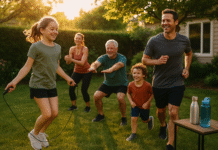















Family fitness goals work best when they’re simple, shared, and scheduled. The aim is to help every household member move more each week—kids, adults, and older relatives—by choosing routines everyone will actually do. In practice, that means anchoring around clear weekly targets (adults: at least 150 minutes of moderate activity; kids and teens: about 60 minutes daily), mixing fun activities, and tracking tiny wins together. This article shows you how to design 12 practical, real-world goals that fit busy calendars, hot or rainy seasons, and different ages and abilities—without turning your home into a boot camp. (Guideline anchors: WHO and national recommendations as of August 2025. )
Quick start (skim this, then dive in):
- Pick a shared reason (“why”) and one 12-week goal.
- Block family activity windows on your calendar.
- Mix cardio, strength, bone, and balance work by age.
- Gamify the routine with points/challenges.
- Track minutes/steps; review weekly and adjust.
This article offers general guidance, not medical advice—if anyone has a health condition, get personalized clearance first.
1. Align on a Shared “Why” and Lock One 12-Week Goal
Start by agreeing on a single, specific family goal so everyone knows what success looks like. A good default is: “In 12 weeks, all adults average 150–180 minutes of moderate activity per week; kids average 60 active minutes per day.” That phrasing sets a timeline, a number, and a scope that fits major guidelines and can be adapted for different fitness levels. Clarify why this matters now (more energy, better sleep, stress relief, quality time), and decide how you’ll support one another—rides to practice, device-free evenings, or weekend walks. When families align on purpose and specifics, buy-in rises and follow-through improves. (Guideline anchors for minutes: WHO/CDC; family-based programs show added impact when adults participate. )
1.1 Mini-checklist
- Write a single 12-week goal where success is measurable.
- Define roles (planner, playlist DJ, hydration captain).
- Agree on two non-negotiable activity slots/week.
- Decide how you’ll celebrate small wins every Sunday.
1.2 Numbers & guardrails
- Adults: target 150–300 minutes/week moderate or 75–150 vigorous, plus 2 strength days.
- Kids/teens: aim for 60 minutes/day, mostly aerobic; add vigorous, muscle, and bone work ≥3 days/week.
Close: One clear, shared goal reduces friction later—every scheduling and activity choice flows from it.
2. Put Movement on the Calendar (and Make It Survive Real Life)
The fastest way to make family fitness happen is to schedule it like school or work. Pick two “anchor” windows that rarely move—e.g., Tue/Thu 6:30–7:15 p.m.—then add a floating weekend slot you confirm by Friday night. Stack activities onto routines you already do: walk after dinner, squats during kettle boil, bike to Saturday errands. Use school calendars and weather forecasts to choose realistic times. In hot climates, plan early mornings or evenings and keep shady routes handy; during monsoon or winter, keep an indoor “rain plan” list. Scheduling removes decision fatigue, which is often the real barrier to consistency. (Heat timing tips from CDC/NWS, as of July–August 2025. )
2.1 Region-specific notes (hot/humid areas)
- Aim for cooler hours; if heat index exceeds ~103°F/39.5°C, move indoors.
- Hydrate proactively; don’t wait for thirst.
- Prefer shaded paths; sunlight can raise felt heat index by up to 15°F (≈8°C).
2.2 Example weekly template
- Tue: 45-min family walk + 10-min stretch.
- Thu: 25-min strength circuit + 15-min tag/basketball.
- Sat (flex): bike to park + playground sprints (kids) / hill repeats (adults).
Close: Lock two anchors, keep one flex slot, and you’ll survive exams, deadlines, and heat waves without losing momentum.
3. Build an Age-Smart Mix: Cardio, Strength, Bone, and Balance
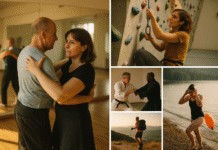
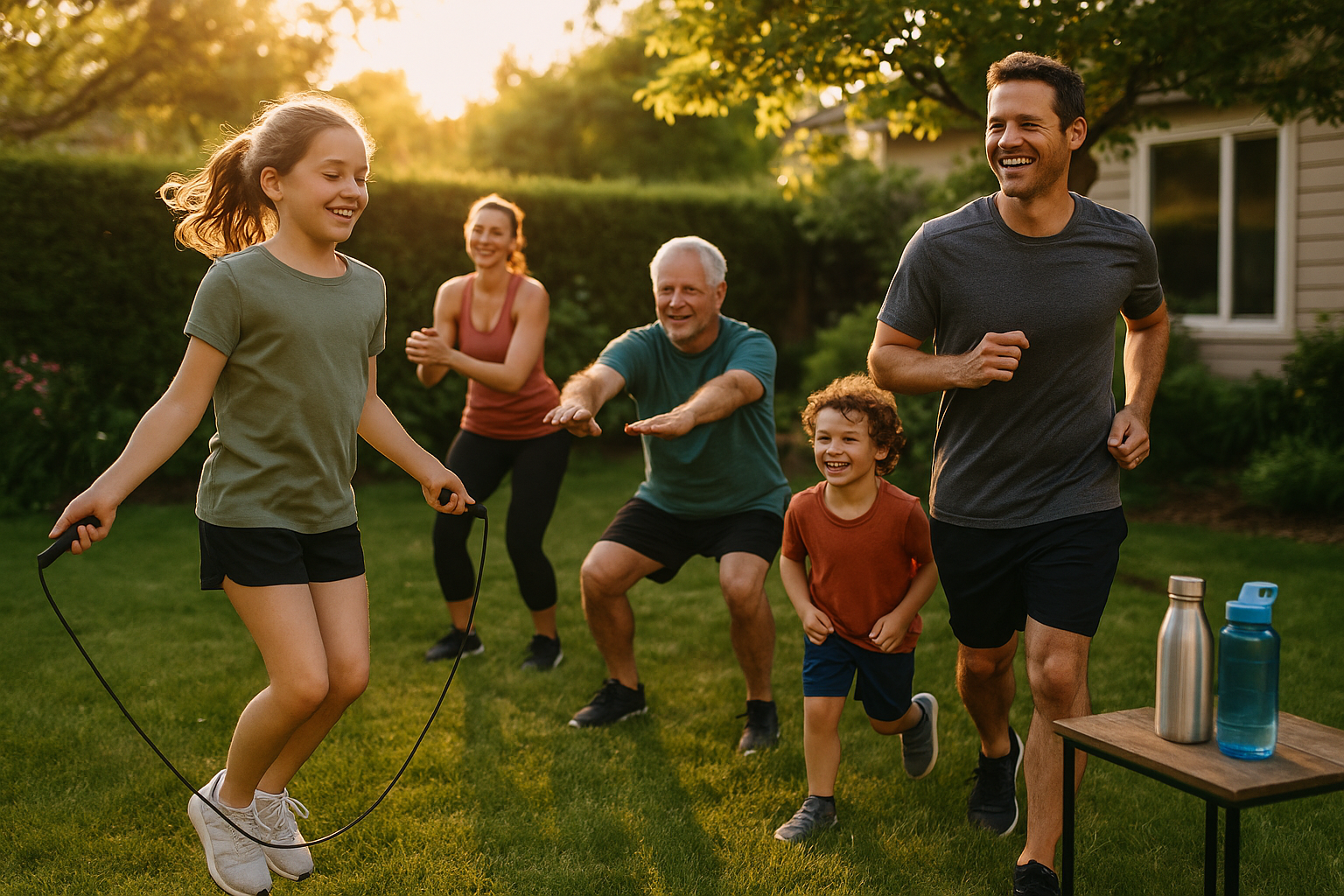
A family plan should include cardio for heart health, strength for muscles/joints, bone-loading for kids and teens, and balance for older adults. Kids often rack up aerobic minutes through games; add jumping, hopping, or rope work for bones and simple bodyweight moves for strength. Adults will want brisk walks, cycling, or jogging, plus 2–3 weekly sessions of push-pull-hinge-squat-carry patterns. Older relatives benefit from balance (heel-to-toe walks, single-leg stands) alongside strength. Varying modes prevents boredom and distributes strain across tissues, helping reduce overuse aches. (Category guidance from WHO & U.S. Physical Activity Guidelines. PMC)
3.1 How to do it (menu by age)
- Ages 6–17: 60 min/day; include vigorous activity & muscle/bone-strengthening ≥3 days/week (e.g., tag, jump rope, youth sports).
- Adults: 150–300 min/week moderate or 75–150 vigorous + strength ≥2 days/week.
- Older adults: same minutes; emphasize balance & functional strength.
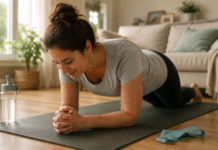
3.2 Mini-circuit (20–25 min)
- 5 rounds: 30s squats, 30s push-ups (incline for beginners), 30s marching lunges, 60s brisk step-ups; rest 60s between rounds.
Close: Match activities to ages and you’ll cover health bases while keeping sessions enjoyable.
4. Make It Fun: Gamify with Points, Bingo, and Friendly Races
Turning movement into games keeps kids engaged and motivates adults who dislike “workouts.” Create a simple points system: 1 point per 10 active minutes for kids; 1 point per 15 minutes for adults. Set weekly family targets and a shared reward (homemade smoothie bar, picnic). Use a whiteboard bingo—15 squares of micro-tasks (e.g., “20 jumping jacks,” “10-min backyard soccer,” “walk the dog for 15”). For step-curious families, wearables or phone pedometers can add accountability; research links ~7,000+ daily steps with reduced mortality in adults, and roughly 11,500–12,000 steps can approximate 60 minutes MVPA in youth.
4.1 Tools/Examples
- Free step counters on most phones; basic pedometers for kids.
- Weekly “mystery challenge” card: winner chooses Sunday playlist.
- Relay races, treasure hunts, or “park circuit” stamps at playgrounds.
4.2 Numbers & guardrails
- Adults: consider personal baselines (e.g., average steps last week + 10%).
- Kids: aim to fill MVPA with free play first; organized sport is a bonus.
Close: A little game design turns repetition into motivation—points and playful variety keep everyone coming back.
5. Start Smaller Than You Think, Then Progress on Purpose
The best plan is the one you’ll repeat. Launch with micro-bites: 10–15 minutes after dinner, one hill loop on Saturday, a single short strength circuit. For adults, build toward 150 minutes by adding 5–10% weekly time or distance; for kids, lengthen free play and sprinkle high-energy bursts a few times per week. Keep early wins easy to guarantee momentum. If someone is returning from injury, emphasize low-impact choices (cycling, swimming, brisk walking) and extend rest between hard days. “Any activity counts” is not just a slogan—it’s supported by national guideline summaries.
5.1 Mini progression (12 weeks, adults)
- Weeks 1–2: 3 × 15-min brisk walks + 1 × 15-min strength.
- Weeks 3–6: 3 × 20-min walks or cycles + 2 × 20-min strength.
- Weeks 7–12: 4 × 25-min cardio + 2 × 25-min strength.
5.2 Common mistakes
- Jumping volume too fast; skipping rest; comparing kids’ progress to adults.
Close: Progress gradually and you’ll arrive at guideline levels without burnout or aches.
6. Design Your Home to Nudge Movement (and Tame Screens)
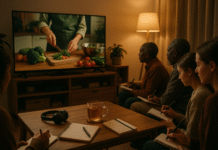
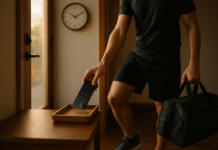
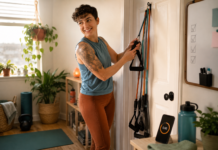
Environments drive behavior. Put a jump rope by the door, resistance bands near the living room, and a soccer ball in the trunk. Create a “movement corner”—yoga mat, mini-bands, light dumbbells—where you can squeeze five minutes between tasks. Pair these nudges with sensible media rules so activity doesn’t compete with screens 24/7. The American Academy of Pediatrics recommends personalizing a Family Media Plan, using screen-free zones (like the dinner table) and a screen-free hour before bed; co-viewing with kids helps model healthy habits. (AAP resources updated through 2024–2025. )
6.1 Practical swaps
- TV remote next to a resistance band; do 10 rows during ads.
- Family dance track for dishwashing; stairs over elevators when possible.
- Bedtime dock for devices outside bedrooms.
6.2 Mini-checklist
- Set 2–3 screen-free windows/day.
- Keep at least 3 grab-and-go activity tools visible.
- Co-view/co-play 2× per week.
Close: Small environmental tweaks plus clear media boundaries make activity the easy, default choice.
7. Fuel and Hydrate for Family Activity (Without Making It Complicated)
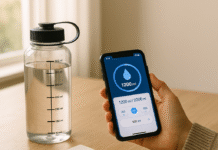
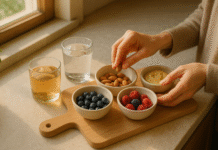
You don’t need sports-nutrition wizardry to support active families—just a few basics. For sessions <60 minutes at light to moderate intensity, water and regular meals usually suffice. Longer or hotter workouts call for planned fluids and electrolytes, especially for teens in outdoor sports. In warm climates, schedule earlier sessions, pre-hydrate, and bring extra water; muscle cramps can be an early heat-illness sign. Keep snacks simple: fruit + nuts, yogurt + granola, or a sandwich + milk within an hour after harder efforts. Make it collaborative—kids can pack bottles and snacks, adults prep the cooler. (Heat and hydration guidance as of 2024–2025. )
7.1 Hot-day guardrails
- Limit midday exertion; move to shade; add rest breaks.
- Drink regularly; for long, sweaty sessions, include electrolytes.
- If anyone feels dizzy, confused, or stops sweating—cool immediately and seek care.
7.2 Post-activity snack ideas
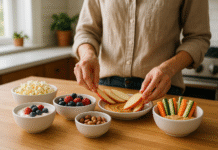
- Peanut-butter banana wrap; hummus with pita and cucumber; chocolate milk + apple.
Close: Simple fueling plus heat-smart habits keeps family workouts safe and enjoyable year-round.
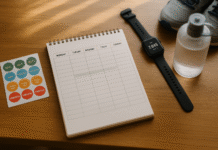
8. Track What Matters: Minutes, Not Perfection
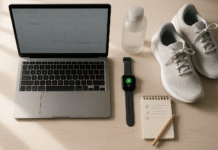
Tracking turns vague intentions into visible progress. Choose 1–3 metrics that match your goal and age group: adults can log total weekly minutes plus two strength days; teens can track sport practices and free play; younger kids can color in a daily activity box. Step counts can help, but they’re optional—focus on minutes and variety first. If you do use steps, evidence suggests adults benefit around ~7,000+ daily, and ~11,500–12,000 steps can approximate 60 minutes MVPA for youth; treat these as guides, not commandments.
8.1 Simple tools
- Fridge chart or whiteboard; shared phone note; basic pedometers.
- Weekly “retro” (10 minutes): What worked? What didn’t? What changes this week?
8.2 Mini example
- Week 1 totals: Adults 95 minutes + 1 strength; Kids 5/7 active days. Adjust next week by adding one 20-min walk after dinner.
Close: When progress is visible and realistic, motivation stays steady—especially for kids.
9. Create a Rain-Heat-Travel Plan So You Never Skip a Week
Life happens—exams, travel, illness, heat waves, and monsoon rains. Resilient families plan for these before they hit. Build a 30-minute indoor backup session (e.g., bodyweight circuit + dance playlist), a “hotel room” micro-routine for travel days, and an “under the weather” walk-and-stretch plan when someone’s recovering. In hot seasons, move workouts to dawn or after sunset, shorten them, and add water breaks; check your local heat advisories to decide whether to stay indoors. The goal is continuity, not perfection—protect the habit by changing how you move, not if you move. (Heat-risk references for timing and caution. National Weather Service)
9.1 Backup menus
- Indoor 30-min: 5 rounds of 2-min movement + 1-min rest (squats, marching, crawl, wall push-ups, shadow boxing).
- Hotel 15-min: 3 rounds of 40s lunges/40s chair dips/40s plank; rest 60s.
- Recovery day: 10–20-min walk + gentle stretch.
9.2 Travel tips
- Pack mini-bands and a jump rope; scout a nearby park; set “movement alarms.”
Close: Backup plans turn disruptions into detours, not dead ends.
10. Make Sleep and Recovery a Family Policy
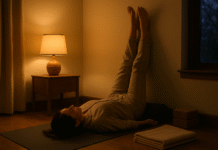
Better activity starts with better recovery. Aim for age-appropriate sleep, protect wind-down time, and keep devices out of bedrooms. The AAP recommends avoiding screens for about an hour before bed and setting clear media rules to support sleep and learning; families can capture this in a written Media Plan so everyone follows the same playbook. On training days, include a 5–10 minute cooldown and light mobility, and schedule at least one lower-intensity day each week. Kids grow—and adapt—during rest; adults feel the benefits of training when recovery is consistent.
10.1 Bedtime checklist
- Power down screens 60 minutes before lights out.
- Set consistent bed/wake times (even weekends within ~1 hour).
- Cool, dark, quiet bedrooms; devices docked elsewhere.
10.2 Recovery nudges
- Evening stretch while someone reads aloud; short walk after dinner most nights.
Close: Treat sleep as part of training and the whole family’s energy—and mood—will rise.
11. Keep It Budget-Friendly: Gear, Parks, and DIY Circuits
Family fitness doesn’t require pricey memberships. Start with what you have: shoes, water bottles, and a safe route. Free or low-cost staples—jump rope, mini-bands, playgrounds—cover most needs. Many cities maintain public tracks, walking paths, and community courts; use them during cooler hours. Build DIY circuits using benches, stairs, and open space, and rotate roles so each person feels ownership (kid designs the warm-up, teen chooses the finisher). Keep the “barrier to start” low: if a session needs 20 minutes of setup, it won’t happen on a school night.
11.1 Budget kit (under a modest spend)
- Jump rope, mini-bands, yoga mat, light dumbbells (optional), ball for games.
- Stopwatch/phone timer; refillable bottles; hats/sunscreen for outdoor days.
11.2 Mini-checklist
- Map 2 local parks and 1 indoor fallback spot.
- Place kit in a visible bin.
- Assign rotating “session captain.”
Close: The less you spend and the faster you can start, the more you’ll actually do.
12. Review, Celebrate, and Reset Every Month
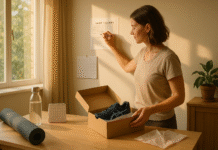
Families stick with movement when they reflect and refresh together. Hold a 20-minute monthly review: Did adults hit ~150+ minutes most weeks? Did kids reach 60 minutes on at least five days? What was fun? What dragged? Choose one tweak for the next month—new park loop, fresh playlist, or a different game. Consider a family challenge (e.g., “200 combined minutes this week”) with a modest, non-food reward. Evidence shows that when parents model and support activity, kids move more; family-based approaches also improve cohesion and health behaviors. Make that visible with photos, stickers, or a progress wall. PMC
12.1 If-then plans (simple habit scripts)
- “If it’s raining at 6:30 p.m., then we start the indoor circuit.”
- “If homework runs late, then we do a 12-minute walk instead of skipping.”
12.2 Celebrate smart
- Highlight consistency and effort, not just speed or distance; let every family member “win” at something each month.
Close: A short, honest review plus a fresh twist keeps the routine alive—and keeps everyone involved.
FAQs
1) What counts toward our weekly minutes?
Any moderate-intensity movement (breathing faster but still able to talk) counts: brisk walks, cycling, dancing, active play, yard work, even carrying groceries up stairs. Adults can mix moderate and vigorous minutes; kids mostly rack up time through play and sports. Strength and balance sessions matter too—log them separately so you hit two strength days weekly. (Guideline context. )
2) My child dislikes “sports.” How can they reach 60 minutes?
Lean into free play and non-sport options: scooter rides, dance games, trampoline, playground circuits, hide-and-seek, or dog-walking. Break the hour into chunks (3 × 20 minutes or 4 × 15). Use a bingo or sticker chart to make it feel like a game. Invite friends or cousins—social play can make the time fly. (Youth activity guidance. )
3) Are step goals necessary?
No. Minutes are the primary anchor. If steps help motivation, adults can aim around ~7,000+ per day; youth often need ~11,500–12,000 to approximate 60 minutes of moderate-to-vigorous activity. Treat steps as helpful approximations, not strict rules.
4) How do we handle very hot days safely?
Move sessions to early morning or evening, shorten duration, add shade and breaks, and hydrate before you feel thirsty. If the heat index is very high, stay indoors. Muscle cramps can be an early warning sign; if severe symptoms occur, cool immediately and seek help.
5) Do we need special gear for kids’ strength training?
No. Bodyweight movements (squats, pushes, pulls with bands, crawling) plus supervised play build plenty of strength. As they mature, add light external loads with good technique. Keep it playful and varied; avoid maximal lifts for young kids unless coached. (General approach aligned with guideline spirit. Health.gov)
6) How much should adults strength-train?
At least two non-consecutive days per week covering major muscle groups (push, pull, hinge, squat, carry). Sessions can be 20–30 minutes. Progress by adding reps, sets, better form, or modest load—consistency matters more than complexity.
7) We’re busy. What’s the minimum effective plan?
Two 25-minute weeknight sessions plus one 30–45-minute weekend slot gets most adults near 150 minutes within a few weeks. Kids can reach their hour by stacking three short active breaks daily. Anchor sessions on your calendar and keep an indoor fallback ready. Health.gov
8) How do screens fit into a healthy routine?
Use a Family Media Plan so screen time doesn’t crowd out movement or sleep. Set screen-free zones (dinner table), screen-free times (one hour before bed), and co-view/play rules so media becomes shared and purposeful.
9) Does family fitness really improve health?
Yes. Beyond the broad benefits of activity, studies show family-based programs can improve children’s physical activity and weight-related outcomes, and parent participation predicts higher child activity levels. Family routines also strengthen cohesion and organization. Wiley Online Library
10) What if someone is ill or injured?
Pause vigorous activity and modify. For colds without fever, light walking and mobility may be fine; for fevers, rest until fully recovered. For injuries, follow medical guidance and switch to pain-free options (e.g., cycling if running hurts). Keep the habit alive with gentle alternatives while healing.
11) Are sports practices enough for kids?
Often yes, but it depends on intensity and duration. Count practice minutes when kids are moving (not just listening). On off days, top up with free play. Variety (jumping, running, balance) is valuable for growing bodies. BioMed Central
12) How can grandparents safely join?
Encourage balance work (e.g., single-leg stands near a counter), light strength 2–3×/week, and conversational-pace walks or cycles. Pair them with kids for fun and accountability. Adjust for medications, joint issues, and heat—cooler times are best. (Older-adult emphasis in guidelines. )
Conclusion
Getting everyone involved in family fitness is less about perfect programming and more about simple systems that survive busy weeks. Start with one shared 12-week goal and schedule two anchor sessions plus a flexible weekend slot. Mix age-appropriate cardio, strength, bone, and balance work so everyone gets what they need. Keep it fun with games and points, and make tracking visible but low-pressure—minutes and smiles over perfection. Protect sleep and recovery, tame screens with a family media plan, and keep a hot-day or rain-day backup ready. Review and refresh monthly, celebrate effort, and rotate roles so each person feels ownership. Do this, and movement stops being another chore and becomes a shared family habit—one that boosts health, mood, and connection. Your next step: pick two anchor times this week, write them on the fridge, and invite the family to your first “together session.”
References
- WHO Guidelines on Physical Activity and Sedentary Behaviour, World Health Organization, 2020. World Health Organization
- Adult Activity: An Overview, Centers for Disease Control and Prevention (CDC), updated Dec 20, 2023. CDC
- What You Can Do to Meet Physical Activity Guidelines, CDC, updated Apr 16, 2024. CDC
- Physical Activity Guidelines for Americans, 2nd Edition, U.S. Department of Health and Human Services, 2018 (PDF). Health.gov
- Family-Based Interventions for Pediatric Obesity: A Systematic Review and Meta-analysis, Pediatric Obesity (PMC), 2024. PMC
- Family-based interventions to increase physical activity in children: a systematic review, Obesity Reviews (PMC), 2016. PMC
- Make a Family Media Plan, American Academy of Pediatrics – HealthyChildren.org, updated Dec 19, 2024. HealthyChildren.org
- Heat and Athletes | Heat Health, CDC, updated Jun 25, 2024. CDC
- What is the Heat Index?, National Weather Service (NOAA), accessed Aug 2025. National Weather Service
- Steps per Day and All-Cause Mortality in Middle-aged Adults, JAMA Network Open, 2021. JAMA Network
- Daily Step Target to Measure Adherence to Physical Activity Guidelines in Children, Medicine & Science in Sports & Exercise (PubMed), 2012. PubMed
- Kids & Screen Time: Give Your Child’s Eyes a Screen-Time Break, AAP – HealthyChildren.org, updated Feb 29, 2024. HealthyChildren.org