




























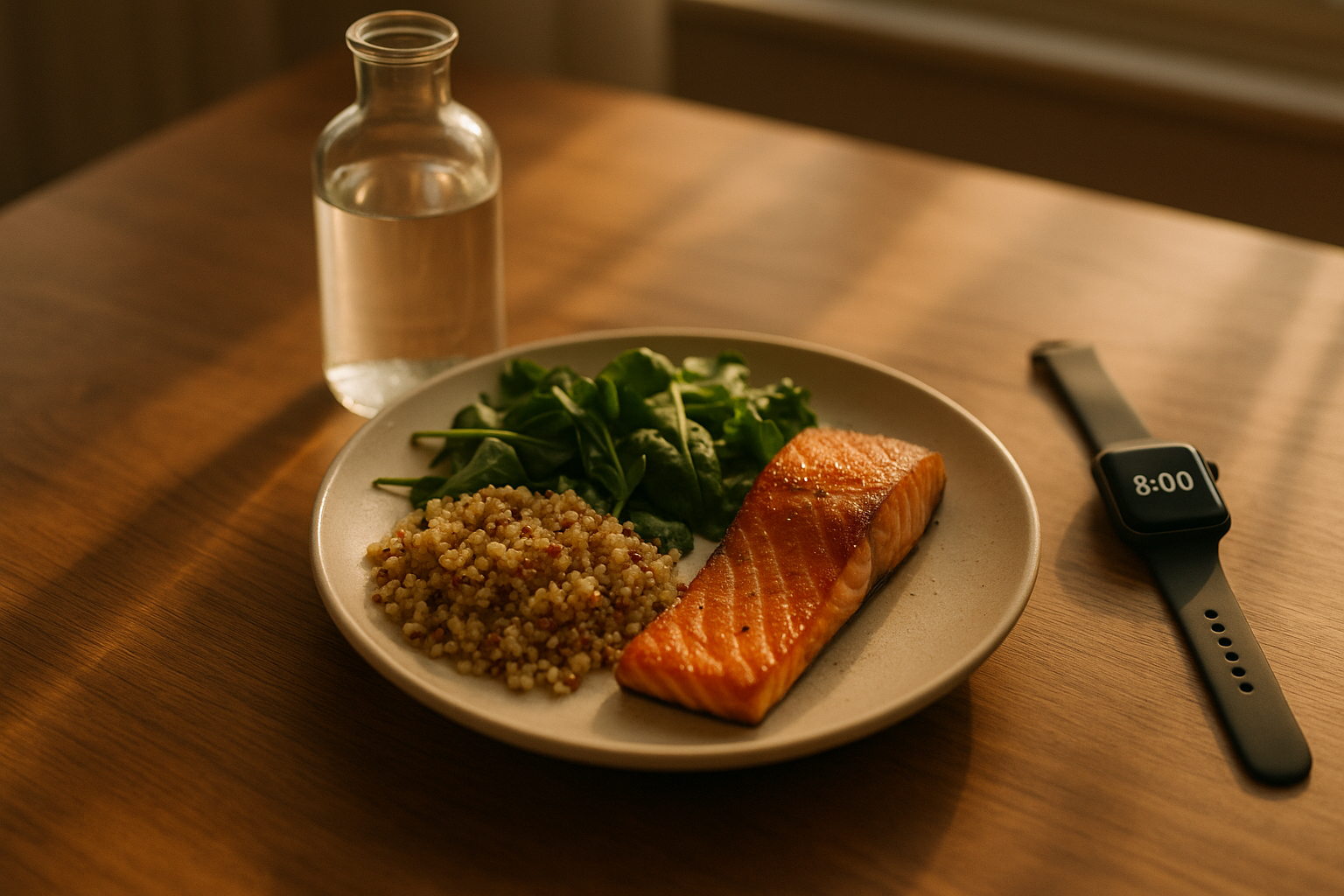
Intermittent fasting (IF) is an eating pattern that cycles between set fasting and eating windows to help control calories and support metabolic health. In plain terms: you eat all of your day’s food within a defined window (for example, 8 hours) and fast the rest. The core idea is that limiting eating opportunities can make it easier to land in a calorie deficit—the main driver of weight loss—without rigidly counting every bite. As of August 2025, research shows IF can work for weight management, though it’s not consistently superior to conventional calorie-restricted diets. Always talk with a clinician if you have medical conditions or take medications.
Fast gist (featured answer): Intermittent fasting helps many people lose weight by simplifying calorie control, but head-to-head trials show it’s usually about as effective as standard calorie reduction. Early-day eating windows may aid blood sugar and blood pressure; risks include potential lean-mass loss without resistance training, social fit issues, and safety concerns for specific groups.
Brief safety note: IF is not appropriate for everyone (e.g., pregnancy, history of eating disorders, some diabetes regimens). Use the “Who should avoid IF” section and talk with your doctor before starting.
1. Pro — It can create an “easier” calorie deficit for many people
Intermittent fasting can reduce unplanned snacking and late-night eating, which often leads to a spontaneous drop in calorie intake without intensive tracking. Trials and umbrella reviews show IF typically produces weight loss similar to continuous calorie restriction (CR), suggesting the main mechanism is eating fewer calories rather than a unique metabolic advantage. In practice, many people find an 8–10 hour eating window easier to follow than weighing foods or logging every meal. Short-term weight change in IF studies commonly ranges from ~2% to 8% over 2–26 weeks, similar to standard diets when calories are matched. That simplicity is the appeal: fewer decisions, clearer boundaries, and less cognitive load.
1.1 Why it matters
- Adherence drives results. Diets that reduce “decision fatigue” often improve follow-through.
- Window control curbs grazing. Late-night calories are a common weight-loss roadblock.
- Comparable outcomes to CR. Multiple RCTs find similar weight loss when total intake is controlled. PubMed
1.2 Numbers & guardrails
- Typical starting pattern: 16:8 (16 hours fast, 8 hours eating).
- Target a modest deficit (e.g., 300–500 kcal/day) via food quality and portion awareness within the window.
- Expect steady, not dramatic loss; plateaus are normal.
Closing thought: If you prefer structure over counting, IF can be an efficient way to “automate” calorie control—provided the meals inside the window are still balanced.
2. Con — It’s not reliably better than calorie counting (and sometimes no better at all)
Head-to-head trials find time-restricted eating (TRE) is often no more effective than standard daily calorie restriction for weight, body fat, or metabolic risk factors when total calories are similar. A notable NEJM RCT (2022) showed no added benefit from an 8-hour eating window when both groups followed calorie restriction. Likewise, a 2020 JAMA Internal Medicine trial found 16:8 TRE did not beat consistent meal timing for weight loss, and one analysis noted a decrease in appendicular lean mass in the TRE group (see Section 4). Alternate-day fasting has also failed to outperform traditional calorie restriction on weight loss or cardiometabolic markers in year-long data. The takeaway: IF is a tool, not a magic lever; calorie balance and diet quality still rule.
2.1 What this means for you
- Choose IF if it helps you adhere—not because it’s metabolically superior.
- If you dislike long fasts, standard calorie-aware eating works just as well.
- Prioritize food quality (fiber, protein, minimally processed foods) regardless of schedule.
2.2 Mini example
Two people both average ~1,800 kcal/day. One uses IF (no breakfast, 12–8 p.m. window); the other eats three meals. If total calories and protein quality are similar, weight outcomes are similar—even if the fasting person feels more “on plan.”
3. Pro — Earlier daytime windows can improve glucose and blood pressure
Eating most of your calories earlier (e.g., a 7 a.m.–3 p.m. window) aligns with circadian biology and may improve insulin sensitivity, blood pressure, and appetite independent of weight change. The pioneering early time-restricted feeding (eTRF) trial found better insulin sensitivity and lower BP with a 6-hour early window vs a 12-hour schedule. More recent work shows early windows can produce greater weight loss and better diastolic BP than longer windows that extend into the evening. If your goal is metabolic health and weight management, earlier timing appears advantageous.
3.1 How to try it
- Start with a 10-hour window (e.g., 8 a.m.–6 p.m.), then compress to 8 hours if tolerable.
- Front-load protein and fiber at the first meal to stabilize appetite.
- Aim to finish eating 3+ hours before bed to reduce reflux and late-night snacking.
3.2 Region-specific note (South Asia & Ramadan context)
During Ramadan, eating is shifted to evening/overnight; if you have diabetes, structured education and medication adjustments reduce hypo/hyperglycemia risk. Outside Ramadan, consider returning to earlier day windows for metabolic benefits.
Closing thought: For metabolic health, when you eat can matter; front-loading intake may help even if weight change is modest.
4. Con — Without strength training and enough protein, you risk losing lean mass
Some TRE studies report disproportionate lean-mass loss when no resistance training or protein strategy accompanies the fast. The 2020 JAMA trial observed a significant decrease in appendicular lean mass index in the TRE group. Over long periods, consistently squeezing all protein into a short window may make even protein distribution more difficult, which can matter for muscle retention—especially during weight loss or in older adults. The antidote is simple: lift weights 2–3 times weekly and prioritize high-quality protein across meals. Wiley Online Library
4.1 Muscle-friendly checklist
- Lift 2–3×/week (full-body or push/pull/legs).
- Distribute protein across meals in your window rather than a single large bolus.
- Pair protein with resistance exercise to maximize muscle protein synthesis.
- Monitor performance; if strength is dropping, consider a longer window or an extra protein feeding.
4.2 Practical timing tips
- Train near the start or mid-window so you can eat protein within a few hours post-workout.
- If you must train fasted, break the fast soon after with a protein-rich meal (e.g., eggs, Greek yogurt, legumes).
Bottom line: IF can be muscle-friendly if you program training and protein on purpose. PMC
5. Pro (with caveats) — Useful for people with type 2 diabetes under medical supervision
Recent randomized trials suggest time-restricted eating can aid weight loss and may improve glycemia for some people with type 2 diabetes (T2D), sometimes without calorie counting. A 2023 RCT found TRE led to greater weight loss than calorie restriction; glycemic effects were mixed but trended favorable. A 2024 trial of a 5:2 meal-replacement approach showed short-term HbA1c improvements versus metformin or an SGLT-2 inhibitor in early T2D (context and duration matter). Standards of Care documents increasingly acknowledge IF as one viable strategy but stress individualization and medication adjustment to avoid hypoglycemia. Do not start IF without discussing it with your clinician—especially if you use insulin or sulfonylureas.
5.1 Diabetes-specific guardrails
- Coordinate with your care team to adjust medications and set SMBG/CGM checks.
- Prefer earlier windows on non-Ramadan days; avoid prolonged evening feasts.
- Break the fast if BG < 70 mg/dL (3.9 mmol/L) or you feel hypoglycemic. EFAD
5.2 Ramadan note (relevant in Pakistan and Muslim-majority regions)
Ramadan fasting can be undertaken more safely with risk stratification, structured education, and med changes; hypoglycemia and hyperglycemia risks rise without this support. Plan ahead with your clinician. PMC
6. Con — Preliminary signals question long-term heart outcomes (evidence evolving)
In March 2024, a preliminary observational analysis presented at an American Heart Association meeting (not yet peer-reviewed) reported that adults eating within <8 hours/day had a higher cardiovascular mortality risk versus 12–16 hours. Experts immediately cautioned about confounding (diet recall bias, reverse causation), and debate continues; nevertheless, it’s a reminder that long-term outcomes are unknown and that extremely short windows may not be universally beneficial. Until peer-reviewed data settle this, prioritize diet quality and sustainable windows over extreme restriction. cms.ahs.uic.edu
6.1 How to interpret this (as of Aug 2025)
- The study is observational—it cannot prove causation.
- Signals may reflect who chooses <8-hour windows, not the window itself.
- Don’t ignore it either: choose moderate windows (8–10 hours) and heart-healthy foods.
6.2 Practical heart-smart moves
- Emphasize vegetables, legumes, whole grains, nuts, fish, and minimally processed foods.
- Keep saturated fat and added sugars in check, regardless of timing.
7. Pro — Appetite rhythms can work in your favor
Many fasters report that predictable windows reduce cravings and help them tolerate hunger waves; some trials also show improved appetite regulation with early windows. Ghrelin (the “hunger hormone”) pulses often adapt to routine mealtimes; pairing fasting with high-fiber, high-protein meals can flatten peaks and make adherence easier. Over weeks, the “I’m always starving” feeling frequently diminishes—especially if hydration and sleep are dialed in.
7.1 Make hunger manageable
- Start with 10 hours; compress only if easy.
- Anchor meals with protein + fiber (e.g., lentils + fish + veg).
- Hydrate—thirst masquerades as hunger; include unsweetened tea/coffee during the fast.
7.2 Mini case
A beginner shifts from grazing 15 hours/day to a 10-hour window, keeps protein at ~25–35 g per meal, and adds a nightly walk. Two weeks in, hunger is predictable and easier to ride out between meals—compliance improves and scale weight begins to trend down.
8. Con — Social fit, shift work, and training schedules can make IF hard
IF works best when your life rhythm supports it. Late shifts, heavy training blocks, or family dinners can clash with early windows. Evening-only windows may preserve social meals but can blunt the metabolic advantages seen with daytime windows. Athletes often do fine with TRE when paired with training-aligned meals, but performance can dip if long fasts collide with high-intensity sessions or if carb timing is chronically mismatched. Evidence in athletes is mixed: body fat often drops, performance is usually maintained with good programming, but results vary by sport and window length.
8.1 Solutions
- Periodize: use wider windows on heavy training days, tighter windows on rest days.
- Anchor around training: eat pre/post-workout within the window; avoid repeated fasted HIIT if performance suffers.
- Be flexible: if early dinners matter socially, try 10–11 hour windows targeting daylight hours on workdays.
8.2 Synthesis
Pick the least disruptive schedule you can sustain month after month—the “best” plan is the one you’ll actually follow.
9. Con — Not appropriate (or needs special care) for specific groups
IF is not recommended for people who are pregnant or breastfeeding and is contraindicated for those with a current or past eating disorder without specialist oversight. Adolescents, underweight individuals, and people with certain medical conditions (e.g., advanced diabetes on complex regimens, frail older adults) also need individualized guidance. If you live with diabetes and wish to fast for religious reasons (e.g., Ramadan), structured education and medication adjustments are essential to minimize hypo/hyperglycemia. diabetesresearchclinicalpractice.com
9.1 Quick screen (ask yourself)
- Am I pregnant, breastfeeding, underweight, or under 18?
- Do I have a history of disordered eating?
- Do I take medications that lower blood glucose?
If any are “yes,” talk to your healthcare team before attempting IF.
9.2 What to do instead
Focus on regular, balanced meals, sleep, and movement. If weight management is a goal, a clinician-guided plan (possibly including medications) is safer.
10. Pro — Simple, low-cost framework that pairs well with healthy eating
IF is free and straightforward: define a window, build balanced meals, and stick to a rhythm. Many people combine IF with Mediterranean-style eating—plenty of plants, legumes, nuts, fish, and olive oil—which supports heart health regardless of schedule. Apps, timers, and a calendar reminder may be all the “tools” you need. Crucially, IF does not dictate what to eat; you can adapt it to cultural cuisines and preferences while keeping portions reasonable.
10.1 Mini-checklist to start (8–10 week trial)
- Pick a window you can live with (start 10 hours, tighten to 8–9 if easy).
- Build 2–3 protein-anchored meals with vegetables and whole grains.
- Walk 10–20 minutes after meals to aid glucose control.
- Lift 2–3×/week (even brief sessions).
- Sleep 7–8 hours; poor sleep amplifies hunger.
10.2 When to stop
If you’re persistently fatigued, dizzy, or preoccupied with food—or if social life and training suffer—expand the window or choose another approach.
11. Con/Pro — It shines for some, falls flat for others (use this decision guide)
IF is a fit-based strategy. If you enjoy clear guardrails, don’t mind delaying breakfast, and value fewer food decisions, you’re a good candidate. If you wake ravenous, train early most days, or regularly eat with family late at night, IF may backfire. The evidence base says: IF works about as well as other diets for weight loss; early windows can aid metabolic markers; extreme windows (<8h) have uncertain long-term implications; and muscle retention requires training and protein. Use the guide below to decide.
11.1 Quick decision matrix
- Choose IF if: you like structure, prefer fewer meals, can schedule an earlier window, and will lift 2–3×/week.
- Skip or modify if: you need pre-dawn fueling, have night-shift work, or medical factors make fasting risky.
- Hybrid option: eat regularly on training days, use light TRE (10–11 hours) on rest or desk days.
Bottom line: IF is a legit but not magical tool. Use it if it simplifies your life and you can do it safely.
FAQs
1) What exactly is intermittent fasting, and which schedule is most common?
It’s an eating pattern that cycles between fasting and eating windows each day or week. The most common daily form is time-restricted eating (TRE), often 16:8, while weekly patterns include 5:2 (two lower-calorie days per week) and alternate-day fasting (ADF). All aim to reduce overall intake, but daily TRE is usually easiest to sustain. Evidence shows weight loss is broadly similar to standard calorie-restricted diets when calories are matched. PubMed
2) Is IF better for fat loss than regular dieting?
Not consistently. When researchers match calories and diet quality, IF typically performs about the same as conventional calorie restriction for weight and fat loss. Some individuals do better with IF due to structure; others prefer three meals. Choose the approach you’ll sustain for months. New England Journal of Medicine
3) Does meal timing matter—like eating earlier in the day?
Yes, timing can matter. Studies on early windows show improved insulin sensitivity, blood pressure, and appetite vs later schedules, sometimes independent of weight change. If feasible, aim to finish eating 3+ hours before bedtime and put more calories earlier in the day.
4) Will IF hurt my gym performance or muscle?
It depends on your training and protein habits. Without resistance training and thoughtful protein distribution, some TRE protocols show lean-mass losses. With planned lifting and adequate protein, studies suggest you can maintain performance and preserve muscle while reducing fat. Align workouts with your window when possible. PubMedPMC
5) Is IF safe if I have type 2 diabetes?
Possibly—with medical supervision. Some trials show TRE can help with weight and glucose control, but medication adjustments and monitoring are critical to avoid hypoglycemia, especially if you use insulin or sulfonylureas. Discuss a plan with your clinician, and consider earlier day windows when not observing Ramadan. PMC
6) I’ve heard IF could raise heart risks. Should I be worried?
A 2024 conference abstract associated <8-hour eating windows with higher cardiovascular mortality, but it was observational and not peer-reviewed; confounding is likely. Until stronger evidence emerges, choose moderate windows (8–10 hours), prioritize heart-healthy foods, and avoid extreme patterns. tctmd.com
7) Who should not try IF?
Avoid IF if you are pregnant or breastfeeding, have a history of eating disorders, are underweight, or are an adolescent. People with complex medical conditions should seek professional guidance first. There are safer, more individualized approaches for these groups. Tommy's
8) What should I actually eat during the window?
Think Mediterranean-style: vegetables, legumes, whole grains, fruit, nuts, fish, and modest dairy; limit ultra-processed snacks and sugary drinks. Protein at each meal supports satiety and muscle retention. Timing is a tool; quality still determines health. BMJ
9) Can IF help me if I hate counting calories?
Yes—IF reduces eating opportunities and simplifies decisions, which many find easier than tracking every calorie. But if your window becomes a license to overeat, the benefit disappears. Build meals that are fiber- and protein-forward to stay satisfied. The Lancet
10) How long until I feel “normal” with fasting?
Hunger usually adapts within 1–3 weeks as your body settles into new rhythms. Hydration, protein, fiber, and sleep all help. If you’re still miserable after a few weeks, consider a longer window or another strategy—consistency beats novelty. PubMed
11) Does IF trigger autophagy or longevity benefits?
Animal and mechanistic human data suggest fasting can trigger a metabolic switch and cellular stress-responses (like autophagy), but clinical longevity benefits in humans remain unproven. Treat any longevity claims as speculative for now.
12) How should I start—today?
Try a 10-hour window for two weeks (e.g., 9 a.m.–7 p.m.), keep meals balanced, and add light activity after eating. If it feels sustainable, compress to 8–9 hours. If fatigue, dizziness, or excessive preoccupation with food appear, stop and reassess with a clinician.
Conclusion
Intermittent fasting is a practical framework that helps many people manage weight by simplifying calorie control and aligning eating with daily rhythms. The science to date says IF typically matches traditional calorie restriction for weight loss, with potential extra metabolic perks when you keep the window earlier in the day. The trade-offs are real: social fit, training logistics, and—if you don’t lift or eat enough protein—potential lean-mass loss. For people with type 2 diabetes, IF can be a useful option with medical oversight and smart medication adjustments. And while early signals have questioned very short (<8h) windows, definitive long-term heart-outcome data are still pending; moderation and diet quality remain your safest bets.
If IF sounds like a fit, run a 6–10 week experiment with an 8–10 hour, earlier-day window, strength train 2–3×/week, and anchor meals in plants, protein, and minimally processed foods. If it clashes with your life or recovery, pick another sustainable approach—you’ll get similar results with consistent calorie control and quality nutrition.
CTA: Ready to try? Pick your window for the next two weeks, schedule your workouts, and plan three protein-forward, plant-rich meals for day one.
References
- Calorie Restriction with or without Time-Restricted Eating in Weight Loss — New England Journal of Medicine, Apr 2022. New England Journal of Medicine
- Effects of Time-Restricted Eating on Weight Loss and Other Metabolic Parameters (TREAT RCT) — JAMA Internal Medicine, Sep 2020. JAMA Network
- Effect of Alternate-Day Fasting vs Daily Calorie Restriction on Weight Loss — JAMA Internal Medicine, 2017. JAMA Network
- Early Time-Restricted Feeding Improves Insulin Sensitivity, BP & Oxidative Stress — Cell Metabolism, 2018. https://www.cell.com/cell-metabolism/fulltext/S1550-4131(18)30253-5 Cell
- Effectiveness of Early Time-Restricted Eating for Weight Loss — JAMA Internal Medicine, 2022. JAMA Network
- Effects of Intermittent Fasting on Health, Aging, and Disease — New England Journal of Medicine (Review), Dec 2019. New England Journal of Medicine
- Effect of Time-Restricted Eating on Weight Loss in Adults with Type 2 Diabetes — JAMA Network Open, 2023. JAMA Network
- A 5:2 Intermittent Fasting Meal-Replacement Diet vs Metformin/Empagliflozin in Early T2D — JAMA Network Open, 2024. JAMA Network
- Standards of Care in Diabetes — 2025: Obesity & Weight Management — Diabetes Care (ADA Supplement), 2025. Diabetes Journals
- 8-Hour Time-Restricted Eating Linked to Higher Cardiovascular Mortality (Abstract P192) — American Heart Association Newsroom, Mar 2024. American Heart Association
- Diabetes and Ramadan: Practical Guidelines — International Diabetes Federation & Diabetes and Ramadan Alliance, 2021 (living document). International Diabetes Federation
- Intermittent Fasting — NHS/Local Guidance (who should not attempt IF) — MyHealth London (NHS), accessed 2025. myhealthlondon.nhs.uk
- Eating Disorders — Overview & Risks — National Institute of Mental Health, 2024. National Institute of Mental Health