




























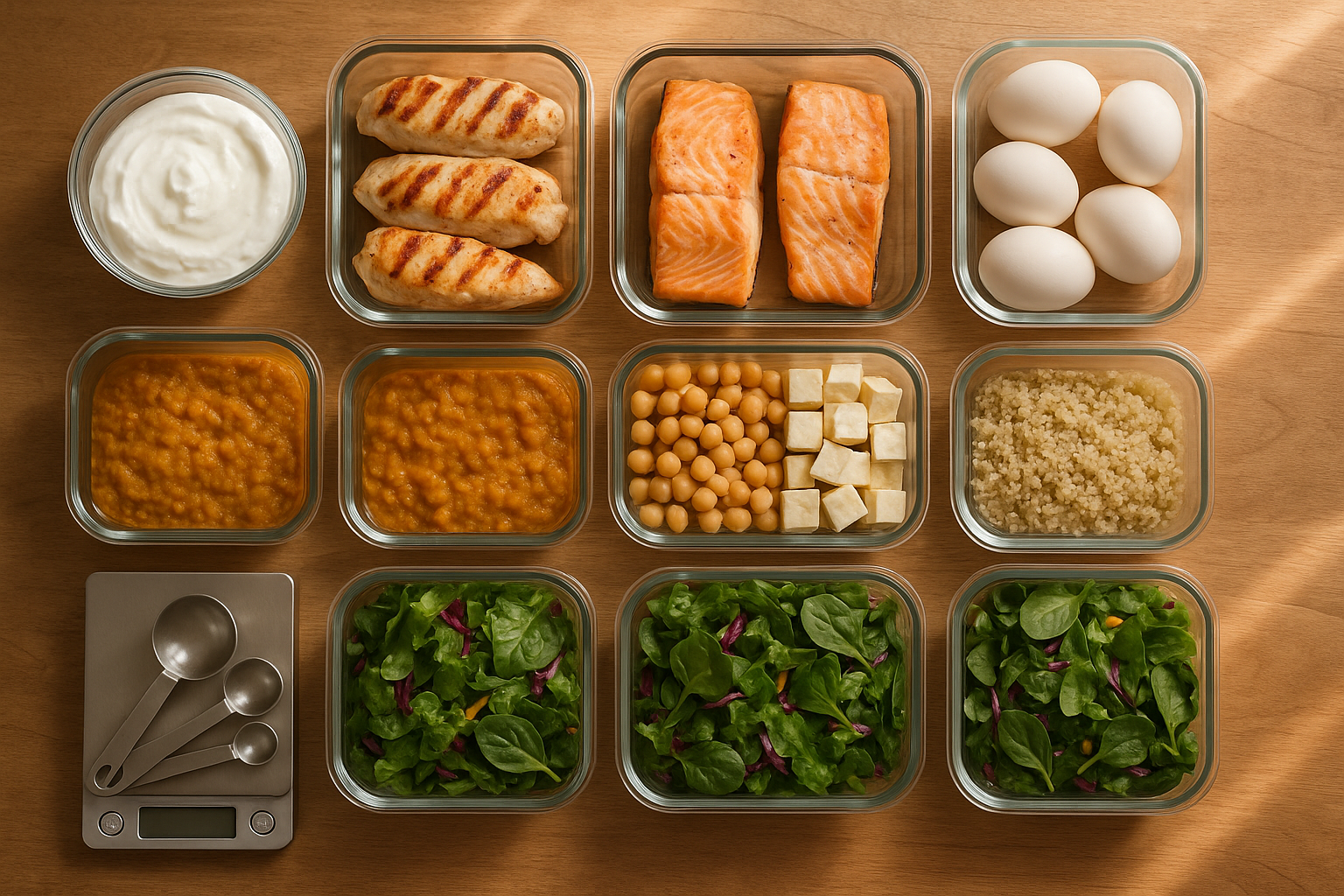
Protein is the workhorse macronutrient for fat loss: it helps you feel full, burns more calories during digestion, and protects lean muscle so your metabolism stays resilient. This article breaks down exactly how and how much to eat—plus practical, budget-friendly ways to apply it. Quick note: this is general education, not medical advice. If you have chronic kidney disease or other conditions, speak with your clinician or a registered dietitian.
Snippable answer: Protein supports weight loss by increasing satiety, raising diet-induced thermogenesis (the “thermic effect of food”), and preserving lean mass—mechanisms that improve adherence and long-term results.
1. Protein Curbs Hunger and Cravings
Protein reduces appetite more than carbs or fat and helps you naturally eat fewer calories. It does this by increasing satiety hormones (like GLP-1 and PYY), reducing the hunger hormone ghrelin, slowing gastric emptying, and stabilizing blood sugar. In tightly controlled studies, shifting from ~15% to ~30% of calories from protein led people to spontaneously eat hundreds fewer calories per day—without being told to restrict. That “I’m satisfied” signal translates to fewer between-meal cravings and late-night raids on the pantry, which is one of the biggest practical wins for real-world fat loss. Start your day with protein and you’ll notice steadier energy and easier portion control at later meals.
1.1 Why it matters
- Appetite control is the gatekeeper for adherence; you can’t out-willpower a hungry brain.
- Protein’s satiety edge makes calorie deficits more comfortable, improving consistency week after week.
- Higher-protein intakes help maintain lean mass (see Section 3), which supports resting energy expenditure.
1.2 How to do it
- Anchor each meal with 20–40 g protein (or ~0.3–0.4 g/kg body weight); see Sections 4–5 for targets.
- Front-load protein at breakfast to reduce evening snack drive.
- Build snacks around protein (e.g., Greek yogurt, boiled eggs, edamame) instead of purely carb-fat combos.
Mini checklist: Did your last meal include a palm-sized lean protein or a cup of legumes? If not, add it. Notice your hunger 3 hours later—fewer cravings is your feedback loop.
Evidence: High-protein diets increase satiety and reduce ad libitum intake; one classic trial found ~441 kcal/day lower spontaneous intake when raising protein to 30% of calories.
2. Protein Increases Daily Calorie Burn (Thermic Effect of Food)
Protein costs your body more energy to digest and process than other macros. This diet-induced thermogenesis (DIT), or thermic effect of food (TEF), is roughly 20–30% of protein calories versus 5–10% for carbs and 0–3% for fat. That means 150 g of protein (~600 kcal) burns ~120–180 kcal just to be metabolized—“free” calories you don’t have to account for elsewhere. While TEF won’t replace exercise, it helps tilt energy balance in your favor and may also enhance satiety signals after meals.
2.1 Numbers & guardrails
- TEF estimates (as of Aug 2025): Protein 20–30%, carbohydrate 5–10%, fat 0–3%.
- TEF is meal-driven, not “metabolically trained”—you get the effect when you actually eat the protein.
- Large, mixed meals with higher protein generally raise TEF more than small, low-protein meals.
2.2 Practical tips
- Make each plate protein-forward (see Section 7).
- If you meal-prep, center recipes on higher-protein staples (e.g., chicken, tofu, Greek yogurt, dal), then add produce and smart carbs.
Evidence: Reviews and meta-analyses describe protein’s TEF at about 20–30% and emphasize that the effect is acute to meal content. PMC
3. Protein Preserves (and Can Build) Lean Mass in a Calorie Deficit
During weight loss, you want to lose fat, not muscle. Protein helps you do just that. Meta-analyses show higher-protein diets lead to more fat loss with less lean mass loss, and sometimes even lean mass gain when combined with resistance training—even in a deficit. Keeping muscle matters: it supports metabolic rate, strength, and function, and it reduces the “weight-loss slowdown” many people fear.
3.1 What the evidence shows
- A meta-analysis of energy-restricted trials found high-protein diets produced greater weight and fat loss and mitigated lean mass loss vs. standard protein.
- In an intense exercise + calorie-deficit study, the higher-protein group lost more fat and gained lean mass.
- Protein supplementation meta-analysis suggests diminishing returns above ~1.6 g/kg/day for muscle gain, but this still protects muscle while cutting.
3.2 How to apply it
- Pair protein with 2–4 days/week of resistance training (push/pull/legs or full-body).
- Hit your daily target (see Section 4) and distribute across meals (Section 5).
Evidence: High-protein vs. standard-protein meta-analysis; exercise-plus-diet trial; dose-response work on protein and training.
4. How Much Protein You Actually Need (Daily Targets That Work)
For effective fat loss while protecting muscle, most adults do well at ~1.2–1.6 g/kg/day (about 0.54–0.73 g/lb/day). Athletes, heavy lifters, or those deep in a deficit may go higher—up to ~2.2 g/kg/day for some—especially if meals are fewer or training loads are high. Remember, the RDA of 0.8 g/kg is the minimum to prevent deficiency in average adults; it’s not a fat-loss optimization target.
4.1 Numbers & examples
- 60 kg (132 lb): 72–96 g/day (upper range up to ~130 g).
- 75 kg (165 lb): 90–120 g/day (upper range up to ~165 g).
- 90 kg (198 lb): 108–144 g/day (upper range up to ~198 g).
4.2 Guardrails
- If you have CKD or diabetes with kidney disease, protein needs differ (see Section 9).
- Focus on total daily intake first, then distribution (Section 5).
Evidence: Higher-protein intakes improve weight-loss outcomes and lean mass retention; typical optimization range 1.2–1.6 g/kg/day, with an upper practical bound around 2.2 g/kg/day in some contexts; RDA is 0.8 g/kg. nutrition.ucdavis.edu
5. Timing & Distribution: Hit the Per-Meal “Leucine Threshold”
The first 1–2 sentences answer: Distribute protein across the day so each meal hits the muscle protein synthesis (MPS) trigger. A practical target is ~0.3–0.4 g/kg per meal, which usually provides ~2–3 g leucine, the amino acid “spark” for MPS. Spreading intake over 3–5 meals improves the number of times you stimulate MPS, which supports muscle retention in a deficit.
5.1 Numbers & guardrails (as of Aug 2025)
- Per-meal target: ~0.4 g/kg protein (e.g., 75 kg person ≈ 30 g per meal).
- Leucine threshold: ~2–3 g leucine per meal helps maximize MPS response.
- Daily target: accumulate ≥1.6 g/kg/day across meals; more if older, very active, or in a large deficit.
5.2 Tools & examples
- Breakfast: 3 eggs + Greek yogurt (~30–35 g).
- Lunch: Lentil-paneer bowl or chicken tikka + yogurt raita (~30–40 g).
- Dinner: Fish with quinoa and veg (~30–40 g).
- Snack: Whey or soy isolate shake (20–30 g) to “top off” smaller meals.
Evidence: Per-meal protein dose (~0.25–0.40 g/kg), leucine threshold (~2–3 g), and distribution guidance. Frontiers
6. Protein Quality & Sources: Smart Choices for Better Results
Not all proteins are equal in digestibility and amino acid profile. The FAO recommends DIAAS (Digestible Indispensable Amino Acid Score) to evaluate protein quality; it tends to distinguish sources better than PDCAAS by focusing on ileal digestibility of individual amino acids. Animal proteins (dairy, eggs, meat, fish) generally score high and are rich in leucine, while many plant proteins have lower DIAAS but can reach high quality through variety and smart pairing (e.g., legumes + grains). Soy, mycoprotein, and certain blends (soy/pea/wheat) perform well.
6.1 What to pick (and why)
- High-quality animal options: eggs, Greek yogurt/dairy, fish, lean meats—rich in leucine and well-digested.
- High-quality plant options: soy foods (tofu, tempeh), mycoprotein; pair lentils/chickpeas with grains to complement amino acids.
- Region-savvy picks (South Asia): dal + roti, chana chaat, paneer bhurji, grilled fish/chicken tikka, dahi (yogurt), anda (eggs).
6.2 Useful numbers (typical cooked portions)
- Cooked lentils: ~18 g protein per cup.
- Cooked chickpeas: ~14–15 g per cup.
- Paneer: commonly ~~18–21 g per 100 g (varies by brand/fat).
Use these to build meals that hit your per-meal targets.
Evidence: FAO’s move toward DIAAS, recent reviews on protein quality; nutrient data from FoodData Central/MyFoodData.
7. Build High-Protein Meals You’ll Actually Enjoy (Breakfast → Snacks)
The best plan is the one you can sustain. Keep meals simple, tasty, and protein-forward while fitting your culture and budget. Think of your plate as Protein + Produce + Smart Carbs + Healthy Fats.
7.1 Meal ideas (mix & match)
- Breakfast: Masala omelet with spinach + a side of Greek yogurt; or paneer-veggie scramble with a small paratha; or oats cooked in milk topped with whey/soy isolate.
- Lunch: Grilled chicken tikka bowl; dal + quinoa; tuna-chickpea salad with lemon and herbs.
- Dinner: Spiced fish with roasted veg and rice; tofu-paneer stir-fry with mixed vegetables.
- Snacks: Dahi (yogurt) with nuts; roasted chana; protein shake; boiled eggs; edamame.
7.2 Mini-checklist for meal building
- Start with 30–40 g protein.
- Add 2 fists of colorful vegetables.
- Include 1 cupped-hand smart carb (rice, roti, quinoa).
- Finish with 1 thumb healthy fat (olive oil, nuts).
Tip: Verify ingredient protein using reliable databases when calculating totals. FoodData Central
8. Let Protein Do the Work: The Protein Leverage Advantage
A compelling framework called the protein leverage hypothesis proposes that humans regulate protein intake more tightly than fat or carbs. When diets are low in protein percentage, people may overeat total calories until protein needs are met; when diets are adequate in protein, energy intake often self-moderates. This helps explain why bringing protein to ~20–30% of calories can make calorie control feel easier—your biology is no longer “chasing” protein.
8.1 What this means for you
- If your calories feel hard to control, check your protein percentage first.
- Boosting protein quality and portion at meals can reduce mindless snacking and big evening appetite.
8.2 Tiny math example
- 2,000 kcal/day with 10% protein = 50 g protein; many people will feel unsatisfied.
- nudge to 25% protein = 125 g protein; appetite tends to stabilize for many.
Evidence: Foundational and follow-up work on protein leverage, plus human feeding studies showing energy intake tracks with protein percentage. PubMed
9. Safety, Hydration & Special Cases (CKD, GLP-1s, Bariatric)
For healthy adults, higher-protein intakes in the ranges discussed are broadly considered safe. If you have chronic kidney disease (CKD) or diabetic kidney disease, protein targets must be individualized; many guidelines recommend ~0.6–0.8 g/kg/day off dialysis and ≥1.2 g/kg/day on dialysis. Adequate hydration and fiber-rich foods support comfort and digestion as you increase protein. People using GLP-1 medications (e.g., semaglutide) should be especially intentional with protein + resistance training to preserve muscle while losing fat, because a meaningful fraction of weight lost on GLP-1s can be lean mass.
9.1 Guardrails
- CKD: Work with your nephrology team/dietitian for tailored targets.
- GLP-1 users: Pair adequate protein with strength training to protect lean tissue.
- General: Space protein and maintain hydration; diversify sources (plant and animal).
Evidence: KDOQI/NKF guidance for CKD protein; observational and trial data on lean mass changes with GLP-1s; expert summaries recommending protein + exercise to preserve muscle. metabolismjournal.com
FAQs
1) What’s the single best daily protein target for fat loss?
There isn’t one “best” number for everyone, but ~1.2–1.6 g/kg/day balances appetite control and muscle retention for most adults. Athletes, heavy lifters, or those in aggressive deficits may benefit from the higher end or up to ~2.2 g/kg/day short-term. If you’re smaller, older, or eat fewer meals, focus on hitting ~0.4 g/kg per meal to trigger muscle protein synthesis.
2) Can I lose weight without going high-protein?
Yes—any sustainable calorie deficit can reduce weight—but higher protein often makes the process easier by improving satiety, slightly increasing daily energy expenditure, and protecting lean mass so metabolic rate holds up better. Many controlled trials show modest but meaningful advantages for higher-protein diets during weight loss and maintenance. PubMed
3) Do plant proteins work as well as animal proteins?
They can—especially soy, mycoprotein, and blends (e.g., soy/pea/wheat). Some plant proteins are lower in certain essential amino acids and may have lower digestibility, but variety and smart pairing (legumes + grains) closes the gap. FAO recommends DIAAS for assessing quality; use mixed sources to meet leucine and total protein targets.
4) Is more protein always better?
No. There’s a saturation point for muscle building (around 1.6 g/kg/day for many), and constantly pushing higher confers diminishing returns. Focus on enough protein, well-distributed across meals, plus resistance training. ResearchGate
5) Will high protein hurt my kidneys?
In healthy adults, higher protein intakes used in weight loss studies have not been shown to impair kidney function. However, if you have CKD or diabetic kidney disease, protein needs are different—often lower off dialysis—and must be set with your care team. PMC
6) Do I need protein powder?
No. Whole foods can cover your needs. Powders (whey, casein, soy, pea blends) are just convenient ways to hit per-meal targets, especially around workouts or on busy days. Choose reputable products and think of them as food, not magic. (See Sections 5–7 for per-meal planning.) Evidence on dose/distribution supports the convenience case.
7) What are easy, affordable high-protein foods?
Eggs, Greek yogurt, milk, paneer, tofu/tempeh, canned tuna, legumes (lentils, chickpeas), and roasted chana are budget-friendly. A cup of cooked lentils provides ~18 g protein; cooked chickpeas ~14–15 g. Keep these stocked and build meals around them.
8) How should I time protein if I only eat 2 meals a day (e.g., IF)?
Still aim to hit your per-meal threshold (~0.4 g/kg/meal). If that’s tough, add a third protein feeding (e.g., shake or dairy) within your eating window, or raise each meal’s protein slightly. The goal is to stimulate MPS multiple times, even in a compressed schedule.
9) I’m on a GLP-1 (like semaglutide). How much protein should I get?
Work toward ~1.2–1.6 g/kg/day, distributed across meals, and lift 2–4×/week. Trials show a portion of GLP-1 weight loss can be lean mass; pairing medication with protein and resistance training helps preserve muscle. Advances in Motion
10) What percent of calories should come from protein?
Many do well at 20–30% of calories from protein. That typically lands near the 1.2–1.6 g/kg/day range depending on total calories. Using percentage + gram targets together keeps appetite in check and muscle protected.
11) Does protein at night help?
Evening or pre-sleep protein can be a useful extra feeding to hit your daily total and distribution, especially if you struggle to reach per-meal targets. The big rocks remain daily total and per-meal doses; timing is secondary.
12) What if higher protein upsets my stomach?
Increase gradually, hydrate, and split doses across meals. Try different sources (e.g., yogurt or tofu instead of large meat portions). If digestive issues persist, consult a clinician or dietitian—tolerance can vary with lactose, fiber, and fat content.
Conclusion
Protein is the rare fat-loss ally that works on multiple fronts: it helps you feel satisfied, slightly increases daily calorie burn, and safeguards your lean mass so your metabolism and strength stay intact. Most people will see results by aiming for ~1.2–1.6 g/kg/day, hitting ~0.4 g/kg per meal, and pairing that intake with 2–4 days of resistance training. Choose high-quality sources (animal and plant), build practical meals you enjoy, and tailor for health conditions like CKD or for special contexts such as GLP-1 therapy. Start with your next plate: anchor it with ~30–40 g of protein, add produce and smart carbs, and repeat—consistency is the hidden superpower.
Your next step: Pick one breakfast, one lunch, and one dinner from Section 7, shop and prep today, and hit your per-meal protein target all week.
References
- Weigle DS et al. A high-protein diet induces sustained reductions in appetite, ad libitum caloric intake, and body weight… American Journal of Clinical Nutrition (2005). https://ajcn.nutrition.org/article/S0002-9165(23)29507-6/pdf American Journal of Clinical Nutrition
- Ravn AM et al. Thermic effect of a meal and appetite in adults. Food & Nutrition Research (2013). foodandnutritionresearch.net
- Calcagno M. The Thermic Effect of Food: A Review. Nutrition in Clinical Practice (2019). thehubedu-production.s3.amazonaws.com
- Wycherley TP et al. Effects of energy-restricted high-protein, low-fat compared with standard-protein, low-fat diets: a meta-analysis of RCTs. American Journal of Clinical Nutrition (2012). https://ajcn.nutrition.org/article/S0002-9165(23)02940-4/pdf American Journal of Clinical Nutrition
- Longland TM et al. Higher vs lower dietary protein during an energy deficit + intense exercise. American Journal of Clinical Nutrition (2016). https://ajcn.nutrition.org/article/S0002-9165(22)06559-5/fulltext American Journal of Clinical Nutrition
- Schoenfeld BJ, Aragon AA. How much protein per meal to maximize anabolism? Journal of the International Society of Sports Nutrition (2018). BioMed Central
- Jäger R et al. ISSN Position Stand: protein and exercise. JISSN (2017). BioMed Central
- FAO. Dietary protein quality evaluation in human nutrition (DIAAS report). FAO Expert Consultation (2013). FAOHome
- Moughan PJ. Digestible indispensable amino acid score (DIAAS). British Journal of Nutrition (2024). PMC
- Leidy HJ et al. The role of protein in weight loss and maintenance. American Journal of Clinical Nutrition (2015). https://www.sciencedirect.com/science/article/pii/S0002916523274274 American Journal of Clinical Nutrition
- Wilding JPH et al. Once-Weekly Semaglutide in Adults with Overweight or Obesity (STEP 1). New England Journal of Medicine (2021). New England Journal of Medicine
- National Kidney Foundation. CKD Diet: How much protein is the right amount? NKF (accessed 2025). National Kidney Foundation
- USDA FoodData Central / MyFoodData. Cooked lentils; Cooked chickpeas—nutrition facts. MyFoodData (accessed 2025). and https://tools.myfooddata.com/nutrition-facts/173757/wt1 My Food Data
- Raubenheimer D, Simpson SJ. Protein appetite as an integrator in the obesity system (overview of protein leverage). Philosophical Transactions of the Royal Society B (2023). PMC
- Hudson JL et al. Protein distribution and muscle-related outcomes (overview). Nutrients (2020). PMC
- Moore DR et al. Ingested protein dose-response of MPS after resistance exercise. American Journal of Clinical Nutrition (2009). PubMed
- National Kidney Foundation/KDOQI. Clinical Practice Guideline for Nutrition in CKD. AJKD (2020). https://www.ajkd.org/article/S0272-6386(20)30726-5/fulltext AJKD