




















Nap Timing: The Best Time of Day for a Nap —...
If you’ve ever woken from a nap groggy or wide-awake at midnight, timing—not just length—is the missing piece. This guide distills what research and...
9 Ways Napping and Stress Reduction Work Together
Napping and stress reduction aren’t opposites of “hustle” — they’re how you restore the system that hustle depends on. Done well, a brief daytime...
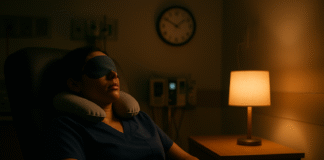
9 Rules for Napping for Shift Workers: Staying Alert on the...
If you work nights or rotate shifts, the right nap at the right time can be the difference between sharp and sluggish. Done well,...
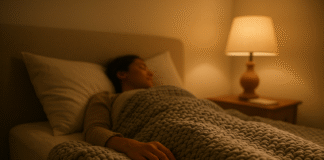
9 Evidence-Backed Answers: Do Weighted Blankets Actually Help Relaxation?
Weighted blankets are everywhere—from TikTok testimonials to hospital waiting rooms—but do they actually help you relax? Short answer: for many people, yes, especially those...
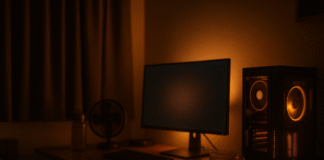
Gaming Late at Night: 12 Tips to Minimize Sleep Disruption
If you love gaming after dark but hate wrecking tomorrow’s energy, this guide is for you. Below you’ll learn exactly how to keep late...

9 Science-Backed Rules for Morning Sunlight Exposure and the Sleep-Wake Cycle
Morning sunlight exposure is one of the simplest, most reliable ways to set your internal clock, making it easier to fall asleep at night...

12 Practical Ways: How to Adapt Your Bedtime Routine for Shift...
You can adapt your bedtime routine for shift work by aligning sleep timing with your schedule, controlling light exposure, and making small but strategic...

9 Rules for Reading vs Screen Time at Bedtime: Making a...
Putting it simply: at bedtime, reading—especially on paper or a non–self-lit e-ink device—generally supports winding down, while phones and tablets tend to delay sleep...

9 Principles of Meal Timing and Circadian Rhythms (Chrononutrition)
Meal timing and circadian rhythms (chrononutrition) means matching when you eat to your body’s 24-hour clocks to get steadier energy, better glucose control, and...
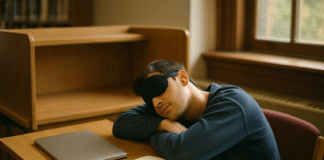
10 Naps for Students Strategies to Boost Learning and Memory
Well-timed naps can be a study superpower: they restore alertness, protect learning capacity, and help lock new material into long-term memory. This guide turns...

8 Visualization Exercises for Calming the Mind Before Bed
When your mind won’t switch off, visualization gives it something soothing to do. These exercises use guided imagery to steer attention away from worry...
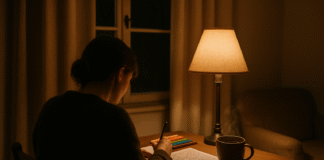
12 Ways to Use Drawing or Coloring for Evening Relaxation
Evenings run smoother when wind-down time is simple, screen-light friendly, and genuinely soothing. Drawing or coloring for evening relaxation means using low-stakes, no-pressure art—on...

9 Evidence-Based Answers on Blue-Light Blocking Glasses: Do They Work?
Blue-light blocking glasses promise relief from digital eye strain and better sleep—but what does solid research say? Short answer: for most people, these glasses...
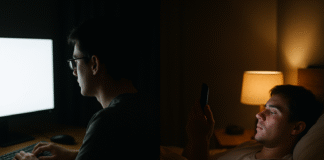
Computer Screens vs Smartphone: 9 Factors That Decide Which Hurts Sleep...
If you’ve ever wondered whether a laptop/monitor or a phone is worse for your sleep, here’s the short answer: neither device is “inherently” worse—the...
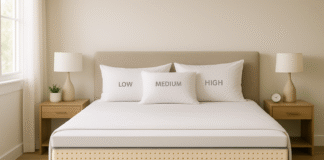
11 Rules for Choosing the Right Mattress and Pillow (General Guidance)
The fastest way to choose the right mattress and pillow is to match firmness and pillow loft to your sleep position and body weight,...
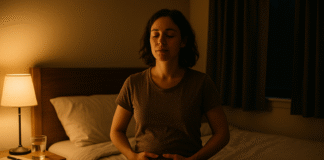
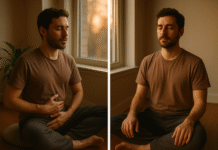
9 Mindfulness Practices Before Sleep That Calm Your Body and Quiet...
A calm, focused wind-down makes it easier for your brain and body to “let go,” shorten sleep onset, and reduce nighttime awakenings. Mindfulness practices...
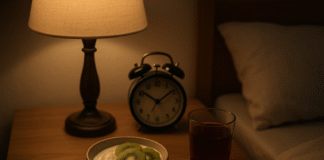
8 Evidence-Based Rules: The Impact of Nighttime Snacks on Sleep Quality
Nighttime snacks can help or hurt your sleep depending on what you eat, how much, and when. The short answer: finish dinner 2–3 hours...

9 Science-Backed Links Between Circadian Rhythms and Mental Health (Mood, Stress,...
Your body keeps time. Circadian rhythms—roughly 24-hour cycles that coordinate sleep, hormones, metabolism, and mood—are set primarily by light and fine-tuned by behaviors like...
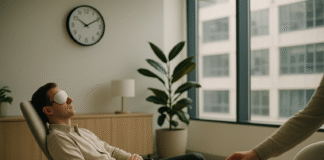
Naps vs Caffeine: 9 Evidence-Based Comparisons for a Natural Energy Boost
If your energy crashes in the afternoon, you usually have two options: grab caffeine or take a short nap. This guide compares naps vs...
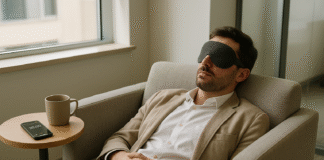
12 Guidelines for healthy daytime napping (Backed by Science)
A smart daytime nap can sharpen focus, stabilize mood, and improve learning—without sabotaging your night’s sleep. This guide distills what research shows about doing...
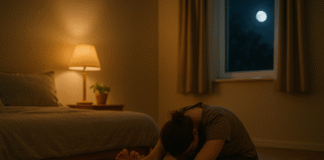
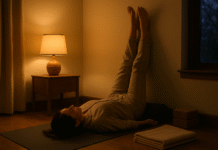
10 Gentle Stretching Routines for Bedtime
A calm body makes for a calmer mind. If muscular tightness or desk stiffness keeps you wired at night, these gentle stretching routines for...
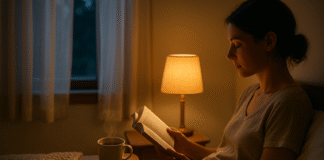
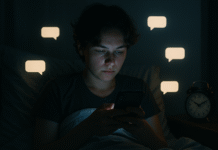
15 Alternatives to Nighttime Screen Use: Calming Activities for Better Sleep
If you’re trying to cut back on doomscrolling at night, you don’t have to trade your phone for pure boredom. The best alternatives to...

10 Sleep Diary Essentials: Why Tracking Sleep Works and How to...
A sleep diary is a simple daily log of when you sleep, how well you slept, and the habits that might help or hurt...

11 Sleep-Promoting Foods: How Diet Shapes Better Sleep Hygiene
Good sleep hygiene isn’t only about light, temperature, and screens—it’s also about what’s on your plate. The right foods, timed well, can help you...

10 Fixes for Social Jet Lag: Lifestyle vs Body Clock Conflicts
When your lifestyle runs on one clock and your biology runs on another, fatigue, fogginess, and cranky mornings become the norm. This chronic mismatch...
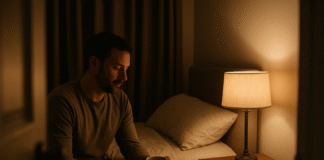
12 Steps to Establish a Relaxing Bedtime Routine for Adults
A relaxing bedtime routine is a consistent 30–90-minute wind-down that lowers mental arousal, aligns your body clock, and sets the stage for deeper sleep....
9 Simple Bedtime Rituals to Reduce Anxiety
Nighttime anxiety is common—and solvable. This guide gives you nine simple bedtime rituals to reduce anxiety and help you fall asleep faster, stay asleep...
12 Relaxing Bedtime Rituals for Busy Professionals
If your days run on meetings, messages, and mental gymnastics, your nights need structure—not more scrolling. Below you’ll find 12 practical, science-backed bedtime rituals...
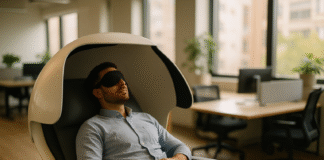
10 Ways Naps and Productivity Align to Boost Work Results
Naps have a reputation for stealing time, but the evidence points the other way: short, well-timed sleeps make work sharper, safer, and more creative....
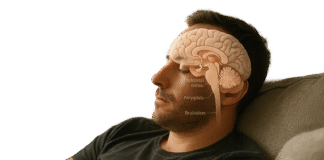
9 Brain Changes Explained: The Science of Napping
A good nap doesn’t just “rest your eyes”—it triggers rapid, measurable brain changes that restore alertness, sharpen learning, and steady emotions. In as little...