



















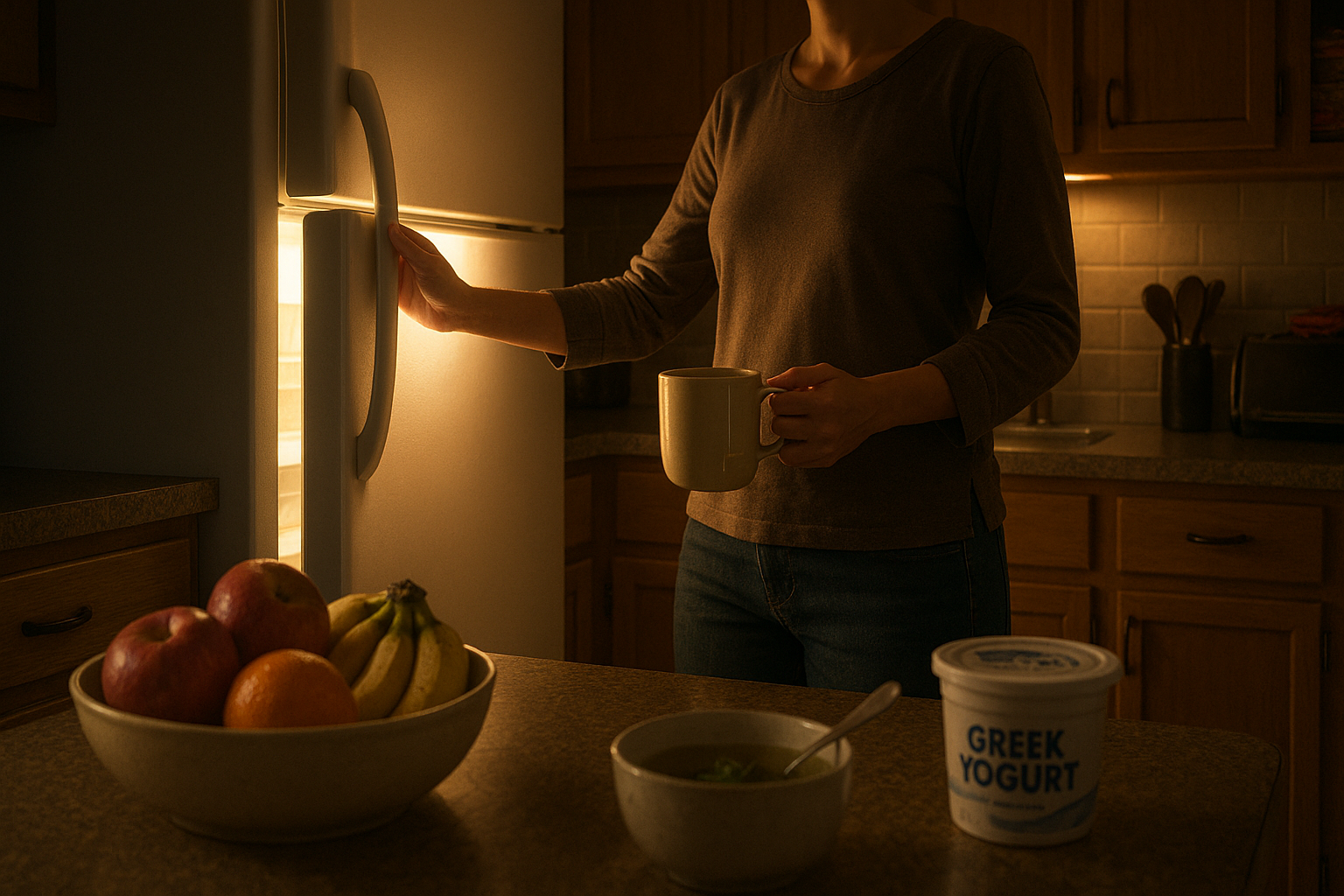
Breaking a stubborn habit—especially late-night snacking—works best when you keep the cue, change the routine, and match the reward. In plain terms: identify what triggers the behavior, install a healthier substitute that satisfies the same need, and practice it until it becomes automatic. This guide walks you through nine research-backed strategies that make that swap feasible in real life, without white-knuckle willpower.
Quick answer: To stop a bad habit, map your triggers, rewrite the routine with an “if-then” plan, design your environment to make the new choice the default, and reward the replacement until it sticks. Then track progress for ~2–3 months as the new pattern becomes automatic.
Friendly disclaimer: The tips below are general information for everyday habit change. If you suspect disordered eating (for example, recurrent loss of control while eating), please speak with a qualified clinician.
1. Identify Your Personal Triggers with a 7-Day “Habit Loop” Audit
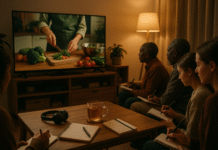
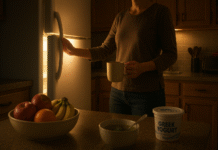
Start by naming exactly what sets you off, where it happens, and why the habit feels rewarding. For many people, late-night snacking isn’t about hunger—it’s about stress relief, relief from boredom, or simply the sight and smell of food in a familiar context (like the couch + TV). The faster you can recognize your cues, the faster you can target the swap that will actually work. For one week, jot down the time, place, mood, people present, and what you ate—or wanted to eat—whenever the urge hits. You’re looking for repeating patterns: maybe the ping of a streaming app at 10:30 p.m., a certain chair, or a wave of anxiety after checking email. This “cue profiling” turns a fuzzy problem into a solvable one: given this cue, choose that routine for the same reward. Research shows that external food cues—images, smells, availability—reliably increase cravings and intake, so seeing them clearly is your leverage point.
1.1 Why it matters
Food and environment cues can drive eating even when you’re not physiologically hungry. Recognizing those cues lets you plan precise replacements (e.g., tea + five pages of a novel) that provide a similar reward (comfort, decompression) without the snack.
1.2 Mini-checklist (do this tonight)
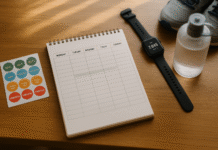
- Log urges for 7 days: time, place, mood, cue, intended snack.
- Circle the top three repeating cues.
- Note the felt reward: comfort, stimulation, sweetness, crunch, warmth, distraction.
- Highlight the highest-risk hour (e.g., 10–11 p.m.).
- Pick one cue to tackle first.
Synthesis: When you can point to a cue on a clock or a couch cushion, you can beat it with a specific plan—not generic advice.
2. Design a Replacement Routine That Preserves the Reward (Not the Calories)
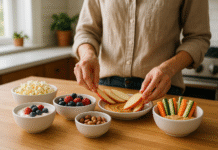
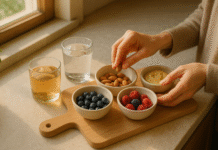
The fastest way to neutralize a bad habit is to swap the routine while keeping the same cue and reward. If the 10:30 p.m. cue is “sit on sofa + open Netflix,” and the reward you actually want is soothing + sweetness, engineer a routine that delivers both without the excess: brew chamomile with a teaspoon of honey; pair it with Greek yogurt + berries or a sliced apple + peanut butter; then put your phone in “Do Not Disturb” and turn on low lights. This works because the brain cares about the reward and will accept a different path if the reward still hits. As you repeat the swap, the new routine becomes the default. Over the next weeks, the urge redirects automatically to the substitute, especially when combined with simple written plans (see Strategy 3).
2.1 How to match rewards without overeating
- If the reward is sweet/creamy → choose protein + fruit (Greek yogurt + berries).
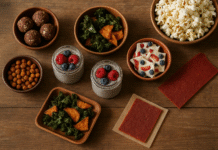
- If it’s crunch/stimulation → air-popped popcorn or carrot sticks + hummus.
- If it’s warm/comfort → herbal tea, warm milk, or broth.
- If it’s relief from boredom → pair a 5-minute stretch or short walk with a light snack.
2.2 Numbers & guardrails
- Favor higher-satiety foods (protein, fiber, lower energy density) which help you feel full with fewer calories.
- Keep the swap pre-portioned (e.g., 1 single-serve yogurt, 1 apple, 2 tbsp nut butter).
- Place the substitute ready-to-grab at night; stash trigger foods out of sight.
Synthesis: A craving for relief is not a command to overeat. Keep the reward, swap the pathway, and the brain follows.
3. Write “If-Then” Plans to Make the Swap Automatic (Implementation Intentions)
Vague intentions (“I’ll snack less”) fail because they rely on memory and motivation in the moment. Implementation intentions—specific if-then plans—delegate the decision to the cue: “If it’s 10 p.m. and I sit on the sofa, then I will make mint tea and read for 10 minutes.” Repeated across the same cues, if-then plans significantly improve healthy eating and swapping unhealthy snacks for healthier options. Tailoring the “if” to your personal cue (e.g., stress after emails, the smell of popcorn) is especially effective, and research cautions against “negation” plans (e.g., I will not snack) because they can backfire; replacement plans perform better. Write two or three cue-specific plans and put them where you’ll see them at the exact time you need them.
3.1 Template bank (copy/paste)
- If I feel the urge after 10 p.m., then I’ll brew tea and eat yogurt + berries at the table.
- If I open Netflix, then I’ll first do a 5-minute tidy and fill a water bottle.
- If I’m stressed after email, then I’ll take a 7-minute walk with a podcast segment.
- If I pass the kitchen after brushing teeth, then I’ll go straight to my bedside book.
3.2 Mini case
An office worker linked her strongest cue—post-show credits—to a simple alternative: “If the credits roll, I’ll pause the TV and prep mint tea.” After two weeks, she reported automatically standing up during credits without debating.
Synthesis: If-then plans turn your trigger into a tripwire for the new routine, shrinking the mental wrestling match to near zero.
4. Reshape Your Environment with Stimulus Control (Make the Good Easy, the Old Hard)
Your environment is not neutral: visible, convenient foods are eaten more. Stimulus control flips those defaults by removing or restructuring cues that drive overeating and by making your replacement options visible, easy, and pre-portioned. Classic behavioral guidance recommends separating eating from TV, keeping treats out of sight, and reducing proximity of trigger foods. Pair this with positive cues: a clear fruit bowl, chilled yogurt cups at eye level, and a kettle on the counter. The goal is friction: 30–60 seconds of extra effort to access the old habit and 0–10 seconds for the new one. Over time, cue exposure diminishes and so do cravings.
4.1 Tools & examples
- Out of sight: Place snacks on a high shelf in opaque containers; move fruit and yogurt to front-row fridge spots.
- Portion priming: Pre-portion alternatives on weekends (single-serve yogurt, bagged baby carrots).
- Zoning: No eating on the sofa; create a “snack table” spot with water and tea.
- Delay: Put treats in the freezer; it takes time to thaw—time for the urge to pass.
4.2 Common mistakes
- Keeping trigger foods in plain view “for guests.”
- Calling the kitchen an “open grazing zone.”
- Buying family-size snack bags “to save money” (they save money, but cost control).
Synthesis: Design beats discipline. When the kitchen is arranged for your new routine, willpower becomes a backup, not a requirement.
5. Front-Load Satiety During the Day to Reduce Night-Time Vulnerability
Many late-night snackers are simply under-fueled earlier. Skipping meals or relying on low-satiety foods creates a rebound appetite at night. Build your daytime meals around higher-satiety elements—adequate protein, fiber-rich foods, and lower energy density (more volume per calorie). Evidence links protein, whole grains, nuts, yogurt, and other fiber-rich foods with greater fullness and reduced subsequent intake; lowering dietary energy density by adding water- and fiber-rich foods (e.g., soups, fruits, vegetables) can also decrease calorie intake while maintaining satisfaction. Plan ahead so dinner actually satisfies, and keep a planned light evening option (e.g., yogurt + fruit) to prevent rummaging.
5.1 Practical examples
- Lunch: lentil-vegetable soup + whole-grain toast; or chicken + quinoa + salad.
- Snack (afternoon): handful of nuts + piece of fruit; or yogurt + oats.
- Dinner: plate ½ vegetables, ¼ protein, ¼ starch; add a broth-based soup starter.
5.2 Mini-checklist
- Include a protein source at each meal.
- Target fiber-rich sides (beans, vegetables, whole grains).
- Keep low-energy-density options ready (pre-washed salad, chopped fruit).
- Pre-decide a small, high-satiety evening option if needed.
Synthesis: Reduce the night fight by removing the underlying daytime deficit—it’s easier to say “no” when your body isn’t shouting “yes.”
6. Protect Your Sleep to Blunt Cravings and Decision Fatigue
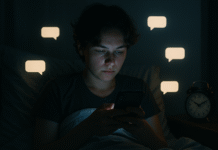
Short sleep can increase appetite signaling and make high-reward foods more tempting, which is why many people snack more when tired. Reviews of sleep deprivation show changes in appetite-related hormones (e.g., ghrelin and leptin) and patterns that can elevate energy intake; experimental studies also suggest sleep restriction increases food intake. In practice, improving sleep hygiene—consistent bed/wake times, dimming lights, and tech curfew—often reduces evening cravings simply by lowering fatigue and extending recovery time. Pair this with a kitchen-closed ritual: lights off, counters cleared, teeth brushed at a set time (e.g., 10:00 p.m.).
6.1 Sleep-supporting habits (as of August 2025)
- Set an alarm to start winding down 60 minutes before bed.
- Keep bedroom cool, dark, quiet; charge devices outside the room.
- Avoid heavy meals 2–3 hours before bed if they disrupt your sleep.
- If hungry near bedtime, opt for a light, protein-rich option and hydrate.
6.2 Numbers & guardrails
- Most adults do best at 7–9 hours of sleep.
- If your schedule varies, anchor wake time first, then bring bedtime earlier by 15–30 minutes per night.
Synthesis: When sleep improves, cravings and impulsivity often soften; you’re choosing with a sharper brain and steadier hormones.
7. Rewire the Urge: Cognitive Reappraisal and Mindfulness Micro-Skills
You can dial down cravings by reframing the tempting food or the urge itself. Cognitive reappraisal—thinking about the food differently (e.g., imagining how sluggish you’ll feel after overeating, or focusing on long-term goals)—has been shown to reduce desire for energy-dense foods in lab settings. Pair that with mindfulness micro-skills such as urge surfing (notice the craving as a wave: rise, peak, fall) and 5-breath pauses; both help you ride out the 5–10 minutes when urges are strongest. Programs like mindfulness-based eating awareness training (MB-EAT) use similar tools to improve self-regulation around eating. Write a 2–3 line “reframe script” and keep it on your phone.
7.1 Reframe scripts (choose one)
- “I want comfort; this snack gives 10 minutes of comfort and 60 minutes of regret.”
- “I can have this tomorrow earlier; tonight I’m choosing sleep.”
- “Cravings crest like waves; if I breathe for 5 minutes, they pass.”
7.2 Mini exercise (3 minutes)
- Sit, inhale 4 counts, exhale 6 counts × 10 breaths.
- Name the urge on a 0–10 scale; watch it change after the breaths.
- Redirect to your pre-chosen routine (tea, book, stretch).
Synthesis: You don’t have to fight every craving; you can shrink it with a mental pivot and a short pause, then move on.
8. Make the New Habit Rewarding: Temptation Bundling, Streaks, and Tiny Wins
Habits stick when they’re satisfying. Attach immediate, enjoyable rewards to your replacement routine so it feels good now, not just “someday.” Temptation bundling—saving an audiobook, favorite show, or cozy playlist only for your tea-and-read routine—has improved gym attendance in field experiments, and the same idea applies at home at 10:30 p.m. Track a visible streak (calendar, habit app) to reward consistency, and celebrate tiny wins with non-food treats (e.g., new mug after 10 nights). Remember, automaticity builds over weeks: in one real-world study, the median time to reach near-automatic performance for a new habit was 66 days (with wide variation), so plan for at least two months of repetition. INFORMS Pubs Online
8.1 Reward ideas that don’t backfire
- Audiobook chapters saved only for your evening tea.
- Cozy reading nook setup you only use at night.
- Habit app streak counter with weekly non-food rewards.
- Short gratitude entry after completing the routine.
8.2 Common pitfalls
- Delaying rewards (“I’ll treat myself in three months”).
- Using food rewards to stop food habits.
- All-or-nothing thinking after a single slip.
Synthesis: Make the new routine feel good now, and your brain will vote for it again tomorrow—no pep talk required.
9. Build a Red-Zone Plan for High-Risk Nights—and Know When to Get Help
Life guarantees curveballs: travel days, big feelings, late-night work, social events, or schedule shifts (e.g., exam season or religious fasting calendars). Write a red-zone plan for your top two scenarios. For travel/hot evenings, lean on hydration + protein/fiber snacks you pack; for social nights, plan a pre-event meal and decide in advance on a “one plate, no seconds” rule. If your schedule includes late eating windows (e.g., during festive seasons or fasting periods), shift your substitution routine accordingly: prep balanced, fiber-forward meals at the allowed times, and keep your soothing non-food routine (breathing, reading, light walk) to follow the meal instead of a snack. Finally, if you experience loss of control or binge episodes at least weekly for 3 months, seek professional support; effective treatments exist and are worth it.
9.1 Red-zone checklist
- Name the scenario (travel, stress, social, schedule shift).
- Pre-decide what you’ll eat and where you’ll eat it.
- Pack two high-satiety options and a big water bottle.
- Keep your soothing routine in place post-meal.
- Debrief the next day—no shame, just data.
Synthesis: When you script the hard nights in advance—and get help when needed—you remove the last escape hatches for the old habit and protect your progress.
FAQs
1) What’s the simplest definition of breaking a habit?
Keep the same cue, swap the routine, and match the reward with a healthier behavior. Practice it consistently until it runs on autopilot, which often takes several weeks. The shift works better when supported by if-then plans and environment design.
2) How long does it take to stop late-night snacking?
There’s no magic number, but in a real-world study of habit formation, the median time to near-automaticity was 66 days (with a broad range). Plan for 8–10 weeks of repetition, and expect occasional slips. Streak tracking helps maintain momentum.
3) Are if-then plans really necessary?
They help a lot. Implementation intentions improve healthy eating and are particularly effective when tailored to your personal triggers (e.g., if emails stress me… then I make tea and read). Replacement plans beat “I won’t” negation plans. PubMed
4) What foods actually curb night cravings?
Options higher in protein and fiber (e.g., yogurt, nuts, beans, fruit, popcorn) promote fullness; lower energy-density choices (e.g., soups, salads, water-rich fruit) can reduce intake while keeping volume high. Keep portions pre-set.
5) How does sleep influence my snacking?
Short sleep shifts appetite signals and increases the appeal of high-reward foods, making nighttime snacking more likely. Improving sleep hygiene often reduces cravings and improves self-control at night.
6) Is “out of sight, out of mind” really effective?
Yes. Stimulus control—changing or avoiding cues—reduces overeating (e.g., snacks stored out of sight, no eating on the sofa). Pair it with visible, easy alternatives.
7) What if I binge rather than just snack?
If you frequently eat large amounts with a sense of loss of control (at least once weekly for three months), consult a clinician. Treatments include therapy, skills training, and sometimes medication. You’re not alone, and help works.
8) How do I make the new routine feel good?
Attach instant rewards (audiobook chapter, cozy nook) to the replacement routine—temption bundling has improved adherence in field experiments—and track visible streaks.
9) Do I have to eliminate treats entirely?
No. The goal is to change timing and context, not outlaw foods. Enjoying treats earlier in the day or during planned meals often reduces night cravings and prevents all-or-nothing spirals. Use pre-portioned servings and savor them mindfully.
10) What should I do after a slip?
Treat it as data, not drama. Note the cue, adjust your if-then plan, and restart your streak the next night. Progress comes from iteration, not perfection.
Conclusion
Breaking late-night snacking—and other stubborn habits—doesn’t hinge on superhuman willpower. It hinges on clarity (seeing your cues), engineering (swapping the routine and reward), and repetition (practicing until it’s automatic). When you audit your triggers, write if-then scripts, and reshape your environment, you transform that 10:30 p.m. moment from a fight into a funnel toward your chosen routine. Add daytime satiety and solid sleep to lower nighttime vulnerability; use cognitive tools to shrink cravings; and make the new routine satisfying through temptation bundling and visible streaks. Finally, protect yourself with a red-zone plan for high-risk nights, and ask for help if your pattern looks like binge eating rather than a simple habit. Put these nine strategies into motion tonight, and in a few weeks your evenings can feel lighter, calmer, and snack-stress free.
Your next step: Pick one cue you circled, write one if-then plan, and set up one visible environmental change before 9 p.m. tonight.
References
- Modelling habit formation in the real world. European Journal of Social Psychology (Lally et al.), 2010. https://onlinelibrary.wiley.com/doi/full/10.1002/ejsp.674
- Changing Your Habits for Better Health. National Institute of Diabetes and Digestive and Kidney Diseases (NIDDK), last reviewed Nov 2020. https://www.niddk.nih.gov/health-information/diet-nutrition/changing-habits-better-health
- Food cue reactivity: Neurobiological and behavioral evidence. Physiology & Behavior (Kanoski & Boutelle), 2022. https://pmc.ncbi.nlm.nih.gov/articles/PMC9307541/
- Implementation Intentions to Change One’s Diet Work Best When Tailored to Personally Relevant Reasons for Unhealthy Eating. Personality and Social Psychology Bulletin (Adriaanse et al.), 2009. https://journals.sagepub.com/doi/10.1177/0146167208325612
- Do implementation intentions help to eat a healthy diet? A systematic review and meta-analysis. Appetite (Adriaanse et al.), 2011. https://www.sciencedirect.com/science/article/pii/S0195666310005325
- Planning What Not to Eat: Ironic Effects of Implementation Intentions Negating Unhealthy Habits. Personality and Social Psychology Bulletin (Adriaanse et al.), 2011. https://www.researchgate.net/publication/49701984_Planning_What_Not_to_Eat_Ironic_Effects_of_Implementation_Intentions_Negating_Unhealthy_Habits
- Practical Guide to the Identification, Evaluation, and Treatment of Overweight and Obesity in Adults (Stimulus Control section). NHLBI/NIH, 2000. https://www.nhlbi.nih.gov/files/docs/guidelines/prctgd_c.pdf
- External cues challenging the internal appetite control system. Critical Reviews in Food Science and Nutrition (Bilman et al.), 2017. https://www.tandfonline.com/doi/full/10.1080/10408398.2015.1073140
- Snack Food, Satiety, and Weight. Advances in Nutrition (Njike et al.), 2016. https://pmc.ncbi.nlm.nih.gov/articles/PMC5015032/
- The relationship between dietary energy density and energy intake. The American Journal of Clinical Nutrition (Rolls et al.), 2009. https://www.ncbi.nlm.nih.gov/pmc/articles/PMC4182946/
- Sleep Deprivation and Central Appetite Regulation. Frontiers in Endocrinology (Liu et al.), 2022. https://pmc.ncbi.nlm.nih.gov/articles/PMC9783730/
- A Systematic Review and Meta-Analysis of Randomized Controlled Trials of Sleep Restriction. Advances in Nutrition (Capers et al.), 2015. https://pmc.ncbi.nlm.nih.gov/articles/PMC4532553/
- Piece of cake: Cognitive reappraisal of food craving. Appetite (Giuliani et al.), 2013. https://pubmed.ncbi.nlm.nih.gov/23313699/
- Cognitive reappraisal of food craving and emotions. Frontiers in Psychology (Gerosa et al.), 2023. https://pmc.ncbi.nlm.nih.gov/articles/PMC10868133/
- Holding the Hunger Games Hostage at the Gym (Temptation bundling). Management Science (Milkman et al.), 2014. https://pmc.ncbi.nlm.nih.gov/articles/PMC4381662/
- Binge Eating Disorder (Definition, Symptoms & Treatment). NIDDK, last reviewed May 2021. https://www.niddk.nih.gov/health-information/weight-management/binge-eating-disorder