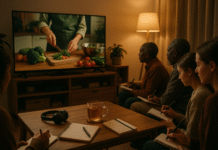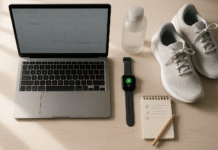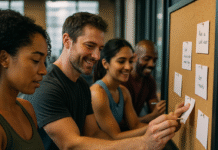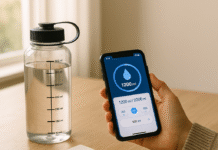

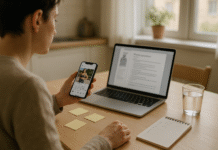













When workplace fitness motivation becomes a shared goal—not just a solo resolution—participation climbs and habits stick. The fastest way to spark momentum is to normalize movement as part of how your team works: small daily steps, social nudges, and easy wins everyone can attempt. In this guide, you’ll get 12 practical, research-aligned ideas that help colleagues join in: step challenges, walking meetings, microbreaks, and inclusive incentives that respect different bodies, roles, and schedules. In one line: workplace fitness motivation means using policies, prompts, spaces, and peer support to make moving more the easy, social default. For context, adults benefit from 150–300 minutes of moderate activity weekly; offices can make that target far more reachable by baking movement into the day.
Quick start (five steps): define one inclusive challenge, recruit a few peer champions, make walking meetings default for small chats, post stair prompts and microbreak cues, and share weekly team stats and shout-outs.
Note: This article shares general wellness guidance for the workplace. Align efforts with your local laws and your organization’s HR, accessibility, and safety policies, and advise employees to consult a healthcare professional for personal medical questions.
1. Launch a Step Challenge People Actually Want to Join
A good step challenge works because it’s simple, visible, and social—and because progress is obvious at a glance. Start with a friendly, time-boxed event (e.g., four to six weeks) with lightweight sign-up and tracking. Avoid “most steps wins” formats that discourage beginners; instead, use team averages or personal improvement targets so every contribution matters. Make the barrier to entry nearly zero (phone pedometers or free apps are enough), and emphasize consistency over huge daily totals. The goal is movement as a norm: walking to lunch, circling the block after a meeting, or taking the long route to the printer—tiny habits that compound.
1.1 Why it works
- Low cognitive load: no special skills or equipment required.
- Visibility: live leaderboards or weekly recaps keep momentum high.
- Social glue: teammates nudge one another to hit streaks.
- Inclusivity: average-based scoring reduces ability gaps.
1.2 How to design it
- Format: Teams of 3–6; score by average % improvement vs. personal baseline or by streak days ≥6,000 steps.
- Cadence: 4–6 weeks, once per quarter.
- On-ramps: “Fresh start” Fridays, buddy opt-ins, and no-questions-asked rest days.
- Tech: Shared spreadsheet or tools like Strava clubs, MoveSpring, or simple Slack/Teams bots.
Mini case: A 40-person product team ran a 6-week average-steps challenge; participation hit 85% because they celebrated week-to-week personal gains, not just total steps. The format kept novices engaged and leaders from running away with the contest. End with a recap and a light reward (see idea #6). Close with a short survey to improve the next round.
2. Make Walking Meetings the Default for 2–4 Person Chats
Switching one seated meeting a day to a 20–30 minute walk can meaningfully lift daily activity and freshen focus. Use walking meetings for one-on-ones, brainstorming, or status check-ins that don’t require constant screen sharing. Agree on a loop (indoors or outdoors), bring a small note card or voice memo app for action items, and block 5 minutes at the end to summarize next steps back at your desk. For virtual one-on-ones, try “audio-only walk” calls with cameras off—simple, equitable, and calendar-friendly. Studies suggest walking meetings are acceptable, feasible in white-collar settings, can increase physical activity, and may positively influence mood and perceived productivity.
2.1 Numbers & guardrails
- Duration: 20–30 minutes works best; cap at 45 to avoid fatigue.
- Group size: 2–4; bigger groups split naturally or become a social walk.
- Agenda: 2–3 topics, time-boxed; summarize decisions at the end.
- Accessibility: Offer seated alternatives and indoor routes; consider heat, air quality, and mobility needs.
2.2 Tools/Examples
- Templates: Calendar note “Walking meeting—bring earbuds; 2 topics; summary at :25.”
- Routes: Pre-map two 15-minute loops from your building; post them on the intranet.
- Virtual: Encourage “phone + earbuds + safe route” for remote teammates, with camera-off norms.
Close the loop with a short email or Slack summary. This simple ritual makes walking meetings repeatable and inclusive. For broader cardiovascular benefits of walking, see Harvard’s quick primer.
3. Build Microbreak Routines That Nudge Movement Every 30–60 Minutes
The simplest, most universal habit: tiny movement breaks. Microbreaks—brief pauses under 10 minutes—are associated with improved vigor, reduced fatigue, and small positive effects on performance across tasks. They counter strain from prolonged sitting and screen time, and they’re easy to systemize: calendar nudges, app timers, or team-wide “stand and stretch” rituals at the top of the hour. Encourage movement that requires changing posture: stand up, shoulder rolls, calf raises, 30-second hallway walk, or a flight of stairs. Rotate a “break captain” each week to model participation and keep it light.
3.1 How to do it
- Cadence: every 30–60 minutes; 2–3 minutes is enough.
- Prompts: Pomodoro timers, computer reminders, or smartwatch cues.
- Menu: 3–5 simple moves employees can memorize (no mat, no equipment).
- Culture: Normalize stepping away—leaders go first.
3.2 Numbers & guardrails
- Choose moves with low injury risk; avoid fast neck rotations or loaded stretches.
- Encourage hydration and eye breaks (20-20-20 rule).
- For safety-critical roles, schedule breaks to maintain coverage.
A 2-minute movement pause is small enough to be sustainable yet powerful over hundreds of workdays. For the evidence base on microbreaks and well-being/performance, see the 2022 meta-analysis.
4. Turn Your Stairs Into a Daily Habit With Point-of-Decision Prompts
If you’ve got stairs, you’ve got a built-in fitness tool. “Point-of-decision” prompts—simple signs placed beside elevators—nudge people to choose the stairs at the exact moment of decision. They work because they remove friction and remind people of health benefits right when habits are weakest. Post signs that are upbeat, inclusive, and brief (“Two flights = ~1 minute. Take the stairs?”), and keep stairwells clean, well-lit, and welcoming. Pair signage with small goals (e.g., “one stair trip/day” streaks) to power repetition.
4.1 How to implement
- Design: High-contrast, legible fonts; place at elevator buttons, not just nearby walls.
- Messages: Health benefit reminders, progress cues, or fun facts about your building.
- Upkeep: Check lighting, safety, and cleanliness; repaint or add art if permitted.
- Metrics: Track elevator vs. stair counts if facilities can share anonymized data.
4.2 Evidence & notes
The Community Preventive Services Task Force recommends point-of-decision prompts as an effective environmental strategy to increase stair use. It’s low-cost, quick to deploy, and compatible with nearly any building.
Stair nudges won’t replace structured exercise, but they transform a passive commute between floors into a daily strength and cardio microdose.
5. Create Lunchtime Activity Clubs for Low-Friction Social Fitness
Not everyone wants a gym class at 6 a.m.—but many will join a 20-minute walk, stretch, or light resistance circuit at lunch. Lunchtime clubs lower the activation energy: no special gear, easy timing, and social accountability. Offer a rotating calendar—walk on Mondays, stretch on Wednesdays, stairs on Fridays—so people find an entry point. Recruit volunteer hosts (no coaching required) and publish exact meet-up points and routes. For remote employees, mirror the schedule with camera-optional virtual sessions (audio-guided stretch, “bring your band” resistance sets).
5.1 How to run it
- Length: 20–30 minutes door-to-door.
- Menu: brisk walk, band circuit, body-weight core, yoga-style mobility.
- Facilities: a corner with mats/bands, or simply a safe outdoor loop.
- Communication: recurring calendar invites with inclusive notes on pace and options.
5.2 Mini checklist
- Clarify “come as you are” attire norms.
- Provide alternatives during extreme heat/cold or poor air quality.
- Rotate leadership to avoid burnout.
- Share a weekly photo (opt-in) or mileage recap to celebrate.
Keep clubs intentionally judgment-free: the mission is consistency, community, and a midday reset that makes the afternoon sharper.
6. Offer Smart, Equitable Incentives and Recognition
Incentives can increase participation—especially for starting or sustaining new habits—when designed thoughtfully. Use small, immediate rewards (raffles, recognition, extra break time) that celebrate consistency rather than elite performance. Points systems that value diverse activities (e.g., 10 minutes of gardening, a family bike ride, or a mindful stretch) are more inclusive than single-metric contests. Avoid using only cash prizes for top performers; consider rotating spot awards, milestone badges, or team-wide unlocks when everyone meets a streak target. Systematic reviews indicate financial and non-financial incentives can increase physical activity in workplace settings, but effects depend on design and duration—so pilot, measure, and iterate.
6.1 Practical ideas
- Consistency raffle: 1 entry/day an employee hits their personal goal.
- Kudos wall: Weekly shout-outs in all-hands or Slack.
- Time wins: “Wellness hour” employees can bank for hitting monthly streaks.
- Team unlocks: If 80% hit the goal, everyone gets a perk (e.g., early-finish Friday).
6.2 Guardrails
- Keep rewards modest to avoid perverse incentives.
- Make privacy-respecting participation the default; never share personal health data.
- Offer inclusive options for employees with disabilities or medical restrictions.
Recognition that feels fair, human, and frequent beats big-ticket prizes that only a few can win.
7. Equip the Space: Standing Zones, Stretch Corners, and Sit-Stand Options
Physical cues shape behavior. A few environment tweaks—standing meeting zones, open spaces for quick stretches, a couple of shared balance boards, or select sit-stand desks—signal that movement is welcome. The evidence on sit-stand desks specifically shows they can reduce workplace sitting in the short and medium term; paired with education and prompts, they’re more impactful, though long-term effects vary and should be measured in your context. Create one “movement corner” with bands, a timer, and a laminated micro-routine poster. For meetings, try a high table for 15-minute huddles; people naturally shift, stretch, and change posture.
7.1 Numbers & notes
- Start small: 10–20% of desks sit-stand; prioritize people with discomfort or job needs.
- Pair hardware with habits: prompts and optional training on ergonomic setup.
- Evaluate changes at 3 and 6 months; adjust based on feedback and observed use.
7.2 Evidence
- Cochrane Review (2018): Sit-stand interventions reduced sitting by ~100 minutes/8-hour day at short-term follow-up.
- Recent interventions (2024): Show early reductions in sitting and increases in standing, with mixed longer-term differences—measure locally.
Equip for variety, not perfection. The best setup is the one people actually use without friction.
8. Use Light-Touch Tech: Apps, Wearables, and Chat Nudges
Tech can amplify, not replace, human motivation. Start with what employees already have: smartphone step counters and calendar reminders. Layer optional integrations: a Slack/Teams bot that posts a daily “2-minute reset,” a lightweight leaderboard channel, or a survey link for weekly check-ins. Encourage wearables only as opt-in, privacy-respecting tools—no mandatory tracking. For remote teams, tech bridges distance: asynchronous challenges, map-based walking routes, and shared “I took the stairs!” threads. Publish clear data practices (what’s collected, who sees what, and opt-out mechanisms).
8.1 Practical checklist
- Default to opt-in programs; anonymize any shared stats.
- Offer multiple ways to participate—manual entry, phone tracker, or no data at all.
- Post transparent data FAQs; store as little as possible.
- Use “gentle nudges”: one daily prompt beats noisy notifications.
8.2 Mini example
A distributed support team used a single Slack channel for a 30-day streak challenge. Members posted emojis when they hit their personal movement goal; participation was high because data stayed personal while the ritual stayed social.
9. Pair Up: Buddies, Micro-Pods, and Leadership Modeling
Peers drive participation more than posters ever will. Pair new joiners with a movement buddy for the first month; form micro-pods of 3–4 that check in weekly on small goals; and ask managers to model visible, healthy behaviors (leaving for a lunchtime walk, blocking microbreaks, taking the stairs). Provide a short “how we support each other” guide: celebrate effort and consistency, avoid judgment or body comments, and welcome different starting points. The result is an atmosphere where opting into movement feels normal—not performative.
9.1 How to roll it out
- Buddy match: First-come pairs, then re-match if schedules clash.
- Pod check-ins: 10 minutes on Monday: “One movement goal for the week.”
- Leader cues: Managers schedule walking one-on-ones and show up to lunchtime clubs.
- Celebrate: Monthly “pods that kept a streak” shout-out.
9.2 Common pitfalls to avoid
- Over-engineering (too many rules, forms, or apps).
- Publicly ranking individuals by body-related metrics.
- Making participation feel compulsory.
When support is personal and gentle, motivation becomes mutual.
10. Include Hybrid and Remote Colleagues by Design
Fitness culture can’t stop at the office door. Mirror in-office options with remote-friendly equivalents: audio-only walking one-on-ones, asynchronous streaks, and time-zone-aware nudges. For global teams, offer rolling schedules and “choose-your-own move” menus. Encourage “camera-off movement minutes” before long virtual meetings. Provide simple ergonomics tips, short at-home routines, and ideas for safe indoor steps when weather or air quality is poor. Share accessible resources and ensure incentives and recognition apply regardless of location.
10.1 Tactics that travel well
- Async streaks: Any 10-minute move counts; employees log privately.
- Local loops: Encourage mapping a personal 10- or 20-minute walking route.
- Virtual clubs: Optional drop-in stretch or mobility sessions.
- Inclusive awards: Recognize consistency, not only big numbers.
10.2 Region notes
Account for local climate (heat, monsoon, winter), holidays, and cultural norms. Encourage indoor options (hallway laps, stair repeats, body-weight circuits) when outdoors isn’t feasible or safe. Provide guidance on hydration and heat/smog safety where relevant.
11. Align With Safety, Accessibility, and HR Policies From Day One
Sustainable programs respect people’s bodies, roles, and rights. Build your plan with HR, facilities, and relevant safety leaders to ensure activities are voluntary, accessible, and risk-aware. Use a “universal design” lens: multiple ways to participate (chair yoga, band work, light walks), accommodations by default, and clear opt-outs. Publish a one-page policy: participation is optional, medical privacy is protected, and no health data affects employment decisions. Consider established frameworks such as NIOSH’s Total Worker Health and UK NICE guidance for workplace physical activity to shape comprehensive, safer programs.
11.1 Mini checklist
- Accessibility: Offer seated and standing options; support mobility aids.
- Safety: Provide route safety notes, heat/cold guidance, and indoor alternatives.
- Consent: Opt-in programs, clear privacy statements, and easy exit.
- Legal: Align with local employment laws and occupational safety regulations.
Clarity upfront builds trust—and trust is the bedrock of participation.
12. Measure What Matters, Share Wins, and Iterate
What gets measured gets managed—and celebrated. Start with a lightweight baseline: anonymous pulse survey on current habits and interest; an environmental scan (stairs, walking routes, available spaces); and participation metrics (opt-ins, streak days, club attendance). Pick 3–5 outcome indicators that matter to your organization (e.g., participation rate, average weekly move minutes, % of meetings scheduled as walks when appropriate). Use CDC’s Workplace Health Model and evaluation framework to plan, implement, and iterate. Share progress in monthly dashboards and all-hands shout-outs; ask for feedback and update formats quarterly.
12.1 Practical metrics
- Activity: % of employees joining any activity in the last month.
- Consistency: Median streak days per participant.
- Environment: # of active stair prompts, walking routes posted.
- Meetings: % of eligible meetings set as walking meetings.
- Satisfaction: Quarterly Net Wellness Score (simple 1–10).
12.2 Close the loop
- Publish “what we tried, what we learned, what’s next.”
- Retire low-value tactics; double-down on what people love.
- Keep the tone playful—this is about energy and connection, not perfection.
Transparent measurement and storytelling turn one-off events into a durable culture of movement.
FAQs
1) What counts as “workplace fitness motivation” in practice?
It’s the set of policies, prompts, spaces, and peer behaviors that make movement the easy, social default at work. Think stair prompts at the elevator, walking one-on-ones, microbreak rituals, lunchtime clubs, and inclusive challenges that value consistency over competition. These shift daily routines from sedentary to lightly active without demanding gym-level effort.
2) How much physical activity do adults actually need?
Most adults benefit from 150–300 minutes of moderate activity weekly (or 75–150 minutes vigorous), plus muscle-strengthening on two or more days. In office settings, small daily bouts—walks, stairs, stretch breaks—help people inch toward those targets during the workday instead of waiting for evenings or weekends.
3) Do walking meetings really help, or do they just waste time?
They’re best for check-ins, problem-solving, and brainstorming. Evidence indicates walking meetings are acceptable and feasible, can increase physical activity, and may lift mood and perceived productivity. Keep groups small, agendas tight, and finish with a 2-minute summary to capture decisions.
4) Are sit-stand desks worth it?
They can reduce sitting time in the short to medium term, especially when paired with education and prompts. Not everyone needs one; start with shared stations or a subset of desks and measure usage and comfort. Combine with microbreaks and posture tips to get more benefit from less hardware.
5) What about incentives—do we need cash prizes?
Not necessarily. Modest, frequent recognition tied to consistency (streaks, team unlocks) often works better than a single large prize for top performers. Research shows both financial and non-financial incentives can boost participation, but design matters—pilot and iterate to find what’s fair and motivating in your culture.
6) How do we include employees with different abilities or medical constraints?
Offer multiple paths to participate (chair-based options, shorter walks, or light mobility work). Score by improvement or streaks rather than raw performance. Publish an accessibility note with every activity, and keep participation voluntary and privacy-respecting.
7) What if our building doesn’t have great stairs or safe outdoor routes?
Use indoor loops (hallways), small movement corners, or short, guided stretch sessions. Work with facilities to improve stairwells (lighting, cleaning) and post clear safety notes for any routes. In poor weather or air quality, switch to indoor or chair-based routines and reschedule outdoor walks.
8) We’re a hybrid company—how do we keep things fair across locations?
Mirror in-office options with remote-friendly equivalents: async streaks, audio-only walking calls, and at-home micro-routines. Recognize consistency, not location, and make all incentives available to everyone regardless of geography.
9) How do we avoid programs feeling intrusive or paternalistic?
Opt-in by default, with clear privacy rules and no sharing of personal health data. Use average or improvement-based scoring, avoid body-related leaderboards, and frame activities as optional energy boosters that support focus and connection at work.
10) What should we measure to prove value without invading privacy?
Track participation rates, streak consistency, number of walking meetings, and satisfaction via anonymous pulse surveys. Share aggregate metrics only, never individual data. Use CDC’s Workplace Health Model and evaluation framework to plan sensible, privacy-respecting measurement.
Conclusion
Workplace fitness motivation takes root when movement becomes a shared, low-friction routine rather than a side project for the already active. The 12 ideas here—step challenges designed for inclusion, walking meetings for small groups, microbreaks, stair prompts, lunchtime clubs, smart incentives, environment tweaks, light-touch tech, buddy systems, hybrid-friendly design, policy alignment, and sensible measurement—work together to normalize motion, one small choice at a time. Start with one or two quick wins (stair prompts, a 4-week streak challenge), recruit a few champions, and celebrate consistency publicly. Measure participation and satisfaction quarterly, retire what doesn’t land, and double-down on what lights people up. Over time, you’ll see the shift: more steps in calendars, fewer all-day sits, and a team that treats movement as part of how it works—together.
Ready to move? Pick one idea, invite two colleagues, and schedule your first walking meeting today.
References
- World Health Organization Guidelines on Physical Activity and Sedentary Behaviour, World Health Organization, 2020. World Health Organization
- World Health Organization 2020 Guidelines on Physical Activity and Sedentary Behaviour (summary article), British Journal of Sports Medicine / PubMed, 2020. PubMed
- Workplace Health Model—Building a Workplace Health Program, Centers for Disease Control and Prevention (CDC), 2024. CDC
- CDC Workplace Health Model (overview), Centers for Disease Control and Prevention (CDC), 2024. CDC
- CDC Program Evaluation Framework, Centers for Disease Control and Prevention (CDC), 2024. CDC
- Point-of-Decision Prompts to Encourage Use of Stairs, The Community Guide / Community Preventive Services Task Force, 2005 (task force finding; resource continually maintained). The Community Guide
- Environmental and Policy Approaches to Increase Physical Activity: Point-of-Decision Prompts to Encourage Use of Stairs, CDC Stacks (CPSTF finding), 2005. CDC Stacks
- “Give me a break!” A Systematic Review and Meta-Analysis on Micro-breaks and Well-Being/Performance, PLOS ONE, 2022. PLOSPMC
- Workplace Interventions for Reducing Sitting at Work (Cochrane Review), Cochrane Library, 2018. cochranelibrary.com
- The Effectiveness of a 6-Month Intervention With Sit-Stand Desks, International Journal of Environmental Research and Public Health (PMC), 2024. PMC
- Walking Meeting Effects on Worker Mood, Productivity, and Physical Activity (Pilot Study), Journal of Occupational and Environmental Medicine / PubMed, 2021. PubMed
- Physical Activity in the Workplace—Guidance PH13 (last reviewed 2024), NICE (UK). NICE
- Total Worker Health® Toolkit, NIOSH/CDC, 2024. CDC
- Walking for Exercise (evidence summary), Harvard T.H. Chan School of Public Health – The Nutrition Source, accessed 2025. The Nutrition Source
- The Impact of Financial Incentives on Physical Activity for Employees (Systematic Review), Frontiers in Public Health (PMC), 2024. PMC
- The Impact of Financial Incentives on Physical Activity for Employees in Workplace Health Promotion—Systematic Review, Journal of Occupational Health (ScienceDirect), 2025. ScienceDirect