











Good sleep isn’t just “nice to have”—it’s the foundation for sharp focus, stable mood, consistent energy, and effective physical recovery. In simple terms, sleep hygiene means structuring your environment and routines so high-quality sleep happens more easily, more often. For most adults, that means at least seven hours nightly, with a consistent schedule and habits that align with your body clock. Done well, these practices boost attention, decision-making, and memory while accelerating tissue repair between workouts. This article is educational and not a substitute for personalized medical advice. For persistent sleep problems or suspected sleep disorders, consult a qualified clinician.
Quick definition: Sleep hygiene is the set of daily behaviors and bedroom conditions that make it easier to fall asleep, stay asleep, and wake restored—so you can think clearly and perform well the next day.
1. Lock a Consistent Sleep–Wake Window (Aim for ≥7 Hours)
A regular sleep–wake schedule is the single most powerful lever for better sleep and daytime performance. Start by picking a fixed wake time you can protect seven days a week, then build backward to allow at least seven hours in bed. This anchors your circadian rhythm, stabilizes hormone timing, and helps your brain predict when to “power down.” A consistent schedule reduces Monday-morning “social jet lag,” sharpens attention, and supports steady recovery from training loads. Even modest sleep restriction degrades reaction time and decision-making—on some tests, 17–19 hours awake performs like a 0.05% BAC—so holding your sleep window is a productivity and safety tool, not just a comfort habit.
1.1 Why it matters
Regular sleep duration (≥7 hours for most adults) is linked to lower cardiometabolic risk and better mood, while short sleep is tied to cognitive slips and more errors at work. Consistency also helps your natural sleep drive build predictably, making it easier to fall asleep without long tossing and turning.
1.2 How to do it
- Fix a wake time first (weekends included); adjust bedtime gradually (15–30 minutes/night).
- Give yourself a realistic sleep opportunity (e.g., 7.5–8.5 hours in bed to net ≥7 hours asleep).
- Use alarms for bedtime (not just morning).
- If nights run late, protect the wake time and add a short nap (see Rule 6) rather than sleeping in.
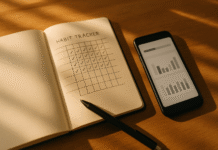
- Track weekly: aim for <60–90 minutes total variability across seven days.
Mini-checklist: Same wake time, enough time in bed, wind-down starts ~60–90 minutes before lights-out. Closing thought: the body loves rhythm—give it one.
2. Get Bright Morning Light & Dim Evening Light
Light is your master clock cue. Bright light in the morning advances your rhythm and boosts alertness; bright/blue-rich light in the evening delays melatonin and shifts sleep later. To sleep sooner and perform earlier, get outside soon after waking for natural daylight, then dim indoor lighting and screens 2–3 hours before bed. This simple light “bookend” tightens your sleep timing, improves sleep quality, and reduces sleep inertia in the morning—translating into cleaner thinking and steadier energy at work and training.
2.1 How to do it
- Morning: Go outside for 20–30 minutes within 1–2 hours of wake; no sunglasses if safe/comfortable.
- Daytime: Work near windows when possible.
- Evening: Dim overheads; favor lamps; enable night-shift modes; use warm color temperatures.
- Pre-bed: Avoid bright screens; if necessary, use blue-light-reducing settings or glasses.
2.2 Numbers & guardrails
Blue light at night suppresses melatonin more than green light and can shift circadian timing; even relatively dim light can interfere with sleep physiology. Evening “digital sunset” routines consistently improve sleep onset.
Synthesis: When in doubt—more daylight early, less light late. Your brain clock follows your light diet.
3. Build a Wind-Down That Actually Lowers Arousal
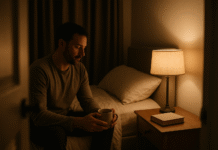
Falling asleep is a physiological process; it needs a drop in arousal (mental and physical). A deliberate wind-down ritual 60–90 minutes before bed—lower lights, quieting activities, and a sequence you repeat nightly—signals “off-duty” to your nervous system. A warm shower or bath about an hour before bed can speed sleep onset by aiding heat loss from the skin; writing tomorrow’s to-do list offloads rumination. The goal is not to “force sleep” but to create conditions where sleep arrives quickly and predictably.
3.1 How to do it
- Sequence (30–60 min): lights down → warm shower → skincare/teeth → low-key reading → in bed.
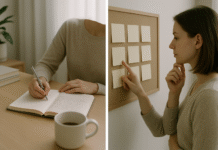
- Offload: 5 minutes to write a specific to-do list for tomorrow.
- Calm inputs: ambient music, slow breathing (e.g., 4-second inhale/6-second exhale).
- No doomscrolling: screens off or out of bedroom.
3.2 Numbers & guardrails
Meta-analyses and lab studies show warm-water immersion ~1 hour pre-bed reduces sleep onset latency; in one trial, specific to-do lists shortened sleep-onset by ~9 minutes vs. writing about completed tasks.
Synthesis: Treat wind-down like brushing your teeth—automatic, brief, non-negotiable. Your future self will thank you.
4. Engineer a Sleep-Friendly Bedroom (Cool, Dark, Quiet)
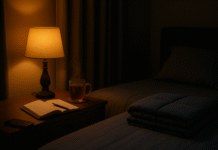
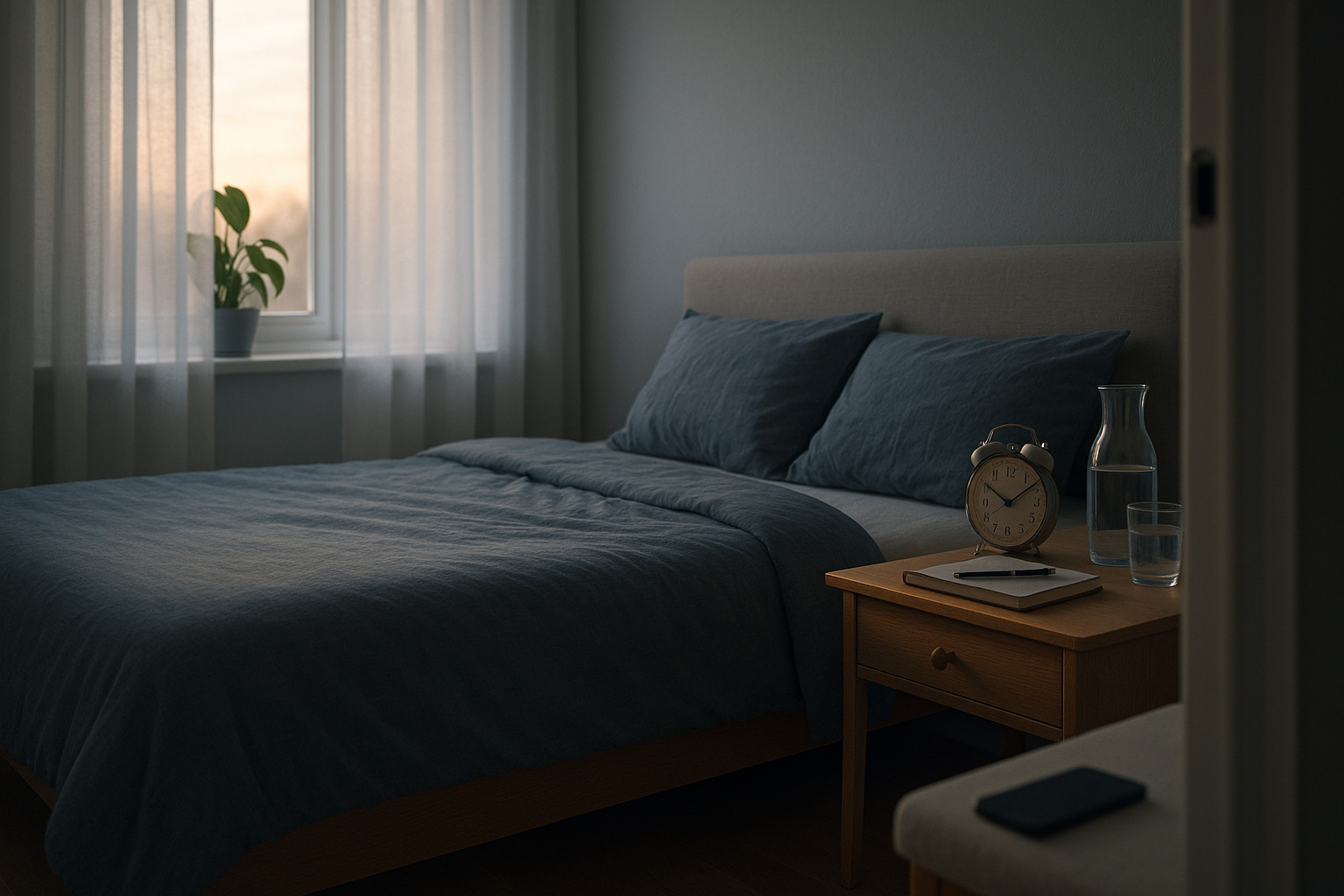
Your bedroom should cue “sleep” the moment you walk in: cool air, near-darkness, and quiet. Cooler rooms support the body’s natural temperature drop at sleep onset; darkness supports melatonin; low noise reduces micro-arousals that fragment sleep and impair next-day alertness. This environment speeds sleep onset and lowers awakenings—translating directly into more deep sleep and better morning focus.
4.1 Numbers & guardrails
- Temperature: many experts recommend ~60–68°F (15.6–20°C); ~65°F (18.3°C) is often cited as a sweet spot (adjust for comfort).
- Noise: reduce traffic/air/neighbor noise; WHO environmental noise guidance outlines sleep-protective limits.
- Light: blackout shades or an eye mask; hide indicator LEDs.
4.2 Mini-checklist
- Fan or AC; breathable bedding; clutter-free surfaces.
- Earplugs or white-noise if needed; seal gaps; soft furnishings to absorb sound.
- Night lights on the warm/dim end for bathroom trips.
Synthesis: Think “cool cave”: colder, darker, quieter than you think you need. It pays off in next-day clarity.
5. Time Workouts to Help—Not Hinder—Sleep
Regular exercise improves sleep quality and daytime energy, but timing and intensity matter. Vigorous sessions right before bed can keep body temperature and adrenaline too high for easy sleep, whereas morning or late-afternoon training often supports earlier sleep onset. If evening is your only option, finish hard intervals a few hours before lights-out and use a longer wind-down. Done right, exercise is a sleep enhancer and a recovery multiplier.
5.1 How to do it
- Best windows: morning light + workout combo; or end hard sessions ≥3 hours before bed.
- Evening training: emphasize technique/steady zones; extend cooldown; prioritize post-workout nutrition earlier.
- Race week: hold sleep schedule steady; avoid new late-night sessions.
5.2 Numbers & guardrails
Public-health guidance notes to avoid late-night vigorous exercise if it disrupts sleep; many people tolerate moderate evening activity fine—log your response for a week and adjust.
Synthesis: Train to charge your sleep, not to chase it. Align intensity with your bedtime.
6. Use Naps Strategically (and Short)
Short daytime naps can restore alertness and reaction time without derailing night sleep—especially when you protect timing and duration. In operational settings, planned naps improved performance and physiological alertness during critical tasks like descent and landing. For most knowledge workers and athletes, a 10–25 minute early-afternoon nap is the sweet spot; longer naps risk sleep inertia unless you can complete a full 90-minute cycle.
6.1 How to do it
- Timing: 1–3 p.m. works with the circadian “dip.”
- Length: set a 20–25 minute timer (as you practice, you may need less).
- Environment: dark/quiet if possible; eye mask + white noise helps.
- “Nappuccino”: sip coffee immediately before a short nap; caffeine kicks in as you wake.
6.2 Numbers & guardrails
In NASA field research with long-haul pilots, a planned ~26-minute nap was associated with ~34% better performance and ~54% higher alertness vs. no nap (operational findings; keep your naps short to avoid grogginess).
Synthesis: Short, early, and deliberate. Naps are a performance tool, not a guilty pleasure.
7. Schedule Food, Fluids, and Stimulants Wisely
Your sleep quality reflects what—and when—you ingest. Heavy, late meals increase reflux risk and elevate core temperature; late caffeine keeps adenosine receptors blocked when you’re trying to wind down; alcohol can hasten sleep onset but fragments sleep later in the night. Aim for a regular dinner time, lighter late-evening snacks if needed, and taper caffeine across the afternoon. Hydrate earlier in the day to minimize overnight bathroom trips. (If you take medications or supplements that affect sleep or alertness, review timing with your clinician.)
7.1 How to do it
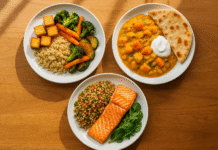
- Meals: finish large meals 2–3 hours before bed; if hungry later, keep snacks simple (e.g., yogurt, fruit).
- Caffeine: front-load intake; avoid “rescue” coffees late in the day.
- Alcohol: if consumed, keep modest and finish several hours before bedtime.
- Hydration: front-load fluids; taper after dinner.
7.2 Mini-checklist
- Regular mealtimes, light late snacks only, afternoon caffeine cutoff, no nightcaps.
Synthesis: Eat and drink on a rhythm that lets sleep do its job. Your gut and brain will reward you in the morning.
8. Protect Evening Calm: Reduce Noise, Notifications, and Mental Load
Even when your room is dark and cool, noise spikes and mental “pings” can keep your arousal system humming. Chronic nighttime noise fragments sleep and increases daytime sleepiness; phones and alerts prolong cognitive arousal. Buffer the evening from work emails, silence notifications after your chosen cutoff, and use environmental sound (fan/white noise) to mask unavoidable disturbances. Combine with a brief to-do list to unload the brain and you’ll fall asleep faster.
8.1 How to do it
- Quieting the room: soft furnishings, weather-stripping, white-noise apps, earplugs.
- Digital hygiene: “Do Not Disturb” from wind-down to wake; charge devices outside the bedroom.
- Cognitive offload: 3–5 minute to-do list (specific, not vague).
Synthesis: Quiet the world and your mind follows. Better continuity at night, better continuity at work tomorrow. MDPI
9. Use Heat and Light to Steer Your Clock (Travel & Social Jet Lag)
When travel or late-night events push your schedule, use light, darkness, and temperature to steer back. To advance your sleep (earlier bedtime), seek morning daylight and dim evening light; to delay (later bedtime), flip it. A warm shower an hour pre-bed improves heat loss and can shorten sleep-onset; morning outdoor time the next day pulls your clock earlier. For major time-zone shifts, combine targeted light timing with consistent meals and naps kept short.
9.1 Mini plan (eastward shift, 3–5 hours)
- Days −2 to 0: move bedtime/wake time ~30–45 minutes earlier daily.
- Arrival: morning light; sunglasses late afternoon; avoid late naps.
- Evening: dim lights + warm shower; devices down 2–3 hours pre-bed.
Synthesis: Light and heat are dials. Turn them with intent to reset faster and perform better.
10. Make the Bedroom a Single-Purpose Space
Your brain learns contexts. If the bedroom is where you email, binge shows, and crunch numbers, it stops screaming “sleep time.” Reserve the bed for sleep and intimacy; move work/TV elsewhere. If you can’t sleep after ~20–30 minutes, get up, keep lights low, and do something calm until sleepy. This strengthens the bed-sleep association and reduces performance anxiety about being “bad at sleeping,” which itself fragments rest.
10.1 Mini-checklist
- No work in bed; no TV in bedroom; books > phones; keep a low-light “can’t sleep” activity ready (paperback, puzzle).
- If you wake at night, repeat the routine—low light, calm activity—then return to bed when sleepiness returns.
Synthesis: Teach your brain: “This place equals sleep.” It will believe you faster than you think.
11. Track What Matters—And Know When to See a Pro
Wearables and sleep apps can be motivating and useful for trend-tracking, but they’re not diagnostic tools. Leading sleep societies caution that consumer sleep tech lacks validation for diagnosing sleep disorders; treat the numbers as estimates and focus on behaviors and how you feel. If you snore loudly, gasp during sleep, have persistent insomnia, or struggle with daytime sleepiness despite adequate time in bed, it’s time to consult a clinician—professional evaluation beats any app.
11.1 How to use tracking wisely
- Watch trends (bed/wake time consistency, time in bed), not nightly “scores.”
- Log behaviors (caffeine, workout timing, wind-down) alongside sleep.
- If device data worries you, take a vacation from tracking—focus on routine.
Synthesis: Let data guide habits, not stress you. And let specialists guide diagnosis and treatment.
12. Align Work Habits with Sleep—Your ROI Is Huge
Insufficient sleep costs economies billions via lower productivity and higher absenteeism; at the individual level, sleeping <6 hours is linked to measurably higher productivity losses versus 7–9 hours. Protecting your sleep window and designing work rhythms around your chronotype (deep work when most alert; admin during dips) pays back in output and error reduction. For teams, napping norms, later meetings after night shifts, and travel recovery buffers aren’t “soft”—they’re performance infrastructure. PMC
12.1 How to do it
- Calendar hygiene: block wind-down; avoid recurring late-night meetings; schedule deep work in your alert window.
- Commute guardrails: don’t trade sleep for traffic; leave earlier or shift hours if possible.
- Team policies: set “no-ping” hours; allow short early-afternoon naps on heavy days; plan post-travel recovery days.
Synthesis: Sleep is productivity software for your brain and body. Install it nightly to compound returns. RAND Corporation
FAQs
1) How many hours should adults aim for?
Most healthy adults need seven or more hours per night. Some do best at eight or more, and needs vary slightly with age and health status. If you regularly feel sleepy during the day, you likely need more sleep opportunity at night.
2) Is it true that being very sleep-deprived is like being drunk?
On some cognitive and motor tests, 17–19 hours awake produced impairments comparable to a 0.05% BAC in controlled studies. The takeaway: don’t trust your “I’m fine” feeling during long wakefulness—performance slips before you notice.
3) Do evening workouts ruin sleep?
Regular exercise improves sleep, but vigorous sessions too close to bedtime can interfere for some people. Finish harder training a few hours before bed, cool down fully, and keep lights low later. Many people tolerate moderate evening activity—experiment and log.
4) What’s the best bedroom temperature?
Aim for about 60–68°F (15.6–20°C), often around 65°F (18.3°C) for comfort. Cooler rooms support the natural temperature drop that helps you fall asleep and stay asleep. Adjust for climate, season, and bedding.
5) Do power naps actually help productivity?
Yes—short, early-afternoon naps restore alertness without disrupting night sleep. In operational research with pilots, a ~26-minute planned nap boosted performance and alertness substantially compared with no nap. Keep naps short to avoid grogginess.
6) How can I fall asleep faster if my mind races?
Start a 5-minute to-do list ritual pre-bed to offload tasks, dim lights early, and try a warm shower about an hour before lights-out. These simple steps reduce rumination and lower arousal, making sleep onset quicker.
7) Are blue-light glasses necessary?
The priority is reducing bright light exposure at night and increasing daylight exposure in the morning. Blue light more strongly suppresses melatonin than some other wavelengths, so filters can help, but environmental light management matters most.
8) Can I “catch up” on weekends?
Sleeping in can reduce acute sleepiness but doesn’t fully erase cumulative deficits, and large swings create “social jet lag.” You’ll feel better faster by protecting a consistent schedule and using short naps strategically.
9) Do sleep apps replace a sleep study?
No. Consumer devices can help you notice patterns, but they aren’t validated to diagnose sleep disorders. If you have persistent insomnia, loud snoring, or daytime sleepiness despite enough time in bed, see a clinician.
10) What’s the quickest high-impact change I can make tonight?
Pick one: dim lights two hours before bed, write a to-do list, or set bedroom temp near 65°F. All three have evidence and immediate impact on sleep onset and continuity.
Conclusion
Sleep isn’t wasted time—it’s how your brain consolidates memory, your body repairs tissue, and your future productivity gets built. When you commit to the 12 rules above, you’re not chasing perfection; you’re stacking small, controllable wins that compound: a steadier circadian rhythm, calmer evenings, fewer awakenings, and clearer, faster mornings. Start with one rule (light timing or a consistent wake time), then layer in a wind-down and a cooler room. Add short naps on heavy days. Use tech for trends, not diagnosis. As the routine sticks, you’ll notice fewer mental lapses, more creative problem-solving, and better tolerance for training stress. Tonight’s action: choose your fixed wake time, set a bedtime reminder 8 hours before it, and dim your lights an hour earlier than usual. Protect your sleep, and your performance will follow.
CTA: Pick one rule to implement tonight—then block 15 minutes now to set up your room and wind-down.
References
- About Sleep — Centers for Disease Control and Prevention (May 15, 2024): CDC
- Recommended Amount of Sleep for a Healthy Adult: A Joint Consensus Statement of the AASM and SRS — Journal of Clinical Sleep Medicine (2015): JCSM
- Blue light has a dark side — Harvard Health Publishing (July 24, 2024): Harvard Health
- The Best Temperature for Sleep — Sleep Foundation (July 11, 2025): Sleep Foundation
- WHO Environmental Noise Guidelines for the European Region — World Health Organization (2018): WHO IRIS
- A pre-bedtime passive body heating routine… — Journal of Clinical Sleep Medicine (2021): https://jcsm.aasm.org/doi/full/10.5664/jcsm.9160 PubMed
- Do This One Simple Thing to Fall Asleep Faster — TIME (Jan 12, 2018) summarizing Baylor study: TIME
- Crew Factors in Flight Operations IX: Effects of Planned Cockpit Rest — NASA Technical Report (1994): NASA Technical Reports Server
- About Sleep and Your Heart Health — CDC (May 15, 2024): CDC
- Moderate sleep deprivation produces impairments… equivalent to 0.05% BAC — Occupational and Environmental Medicine (2000): PMC
- Consumer Sleep Technology: An AASM Position Statement — Journal of Clinical Sleep Medicine (May 15, 2018): JCSM
- Why sleep matters—The economic costs of insufficient sleep — RAND Europe (2017/2016): ; research brief (2017): https://www.rand.org/pubs/research_briefs/RB9962.html RAND Corporation