


















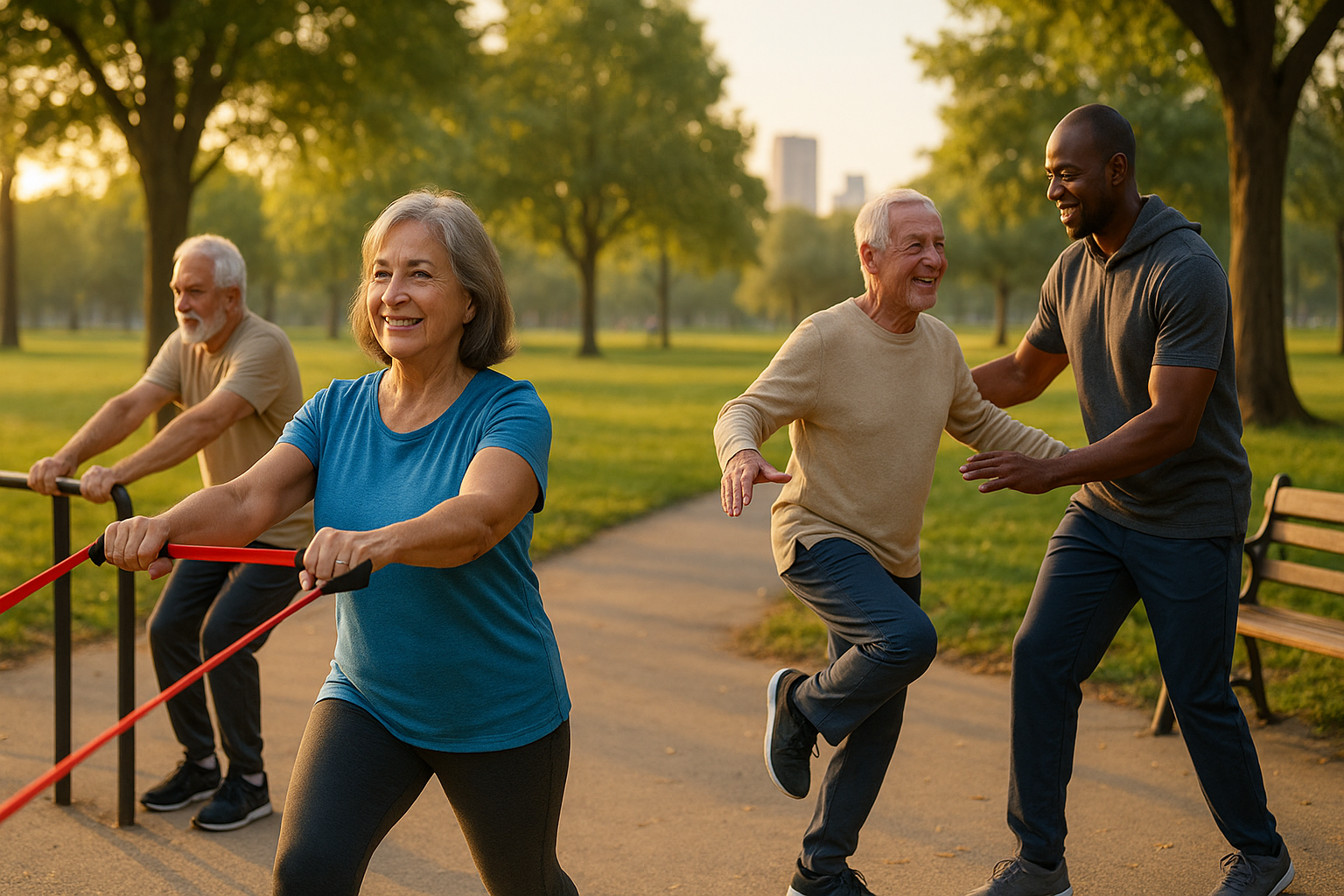
Staying active at any age starts with what you believe about aging. A mindset for aging means rejecting stereotypes (“too old,” “fragile,” “past my prime”) and replacing them with a practical, evidence-based approach to movement, strength, balance, and recovery. In the next sections you’ll find 10 clear ways to stay active—each one grounded in research and designed to be adapted to different bodies, cultures, and starting points. Quick answer: adults—including those 65+—benefit from weekly aerobic activity, muscle strengthening, and balance work; small, consistent steps add up, and it’s never too late to start. This guide is educational, not medical advice; if you have health conditions, talk with your clinician before changing your routine.
Skimmable starter list (for momentum): Pick one from each column this week.
• Aerobic: brisk walks (30 min x 5), cycling (20–30 min x 3), or swimming (20–30 min x 3).
• Strength: two full-body sessions (8–10 movements) using bands, dumbbells, bodyweight.
• Balance: three short sessions (10–15 min) of single-leg stands, heel-to-toe walks, or Tai Chi drills.
• Recovery: 7–9 hours sleep, protein with each meal, and one rest or light-mobility day.
1. Reframe Aging: Replace “Too Old” With “Training Age”
Aging well begins by rejecting age stereotypes and building self-efficacy—the belief that your actions create change. Research links positive age beliefs with better health outcomes and even longer life. That doesn’t mean wishful thinking fixes everything; it means mindset removes invisible brakes so the training you do can actually pay off. A practical reframe is to think in terms of training age (how long you’ve been practicing a habit) rather than birth age. If your training age for strength is “0,” you can still start today and be “1” next month. Stereotype threat—hearing “people your age are unsteady”—can measurably worsen balance and performance; the antidote is deliberate exposure to successes, role models, and environments that signal competence at every stage. Action beats anxiety, and small wins compound.
1.1 Why it matters
- Negative age beliefs can reduce motivation and increase fear of movement; positive beliefs correlate with better function and longer life.
- Expectancy effects are real: being told “older adults are slow” can make you slow in tests; neutral or positive framing helps performance.
- A growth mindset (“I can improve with practice”) encourages adherence, which is the #1 predictor of results.
1.2 How to do it
- Rewrite the story: Replace “I’m old and stiff” with “I’m a beginner at mobility who’s improving weekly.”
- Find proof: Keep a “wins list”—extra reps, steadier balance, fewer stairs-breath pauses.
- Use identity cues: Label your calendar sessions “athlete appointment” or “balance practice.”
- Curate inputs: Follow age-positive coaches and communities; avoid content that mocks aging.
- Track exposure: Each week, note one stereotype you noticed and one counterexample you lived.
Mini example: After three weeks of 10-minute daily walks, Amna (62) lengthened her stride and shaved 90 seconds off her 1-km loop. The data point becomes a belief-shifter: “My training age is three weeks, and I’m improving.”
Synthesis: Mindset doesn’t replace training; it unlocks it by aligning identity, expectations, and habits so your plan sticks.
2. Make Strength Training Non-Negotiable (2–3 Days/Week)
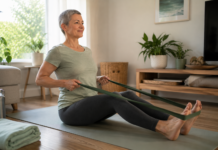
If you do only one new thing, lift something a little heavier this year. Strength training preserves muscle, bone, and independence, and it’s safe for healthy, frail, and clinical populations when properly progressed. As of August 2025, major guidelines recommend at least two days/week of muscle-strengthening activities for adults—including those 65+. Aim for 8–10 movements that cover push, pull, hinge, squat, carry, and core, performed with effort you could sustain for 8–15 reps, leaving 1–3 reps in reserve (RIR). Progression can be as simple as adding 1–2 reps, a small load increase (e.g., 1 kg), or an extra set each fortnight. If you’re brand new, resistance bands and bodyweight are enough to begin.
2.1 Numbers & guardrails
- Frequency: 2–3 sessions/week, non-consecutive days.
- Volume: 1–3 sets per movement; beginners start at 1–2 sets.
- Effort: Moderate-to-hard (RPE 6–8/10), but stop with good form.
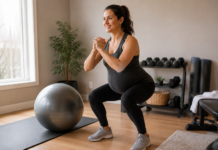
- Movements: Chair squats, wall or countertop push-ups, banded rows, hip hinges, step-ups, loaded carries (e.g., groceries).
- Progress: Every 1–2 weeks, increase total reps by ~10% or add the smallest available load.
2.2 Common mistakes
- Only machines, forever: Useful at first, but include free-weight or bodyweight moves to train balance and coordination.
- Never pushing close to effort: Muscle responds to challenge.
- Ignoring recovery: Sleep and protein (see Item 8) drive adaptation.
- Over-isolating: Favor compound patterns that transfer to daily life.
Mini case: A 68-year-old begins with sit-to-stands (2×8), band rows (2×10), and farmer’s carries (2×30 m). After 8 weeks, she’s at 3×12, rows with stronger bands, and carries two 10-kg bags for 50 m. Her stair-climb feels easier; that’s functional strength.
Synthesis: Strength is the master key for aging well—protecting bone, muscle, and daily function—so schedule it like a prescription you wrote for yourself.
3. Train Power and Speed—They Decline Fastest
Muscle power (force × speed) drops earlier and faster than raw strength with age; it’s what helps you recover a stumble, climb stairs, or stand up quickly. The fix is intent to move fast with control, matched to your body. You don’t need plyometric jumps to reap benefits; a lighter load moved faster is power training, too. After you’re comfortable with basic strength patterns, add power emphasis 1–2 times/week: think rapid sit-to-stand, medicine-ball chest passes, or faster concentric phases on a leg press. Keep the volume low, rests generous, and technique clean.
3.1 How to do it (low-impact options)
- Sit-to-stand speed sets: From a chair, stand up fast, sit slow; 3×5.
- Band presses/rows “snap”: Drive out quickly, control back; 2–3×6–8.
- Step-ups with drive: Step and “pop” onto a low step; 2–3×5/side.
- Kettlebell deadlifts → swings progression: Learn hinge first, then light swings (coached).
- Bike sprints: 10–15 seconds hard, 60–90 seconds easy; 6–8 rounds.
3.2 Safety & guardrails
- Warm up first; choose ranges that don’t hurt.
- Use low to moderate loads for speed; stop before form degrades.
- Allow 48 hours between power-focused sessions.
- If you have joint pain or balance concerns, keep both feet grounded and use supports (bench, rail).
Numeric example: 10-second bike sprints at RPE 8/10 with 80 seconds easy, repeated 6 times = ~9 minutes of work that meaningfully trains power without pounding the joints.
Synthesis: Because power fades fastest, a little velocity training pays big functional dividends—especially for fall recovery and stair climbing.
4. Balance Training: Your Everyday Fall-Prevention Insurance
Balance is a skill you can train. Dedicated practice reduces fall risk and boosts confidence for walking on uneven ground, getting in/out of vehicles, and navigating crowds. As of August 2025, evidence-based programs emphasize balance and functional exercises—often combined with strength work—to cut falls. Three short sessions per week (10–20 minutes) are enough to build steadier ankles, hips, and reflexes. Treat balance like brushing your teeth: small, daily and focused.
4.1 Mini-checklist (3–7 drills)
- Single-leg stands: 3×20–30 seconds/side; hold a counter lightly.
- Heel-to-toe walk: 2×10 steps, eyes forward.
- Weight shifts: 2×10, side-to-side then front-to-back.
- Sit-to-stand without arms: 2×8–12, slow control.
- Head turns while standing: 2×8 each way.
- Tai Chi basics: 5–10 minutes of forms for posture and control.
4.2 Tools/Examples
- Timed Up & Go (TUG): Stand, walk 3 m, turn, sit. Track your time monthly.
- Four-stage balance test: Feet together → semi-tandem → tandem → single-leg; hold each 10 seconds.
- Environment: Practice near a stable surface; clear clutter; good lighting.
- Progressions: Narrow stance, softer surface, gentle head turns.
Region note (hot climates like South Asia): Do outdoor balance practice at dawn or dusk to avoid heat; use shaded parks or indoor corridors. Many apartment courtyards have rails or benches that work as safe supports.
Synthesis: Balance responds to deliberate practice—just minutes each session translate into fewer stumbles, more confidence, and real freedom.
5. Mobility That Protects Joints (in 10–15 Minutes/Day)
Mobility is controlled range of motion, not circus flexibility. Ten to fifteen minutes/day preserves joint health, reduces stiffness, and makes strength work safer. Think “grease the groove”: gentle, frequent reps through pain-free ranges. Pair mobility with breath and posture—long spine, relaxed jaw, nasal breathing—to downshift the nervous system. Blend global moves (cat-camel, thoracic rotations) with joint-specific work (ankle dorsiflexion, hip openers). Progress by increasing reps, smoothness, and range (never forcing).
5.1 Sample sequence (head-to-toe)
- Ankles: Knee-over-toe ankle rocks, 2×8/side.
- Hips: 90/90 transitions or hip hinges, 2×8.
- Thoracic spine: Open-book rotations, 2×6/side.
- Shoulders: Wall slides or band dislocates, 2×8.
- Neck: Gentle rotations and nods, 2×5 with slow breaths.
- Wrists: Palm lifts against a table edge, 2×8.
5.2 Common mistakes
- Static stretching only: Add controlled movement; end ranges should be owned, not just reached.
- No strength in new ranges: Follow mobility with light load to “teach” the joint (e.g., ankle rocks → goblet squat to a box).
- Overdoing painful spots: Stay below discomfort; pain is a “red light.”
Mini example: Two weeks of daily ankle rocks (2×8) can add 2–3 cm to knee-to-wall distance, which often makes deep squats and stair descent feel smoother.
Synthesis: Short, daily mobility keeps the machine oiled so your walks, lifts, and balance drills feel better and last longer.
6. Cardio That You’ll Actually Do (150–300 Min/Week)
Cardiovascular activity supports heart, brain, and metabolic health at every age. As of August 2025, public-health guidance recommends at least 150 minutes of moderate or 75 minutes of vigorous activity weekly, plus strength work; more yields more benefits. “Moderate” feels like brisk walking—you can talk but not sing; “vigorous” is a huff-and-puff pace. Mix modes you enjoy: walking, cycling, swimming, dancing, or low-impact aerobics. Intervals can condense time while preserving joint comfort.
6.1 Three practical templates
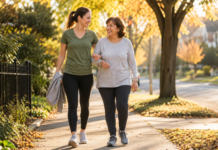
- Brisk-walk baseline: 30 minutes, 5 days/week (parks, malls, neighborhoods).
- Pool mix: 20–30 minutes laps or aqua-aerobics, 3–4 days/week.
- Bike intervals: 5-minute warm-up → 6× (1 min hard, 2 min easy) → 5-minute cool-down.
6.2 Guardrails & region notes
- In hot/humid regions, walk early/late; carry water; wear breathable fabrics.
- Air-quality alerts: swap outdoor sessions for indoor mall walks or stationary bike.
- Foot care matters: supportive shoes, moisture-wicking socks.
- Progress 10%/week on total minutes to avoid overuse niggles.
Numeric example: Two 20-minute swims + three 30-minute walks = 130 minutes; add a 20-minute bike ride and you’re at 150 minutes for the week.
Synthesis: Cardio should be enjoyable and repeatable; build a mix you look forward to and the health benefits will follow.
7. Recovery Habits: Sleep, Stress, and Deloads
Training breaks tissue down; recovery builds it back stronger. Aim for 7–9 hours of sleep, keep at least one lower-intensity day weekly, and schedule a “deload” week (reduce sets or loads by ~30–50%) every 6–8 weeks. Short relaxers—5 minutes of breathing, a cup of tea outdoors, or light stretching—help the nervous system shift from “go” to “grow.” If you track anything, track consistency and morning energy; HRV and wearables can help but aren’t mandatory. Pain spikes or persistent fatigue are signals to back off, not grind harder.
7.1 Mini-checklist
- Sleep anchor: Fixed wake time; dim lights 60 minutes before bed.
- Evening screen rule: If you watch, sit farther back and reduce brightness.
- Active recovery: Easy walk + mobility day after hard sessions.
- Deload plan: Every 6–8 weeks, halve the hardest sets or lower loads by ~30%.
- Stress outlet: Box breathing (4-4-6-2), journaling, or a social call.
7.2 Common mistakes
- All gas, no brakes: Progress stalls without rest.
- Caffeine drift: Keep coffee earlier; avoid late-day stimulants.
- Ignoring niggles: Early tweaks respond to load management; late ones demand weeks off.
Synthesis: Recovery isn’t a reward for training—it’s a training block. Protect it and you’ll make steady, safer gains.
8. Eat to Move: Protein, Plants, and Hydration
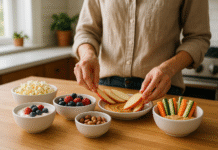
Nutrition fuels performance, recovery, and body composition. Many older adults benefit from slightly higher protein than the standard 0.8 g/kg/day—think ≥1.0–1.2 g/kg/day, spread across meals, unless your clinician advises otherwise. Pair that with plenty of plants (fiber, micronutrients), healthy fats, and adequate hydration. Distribute protein (e.g., ~25–35 g per meal) to support muscle protein synthesis; include leucine-rich sources like dairy, eggs, soy, fish, and legumes. In hot climates, aim for regular fluids and add a pinch of salt with long walks (if your doctor approves).
8.1 Practical plate (per meal)
- Protein: ~1–2 palm-sizes (cottage cheese, lentils, yogurt, fish, tofu).
- Color: 2 fistfuls of vegetables or fruit.
- Carbs: 1–2 cupped handfuls (rice, roti, potatoes, oats).
- Fats: 1–2 thumbs (olive oil, nuts, seeds).
- Hydration: A glass of water or buttermilk; extra if you’re sweating.
8.2 Guardrails
- Kidney disease: Follow medical advice; protein targets differ.
- Appetite: If eating less, consider higher-protein snacks (Greek yogurt, protein lassi, soy milk).
- Timing: A protein-rich meal within 2–3 hours after strength training supports repair.
Mini example: A 70-kg person targeting 1.1 g/kg/day = ~77 g protein. Split across three meals (27 g, 25 g, 25 g) with a small snack and you’ve hit the mark without supplements.
Synthesis: Eat enough, especially protein, and your training returns multiply—more strength, steadier energy, better recovery.
9. Start Safe: Pain, Med Checks, and Red Flags
You can start at any age, but you should start smart. Get clearance if you have uncontrolled conditions (e.g., blood pressure, chest pain, unexplained shortness of breath). Review medications that affect balance or heart rate with your clinician. Use pain as information: mild, short-lived muscle soreness is normal; sharp joint pain or pain that lingers for days signals a need to modify. Graded exposure—doing a tolerable dose and slowly increasing—works better than rest-forever. Keep an eye on feet, vision, and home hazards to reduce trip risks as activity ramps up.
9.1 Quick triage (when to pause and call)
- Stop now & seek care: Chest pain, dizziness/fainting, severe breathlessness, sudden leg swelling, or neurological symptoms.
- Modify & monitor: New joint pain that eases within 24–48 hours; try fewer sets, smaller ranges, or alternative moves.
- Environment: Remove loose rugs, improve lighting, use railings on stairs.
9.2 Safe progressions
- Increase one variable at a time (reps or load or sets).
- Keep a log; if pain spikes above a 5/10, scale back next session.
- Replace high-impact with low-impact alternatives during flare-ups (bike for jogs, swimmers for push-ups).
Synthesis: Caution isn’t fear; it’s skillful setup. When you pair checks and guardrails with steady progress, activity feels safer—and that keeps you consistent.
10. Build Social Systems and Habits That Last
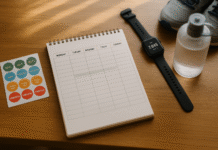
The best program is the one you’ll still be doing next season. Social accountability, cues, and routines make activity automatic. Walk with a neighbor, join a class, or schedule “movement appointments” like any other meeting. Bundle habits—mobility after morning tea, balance work while the kettle boils. Celebrate streaks, not perfection; if you miss a day, restart the next one without guilt. Use simple tools (calendar checkmarks, a step counter, or a habit app) to nudge momentum.
10.1 Habit architecture
- Bright spots: What’s already working (Tuesday walks)? Do more of those.
- Implementation intentions: “If it’s 7:30 a.m., I put on my walking shoes.”
- Environment design: Keep bands by the TV, water by the door, shoes by the bed.
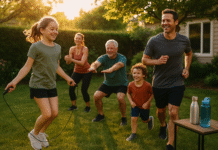
- Community: Classes, religious/community centers, parks—movement loves company.
- Rewards: Log wins; share a weekly photo or message with a friend.
10.2 Region notes and ideas
- In warm climates, create dawn/dusk groups for walks; carry a small flashlight for visibility.
- Use malls or covered markets for indoor walking when air quality or heat is high.
- Consider culturally familiar dances (e.g., bhangra, folk) for fun cardio that’s easy to sustain.
Synthesis: Systems beat willpower. Design your week, align it with your people, and let the routine carry you—one small, repeated win at a time.
FAQs
1) What does “mindset for aging” actually mean—can beliefs really change health?
It means seeing aging as dynamic, not destiny, and focusing on controllable behaviors—movement, sleep, nutrition, connection. Studies show positive age beliefs correlate with better function, lower stress responses, and even longer life. The belief itself isn’t magic; it reduces fear and stigma so you practice more, recover better, and make choices that compound over years. Think of it as removing mental friction so evidence-based habits can work.
2) I’m 70 and new to exercise. Where should I start this month?
Begin with consistency over intensity: 10-minute brisk walks most days; two 15–20-minute strength sessions (sit-to-stands, band rows, supported push-ups); and a 10-minute balance/mobility block. Track how you feel the next day. If soreness is mild and energy is okay, add a few reps the following week. See your clinician if you have uncontrolled conditions; otherwise, gradual ramp-up is typically safe and effective.
3) How much is “moderate” vs “vigorous” effort?
Use the talk test. At moderate intensity you can talk but not sing; at vigorous intensity talking feels tough. Many people find RPE (rating of perceived exertion) useful: moderate is about 5–6/10, vigorous 7–8/10. Mix both to suit joints, weather, and preferences; total weekly minutes matter most, with bonus benefits as you go beyond the minimum.
4) Is strength training safe with arthritis or osteoporosis?
Yes, with tailored programming. Emphasize controlled ranges, lighter loads at first, and exercises that don’t aggravate specific joints. For osteoporosis, include weight-bearing and resistance work; avoid extreme spinal flexion/rotation under load. Progress slowly and prioritize form. Many people with these conditions gain function and comfort through regular, guided strength work.
5) Do I need power training if I already walk daily?
Walking is excellent, but power (faster, controlled efforts) trains quick reactions for stumbles and stair climbs. You can keep it low-impact—faster sit-to-stands, step-ups with intent, light medicine-ball tosses. One or two short power segments per week are enough to make a difference, especially combined with your walking base.
6) How much protein should I aim for if I’m active and over 60?
Many older adults benefit from ≥1.0–1.2 g/kg/day, split across meals (e.g., ~25–35 g per meal), adjusted for medical conditions. Combine protein with resistance training to support muscle maintenance. If you have kidney disease or other concerns, your clinician may set a different target.
7) I’m afraid of falling. What’s the most effective thing to do right now?
Start a balance routine three days/week: single-leg stands near a counter, heel-to-toe walking, and sit-to-stands, plus a gentle strength block for legs and hips. Keep floors clear, improve lighting, review medications that affect balance, and check vision. Evidence shows combined balance + functional + strength training reduces fall rates; small, frequent practice is your friend.
8) Can I still improve fitness if I’ve been sedentary for years?
Absolutely. Gains happen at every age, often quickly in the first few weeks due to neural adaptations. Start where you are, build slowly, and track wins (distance, reps, steadier balance). The goal isn’t to “catch up” to anyone else; it’s to be more capable next month than you are today.
9) How do I stay motivated long term?
Attach movement to values (playing with grandkids, traveling, prayer/ritual stamina, independence), create social accountability, and design your environment for defaults (shoes ready, bands visible). Celebrate streaks and identity (“I’m someone who trains twice a week”), not just scale numbers or PRs.
10) Is there a “best” time of day to train as I age?
The best time is the one you’ll keep. In hot regions, early morning or evening improves comfort and safety. If sleep is fragile, avoid vigorous sessions late at night. Many find a short morning walk plus an afternoon strength session works well—experiment and log what leaves you energized.
Conclusion
To stay active at any age, pair a mindset shift with simple, durable actions. First, rewrite the story: aging isn’t a stop sign; it’s a different training phase. Then build the core of your week—150+ minutes of cardio you enjoy, two to three strength sessions, and three short balance practices. Layer in daily mobility, adequate sleep, and protein-forward meals. Start small, progress slowly, and let identity lead (“I’m an active person”) while systems support you (calendar blocks, walking partners, bands by the TV). The research is consistent as of August 2025: people who move regularly—no matter when they start—maintain function, reduce fall risk, and live better. Your next step is the most important one: schedule two 20-minute sessions this week and invite someone to join you. Call to action: Pick one strength day, one walk, and one balance practice for the next seven days—put them on your calendar now.
References
- WHO Guidelines on Physical Activity and Sedentary Behaviour. World Health Organization. November 25, 2020. https://www.who.int/publications/i/item/9789240015128
- Older Adult Activity: An Overview. Centers for Disease Control and Prevention. December 22, 2023. https://www.cdc.gov/physical-activity-basics/guidelines/older-adults.html
- Exercise and Physical Activity (Toolkit & Guides). National Institute on Aging. May 23, 2024 (Get Fit for Life PDF) & January 14, 2025 (Three Types of Exercise). https://order.nia.nih.gov/sites/default/files/2024-05/get-fit-life-book.pdf ; https://www.nia.nih.gov/health/exercise-and-physical-activity/three-types-exercise-can-improve-your-health-and-physical
- Exercise for Preventing Falls in Older People Living in the Community (Cochrane Review). Cochrane Library. January 31, 2019. https://www.cochranelibrary.com/cdsr/doi/10.1002/14651858.CD012424.pub2/full
- Facts About Falls. Centers for Disease Control and Prevention. May 9, 2024. https://www.cdc.gov/falls/data-research/facts-stats/index.html
- Resistance Training for Older Adults (Position Statement). National Strength and Conditioning Association, Journal of Strength and Conditioning Research. 2019. https://journals.lww.com/nsca-jscr/fulltext/2019/08000/resistance_training_for_older_adults__position.1.aspx
- Effectiveness of Power Training Compared to Strength Training on Physical Function. BMC Geriatrics (Open-access PMC). 2022. https://pmc.ncbi.nlm.nih.gov/articles/PMC9367108/
- Heavy Resistance Training at Retirement Age Induces 4-Year Benefits. BMJ Open Sport & Exercise Medicine. 2024. https://bmjopensem.bmj.com/content/10/2/e001899
- Clinical Nutrition and Hydration in Geriatrics (ESPEN Practical Guideline). European Society for Clinical Nutrition and Metabolism. 2022. https://www.espen.org/files/ESPEN-Guidelines/ESPEN_practical_guideline_Clinical_nutrition_and_hydration_in_geriatrics.pdf
- Longevity Increased by Positive Self-Perceptions of Aging. Journal of Personality and Social Psychology. 2002. https://pubmed.ncbi.nlm.nih.gov/12150226/
- Age-Based Stereotype Threat Effects on Dynamic Balance in Healthy Older Adults. Frontiers in Systems Neuroscience. August 7, 2024. https://www.frontiersin.org/journals/systems-neuroscience/articles/10.3389/fnsys.2024.1309158/full
- What Counts as Physical Activity (Adults & Older Adults). Centers for Disease Control and Prevention. December 6 & 22, 2023. https://www.cdc.gov/physical-activity-basics/adding-adults/what-counts.html ; https://www.cdc.gov/physical-activity-basics/adding-older-adults/what-counts.html