



























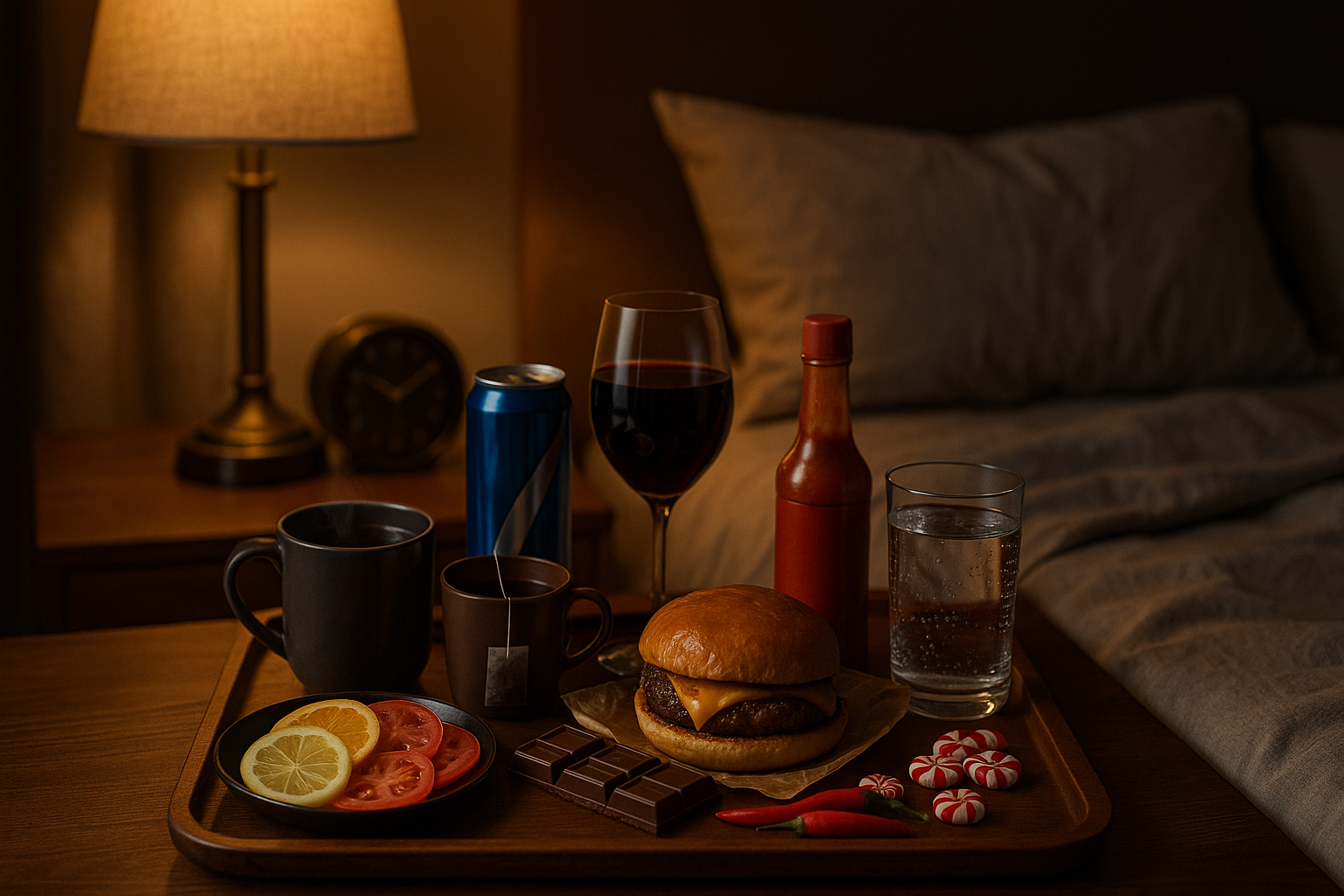
A good night’s sleep often starts with what you don’t eat and drink in the hours before lights out. This guide spells out 12 common culprits—caffeinated beverages, alcohol, spicy and fatty meals, acidic triggers, mint, fizzy drinks, sugary desserts, and large late dinners—and offers practical swaps so you can wind down without sabotage. Brief medical note: this article is general information, not personal medical advice; if you have GERD, sleep apnea, pregnancy, or take medicines affected by diet, consult your clinician. The quick answer: avoid caffeine for at least six hours before bed, finish dinner two to three hours before sleeping, go easy on alcohol and heavy or spicy foods at night, and choose gentle, non-acidic snacks if you’re hungry.
1. Coffee and Espresso Drinks
Coffee and espresso are among the most reliable sleep disrupters at night because caffeine is a central nervous system stimulant with a variable half-life—often several hours—so its effects can linger well past bedtime. Even a single afternoon latte can still be “on board” when you’re trying to fall asleep, fragmenting sleep and shortening total sleep time. Research shows caffeine consumed up to six hours before bed measurably reduces sleep duration and quality, and clinical guidance commonly suggests an early afternoon cutoff. If you’re sensitive, that window may need to be even longer. Dark roasts don’t guarantee safety either; caffeine content depends more on dose and brew method than roast level. If you work late shifts, plan your last caffeinated cup to match your sleep window, not the clock.
Why it matters
- Sleep architecture: Caffeine delays sleep onset and reduces slow-wave sleep, increasing lighter stages that feel less restorative.
- Timing math: With a half-life of roughly 2–10 hours, a 150 mg cup at 3 p.m. can leave 75 mg or more circulating at 9 p.m.
- Hidden load: Large cold brew servings, double shots, and specialty drinks can exceed 200–300 mg in one go.
How to swap
- Switch to decaf after lunch (it still has small amounts—plan accordingly).
- Choose herbal infusions (chamomile, rooibos) or warm milk if tolerated.
- If you crave the routine, keep the mug and ritual but brew half-caf or a naturally caffeine-free alternative like barley “coffee.”
Wrap-up: Treat caffeine like a long-acting stimulant—set a personal cutoff that’s at least six hours before bed, and earlier if you’re sensitive.
2. Black Tea, Green Tea, and Matcha
Traditional teas and matcha feel lighter than coffee, but they still deliver meaningful caffeine that can delay sleep and increase nighttime awakenings. A typical mug of black tea ranges from 40–70 mg caffeine; green tea skews lower, and matcha can be higher per serving because you consume the powdered leaf. Tea also contains theobromine and theophylline, milder stimulants that can add to alertness. “Decaf” tea can help, but decaffeination doesn’t remove caffeine completely—often leaving a residual 2–5 mg per cup, and sometimes more depending on the brand and process. Evening “sleepytime” blends are safer when they’re truly herbal (i.e., no Camellia sinensis).
Numbers & guardrails
- Caffeine range: Black (40–70 mg), green (20–45 mg), matcha (60–90+ mg per prepared serving, depending on grams used).
- Timing rule: Keep caffeinated tea ≥6 hours before your target bedtime.
- Label literacy: “Herbal tea” isn’t always caffeine-free (e.g., yerba mate, guayusa); check the ingredient list.
Better choices at night
- Herbal infusions: Chamomile, lemon balm, passionflower, or spearmint-free blends if reflux is an issue.
- Warm, diluted tart cherry juice (small portion) may be soothing for some, but avoid if acidic drinks trigger heartburn.
- Plain warm water with a slice of peeled cucumber or ginger can satisfy the ritual without stimulants.
Bottom line: If it’s made from tea leaves or matcha powder, treat it like coffee—shift it earlier, or go truly herbal in the evening.
3. Colas and Energy Drinks
Colas and energy drinks combine caffeine with sugar (and often carbonation), a triple threat for sleep. Energy drinks can pack 80–200+ mg caffeine per can, sometimes more in “extra strength” sizes, while colas typically contain 20–50 mg per serving. The sugar rush may be followed by a blood glucose dip that can spark nighttime hunger or restlessness, and carbonation can worsen reflux when you lie down. Adolescents and young adults are especially prone to sleep issues tied to energy drink intake, but the physiology applies to all ages: stimulants close to bedtime fragment sleep and erode next-day alertness.
Mini-checklist
- Stop times: Cut off colas and energy drinks 6–8 hours before bedtime.
- Serving traps: “16 oz” cans often equal two servings—double-check labels.
- Caffeine stacking: Coffee + energy drink + pre-workout can silently exceed 400 mg/day, the upper limit many guidelines use for healthy adults.
Smarter swaps
- If you need bubbles, try caffeine-free, non-acidic seltzer with dinner, not after, and avoid it within two hours of bed if reflux-prone.
- For a gentle lift earlier in the day, consider lower-caffeine options like diluted iced tea in the morning only.
- Re-hydrate at night with still water or electrolyte water without stimulants.
Key takeaway: Energy drinks and colas are late-day sleep saboteurs—save them for the morning, or skip them entirely after lunch.
4. Chocolate and Cocoa
Chocolate is a stealth stimulant at night. Dark chocolate contains both caffeine and theobromine, each of which can promote alertness and increase heart rate. Even milk chocolate has smaller amounts that add up when paired with other late-day caffeine sources. Chocolate is also a common reflux trigger, relaxing the lower esophageal sphincter and increasing the chance of heartburn when you lie down—an issue that fragments sleep through micro-awakenings. Hot cocoa feels cozy, but depending on the mix, it can combine sugar, cocoa alkaloids, and occasionally caffeine.
Practical guide
- Portion reality: A 40–50 g bar of 70% dark can contain 60–80 mg caffeine plus theobromine; “cocoa nibs” are higher still.
- Timing: Avoid chocolate after mid-afternoon if you notice sleep effects; skip it entirely within 3–4 hours of bed if reflux-prone.
- Dessert swaps: Banana with peanut butter, a rice cake with almond butter, or Greek yogurt (if tolerated) keep sugar and stimulants low.
Why it matters
- The combo of stimulants + sugar + potential reflux makes chocolate uniquely disruptive at night, particularly in sensitive sleepers.
In short: Save your dark chocolate for earlier in the day; in the evening, choose non-stimulating, low-acid treats.
5. Alcohol (Beer, Wine, Spirits)
Alcohol can make you feel sleepy, but it reduces REM sleep and fragments the second half of the night, leading to 3 a.m. wake-ups and light, non-restorative sleep. Even low doses measurably alter sleep architecture; higher doses worsen snoring, increase awakenings, and aggravate sleep-disordered breathing. Alcohol also promotes reflux by relaxing the lower esophageal sphincter, and many mixers add sugar or carbonation, compounding the problem. The net effect is a night of shallow sleep followed by grogginess—despite “falling asleep faster.”
Guardrails & examples
- Timing: Finish your last drink 3–4 hours before bed, then switch to water.
- Dose reality: “One large pour” of wine can be 1.5–2 standard drinks—pace accordingly.
- Event night plan: Alternate each alcoholic drink with 8 oz water; decline late “nightcaps.”
Better choices
- If you enjoy a ritual, try non-alcoholic bitters in still water earlier in the evening (watch citrus if reflux-prone).
- Consider alcohol-free beer/wine with very low or zero alcohol on weeknights—note carbonation and acidity if you have GERD.
Big picture: Alcohol is a reliable REM and continuity disrupter—move it earlier, reduce serving size, or reserve it for nights when sleep quality isn’t critical.
6. Spicy Foods and Chiles
Spicy dinners can raise body temperature and trigger heartburn, both of which can disturb sleep. Capsaicin in chiles ramps up thermogenesis; while that’s interesting for metabolism, it can feel like internal “heat” that’s the opposite of the cool-down your brain prefers for sleep onset. Spicy sauces and curries also frequently include tomato, onion, garlic, and vinegar—all potential reflux triggers in sensitive people. Cultural tolerance varies, but even heat lovers notice that very spicy meals too close to bedtime increase tossing and turning.
How to dial it back at night
- Timing: Keep your spiciest meal at lunch; choose milder seasonings for dinner.
- Smart construction: Use aromatics (ginger, turmeric, herbs) for flavor without heat.
- Portion & pairings: Add plain yogurt or cucumber raita (if tolerated) to cool a dish; avoid late-night pickles and vinegars.
Mini case
- If you sleep at 11 p.m., finish a spicy meal by 7–8 p.m. and keep portion modest. Notice whether even this window triggers reflux; if yes, save spicy dishes for earlier in the day.
Bottom line: Nighttime is not the moment to test your heat tolerance—choose gentler flavors for a cooler, calmer sleep onset.
7. High-Fat and Fried Meals
Heavy, high-fat meals slow gastric emptying, increase reflux risk, and are associated with alterations in sleep stages—often less slow-wave sleep and more fragmented rest. Burgers, creamy pastas, butter-heavy takeout, and deep-fried favorites feel comforting but can sit in the stomach for hours, especially if paired with alcohol or eaten right before lying down. The result is a churn of discomfort, nocturnal awakenings, and groggy mornings. Across studies, diets high in saturated fat correlate with poorer objective sleep quality.
Tactics that help
- Dinner design: Favor lean proteins (fish, chicken, tofu), vegetables, and whole grains at night.
- Portion control: Keep fats as a side accent (olive oil drizzle, avocado slice) rather than the main event.
- Leftover logic: Save fried foods for lunch; reheat in an oven/air fryer to reduce added grease.
Numbers & guardrails
- Aim for ≤25–30% of dinner calories from fat, with saturated fat on the low side.
- Stop eating 2–3 hours before bed to allow digestion.
Synthesis: Lighter, balanced dinners set the stage for calmer digestion and deeper sleep—save heavy meals for earlier in the day.
8. Acidic Foods: Tomatoes, Citrus, and Vinegars
Acidic foods are common heartburn triggers that can derail sleep quality, especially when eaten late. Tomato-based sauces, citrus fruits and juices, and vinegary dressings can irritate the esophagus and relax the sphincter that normally keeps stomach contents where they belong. When you recline, acid exposure can increase, fueling cough, throat clearing, and micro-awakenings that you might not remember but feel as “bad sleep.” People with GERD or laryngopharyngeal reflux (LPR) are particularly sensitive in the evening.
Gentle adjustments
- Swap sauces: Choose cream-free pesto (hold the garlic if sensitive), basil/herb oil, or roasted red pepper (watch heat) instead of tomato heavy sauces.
- Fruit timing: Enjoy citrus earlier in the day; pick banana, melon, or pear at night.
- Dressings: Use olive oil + a pinch of salt at dinner; add vinegar at lunch instead.
Mini-checklist
- Avoid acidic foods within 2–3 hours of bed.
- Elevate the head of your bed 6–8 inches if nighttime reflux is persistent (medical guidance applies).
Net-net: If you connect tomato or citrus with nighttime heartburn, move them earlier and choose low-acid alternatives in the evening.
9. Peppermint and Minty Foods
Peppermint is soothing for some digestive issues, but it can relax the lower esophageal sphincter and worsen reflux symptoms—particularly when consumed as tea, candies, or minty desserts near bedtime. Because reflux tends to flare when lying down, that minty finish to dinner can boomerang into throat burn and sleep disruption. Spearmint can have similar effects for some individuals, and chocolate-mint pairings combine two classic triggers.
What to do instead
- Choose ginger or chamomile infusions, which many find calming in the evening.
- For fresh breath, opt for alcohol-free mouthwash and sugar-free gum earlier (not right before bed if gum triggers reflux).
- Skip mint sauces and peppermint tea after dinner if you notice nighttime symptoms.
Region-specific note
- In cuisines where mint chutneys or mint raitas are staples, keep portions small at dinner and finish them well before bedtime.
Takeaway: Treat mint as a potential reflux trigger at night—even if it feels soothing elsewhere in your day.
10. Carbonated Beverages (Even Caffeine-Free)
Fizz seems harmless, but carbonation increases gastric pressure, which can promote reflux when you recline. Sodas, sparkling waters, club soda tonics, and even many alcohol-free beers can contribute to nighttime heartburn—especially in larger servings. When bubbles are paired with acidity (colas, citrus sodas) or caffeine, the sleep hit multiplies. Many people tolerate carbonation earlier in the day but run into issues when they drink it close to bedtime.
Guardrails
- Avoid carbonated drinks 2–3 hours before bed.
- If you love bubbles, choose small portions with dinner rather than as a bedtime beverage.
- Prefer still water or warm caffeine-free infusions in the evening.
Simple swaps
- Infuse still water with ginger coins or cucumber peels (peeled to minimize acidity); add a pinch of salt if you crave “sparkle.”
In summary: Carbonation itself can nudge reflux—keep fizzy drinks to earlier hours and opt for still sips at night.
11. Large or Late Meals (Any Cuisine)
The size and timing of your evening meal may matter more than any single ingredient. Large meals stretch the stomach, slow emptying, raise core temperature, and increase reflux risk—all unhelpful for sleep. Eating 30–60 minutes before bed is especially problematic; even healthy foods can disturb sleep when digestion is still in high gear. For most people, separating dinner and bedtime by 2–3 hours reduces symptoms and improves continuity of sleep.
How to structure your evening
- Front-load calories: Make lunch your largest meal; keep dinner lighter.
- Plan a window: Finish dinner by 7–8 p.m. if you sleep around 10–11 p.m.
- Bridge snacks: If hungry later, use a small, bland snack (see below) rather than a second dinner.
Mini case
- A 10 p.m. sleeper who eats a heavy meal at 9:15 p.m. reports frequent awakenings; shifting the meal to 7:30 p.m. plus a 150–200 kcal snack at 9:30 p.m. (e.g., oatmeal) reduces wake-ups and reflux over two weeks.
Synthesis: Give your body time to digest—smaller, earlier dinners translate to calmer nights.
12. Sugary Desserts and Added Sugars
High added sugar in the evening can destabilize blood glucose and relate to poorer subjective sleep quality. Desserts that combine sugar with fat (ice cream, pastries) linger in the stomach and can trigger reflux; those with chocolate add stimulants. While an occasional treat is fine, habitual late sweets can set up a cycle of sleep fragmentation and next-day cravings. The goal isn’t zero sugar, but less sugar earlier—and smarter choices when you do want something sweet.
Better dessert playbook
- Timing: Enjoy sweets right after dinner rather than as a standalone late-night snack.
- Portion: Keep it to 150–200 kcal if eaten within 2 hours of bed.
- Alternatives: Baked apple, plain oatmeal with cinnamon, or yogurt with berries (if you tolerate dairy) are gentler.
Numbers & guardrails
- Track your added sugar target (e.g., ≤25–36 g/day depending on guideline) and allocate 0–10 g to evenings.
- Pair a small sweet with protein or fiber (e.g., a few nuts) to blunt spikes.
Bottom line: Dial back added sugars at night, pair sweets wisely, and keep them early and modest to protect sleep.
FAQs
1) What’s the best cutoff time for caffeine if I sleep at 11 p.m.?
Aim for at least six hours before bed as a baseline, so target 5 p.m. at the latest; many sleepers do better with a 2–3 p.m. cutoff. Caffeine’s half-life varies, so if you’re sensitive or still wake at night, move the cutoff even earlier and keep total daily caffeine under your personal threshold.
2) Is decaf coffee safe at night?
Decaf contains small amounts of caffeine (often 2–5 mg per cup), which most people tolerate. If you’re very sensitive or stacking other sources (chocolate, tea), reserve decaf for earlier evening or switch to caffeine-free alternatives like chamomile, rooibos, or warm milk if tolerated.
3) What should I eat if I’m hungry before bed?
Choose a small, bland, low-fat snack: plain oatmeal, a banana, toast with a thin smear of nut butter, or a few whole-grain crackers. Keep it 150–200 kcal and finish 30–60 minutes before lying down. Avoid spicy, acidic, or fried foods and anything caffeinated.
4) Do “sleepy” teas actually work?
Herbal teas like chamomile, lemon balm, and passionflower are naturally caffeine-free and feel calming to many people. Effects vary; the biggest win is often the warm ritual and avoiding caffeine. Avoid peppermint at night if reflux is an issue.
5) Is alcohol ever okay in the evening?
If you choose to drink, finish your last drink 3–4 hours before bed, keep servings modest, and hydrate. Alcohol may help you doze off but reduces REM and increases awakenings later in the night. For important sleep nights, skip it.
6) I love spice—do I have to give it up?
Not necessarily. Shift spicier dishes to lunch, choose milder seasonings at dinner, and include cooling sides (yogurt, cucumber) if you tolerate them. Track whether even mild evening spice triggers reflux; if yes, save heat for daytime.
7) Can sparkling water really cause sleep problems?
For some, yes. Carbonation increases gastric pressure and can worsen reflux when lying down. If you’re reflux-prone, avoid fizzy drinks within 2–3 hours of bed and choose still water or warm, non-acidic beverages instead.
8) Are there any bedtime drinks that help sleep?
Many people like warm milk, non-mint herbal infusions, or diluted oat “milk” in small portions. Keep it non-caffeinated, non-acidic, and not too sweet. The soothing routine and warmth help as much as ingredients.
9) Does meal timing matter more than what I eat?
Both matter, but timing is a strong lever. Large or late meals raise core temperature and reflux risk. Separating dinner and bedtime by 2–3 hours and keeping the meal lighter can improve sleep even if ingredients are similar.
10) What about chocolate specifically—how late is too late?
Treat dark chocolate like a stimulant. Enjoy it earlier in the day and avoid it within 3–4 hours of bed, particularly if you also drink tea/coffee or have reflux. Milk chocolate has less caffeine but can still trigger symptoms.
11) Could sugar at night cause me to wake up hungry?
It’s possible. Rapid rises and dips in blood glucose can produce restlessness or early wake-ups in some people. Keep sweets small, pair with fiber/protein, and schedule them with dinner rather than later.
12) I follow a late schedule—do these rules change if I sleep at 2 a.m.?
The principles are the same—shift the cutoffs relative to your sleep time. For example, if you sleep at 2 a.m., avoid caffeine after 8 p.m., finish dinner by 11 p.m., and keep late snacks small and bland. Consistency still helps.
Conclusion
Better sleep isn’t only about a perfect mattress; it’s also about what and when you eat and drink in the evening. As a rule of thumb, finish dinner 2–3 hours before bed, keep it light on spice and fat, and reserve caffeine for the first half of your waking day. Be wary of “sleepy” nightcaps—alcohol often backfires by fragmenting the second half of the night—and treat chocolate, mint, and fizzy drinks as potential reflux triggers. If you need a bedtime snack, make it small, bland, and non-acidic. Track your own patterns for two weeks; most people quickly spot one or two key offenders. With a few targeted swaps and better timing, you can protect sleep quality without giving up flavor or comfort.
Try it tonight: move your last caffeine to before mid-afternoon, finish dinner earlier, and sip a non-mint herbal tea—then notice how you feel tomorrow.
References
- Caffeine Effects on Sleep Taken 0, 3, or 6 Hours before Going to Bed, Journal of Clinical Sleep Medicine (American Academy of Sleep Medicine), Nov 2013. https://jcsm.aasm.org/doi/10.5664/jcsm.3170
- Is It Bad To Eat Before Bed?, Sleep Foundation, updated Jul 16, 2025. https://www.sleepfoundation.org/nutrition/is-it-bad-to-eat-before-bed
- Nutrition and Sleep: Diet’s Effect on Sleep, Sleep Foundation, updated Jul 11, 2025. https://www.sleepfoundation.org/nutrition
- Heartburn – Symptoms & Causes, Mayo Clinic, reviewed 2022. https://www.mayoclinic.org/diseases-conditions/heartburn/symptoms-causes/syc-20373223
- Gastroesophageal Reflux Disease (GERD): Diagnosis and Treatment, Mayo Clinic, reviewed 2023. https://www.mayoclinic.org/diseases-conditions/gerd/diagnosis-treatment/drc-20361959
- Fiber and Saturated Fat Are Associated with Sleep and Wakefulness in Adults, Journal of Clinical Sleep Medicine (PMC), 2016. https://pmc.ncbi.nlm.nih.gov/articles/PMC4702189/
- Effects of Diet on Sleep Quality, Advances in Nutrition (PMC), 2016. https://pmc.ncbi.nlm.nih.gov/articles/PMC5015038/
- Relationship Between Added Sugar Intake and Sleep Quality Among University Students, Journal of Nutrition and Metabolism (PMC), 2019. https://pmc.ncbi.nlm.nih.gov/articles/PMC8848117/
- Associations between Bedtime Eating or Drinking, Sleep, and Wake After Sleep Onset, Nutrients (PMC), 2021. https://pmc.ncbi.nlm.nih.gov/articles/PMC9092657/
- Is It Bad To Drink Coffee Late at Night?, Cleveland Clinic Health Essentials, Nov 15, 2023. https://health.clevelandclinic.org/drinking-coffee-late-at-night
- When Is the Best Time to Drink Coffee?, Cleveland Clinic Health Essentials, Nov 17, 2023. https://health.clevelandclinic.org/best-time-to-drink-coffee
- The Effect of Alcohol on Subsequent Sleep in Healthy Adults, Sleep Medicine, 2025. https://www.sciencedirect.com/science/article/pii/S1087079224001345
- Alcohol and Sleep I: Effects on Normal Sleep, Reviews in Neurology (PubMed), 2013. https://pubmed.ncbi.nlm.nih.gov/23347102/
- Association between Beverage Consumption and Sleep Quality in Adolescents, Nutrients (PMC), 2024. https://pmc.ncbi.nlm.nih.gov/articles/PMC10819752/
- Nutritional Elements in Sleep, Sleep Science (PMC), 2022. https://pmc.ncbi.nlm.nih.gov/articles/PMC9859770/