





















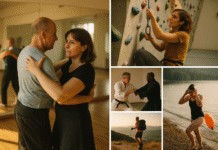







Volunteering and community service can be more than occasional good deeds—they can become a deeply satisfying, sustainable hobby that fits your life, builds skills, and strengthens your community. In simple terms, volunteering and community service are unpaid contributions of time and talent to help nonprofits, schools, public agencies, or informal groups. Done thoughtfully, this “hobby” pays you back with purpose, connection, and new capabilities. This article shows you how to approach giving back with the same intention you’d give to any beloved pastime: clear goals, right-fit activities, a workable cadence, and ways to see your impact over time. (General information only—not legal, tax, or medical advice.) Research consistently links volunteering with better well-being and social connection, while communities benefit from stronger services and civic ties.
Quick start (5 steps): 1) Pick one cause you genuinely care about. 2) Choose a low-commitment role to test the fit. 3) Block 2–4 hours/month at first. 4) Track what you did and how it felt. 5) Adjust—go deeper, switch roles, or try virtual options.
1. Start With Your “Why” and a Realistic Time Budget
Begin by deciding what you want to get from volunteering, then match that to the time and energy you can reliably give. Many people volunteer because they want more purpose, community, or structured ways to help, and research suggests those motives align with benefits like improved mood and reduced loneliness—especially when your volunteer role fits your interests and availability. Set expectations up front: a meaningful hobby should energize you, not drain you. If you’re busy, start with microvolunteering or one-off events; if you crave depth, look for skill-based or mentorship roles. Be honest about constraints like transportation, caregiving, or work hours so your “why” survives real life. Put your first commitment on the calendar just like you would a fitness class or book club. Then check in with yourself after 4–6 weeks: does this role still match your purpose and bandwidth? If not, adjust—your “why” is a compass, not a contract. Evidence shows that alignment and regularity (not sheer hours) are what sustain volunteers over time.
1.1 Mini-checklist
- Write a one-sentence purpose statement: “I’m volunteering to ___ so that ___.”
- Choose a time cap (e.g., 2 hours every other Saturday) for your first month.
- Decide how you’ll know it’s “working” (e.g., new connections, visible outcomes).
1.2 Common pitfalls
- Overcommitting early. Start smaller than you think and scale up.
- Vague goals. Without a “why,” it’s hard to evaluate fit.
- Ignoring logistics. Commute, childcare, or shift timing can make or break the habit.
Synthesis: A clear “why” and a realistic cadence are the foundation; they keep volunteering rewarding enough to last.
2. Choose Cause Areas and Vet Organizations Like a Pro
Pick a cause that matters to you—education, food security, environment, arts, elder care—and then do light due diligence on potential hosts. Look for organizations with clear missions, defined volunteer roles, and basic safeguards (orientation, supervision, and policies). Reputable directories can speed this up: in the U.S., AmeriCorps’ finder and Volunteer.gov list thousands of opportunities across agencies and nonprofits; in the UK, Do IT and NCVO aggregate roles from national charities to local groups; worldwide, Idealist and the UN Online Volunteering service surface on-site and remote options. Treat this like joining a club: you’re assessing fit and culture as much as impact. Ask about training, expectations, schedules, and how your work helps their outcomes. If you want low friction, start with event-based roles; if you want depth, look for regular shifts or project-based placements. A short “trial month” helps both sides confirm the match.
2.1 How to do it (short list)
- Use a reputable directory (AmeriCorps, Volunteer.gov, Do IT, NCVO, Idealist, UNV).
- Skim the role description: duties, time, location, supervision.
- Email or call: confirm training, safety measures, and next available shift.
- Try one shift; reflect; then decide to deepen or pivot.
2.2 Region note
- United States: Volunteer.gov centralizes opportunities with federal agencies; you can filter by site, activity, and physical activity level.
- United Kingdom: Do IT and NCVO are widely recognized public platforms to find roles; Reach Volunteering focuses on skilled placements.
Synthesis: A small dose of due diligence upfront leads to smoother experiences and higher impact later.
3. Start Small With Microvolunteering and One-Off Events
If you’re worried about time, microvolunteering offers bite-size tasks—often under an hour—that still help nonprofits move forward. Typical examples include translating a paragraph, proofreading a one-pager, tagging photos for a conservation project, or assembling kits at a community event. You can stack these small wins into a meaningful monthly habit without a heavy schedule. Many organizations now offer short “taster” shifts or pop-up events so new volunteers can try roles before committing. Use these to learn the culture and pace, and to find your favorite tasks. Keep a simple log: date, task, time spent, and what you learned—seeing progress fuels motivation. As confidence grows, you can transition from micro tasks to recurring roles. The goal is consistency, not perfection, and microvolunteering is an accepted on-ramp to longer-term service. galaxydigital.com
3.1 Quick ideas
- Translate or proofread short documents for a nonprofit.
- Pack hygiene or school-supply kits at a weekend event.
- Tag wildlife photos for a community science project.
- Moderate a 60-minute virtual Q&A for new donors or volunteers.
3.2 Mini case
- Example: Two 30-minute translation tasks + one 90-minute kit-packing event = 2.5 hours/month, every month. That’s a sustainable “entry-level” cadence.
Synthesis: Microvolunteering lowers the barrier to entry and builds momentum you can scale later.
4. Build Real Skills With Skill-Based Volunteering
Treat volunteering as a practice ground for skills you want to learn or sharpen—design, data analysis, bookkeeping, coding, mentoring, legal research, grant writing, or content strategy. Done well, skill-based projects create high value for nonprofits and compelling accomplishments for your portfolio or résumé. Start by inventorying skills you already have and those you’d like to grow; then match them to projects with a clear scope, timeline, and deliverables. Ask for a point of contact and set up short check-ins. Keep samples and metrics (e.g., “redesigned one-pager used in 12 presentations; donations up 8% quarter-over-quarter”). National organizations highlight the dual benefits: communities gain essential services, and volunteers gain development, purpose, and connection. Points of Light
4.1 Scoping checklist
- Define the problem, deliverable, and deadline in writing.
- Agree on 1–2 decision makers and a feedback rhythm (e.g., weekly 15-minute stand-up).
- Decide where files live (e.g., shared drive) and what happens after handoff.
4.2 Portfolio tip
- Keep a private folder with artifacts, outcomes, and a one-paragraph “story” per project. Ask the nonprofit if you may share samples (or anonymized versions).
Synthesis: When you align your strengths with a nonprofit’s needs, you get outsized impact and career-quality outcomes.
5. Stay Safe and Ethical: Safeguarding, Background Checks, and Boundaries
Meaningful doesn’t mean reckless. If your role involves children, elders, or vulnerable adults, expect basic screening, codes of conduct, and safeguarding policies. In the UK, many roles use DBS checks (with different levels based on role eligibility); in any country, good organizations explain why checks are required and how data is handled. You should also expect clear supervision, a way to report concerns, and training on safety protocols. Ask for a volunteer agreement or handbook—it clarifies expectations and protects everyone. Keep boundaries: volunteers are not substitutes for licensed professionals, and you should never work beyond your training (especially in health, legal, or crisis contexts). If travel or home visits are involved, ask about risk management and buddy systems. Safety isn’t a hurdle; it’s how trustworthy programs earn community confidence. Charitable Allies
5.1 Why it matters
- Safeguarding reduces harm and builds trust with the people you serve.
- Background checks, orientation, and clear reporting lines protect you and the organization.
- Boundaries prevent “scope creep” and volunteer burnout.
5.2 Practical guardrails
- Read and sign the code of conduct; know your supervisor.
- Don’t share personal contact details unless the organization’s policy allows it.
- Log incidents or near-misses promptly via the organization’s process.
Synthesis: Ethical, safety-first volunteering protects communities and sustains your ability to keep showing up.
6. Explore Remote and Hybrid Roles (So You Can Help From Anywhere)
Virtual volunteering exploded and has stayed: you can mentor online, translate, build websites, analyze data, or run outreach from home. This flexibility makes volunteering more accessible if you have limited mobility, no nearby opportunities, or an irregular schedule. Platforms like the UN’s Online Volunteering service and global hubs such as Idealist list remote roles across time zones and causes. If screen time is a concern, hybrid roles mix remote prep (e.g., content drafting) with occasional on-site events. To keep it rewarding, set boundaries: define hours, communication channels, and response times. Keep an eye on security (e.g., avoid sharing personal accounts, follow data-protection guidance). Remote or hybrid, the key is clarity—on scope, timing, and handoffs—so collaboration stays smooth and outcomes are visible.
6.1 Remote starter pack
- A clear role description with deliverables and a single point of contact.
- A shared workspace (e.g., Drive) and agreed file-naming conventions.
- A cadence: weekly 20-minute check-ins or written updates.
6.2 Region note
- Global: UN Online Volunteering vetting helps ensure assignments are legitimate and aligned to development goals.
Synthesis: Remote and hybrid roles remove geography as a barrier and open high-impact, skills-based ways to serve.
7. Make It Social: Volunteer With Family, Friends, or Colleagues
Turning service into a shared ritual multiplies the joy and the stickiness. Families can adopt a monthly park cleanup; friends can staff a quarterly food-bank shift; teams can book an annual “impact day.” Group volunteering builds connection, helps kids and teens practice empathy, and gives colleagues a way to bond outside typical work projects. It also expands what you can take on—five people can assemble 200 kits in the time it takes one person to make 40. Choose roles where everyone can contribute safely; confirm age requirements; and rotate tasks so learning stays fresh. If you’re organizing for a company, ask HR about volunteer time off (VTO) and matching programs. Document with quick photos and a one-liner on outcomes; this isn’t about clout—it’s about storytelling that invites others in. National platforms often allow group sign-ups or list family-friendly events.
7.1 Planning tips
- Pick a cadence (e.g., first Saturday each month) and put it on shared calendars.
- Choose roles with clear tasks and short training.
- Debrief after: What worked? What do we try next time?
7.2 Mini case
- Example: A family of four does three 90-minute shifts per quarter at a food pantry (total 18 hours/year). They log food sorted and new skills learned (e.g., inventory).
Synthesis: Make service a social ritual and you’ll multiply both impact and fun.
8. See and Measure Your Impact (So Motivation Stays High)
Hobbies stick when you can see progress. The same is true for service: track inputs (hours, tasks) and outcomes (what changed because you showed up). Keep a simple impact journal or spreadsheet: date, role, time, outputs (e.g., 75 meals packed), and outcomes where available (e.g., program reached 12% more households this month). Many nonprofits report aggregate outcomes in newsletters or annual reports; ask how your role contributes. In the U.S., one benchmark is the “value of volunteer time” estimate; it’s not a tax rule, but it illustrates the economic significance of volunteer contributions. Just remember: you can’t deduct the value of your time on your personal tax return—only certain out-of-pocket expenses for qualified organizations may be deductible (check your country’s tax authority). Keeping good records helps you see growth, tell better stories, and advocate for resources.
8.1 What to track
- Hours, tasks completed, and training completed.
- Skills used or learned; people served; events supported.
- Testimonials or stories (with permissions) and any quantifiable outcomes.
8.2 Guardrails & notes
- Tax note (U.S.): Time isn’t deductible; some expenses may be if you meet IRS rules and keep receipts.
Synthesis: Tracking both effort and effect turns goodwill into visible progress—and that’s motivational rocket fuel.
9. Be Inclusive and Culturally Sensitive (Serve With, Not For)
Approach volunteering with humility and partnership. Communities aren’t passive recipients; they’re co-creators. Learn local context, use person-first language, and ask what “help” actually looks like to the people impacted. Avoid “savior” narratives; focus on solidarity and listening. In mental health and other sensitive areas, many programs use trained lay volunteers under supervision; these models show promise but require strict boundaries and referral pathways. Follow the host’s safeguarding policy and never work beyond your training. Remember accessibility: ask about accommodations, choose roles with clear expectations, and advocate for inclusive practices when you notice gaps. Inclusive volunteering builds trust, participation, and better outcomes—and it’s simply the right way to be in community with others. Financial Times
9.1 Practical steps
- Learn the organization’s safeguarding and inclusion policies.
- Ask, “What outcomes matter most to participants?”
- Use feedback forms or listening sessions to improve the volunteer experience.
9.2 Common mistakes
- Centering the volunteer’s experience over community needs.
- Offering advice in areas you’re not trained to handle.
- Ignoring accessibility or cultural norms.
Synthesis: Inclusion and humility transform good intentions into respectful, effective service.
10. Mix Direct Service With Fundraising and In-Kind Support (Without Burnout)
Direct service isn’t the only way to help. You can also amplify impact through fundraising campaigns, peer-to-peer challenges, or in-kind drives (e.g., school supplies, warm coats, laptops). These activities are accessible to people with limited time or mobility and can be done solo or as a group. If you fundraise, align with the nonprofit’s priorities and ask for a toolkit or sample messages. Track results and thank donors promptly. If you’re in the U.S., know that only certain out-of-pocket expenses for qualified charities may be tax-deductible; your personal volunteer time isn’t. Outside the U.S., check local rules. Done thoughtfully, a few targeted drives per year can multiply your contribution without overwhelming your schedule.
10.1 Mini-plan for a 30-day micro-campaign
- Set a clear goal (e.g., $1,500 for 100 winter kits).
- Recruit five friends as peer fundraisers; give them a shared message bank.
- Post two progress updates and one “impact story” with permission.
- Close with thanks and a short after-action note: what worked and what’s next.
10.2 In-kind guardrails
- Ask the nonprofit what’s actually needed and acceptable.
- Prefer new/like-new items and follow any hygiene or packaging rules.
Synthesis: Fundraising and in-kind support are complementary “lanes” that keep your service rhythm flexible and effective.
11. Level Up: From Regular Volunteer to Team Lead, Mentor, or Board Member
As your hobby deepens, you may want leadership. Options include onboarding new volunteers, coordinating shifts, spearheading a recurring project, or eventually serving on an advisory council or board. Leadership multiplies impact, but it adds governance and ethical responsibilities: conflict-of-interest policies, safeguarding oversight, and financial stewardship. If you’re considering trusteeship/board service, look for training from national volunteer hubs, and clarify expectations for time, fundraising, and committee work. Leadership roles are also résumé gold: they demonstrate initiative, collaboration, and mission-driven results. Public and civic reports show renewed engagement post-pandemic—there’s space for thoughtful leaders to help organizations adapt to hybrid service and data-driven outcomes.
11.1 How to prepare
- Take a short governance or safeguarding course.
- Shadow a current lead for one month to learn systems and culture.
- Practice “managing up”: communicate constraints and ask for clarity rather than guessing.
11.2 Metrics that matter
- Volunteer retention rate on your team.
- Outputs/outcomes per shift (e.g., households served).
- Training completion and incident-report follow-through.
Synthesis: Leadership turns your reliable hobby into a platform for multiplying other people’s contributions—handle it with care.
12. Keep It Sustainable: Boundaries, Reflection, and Rest
The most meaningful hobby is the one you’re still doing a year from now. Sustainability requires boundaries (time and emotional), regular reflection, and the freedom to pause or pivot. Build recovery into your rhythm: after an intense event or season, take a week off or switch to a lighter role like remote admin or micro tasks. Pair emotionally heavy roles with debriefs and peer support; ask about supervision structures for sensitive work. Research links regular volunteering with well-being—when it fits your life; if it’s harming your sleep, finances, or relationships, reset. Use a quarterly “review”: what energized you, what drained you, and what change would make this hobby nourishing again? You can serve for years if you treat your generosity like an endurance sport: steady pace, good form, and rest days.
12.1 Mini-checklist
- Set a monthly time cap and stick to it.
- Schedule one reflection hour per quarter; adjust commitments as needed.
- Keep a short “joy log” of moments that affirmed your purpose.
12.2 Signs to pause
- Dreading every shift; persistent overwhelm.
- Scope creep without support or training.
- Safety or boundary concerns not being addressed.
Synthesis: Protect your energy and your “why,” and this hobby will stay meaningful for the long haul.
FAQs
1) What’s the difference between “volunteering” and “community service”?
They’re often used interchangeably. “Volunteering” usually means freely given time and skills to help organizations or causes. “Community service” sometimes implies structured activities (e.g., school, corporate, or court-ordered programs). In everyday use, both mean contributing to the common good without pay. The best choice is whatever matches your motivation, skills, and schedule—and adheres to local guidelines.
2) Is volunteering actually good for my health?
Evidence suggests associations between regular volunteering and better mental well-being, reduced loneliness, and in some studies improved physical markers—especially in midlife and beyond. Mechanisms likely include social connection, purpose, and physical activity. It’s correlation (not a guaranteed cure), so treat volunteering as one pillar of a healthy routine, alongside sleep, nutrition, and medical care when needed. BMJ Open
3) How many hours should I start with?
Begin with what you can keep doing: many people find 2–4 hours per month is enough to build the habit. Use microvolunteering or one-off events for low-friction starts. After a month, review your experience and either deepen the role, switch to a better fit, or mix remote and in-person tasks for flexibility.
4) Where can I find legitimate opportunities quickly?
Try reputable hubs: AmeriCorps (U.S.), Volunteer.gov (U.S. federal sites), Do IT/NCVO (UK), Idealist (global), and UN Online Volunteering (global remote). Read the role description carefully, confirm training and supervision, and try a “taster” shift before committing. volunteer.govNCVOIdealist
5) What about background checks and safeguarding?
If your role involves children or vulnerable adults, expect screening and safeguarding policies. In the UK, for example, some roles require a DBS check, with the level depending on eligibility. Anywhere you serve, you should get a code of conduct and know how to report concerns. These measures protect participants and volunteers alike.
6) Can I deduct my volunteer time on my taxes?
In the U.S., no—you cannot deduct the value of your time or services. Some out-of-pocket expenses for qualified organizations may be deductible if you meet documentation rules. Elsewhere, check local tax guidance. The main payoff of volunteering is impact and personal growth, not tax savings.
7) How do I volunteer remotely?
Search for remote roles on Idealist or the UN’s Online Volunteering platform. Look for clear deliverables, agree on tools and communication, and set a simple weekly update rhythm. Remote options are great for people with variable schedules or limited mobility. Idealist
8) What’s microvolunteering—and does it count?
Microvolunteering means short, task-based contributions (often under an hour) online or in person. It absolutely “counts,” especially for starting out or maintaining your rhythm during busy seasons. Many nonprofits rely on micro tasks to move projects forward between big events.
9) I want leadership experience—what’s the path?
First, be a reliable volunteer. Next, offer to help onboard new volunteers or coordinate a project. Over time, consider advisory roles or trusteeship/board service if the organization and expectations fit your skills and availability. Ask about training and governance responsibilities so you step in prepared. AmeriCorps
10) How do I know I’m making a difference?
Track your hours and outputs, and ask the organization how your role ties to outcomes (e.g., households served, students tutored). For your own motivation, keep a brief impact journal. Remember, economic proxies like the “value of volunteer time” illustrate scale—your stories and outcomes show substance.
Conclusion
Treating volunteering and community service like a meaningful hobby changes everything: you’re not just squeezing in good deeds—you’re building a durable practice that enriches your life and strengthens your community. Start with your “why,” keep commitments realistic, and choose roles that make sense for your skills and schedule. Use microvolunteering to get moving, then explore skill-based or leadership paths as your confidence grows. Put safety and ethics first, especially when roles involve vulnerable people. Track what you do and what changes because you did it; the sense of progress will keep you coming back. Most importantly, give yourself permission to pause, pivot, and protect your energy—sustainability is part of service. Pick one small action from this guide and put it on your calendar this week; tiny steps add up to big change.
CTA: Choose one role you can try in the next 14 days—and invite a friend to join you.
References
- Lending a helping hand, Harvard Health Publishing, Oct 1, 2023. Harvard Health
- Nichol, B. et al., Exploring the Effects of Volunteering on the Social, Mental and Physical Health of Volunteers: An Umbrella Review, International Journal of Environmental Research and Public Health, 2023. PMC
- 2024 Value of Volunteer Time Report, Independent Sector & Do Good Institute, Apr 23, 2024. Independent Sector
- Volunteering and Civic Life in America — Headline Report 2023, AmeriCorps, Nov 5, 2024. AmeriCorps
- Publication 526: Charitable Contributions, Internal Revenue Service, Mar 4, 2025 (and PDF Feb 26, 2025). and https://www.irs.gov/pub/irs-pdf/p526.pdf IRS
- Disclosure and Barring Service (DBS) checks for volunteers — process & guidance, GOV.UK, updated Dec 2, 2024. GOV.UK
- Safeguarding — Disclosure and Barring Service (DBS), NCVO (National Council for Voluntary Organisations), accessed 2025. NCVO
- Become an Online Volunteer, United Nations Volunteers (UNV), Aug 5, 2022. unv.org
- Find a Volunteer Opportunity, AmeriCorps (search tool), accessed 2025. AmeriCorps
- Volunteer.gov — About & Finder, U.S. Federal Portal for Volunteers, updated Nov 27, 2024. and https://www.volunteer.gov/s/article/How-do-I-find-a-volunteer-opportunity volunteer.gov
- Do IT — The UK’s biggest volunteering database, Doit.life, accessed 2025. doit.life
- Micro-volunteering: All You Need to Know, Goodera, Dec 9, 2024. goodera.com