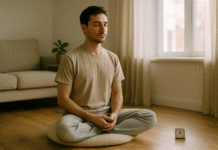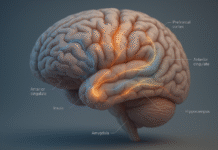


























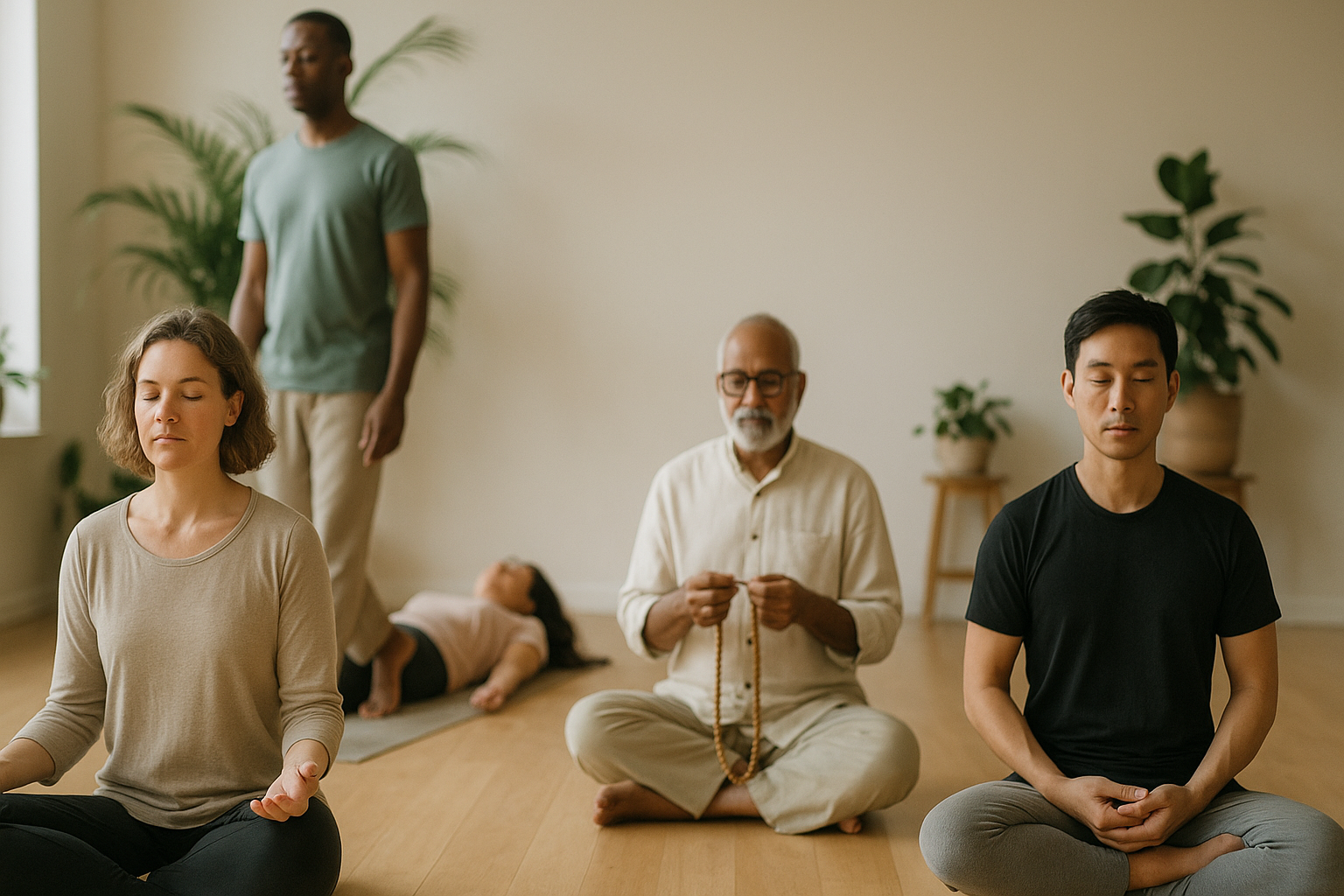
Meditation isn’t one-size-fits-all—your best practice is the one you’ll actually do. This guide maps out 10 different types of meditation, shows what each feels like in real life, and helps you decide which style fits your personality, goals, and schedule. You’ll learn the core moves, common pitfalls, time ranges that work for beginners, and simple guardrails to stay consistent and safe. Brief note: this article is for education, not medical advice. If you’re managing a mental health condition or planning intensive retreats, consult a qualified clinician or teacher first.
Quick answer: The main families include mindfulness, breath-focused, body scan, loving-kindness, mantra, visualization, walking/movement, Zen, Vipassana, and Yoga Nidra. Choose by matching the practice to your aim (stress relief, focus, empathy, sleep), your temperament (restless vs. reflective), and your context (desk, commute, or mat).
Fast pick-how list:
- Define your aim (stress, sleep, compassion, focus).
- Match to a method (e.g., sleep → Yoga Nidra; empathy → Loving-Kindness).
- Set a container (5–15 minutes, 4–6 days/week).
- Track one simple metric (minutes sat or sessions completed) for 2–4 weeks, then adjust.
1. Mindfulness Meditation (Open Monitoring)
Mindfulness meditation trains you to notice whatever is happening—breath, sounds, thoughts, emotions—without grabbing or pushing away. It’s the most “generalist” style and a strong first practice because it improves awareness you can take into work, parenting, or sport. In mindfulness, the goal isn’t to stop thinking; it’s to recognize when attention wanders and gently return. That moment of noticing is the repetition that builds the skill. For many beginners, 10 minutes daily for two weeks is enough to feel the tone of the practice; from there, you can extend or add brief “micro-meds” during the day. If you prefer plain, secular language and flexible formats (seated, standing, or lying down), mindfulness will likely feel natural. Expect distractions, fidgeting, and mind-wandering—these are not failures; they are the training environment.
1.1 How to do it
- Sit or stand with a straight but comfortable spine; set a gentle timer.
- Rest attention on a neutral anchor (breath, sounds, or body sensations).
- When a thought/emotion arises, label it softly (“thinking,” “hearing,” “tightness”).
- Return to the anchor without judgment; repeat for the full session.
- End by noticing one thing you can carry into the next activity.
1.2 Numbers & guardrails
- Time: begin with 8–12 minutes, 5 days/week; expand to 15–20 as it stabilizes.
- Anchor: pick one per week to reduce decision fatigue.
- Environment: eyes open or closed—choose what keeps you awake and kind.
Common mistakes
- Forcing stillness; chasing “blank mind.”
- Judging the session by how calm you felt.
- Changing anchors too often.
Close each session by naming one observed pattern (“meetings trigger chest tightness”)—this turns practice into a practical map for your day.
2. Breath-Focused Meditation (Concentration/Anapanasati)
Breath meditation narrows attention to a single target—the breath—to strengthen concentration and settle the nervous system. It’s ideal if your mind feels scattered or you crave a clear, “do-this-one-thing” instruction. You track either the physical sensations at the nostrils/chest or a simple count (“one” on the in-breath, “two” on the out-breath, looping to ten). Expect the mind to wander; each return is a rep that builds attentional stamina. Over time, many people report less reactivity during the day and quicker recovery from stress spikes. If you sit at a screen for hours, this can be a potent reset—your breath is always with you.
2.1 How to do it
- Choose your focus: sensations (airflow, temperature, movement) or counting 1–10.
- Keep the breath natural; do not manipulate it.
- When distracted, note “thinking” and restart at one or return to the chosen spot.
- If groggy, open your eyes slightly or sit upright without back support.
- End with three longer, comfortable exhales to signal closure.
2.2 Numbers & guardrails
- Time: 5–15 minutes to start; increase by 2-minute steps weekly.
- Counting tips: if you blow past ten, no problem—start again at one.
- Posture: stable and alert beats fancy; a simple chair is fine.
Common mistakes
- Turning it into breath control or hyperventilating.
- Fighting distractions instead of gently returning.
- Judging progress by how “deep” or “blissful” it felt.
A consistent breath practice is like adding weights to your attention gym—small, steady sessions yield compound focus gains.
3. Body Scan Meditation
Body scan practice guides attention systematically through the body—from toes to head or vice versa—building interoceptive awareness and relaxation. It’s excellent for releasing end-of-day tension, noticing subtle stress signals, and improving sleep onset. Unlike mindfulness in general, the body scan gives you a clear route to follow, which many beginners find reassuring. It also helps those who “live in their heads” to reconnect with physical cues, making it a strong complement to talk therapies or ergonomic changes at work. Expect tingles, neutral sensations, or areas that feel “blank”; curiosity, not intensity, is the aim.
3.1 How to do it
- Lie down or sit comfortably; set a 10–20 minute timer.
- Move attention slowly through body regions (feet → calves → knees → thighs… → face).
- At each region: notice pressure, temperature, pulsing, or the absence of sensation.
- If you drift, restart at the last remembered region without frustration.
- Conclude by taking three integrated breaths “through” the whole body.
3.2 Numbers & guardrails
- Time: 10–30 minutes; longer is fine for sleep routines.
- Pace: 10–20 seconds per region; slower for areas with tension.
- Variations: pair with a recorded guide if you prefer to be led.
Mini-checklist
- Comfortable surface and temperature set.
- Airplane mode on, notifications off.
- Optional pillow under knees for lower-back ease.
A regular body scan builds a finer-grained map of tension and ease—knowledge you can use to intervene earlier in stressful days.
4. Loving-Kindness Meditation (Metta)
Loving-kindness (metta) cultivates goodwill and warmth—first toward yourself, then expanding to friends, mentors, neutral people, and even difficult individuals. It’s especially helpful if you’re harshly self-critical or your work requires steady empathy (caregiving, management, customer support). Rather than focusing on breath or body, you repeat short phrases that express care and well-wishing. Over time, many practitioners report softened self-talk, easier conflict repair, and more prosocial behaviors. If you’ve tried mindfulness and felt it was “dry,” metta adds a heart-centered complement.
4.1 How to do it
- Choose 2–4 phrases that feel sincere, e.g., “May I be safe. May I be healthy. May I be at ease.”
- Start with yourself, then a benefactor, a close friend, a neutral person, and a difficult person.
- Imagine each person clearly; silently repeat phrases for 1–2 minutes per category.
- If difficult emotions arise, return to a neutral person or to yourself.
- End by extending the wish to “all beings.”
4.2 Tips & guardrails
- Time: begin with 10 minutes; shorter, frequent sessions work well.
- Language: customize phrases so they feel authentic, not forced.
- Boundaries: compassion doesn’t mean tolerating harm—practice wise care.
Common mistakes
- Using phrases you don’t believe.
- Forcing forgiveness too fast.
- Skipping self-kindness and going straight to others.
Done regularly, metta can soften inner edges and make everyday interactions feel less adversarial and more connected.
5. Mantra Meditation (Including TM-Style Approaches)
Mantra practice centers attention on a repeated sound, word, or phrase—silently or aloud. The repetition gives the mind a rhythmic task that steadies attention and can evoke a calm or clear tone. Traditions vary widely: secular mantras (“calm,” “here”), classic syllables, or personalized sounds taught by a teacher. This style suits people who like structure and a clear focal object, and those who find watching the breath too subtle. It travels well—on a bus, between meetings, or during a break—because you can repeat a mantra subtly without changing your posture.
5.1 How to do it
- Pick a simple, comfortable mantra you won’t over-analyze.
- Sit with eyes gently closed; repeat the mantra on each exhale or at a natural pace.
- When distracted, softly resume without forcing.
- If tension builds, let the mantra slow down or feel lighter.
- Close with 1–2 minutes of quiet rest before standing.
5.2 Numbers & guardrails
- Time: 10–20 minutes once or twice daily for a strong effect; shorter is fine to start.
- Posture: any stable seat works; comfort > formality.
- Choice: if a mantra triggers associations, try a more neutral sound.
Common mistakes
- Pushing the mantra aggressively to “block” thoughts.
- Treating the pace as rigid rather than allowing it to self-adjust.
- Constantly swapping mantras.
A steady mantra practice can feel like a metronome for the mind—setting a reliable tempo that steadies the rest of your day.
6. Visualization & Guided Imagery
Visualization uses the mind’s image-making capacity to evoke relaxation, confidence, or clarity. It’s practical for athletes (rehearsing form), performers (pre-show calm), and anyone who benefits from a “scene change” when stress spikes. Unlike open-ended mindfulness, visualization gives you a narrative: a safe place, a healing light, or a successful meeting. Guided audio can help if you struggle to generate images, and non-visual folks can lean on sounds or felt sense. Expect the mind to drift; you can gently restart the scene without judgment.
6.1 How to do it
- Pick a theme: safety, confidence, focus, or sleep.
- Write a 5–7 step script (or use a trusted recording) with sensory details.
- Sit or lie down; breathe naturally and “enter” the scene.
- If anxious, add grounding cues: feel the chair, touch fingertips, orient to the room.
- End by naming one micro-action you’ll take next.
6.2 Tools & guardrails
- Time: 5–15 minutes is plenty for a reset.
- Props: a neutral scent or nature sound can enrich the scene.
- Caution: if imagery triggers strong emotions, switch to breath or body anchors.
Mini-checklist
- Theme chosen and written.
- Timer set.
- Transition plan (one concrete next step) prepared.
Repeated imagery trains your nervous system to associate specific scenes with steadiness—useful before hard conversations or exams.
7. Walking & Movement Meditation
Walking meditation brings mindfulness into motion, integrating breath, balance, and present-moment cues from the feet and legs. It’s ideal if sitting feels edgy or if you want a mid-day reset without changing clothes. You can practice in a corridor, park, or quiet sidewalk. The “object” becomes the cycle of lifting–moving–placing each foot, the swing of the arms, and the contact with ground. Many practitioners combine short walking segments with seated practice to stay alert. If your days are packed, turning a commute or lunchtime stroll into meditation may be your most realistic on-ramp.
7.1 How to do it
- Choose a safe, simple path (10–30 meters) or a loop.
- Stand still for 20–30 seconds, feel both feet, then begin.
- Synchronize steps with a soft breath or with labeling (“lift, move, place”).
- Keep eyes softly open; treat sounds and sights as part of awareness.
- Turn mindfully; pause at the end; resume.
7.2 Numbers, safety & variations
- Time: 5–20 minutes; shorter segments stacked through the day work well.
- Pace: slow at first; normal pace once you can stay present.
- Urban tips: choose low-distraction routes; obey traffic and personal-safety norms.
Common mistakes
- Treating it as a workout and losing attention.
- Phone in hand; notifications on.
- Fighting the environment instead of including it.
Done well, walking meditation rewires “in-between time” into restorative time—no cushion required.
8. Zen Meditation (Zazen)
Zazen emphasizes upright posture, steady breath, and a simple, direct awareness—either just sitting (shikantaza) or working with a koan under guidance. It suits people who appreciate ritual and minimalism: a clean setup, consistent time, and few moving parts. Expect form to matter: aligning spine and hips, settling hands in the cosmic mudra, and letting attention rest where experience appears. The flavor is less about techniques and more about intimacy with the present. Over months, the discipline of regular zazen can subtly reshape how you meet ordinary life—washing dishes, answering email, or hearing a bird.
8.1 How to do it
- Sit on a cushion or chair; tilt pelvis slightly forward, lengthen spine.
- Hands in lap (left on right), thumbs lightly touching; eyes half-open, soft gaze.
- Let breath flow naturally; attend to posture and present-moment experience.
- If using koans, work with a qualified teacher; otherwise, simply sit.
- Conclude with three breaths, then a short bow to mark the transition.
8.2 Numbers & guardrails
- Time: 10–25 minutes for daily practice; join group sits for accountability.
- Props: a folded blanket under the cushion reduces knee strain.
- Etiquette: in groups, arrive early and follow posted forms.
Common mistakes
- Slumping or craning the neck.
- Forcing breath control.
- Expecting fireworks instead of valuing consistency.
Zazen’s simplicity is its strength; by tuning posture and attention, you learn to meet each moment with steadiness and care.
9. Vipassana (Insight) Meditation
Vipassana means “to see clearly.” It trains you to observe sensations, thoughts, and emotions with equanimity, revealing patterns of reactivity and clinging. In many lineages, practitioners scan the body and notice sensations arise and pass, cultivating stability without grasping or aversion. This method is powerful for understanding how stress loops form and dissolve. It’s widely taught in 10-day residential retreats, but you can begin at home with shorter sits and clear instruction. Start gently; intensive formats can be psychologically demanding, so screen thoughtfully and seek skilled guidance.
9.1 How to do it
- Begin with 5–10 minutes of breath stabilization.
- Systematically observe sensations through the body; label pleasant, unpleasant, or neutral.
- Notice the impulse to react; practice letting the wave peak and pass.
- If overwhelmed, widen to the whole body or return to breath.
- Journal one observed pattern after the sit (e.g., “email → tight jaw → shallow breath”).
9.2 Numbers & guardrails
- Time: 10–20 minutes daily at home; consider day-long or weekend retreats later.
- Support: choose reputable centers with clear ethics and after-care; disclose mental health history.
- Balance: integrate movement, meals, and sleep hygiene during longer courses.
Common mistakes
- Treating neutrality as failure to feel.
- Chasing intense sensations.
- Jumping into long retreats without basics in place.
Vipassana can illuminate the mechanics of stress and craving; approached gradually, it becomes a durable insight engine for daily life.
10. Yoga Nidra (Non-Sleep Deep Rest)
Yoga Nidra is a guided, lying-down meditation that rotates attention through the body, breath, senses, imagery, and a felt intention (sankalpa). It produces deep relaxation while keeping a thread of awareness, making it ideal for evening wind-downs, post-work resets, and recovery days. If you struggle with insomnia or wired-and-tired evenings, this is a practical choice. You don’t need flexibility or athleticism; a mat, sofa, or bed works. Many people report feeling “slept” after 20–30 minutes, even without actually sleeping.
10.1 How to do it
- Lie on your back (or side if needed); support knees and head for comfort.
- Follow a trusted recording through body rotation, breath awareness, and imagery.
- Allow yourself to drift near sleep while keeping a light thread of listening.
- If you fully sleep, that’s fine; resume another time.
- Close by repeating your intention once or twice.
10.2 Numbers & guardrails
- Time: 15–35 minutes; shorter “NSDR” versions work during lunch breaks.
- Environment: dim lights, warm blanket, phone on silent.
- Caution: avoid if drowsiness is unsafe (e.g., on public transit without support).
Common mistakes
- Skipping props, then fidgeting the whole time.
- Turning up the imagery intensity if it feels activating.
- Expecting perfect alertness—the sweet spot is relaxed yet aware.
Yoga Nidra pairs ease with structure; for many, it’s the most friction-free entry to consistent practice.
FAQs
1) Which type is “best” for beginners?
The best type is the one you’ll practice consistently. If you want a simple anchor, start with breath-focused meditation. If you prefer guidance and structure, try body scan or Yoga Nidra. If your goal is kinder self-talk or relationship repair, loving-kindness fits well. Sample two styles for two weeks each and notice which you return to without forcing.
2) How long should I meditate each day to notice benefits?
A practical starter range is 8–15 minutes, 5 days per week, for four weeks. Many people feel changes in reactivity and sleep within that window. If that’s too much, do 3–5 minutes twice a day and stack “micro-meds” (60–90 seconds before meetings) to build momentum. Length matters less than regularity.
3) Can I lie down instead of sitting?
Yes. Lying down is standard for Yoga Nidra and fine for body scans or relaxation-focused sessions. For alertness in mindfulness, breath, or mantra practice, sitting or standing often works better. If you lie down and keep falling asleep, try a semi-reclined chair, eyes open, or a morning slot.
4) Is meditation religious?
Meditation has roots in many traditions, but you can practice in a fully secular way focused on attention, emotion regulation, and stress relief. Choose language that aligns with your values (e.g., “kindness” vs. “loving-kindness,” “practice” vs. “prayer”). In group settings, review guidelines and make sure they fit your beliefs and needs.
5) What if my mind won’t stop thinking?
That’s normal. The work is noticing thinking and coming back, again and again. Choose a clear anchor (breath, mantra, or steps in walking) and expect dozens of returns per session. Progress shows up as faster noticing and gentler returns, not as an empty mind.
6) How fast will meditation reduce stress or anxiety?
Some people feel immediate relief from simple practices like breath or body scan; for others, it’s gradual. A month of regular practice often improves reactivity and sleep. Pair meditation with basics—movement, daylight, social support—for stronger results. If symptoms escalate, pause and speak with a clinician.
7) Should I use an app or go without one?
Both work. Apps and recorded guides reduce friction and offer structure, especially for body scans, Yoga Nidra, or metta. If you’re easily distracted by devices, set a simple timer and practice offline. Many universities and hospitals provide free audio libraries you can download.
8) Can meditation replace therapy or medication?
No. Meditation is a helpful complement for stress, attention, and emotion skills, but it’s not a substitute for clinical care. If you’re in treatment, let your clinician know you’re practicing. For trauma histories, choose gentle, present-focused methods (breath, walking, Yoga Nidra) and teachers skilled in trauma-sensitive approaches.
9) How do I measure progress without getting obsessive?
Track inputs, not mystical outputs: minutes practiced, sessions per week, or how quickly you noticed a distraction. Once a week, jot a one-line win (e.g., “paused before replying to a terse email”). Over time, look for functional improvements—better sleep, smoother conversations, or steadier focus.
10) What if I tried one style and didn’t like it?
That’s useful information. Switch to a different family that better fits your goal or temperament. For example, if bare-attention mindfulness felt dry, try metta or visualization; if sitting was too sleepy, try walking. Keep the container (time and schedule) stable as you experiment so you can make fair comparisons.
Conclusion
Finding “your” meditation is less about chasing a perfect technique and more about aligning method, aim, and life realities. If you value simplicity and an anytime anchor, breath practice is reliable. If you want embodied ease, body scan and Yoga Nidra offer deep rest. If relationships and self-talk need warmth, loving-kindness can change the tone of your inner and outer conversations. Concentration engines like mantra or Zen strengthen steadiness; insight-leaning Vipassana clarifies how reactivity arises and releases. Treat the next month as a field test: pick one style, set a compassionate container (e.g., 12 minutes before breakfast, five days a week), and log one friction point and one small win after each session. Adjust technique, not commitment, until you feel a fit. When the practice fits your life, consistency follows—and so do the benefits.
CTA: Pick one style above, set a 12-minute timer for tomorrow morning, and try it once—then repeat.
References
- Meditation and Mindfulness: Effectiveness and Safety, National Center for Complementary and Integrative Health (NCCIH), June 3, 2022 — https://www.nccih.nih.gov/health/meditation-and-mindfulness-effectiveness-and-safety
- 8 Things to Know About Meditation and Mindfulness, NCCIH, n.d. — https://www.nccih.nih.gov/health/tips/8-things-to-know-about-meditation-and-mindfulness
- Mindfulness meditation: A research-proven way to reduce stress, American Psychological Association, Oct 30, 2019 — https://www.apa.org/topics/mindfulness/meditation
- How to reduce stress and anxiety through movement and mindfulness, Harvard Health Publishing, Aug 11, 2025 — https://www.health.harvard.edu/mind-and-mood/how-to-reduce-stress-and-anxiety-through-movement-and-mindfulness
- Meditation: A simple, fast way to reduce stress, Mayo Clinic, Dec 14, 2023 — https://www.mayoclinic.org/tests-procedures/meditation/in-depth/meditation/art-20045858
- Guided Meditations (including Body Scan and Loving-Kindness), UCLA Mindful Awareness Research Center, n.d. — https://www.uclahealth.org/uclamindful/guided-meditations
- Loving-Kindness Meditation (Practice), Greater Good in Action, UC Berkeley, n.d. — https://ggia.berkeley.edu/practice/loving_kindness_meditation
- Walking Meditation, Plum Village, n.d. — https://plumvillage.org/live-events/walking-meditation
- What Is Yoga Nidra?, Cleveland Clinic Health Essentials, n.d. — https://health.clevelandclinic.org/what-is-yoga-nidra
- Mindfulness (topic overview), American Psychological Association, n.d. — https://www.apa.org/topics/mindfulness