













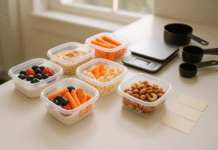















The fastest way to see real, repeatable progress is to align what you eat with what you do in training. “Aligning nutrition and workout goals” means matching energy intake, macros, meal timing, fluids, and recovery habits to your actual plan—not a generic one. In the next sections, you’ll learn exactly how to tie calories to your goal (fat loss, maintenance, or muscle gain), set protein and carbohydrate targets by body weight and training load, time meals around sessions, build a hydration and micronutrient checklist, use evidence-backed supplements wisely, and monitor what matters. This guide is for anyone who trains with purpose—beginners, busy parents, recreational lifters, runners, and advanced athletes who want a clear, practical system.
Quick answer: Aligning nutrition and workout goals is the practice of tailoring daily energy, macronutrients, and timing to your current training volume and objective, then validating with simple performance and recovery metrics. Do that consistently and results compound.
1. Start With a Single Primary Goal and Match Calories to It
You will progress faster by choosing one dominant outcome (fat loss, performance, or muscle gain) and letting that choice set your daily calorie direction. Begin by estimating maintenance calories (your average body weight × 22–26 kcal/kg/day for many active adults) and adjust based on the goal: a modest deficit for fat loss, roughly maintenance for performance blocks, or a small surplus for muscle gain. For fat loss, a conservative weekly change (think around half a percent of body mass per week) protects training quality and lean tissue. For hypertrophy, a 5–10% calorie surplus often supports gains without excessive fat accumulation. The key is to tie the numbers to your actual training schedule—higher intake on demanding days, steadier intake on technical or easy days—and to review the results weekly, not daily. If performance nosedives, hunger spikes uncontrollably, or recovery markers worsen, your target is probably mismatched to your workload.
1.1 How to do it
- Pick one goal for the next 6–8 weeks. Fat loss, performance, or hypertrophy—rank them and choose one.
- Estimate maintenance. Use a calculator or the quick 22–26 kcal/kg/day guide; track 7–10 days to refine.
- Set direction:
- Fat loss: small deficit to start; adjust only if weekly trend stalls.
- Performance: hover near maintenance; let carbs carry the load on hard days.
- Muscle: 5–10% surplus with a hard training stimulus.
- Periodize by day: More calories (especially carbs) on long or intense sessions; steady or slightly lower on rest days.
- Validate weekly: Average body weight, performance notes, RPE, sleep, and appetite.
Synthesis: Lock a single goal, point calories in that direction, and let training volume dictate day-to-day modulation.
2. Set Protein on Purpose and Distribute It Across the Day
Protein is the chassis of alignment: it preserves lean mass during deficits, supports muscle remodeling in performance and growth phases, and stabilizes appetite. A practical target for most training adults is ~1.6–2.2 g/kg/day, with higher intakes toward the top of the range during aggressive cuts or high-frequency training. Distribute protein across 3–5 meals, aiming for ~0.25–0.4 g/kg/meal and including a leucine-rich source (e.g., 20–40 g high-quality protein) to trigger muscle protein synthesis. Bedtime casein or a protein-rich snack can extend overnight recovery. Vegetarians and vegans should prioritize soy, dairy (if used), mycoprotein, or well-planned blends (e.g., pea + rice) to cover essential amino acids. During heavy phases, protein steadies hunger and helps you hit calorie targets without drifting to ultra-processed foods.
2.1 Numbers & guardrails
- Daily: 1.6–2.2 g/kg; lean mass retention is robust around ~1.6 g/kg/day.
- Per meal: 0.25–0.4 g/kg (often 20–40 g) with 2–3 g leucine.
- Frequency: Every 3–5 hours across waking hours; optional pre-sleep dairy/casein.
2.2 Mini-checklist
- 3–5 evenly spaced protein feedings
- One serving within ~3 hours post-training
- At least one leucine-rich source per meal
Synthesis: Hit a proven daily protein range and spread it intelligently—your recovery and body composition will thank you.
3. Match Carbohydrates to Workload to Protect Performance
Carbohydrates fuel quality work. On low-volume or technique days, moderate intake suffices; on high-volume intervals or long runs/rides, you’ll need substantially more to keep power output and pace steady. A simple framework: 3–5 g/kg/day on lighter days, 5–7 g/kg/day for moderate training, 7–10+ g/kg/day for very high volumes. Around key sessions, elevate carbs before and after: 1–3 g/kg in the 1–3 hours pre-workout, then a purposeful refill afterward (see Strategy 5). Endurance athletes in long events typically benefit from 30–60 g/hour (up to 90 g/h with mixed glucose–fructose), while strength athletes perform best when daily totals match training density and proximity to big lifts. Carbohydrate periodization lets you stay lean, train hard, and peak on schedule without chronic fatigue.
3.1 How to do it
- Anchor your day: Identify the hardest session and place the day’s highest-carb meals before/after.
- Use simple vs complex wisely: Lower fiber and simpler carbs nearer to training to keep the gut calm; higher fiber away from sessions.
- In-session fueling:
- ≤60 min: water/rinse as needed.
- 60–150 min: 30–60 g/h.
- 150 min: 60–90 g/h (mixed CHO sources).
3.2 Common mistakes
- Under-fueling intervals and then over-snacking at night
- Using very high fiber right before training
- Ignoring carb needs on back-to-back hard days
Synthesis: Carbs should rise with training stress and cluster around the work that matters.
4. Time Meals Around Training for Better Energy and GI Comfort
Meal timing turns the same calories into better sessions. Pre-workout (1–3 hours), combine 1–3 g/kg carbs with ~0.3 g/kg protein and minimal fat/fiber to reduce GI risk. During longer endurance or mixed sessions (>60–90 minutes), use sports drinks/gels/chews according to your hourly target and sip regularly. Post-workout, your priority is replenishment and repair: carbs to refill glycogen and protein to kick-start muscle protein synthesis. The “anabolic window” is wider than once thought, but if sessions are close together (e.g., same-day doubles), early refueling is decisively helpful. On strength-dominant days, timing still matters: a protein- and carb-forward meal in the 0–3 hour post period supports subsequent training quality and next-day readiness.
4.1 Practical templates
- 2 hours pre: Bowl of rice + lean protein + fruit; or oats + Greek yogurt + honey.
- 60 minutes pre (if needed): Banana + whey-in-water; low-fiber toast + jam.
- During (>60–90 min): 30–60 g/h (up to 90 g/h for very long/hard sessions).
- 60 minutes post: 0.3 g/kg protein + purposeful carbs.
4.2 Mini case
A 70 kg runner doing 90 min tempo:
- Pre (2 h): 140 g carbs + 20–25 g protein.
- During: 40–50 g/h.
- Post (1 h): 25–30 g protein + 80–100 g carbs.
Synthesis: Place the right foods at the right times and your training feels fueled instead of forced.
5. Accelerate Recovery With High-Impact Post-Workout Refueling
When sessions are glycogen-demanding or stacked closely, post-exercise strategy matters. Aim for ~1.0–1.2 g/kg/hour of carbohydrate for the first 3–4 hours after exhaustive work to maximize resynthesis; if you can’t reach that intake, adding ~0.2–0.4 g/kg/hour protein can help. Over the full 24 hours after a depleting session, a total of ~8–10 g/kg carbs with adequate energy restores stores well for most. Strength or mixed-sport athletes can scale down to daily carb targets (Strategy 3) but should still include a post-session protein feeding to support remodeling. Delay refueling by two or more hours and you’ll likely slow glycogen restoration and hamper the next session—especially relevant in tournament or camp settings.
5.1 Tools & examples
- Rapid options: Rice bowls, bagels, chocolate milk, fruit + yogurt, recovery shakes with oats.
- Add protein: 20–40 g whey/dairy or whole-food equivalent.
- 48-hour view: Keep carbs elevated the day after very hard sessions to top off.
Synthesis: Treat post-workout nutrition like part of training, not an afterthought—your next session depends on it.
6. Build a Hydration and Electrolyte Plan That Survives Heat and Volume
Hydration underpins performance, thermoregulation, and safety. Begin exercise euhydrated, monitor losses, and aim to limit body mass loss to <2% during sessions. Individual sweat rates vary widely: test by weighing before and after a representative workout (every 0.5 kg lost ≈ 500 ml fluid deficit). For longer/hot sessions, use beverages with sodium ~20–30 mmol/L (≈460–690 mg/L) to better replace sweat and maintain fluid balance; very salty sweaters may require more. Daily, most adults land near ~3.7 L total water for men and ~2.7 L for women across foods and beverages, but needs climb in hot, humid climates and with high training loads. In South Asian summers or coastal humidity, plan earlier starts, shade when possible, and a post-session “rehydration” target of ~150% of body mass lost spread over a few hours.
6.1 Checklist
- Pre-hydrate 2–3 hours before long/hot sessions.
- Weigh in/out for 2–3 sample workouts to find sweat rate.
- Use sodium-containing fluids (or foods + water) on long efforts.
- Replace ~150% of losses post-session; include sodium.
- Watch for GI tolerance—practice your plan.
Synthesis: Personalize hydration by sweat rate and sodium—not guesses—and heat will feel less like an opponent.
7. Don’t Miss Micronutrients: Iron, Vitamin D, and Fiber-Led Patterns
Micronutrients don’t directly add watts or plates to the bar, but deficiencies quietly cap progress. Iron status strongly influences endurance capacity and fatigue; menstruating athletes and high-mileage runners are at higher risk. Discuss periodic ferritin/hemoglobin checks with your clinician if symptoms (fatigue, shortness of breath, pallor) appear or if performance inexplicably slides. Vitamin D supports bone health and muscle function; indoor training, darker skin tones, higher latitudes, or air pollution can elevate risk—screen and supplement if medically indicated. Fiber is a daily anchor for appetite control and metabolic health: aim for ~25–38 g/day (≈14 g/1,000 kcal), prioritizing whole foods, and taper fiber close to key sessions to prevent GI distress.
7.1 Food-first targets
- Iron: Lean meats, legumes, fortified cereals; pair plant iron with vitamin C.
- Vitamin D: Fatty fish, fortified dairy/alternatives; sensible sun per local guidance.
- Fiber: Beans, lentils, whole grains, fruits/veg, nuts/seeds.
7.2 When to consider supplements
- Lab-confirmed deficiency (iron or vitamin D) or medical guidance.
- Diet patterns that chronically miss targets despite food-first efforts.
Synthesis: A simple lab conversation and fiber-first eating pattern can unlock energy and recovery you didn’t know you were missing.
8. Use Evidence-Backed Supplements—No More, No Less
Most people need zero supplements beyond convenience and confirmed deficiencies. If you choose to use them, stick to those with strong evidence and clear dosing. Creatine monohydrate (3–5 g/day) supports high-intensity capacity and lean mass across goals; it’s safe and effective for healthy adults. Caffeine (≈3–6 mg/kg, ~60 minutes pre-workout) can improve endurance, power, and perceived effort—test your personal tolerance first and avoid using it late in the day if sleep suffers. Beta-alanine and nitrate-rich foods can help specific event profiles, but start with creatine and caffeine if you supplement at all.
8.1 Practical rules
- One change at a time; track performance and side effects.
- Use third-party tested products where possible.
- Respect timing: caffeine before; creatine daily at any time with consistency.
Synthesis: A minimalist, proven stack beats a crowded cabinet and unpredictable results.
9. Align Sleep and Recovery Habits With Your Training Block
You can’t out-eat inadequate sleep. Adults should average 7+ hours per night for health and performance; shorter sleep durations are linked to greater hunger, poorer appetite regulation, and worse adherence—especially during fat loss. In heavy blocks, prioritize a consistent sleep window, a dark/cool/quiet room, and a 30–60 minute “landing strip” before bed (screens down, caffeine cut by mid-afternoon). If early training times are non-negotiable, shift bedtime earlier and consider a brief midday nap on high-load days. Recovery alignment also includes light movement on rest days, protein adequacy, and carbohydrate support after very taxing sessions—even if overall calories are in deficit.
9.1 Mini-checklist
- Fixed sleep/wake times within ±30 minutes
- Caffeine cutoff 6–8 hours before bed
- Dark, cool, quiet sleep environment
- 10–20 minute nap on high-load days (if it doesn’t affect nighttime sleep)
Synthesis: Sleep is the silent multiplier of your nutrition and training plan; guard it like a key session.
10. Periodize Intake Across the Week and Guard Against Low Energy Availability
Training is not flat, so nutrition shouldn’t be either. Use high-carb days to support interval work or long sessions and moderate days for skills or steady work. Rest days can lower carbs but keep protein steady and don’t slash calories so hard that recovery stalls. Be wary of prolonged low energy availability (chronic intake too far below the needs of training and normal physiology), which can lead to fatigue, menstrual disturbances, impaired bone health, and persistent underperformance. Monitoring energy and training loads against recovery markers (mood, sleep, libido, morning HR, menstrual regularity) helps you catch problems early.
10.1 Practical pattern (example week)
- Mo (intervals): High-carb, maintenance or slight surplus
- Tu (lift): Moderate-carb, maintenance
- We (easy): Lower-carb, small deficit
- Th (tempo): High-carb
- Fr (lift): Moderate
- Sa (long): High-carb
- Su (rest): Lower-carb, keep protein high
Synthesis: Periodization nourishes your hardest work while protecting health—consistency, not austerity, wins.
11. Track the Right Metrics and Make Small, Timely Adjustments
What you track, you can steer. Instead of micromanaging daily scale weight, use weekly averages plus a few meaningful KPIs: training outputs (pace, power, volume, bar speed), session RPE, sleep duration/quality, morning body mass trends, and simple circumference or progress photos every 2–4 weeks. Every 6–12 weeks—or sooner if symptoms warrant—consider a discussion with your clinician about labs (e.g., ferritin, hemoglobin, vitamin D) if fatigue or performance dips without obvious cause. For hydration, log pre/post-session body mass on hot and long days until you know your sweat rate. Adjust only one variable at a time—calories, carbs near key sessions, or sleep window—and re-evaluate over 10–14 days.
11.1 Quick dashboard
- Weekly body weight average (trend)
- Two performance markers tied to your goal
- Sleep hours/night
- Hard-day carbohydrate intake check
- Post-session fueling compliance (yes/no)
Synthesis: A lean dashboard and deliberate tweaks prevent overreactions and keep you progressing.
12. Troubleshoot Common Mismatches With Clear “If–Then” Fixes
Plateaus and rough patches happen; fix them by aligning intake to the real bottleneck. If you’re dragging through hard sessions, increase pre- and post-workout carbs and review sleep before raising total calories. If fat loss stalls for 2–3 weeks, first tighten late-night snacking and liquid calories, then trim a small slice of weekly energy or add 10–15 minutes of low-intensity movement to 3–4 days. Cramping in heat? Test sweat rate, add sodium, and practice your race-day fluids. Frequent colds, missed periods, or bone stress injuries suggest low energy availability—pull calories back toward maintenance and reduce load while you seek clinical guidance. GI distress in training? Lower pre-session fiber/fat, slow down intake, and practice with race fuels.
12.1 If–Then playbook
- If intervals fade mid-set → +30–60 g carbs in the 2–3 h pre; ensure 30–60 g/h during longer work.
- If evening binges → move carbs earlier, add protein at lunch, establish wind-down routine.
- If morning HR/HRV worsen → review sleep, reduce caffeine, check hydration, deload as needed.
- If frequent illness/amenorrhea → raise energy intake; speak to a clinician.
Synthesis: Diagnose the weakest link, correct with the smallest effective change, and move forward.
FAQs
1) What does “aligning nutrition and workout goals” actually look like day to day?
It means you assign each day a purpose (hard, moderate, easy, or rest) and match food to that purpose. On hard days, carbs are higher and clustered around training; on easy/rest days, carbs moderate but protein stays high. Calories point toward your primary goal (fat loss/maintenance/muscle), and you validate choices with simple metrics: performance outputs, weekly weight averages, sleep, and subjective recovery.
2) How much protein do I really need if I’m training 4–5 days per week?
Most active adults thrive around 1.6–2.2 g/kg/day. Distribute protein across 3–5 meals (0.25–0.4 g/kg/meal), include leucine-rich sources, and place one feeding within ~3 hours post-session. During cuts or very high-frequency training, staying near the upper end helps preserve lean mass and manage hunger.
3) I train early mornings. How should I fuel without upsetting my stomach?
Keep it light and fast-digesting: a banana or two + whey-in-water 30–45 minutes pre, then start in-session fueling if you’ll exceed 60–90 minutes. Eat a larger breakfast afterward (carbs + protein). Reduce pre-session fiber and fat; practice your routine so race day feels familiar.
4) Do I need carbs if my goal is fat loss?
Yes—especially around hard training. Carbs protect quality and recovery so you can keep intensity where it counts. Combine a modest calorie deficit with smart carb placement (before/after key sessions) and adequate protein; you’ll lose fat while keeping training productive.
5) What are the best supplements if I only want two?
For most, creatine monohydrate (3–5 g/day) and caffeine (3–6 mg/kg pre) offer the clearest benefits. Everything else is secondary unless you have a confirmed deficiency (e.g., iron or vitamin D), which requires medical oversight.
6) How do I know if I’m dehydrated during training?
Track body mass change: every 0.5 kg down ≈ 500 ml fluid lost. Try to limit loss to <2% of body mass. Dark urine, high perceived exertion, and cramps are late signs—better to weigh in/out on a few representative sessions and build a plan with sodium.
7) What weekly weight change is “safe” during a cut if I also want to keep performance?
A conservative ~0.5% of body mass per week is a solid starting point for many. Faster loss risks training quality and lean tissue. Keep protein high, place carbs around key sessions, and adjust slowly.
8) I’m plant-based. Can I still hit the protein targets?
Absolutely. Prioritize soy (tofu/tempeh), dairy if used, mycoprotein, or combine legumes with grains (e.g., lentils + rice). Consider a blended plant protein powder for convenience. Distribute protein evenly and monitor total daily intake.
9) I live in a hot, humid climate—how should I adjust?
Start sessions euhydrated, practice prehydration, and use fluids with sodium (~460–690 mg/L) for longer efforts. Expect higher sweat rates; weigh pre/post to estimate needs. Plan earlier/later sessions to avoid peak heat and replace ~150% of losses post-workout.
10) How often should I check labs like ferritin or vitamin D?
Discuss with your clinician, especially if you have symptoms (fatigue, repeated illnesses, shortness of breath), train indoors or at high latitude, or have a history of deficiency. A periodic check can prevent months of underperformance.
11) Is there really a post-workout “window”?
It’s more of a doorway that stays open for hours. If you’re doing same-day doubles or back-to-back hard days, early refueling (carbs + protein) is clearly beneficial. If you train once a day, hit daily totals and place a protein feeding within a few hours.
12) What’s the simplest way to start aligning without tracking everything?
Use plates, not spreadsheets: on hard days, make half your plate carbs, a quarter protein, a quarter veg + healthy fats; on easy days, shift toward half veg/fruit, a quarter protein, a quarter carbs. Keep protein steady all week, hydrate, and sleep 7+ hours.
Conclusion
Aligning nutrition and workout goals is not about perfection—it’s about intention. Pick one primary objective and let it set your calorie direction. Give protein a daily range and distribute it. Scale carbs to training stress and place them around the work that matters. Treat post-workout refueling, hydration, and sleep as part of training, not extras. Keep an eye on iron, vitamin D, and fiber-rich foods so your energy and resilience stay high. If you supplement, keep it minimal and evidence-based. Finally, track a short list of metrics and make one change at a time. Do these twelve things consistently, and you’ll feel the difference in your sessions, your recovery, and your results.
Copy-ready CTA: Pick your primary goal for the next 8 weeks, set your protein target today, and schedule tomorrow’s pre- and post-workout meals—start aligned, train aligned.
References
- WHO Guidelines on Physical Activity and Sedentary Behaviour, World Health Organization, 2020. World Health Organization
- Position of the Academy of Nutrition and Dietetics, Dietitians of Canada, and the American College of Sports Medicine: Nutrition and Athletic Performance, J Acad Nutr Diet, 2016. PubMed
- International Society of Sports Nutrition Position Stand: Protein and Exercise, J Int Soc Sports Nutr, 2017. BioMed Central
- A Systematic Review, Meta-analysis and Meta-regression of the Effect of Protein Supplementation on RET-induced Gains, Br J Sports Med, 2018. PubMed
- Fundamentals of Glycogen Metabolism for Coaches and Athletes, Nutrients, 2018. PMC
- ISSN Position Stand: Nutrient Timing, J Int Soc Sports Nutr, 2017. BioMed Central
- Effect of Consuming Carbohydrate With/Without Protein After Endurance Exercise, Sports Medicine–Open, 2021. SpringerOpen
- ACSM Position Stand: Exercise and Fluid Replacement, Med Sci Sports Exerc, 2007. PubMed
- Dietary Reference Intakes for Water, National Academies (NAM), Chapter Table, 2005 (accessed 2025). National Academies Press
- ISSN Position Stand: Caffeine and Exercise Performance, J Int Soc Sports Nutr, 2021. BioMed Central
- ISSN Position Stand: Creatine—Safety and Efficacy, J Int Soc Sports Nutr, 2017. BioMed Central
- 2023 IOC Consensus Statement on Relative Energy Deficiency in Sport (REDs), Br J Sports Med, 2023. British Journal of Sports Medicine
- Vitamin D—Health Professional Fact Sheet, NIH Office of Dietary Supplements, updated June 27, 2025. Office of Dietary Supplements
- Iron Status and Physical Performance in Athletes, Nutrients, 2023. PMC
- Dietary Guidelines for Americans 2020–2025: Underconsumed Nutrients, U.S. HHS/USDA, 2020. Dietary Guidelines
- Sleep Duration Consensus Statement for Adults, AASM/SRS, 2015. AASM
- Sleep Deprivation, Appetite Hormones, and Weight Management (Review), Nutrients, 2022. PMC
- Nutritional Recommendations for Physique Athletes (Rate of Loss), Sports, 2020. PMC
- Dietary Fiber Adequate Intake (14 g/1000 kcal), J Acad Nutr Diet (summary), 2012. PubMed
- WHO Guidelines on Physical Activity (overview article), Br J Sports Med, 2020. PubMed