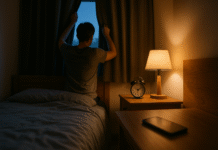





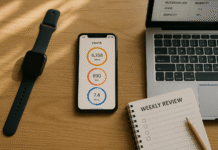






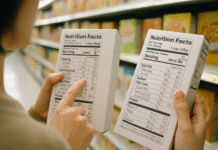
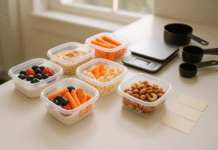









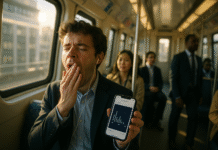

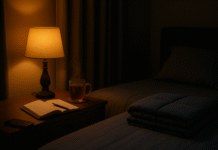



If you’ve ever gone to bed after a big dinner and tossed and turned, you already know the core idea: heavy late-night meals make sleep harder. In practical terms, finishing dinner 2–3 hours before bedtime and skipping oversized portions can reduce reflux, steady overnight blood sugar, and help your body power down. Put simply, avoiding heavy meals late at night is one of the highest-yield sleep hygiene moves you can make, especially if you struggle with heartburn or middle-of-the-night wakeups. As of August 2025, major sleep and gastroenterology groups still recommend leaving a multi-hour buffer between your last meal and lights-out.
Quick plan for tonight
- Aim to finish dinner at least 2–3 hours before bed.
- Keep portions modest; if hungry later, choose a light snack (protein + complex carb).
- Go easy on spicy, fatty, or acidic foods late in the evening.
- Avoid caffeine and alcohol before bed; they disturb sleep and may worsen reflux.
1. Fewer Nighttime Reflux and Heartburn Episodes
Avoiding heavy late meals leads to fewer reflux events at night because lying down with a full stomach makes it easier for gastric contents to wash backward into the esophagus. That burning sensation isn’t just uncomfortable—it fragments sleep and shortens total sleep time. Gastroenterology guidelines continue to recommend finishing meals 2–3 hours before bedtime and elevating the head of the bed if you have nighttime symptoms. These simple steps reduce the role of gravity in reflux and provide time for gastric emptying. If you routinely wake with a sour taste, cough, or chest burning, moving dinner earlier (and shrinking portions) is often one of the fastest ways to improve sleep continuity.
1.1 Why it matters
- Reflux can cause repeated micro-arousals you won’t always remember, leaving you unrefreshed.
- Nighttime GERD is linked with worse next-day function and quality of life. PubMed
- A 2–3 hour buffer uses gravity to your advantage and reduces nocturnal acid exposure.
1.2 How to do it
- Time your last bite: finish dinner at least 2–3 hours before bed.
- Downsize dinner: swap rich sauces/fried items for baked, steamed, or grilled options.
- Sleep setup: consider a wedge pillow or elevating the head of the bed by 6–8 inches.
When reflux stops interrupting you, sleep typically deepens and becomes more continuous—often within just a few days of changing timing and portion sizes.
2. Shorter Time to Fall Asleep and Fewer Overnight Awakenings
Big, late meals can delay sleep onset and trigger wake-after-sleep-onset because digestion keeps your body “metabolically busy” when it’s supposed to be winding down. Sleep hygiene guidance from sleep medicine organizations consistently advises avoiding large meals close to bedtime and opting for a small snack if needed. Experimental work comparing late dinner (≈1 hour before bed) versus earlier dinner (≈5 hours) shows shifts in sleep architecture, supporting what many people notice subjectively: heavy, late eating can make sleep lighter and more fragmented.
2.1 Numbers & guardrails
- Leave 2–3 hours between your last substantial meal and bedtime.
- If hungry within an hour of bed, cap snacks at 150–250 kcal and combine protein + complex carbs (e.g., yogurt + oats).
- Keep added sugars and saturated fat low at night; both are associated with lighter, more arousable sleep.
2.2 Mini-checklist
- Skip late rich curries, creamy pastas, or greasy takeout.
- Choose slow-digesting carbs (oats, banana, whole-grain toast) with protein (yogurt, nuts).
- Dim lights and put devices away 30–60 minutes before bed.
Easier sleep onset isn’t about deprivation; it’s about not asking your body to digest a festival right before asking it to power down.
3. More Stable Overnight Blood Sugar (Fewer Glucose-Related Wakings)
Eating large meals late at night can worsen glucose tolerance due to circadian biology: your body processes carbs differently after dark. Controlled studies show nighttime eating induces a mismatch between central circadian clocks (set by light) and peripheral metabolic clocks (in the liver, pancreas, and gut), culminating in higher glucose levels and impaired insulin action. For some people with a common melatonin-receptor variant (MTNR1B), late dinner worsened glucose tolerance even more. By avoiding heavy late meals, you reduce the chance of glucose spikes and dips that can contribute to restlessness or middle-of-the-night awakenings.
3.1 Why it matters
- Glucose variability at night can be stimulating (e.g., tachycardia, sweats) and fragment sleep.
- Daytime-anchored meals improve metabolic alignment, which supports steadier overnight physiology.
3.2 How to do it
- Front-load calories: shift a larger share of your daily energy to breakfast/lunch; keep dinner lighter.
- Carb quality: emphasize fiber-rich carbs and pair with protein and healthy fats.
- Timing: if dinner must be late, shrink portions and skip dessert.
The payoff is quieter physiology at night—fewer spikes, fewer crashes, and more uninterrupted sleep.
4. Stronger Circadian Alignment and Better Morning Alertness
Meal timing is a potent “zeitgeber” (time cue) for your body’s metabolic clocks. When you eat heavily late at night, those cues can push your internal rhythms later, making it harder to fall asleep on time and wake refreshed. Laboratory studies demonstrate that nighttime eating can decouple central and peripheral clocks and shift daily rhythms, whereas restricting meals to the daytime helps keep them synchronized. Aligning food intake with your biological day—especially avoiding heavy late meals—supports a smoother wind-down and more natural morning alertness without relying solely on alarms or caffeine. PMC
4.1 Numbers & guardrails
- Keep your last substantial meal in daylight or early evening; reserve later hours for very light snacks only.
- Aim for consistent dinner timing (±30–60 minutes) to reinforce your sleep-wake schedule.
- Combine this with evening dim light and a tech wind-down for maximal effect.
4.2 Region-specific note
In regions where dinners traditionally start late or include spicy, fried, or highly seasoned dishes (common across South Asia and the Mediterranean), experiment with slightly earlier dining and lighter plates on work nights. If family or social schedules push dinner late, make the pre-dinner meal (lunch) more substantial and treat “dinner” as a modest top-off.
Circadian-aligned eating isn’t about strict rules; it’s about rhythm. Keep the rhythm, and sleep tends to follow.
5. Less Nighttime Bathroom Trips and Overheating
Heavy, salty dinners often come with more fluids, and both can drive overnight awakenings—either for the bathroom or due to feeling too warm. Sleep health guidance explicitly recommends reducing late-evening fluid intake and avoiding large meals near bed; both steps lighten the physiological load as your body cools for sleep. Because your core temperature naturally drops before and during sleep, large late meals (with their thermic effect) can push temperature in the opposite direction, making it harder to fall and stay asleep.
5.1 Mini-checklist
- Keep fluids modest within 2 hours of bed; avoid chugging water late.
- Limit very salty or spicy dishes at night; they can drive thirst and thermogenesis.
- Create a cool sleep environment (18–20°C / 65–68°F) to support your body’s temperature drop.
5.2 Numeric example
On nights you skip a heavy late dinner and cap fluids, you might notice 1 fewer bathroom trip and a faster return to sleep afterward. While individual results vary, the combination of lighter meals + cooler room reliably reduces nocturnal wake-ups for many people.
By letting digestion and thermoregulation work with (not against) your sleep biology, you give yourself a calmer night.
6. Less Indigestion, Bloating, and Discomfort at Bedtime
Late, heavy eating increases the risk of dyspepsia (fullness, pressure, gas) exactly when you want your body off duty. Sleep hygiene frameworks routinely discourage large or spicy meals and carbonated beverages near bedtime for this reason. Observational and experimental research also ties nocturnal eating—even within 30–60 minutes of bed—to poorer sleep quality and changes in sleep stages, with some evidence that women may be more sensitive to these effects. Choosing a lighter dinner and avoiding heavy, gassy, or spicy items late in the evening reduces discomfort, making it easier to settle and stay asleep.
6.1 How to do it
- Identify triggers: rich cream sauces, fried foods, spicy curries, carbonated drinks.
- Portion wisely: if dinner is late, halve your usual portion and skip seconds.
- Snack smart: probiotic yogurt, a banana, or a small bowl of oatmeal are gentle options.
6.2 Numbers & guardrails
- Keep last-hour snacks in the 150–250 kcal range and avoid heavy fat loads.
- If you notice persistent dyspepsia, trial 2 weeks of earlier, lighter dinners and reassess symptoms.
Less digestive drag at bedtime yields more restorative sleep—and fewer next-day “food hangovers.”
7. Potential Support for Weight Management That Indirectly Improves Sleep
While the primary goal here is better sleep, meal timing also intersects with body weight—another sleep driver. Reviews of time-restricted eating (TRE) suggest modest weight and fat-mass reductions for many adults, even if average sleep metrics don’t always change. Eating more calories earlier and avoiding heavy late meals can make overall intake easier to manage and may improve metabolic markers that, in turn, support sleep (e.g., less reflux, fewer glucose swings, less nocturia). The takeaway: using dinner timing and portion control as gentle guardrails can be part of a sustainable weight-sleep synergy.
7.1 Why it matters
- Excess weight increases risk for snoring and sleep apnea; even modest loss can improve sleep quality and daytime energy.
- Early-biased eating patterns reduce late cravings and simplify calorie budgeting.
7.2 How to do it
- Anchor protein early: target 25–35 g at breakfast and lunch to curb evening hunger.
- Pre-commit portions: serve dinner on a smaller plate and avoid family-style seconds.
- Plan a fallback snack: keep yogurt, nuts, or fruit ready so you don’t default to takeout.
You don’t have to “diet” at night—just stop asking dinner to do breakfast’s job.
8. Calmer Heart Rate and Smoother Sleep Physiology
Digesting a heavy meal raises metabolic rate and can elevate core temperature when your body wants to cool down. Studies manipulating evening meal energy show measurable effects on nocturnal body temperature, and late eating has been linked to changes in sleep stages and arousals. Although individual results vary, a lighter evening load generally means a calmer heart rate and fewer awakenings as your autonomic system leans into “rest-and-digest” rather than “work-and-digest.”
8.1 Numbers & guardrails
- Avoid very high-energy dinners (e.g., >900–1,000 kcal) within 3 hours of bed.
- Prefer baked/steamed dishes and vegetables over fried or creamy entrées.
- Keep the sleep environment cool to assist your body’s temperature drop. BioMed Central
8.2 Mini-case
On nights when one client swapped a late burger-and-fries for a 7:00 pm plate of grilled chicken, vegetables, and rice, their wearable showed a lower overnight heart rate and fewer awakenings—an N=1 example that lines up with lab evidence on thermal load and sleep.
Let your physiology idle into the night; don’t rev the engine with a heavy meal right before parking.
9. A Clearer, Simpler Bedtime Routine You Can Stick With
Avoiding heavy meals late at night naturally builds a clean wind-down ritual: lighter dinner, light-dim, devices off, lights out. Consistency is half the battle in sleep improvement, and meal timing is a practical lever most people can control even on busy days. Sleep organizations still advise no large meals before bed, but they also note that a small, healthy snack is fine if you’re hungry—removing the “all-or-nothing” pressure that derails routines. Over a few weeks, this simple pattern conditions your brain: late evening is for resting, not digesting.
9.1 Mini-checklist
- Set a “kitchen close” alarm 3 hours before bedtime.
- Decide before 8 pm what (if anything) you’ll snack on later.
- Pair lighter dinner with a tech curfew and warm, low lighting for a strong sleep cue.
9.2 Region-specific tip
If late social dinners are non-negotiable, make lunch your main meal, order lighter in the evening (grilled fish, lentils, vegetables, yogurt-based sides), and go for a brief post-meal walk before heading home.
A routine you can repeat beats a perfect plan you can’t sustain.
FAQs
1) How many hours before bed should I stop eating?
Most people do best with a 2–3 hour gap between their last substantial meal and bedtime. This allows gravity and gastric emptying to reduce reflux risk and gives your body time to shift from active digestion to sleep physiology. If you’re hungry within an hour of bed, a light, balanced snack is reasonable.
2) What counts as a “heavy” meal at night?
Think large portions, high fat, rich sauces, fried items, or multi-course dinners that exceed your typical intake. As a rough guide, meals over 900–1,000 kcal or visibly greasy entrées are more likely to feel heavy. The more fat and volume, the slower gastric emptying and the greater the chance of reflux and sleep disruption.
3) Is it OK to have a bedtime snack? What should it be?
Yes—if you’re hungry, a small snack (≈150–250 kcal) can prevent waking hungry at 3 am. Combine protein and complex carbs (e.g., plain yogurt + oats/berries; whole-grain toast + peanut butter; a banana + a few nuts). Avoid spicy, very fatty, or sugary snacks close to bed.
4) I have GERD. Will earlier, lighter dinners really help my sleep?
For many people with reflux, finishing dinner 2–3 hours before bed and elevating the head of the bed reduce nighttime symptoms and awakenings. If symptoms persist despite timing and medication, speak with your clinician; you may need further adjustment.
5) Does avoiding heavy late meals improve blood sugar at night?
Late eating can impair glucose tolerance because of circadian effects; in controlled studies, nighttime eating worsened glucose handling, while daytime-only eating aligned clocks and improved metabolic control. Earlier, lighter dinners are a practical way to support steadier overnight glucose.
6) I’ve heard carbs at night can help sleep. Is that true?
Some research suggests evening carbohydrates may shorten sleep latency, but heavy or sugary late meals still risk reflux and arousals. If carbs help you relax, keep the portion modest and pair with protein (e.g., oatmeal with milk). Balance matters more than any single nutrient, especially near bedtime.
7) Do heavy dinners change sleep stages?
Studies manipulating dinner timing and composition show associations with lighter sleep, more arousals, and changes in REM/NREM distribution when meals are late or high in fat/sugar. Results vary by person, but many feel more refreshed after earlier, lighter dinners. Journal of Clinical Sleep Medicine
8) Should athletes or shift workers do anything different?
Shift workers may need to shift meal timing to their “biological day,” keeping the largest meal earlier in their shift and avoiding heavy food near planned sleep. Athletes can still refuel after evening training, but focus on easy-to-digest carbs + protein and keep portions modest when sleep is imminent.
9) What about spicy foods, tea/coffee, or soda at night?
Spicy foods, caffeine (including tea and many sodas), and carbonated beverages can contribute to reflux or arousal close to bedtime. If you enjoy them, consume earlier and in moderation, and avoid them in the last few hours before bed.
10) Can time-restricted eating improve sleep?
Time-restricted eating can aid weight and fat-mass reduction for some, which may indirectly benefit sleep (e.g., less snoring/reflux). However, average effects on sleep parameters are mixed. If you try TRE, prioritize consistency and adequacy rather than extreme fasting windows.
11) If I must eat late, what’s the best strategy?
Shrink portions, pick lean proteins and simple sides, skip alcohol and dessert, and consider a 10–15 minute walk after eating. Then allow at least 60–90 minutes before lying down and elevate your upper body in bed if reflux is an issue.
12) Any safety notes?
If you have diabetes, reflux complications, pregnancy-related heartburn, or unexplained weight loss, personalize these tips with your clinician. This article offers general education, not medical advice; medication timing and nutrition plans may need tailoring.
Conclusion
Avoiding heavy meals late at night is a deceptively simple habit with an outsized payoff. By finishing dinner 2–3 hours before bed and favoring lighter evening plates, you reduce reflux and dyspepsia, make it easier to fall asleep, and minimize the metabolic noise—blood sugar swings, elevated temperature, racing heart—that fragments the night. Aligning meals with your biological day also reinforces circadian rhythm, so mornings feel more natural and less like a fight with your alarm clock. The approach is flexible: on nights when life runs late, trim portions, choose gentler foods, take a short walk, and keep the sleep environment cool. Over a few weeks, these cues add up, training your body to associate late evening with rest, not digestion. Start tonight with one change—an earlier, lighter dinner—and let better sleep snowball from there.
CTA: Close the kitchen a little earlier this evening and set yourself up for your most restful night this week.
References
- ACG Clinical Guideline: Diagnosis and Management of GERD — American College of Gastroenterology (Katz et al.), 2022. https://pmc.ncbi.nlm.nih.gov/articles/PMC8754510/
- Acid Reflux/GERD (Patient Guidance) — American College of Gastroenterology, accessed Aug 2025. https://gi.org/topics/acid-reflux/
- Healthy Sleep Habits — Sleep Education (American Academy of Sleep Medicine), Apr 2021. https://sleepeducation.org/healthy-sleep/healthy-sleep-habits/
- Is It Bad to Eat Before Bed? — Sleep Foundation, updated Jul 16, 2025. https://www.sleepfoundation.org/nutrition/is-it-bad-to-eat-before-bed
- Daytime eating prevents internal circadian misalignment and glucose intolerance induced by nightwork — Science Advances (Chellappa et al.), Nov 2021. https://www.science.org/doi/10.1126/sciadv.abg9910
- Study finds well-timed meals reduce risk of glucose intolerance despite mistimed sleep — Division of Sleep Medicine, Harvard Medical School/Brigham & Women’s Hospital, Dec 15, 2021. https://sleep.hms.harvard.edu/news/study-finds-well-timed-meals-reduce-risk-glucose-intolerance-despite-mistimed-sleep
- Late dinner impairs glucose tolerance in MTNR1B risk allele carriers — Clinical Nutrition (Lopez-Minguez et al.), 2017. https://pmc.ncbi.nlm.nih.gov/articles/PMC5634913/
- Association between meal timing and sleep quality — Nutrients (Yan et al.), 2024. https://pmc.ncbi.nlm.nih.gov/articles/PMC11293727/
- Systematic review: clinical effectiveness of interventions for nocturnal gastro-oesophageal reflux — Alimentary Pharmacology & Therapeutics (Schuitenmaker et al.), 2022. https://pmc.ncbi.nlm.nih.gov/articles/PMC10078437/
- Effects of Diet on Sleep Quality — Nutrients (St-Onge et al.), 2016. https://pmc.ncbi.nlm.nih.gov/articles/PMC5015038/
- Effects of Dinner Timing on Sleep Stage Distribution and Pulmonary Function — Nutrients (Duan et al.), 2021. https://pmc.ncbi.nlm.nih.gov/articles/PMC8131073/
- Energy content of the evening meal alters nocturnal body temperature and sleep — Physiology & Behavior (Driver et al.), 1999. https://pubmed.ncbi.nlm.nih.gov/10627057/
- Associations between bedtime eating/drinking, sleep and next-day impairment — Nutrients (Iao et al.), 2021. https://pmc.ncbi.nlm.nih.gov/articles/PMC9092657/
- Effect of Time-Restricted Eating on Sleep Quality and Body Composition: A Systematic Review and Meta-analysis — Nutrition Reviews (de Sousa et al.), 2025. https://academic.oup.com/nutritionreviews/article/83/7/1264/8116999