
























A total screen break doesn’t have to be extreme or joyless—it can be a weekly reset that restores your sleep, focus, and mood. This guide shows you how to run a full “digital detox on rest days,” from planning and safety to boredom-proof activities and a graceful re-entry. In plain terms: a digital detox on rest days is a 24-hour, intentional break from screens (phone, laptop, TV, tablet, smartwatch) to reduce overstimulation and reclaim attention, sleep, and mental clarity. Done well, it’s less about willpower and more about design—making the offline day the easiest option.
Quick definition: A digital detox on rest days is a planned 24-hour window with zero personal screen use to downshift stress, improve sleep, and reset attention. It works because it removes common triggers (notifications, blue light, infinite feeds) long enough for your brain and body to settle. Evidence links evening screen exposure to delayed sleep, the mere presence of a smartphone to reduced cognitive capacity, and reduced social media use to lower depression and loneliness, which is why a clean break can feel disproportionately restorative.
Light disclaimer: This article is educational, not medical. If you’re on call, caregiving, or managing health conditions, adapt the steps to your reality and consult a professional as needed.
1. Lock a 24-Hour Window and Decide What “No Screens” Means—for You
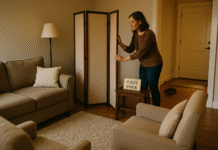
Pick one recurring day and set a clear rule: no phones, computers, TVs, tablets, smartwatches, or e-readers for 24 hours. The first two sentences here are your commitment: choose the window (e.g., Saturday 6 p.m. to Sunday 6 p.m.) and define acceptable exceptions (true emergencies only, via a non-smart backup). Decide now, because ambiguous rules will crumble at the first notification chime or boredom spike. A consistent weekly window builds habit memory—you’ll waste less energy renegotiating with yourself—and makes planning with family and friends simpler. Framing it as a sabbath-style rest often helps: one day to resist the “always on” pull and remember life offline.
1.1 Why it matters
Time online isn’t just about hours; it’s also how it fragments attention. Studies show the mere presence of your smartphone (even face down) can drain cognitive capacity, so putting devices entirely out of reach gives your brain space to recover. Globally, social platforms and online media fill a large share of daily life; stepping away one day a week counterbalances that load.
1.2 How to do it
- Choose the same 24-hour window weekly; put it on your calendar.
- Decide emergency rules up front (see Step 2).
- Tell your household and frequent contacts.
- Pick one analog anchor for the day (book, hike, long lunch, creative project).
- Prepare your space the night before (see Step 3).
Synthesis: When the window is fixed and visible, the detox stops being a debate and becomes a ritual.
2. Make It Safe: Set an Emergency Plan and Auto-Replies
A total break is only sustainable if it’s safe. Set up a non-smart fallback (basic phone or landline), share an emergency contact plan with key people, and add auto-replies that explain your offline window and when you’ll be back. If your role requires reachability, configure Do Not Disturb with calls from favorites only on a backup device kept out of sight—or hand a sealed smartphone to a partner who will alert you only for true emergencies. Safety removes the “what if?” anxiety that can torpedo your resolve.
2.1 Tools/Examples
- Auto-reply: “Offline for a 24-hour rest day; back at Sun 6 p.m. Call this number for urgent matters.”
- Whitelist: Employer, school, caregivers, medical, immediate family.
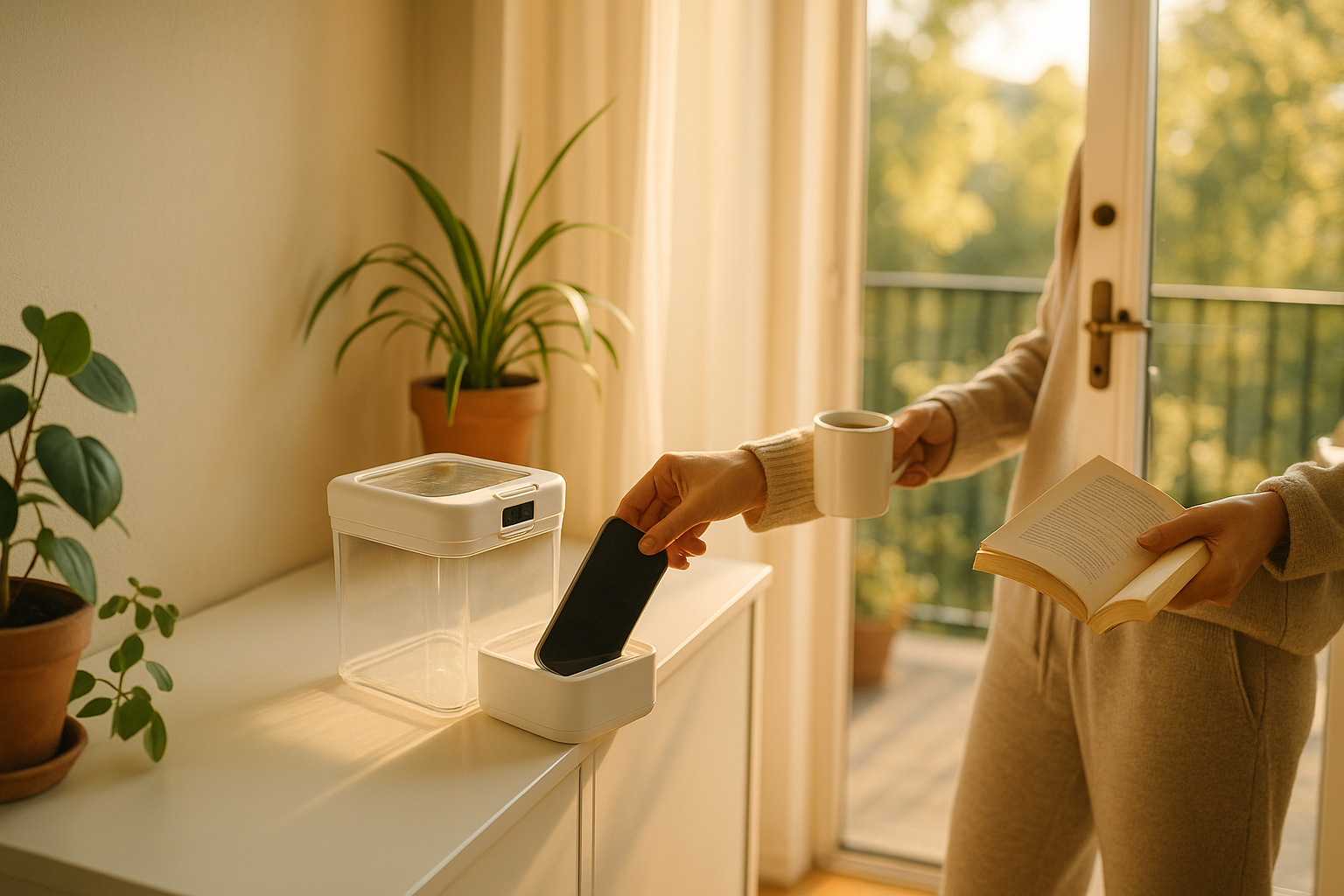
- Physical separation: Lockbox with timer; sealed envelope; device in another room with ringer off.
2.2 Numbers & guardrails (as of Aug 2025)
- Avoid “just in case” phone checks. Research finds we think better when the phone isn’t even present. Put it in another room to prevent “brain drain.”
Synthesis: A clear triage plan lets you relax into offline time without fear.
3. Create Friction: Power Down and Physically Remove Screens
Your best ally is friction. Power devices off and place them beyond reach—in a time-lock container, a high closet, your car trunk, or with a trusted friend. Hide remotes and unplug TVs. If you keep a smartphone for emergencies, disable biometrics and use a complex passcode so “quick checks” are annoying enough to skip. The goal isn’t punishment; it’s environment design that makes the healthy choice the default.
3.1 Mini-checklist
- Shut down and store all personal screens.
- Move chargers to a hallway or office—not the bedroom or living room.
- Remove smart speakers (or mute microphones) if their prompts tempt you into music/video rabbit holes.
- Replace the wrist smartwatch with an analog watch.
3.2 Why this works
Interruptions and context switches increase stress and reduce quality of work; eliminating triggers for a day gives your nervous system a true break. Even if you think you won’t check, a nearby device exerts a measurable cognitive pull.
Synthesis: Don’t rely on willpower; let your environment carry the load.
4. Print and Pre-Load: Give Yourself Offline Replacements
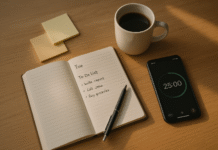
Most “I had to check my phone” moments are just poor planning. Before your detox, print or pre-load what you’ll need: directions, recipes, tickets, book chapters, playlists on a non-smart device, a paper to-do list. If you track workouts or meditation, prepare analog versions. With replacements ready, you remove the last excuses for “quick checks” that spiral into 45-minute scrolls.
4.1 How to do it
- Print maps and appointment details; set cash aside.
- Pick a paperback, magazine, or newspaper.
- Queue analog games (cards, chess, jigsaw), craft supplies, or a cooking project.
- Use a kitchen timer or analog watch for intervals.
4.2 Evidence cue
Evening use of light-emitting screens delays melatonin, pushes circadian timing later, and reduces next-morning alertness. Paper beats pixels at night.
Synthesis: When offline tools are within arm’s reach, your day flows without digital crutches.
5. Write a “Screenless Schedule” You’ll Actually Want to Follow
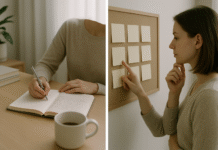
A blank day can feel liberating—or aimless. Draft a loose plan with a few anchors: a long walk, a slow meal, an analog hobby, a nap, a social visit. Keep it generous and humane: the point is restoration, not productivity cosplay. A couple of timed activities provide momentum, while plenty of white space lets your attention defragment.
5.1 Sample day (mix & match)
- Morning: Wake without phone, stretch, paper journal, coffee on the balcony.
- Midday: 90-minute walk + picnic; short nap.
- Afternoon: Crafting/DIY or reading; prep a slow dinner.
- Evening: Board game or conversation; early lights-out.
5.2 Why scheduling helps
We spend substantial time on social feeds globally; scheduling high-texture offline activities prevents idle minutes from collapsing into cravings for stimulation. As of 2025, global social media use remains widespread and time-intensive—another reason to engineer contrast one day a week.
Synthesis: A gentle plan lowers decision fatigue and keeps the day restorative.
6. Sleep First: Prepare the Night Before and Keep Screens Out of the Bedroom
Great rest days begin with great sleep. The night before your detox, remove all screens from the bedroom, set a real alarm clock, dim overheads, and commit to a paper book. Research shows evening light from e-readers suppresses melatonin and delays circadian timing; restricting mobile use before bed improves sleep onset and duration. Your offline night becomes the springboard for a calmer, clearer day.
6.1 Mini-checklist
- Charge phones outside the bedroom; use an analog alarm.
- Keep lighting warm and low after sunset.
- Read paper; stretch; keep a notepad for “mind unloads.”
- If you must keep a device for emergencies, store it outside the room.
6.2 Numbers & guardrails
Health groups advise limiting pre-bed electronics because of blue light’s effect on sleep; if you’re sensitive, aim for 1–2 hours screen-free before bedtime on detox eve (and ideally, most nights).
Synthesis: Protecting one device-free night often pays off more than any single daytime habit.
7. Go Outdoors for at Least 120 Minutes
Nature time is the antidote to notification time. Large studies associate ~120 minutes per week in nature with higher self-reported health and well-being; even short forest “baths” lower cortisol and blood pressure. On your detox day, stack the dose: aim for a long walk in a park or trail, lunch outside, and a second mini-stroll at dusk. You’ll return home calmer, less tempted by screens, and pleasantly tired for sleep.
7.1 How to do it
- Pick a green route with minimal traffic and visual noise.
- Leave the camera behind; bring a small notebook to sketch or jot.
- Invite a friend; agree to keep phones off.
- Rain plan: covered porches, botanical gardens, or window-open “nature sound” breaks (no screens).
7.2 Numbers & guardrails
A weekly 120-minute threshold is linked with better well-being; your rest day can deliver most or all of that. If mobility is limited, an accessible park bench with mindful observation still counts.
Synthesis: Two hours outside dissolves restlessness and replaces dopamine spikes with steady contentment.
8. Swap Dopamine Loops for Analog Micro-Rewards
Endless feeds and notifications are engineered for variable rewards. Replace them with analog micro-rewards that scratch the same itch without hijacking attention: a moka-pot coffee ritual, a crossword, watercolor sketches, a quick stretch set, or 10 minutes of guitar. These micro-hits make the day feel rich, so you’re not magnetized back to screens.
8.1 Tools/Examples
- 5-minute rewards: Brewing tea, sun on your face, three deep breaths by an open window, a page of doodles.
- 15-minute rewards: Crosswords, knitting rows, a chapter of fiction, simple baking.
- 30-minute rewards: Puzzles, sketching, letter writing, tending plants.
8.2 Evidence cue
Reducing social media to ~30 minutes/day improved loneliness and depression in a randomized study—proof that smaller, more intentional doses of reward go farther than constant grazing. Your detox day makes that shift visceral.
Synthesis: Micro-rewards keep your brain pleasantly occupied without revving it up.
9. Reclaim Real-World Connection Without the Group Chat
Screens are convenient, but real-world presence hits differently. Plan one in-person conversation (a long walk with a friend, lunch with family, a neighborly tea). If you tend to default to text threads, try a hand-written note or a quick doorstep hello. You’ll notice how slow communication can be deeper—no typing bubbles, no multitasking, no split attention.
9.1 How to do it
- Invite someone on your outdoor walk (Step 7).
- Host a device-free meal (collect phones in a bowl by the door).
- Write and mail a postcard.
- Suggest a board game night; phones stay parked.
9.2 Numbers & guardrails
Social media is woven into news and connection for many people, but the brain benefits when connection is embodied and unhurried—especially after a week of screen-mediated chatter. Let one day be for eye contact and shared time. Pew Research Center
Synthesis: Offline connection feels slower in the moment and richer in memory.
10. Tame Cravings and Boredom with Single-Tasking and “Urge Surfing”
Cravings will happen—particularly at habitual check times (waking, meals, mid-afternoon). When the itch hits, surf it: notice the urge, label it (“FOMO, 3/10”), breathe for 60 seconds, and do one analog action (sip water, stretch, step outside). Then single-task something small: wash dishes, fold laundry, handwrite a note. The trick is to trade fast novelty for absorbing simplicity.
10.1 Mini-checklist
- Name the urge and rate it 1–10; it often drops within 90 seconds.
- Move your body (20 squats, a short walk).
- Start a 10-minute “tiny tidy” or craft step.
- Keep a small “boredom box” handy (puzzle, deck of cards, whittling, yarn).
10.2 Evidence cue
Interruptions and constant switching increase stress; even proximity of your phone degrades focus. On detox day, remove proximity (Step 3) and practice simple, absorbing tasks to let your attention expand again.
Synthesis: Cravings fade quickly when you give your attention somewhere quieter to land.
11. Measure What Changes: Mood, Sleep, and Focus
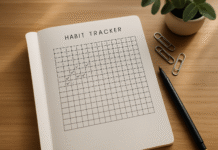
A once-a-week detox is easier to keep when you can feel the difference and see a record of it. Track three things: mood (0–10), sleep quality (0–10), and focus (minutes you could read or tinker before distraction). Note them the evening before your detox, the evening of, and the next morning. Many people notice faster sleep onset, calmer mood, and a clearer head the day after—consistent with research on blue light and pre-bed phone restriction.
11.1 How to do it
- Jot a quick score in a notebook (mood/sleep/focus).
- Add one sentence about what helped most.
- Repeat weekly; look for trends after 3–4 weeks.
11.2 Numbers & guardrails
If you love numbers, compare reading stamina (minutes before a reread) and conversation length (time with one person without glancing at a device). Both typically climb after regular detox days, matching broader findings about reduced cognitive load when devices are absent.
Synthesis: Small, tangible gains build motivation faster than abstract ideals.
12. Re-Enter Gently: Triage the Backlog and Book Next Week’s Detox
Don’t undo the benefits by face-planting into the firehose. Start re-entry with a three-pass triage: 1) calendar and critical messages, 2) essential responses, 3) the rest tomorrow. Consider adopting lighter defaults all week—notifications off by default, social apps in a hidden folder, and a bedroom phone ban most nights. Reduced social media time correlates with better mood; even outside detox days, trimming feeds helps. Before bed, book next week’s window and prep Step 3 again.
12.1 Re-entry checklist
- Open calendar first; orient before you react.
- Scan messages for true urgency; respond to 5 or fewer.
- Batch the rest for a set time tomorrow.
- Re-hide or log out of the most tempting apps.
12.2 Numbers & guardrails
When you keep the phone away physically, thinking improves; keep that habit in your weekday focus blocks. And because global social use remains high, your weekly offline window is a reliable counterweight.
Synthesis: Re-entry is part of the ritual—protect it, and the benefits stick.
FAQs
1) What exactly counts as a “screen”?
For a total detox, it includes smartphones, TVs, laptops, tablets, smartwatches, and e-readers. If you need timekeeping, use an analog watch or kitchen timer. For music, use a non-smart radio or speaker without a screen. If you require emergency access, keep a basic phone or a sealed smartphone in another room with calls from specific numbers allowed (see Step 2). The aim is to remove visual feeds, alerts, and interactive apps that fragment attention.
2) Is 24 hours necessary, or will a half-day help?
You’ll still benefit from a half-day, but a full 24 hours gives your nervous system enough time to downshift. Sleep is the hinge: a screen-free evening plus a calm morning compounds benefits. Research shows evening screens can delay melatonin and push sleep later, while restricting pre-bed mobile use improves sleep—so even a single off-night matters.
3) Won’t I miss important messages?
That’s why Step 2 exists. Set auto-replies, share an emergency plan, and whitelist only the few numbers that truly require immediate reach. Most “urgent” pings aren’t urgent upon inspection, and proximity to your phone quietly taxes cognition even when you don’t use it—better to remove it and rely on a clear exception path.
4) What should I do if I feel bored or fidgety?
Expect a few craving spikes. Use “urge surfing” (label the urge, breathe, and ride it out), then give your brain a small analog task (brew tea, sweep, doodle). Build micro-rewards into the day so you’re not white-knuckling it. Over time, your tolerance for stillness grows, and you’ll notice richer attention for reading and conversation.
5) How do I avoid turning the detox into “productivity cosplay”?
Keep goals restorative: nature time, slow meals, crafts, naps, unstructured chats. You’re not trying to “win” your rest day; you’re trying to feel human. A loose schedule with two or three anchors reduces decision fatigue without squeezing out spontaneity.
6) I read on an e-reader—does that break the rules?
Technically yes, but some readers emit less blue light and fewer notifications. For sleep and attention, paper is best—especially at night. If you must use an e-reader, set it to airplane mode with the warmest backlight and low brightness, and avoid evening sessions. Evidence specifically shows that light-emitting readers at night delay sleep timing.
7) Can families do this together?
Absolutely. Agree on the 24-hour window, collect devices in a shared lockbox, and plan kid-friendly analog activities (baking, crafting, park time). Keep a basic phone accessible to adults for emergencies. A communal “phone bowl” by the door and a device-free dinner are easy anchors that make the day feel special.
8) Is there any evidence that less social media improves mental health?
Yes. A randomized study found that limiting social media to ~30 minutes/day reduced loneliness and depression. While a detox is a stronger intervention (zero for a day), it can help you feel those benefits directly and motivate healthier weekday defaults.
9) What if my job requires weekend availability?
Define a narrow exception: keep a backup device in another room with a whitelist of truly mission-critical contacts. Check that device at set times only, or have a colleague on rotation. If a full 24 hours isn’t realistic, try a firm 12-hour block plus a screen-free sleep routine.
10) How do I measure whether it’s “working”?
Track three quick metrics—mood, sleep quality, and reading/focus stamina—before and after the detox. Many people report faster sleep onset and clearer morning focus after a screen-free night, consistent with research on evening light exposure and pre-bed phone restriction. Keep notes for a month; trends beat anecdotes. PubMed
Conclusion
A digital detox on rest days is less about deprivation and more about design. When you fix a weekly 24-hour window, make safety airtight, remove screens physically, and seed your day with nature, analog micro-rewards, and real-world connection, the urge to reach for a device fades on its own. You feel it first in your sleep and your mornings—no blue light hangover, no low-grade twitch to check. Then you notice it in your attention: you can read longer, talk deeper, and enjoy simple tasks without restlessness. The world will still be there when you return, and your triage can be calm and selective.
Start this week. Put your detox window on the calendar, set the auto-reply, and pack a paperback. After one or two cycles you’ll have a rhythm that feels like exhaling—and you’ll wonder how you ever spent every weekend glued to a glowing rectangle.
CTA: Block your 24-hour window now and set your auto-reply—your next great rest day starts there.
References
- Evening use of light-emitting eReaders negatively affects sleep, circadian timing, and next-morning alertness. Proceedings of the National Academy of Sciences (PNAS), 2015. PNAS
- Brain Drain: The Mere Presence of One’s Own Smartphone Reduces Available Cognitive Capacity. Journal of the Association for Consumer Research, 2017. Chicago Journals
- No More FOMO: Limiting Social Media Decreases Loneliness and Depression. Journal of Social and Clinical Psychology, 2018. Guilford Press
- How Electronics Affect Sleep. Sleep Foundation, 2025. Sleep Foundation
- Effect of restricting bedtime mobile phone use on sleep, arousal, mood, and working memory in college students. Behavioral Sleep Medicine (PMC), 2020. PMC
- Stress in America 2023: A Nation Recovering from Collective Trauma. American Psychological Association (APA), 2023. American Psychological Association
- Digital 2025: Global Overview Report. DataReportal / We Are Social & Kepios, Feb 5, 2025. DataReportal – Global Digital Insights
- Global Digital Overview (Time Spent & Platform Use). DataReportal, 2025. DataReportal – Global Digital Insights
- Social Media Fact Sheet. Pew Research Center, Nov 13, 2024. Pew Research Center
- The Cost of Interrupted Work: More Speed and Stress. Proceedings of the SIGCHI Conference on Human Factors in Computing Systems, 2008. ACM Digital Library
- Spending at least 120 minutes a week in nature is associated with good health and wellbeing. Scientific Reports, 2019. Nature
- Evidence from field experiments in 24 forests across Japan (Shinrin-yoku). Public Health, 2010 / PubMed summary. PubMed