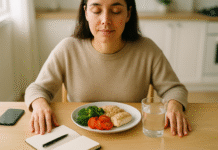










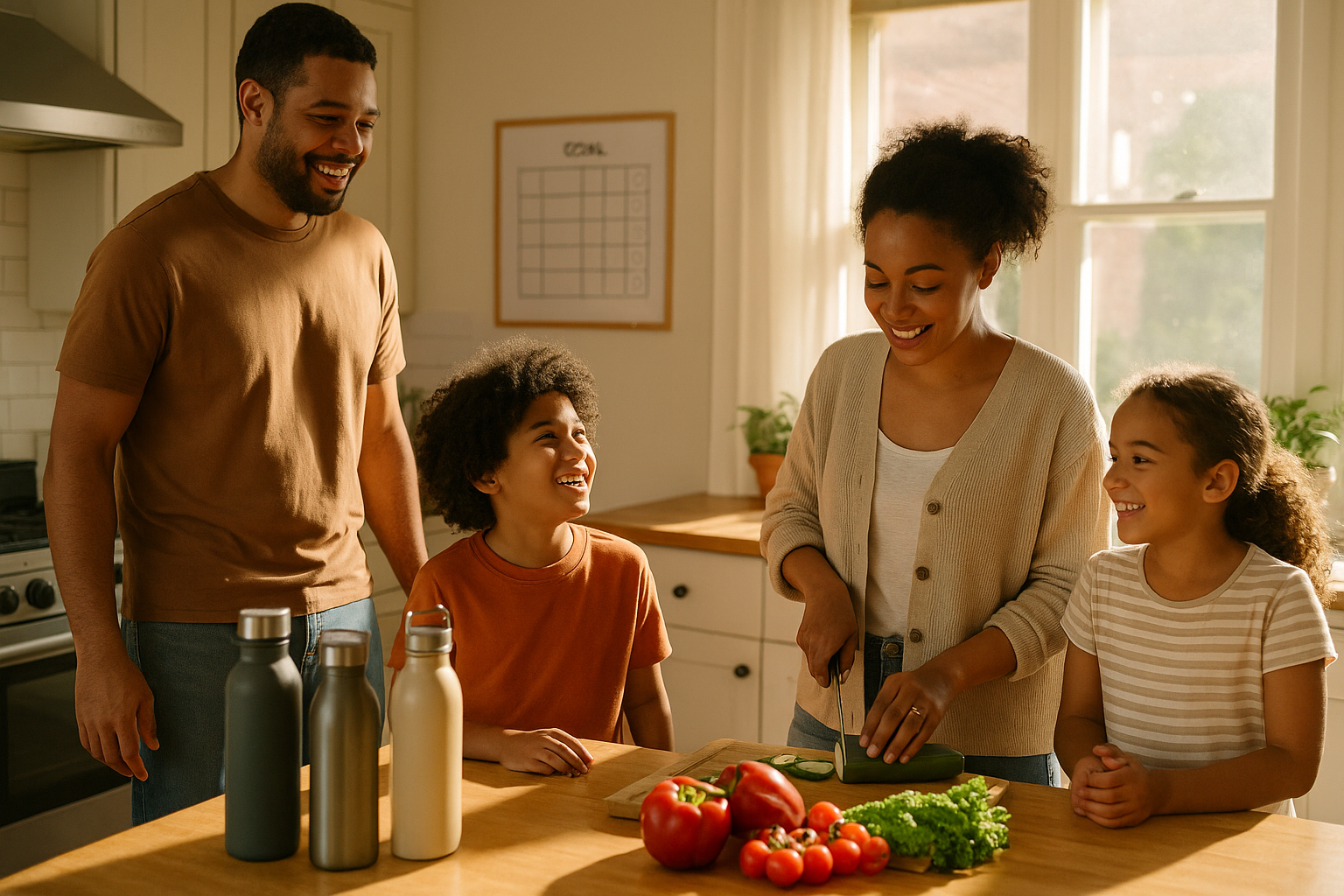
A healthy home isn’t built on lectures—it’s built on routines, cues, and small wins that everyone can feel. This guide gathers practical, research-aligned ways to involve kids and spouses in movement, outings, and cooking so fitness becomes a normal part of family life, not a chore. You’ll find scripts to start conversations, tools to make planning easier, and concrete numbers to help right-size goals. Whether your family is just starting or rebooting, these ideas are designed to fit real schedules, budgets, and attention spans.
Quick definition: Family motivation means intentionally structuring your environment, schedule, and roles so kids and spouses choose healthy actions together with minimal friction. In practice, it looks like one shared goal board, predictable “move blocks,” and rituals—like a Saturday hike or a Taco Tuesday cook-along—that repeat until they feel automatic.
Jump-start plan for this week (5 steps):
- Pick one daily 20–30 minute “move block” after dinner.
- Choose two simple, repeatable dinners everyone helps with.
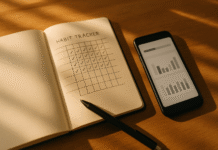
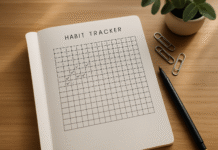
- Create a visible goal board for steps, veggies, and sleep.
- Schedule a 15-minute Sunday “family huddle.”
- Celebrate one non-scale win next weekend (photo, sticker, shout-out).
1. Run a Weekly Family Huddle With One-Page Shared Goals
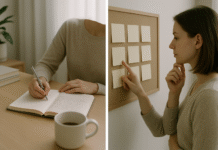
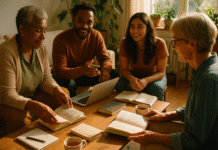
Start by aligning expectations in a friendly, time-boxed “family huddle.” In 15 minutes, you can hear what each person wants (more energy, better sleep, fun), agree on two to three goals for the week, and assign tiny roles that match ages and personalities. This meeting reduces nagging because the plan is co-created; kids and spouses are more likely to follow through on routines they helped design. Keep it light: headline the wins from last week, pick one barrier to remove (like late-night screens), and confirm a fun weekend activity as a reward. Post the goals where everyone can see them—fridge, hallway, or a shared phone note—so the plan isn’t forgotten by Tuesday.
1.1 Why it works
A shared huddle turns vague aspirations into social accountability. It gives you one recurring slot to troubleshoot (rain ruined the walk? swap to a dance video) and to right-size goals (from “run daily” to “walk after dinner three times”). Over time, the rhythm matters more than the individual tactic.
1.2 How to do it
- When: Every Sunday evening, 15 minutes max.
- What: Review last week’s wins, pick 2–3 goals (e.g., 3 after-dinner walks, 4 family-cooked meals), assign roles.
- Where: Around the kitchen table with a visible board.
- Tools: Whiteboard or paper, calendar app, timer, a simple “reward menu.”
- Guardrails: Goals should be specific, visible, and small (think “two veggies at dinner” vs. “eat healthier”).
Close by capturing one micro-commitment each: “I’ll set the timer for the after-dinner walk,” “I’ll rinse salad greens.” Consistency beats intensity here.
2. Schedule a Daily 20–30 Minute “Move Block” Everyone Joins
The fastest way to make exercise stick is to tie it to an existing routine—often right after dinner or right before homework. A fixed 20–30 minute move block keeps it short and predictable so kids and spouses can mentally plan around it. Rotate options to match energy and weather: a neighborhood walk, backyard tag, a follow-along bodyweight video, or bikes to the playground. Adults benefit from accumulating moderate activity across the week, and kids thrive on daily movement, so this one block—repeated most days—does more than occasional long workouts.
2.1 Numbers & guardrails
- Adults: Aim to accumulate ~150 minutes of moderate activity weekly; think brisk walking where conversation is possible but slightly breathy.
- Kids (6–17): Target ~60 minutes of daily activity, with some vigorous play most days.
- Pacing tip: Brisk feels like ~100–130 steps/min; kids’ play naturally mixes intensities.
2.2 Ideas to keep it fresh
- Micro-circuit: 3 rounds x 5 moves (squats, push-ups on counter, lunges, jumping jacks, plank) at 40 seconds on/20 seconds off.
- Scavenger walk: Find five red items, three dogs, one cool leaf.
- Music minutes: Each person picks one song and leads moves.
- Ball games: Four-square, driveway basketball, keep-it-up with a balloon.
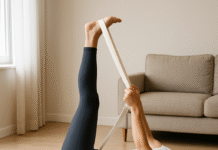
- Rain plan: Living-room yoga, freeze dance, or a kid-safe workout video.
End the block with a 60-second “what felt good” debrief. That positive emotion becomes the cue to show up tomorrow.
3. Turn Meals Into a Team Sport With Roles, Themes, and Two Go-To Dinners
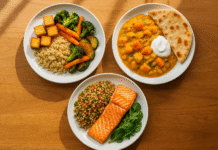
Cooking together is motivation you can taste: kids explore new foods when they help prep, and spouses are more likely to eat well when dinner is both predictable and delicious. Make it easy by standardizing roles (one person washes, one chops, one sautés, one sets/clears) and by choosing two weeknight “house dinners” everyone can execute without a recipe—say, stir-fry + rice and sheet-pan chicken + vegetables. Add theme nights (Meatless Monday, Taco Tuesday) so decisions shrink. Keep knives, cutting boards, and bowls accessible to invite spontaneous help; a low workstation for younger kids is a quiet game-changer.
3.1 Tools & set-up
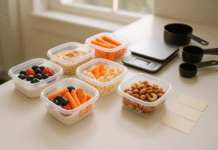
- Prep bins: Pre-wash produce; store by use (salads vs. stir-fries).
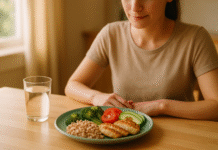
- Veggie rule of thumb: Aim to fill half the plate with vegetables or fruit most nights.
- Kid jobs by age: Tear lettuce, rinse beans, measure spices, stir batter, set timers.
- Safety: Use kid-safe knives and teach “flat side down” for chopping.
3.2 Mini-checklist
- Two “house dinners” chosen and posted
- Roles assigned and rotated weekly
- One new spice or veggie tried each week
- “Leftover remix” plan (wraps, fried rice, omelets)
Close by agreeing on a simple feedback loop: “What would make this dinner 10% easier?” Small tweaks compound, and soon cooking together is the default, not the exception.
4. Gamify Movement and Chores With Points, Streaks, and a Reward Menu
Humans—little and big—love progress bars. A simple points-and-streaks system can transform groans into eagerness. Award points for behaviors, not outcomes: showing up to the walk, tasting a new veg, prepping tomorrow’s lunches, lights out on time. Display progress on a big, colorful chart or in a shared note. Convert points into a reward menu chosen at the family huddle: movie night, park picnic, extra bedtime story, choosing Saturday’s adventure. Keep rewards non-food when possible and focused on experiences.
4.1 Design rules
- Clear earning rules: e.g., 1 point per behavior; bonus for helping a sibling.
- Streak power: Double points on day 7 if nobody breaks the chain.
- No punishments: Missed points mean “try again tomorrow,” not deductions.
- Reset cadence: New “season” every month to keep motivation fresh.
4.2 Examples
- 5-point wins: After-dinner walk, two veggie sides, 10-minute tidy-up race.
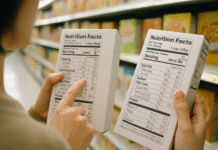
- 10-point wins: Cooking a full dinner together, completing a weekend hike, reading labels and choosing a lower-sugar cereal.
- Level-ups: Unlock a backyard campout at 150 points or a family museum day at 300.
Wrap by revisiting once a month—retire boring rewards, add new ones, and celebrate the top “assist” of the month (someone who helped another person follow through).
5. Create Micro-Activity Zones and a Tiny Home “Gym-in-a-Basket”
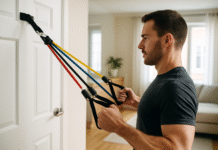
You don’t need a spare room to be active at home. You need frictionless access to simple tools and a few clearly marked zones. Place a “gym-in-a-basket” where you walk past it daily: resistance bands, a jump rope, two light dumbbells, a yoga mat, a soft ball. Add a timer and a printed 10-minute circuit card. Set up micro-zones: a stretching corner by the TV, a balance beam made of painter’s tape down the hallway, and a pull-up bar in a doorway (for hangs if pull-ups aren’t yet possible). For younger kids, keep a bin of movement toys (scarves, cones, beanbags) near the door.
5.1 Set-up checklist
- Basket stocked and visible (not hidden in a closet)
- Two 10-minute circuits posted (Beginner / Spicy)
- Timer within reach; music playlist queued
- Clear safety rules (no jumping with weights, shoes on for rope)
5.2 Sample 10-minute circuit (Beginner)
- 1 minute: March in place
- 1 minute: Wall push-ups
- 1 minute: Sit-to-stand from a chair
- 1 minute: Standing rows with band
- 1 minute: Plank on knees
- Repeat once
When tools are in sight and circuits are printed, “I’ll do 10 minutes while the pasta boils” turns into a habit the entire household can copy.
6. Anchor a Weekend Adventure: “Saturday Safari” or “Sunday Park Circuit”
Families who move together on weekends build momentum that spills into weekdays. Establish a named ritual—“Saturday Safari,” “Trail & Treat,” or “Park Circuit”—so the idea sells itself to kids. Choose low-cost adventures within 15–30 minutes: a new park loop, geocaching, a junior bike trail, a beach walk collecting shells, or a community fun-run. Keep it predictable (same time, rotating location) and pack simple snacks and layers to reduce excuses. Photos and a shared map board of “places we’ve explored” turn this into a joyful tradition.
6.1 How to keep it sticky
- Time-box: 60–90 minutes door-to-door so it fits busy weekends.
- Roles: One person scouts the route, another packs snacks/water, kids pick the playlist or trail name.
- Progression: Start flat and local; add hills or distance gradually.
- Weather plan: Light rain = boots and puddle-hopping; storms = museum or indoor climbing gym.
6.2 Mini case
Last month, one family did four “Park Circuits”: two playground circuits with parent intervals (push the swing → 20 squats), a creek walk, and a bike loop. They logged roughly 12–16 family miles and now each kid nominates the next park at Sunday huddle. Habits, not heroics.
7. Use Smart Screen-Time Swaps and Active Tech Without Battles
Screen time is part of modern family life; the goal isn’t zero, it’s intentional. Create a simple family media plan with clear zones (no devices at dinner, phones charge outside bedrooms) and swap pure passive time for active or social options when possible. Active video games, follow-along dance workouts, and step challenges with wearables can pull reluctant movers into motion. For younger kids, set device timers and keep engaging analog alternatives visible—puzzles, art supplies, and balls beat buried toys every time.
7.1 Practical guardrails
- Curfew: Devices off 60 minutes before bedtime to protect sleep.
- Zones: No phones at the table; common-area charging overnight.
- Trade-ups: 30 minutes of play outside “unlocks” 30 minutes of gaming.
- Co-viewing: Join their game or show and turn it interactive (copy the dance, pause for push-ups).
7.2 Tools & ideas
- Family media plan template (print or digital)
- Parental control timers (built into most devices)
- “Active tech” picks: dance games, fitness apps with kid modes, step challenges with relatives
Frame screens as a tool, not a villain, and you’ll get buy-in without constant arguments.
8. Do Parent–Child Skill Swaps: Everyone Teaches, Everyone Learns
Motivation skyrockets when kids feel competent and when adults show they’re willing to learn, too. Try a rotating skill swap: one child teaches the family a sport or game they’re excited about this month, while a parent teaches a kitchen skill (knife safety, omelets, spice tasting). Another month, swap roles. This structure gives kids leadership practice and makes “trying new things” emotionally safe—if parents can wobble through a dance combo, kids can sample roasted broccoli.
8.1 How to structure it
- Cycle: Four-week blocks with one 30–45 minute session each weekend.
- Plan: Week 1 = basics, Week 2 = practice, Week 3 = mini-challenge, Week 4 = showcase and celebration.
- Artifacts: A “skill card” with rules, tips, and one photo goes on the family board.
8.2 Example pairs
- Sports ↔ Kitchen: Beginner soccer dribbling ↔ salad dressings (oil, acid, salt).
- Dance ↔ Breakfast: TikTok routine ↔ scrambled eggs three ways.
- Martial arts ↔ Knife safety: Basic blocks/stances ↔ “claw grip” and flat cut surfaces.
Close with a short reflection: what felt easy, what was hard, what we’ll keep. That language builds growth mindsets at home.
9. Join Community: Fun Runs, Park Programs, Rec Leagues, and Parent–Child Classes
Families stick with active habits when they have dates on the calendar and peers expecting them. Community events—5Ks with stroller waves, junior runs, city rec leagues, YMCA family swim, library “walk & read” trails—provide low-pressure goals and built-in coaching. Look for events with flexible pacing and family divisions; volunteer slots are great if a full race feels intimidating. Add one quarterly “big thing” (spring 5K, summer bike rally, fall hike challenge, winter charity walk) and sprinkle in monthly low-key meetups.
9.1 Finding the right fit
- Criteria: Close to home, beginner-friendly, stroller or child options, weekend mornings.
- Cadence: One monthly community activity + one quarterly “big thing.”
- Preparation: Two to three practice sessions per week, 20–30 minutes each.
9.2 Mini-checklist
- Register early; add to calendar with alerts
- Recruit another family as “accountability buddies”
- Print bibs or make homemade race badges for kids
- Celebrate with a picnic or pancake breakfast after
External dates turn intentions into commitments. The social energy carries even reluctant family members along.
10. Make Sleep, Recovery, and Stress Care a Family Standard
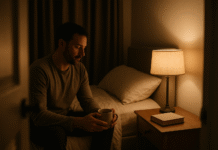
Motivation crumbles without sleep and recovery. Treat bedtime routines and wind-down rituals as family health infrastructure, not optional extras. Set a household tech curfew, dim lights in the last hour, and standardize soothing cues: showers, stretches, reading, and gratitude shares. Guard bedtimes so kids and teens get the hours they need, and aim adults at 7–9 hours. For busy weeks, shorten workouts rather than slicing sleep—better decisions, moods, and immune function follow.
10.1 Numbers & routines
- Bedtime cues: Devices down 60 minutes before lights out; warm drink, stretch, read.
- Sleep targets: Adults 7–9 hours; school-age kids ~9–12; teens ~8–10.
- Micro-recovery: 5-minute mobility flow after move blocks; 10-minute Sunday reset (laundry, bags packed).
10.2 Stress reset tools
- Box breathing: 4–4–4–4 count for 2–3 minutes.
- Family “worry dump” journal after dinner twice a week.
- Nature micro-dose: 10 minutes of daylight before noon on weekends.
A well-rested family is a cooperative family. Protect sleep, and motivation follows.
11. Be Budget-Savvy: Free Movement, Smart Groceries, and Batch Prep
You don’t need boutique classes or specialty foods to thrive. Free parks, public courts, playground circuits, and home circuits cover movement. In the kitchen, base meals on affordable staples: beans, lentils, eggs, seasonal produce, whole grains, and frozen vegetables. Batch-cook once or twice a week so “healthy” is faster than takeout on busy nights. Thrift stores and community groups are great for gently used bikes or sports gear; hand-me-downs keep costs negligible.
11.1 Grocery & cooking playbook
- Core list: Oats, rice, whole-wheat pasta, canned tomatoes, beans, eggs, frozen veg, seasonal fruit, yogurt, chicken/thighs or tofu.
- Batch ideas: Chili, dal, bean-and-veg burrito mix, roasted sheet pans, pasta bake, overnight oats.
- Flavor boosters: Citrus, garlic, onions, spice blends, yogurt sauces, toasted nuts/seeds.
11.2 Money/time guardrails
- Cook once, eat twice (plan leftovers by design).
- Shop with a list and a ceiling budget.
- Use a “30-minute rule”: if it takes longer than 30 minutes, it’s for weekends.
- Freeze portions in family + single-serve sizes to cover late nights.
Health on a budget is about systems, not sacrifice. Build yours, and motivation gets a financial tailwind.
12. Celebrate Progress and Tell Better Stories About Your Family
Motivation flourishes when you notice what’s working. Build rituals to capture progress: a monthly photo collage, a “wins wall,” or a short note in a shared journal about new foods tried, hills climbed, or bedtimes protected. Use non-scale markers—energy, mood, stamina, bedtime cooperation—and celebrate collaboration more than personal records. Let kids name the month’s adventure and spouses pick the next recipe; ownership keeps the narrative alive. Finish each month with a tiny ceremony: stickers on the chart, a homemade certificate, or a living-room dance party.
12.1 Celebration menu
- Wins wall: Print photos, ticket stubs, trail maps.
- Certificate night: “Helper of the Month,” “Kitchen MVP,” “Kind Coach.”
- Memory jar: One slip per person each week; read aloud on the 30th.
- Playlist souvenir: Add one “anthem” per month from your adventures.
12.2 Mini case
A family that tracked only “joy moments” (three a week) saw participation rise without ever talking about weight. By month three, the kids asked for a bigger board. Stories shape identity; write ones your family wants to keep repeating.
FAQs
1) What’s the simplest way to start if our schedules are hectic?
Pick one daily 20–30 minute move block anchored after dinner or before homework. Keep it the same time each day to remove decision fatigue. Choose three rotating activities—walk, living-room circuit, bike loop—so nobody gets bored. Add a 15-minute Sunday huddle to plan two dinners you’ll cook together and one weekend adventure. Start there for two weeks before adding anything else.
2) How do we motivate a reluctant spouse without nagging?
Co-create the plan in a short huddle and let them choose something they genuinely enjoy—music-led circuits, pickleball, or leisurely walks with podcasts. Focus on showing up together rather than intensity or pace. Offer practical help (lay out shoes, pack water) and celebrate their contributions (setting timers, picking routes). Autonomy plus appreciation beats lectures every time.
3) My kids are picky eaters—how can cooking together help?
Participation reduces resistance. Give kids roles that fit their ages—washing herbs, measuring spices, stirring sauces—and offer small, pressure-free tastes during prep. Use theme nights to normalize variety and serve vegetables in multiple forms (raw sticks, roasted, blended into sauces). Keep trying one new flavor weekly; it can take many exposures for preferences to shift.
4) How much activity is “enough” for health?
As a rule of thumb, adults benefit from accumulating around 150 minutes of moderate activity per week (e.g., brisk walking), and school-age kids thrive with about 60 minutes daily, including vigorous play on most days. You don’t need to hit these numbers immediately—build toward them with short, consistent sessions and weekends that nudge totals upward.
5) How do we manage screens without constant fights?
Write a simple family media plan: device curfew 60 minutes before bed, no phones at dinner, common-area charging at night. Swap some passive time for active options—dance games, walk-and-talk podcasts, short movement breaks during shows. Timers, co-viewing, and a reward menu tied to behaviors (“walk unlocks game time”) reduce arguments and keep sleep protected.
6) We live in a small apartment—can we still be active indoors?
Absolutely. Make a tiny “gym-in-a-basket” (bands, rope, light weights, mat) and print a 10-minute circuit. Use hallways for balance lines (painter’s tape), doorframes for hangs (with a safe bar), and living-room yoga or dance videos for variety. Keep equipment visible to reduce friction, and schedule short sessions when dinner cooks or between homework blocks.
7) What if weather ruins our weekend plans?
Have indoor alternates ready: museum step challenges, indoor climbing, community pools, or “movement marathons” at home (dance party, obstacle course, yoga). Keep rain gear by the door for light showers—puddle-hopping can be fun and memorable. The key is protecting the time block so the habit survives, even if the location changes.
8) How do we keep motivation going after the first month?
Refresh your reward menu, rotate new routes or playlists, and introduce skill swaps where kids teach a game and parents teach a kitchen skill. Add one quarterly “big thing” (fun run, hike challenge) so you’re always building toward something. Review barriers at the huddle and reduce friction—a pre-packed snack bin or shoes by the door often beats pep talks.
9) How can we measure progress without focusing on weight?
Track non-scale wins: energy ratings, mood, bedtime routine success, steps walked, hill routes completed, new foods tried. Keep a “wins wall” or a shared note. Use monthly photos from adventures (not body check-ins) to remember the life you’re building, and celebrate teamwork roles like “Kitchen MVP” or “Kind Coach.”
10) Any safety tips for families just starting exercise?
Warm up gently (marching, arm circles), progress distance and intensity gradually, and keep hydration handy. Choose well-lit routes, wear helmets for bikes and scooters, and teach road awareness. Indoors, clear clutter and set rules for equipment. If anyone has a medical condition or injury, ask a clinician for tailored guidance and adapt activities as needed.
Conclusion
Family motivation isn’t about willpower; it’s about designing a home life where healthy choices are the easiest, most social, and most fun options on the table. A 15-minute weekly huddle, one predictable daily move block, and two reliable dinners, repeated with small variations, can transform your household’s energy in a month. The tactics in this guide—goal boards, reward menus, micro-gyms, weekend adventures, smart screen swaps, skill exchanges, community events, and sleep standards—are simple on purpose. They reduce friction, build shared identity, and spark momentum that carries even on hard days. Start tiny, protect the time blocks, and tell better stories about who you are together. Your next step: schedule this Sunday’s huddle and pick the first week’s two “house dinners.”
Ready to begin? Post your family’s first move block and dinner picks on the fridge tonight.
References
- Physical activity — World Health Organization (Fact sheet, updated 2024). https://www.who.int/news-room/fact-sheets/detail/physical-activity
- WHO Guidelines on Physical Activity and Sedentary Behaviour — World Health Organization (2020). https://www.who.int/publications/i/item/9789240015128
- How much physical activity do adults need? — Centers for Disease Control and Prevention (updated 2024). https://www.cdc.gov/physicalactivity/basics/adults/index.htm
- How much physical activity do children need? — Centers for Disease Control and Prevention (updated 2023). https://www.cdc.gov/physicalactivity/basics/children/index.htm
- Family Media Plan — American Academy of Pediatrics / HealthyChildren.org (accessed 2025). https://www.healthychildren.org/English/media/Pages/Family-Media-Use-Plan.aspx
- How Much Sleep Do I Need? — Centers for Disease Control and Prevention (updated 2024). https://www.cdc.gov/sleep/about_sleep/how_much_sleep.html
- Healthy Eating Plate — Harvard T.H. Chan School of Public Health (accessed 2025). https://www.hsph.harvard.edu/nutritionsource/healthy-eating-plate/
- Dietary Guidelines for Americans, 2020–2025 — U.S. Departments of Agriculture & Health and Human Services (2020). https://www.dietaryguidelines.gov
- Physical Activity Guidelines for Americans (Current Guidelines) — Office of Disease Prevention and Health Promotion, health.gov (updated 2023). https://health.gov/our-work/nutrition-physical-activity/physical-activity-guidelines/current-guidelines
- parkrun — Free, Weekly, Community Events — parkrun Global (accessed 2025). https://www.parkrun.com/