

























Washing your face seems simple, but doing it gently—and correctly—changes everything: less irritation, fewer breakouts, better glow. “Gentle cleansing” means using a mild, pH-appropriate cleanser with lukewarm water and light technique to remove sweat, oil, sunscreen, makeup, and pollution while preserving the skin barrier. In practice, that looks like short, twice-daily cleanses (and after sweating), thorough rinsing, and immediate moisturization. This guide is educational and not a substitute for personal medical advice.
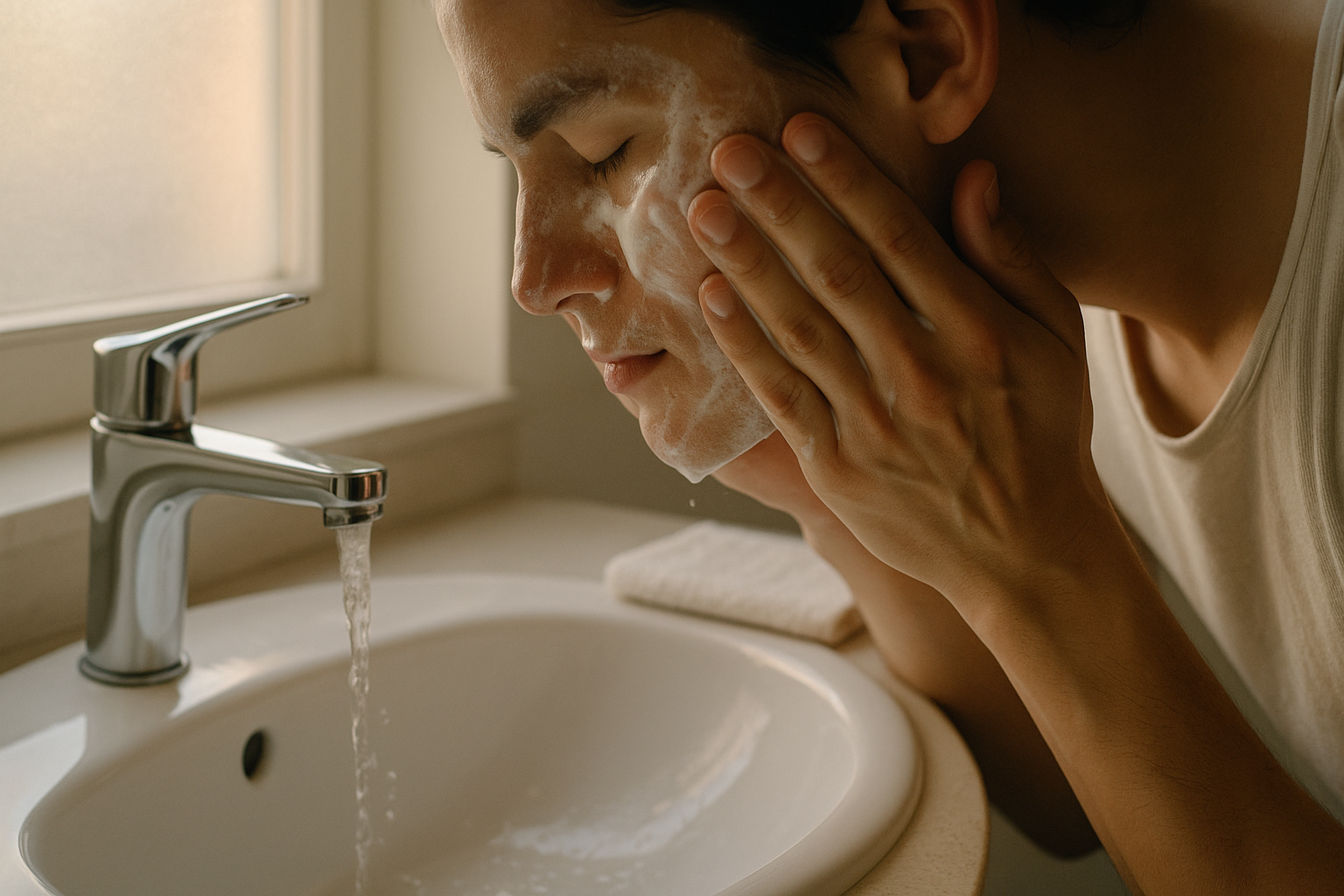
Quick-start steps (even if you read nothing else): Wet with lukewarm water, massage a mild cleanser with fingertips for ~30–60 seconds, rinse completely, pat dry with a clean towel, then moisturize while skin is still slightly damp. If you wore water-resistant sunscreen or heavy makeup, remove it first with an oil/balm or micellar water, then cleanse.
1. Pick a pH-balanced, fragrance-free cleanser that fits your skin
Start here: the product itself. Soaps are alkaline (about pH 8.5–11) and can disrupt the skin’s slightly acidic surface, while modern “syndet” (synthetic detergent) cleansers are typically closer to skin pH (roughly pH 5.5–7) and are generally better tolerated—especially for dry, sensitive, or eczema-prone skin. That difference is not marketing fluff; it’s repeatedly documented in dermatology literature and reflected in clinical guidance. Choosing fragrance-free and, when breakouts are a concern, non-comedogenic options lowers the risk of irritation and clogged pores without sacrificing cleansing power.
1.1 Why it matters
A cleanser’s pH and surfactant system influence barrier lipids, microbial balance, and irritation potential; milder formulas tend to reduce dryness and stinging and can even be set to physiological pH. For atopic skin, dermatology groups increasingly recommend liquid syndets; recent testing shows all soaps assessed were alkaline, while most liquid syndets were acidic or neutral.
1.2 Mini-checklist
- Label cues: “fragrance-free,” “gentle,” “non-comedogenic,” “pH-balanced/syndet.”
- Texture guide: gels/foams for oilier skin; lotions/creams for drier.
- Patch test: new cleansers on the jawline for 2–3 days.
Close by remembering: a mild cleanser you love—and use consistently—beats a harsh product used “just on oily days.”
2. Use lukewarm water (not hot), and keep contact time short
Hot water feels satisfying but measurably harms the barrier. Experimental work shows that exposure to higher temperatures (around 44 °C/111 °F) increases transepidermal water loss and redness compared with cooler water, confirming what dermatologists advise: use lukewarm water and avoid long, steamy scrubbing sessions. Practically, aim for brief cleanses—often 30–60 seconds with a gentle product is plenty—and skip the scalding showers.
2.1 Numbers & guardrails
- When is water “too hot”? If it feels noticeably hot or leaves skin pink/tight, it’s too hot; studies pinpoint ~44 °C as barrier-unfriendly.
- Time-on-skin: Enough to distribute cleanser evenly and massage lightly; more time rarely equals “more clean,” but it does risk irritation.
- Aftercare: Rinse thoroughly, then pat—not rub—dry.
2.2 Common mistakes
- Hovering under a hot shower stream with cleanser on the face.
- Equating “squeaky clean” with healthy (that squeak = stripped lipids).
Finish by noticing: a lukewarm, low-foam cleanse leaves skin comfortable before moisturizer—your signal that you’re treating your barrier well.
3. Cleanse at the right frequency: twice daily (and after sweating), with flexibility
The baseline for most people is simple: wash morning and night, and cleanse promptly after workouts or heavy sweating. Dermatology guidance also allows smart flexibility: very dry or sensitive complexions may prefer a water-only rinse in the morning and a full cleanse at night—especially in low-humidity seasons—while oilier or acne-prone skin often benefits from both AM and PM cleanser use. The consistent part is the after-sweat wash, since lingering sweat, sebum, and grime can aggravate breakouts.
3.1 How to tailor it
- Dry/sensitive: water-rinse in AM; full cleanse in PM.
- Oily/acne-prone: gentle cleanser both AM and PM.
- Everyone: cleanse after sports, gardening, or heatwaves.
3.2 Mini case
A teen goalkeeper with frequent forehead breakouts added a post-practice rinse and quick cleanser at the field sink; within 3–4 weeks, new breakouts dropped as sweat time-on-skin fell—matching clinician observations that “get the sweat off sooner rather than later” helps acne control.
4. Remove sunscreen and makeup thoroughly (use double cleansing when needed)
Water-resistant sunscreen and long-wear makeup are designed to stick. On such days, remove them first with an oil cleanser/balm or micellar water, then follow with your regular gentle cleanser (the classic “double cleanse”). Dermatologists note oil-based removers excel at dissolving waterproof pigments and stubborn SPF films, while micellar waters are a convenient option—many sensitive-skin users still prefer rinsing micellar residue or following with a water-based cleanse. For eyes, apply remover to a pad, press 10–15 seconds, wipe gently; avoid rubbing, and rinse any remover off your lids. aao.org
4.1 How to do it
- Step 1: Balm/oil (dry hands, dry face) or micellar water on pads.
- Step 2: Emulsify/soak → lift pigment/SPF.
- Step 3: Gentle water-based cleanser; rinse completely; pat dry.
- Step 4: Moisturize while skin is damp.
4.2 Tool notes
Avoid relying on makeup wipes as your only cleanse; they often leave residue. Reserve them for travel emergencies, and still rinse/cleanse afterward.
5. Master technique: fingertips, light pressure, thorough rinse, clean towel
Technique ≠ scrubbing. The dermatology playbook is consistent: wet the face with lukewarm water, apply a mild cleanser with fingertips, massage with light pressure over all zones (hairline, jawline, sides of nose), rinse completely, then pat—don’t rub—dry with a clean towel. Brushes and gritty scrubs can over-exfoliate, especially on sensitive or acne-treated skin. A complete rinse matters; leftover surfactants can irritate and dull the finish of any serum layered afterward.
5.1 Mini-checklist
- Wash hands first; remove rings.
- Use enough cleanser to create slip, not foam mountains.
- Spend an extra 5–10 seconds around the nostrils, hairline, and jaw.
- Rinse until water runs clear and skin no longer feels “slick.”
- Reserve one small towel for your face; launder frequently.
5.2 Numeric example
If a bottle lists ~120 washes, that’s ~2–3 pumps per use. More product rarely means better cleansing—thorough coverage and rinse do.
6. Adjust for environment: pollution, hard water, climate, and workouts
City air leaves a film you can’t see. Research links airborne particles (PM2.5 and others) with oxidative stress and barrier dysfunction, which is why consistent cleansing after high-pollution exposure is smart, especially in dense urban areas or during wildfire events. If you live in a hard-water area, consider liquid syndet cleansers; studies associate hard water with increased skin irritation and higher surfactant deposition, particularly in atopic skin. In humid, sweaty seasons, prioritize that post-workout cleanse; in arid winters, shorten contact time and boost moisturizer right after.
6.1 Region-specific notes
- Hard water signs: Soap scum, poor lather, mineral buildup → lean toward pH-appropriate liquid syndets and swift moisturization.
- Pollution spikes (air-quality alerts): Cleanse on arrival indoors; consider antioxidant serums after.
- Travel: New water + climate changes can flare skin; simplify, don’t add five new products at once. PubMedPMC
6.2 Micro-habits that help
- Keep micellar pads in your gym/work bag.
- Rinse hairline last in the shower to reduce product residue on the face.
- If tap water stings during flares, cleanse with minimal water and a very mild lotion/cream cleanser.
7. Lock in hydration immediately after cleansing
Water evaporates fast from freshly washed skin. Apply moisturizer immediately after cleansing to trap that water and support the barrier; this “apply right away” timing reduces dryness and improves comfort, especially for eczema-prone or seasonally dry skin. Dermatology groups explicitly recommend short showers/baths, gentle cleansers, pat-drying, and moisturizing right after—face routines benefit from the same logic.
7.1 How to do it
- Leave skin slightly damp; apply a cream/lotion with humectants (e.g., glycerin) + barrier lipids (e.g., ceramides).
- If you use serums, apply them quickly, then moisturize within minutes.
- Spot-treat actives first if prescribed; moisturize over other areas.
7.2 Mini case
After switching to “cleanse → damp → moisturize immediately,” a desk worker’s afternoon tightness eased within a week, echoing clinical advice to moisturize right after washing.
8. Use medicated cleansers wisely (benzoyl peroxide, salicylic acid, etc.)
Medicated cleansers can multitask if you’re acne-prone, but they’re not “stronger is better.” OTC benzoyl peroxide washes (often 2.5%–5%) and salicylic acid (0.5%–2%) help reduce bacteria, oil, and clogged pores; adapalene 0.1% is a leave-on retinoid. Start low, go slow, and expect mild dryness at first. Many dermatology guidelines also endorse pairing different actives (e.g., BPO + adapalene) while keeping the cleanser itself gentle on nights you use stronger leave-ons. JAAD
8.1 Numbers & guardrails
- BPO washes: 2.5% often as effective as higher strengths but less irritating; rinse fibers and towels well (it can bleach fabric).
- Salicylic acid: 0.5–2% helps unclog pores; avoid if you’re sensitive or pregnant without medical guidance.
- Retinoids: Usually leave-on, not wash-off; keep the cleanser non-stripping.
8.2 Common mistakes
- Stacking multiple acids/retinoids and a harsh cleanser → redness, flaking.
- Over-scrubbing to “help” actives penetrate—don’t. The barrier you keep is the glow you get.
9. Dodge the usual pitfalls: over-washing, wipes-only routines, bar soap, hair-product residue
Three traps drive irritation: cleansing too often, relying on wipes as your only step, and using alkaline bar soap on facial skin. Another sneaky culprit: hair products. Oils/waxes from pomades, leave-ins, and gels can migrate to the forehead and temples (classic “pomade acne”). Choose water-based or “non-comedogenic” hair and skin products, cleanse after workouts, and always rinse cleanser thoroughly.
9.1 Pitfall checklist
- Over-cleansing: more than twice daily without cause.
- Wipes only: keep for emergencies; follow with a real cleanse.
- Bar soap: often alkaline; reserve for body, not face.
- Hairline breakouts: switch to non-comedogenic hair products and cleanse to the hairline.
9.2 Mini example
A switch from oil-heavy pomade to a water-based styler + a focused hairline cleanse resolved recurrent temple comedones in ~6 weeks—consistent with acne care advice to avoid pore-clogging hair products.
10. Build a simple AM/PM routine you’ll actually stick to
Consistency beats complexity. A minimal routine grounded in gentle cleansing keeps the barrier intact while leaving room for targeted actives. Morning: cleanse (or water-rinse if very dry), moisturize, sunscreen. Night: remove makeup/SPF if worn, cleanse once (double cleanse only when needed), moisturize. Adjust textures by season and skin type; track comfort, not just mattness or “squeak.”
10.1 Templates (copy-ready)
- Oily/acne-prone: AM gentle gel cleanser → light moisturizer → SPF 50. PM oil/balm or micellar if needed → gentle gel cleanser → non-comedogenic moisturizer. Add leave-on actives on alternating nights.
- Dry/sensitive: AM water-rinse → cream cleanser only if needed → rich moisturizer → SPF 50. PM gentle cream/lotion cleanser (short contact) → ceramide cream; avoid hot water.
- Makeup/long-wear SPF days: Balm/oil or micellar → gentle cleanser → moisturizer; don’t skip the second step.
10.2 Weekly tweaks
- If air quality is poor or after outdoor sports, prioritize the post-exposure cleanse.
- In hard-water homes, favor liquid syndets and quick moisturization.
FAQs
1) Do I really need to wash my face twice a day?
Most do best with morning and evening cleansing; very dry/sensitive skin can try water-rinse in the morning and cleanse at night. Always cleanse after sweating. This balance removes grime while protecting the barrier.
2) What temperature counts as “lukewarm”?
There’s no universal number, but research shows hot water (around 44 °C/111 °F in testing) increases barrier water loss and redness; choose water that feels comfortable—not hot—and keep contact time short.
3) Are micellar waters leave-on or should I rinse them?
They’re formulated to be no-rinse, but many dermatology sources suggest rinsing or following with a water-based cleanse if you’re sensitive or acne-prone, because surfactants left on skin can irritate.
4) Do I need to double cleanse every night?
No. Double cleanse on days with water-resistant sunscreen, long-wear makeup, or heavy pollution exposure. Otherwise, one gentle cleanse is enough.
5) Can I use bar soap on my face?
Most traditional soaps are alkaline and more irritating to facial skin; liquid syndets are typically closer to skin pH and rinse cleaner. If you love bars, look for “syndet” bars formulated for the face.
6) What if my skin feels tight after washing—even with a gentle cleanser?
Shorten contact time, check water temperature, and apply moisturizer immediately after cleansing. Consider switching to a cream/lotion cleanser and review actives (retinoids/acids) for overuse.
7) How do hair products cause breakouts on my forehead?
Oils/waxes from pomades and leave-ins can migrate onto nearby skin (“pomade acne”). Choose non-comedogenic or water-based products and cleanse to the hairline.
8) My area has very hard water—what should I change?
Favor liquid syndet cleansers and moisturize promptly. Studies associate hard water with increased irritancy and surfactant deposition, especially in atopic skin.
9) Which medicated cleanser is right for acne?
For mild acne, benzoyl peroxide washes (often 2.5%–5%) or salicylic acid 0.5%–2% are common starts; adapt strength to tolerance, and pair with a non-stripping cleanser if you also use leave-on retinoids.
10) How long should I massage cleanser—what about the “60-second rule”?
There’s no one magic time. Aim for thorough coverage and a gentle 30–60-second massage; medicated washes may specify different contact times. Technique and rinse matter more than the clock.
11) Are cleansing brushes better than hands?
Brushes can help remove particles but can also irritate sensitive or acne-treated skin. Most dermatology guidance favors fingertips; if you use a device, limit pressure and frequency. PMC
12) Should I moisturize immediately after cleansing, even if I’m oily?
Yes—choose a light, non-comedogenic moisturizer. Applying soon after washing helps trap water and supports the barrier, which benefits all skin types.
Conclusion
Gentle cleansing is less about a “perfect” product and more about a smart, repeatable ritual. Use a pH-appropriate, fragrance-free cleanser; keep the water lukewarm; cleanse at a cadence that fits your skin and lifestyle; remove SPF and makeup completely on the days you wear them; rinse thoroughly; and moisturize right away. Adjust for your environment—pollution, hard water, climate—and for your treatments, giving medicated leave-ons a friendly, non-stripping canvas. When in doubt, simplify and focus on feel: after a good cleanse, skin should be clean yet comfortable, not tight or squeaky. Start tonight with one gentle change—water a bit cooler, pressure a bit lighter, rinse a bit longer—and your skin will tell you you’re on the right track. Cleanse kindly, glow daily.
References
- How to wash your face — American Academy of Dermatology (AAD), accessed 2025. American Academy of Dermatology
- 10 skin care secrets for healthier-looking skin — AAD, Oct 29, 2024. American Academy of Dermatology
- Skin Cleansing without or with Compromise: Soaps and Syndets — Cosmetics (Mijaljica et al.), 2022. PMC
- PH Labelling of Skin Cleansers Can Lead to Better Options — AAAAI, Feb 5, 2024. AAAAI
- Impact of Water Exposure and Temperature Changes on Skin Barrier Function — Skin Pharmacol Physiol, 2022. PMC
- How Often Should You Wash Your Face? — Cleveland Clinic, Feb 28, 2025. Cleveland Clinic
- A Guide on How to Wash Your Face — Cleveland Clinic, Feb 26, 2025. Cleveland Clinic
- Double Cleansing Method Explained — Cleveland Clinic, Jun 21, 2022. Cleveland Clinic
- Soaps and cleansers — DermNet NZ, reviewed 2023–2024. DermNet®
- The Effect of Water Hardness on Surfactant Deposition and Skin Irritation — J Invest Dermatol, 2018. PubMed
- Particulate matter and its molecular effects on skin — Particle and Fibre Toxicology, 2020. BioMed Central
- Dermatologists’ top tips for relieving dry skin — AAD, May 16, 2024. American Academy of Dermatology
- Moisturizing for Eczema — National Eczema Association, accessed Mar 20, 2025 (and related “Bathing” guidance). National Eczema Association
- Nonprescription acne treatment: Which products work best? — Mayo Clinic, May 14, 2024. Mayo Clinic
- 10 skin care habits that can worsen acne (hair products) — AAD, accessed 2025. American Academy of Dermatology