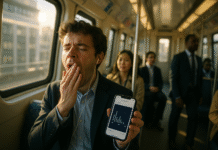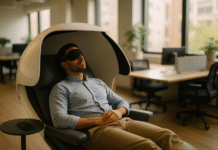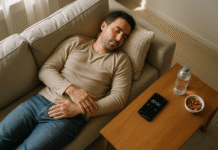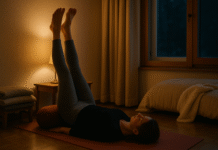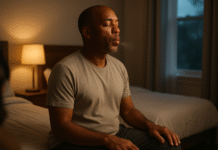



















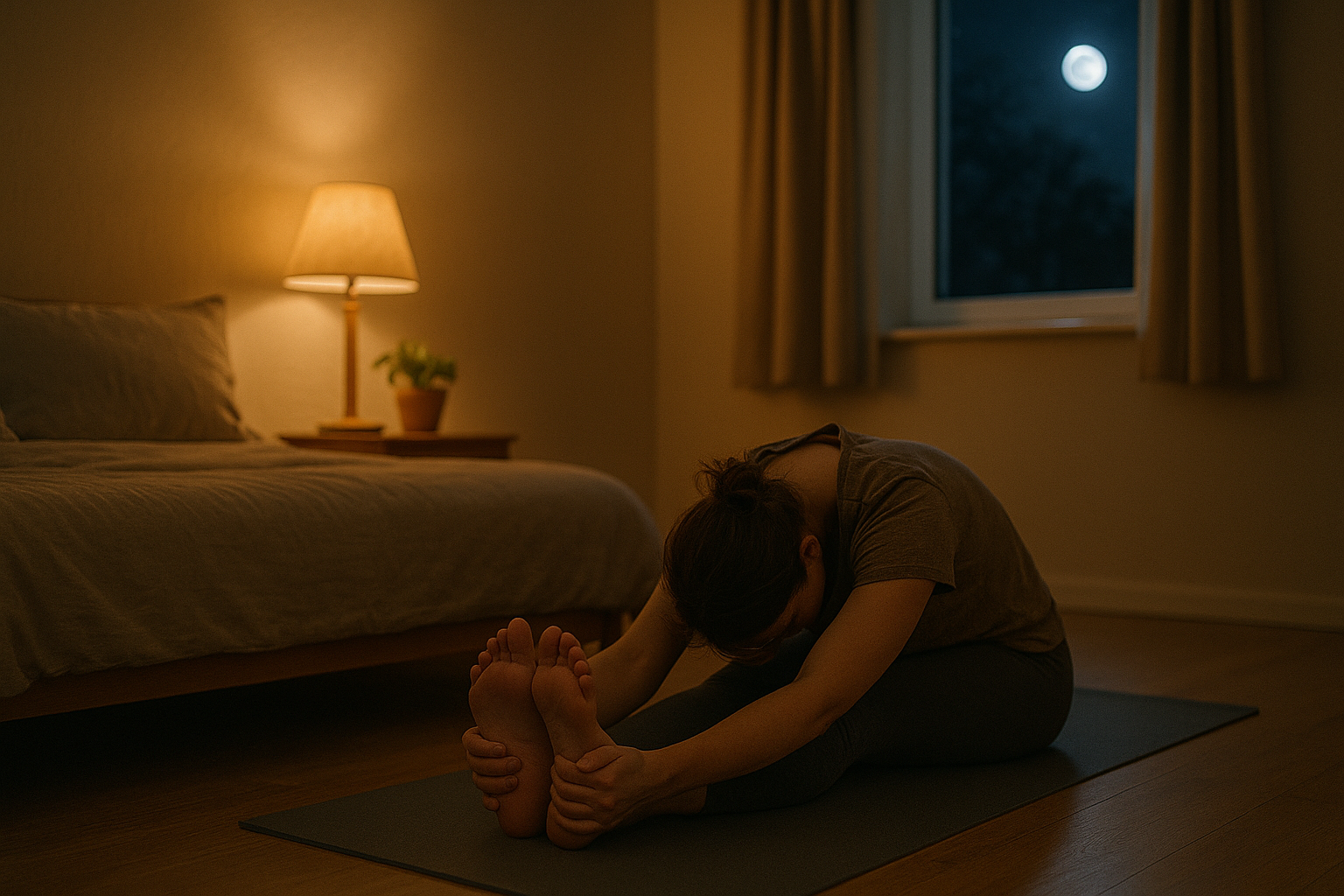
A calm body makes for a calmer mind. If muscular tightness or desk stiffness keeps you wired at night, these gentle stretching routines for bedtime are designed to release tension, slow your breathing, and ease you into sleep—no sweat, no strain, just slow movements and steady exhales. In simple terms: a bedtime stretch is a short, low-intensity sequence (typically 5–10 minutes) that lengthens tight areas and activates relaxation so you drift off more easily. For most people, light stretching in the evening feels soothing and may support better sleep quality as part of a consistent wind-down routine. As with any body practice, stop if you feel pain and adapt to your mobility. If you have an injury, recent surgery, or a health condition, check with a clinician first.
Quick start (2 minutes):
- Dim lights, silence notifications, and set a gentle timer for 5–10 minutes.
- Breathe in through your nose and out slowly through pursed lips (longer exhale).
- Move within a “mild stretch” sensation—never sharp or painful.
- Hold each stretch ~20–30 seconds; repeat 1–3 times per side.
- Finish with 1 minute of quiet, legs supported, eyes closed.
1. Desk-Release Upper Body Reset (5 Minutes)
This routine loosens your neck, shoulders, and upper back—the areas that tighten after a day of screens. It starts seated and stays gentle, so you can do it on a mat, the edge of your bed, or even a chair. The goal is to downshift your nervous system while improving mobility where most people feel knotted at night. Begin with long exhales to cue relaxation, then use slow arcs and holds to lengthen the sides of your neck (upper traps), front of your chest (pecs), and the muscles between your shoulder blades (rhomboids). Expect a distinct “lightness” through your collarbones and a quieter headspace afterward. If you carry tension headaches, this pattern is often the biggest win in the shortest time. Always avoid compressive end-ranges—ease in, breathe, and ease out.
Steps:
- Neck side bend with support (R/L): Sit tall, right hand lightly over head, tip right ear toward right shoulder; left hand rests down. 20–30s each side.
- Seated shoulder rolls: 6 slow circles forward, 6 back.
- Cross-body shoulder stretch (R/L): Gently hug upper arm across chest; 20–30s each.
- Chest doorway/bedframe stretch (R/L): Forearm on doorframe or bedpost, step through slightly; 20–30s each.
- Seated thoracic hug: Hands on shoulders, round upper back, breathe into shoulder blades for 20–30s.
1.1 Why it matters
Neck/shoulder tightness elevates perceived stress and can keep your breathing shallow—counterproductive at bedtime. Gentle static holds in this region reduce muscle tone and can feel sedating when paired with slow breathing.
1.2 Numbers & guardrails
Hold non-painful stretches ~10–30 seconds; repeat 2–4 times as desired. Keep intensity at “mild to moderate.” If tingling or numbness appears, reduce range or stop.
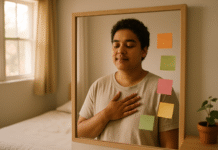
Close by placing both hands over your heart and breathing slowly for three cycles—notice how the shoulders settle as your exhale lengthens.
2. Lower-Back Unwind: Hamstrings, Glutes & Spine (6 Minutes)
This floor sequence targets the back line of your body: hamstrings, glutes/piriformis, and lumbar muscles that often feel cranky after sitting or standing all day. The safe way to help a sore lower back at night isn’t aggressive bending; it’s gentle decompression and balanced lengthening with controlled breathing. You’ll move from a lying hamstring hold to a figure-4 glute stretch, then finish with a low-key spinal twist. Expect a sensation of “space” in your hips and a calmer back, which can remove one barrier to comfortable sleep positioning. If you struggle with tight hammies, use a towel or strap to avoid tugging at your low back.
Steps:
- Supine hamstring stretch (R/L): Loop a strap/towel around foot; extend knee comfortably. 20–30s x 1–2 each side.
- Figure-4 glute stretch (R/L): Ankle over opposite knee; gently pull thigh in. 20–30s.
- Knees-to-chest: Hug both knees; small rocks side to side for 20–30s.
- Supine spinal twist (R/L): Knees drop to side; arms in a T. 20–30s each.
2.1 Numbers & guardrails
Keep holds within 10–30 seconds; if lower back pinches, reduce knee extension or bend opposite knee. Twists should be soft—focus on length, not torque.
2.2 Common mistakes
Pulling the leg aggressively (hamstring cramps), cranking the twist, or holding the breath. Use slow nasal inhales and longer, quiet exhales to signal relaxation.
End with a neutral spine, flattening your breathing into an easy rhythm—notice the back settling into the floor.
3. Hip-Opener Flow for Chair Hips (6–8 Minutes)
If your day involves long sitting, hip flexors (front of hips) and adductors (inner thighs) often limit comfort in bed. This flow opens those areas while calming the system. You’ll move from supported lunge to gentle inner-thigh opening and then a couch-style quad release. The point isn’t flexibility records; it’s enough length to let your pelvis rest neutrally so you’re not tossing and turning to “escape” stiffness. Do this barefoot on a mat or rug with a cushion for your knee if needed. People frequently report that this routine makes side-sleeping feel more natural.
Steps:
- Low lunge with cushion (R/L): Back knee padded, torso tall, gentle tuck of pelvis; 20–30s.
- Adductor rock-backs: Wide kneel, hands down; shift hips back and forth 6–8 reps each side.
- Supported butterfly: Soles together, knees out; sit tall or recline with pillows; 30–45s.
- Couch quad stretch (R/L): Shin to wall/couch, knee padded; torso upright. 20–30s.
3.1 Why it matters
Tight hip flexors can tilt the pelvis forward and increase low-back tension; light evening stretching can reduce discomfort and improve ease in sleep positions.
3.2 Numbers & guardrails
Aim for a comfortable 10–30 second hold per position, repeating 1–2 rounds. Keep balance aids nearby; never force knees downward in butterfly—let gravity and breath do the work.
Finish seated, noticing the increased warmth through your hips; carry that softness into bed.
4. Calf & Foot Soothe (Plantar Ease) (5 Minutes)
Restless lower legs and cramped arches can make drifting off surprisingly hard. This mini-sequence releases calves (gastrocnemius/soleus) and the plantar fascia—often tight from shoes, walking, or standing. By easing these tissues, you may reduce nocturnal cramps and fidgeting that fragment sleep. Perform near a wall or step; use a rolled towel if you lack a slant board. Finish with ankle circles to invite circulation and a grounded, heavy-leg feeling.
Steps:
- Calf wall stretch (straight knee, R/L): Heel down, toes forward, lean in. 20–30s.
- Soleus stretch (bent knee, R/L): Shorten stance, bend both knees slightly. 20–30s.
- Plantar fascia roll: Sit and roll arch over a tennis ball for ~45s per foot (light pressure).
- Ankle circles: 8–10 slow circles each direction, each foot.
4.1 Numbers & guardrails
Short static holds (10–30s) are enough at night. Use a 0–10 effort scale and stay around 3–4/10 “mild stretch.” Rolling should never feel sharp; skip if tender points “bite.”
4.2 Why it helps sleep
Reducing distal muscle tone decreases the urge to move and pairs well with a calming bedtime routine that includes relaxation and gentle movement.
Shake the legs out lightly and notice the “heavy feet” sensation—great for anchoring attention before lights out.
5. Full-Body Floor Flow (Breath-Led) (7 Minutes)
This is the classic “minimal effort, maximal calm” sequence: Cat-Cow for the spine, Child’s Pose for hips and back, Sphinx for gentle front-body opening, and a supine twist to close. It’s ideal when you feel frazzled and need a reliable way to transition from “day brain” to “night body.” The movements are slow and rhythmic, guided by your exhale. Keep everything within a small, comfortable range; you should feel soothed, not stretched to the limit. Many find this routine consistently lowers heart rate and quiets rumination when done in a dim, warm space with phones away.
Steps:
- Cat–Cow (6–8 cycles): Inhale lift chest/tail; exhale round and gently hug ribs.
- Child’s Pose (30–45s): Knees apart or together; support torso with pillow if tight.
- Sphinx (20–30s): Forearms down, chest forward, jaw relaxed.
- Supine twist (R/L, 20–30s): Knees to side; gaze opposite.
5.1 Numbers & guardrails
Keep holds and reps modest at night; emphasize breath cadence (e.g., 4-count inhale, 6-count exhale). If back is sensitive, reduce spinal extension in Sphinx and widen knees in Child’s Pose.
5.2 Why it matters
Evening stretching and gentle yoga sequences can improve perceived sleep quality and promote relaxation, particularly when paired with consistent sleep hygiene.
Close lying on your back, one hand on belly, one on chest—feel the exhale soften your body into the floor.
6. Restorative “Wall” Routine (Legs Up + Hamstrings) (6 Minutes)
For heavy legs or a buzzing mind, nothing beats a wall. Elevating your legs can feel deeply restful, reducing the sense of pressure in your calves and shifting attention from racing thoughts to gentle bodily cues. Start with Legs Up the Wall, then add a light hamstring “doorway” stretch and ankle mobility. The goal is comfort: support your low back with a folded blanket if needed, and keep knees softly bent. Expect a distinct “settling” as your breath slows and your visual field narrows (dim light helps).
Steps:
- Legs Up the Wall (2 minutes): Hips 8–12 cm from the wall; knees soft; breathe slowly.
- Doorway hamstring (R/L): One heel on wall, opposite leg bent; 20–30s.
- Ankle pumps & circles: 10–12 each, gentle.
6.1 Numbers & guardrails
Stay shy of numbness/tingling; if hamstrings tug, scoot further from the wall. Keep it easy: light tension is enough to invite calm in the evening.
6.2 Why it matters
Gentle restorative postures and slow breathing are a time-tested combo for pre-sleep relaxation and are commonly included in expert bedtime routines.
Roll to one side to exit, sit for a few breaths, and enjoy the weightless feeling in your legs.
7. Side-Lying Sleep Prep (Shoulders, Lats & Quads) (5–7 Minutes)
Side-sleepers often feel tight along the outer hip and side body (lats), as well as the front of the thigh (quads). This routine is done mostly lying on your side with a pillow between your knees—mimicking your sleep position—so the benefits translate directly to bed. You’ll gently lengthen the side body, open the front of the thigh, and calm the neck/shoulders without loading your spine. It’s perfect when you’re already in PJs and want to keep effort near zero while getting real relief.
Steps:
- Side-lying overhead reach (R/L): Top arm arcs overhead; breathe into ribs. 20–30s per side.
- Prone quad stretch with strap (R/L): Roll slightly forward; strap around ankle; draw heel toward glutes gently. 20–30s.
- Thread-the-needle (R/L): From hands/knees, slide arm under chest, rest shoulder/head. 20–30s.
7.1 Numbers & guardrails
Holds of 10–30 seconds are sufficient. Keep the quad stretch mild—if the knee feels compressed, move the strap higher on the ankle and reduce range.
7.2 Mini-checklist
- Pillow between knees to keep hips neutral
- Slow exhale (count 6–8)
- No pinching in knee or shoulder
- Stop if numbness/tingling
Settle onto your side afterward and notice how your chosen sleep position feels immediately more natural.
8. Bed-Only Routine (No Floor Needed) (6 Minutes)
No mat? No problem. This on-the-mattress sequence releases the lower back and hips without leaving your covers. It’s especially handy in cold rooms or when you’re traveling. Because beds are soft, think “gentle and supported,” not deep stretch. The aim is ease: invite length, breathe slowly, and let the mattress do half the work. Many find this routine becomes a ritual—two minutes of breath, a few comforting shapes, then lights out.
Steps:
- Supine knees-to-chest: Single leg (R/L) then both; 20–30s.
- Figure-4 on bed (R/L): Keep hips heavy; draw thigh in only as far as comfortable. 20–30s.
- Reclined bound angle: Soles together; pillows under thighs for 45–60s.
- Gentle supine twist (R/L): Knees to side, small range; 20–30s.
8.1 Why it matters
Stretching and other relaxing wind-down activities—reading quietly, soft music, breathing—are associated with easier sleep onset when built into a consistent routine. This bed-only option makes that consistency easier.
8.2 Numbers & guardrails
Avoid big ranges on a soft surface. Short holds (10–30s) with 2–4 rounds beat one long, forced stretch at night. If the low back grumbles in twists, stack pillows between knees.
Turn onto your preferred side, tuck the pillow just right, and notice the absence of tuggy hips.
9. Breath-Led Stretch & 4-7-8 Wind-Down (5 Minutes)
When your mind races, pairing light stretches with a simple breathing cadence can be magic. This routine uses easy shapes and the 4-7-8 rhythm (inhale 4, hold 7, exhale 8) to cue your parasympathetic system. Start small—two to three rounds—because longer breath holds can feel intense. Most people notice their exhale lengthening naturally after a minute or two, which signals the body to relax. Keep everything cozy: low light, warm socks, and minimal effort.
Steps:
- Seated side reach (R/L) with 4-7-8: One hand to floor, other overhead; 2 rounds of 4-7-8 per side.
- Forward fold seated (supported): Hinge from hips onto a pillow; 3 rounds of 4-7-8.
- Hands-to-heart stillness: Sit or lie back for 1 minute, normal breathing.
9.1 Why it matters
A pre-sleep routine that includes gentle stretching, breathing, and relaxation exercises is commonly recommended to improve sleep readiness and may reduce time-to-sleep for many people.
9.2 Numbers & guardrails
If breath-holds feel uncomfortable, switch to a simpler pattern (e.g., inhale 4, exhale 6) and keep stretches at mild intensity. The objective is calm, not “stretching success.”
End lying down, palms on your belly, noticing the slow rise-and-fall.
10. Two-Minute Micro-Flow (On Nights You’re Exhausted)
Some evenings you’re too tired to commit—but a tiny dose still helps. This standing micro-flow requires no mat and takes about two minutes. The emphasis is slow transitions and gravity-assisted lengthening, with your exhale doing most of the work. It’s perfect after a late commute or on nights you’d otherwise skip your wind-down entirely. Even a short, predictable ritual trains your brain to expect sleep afterward.
Steps:
- Wall shoulder opener (R/L): Forearm to wall, turn gently away; 20–30s each.
- Standing side-reach (R/L): Hand to hip, other arm arcs overhead; 15–20s.
- Ragdoll fold: Knees soft, torso drapes over thighs, sway gently; 20–30s.
- Standing quad touch (R/L): Lightly hold ankle behind you (or rest on couch); 15–20s.
- Slow neck arcs: Chin down, small semicircles x 3–4.
10.1 Common mistakes
Rushing, bouncing, or yanking the heel in quad stretch. Keep holds short, ranges small, and breathing steady.
10.2 Numbers & guardrails
Static holds in the 10–30 second range are sufficient; aim for a 3/10 effort and finish before you feel “stretch fatigue.” Consistency—even at two minutes—beats sporadic long sessions.
Turn off the lights right after this sequence to hard-link the habit to sleep.
FAQs
1) How long should a bedtime stretching routine take?
Most people do well with 5–10 minutes. That’s enough time to release common tight spots (neck/shoulders, hips, hamstrings) without revving you up. If you’re exhausted, even 2–3 minutes helps—what matters most is a consistent pre-sleep ritual that signals wind-down.
2) What intensity is best at night?
Aim for mild to moderate—about 3/10 effort. You’re not trying to gain big flexibility at bedtime; you’re trying to relax. A light stretch with slow breathing triggers calm more reliably than deep, uncomfortable holds.
3) How long should I hold each stretch?
A common guideline is 10–30 seconds per hold, repeated 1–4 times, staying out of pain. At night, err toward the shorter end and emphasize longer exhales to avoid overstimulation.
4) Can stretching before bed really improve sleep?
Stretching by itself won’t cure chronic insomnia, but as part of a wind-down routine—dim lights, relaxed breathing, quiet environment—it can ease tension and help you fall asleep more easily. Gentle yoga/stretch routines are often recommended within sleep hygiene advice.
5) Is it okay to stretch on the bed instead of the floor?
Yes—just keep ranges smaller because a mattress is soft. Use pillows to support your knees or thighs, stop if your low back complains, and focus on breath-led ease rather than deep angles.
6) What if I have back pain or an injury?
Avoid painful movements and consult a clinician before starting new routines. Favor gentle, supported positions (e.g., knees-to-chest, supported child’s pose) and skip aggressive forward bends or twists. Pain is a “no.” When in doubt, keep it smaller and slower.
7) Which stretches help most if I sit all day?
Target hip flexors, adductors, hamstrings, and upper back/shoulders. Low lunge, supported butterfly, hamstring strap holds, and thoracic openers are efficient. Pair them with long exhales for best results.
8) Should I add breathing techniques like 4-7-8?
If it feels comfortable, yes. Many people find that pairing mild stretching with simple breathing patterns (e.g., 4-7-8 or inhale 4/exhale 6) makes it easier to switch off for the night. If breath-holds feel stressful, skip the hold and just lengthen the exhale. Sleep Foundation
9) How close to bedtime should I stretch?
Within the last 30–60 minutes is fine for most. Keep the environment quiet and dim, and wrap up screens and emails beforehand so your nervous system isn’t fighting the relaxation signals from the stretches.
10) Will I lose flexibility if I only stretch at night?
You’ll likely maintain or modestly improve comfort and range, but bigger flexibility gains usually come from regular practice at any time of day. Night sessions are primarily for relaxation; consider short daytime mobility breaks if deeper gains are your goal.
Conclusion
A good bedtime isn’t about doing more—it’s about doing less, on purpose. These ten gentle stretching routines for bedtime give you just enough movement to release the knots, and just enough structure to help your brain let go of the day. Keep the lights low, breathe a little longer on the exhale, and stay in the “mild stretch” zone where your body feels safe. Build a simple ritual: perhaps Routine 1 on desk-heavy days, Routine 2 when your back grumbles, and the Wall or Bed-Only options when energy is low. Over a week or two, you’ll likely notice you get drowsy sooner as your system learns the pattern. If sleep problems persist or worsen, combine these sequences with broader sleep hygiene (consistent schedule, cooler room, fewer late screens) and talk with a clinician for tailored guidance. Start tonight with five quiet minutes—then switch off the light and let the calm carry you to sleep. Ready? Pick one routine and exhale.
References
- Stretching Before Bed, Sleep Foundation, updated July 16, 2025. Sleep Foundation
- How to Build a Better Bedtime Routine for Adults, Sleep Foundation, updated July 22, 2025. Sleep Foundation
- The Ideal Stretching Routine, Harvard Health Publishing, January 9, 2025. Harvard Health
- Stretching it out, Harvard Health Publishing, May 1, 2023. Harvard Health
- Page, P. Current Concepts in Muscle Stretching for Exercise and Rehabilitation, International Journal of Sports Physical Therapy, 2012. PMC
- Bedtime Yoga for Better Sleep: A 10-Pose Routine to Try, Cleveland Clinic, December 6, 2021. Cleveland Clinic
- Healthy Sleep Tips, Sleep Foundation, updated July 22, 2025. Sleep Foundation
- Breathing and Relaxation Exercises, NHS inform, January 28, 2025. NHS inform
- Physical Activity Guidelines (Flexibility & General Recommendations), American College of Sports Medicine, accessed August 2025. ACSM
- Sleep Hygiene: 7 Tips for a Better Bedtime Routine, Cleveland Clinic, September 25, 2023. Cleveland Clinic