
























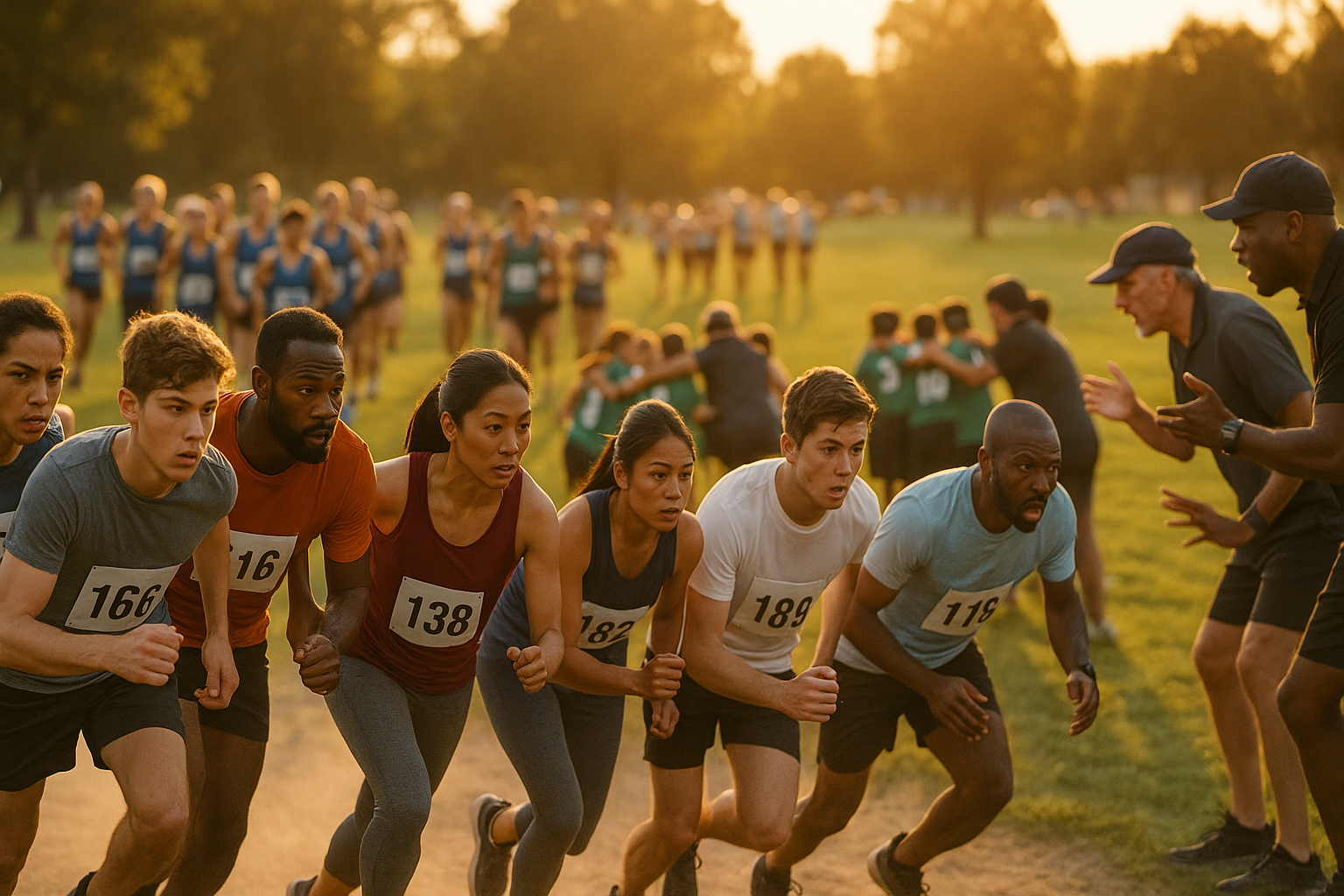
When you sign up for a marathon, join a workplace step challenge, or commit to a local five-a-side league, you’re not just adding a date to your calendar—you’re plugging into a system that makes motivation easier. Group challenges and events create clear, time-bound goals, real social support, and a feedback loop of progress that keeps you showing up even when willpower dips. In this guide, you’ll learn exactly how to pick and prepare for the right event, use teams and tools to stay accountable, and turn race day or game day into a springboard for long-term fitness.
Quick definition: Group challenges and events are time-bounded goals done with others—like 5Ks, charity bike rides, step-count competitions, and community team sports—that harness social support and shared milestones to help you stay active.
Brief safety note: the strategies below are educational, not medical advice. If you have health concerns or are new to exercise, consult a qualified professional first.
1. Choose the Right Event and Distance for Your Start Point
Picking the right challenge is the single most important motivator because appropriate difficulty leaves you excited—not overwhelmed. The best event meets you where you are today, not where you wish you were. If you’re newer to endurance, a 5K or 10K offers frequent local options and a short, confidence-building training arc. If you already run 3–4 days per week, a half marathon may be realistic. For team sports, start with recreational divisions that match your schedule and skill, then progress to more competitive tiers as your fitness and skills improve. Early wins matter; they generate momentum and make you more likely to keep training week after week.
How to do it
- List your constraints: time per week, budget, travel radius, preferred surfaces (road/trail/turf).
- Match event to baseline: 5K (6–10 weeks prep), 10K (8–12 weeks), half marathon (10–14 weeks), marathon (often 16–20 weeks for novices—see reputable beginner plans).
- Check the calendar: pick a date 2–5 months out for short events; 4–6+ months for longer ones.
- Scan course and conditions: elevation, temperature history, start time, and cutoffs.
- For team sports: choose leagues with flexible subs, tiered divisions, and posted rules.
Numbers & guardrails
- Public health guidelines recommend 150–300 minutes/week of moderate activity or 75–150 minutes vigorous, plus muscle-strengthening 2+ days/week, which you can meet via most event training plans.
Bottom line: a well-matched event turns training into a series of doable steps, which is the surest path to consistent motivation.
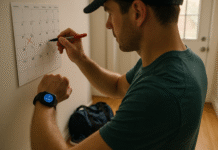
2. Lock It In: Register, Pay, and Publicly Commit
Registration transforms “someday” into a date. Precommitment—putting money down, telling friends, joining a roster—reduces procrastination and creates benign social pressure. Field experiments show that commitment contracts and incentives can boost gym attendance and follow-through versus vague intentions. While deposit contracts often have lower uptake, they still help those who choose them; the key is having skin in the game. For team sports, roster deadlines and league fees work the same way: once you’re in, you show up.
Tools/Examples
- Commitment contracts: stickK, Beeminder, or club deposits.
- Public callouts: announce your event, recruit a training buddy, join the team chat.
- Workplace wellness: step challenges with teams and small stakes.
Mini case
- In a large workplace field experiment, incentives and commitment devices increased exercise participation and helped create short-term habits that outlived the initial incentive period.
Bottom line: a date, a fee, and a friend make training “non-negotiable”—and that’s a motivation superpower.
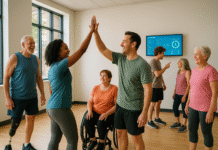
3. Build (or Join) a Training Group or Team
Humans are social movers. Training with others increases accountability, enjoyment, and adherence. Community running (e.g., parkrun), club rides, and recreational leagues provide structure plus belonging—two ingredients linked to better mental health and sustained activity. Evidence suggests that sport participation, particularly team sports, is associated with improved psychological and social outcomes in adults, and social support predicts better adherence over time. PMC
How to do it
- Local options: running clubs, parkrun, community soccer/basketball leagues, tri clubs.
- Online layers: Strava clubs, Garmin Connect groups, WhatsApp/Discord accountability chats.
- Roles & rituals: captains, carpools, post-session debriefs—simple habits that cement the group.
Why it matters
- Community events like parkrun consistently report perceived gains in physical and mental well-being and social connection among participants, including those from deprived areas.
Bottom line: join people who do what you want to do; motivation becomes the default.
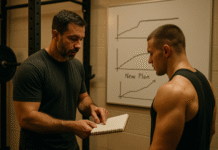
4. Use a Periodized Plan That Fits the Event
A plan is motivation made visible. Periodization organizes your weeks into progressive phases so fitness climbs without burning you out. For endurance events, most beginner marathon plans run ~16–20 weeks, while 5K/10K/half-marathon plans are shorter; they typically blend easy mileage, one quality session per week, and a long run that grows gradually. Team-sport plans combine aerobic conditioning, change-of-direction work, skills, and small-sided games. The right plan starts below your current ceiling and adds load methodically.
How to do it
- Pick a reputable template: validated beginner plans (e.g., 16–18-week marathon plans from well-known coaches), or league-provided pre-season guides.
- Anchor key days: one quality workout, one long session, 2–3 easy sessions, 1–2 strength days.
- Progress gradually: increase total load conservatively and schedule cut-back weeks every 3–4 weeks.
Numbers & guardrails
- The taper before your “A” event improves performance when volume is reduced by ~41–60% for ~2 weeks, while maintaining intensity/frequency—use this to arrive fresh.
Bottom line: a realistic, progressive plan keeps you improving—and that steady progress keeps you motivated.
5. Track What Matters: Simple Metrics that Drive Consistency
Measurement fuels motivation by making progress visible. For runners and cyclists, track easy pace, long-run duration, and perceived exertion (RPE); for team sports, track attendance, minutes played, and key skills (e.g., successful passes, shots on goal). RPE is simple and powerful: a 0–10 or 6–20 scale that correlates with physiological stress and helps prevent overcooking sessions. Add occasional time trials (e.g., 1–3 km runs), the talk test, or submaximal heart-rate checks to gauge fitness without racing every week.
Tools/Examples
- Apps: Strava, Garmin, Polar, TrainingPeaks.
- Checks: monthly parkrun, pickup games, or scrimmages to benchmark progress.
- Talk test: you can speak in full sentences at moderate intensity; it gets choppy at vigorous.
Numbers & guardrails
- The validated RPE and talk test methods are practical ways to monitor intensity if lab testing isn’t available. Human Kinetics Journals
Bottom line: what you measure, you improve—keep it simple so you actually do it.
6. Add Strength Training to Boost Performance and Cut Injury Risk
Strength work is one of the highest-ROI habits for endurance athletes and team-sport players. It improves running economy, power, and resilience, and meta-analyses show strength training meaningfully reduces sports injuries, especially overuse. Aim for 2–3 sessions/week in base periods (40–60 minutes), and maintain 1–2 sessions in season. Focus on compound lower-body lifts, posterior chain, and trunk stability; add unilateral work to shore up imbalances common in runners and field-sport athletes.
Mini checklist
- Core menu: squats or split squats, hinges (deadlifts/hip thrusts), lunges, step-ups, calf raises, rows/presses, anti-rotation.
- Progression: heavier loads (3–6 reps) for strength; moderate loads (6–12) for hypertrophy.
- Timing: separate from key speed/long sessions by 6–24 hours.
Evidence snapshot
- A landmark meta-analysis found strength training cut injury risk to less than one-third and roughly halved overuse injuries across sports.
Bottom line: two short strength sessions per week can keep you healthy enough to stay motivated and keep training.
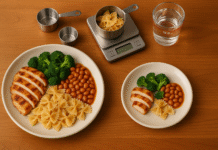
7. Nail Your Fueling and Hydration (Practice Before Event Day)
Good fueling turns training into performance and mood stability. For sessions longer than ~90 minutes, most athletes benefit from 30–60 g of carbohydrate per hour; for very long events, trained guts can handle up to ~90 g/h using multiple transportable carbs (glucose + fructose). Hydration is individualized—practice in conditions similar to your event and aim to avoid excessive dehydration while also avoiding overdrinking. Learn your sweat rate in different weather, and rehearse your gel, drink, and salt strategy during long sessions so nothing is new on the big day.
How to do it
- Train the gut: start with 20–30 g/h, progress to your target intake.
- Count the math: 1 gel ≈ 20–25 g CHO; sports drinks vary (check labels).
- Hydration: weigh before/after a long session; ~1 kg loss ≈ ~1 L fluid (replete sensibly).
Numbers & guardrails
- Position stands and reviews recommend 30–60 g/h carbs for 1–2.5 h endurance, and up to 90 g/h for longer durations with mixed carb types; hydration guidance emphasizes individualized plans to limit large body-mass losses while avoiding hyponatremia.
Bottom line: practice your plan early; the right fueling makes hard efforts feel surprisingly doable—which is wildly motivating.
8. Master Pacing, Warm-Up, and Race/Game Logistics
Motivation goes up when you know exactly what to do. For long endurance events, aim for even or slightly negative pacing: hold back early, then close strong. For team sports, arrive early, warm up progressively, and be clear on roles and rotations. Lay out your kit the night before, prep your bottle and gels, and have a simple mantra for when it gets hard (“smooth, tall, quick”).
Tools/Examples
- Pacing tools: GPS watch auto-lap, pace bands, or coach-set segments.
- Warm-up: 10–20 min easy movement + short buildups/strides; then go.
- Contingencies: bathroom line, bag drop, weather layers, shoe lacing.
Evidence snapshot
- Reviews suggest prolonged events generally benefit from even pacing (or slight negative splits) compared to aggressive positive splits that spike early fatigue.
Bottom line: logistics and pacing turn nerves into a plan—so you can execute instead of guess.
9. Use Social Accountability Tools and Friendly Competition
Leaderboards, team points, and streaks add a game layer to training. Workplace step challenges and community leagues are effective because they blend peer visibility with cooperative goals. Even simple devices—posting workouts to a club, weekly check-ins, or a “no-zero-days” streak—nudge you to move. The goal isn’t punishment; it’s connection and feedback.
How to do it
- Pick one metric: steps per day, weekly minutes, or total sessions.
- Weekly ritual: team screenshot and shout-outs.
- Friendly constraints: minimum movement goals on busiest days (e.g., 10-minute recovery walk).
Why it matters
- Group-based and social-support interventions improve participation and adherence across ages and settings; team sport participation shows additional mental and social benefits for adults versus solo exercise. BioMed Central
Bottom line: when your effort is seen by others and contributes to a team goal, you’ll feel pulled forward.
10. Prepare for Heat, Terrain, and Weather (and Acclimate if Needed)
Environmental fit is motivation insurance. Nothing derails confidence like a hot, hilly race you didn’t prepare for. If your event will be hot, heat-acclimate with repeated exercise-heat exposures for ~1–2 weeks, maintain hydration, and consider pre-cooling strategies. Practice on similar terrain and surfaces; for team sports, simulate match demands with small-sided games on the actual field. Have weather-flexible plans (layers, hat, sunscreen, alternate footwear) and adjust pacing on extreme days.
Mini checklist
- Heat: 7–14 days of progressive heat exposure; arrive euhydrated; cool when possible.
- Hills: add rolling long runs or hill circuits; practice descents.
- Wind/rain: pack extra socks, apply anti-chafe, adjust tactics.
Evidence snapshot
- Consensus statements recommend 1–2 weeks of heat acclimatization plus hydration and cooling strategies to reduce physiological strain and protect performance in hot events.
Bottom line: train for the day you’ll actually face—your body (and motivation) will thank you.
11. Taper and Recover Like It’s Part of the Event
The final weeks are where patience pays off. Keep intensity sharp but cut volume 40–60% for ~2 weeks to supercompensate. Sleep a bit more, keep easy days truly easy, and don’t chase last-minute PRs. After the event, schedule active recovery (walks, mobility, light spins), then return to normal training gradually. For team sports, treat tournament weeks like mini-tapers, keeping skills crisp while trimming volume.
How to do it
- Maintain rhythm: same training days, shorter durations.
- Fuel normally: keep carbs up to replenish and top off.
- Post-event: 1–2 very light weeks, then build.
Evidence snapshot
- Meta-analysis across sports: a ~2-week taper with 41–60% volume reduction is associated with improved performance when intensity/frequency are maintained.
Bottom line: the confident athlete is the rested athlete; taper and recovery keep the fire burning.
12. Keep the Community Going After You Finish
The best motivation trick of all? Don’t let the story end. Celebrate your finish, then convert the momentum into a next, right-sized goal. Volunteer at a community event, shift to an off-season strength block, or try a fresh team sport. Stay in your group chat; keep your Saturday meetups. Many participants report not just fitness gains but improved connection and well-being from community events—benefits that compound when you stay involved beyond race day or playoffs.
How to do it
- Post-event debrief: what worked, what to adjust, what you loved.
- Next step: a 5K fun run, new league season, or a skill clinic.
- Give back: volunteer, mentor a newcomer, or co-lead a beginner session.
Bottom line: finish lines make great starting lines—keep your people and your habits.
FAQs
1) What exactly counts as “group challenges and events”?
Anything with a shared, time-bounded goal: road/trail races (5K to marathons), charity rides, tri relays, workplace step or minutes-moved contests, community parkruns, and recreational team leagues. The unifying features are a date, a group, and public accountability—three things that reliably boost follow-through.
2) How do I choose the right race distance or league level?
Match to your baseline and the time you can train. If you can walk/jog 30–40 minutes, a 5K is a safe first target; if you’re running 3–4 days/week comfortably, a 10K or half may fit. For team sports, start with beginner or social divisions and reassess after a season. Early successes build confidence and keep motivation high.
3) How long do I need to train?
Short events (5K) can be prepped in ~6–10 weeks; 10K in ~8–12; half marathon in ~10–14; novice marathons often use ~16–20 weeks. In leagues, allow 4–6 weeks of pre-season conditioning to reduce aches and get your skills sharp. Use conservative progressions and plan cut-back weeks every 3–4 weeks.
4) Do team sports really help motivation more than solo exercise?
Both are great for health, but systematic reviews suggest team sports often provide additional mental and social benefits for adults—thanks to belonging, shared goals, and regular schedules—factors that make consistency easier.
5) What simple metrics should I track?
Keep it minimal: sessions per week, one quality marker (e.g., time for a 1–3 km effort), and RPE. For team sports, track attendance and a couple of role-specific stats (e.g., successful passes). The talk test and RPE are practical intensity guides without lab gear.
6) How should I fuel and hydrate?
For efforts >90 minutes, practice 30–60 g of carbs per hour (up to ~90 g/h for very long events using mixed carb types). Hydrate to avoid large body-mass losses while steering clear of overdrinking; personalize via sweat-rate checks in training. PMC
7) What about heat on race or game day?
If your event is likely hot, invest 1–2 weeks of heat-acclimation sessions, maintain hydration, and consider pre-/mid-cooling strategies. Adjust pacing for conditions and wear light, breathable kit.
8) How do I avoid injuries while ramping up?
Add load gradually, keep 1–2 rest days/week, and include 2+ days of strength training to bolster tissues. Evidence links strength work to meaningful reductions in both acute and overuse injuries.
9) Is tapering really necessary?
Yes. A structured taper (about 2 weeks, ~41–60% volume reduction while keeping intensity) improves readiness and reduces the “dead legs” feeling on event day.
10) How do commitment tools help?
Putting money or reputation on the line changes behavior. Workplace field experiments show commitment devices and incentives can increase gym attendance and short-term habit formation that persists after incentives stop.
11) Are community runs like parkrun useful for beginners?
Yes—free, weekly, and welcoming. Surveys and studies report perceived improvements in physical and mental health and social connection among participants, including those who start inactive.
12) What if I lose motivation mid-plan?
Shrink the target (e.g., swap a workout for a 20-minute easy session), reconnect with your group, and revisit the “why” behind your event. Book a tune-up race or scrimmage to create an earlier milestone. Motivation often returns once you notch a small win.
Conclusion
Group challenges and events turn motivation from a feeling into a framework: a date, a plan, and a team. The structure makes your daily choice simple—show up for the group, follow today’s session, and do it again next week. Add a couple of strength sessions to guard against injury, practice your fueling and pacing so hard work feels smoother, and taper so you arrive with pop in your legs. Use accountability tools when life gets noisy, and train for the real conditions you’ll face. Most importantly, keep the community going after the finish—volunteer, mentor a newcomer, or line up the next right-sized goal. Start where you are, register for something that excites you, and let your group carry you forward.
CTA: Pick your event today, tell a friend, and add your first training meetup to the calendar—then show up.
References
- WHO Guidelines on Physical Activity and Sedentary Behaviour — World Health Organization, 2020. NCBI
- Physical Activity Guidelines for Americans, 2nd Edition (Executive Summary) — U.S. Department of Health and Human Services/ODPHP, 2018. Health.gov
- The Effectiveness of Exercise Interventions to Prevent Sports Injuries: A Systematic Review and Meta-analysis — Br J Sports Med, 2014. PubMed
- Effects of Tapering on Performance: A Meta-analysis — Med Sci Sports Exerc, 2007. PubMed
- Carbohydrate Intake During Prolonged Endurance Exercise (IOC/consensus and reviews) — Int J Sport Nutr Exerc Metab; Sports Med (various). Overview via GSSI/Jeukendrup review. https://link.springer.com/article/10.1007/s40279-013-0079-0 (Jeukendrup 2014); https://jsnmt.biomedcentral.com/articles/10.1186/s12970-017-0186-0 (general). (See also ACSM/IOC summaries.) PubMed
- Exercise and Fluid Replacement (Position Stand) — American College of Sports Medicine. Overview (Sawka et al.). https://pubmed.ncbi.nlm.nih.gov/17702626/ and ACSM hydration resources. (General hydration individualization.) PubMed
- Consensus Recommendations on Training and Competing in the Heat — Br J Sports Med (Racinais et al.), 2015; IOC Consensus 2022. ; PMCContentful
- Pacing Strategies in Endurance Events — Abbiss & Laursen, Sports Medicine, 2008; Marathon pacing systematic review (2024). ; PubMedPMC
- Incentives, Commitments, and Habit Formation in Exercise (Field Experiment) — American Economic Journal: Applied Economics, 2015. American Economic Association
- The Impact of Sports Participation on Mental Health and Social Outcomes in Adults: Systematic Review — Systematic Reviews, 2023. BioMed Central
- parkrun and Well-being: Selected Studies — BMC Public Health (2018, 2021); BJGP (2022). ; https://bmcpublichealth.biomedcentral.com/articles/10.1186/s12889-021-11986-0 ; BioMed CentralBritish Journal of General Practice
- ACSM & CDC Physical Activity Guidance (Muscle-Strengthening ≥2 Days/Week) — ACSM summary page. ACSM