









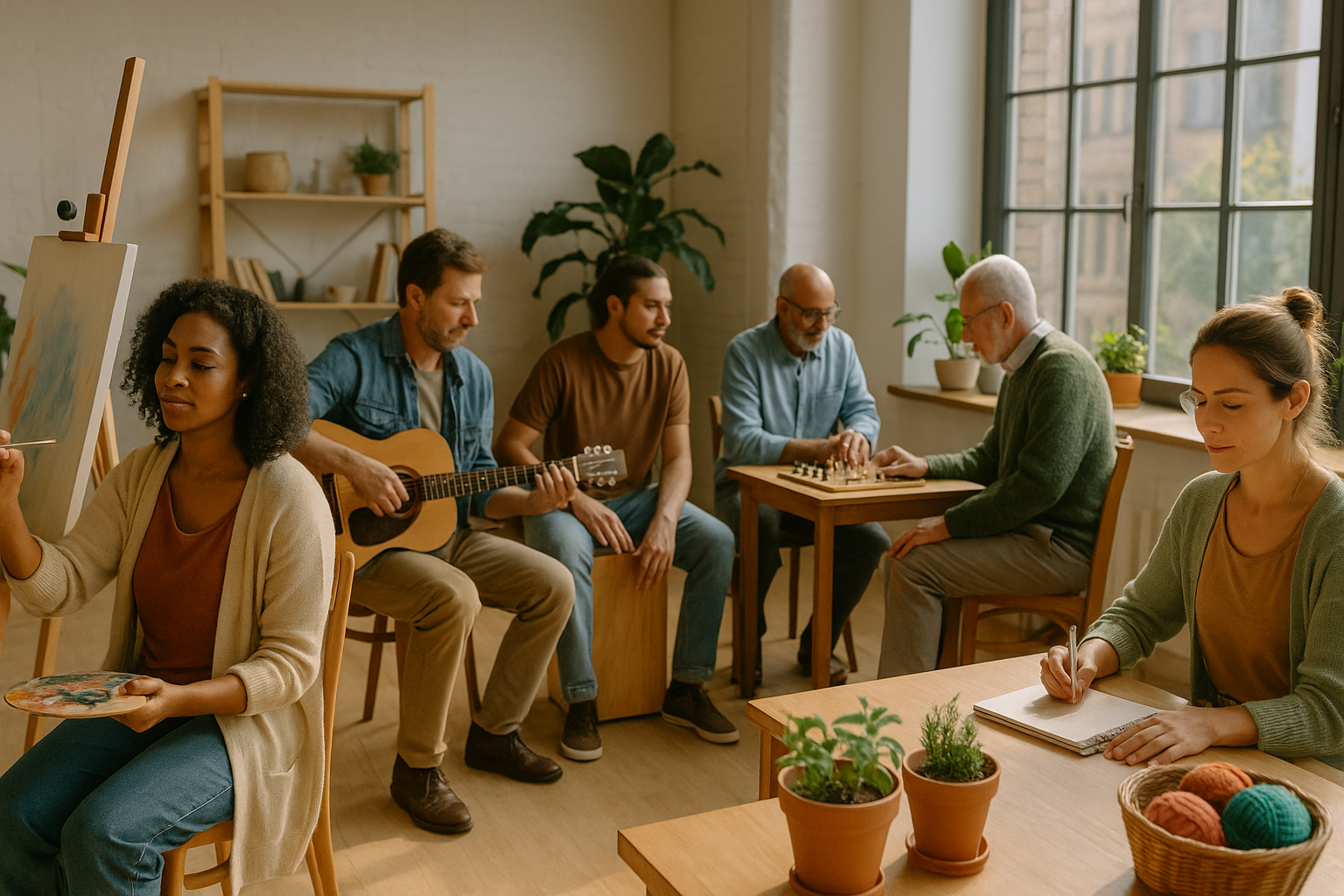
Leisure isn’t an indulgence; it’s a practical, research-backed way to protect your mind from stress, burnout, and low mood. When you consistently practice a hobby—gardening, drawing, hiking, knitting, chess, music—you create recovery time for your nervous system, strengthen coping skills, and add buffers against future adversity. This guide distills what current research says about how leisure activities boost mental resilience, with step-by-step ways to start or upgrade your routine today. Quick note: this article is educational and not medical advice; if you live with a mental health condition, consult a licensed clinician for personalized care.
In one line: Hobbies build resilience by improving mood and stress recovery, deepening social connection and meaning, training attention (“flow”), supporting sleep, and building skills that raise self-efficacy.
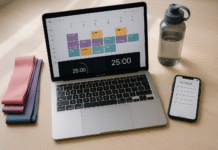
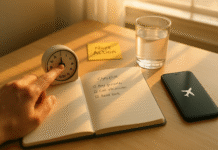
Fast start (5 steps): pick one low-friction hobby you can do at home; schedule two 30-minute blocks per week; set up your space and materials in advance; reduce phone distractions during the session; track stress and mood before/after for two weeks and adjust.
1. Hobbies Regulate Stress Physiology and Speed Recovery
The most immediate resilience win from hobbies is how they calm your body’s stress response and refill depleted reserves. Engaging in enjoyable, self-chosen activities triggers parasympathetic activity (the “rest and digest” system), lowers perceived stress, and is linked to better biomarkers such as blood pressure and waist circumference when practiced regularly. The mechanism is straightforward: predictable, intrinsically rewarding time helps your brain downshift from vigilance to restoration, and the cumulative “micro-recoveries” add up, making you less reactive the next time life gets messy. Think of this as strength training for your stress system—short, consistent sets beat the occasional marathon day off. Classic examples include fiber arts (knitting, crochet), model building, puzzles, slow cooking, and nature tending (plants or gardens)—all steady, absorbing, low-stakes tasks with clear feedback loops.
1.1 Why it matters
- Allostatic load buffer: Enjoyable leisure is associated with healthier physiological profiles over time, which translates to more capacity when stress spikes.
- Positive emotion effect: Positive experiences broaden attention and build longer-term resources (skills, relationships), a known pathway to resilience.
- Consistency > intensity: Small, repeated practices produce measurable benefits without needing a full “vacation mode.”
1.2 Mini-checklist (10 minutes to set up)
- Choose one hobby with low setup and teardown time.
- Put all materials in a visible, grab-and-go container.
- Set a repeating 30-minute calendar block; use Do Not Disturb.
Bottom line: Build two protected sessions per week—tiny but dependable—and you’ll notice stress becomes more manageable, not because life got easier, but because your nervous system did.
2. Leisure Lifts Mood and Counters Depression/Anxiety Through Activation
Depression and anxiety often pull people into avoidance and rumination; activation pulls the other way. Hobbies function like a “pleasant events” protocol: do small, doable, rewarding activities and mood follows. Large reviews indicate physical activity and structured behavioral activation reduce depressive and anxiety symptoms, while even non-exercise hobbies (arts, crafts, music) add reliable positive emotion and meaning. This is crucial for resilience: better baseline mood today is a stronger buffer tomorrow. If your energy is low, start with very short, easy versions of your hobby—five minutes of sketching lines, one song on guitar, repotting a single herb—and let momentum grow. As of August 2025, behavioral activation remains a first-line, skills-based approach you can pair with therapy or self-help plans.
2.1 How to do it this week
- Pair mood tracking with action: Note mood (0–10) before/after each session.
- Use “micro-goals”: Define done as “open notebook and draw for 5 minutes.”
- Celebrate completion, not output: Check off the action; perfection optional.
- Upgrade difficulty slowly: +10–15% time or challenge weekly.
2.2 Mini case (numeric)
- Baseline: 3 hobby sessions in 2 weeks; average mood +0.3 after sessions.
- After 4 weeks: 6 sessions; average mood +0.9, with 2 days reporting fewer anxious spirals.
- Intervention: shifting sessions to mornings and prepping materials night before.
Bottom line: Activation beats rumination. Treat your hobby like a scheduled prescription for mood momentum, not a reward you must “earn.”
3. Group Hobbies Build Belonging—A Core Resilience Shield
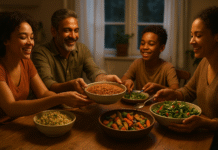
Loneliness is a risk factor for poorer mental and physical health; social connection is protective. Group leisure—choirs, book clubs, pick-up sports, tabletop games, community classes—adds routine, shared goals, and accountability while keeping stakes low and fun high. The resilience upside is twofold: you get immediate mood support in the moment and a broader safety net you can lean on during hard weeks. Importantly, “social” doesn’t have to mean large or loud: a weekly duo practice, a study circle, or a neighborhood gardening hour counts. If you’re shy or new to a city, start with structured formats (classes, clubs) where roles are clear and recurring. PMC
3.1 Common obstacles and fixes
- Introversion anxiety: Choose small groups (3–5) with clear agendas.
- Scheduling chaos: Rotate hosting and agree on a fixed day (e.g., first Tuesdays).
- Skill gaps: Use beginner-friendly formats (“learners’ night,” “slow jam”).
3.2 Region-savvy note
If you’re in a hot climate or have limited public spaces, try indoor evening meetups in libraries or community centers, or early-morning walking groups before heat and traffic peak.
Bottom line: Belonging is not a luxury add-on; it’s a resilience multiplier. Make at least one recurring social hobby appointment in your month.
4. Skill-Based Hobbies Grow Cognitive Reserve and Confidence
Learning instruments, languages, woodworking, sewing patterns, or strategy games forces your brain to form and reinforce new pathways—what neuroscientists describe as building “cognitive reserve.” Over time, engaging in stimulating leisure is associated with better cognitive outcomes in older adults and may reduce dementia risk, likely because complex tasks recruit networks for memory, attention, and executive function. Even if your goal isn’t brain health, mastering a scale on piano or finishing a tailored garment delivers “I can do hard things,” a potent resilience story to carry into work and relationships. Start tiny, log practice, and prefer deliberate practice over mindless repetition. PMC
4.1 Tools & examples
- Skill platforms: Yousician (music), Duolingo or italki (language), KnitCompanion (patterns).
- Deliberate practice loop: set a clear sub-skill → 15–25 minute focused reps → quick feedback (teacher/app/recording) → adjust.
- Progress notebook: weekly note of one thing that felt easier.
4.2 Numbers & guardrails
- 2–3 sessions/week × 20–40 minutes can produce noticeable gains in 4–8 weeks.
- Mix maintenance (review) with reach (slightly harder piece/pattern).
Bottom line: Choose a skill hobby that’s “just beyond” your current level. The compound interest isn’t only in your memory—it’s in your self-story.
5. Creative Arts Create Meaning, Expression, and Emotion Regulation
Whether you draw, sing, dance, write, or craft, the arts offer flexible ways to process emotions and craft meaning, which is central to resilience. A major scoping review from the World Health Organization synthesized thousands of studies showing arts participation supports prevention, mental health promotion, and recovery across the lifespan. Creative hobbies are especially useful when words fail or when you need safe emotional distance: you can narrate experiences through color, rhythm, texture, or movement and choose how publicly to share them. Make it light-lift: a daily 10-minute sketch, a weekend collage, or a short improv session.
5.1 How to begin without pressure
- Keep materials visible and ready (sketchbook, pencils, glue).
- Use prompts (“draw something round,” “write three lines about today’s light”).
- Prioritize process over product; capture iterations, not just “finished” pieces.
- Join low-stakes sharing spaces (open studio hours, zine swaps).
5.2 Common mistakes
- Waiting for inspiration; instead, show up on a schedule.
- Comparing to professionals; instead, compare today to last month.
- Over-equipping; start minimal, upgrade later.
Bottom line: Creative hobbies give you a flexible language for stress and meaning—practice it regularly and you’ll notice steadier emotions and a richer inner life.
6. Outdoor and Nature-Linked Hobbies Deliver a Reliable Mood Dose
Green and blue spaces offer a “two-for-one”: the hobby itself plus nature’s restorative effects. Large population data suggest that around 120 minutes per week in natural environments is associated with better self-reported health and well-being, whether you get it in one long hike or short park visits. Gardening, birding, urban walking, fishing, and outdoor photography all count. If mobility or access is limited, micro-doses still help: tending balcony plants, sitting under trees, or walking a green street. As of August 2025, the 120-minute threshold remains a practical planning anchor for many people. NCBI
6.1 Practical planning
- Aim for 2–3× 40 minutes or 4× 30 minutes outdoors each week.
- Stack habits (podcast + walk, sketch + park bench).
- Use shade/early hours in hot regions; carry water and sun protection.
6.2 Mini safety checklist
- Footwear with traction; let someone know your route.
- Check local weather and air quality; adjust for heat/cold.
- Respect local regulations and habitats.
Bottom line: Treat nature like a weekly nutrient. Plan it, protect it, and your stress and mood will thank you.
7. Flow-Friendly Hobbies Train Attention and Reduce Rumination
“Flow” is that satisfying, absorbed state when a task is challenging but manageable—time thins out, feedback is immediate, and self-talk quiets. Flow-proneness is associated with better mental well-being and even cardiometabolic markers, and structured practice can increase the odds of entering flow during performance and learning. For resilience, the value is obvious: fewer rumination loops, more focused action under pressure. To make flow more likely, tune the challenge-skill balance, set clear goals for a session, and remove avoidable interruptions (notifications, multitasking).
7.1 How to design a flow session
- Define a narrow target (“learn 4 bars at 70 bpm,” “solve 5 chess tactics”).
- Make feedback visible (metronome, timer, score sheet).
- Work in 25–45 minute blocks with 5–10 minute breaks.
- Put your phone in another room; use app/OS focus modes.
7.2 Quick example
- A guitarist sets a 30-minute block to master one tricky transition at a slower tempo. They video the first and last 60 seconds. Progress is overt; flow is more likely next time.
Bottom line: Flow is not magic—it’s conditions. Build those conditions, and attention becomes a renewable resource.
8. Structured Hobbies Strengthen Self-Efficacy and Identity
Resilience is part mindset: “I expect I can handle hard things.” Hobbies provide frequent mastery moments—completing a pattern, shaving seconds off a 5K, finishing a model kit—that feed self-efficacy (your belief in your ability to succeed). Over weeks, a hobby can become an identity (“I’m a runner/knitter/pianist/gardener”), which predicts stickiness and return after setbacks. The secret is designing visible progress and savoring it: track reps, capture photos of finished pieces, keep a “wins” list. When life throws you curveballs, these micro-proofs carry over: you’ve trained perseverance and problem-solving on low-stakes terrain, and those skills generalize.
8.1 Tools/trackers that help
- Analog: habit calendar, index cards, progress wall.
- Digital: Streaks, Habitica, Strava, Notion dashboards.
- Feedback: short recordings, time-lapse photos, before/after notes.
8.2 Identity scaffolding
- Start sentences with “I’m the kind of person who…”
- Join communities that mirror the identity you want (local clubs, online forums).
- Teach a beginner one small thing you’ve learned—teaching consolidates identity.
Bottom line: Design your hobby to show you visible wins. Confidence earned here becomes the story you bring everywhere.
9. Calming, Screen-Light Hobbies Support Better Sleep (and Next-Day Resilience)
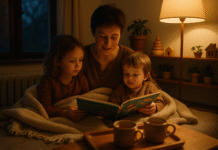
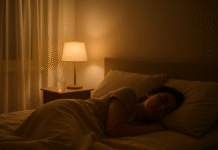
Sleep is the nightly reset that resilience depends on, and the hour before bed is prime time for gentle leisure. Relaxing, low-light hobbies—paper reading, light sketching, soft instrument practice, slow stretches—help your body wind down. Evidence suggests that reading a paper book before bed can improve sleep quality, and major health sources recommend a consistent wind-down routine that avoids bright light and high arousal. If screens must be used, dim them and use warm color temperatures; better yet, prep non-screen alternatives within reach. Morning resilience begins the night before.
9.1 Sleep-smart hobby checklist
- Start wind-down 60 minutes before lights out.
- Swap doomscrolling for paper reading, journaling, or gentle crafts.
- Keep lighting low and warm; avoid intense problem-solving tasks.
- Capture tomorrow’s to-dos on paper to offload worry.
9.2 Tiny experiment (2 weeks)
- Week 1: usual pre-bed routine; note sleep latency and quality.
- Week 2: replace last 30 minutes with paper reading + light stretch; compare.
Bottom line: The right evening hobbies are like a ramp into sleep. Build the ramp, and you’ll wake with more bandwidth for life’s bumps.
FAQs
1) What counts as a “hobby” for mental resilience?
Anything you voluntarily do for interest or enjoyment—creative arts, movement, tinkering, collecting, nature, games—that gives you a sense of engagement or restoration. It doesn’t have to be productive or public; private sketchbooks, balcony gardening, or solo hikes count as much as choirs or clubs. Aim for activities that feel mildly absorbing and leave you calmer or more energized afterward.
2) How much time do I need to see benefits?
Consistency matters more than volume. Many people feel a difference with 2×30-minute sessions per week after 2–4 weeks, especially if they reduce phone distractions. For nature hobbies, research suggests planning toward ~120 minutes/week, which can be split into shorter visits. Track before/after mood to see your personal dose-response.
3) Are passive hobbies (e.g., TV) helpful?
Relaxing TV can be fine in moderation, but active hobbies (making, moving, learning) tend to deliver stronger gains in mood, meaning, and skill. If TV is your go-to, try pairing it with light craft or stretching, or swap one episode per week for a creative or outdoor session that requires your hands and attention.
4) What if I’m too tired or depressed to start?
Use micro-goals and behavioral activation: make the first step tiny (sit at the desk and open the notebook). Expect motivation to follow action, not precede it. If energy is very low, choose seated, quiet hobbies or very short nature doses. Consider professional support—activation pairs well with therapy and medication.
5) I’m socially anxious. How can I try group hobbies without overwhelm?
Pick structured, beginner-friendly groups (classes, clubs with agendas) and go with a buddy the first time. Start with small formats (3–5 people), choose roles with clear tasks, and allow yourself to leave after one hour. Many people find that skill-focused groups (board games, workshops) feel easier than open-ended mixers.
6) What equipment do I need to begin?
Very little. Choose hobbies with low setup costs at first: pencil and paper, used instruments, library books, thrifted tools, free urban walks. Invest gradually as you build a habit. The goal is to reduce friction, not build a gear museum.
7) Can professional goals “count” as a hobby if I enjoy them?
Yes, if they are self-chosen, bounded, and emotionally restorative. But guard the boundary: once outcomes (grades, money, performance) dominate, the recovery effect shrinks. Keep at least one hobby with no external metrics to protect pure enjoyment.
8) How do hobbies help during crises (bereavement, illness, layoffs)?
They offer routine, small wins, and safe emotion processing—anchors when everything else feels uncertain. In hard seasons, reduce difficulty, shorten sessions, and lean on social or nature-based formats. If your capacity is minimal, choose contemplative actions (journaling, gentle gardening) and accept that “showing up” is the win.
9) Is there a best hobby for resilience?
The “best” hobby is the one you’ll actually do. That said, categories with strong evidence include physical activity, creative arts, nature exposure, and social participation. Mix and match: e.g., a weekly hike (nature + movement) and a choir (arts + social). World Health Organization
10) How can I make flow more likely if I’m easily distracted?
Right-size the challenge (slightly above your current ability), define a clear session goal, make feedback immediate (timer, counter, metronome), and remove interruptions (phone in another room, focus modes). Short blocks (25–45 minutes) are often enough to trigger flow.
Conclusion
Resilience isn’t only built in therapy rooms or weekend retreats; it’s forged in the ordinary rhythms of what you do for fun. Hobbies give you recovery (calmer physiology), resources (skills, confidence, relationships), and reframing (meaning, identity) that make stressful events less destabilizing. The research base is broad: consistent leisure is linked to better mood and stress profiles, stronger social safety nets, richer cognitive reserve, more flow and attentional control, and better sleep—each a strong resilience pillar. You don’t need to overhaul your life to start. Pick one hobby that fits your current season, schedule two short sessions, set up your space, and track how you feel. In a few weeks, upgrade the dose or add a social or nature layer. Celebrate showing up; let outcomes take care of themselves.
CTA: Choose one hobby and schedule two 30-minute sessions this week—then notice how your stress, mood, and focus shift.
References
- How leisure activities affect health: a narrative review and multi-level theoretical framework of mechanisms of action. BMC Public Health (Fancourt & Jenkins), 2021. https://pmc.ncbi.nlm.nih.gov/articles/PMC7613155/
- The relationship between leisure activities and mental health. Journal of Occupational Health (Takiguchi et al.), 2022. https://pmc.ncbi.nlm.nih.gov/articles/PMC9538683/
- Association of Enjoyable Leisure Activities With Psychological and Physical Well-Being. Psychosomatic Medicine (Pressman et al.), 2009. https://pmc.ncbi.nlm.nih.gov/articles/PMC2863117/
- Spending at least 120 minutes a week in nature is associated with good health and wellbeing. Scientific Reports (White et al.), 2019. https://www.nature.com/articles/s41598-019-44097-3
- What is the evidence on the role of the arts in improving health and well-being? A scoping review. WHO Regional Office for Europe (Fancourt & Finn), 2019. https://www.ncbi.nlm.nih.gov/books/NBK553773/
- Physical Activity and Depression and Anxiety Disorders: A Systematic Review of Reviews and Assessment of Causality. Preventive Medicine Reports (Wanjau et al.), 2023. https://pmc.ncbi.nlm.nih.gov/articles/PMC10546525/
- A Narrative Review of Empirical Literature of Behavioral Activation for Depression. Frontiers in Psychology (Wang et al.), 2022. https://pmc.ncbi.nlm.nih.gov/articles/PMC9082162/
- Can flow proneness be protective against mental and cardiovascular disease? Translational Psychiatry (Gaston et al.), 2024. https://www.nature.com/articles/s41398-024-02855-6
- Development of Flow State Self-Regulation Skills and Coping With Musical Performance Anxiety. Frontiers in Psychology (Moral-Bofill et al.), 2022. https://pmc.ncbi.nlm.nih.gov/articles/PMC9248863/
- Does reading a book in bed make a difference to sleep quality? BMJ Open (Finucane et al.), 2021. https://pmc.ncbi.nlm.nih.gov/articles/PMC8740874/
- Sleep hygiene: Simple practices for better rest. Harvard Health Publishing, Jan 31, 2025. https://www.health.harvard.edu/staying-healthy/sleep-hygiene-simple-practices-for-better-rest
- Reading Before Bed. Sleep Foundation, Jul 24, 2025. https://www.sleepfoundation.org/sleep-hygiene/reading-before-bed