

















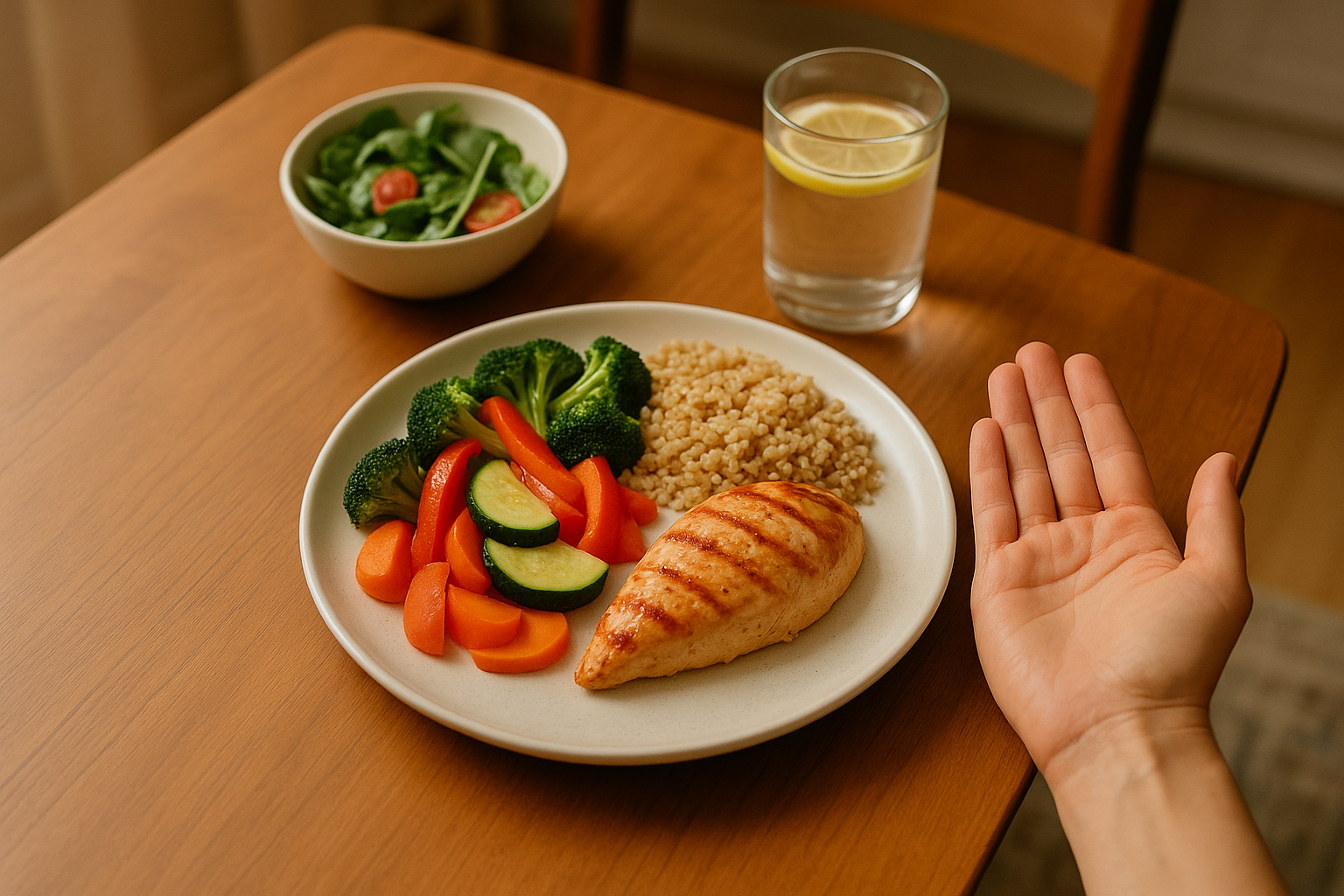
Intuitive portioning is a practical way to size your meals using visual cues, appetite signals, and simple ratios—no calorie math required. If calorie counting feels tedious or triggering, these strategies let you serve satisfying amounts, keep nutrition on track, and eat with more ease. In this guide you’ll learn exactly how to build balanced plates, estimate portions anywhere (even at a buffet), and use hunger/fullness cues to stop at “satisfied.” Quick start: build one plate with ½ vegetables, ¼ protein, ¼ quality carbs, add a thumb of healthy fat, eat slowly, and stop when comfortably full. This article is for anyone who wants structure without spreadsheets, from busy parents to athletes between training blocks. Brief note: this is general nutrition education, not medical advice; if you have a health condition or a history of disordered eating, please work with a qualified clinician.
1. Use Your Hands as Built-In Portion Guides
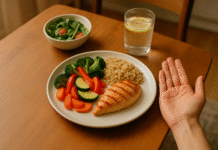
Your hands scale with your body, so they’re a personalized, portable measuring kit for intuitive portioning. A palm maps well to a single portion of protein, a cupped hand to a serving of cooked grains or fruit, a fist to a serving of non-starchy veg or a starchy veg like potatoes, and your thumb to a serving of fats like oil or nut butter. This approach works at home, in office cafeterias, and while traveling—no apps, cups, or weighing. It’s flexible: smaller people often need fewer or smaller “hands,” larger or highly active people may need more. The goal isn’t perfection; it’s repeatable approximations that keep meals balanced and satisfying. Start by checking your usual plate against your hand references; small tweaks often deliver big results.
1.1 How to do it (mini-checklist)
- Protein: 1–2 palms per meal (meat, fish, tofu, tempeh, paneer, eggs).
- Carbs: 1–2 cupped hands cooked (rice, pasta, quinoa, roti/chapati equivalents by volume).
- Veg: 1–2 fists (non-starchy veg; double if you’re hungrier).
- Fats: 1–2 thumbs (oil, ghee, pesto, nut butter, seeds).
- Desserts/snacks: about 1 cupped hand or 2 fingers (e.g., dark chocolate).
1.2 Common mistakes
- Treating a heaping cupped hand as one serving (level it off visually).
- Forgetting liquid fats: a “quick pour” can easily exceed a thumb.
- Using both hands for carbs by default; earn extra carbs with activity or higher hunger.
1.3 Region note (South Asia example)
For a roti/chapati, aim for palm-wide diameter (about 6–7 in / 15–18 cm) and one cupped hand worth of dough before rolling; pair with a palm of dal-based protein (e.g., chana/rajma) and two fists of sabzi. Close by asking: do I still need more, or is this “comfortably satisfied”?
Why it works: Hand guides turn portioning into a quick, embodied decision—accurate enough for daily life and easy to repeat. For more formal visuals and gram-based guides, public resources from UK nutrition bodies align closely with these hand heuristics. British Nutrition FoundationBritish Dietetic Association
2. Build by Ratios: The One-Plate Formula
The fastest way to control portions without counting is to divide a single plate into predictable ratios: ½ non-starchy vegetables, ¼ protein, ¼ whole grains or starchy veg, plus a thumb of healthy fat. This puts low-energy-density foods front-and-center, adds enough protein and fiber for satiety, and leaves space for sauces without overdoing energy. It’s flexible across cuisines: swap quinoa for brown rice, dal for chicken, or cauliflower sabzi for a leafy salad. On days you’re more active, nudge the carb quarter up; on lighter days, nudge veg up. Because it’s a single plate—not a bottomless bowl—it naturally caps volume without feeling restricted.
2.1 How to do it
- Pick a 10–11 inch (25–28 cm) plate.
- Fill ½ with non-starchy veg (leafy greens, cucumbers, peppers, tomatoes, broccoli).
- Add ¼ lean protein (fish, eggs, tofu/tempeh, legumes, poultry).
- Add ¼ high-quality carbs (whole grains, starchy veg).
- Finish with 1 thumb oil/dressing or 1 tbsp nuts/seeds.
2.2 Numbers & guardrails
- If veggies are raw/sautéed, heap the half; if roasted in oil, keep closer to level.
- For mixed dishes (biryani, stir-fry), mentally “deconstruct” in the pan: ensure ~¼ protein and ~½ veg by volume before plating.
- Eating out: ask for extra veg and swap fries for salad or roasted veg.
This ratio approach mirrors evidence-based plate models used by leading public-health and academic institutions, making it a reliable anchor across ages and lifestyles.
3. Anchor Every Meal with Protein and Fiber
To stay satisfied on fewer calories, pair meaningful protein with naturally fibrous foods at every meal. Protein blunts hunger and supports lean mass; fiber adds volume, slows digestion, and improves fullness. Together they help you stop when you’re comfortably satisfied—no macro counting required. Many people eat plenty of protein at dinner but skimp at breakfast and lunch; others under-index on fiber overall. The fix is simple: add a palm of protein and at least a fist of high-fiber plants to each plate. Over a week, this reduces mindless snacking and portion creep.
3.1 How to do it
- Protein ideas: eggs, Greek yogurt, tofu/tempeh, fish, chicken, dal/beans, paneer, edamame.
- Fiber ideas: beans/lentils, berries, pears, broccoli, carrots, leafy salads, oats, barley, quinoa.
- Combo examples: chana masala + cucumber raita + brown rice; tofu stir-fry + veg-heavy fried rice; omelet + veggie sauté + one slice whole-grain toast.
3.2 Numbers & guardrails
- Aim for ~25–30 g protein per main meal for most adults; spread across 2–3 meals.
- Target ~14 g fiber per 1,000 kcal (e.g., ~28 g on a 2,000-kcal day); increase gradually with fluids.
- If you’re highly active or older, consider the upper end of per-meal protein to support muscle.
The protein-plus-fiber anchor is strongly supported by research on satiety, muscle protein synthesis, and public-health fiber targets—useful guideposts even when you’re not tracking numbers.
4. Prioritize Low Energy Density (a.k.a. Volumetrics)
When foods contain more water and fiber per bite, you get more volume for the same calories—think broth-based soups, salads, fruit, and high-water vegetables. This is the quiet engine behind intuitive portioning: you fill your plate with generous, flavorful foods that naturally limit energy intake. Practically, it means starting meals with vegetables or soup, choosing fruit over dense desserts most days, and using cooking methods that preserve water (steaming, simmering). You can still enjoy richer foods; you simply surround them with more volume from plants. Over time, this shifts “normal” portions downward without feeling deprived.
4.1 How to do it
- Begin lunch/dinner with a side salad or broth-based soup.
- Make fruit your default dessert; add a square of dark chocolate if you like.
- Roast veg with measured oil (thumb-size) and add citrus/herb dressings for flavor.
- Bulk up mixed dishes (curries, stir-fries, pastas) with extra veg before plating.
- Keep cut fruit/veg at eye level in the fridge; move calorie-dense snacks out of sight.
4.2 Mini case
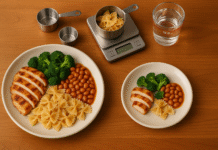
Two plates of pasta:
- Plate A: 2 cupped hands pasta + cream sauce = smaller volume, high energy.
- Plate B: 1 cupped hand pasta + 2 fists sautéed veg + grilled shrimp + tomato broth = bigger volume, similar energy, more fullness.
Evidence shows that lowering dietary energy density reliably reduces ad-libitum intake and supports weight control—no counting required.
5. Eat Slower, Feel More—Pace Is a Portion Tool
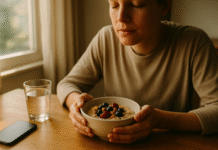
Eating speed changes how much you notice satiety signals. Slow, attentive eating improves meal-ending fullness, reduces automatic seconds, and makes a single plate “enough.” Mechanistically, it gives your gut-brain axis time to register stretch and satiety hormones, and it enhances memory of the meal—which helps you feel satisfied longer. The trick is to slow the first half of the meal when hunger is highest; once your pace is set, you’re less likely to overshoot.
5.1 How to do it
- Set a 10–20 minute floor for mains; use a timer for the first week.
- Put utensils down between bites; chew thoroughly.
- Start with veg + protein before carbs if you tend to overeat starches.
- Sip water or unsweetened tea during the meal.
- If eating with others, match the slowest eater at the table.
5.2 Numbers & guardrails
Randomized and controlled studies show slower eating increases fullness and can reduce meal energy intake for many people (effects vary). You don’t need to count chews; just extend the meal by a few minutes and check fullness halfway. If stretching time reduces enjoyment, balance pace with satisfaction—savoring matters too. PMC
Bottom line: Pacing is a lever you can move today—no tracking, just attention.
6. Train Your Hunger–Fullness Scale (Aim for 4–7)
A simple 1–10 hunger/fullness scale is a lightweight system for deciding when to start and stop eating. Begin meals around 3–4 (hungry, not ravenous) and stop around 6–7 (comfortably full, not stuffed). This reduces “last-bite regret,” curbs portion inflation, and keeps energy steady across the day. If you tend to skip meals then binge, the scale helps you prevent “arriving at 1–2,” where portion restraint becomes nearly impossible. The goal is responsiveness, not perfection; some days are hungrier, some quieter.
6.1 How to do it
- Before eating: name your number; if ≤2, add a veggie or protein snack now and shrink the next portion slightly.
- Mid-meal pause (2–3 minutes): re-rate; if at 6–7, stop and save the rest.
- After eating (30–60 minutes): check again; if still at 4–5, add a small protein/fiber “top-up” (e.g., yogurt + berries).
6.2 Common mistakes
- Using the scale as a diet: it’s a feedback tool, not a rulebook.
- Confusing thirst, stress, or habit with hunger; try water, a walk, or 5 breaths first.
- Ignoring late fullness: satiety rises after you stop eating; trust the lag.
Hunger/fullness scales are widely used in intuitive-eating programs and campus wellness resources; they provide structure without numbers and pair well with the plate and hand methods. PMCUniversity Health Services
7. Design Your Environment to Default to Right-Sized Portions
Your surroundings quietly shape how much you serve and eat. Use smaller plates and bowls, serve from the stove (not family-style on the table), and pre-portion snacks into single-serve containers. At restaurants, split entrées, ask for a to-go box upfront, or order à la carte sides to build your own balanced plate. These tweaks limit the “visual permission” to overfill plates and make intuitive choices the path of least resistance—no willpower required.
7.1 Tools & examples
- Plates/bowls: 10–11 in plates, modest cereal/soup bowls.
- Utensils: use teaspoons for calorie-dense toppings (ghee, oil, seeds).
- Kitchen flow: salad/veg first on the counter, mains last.
- Restaurants: split mains; add two veg sides; request dressing on the side.
- Home: keep veggies at eye level; stash sweets out of sight.
7.2 What to watch
If you routinely clean the plate regardless of fullness, try plating 20% less than usual and pause mid-meal; you can always add more. Eating out? Many public-health agencies suggest splitting entrées or boxing half to tame oversized portions—simple, sustainable steps for most diners.
Takeaway: Make the right portion the easy portion by shaping the path before you’re hungry.
8. Pre-Portion with Containers—No Scales Required
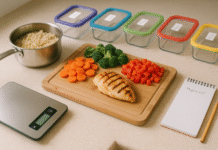
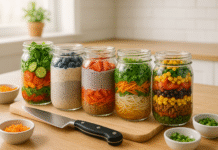
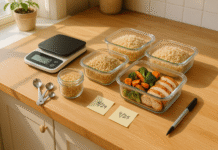
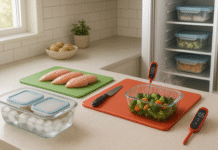
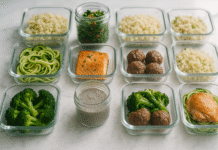
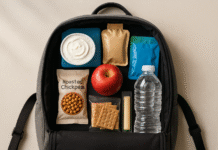
Meal prep doesn’t need gram scales or macros to work. Use containers as portion templates: a bento box with a large compartment for veg (½), medium for carbs (¼), and medium for protein (¼). For snacks, default to single-serve jars or bags that match the hand method (e.g., 1 cupped hand nuts, 1 fist grapes). This reduces decision fatigue during busy weeks and prevents “just a little more” moments that add up over time. It’s also budget-friendly: cooking one or two base recipes and portioning with containers ensures consistent, right-sized meals.
8.1 How to do it
- Choose 3 container sizes: salad boxes (veg-forward), standard lunch boxes, and tiny tubs for sauces/fats.
- Batch-cook one protein, one grain, two vegetables; assemble into the compartments by volume.
- Label “P” (protein) / “C” (carb) / “V” (veg) to train your eye; no numbers needed.
- Keep fruit + yogurt or hummus + veg ready for a quick, balanced top-up.
8.2 Mini example
Make a five-day lunch run:
- Base: lemon-herb baked chicken (or paneer/tofu), roasted mixed veg, cooked barley.
- Portioning: fill half the box with veg, a palm-size portion of protein, a cupped-hand of barley, and a thumb of olive-oil vinaigrette on the side.
Why it works: Pre-portioned containers make balance automatic; you’re simply repeating a visual pattern you already trust.
9. Outsmart Liquid Calories and Hidden Extras
Drinks and add-ons can quietly double a meal’s energy without adding fullness. Intuitive portioning means defaulting to water, tea, or coffee most of the time, keeping juices to small glasses and treating sweetened drinks as occasional desserts. Watch oils, dressings, spreads, cheese, and sugar—these belong in the thumb-size zone. Eating out, ask for dressings on the side and flavor with acids (lemon, vinegar) and herbs. You still enjoy rich flavors; you just measure once and let the plate do the rest.
9.1 How to do it
- Beverages: water/unsweetened tea first; if juice, 150–200 ml max and pair with protein/fiber.
- Dressings/oils: pour into a teaspoon or measure with your thumb; toss salads in a separate bowl for even coating.
- Condiments: pick mustard, salsa, yogurt-herb raita more often; use mayo/cheese intentionally.
9.2 Eating-out playbook
- Ask for sauces on the side; dip, don’t drench.
- Swap fries for side salad or veg; add an extra veg side to fill the plate.
- If portions are huge, box half when the dish arrives.
Public-health guidance consistently highlights right-sizing drinks and extras—and simple restaurant tweaks—to rein in portion creep while keeping meals enjoyable.
FAQs
1) What exactly is “intuitive portioning,” in one line?
It’s sizing meals by visual cues, appetite, and plate ratios instead of calories—using your hands, a single balanced plate, and hunger/fullness checks to decide portions in real time. Over days and weeks, those small decisions add up to steady energy and easier weight maintenance.
2) How is this different from intuitive eating?
Intuitive eating is a broader framework (with ten principles) about your relationship with food, hunger, and body respect. Intuitive portioning uses practical tools—hands, plates, pace—to right-size servings without tracking. Many people combine them: honor hunger/fullness and use plate/hand guides for structure. EatingWell
3) Do I need to hit exact protein and fiber numbers?
No. Numbers are guideposts: about 25–30 g protein per meal and ~14 g fiber per 1,000 kcal help most adults feel satisfied. Use them to shape meals, not to obsess. If you’re aging, highly active, or in rehab, the higher end of protein can help preserve muscle.
4) Can I apply this to mixed dishes like biryani, lasagna, or curries?
Yes—mentally deconstruct the dish. Add or serve extra vegetables on the side, ensure a visible palm of protein, and keep carb portions around one cupped hand to start. Adjust based on hunger: more active day, add a little extra rice/roti; quiet day, add more salad.
5) What if I’m still hungry after finishing my plate?
Wait 10–15 minutes, sip water, and re-rate fullness. If you’re at ≤5, add a protein-plus-fiber top-up (e.g., yogurt + fruit, dal + veg). If you’re routinely still hungry, you likely need another palm of protein or extra veg volume on the initial plate.
6) Is eating slowly really necessary?
You don’t have to eat at a snail’s pace, but slowing the first half of the meal helps your brain register fullness, which naturally trims portion sizes. Even adding a few minutes can change outcomes without any counting.
7) How do I navigate restaurant portions without looking “picky”?
Build your own plate from sides, split an entrée, or request a to-go box with the meal. Ask for sauces/dressings on the side and add extra veggies. These are normal requests—and they keep portions friendly without dieting language.
8) Can I lose weight with intuitive portioning, or is it just for maintenance?
Many people do lose weight because these methods lower average energy intake without feeling deprived—largely via lower energy density and better satiety. If weight loss is a goal, emphasize vegetables, lean proteins, and soups/salads to increase volume per calorie.
9) Are hand guides accurate for everyone?
They’re good enough for everyday life and scale with body size. Athletes, pregnant/lactating individuals, and those with medical conditions may need tailored adjustments. For medical nutrition therapy, consult a registered dietitian.
10) What about beverages—do they really matter that much?
Yes. Sugary drinks and oversized coffees can add hundreds of calories with little fullness. Default to water, tea, or coffee; keep juices small; and be deliberate with creamers/syrups.
11) Is the plate ratio the same as MyPlate?
It’s very similar in spirit (emphasis on plants, a balance of protein and grains) and aligns with academic “Healthy Eating Plate” visuals that suggest half your plate fruits/vegetables. Use either as a simple, proven pattern.
12) What if I prefer snacking to big meals?
Use mini-plates with the same ratios (½ veg/fruit, ¼ protein, ¼ quality carbs) and still apply hand portions. Snack “plates” prevent grazing from turning into untracked extras.
Conclusion
You don’t need an app to eat in balance. When you use your hands, one-plate ratios, protein-plus-fiber anchors, and pacing—then sanity-check with a 4–7 hunger/fullness target—you’ve got a complete, flexible framework for right-sized portions anywhere. Add low energy density foods to “stretch” meals, design your environment so the default is the right amount, and pre-portion with containers to make consistency effortless. None of this depends on perfection; it depends on repeatable decisions that compound over time. Start with one lever—say, the plate ratio—and layer in a second (protein + fiber), then a third (pace). In a few weeks, your “normal” portion will match your body better, cravings will quiet, and meals will feel calmer. Ready to try? Pick one main meal today and build it using the one-plate formula, then rate your fullness at minute ten—repeat tomorrow.
CTA: Build tonight’s dinner with the ½-¼-¼ plate, then pause at ten minutes—notice the difference.
References
- Dietary Guidelines for Americans, 2020–2025 (9th ed.), U.S. Departments of Agriculture & Health and Human Services, 2020. https://www.dietaryguidelines.gov/sites/default/files/2020-12/Dietary_Guidelines_for_Americans_2020-2025.pdf
- Healthy Eating Plate, Harvard T.H. Chan School of Public Health — The Nutrition Source, n.d. https://nutritionsource.hsph.harvard.edu/healthy-eating-plate/
- Building a plan for healthy eating, Harvard Health Publishing, June 3, 2024. https://www.health.harvard.edu/healthbeat/building-a-plan-for-healthy-eating
- MyPlate.gov, U.S. Department of Agriculture, n.d. https://www.myplate.gov/
- Food Portions: Choosing Just Enough for You, National Institute of Diabetes and Digestive and Kidney Diseases (NIDDK), 2025. https://www.niddk.nih.gov/health-information/weight-management/just-enough-food-portions
- Rolls BJ. Dietary energy density: Applying behavioral science to weight management, Nutrition Bulletin, 2017. https://onlinelibrary.wiley.com/doi/abs/10.1111/nbu.12280
- Ello-Martin JA, et al. A randomized trial on dietary energy density and weight loss, Am J Clin Nutr, 2007. https://pmc.ncbi.nlm.nih.gov/articles/PMC2018610/
- How to Avoid Portion Size Pitfalls to Help Manage Your Weight (PDF), Centers for Disease Control and Prevention, 2024. https://www.cdc.gov/healthy-weight-growth/media/pdfs/portion-size_pitfalls-508.pdf
- Portion sizes, British Nutrition Foundation, n.d. https://www.nutrition.org.uk/creating-a-healthy-diet/portion-sizes/
- Lonnie M, et al. Protein for health: per-meal distribution and MPS, Nutrients, 2018. https://pmc.ncbi.nlm.nih.gov/articles/PMC5872778/
- How much dietary fiber should I eat?, U.S. Department of Agriculture (Ask USDA), n.d. https://ask.usda.gov/s/article/How-much-dietary-fiber-should-I-eat
- Kokkinos A, et al. Eating slowly and postprandial responses, J Clin Endocrinol Metab, 2010. https://academic.oup.com/jcem/article/95/1/333/2835331