





















Crossing time zones can scramble your internal clock and turn sleep, focus, and digestion upside down. This guide gives you a clear, evidence-based plan to feel normal again—fast. You’ll learn how to time light, melatonin, sleep, meals, and caffeine in a way that actually resets your circadian rhythm rather than fighting it. Whether you fly a few times a year or every week, use these steps to design a simple “arrival playbook” you can repeat on every trip. Medical note: This article is educational and not a substitute for personalized medical advice. Talk to your clinician before taking supplements or medicines, especially if you’re pregnant, nursing, have health conditions, or are planning for children.
Quick answer: Jet lag is circadian misalignment from rapid travel across time zones. The fastest way to recover is to time bright light and darkness correctly for your direction of travel, use low-dose melatonin at the right time, anchor sleep/meal/caffeine to local time, and avoid long daytime naps—with adjustments for east vs. west trips. As of August 2025, typical adaptation runs about 1 hour/day eastward and 1.5 hours/day westward.
1. Start shifting your sleep before you fly (pre-adaptation)
Begin adjusting before you board. Moving your schedule toward the destination by ~1 hour per day for 2–3 days reduces the amount of “catch-up” your body has to do on arrival. This is especially helpful for eastbound flights, which are harder because advancing the clock (sleeping earlier) goes against your natural tendency to drift later. Combine small bedtime/wake-time moves with earlier or later light exposure and meal timing to point your circadian system in the right direction. Keep shifts gentle: if you need a 3-hour advance for Europe, start three days out by nudging bedtime/wake time, breakfast, and morning light earlier by an hour each day. If you’re headed west, do the opposite—nudge later. Even partial pre-adaptation pays off on day one at your destination.
1.1 How to do it (2–3 days pre-flight)
- Eastbound: Move bedtime/wake time 60–90 minutes earlier/day; add morning bright light and avoid evening bright light.
- Westbound: Move bedtime/wake time 60–90 minutes later/day; add evening light, avoid early-morning light.
- Meals: Slide meal times in the same direction as sleep.
- Screens: Dim and reduce evening screen use during eastbound shifts.
- Tools: Jet-lag planners (e.g., reputable calculators) can sequence light/melatonin timing for your itinerary.
Mini-check: If pre-adaptation would cost you more sleep than it saves, skip it and rely on the arrival plan in Sections 2–4.
2. Time your light exposure like a prescription
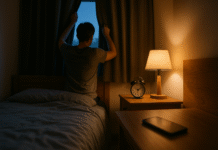
Light is the strongest external cue for your body clock. The trick is timing: the same light at the wrong time can shift you the wrong way. As a rule of thumb, after eastbound travel, you want morning light and should avoid evening light; after westbound, do the reverse—seek evening light and avoid early-morning light the first couple of days. Prioritize outdoor daylight (it’s stronger than indoor lighting), and use sunglasses/blackout curtains to block light when you’re trying to avoid it. Start with 30–60 minutes of the targeted light window on day one and repeat on day two. If daylight is limited (winter or high latitude), a 10,000-lux light box or bright indoor lights can help during the “seek light” window.
2.1 Direction guide (arrival day)
- Eastbound (e.g., NYC → London): Get morning light, avoid evening light.
- Westbound (e.g., Paris → Los Angeles): Avoid early-morning light, seek late-afternoon/evening light.
- Short trips (<2 days): Consider staying on “home” light/sleep hours instead of adapting.
Common mistakes
- “Following local daylight” blindly on day one (often shifts you the wrong way for eastbound arrivals).
- Lots of evening light after eastbound flights (delays you further).
Bottom line: Treat light like medicine—dose, timing, and avoidance are everything.
3. Use melatonin precisely (low dose, right time)
Melatonin can speed alignment when targeted properly. As of August 2025, guidance emphasizes low doses for phase shifting: 0.5–1 mg typically suffices; avoid high doses (>5 mg), which can linger and push the clock in the wrong direction. Take it ~90 minutes before your intended local bedtime for a gentle nudge. For eastbound trips where you must fall asleep earlier, low-dose melatonin in the early evening helps advance the clock; for westbound, prioritize light timing and use melatonin sparingly to consolidate sleep at local bedtime. Because supplement content can vary, choose reputable products and talk to your clinician about interactions (e.g., anticoagulants, anticonvulsants). Evidence spanning randomized trials and reviews supports melatonin’s short-term usefulness for jet lag.
3.1 Numbers & guardrails
- Dose: 0.5–1 mg; avoid >5 mg for jet lag phase shifting.
- Timing: ~90 minutes before target bedtime (not your “body time”).
- Quality: Supplements vary by label accuracy; buy from trusted brands.
Synthesis: Melatonin works best with correctly timed light—don’t use it as a standalone fix.
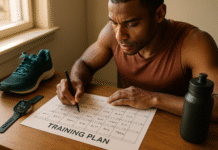
4. Lock in a 48-hour arrival plan (the “reset day”)
On arrival, act like a local immediately: eat, move, and seek/avoid light per your new time zone. Stay awake through the local day, use a brief nap if you’re crashing, and aim for a full night of sleep at the local bedtime. This “reset day” prevents accidental all-day drowsing and helps consolidate sleep pressure where you want it. Hydrate, take short walks or light exercise to boost alertness, and time caffeine early in your day (see Section 5). If you’re only staying 1–2 days, flip the strategy: keep your home schedule and minimize adaptation to avoid having to re-adapt on return.
4.1 Mini-checklist (Day 1–2)
- Morning: targeted light; breakfast on local time; gentle movement.
- Midday: sunlight + short walk; light lunch; avoid heavy alcohol.
- Afternoon: if desperate, 20–30 min nap; cut caffeine by mid-afternoon.
- Evening: dim lights; low-dose melatonin ~90 minutes before local bedtime if appropriate; wind down.
Close-out: The first 48 hours set the trajectory—plan them on purpose.
5. Caffeine: use early, cut it well before bedtime
Caffeine can keep you alert during the biological night, but its ~5-hour half-life means late doses will boomerang into insomnia. Use small, strategic amounts early in the local day (especially after eastbound flights) and avoid within ~8–10 hours of your target bedtime. If you arrive in the morning, a single coffee can help you push through; stack doses cautiously and stop by early afternoon. Remember that tea, sodas, energy drinks, and some pain relievers also contain caffeine. When in doubt, pair caffeine with morning light and movement, not as a substitute for them.
5.1 Practical tips
- Cap daily caffeine <400 mg (typical healthy adult).
- Stop by 2–3 pm if your target bedtime is ~10–11 pm.
- Swap late-day coffee for water or herbal tea.
Takeaway: Caffeine is a bridge, not a crutch—time it so tonight’s sleep isn’t the price of today’s focus.
6. Eat by the new clock to help your body align
Food timing influences peripheral clocks in your liver, gut, and muscle. While light is the primary reset signal, human lab studies show that shifting meal times can adjust metabolic rhythms and may aid adaptation. On arrival, eat breakfast soon after local wake, keep lunch at local midday, and avoid heavy late-night meals, which can delay the clock and impair sleep quality. If you land early morning after an overnight flight, prioritize a protein-rich breakfast and daylight; if you land at night, keep dinner light and wind down. Travelers who sync meals to local time typically feel hungry at the “right” hours sooner.
6.1 Mini plan
- First 24 hours: three regular meals at local times.
- No midnight snacking—close your eating window 2–3 hours before bedtime.
- Hydrate steadily; avoid excess alcohol and heavy, fatty dinners.
Bottom line: Let light lead and food follow—together they speed realignment.
7. Move your body—early and outside if possible
Light to moderate daytime activity boosts alertness and mood, helps counter long-haul “travel fatigue,” and supports sleep pressure for the first local night. A 20–30 minute walk outdoors layers movement on top of daylight, the best one-two punch to reset your clock. Save higher-intensity workouts for the morning or midday; vigorous evening exercise can pep you up and push sleep later on night one. If you arrive late, keep it easy: gentle mobility, stretches, a warm shower, then dim lights.
7.1 Quick start
- Morning walk in daylight on day one.
- Mobility routine after the flight to unwind tight hips/backs.
- Avoid late-evening HIIT on the first two nights.
Wrap: Movement complements light and meals—use all three to steer the day.
8. Nap smart: short, early, and strategic
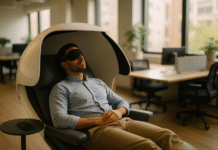
Naps can help or hurt. Done right, a brief 20–30 minute nap improves alertness without leaving you groggy or sabotaging night sleep. Done wrong—too long or too late—they blunt sleep pressure and delay adaptation. If you must nap on day one, set an alarm and keep it before mid-afternoon. Use an eye mask/earplugs, then wake, hydrate, and get into sunlight. If you arrive at night and feel wired, skip the nap, dim lights, consider low-dose melatonin, and focus on a predictable wind-down.
8.1 Mini-checklist
- Cap at 30 minutes.
- Nap window: late morning to early afternoon.
- Wake → daylight + water + walk.
Takeaway: A smart nap is a pit stop, not a parking spot.
9. Tame evening light and screens
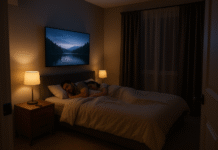
Bright evening light—especially blue-rich light—suppresses melatonin and delays sleep. Reduce brightness after sunset at your destination: dim lamps, warm your screens (night mode), and consider blue-light-reducing glasses if you must use devices. The goal isn’t tech absolutism; it’s lowering intensity and duration of evening light so your brain reads “night.” Pair dimmer light with quiet activities, a warm shower, or light stretching to cue wind-down. In controlled studies, blue light delayed melatonin and shifted circadian timing more than green light of similar brightness.
9.1 Practical steps
- Enable night shift or warm color temperature after sunset.
- Keep screens below eye level and farther from face.
- Use blackout curtains in the bedroom.
Synthesis: Turn nights darker and quieter to make mornings easier.
10. Hydrate and go easy on alcohol
Cabin air is dry and long flights dehydrate you, worsening headaches, fatigue, and that “logy” feeling on arrival. Sip water regularly during the flight and the first two days on the ground. Alcohol and excess caffeine increase dehydration and fragment sleep; save celebratory drinks for later in the trip, and alternate each alcoholic drink with water. After landing, keep a bottle handy and aim for light-colored urine as a simple check. Hydration won’t “cure” jet lag, but it reduces physical drag so your circadian plan works better.
10.1 Do/Don’t snapshot
- Do: carry a bottle; ask crew for refills; add electrolytes if you like the taste.
- Don’t: rely on alcohol to sleep; it shortens deep sleep and causes awakenings.
Bottom line: Keep your physiology out of the way of your circadian fix.
11. Choose flight timing and seating that help adaptation
If possible, arrive in the afternoon/early evening so you can get daylight, eat, and be ready for bed a few hours later. Morning arrivals after eastbound flights are common but can tempt you into too much morning light and a long nap. Pick seats that support your strategy: a window seat if you want to control light (shade up for light, down to avoid), or an aisle if you plan to move often. Build cushions into meetings or activities on day one in case sleep is short. A thoughtful itinerary makes the rest of your plan easier to execute.
11.1 Planning tips
- On tight schedules, consider one stop that lands you at a better local time.
- Use airline apps to choose seats aligned with your light/movement strategy.
- Avoid tight connections that force red-eye plus immediate early-morning commitments.
Takeaway: Timing the arrival window and your environment can shave a day off recovery.
12. Know when not to adapt (short trips & special cases)
If your trip is <2–3 days, you might stay on home time—eat, sleep, and seek light according to your origin clock to avoid a double adjustment (there and back). This works well for brief business travel and reduces errors from mistimed light/melatonin. Also consider partial adaptation when crossing many zones for only a few days—shift halfway to the destination and rely on strategic light, short naps, and caffeine to function. People with medical conditions, competitive athletes, or those on critical schedules should consider a personalized plan with a clinician.
12.1 When to seek help
- Frequent, severe jet lag, or persistent insomnia after travel.
- Complex medication regimens or conditions affected by sleep.
- Need for prescription sleep aids or stimulants—doctor only.
Wrap: Sometimes the best strategy is no adaptation—and that’s a strategy too.
FAQs
1) How long does jet lag last?
Most people adjust in ~1 day per time zone eastward and ~1.5 hours per day westward, but age, direction, and schedule matter. Plan for at least a couple of “off” days after long eastbound flights; westbound often feels easier. Light timing and low-dose melatonin can shorten recovery.
2) Which is worse—east or west?
Eastbound (needing to fall asleep earlier) is usually harder because human clocks naturally drift a little later than 24 hours. That’s why post-Europe 9 p.m. bedtimes feel brutal the first nights. Use morning light, evening dimness, and earlier meals to help.
3) What melatonin dose and timing work best?
For jet lag, 0.5–1 mg about 90 minutes before local bedtime is a common starting point for adults. Avoid >5 mg for shifting, and talk to your clinician about meds or conditions that interact with melatonin. Combine with correctly timed light.
4) Are blue-light glasses worth it?
They can reduce evening light intensity, especially if you must work at night, but the biggest win is simply dimming and reducing evening light overall. Prioritize environmental changes (lamps, screen settings), then consider glasses as a bonus layer.
5) Is hydration really part of “jet lag,” not just comfort?
Hydration doesn’t shift your clock, but dry cabins and alcohol make you feel worse—headaches, fatigue, brain fog—that undermine your adaptation plan. Steady fluids and minimal alcohol help your light/sleep/meal strategy work.
6) Should I nap on day one?
Yes—if you’re crashing and you keep it short (20–30 min) and early (late morning/early afternoon). Long or late naps delay sleep that night and prolong jet lag. Use an alarm, mask, and sunlight immediately after.
7) Do apps or “jet lag calculators” help?
They can translate the complex timing of light and melatonin into a simple schedule for your flight(s). They’re especially helpful on multi-leg itineraries or big shifts (>6–8 time zones). Use them as guides, then adjust around real-world constraints.
8) Are prescription sleep aids or stimulants a good idea?
They may play a role for some frequent travelers or special cases, but they carry side effects and require clinician oversight. Non-pharmacologic steps (light, meals, sleep timing) should be your base plan; medications are adjuncts, not first-line for most travelers.
9) What about meal timing—does breakfast really matter?
Meal timing affects metabolic rhythms. Aligning breakfast soon after local wake, closing the kitchen 2–3 hours before bed, and avoiding late heavy meals can support clock realignment. Light is still primary; food is the helpful co-pilot. PubMed
10) I’m staying only two days—should I even try to adapt?
Probably not. Keep home sleep, light, and meal times as much as feasible and focus on performance windows. On return, you’ll be glad you didn’t shift twice.
Conclusion
Jet lag feels miserable because your inner clocks and the outside world get out of sync. The solution isn’t heroic willpower—it’s timing. Treat light like a prescription, melatonin like a micro-dose nudge, caffeine like a morning tool, and meals like a metabolic metronome. Layer in a simple arrival plan—daylight + movement + short early nap if needed—and you’ll convert foggy, mismatched days into a quicker glide toward normal. On short trips, deliberately don’t adapt; on longer ones, pre-adapt by an hour or so per day when you can. Above all, make your first 48 hours intentional: morning light for eastbound, evening light for westbound, steady hydration, and a consistent bedtime routine. Do this and you’ll reliably trade “lost days” for smoother starts, clearer days, and better sleep.
Ready to try it? Pick your next itinerary and script your first 48 hours now—light, meals, sleep, caffeine—on purpose.
References
- Jet Lag Disorder — CDC Yellow Book (2026 Edition). Centers for Disease Control and Prevention. Published Apr 23, 2025. CDC
- Jet lag — NHS (UK). Page last reviewed May 31, 2023. nhs.uk
- Health A-Z: Jet lag — NHS 111 Wales. Last updated Mar 12, 2024. nhs.uk
- Morgenthaler TI, et al. Practice parameters for the clinical evaluation and treatment of circadian rhythm sleep disorders. Sleep. 2007;30(11):1445–1459. (AASM). PMC
- Auger RR, et al. Clinical practice guideline for the treatment of intrinsic circadian rhythm sleep-wake disorders. American Academy of Sleep Medicine. 2015. AASM
- Herxheimer A, Petrie KJ. Melatonin for the prevention and treatment of jet lag. Cochrane Database of Systematic Reviews. 2002. Cochrane
- Wehrens SMT, et al. Meal Timing Regulates the Human Circadian System. Current Biology. 2017. PMC
- Blue light has a dark side. Harvard Health Publishing. Updated Jul 24, 2024. Harvard Health
- Jet Lag: Navigating the Symptoms, Causes, & Prevention. Sleep Foundation. Updated Jul 29, 2025. Sleep Foundation