













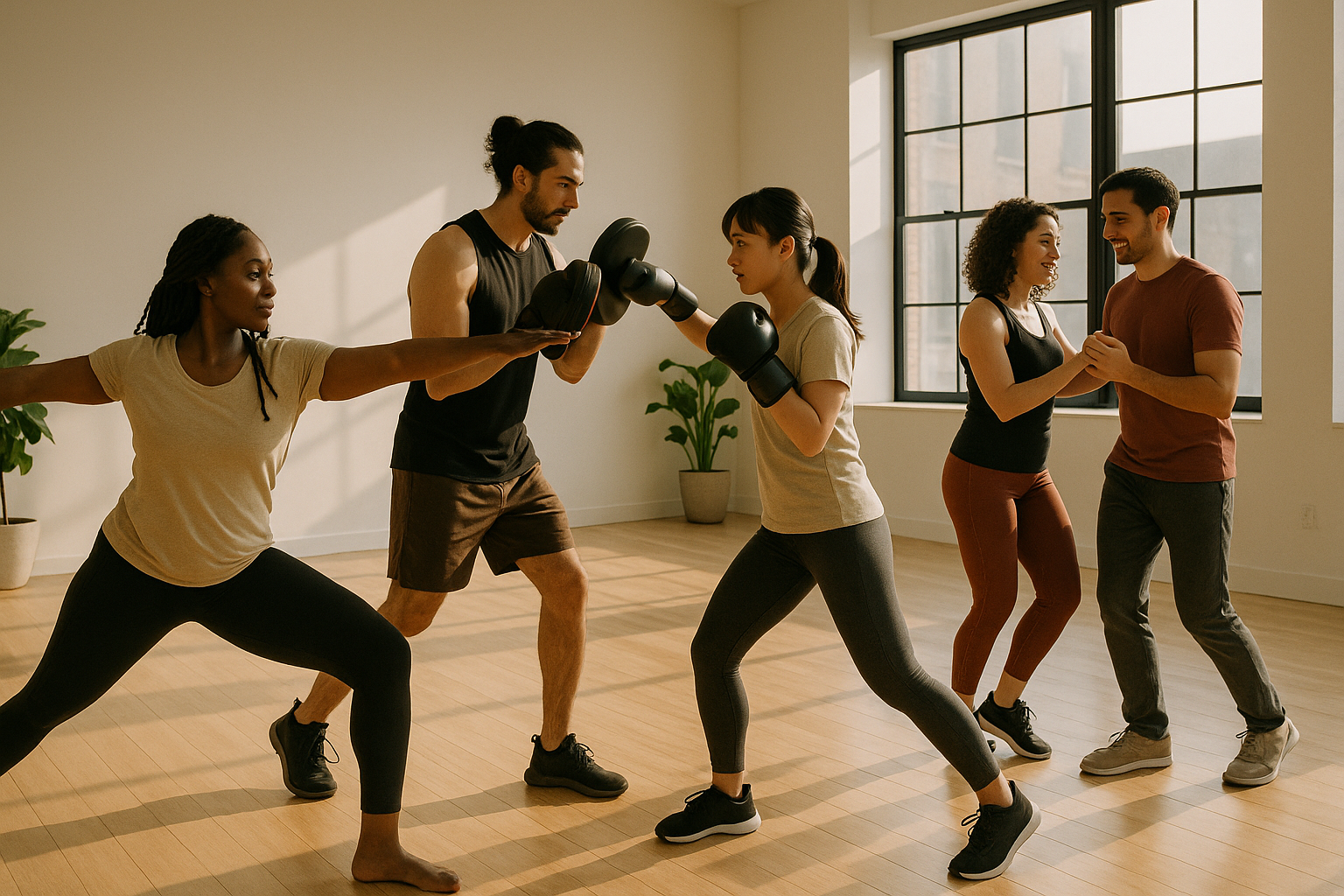
Trying something new like yoga, martial arts, or dance is one of the best ways to keep training fresh while building mobility, coordination, and confidence. This guide gives you a clear plan to pick the right style, learn faster, and stay safe as you progress. Learning new physical activities means adopting unfamiliar movement skills—through structured, progressive practice that blends technique, feedback, and recovery. Here’s the short path: choose your style and level, set a minimum viable schedule, practice fundamentals deliberately, use feedback (coach + video), progress with guardrails, build supportive strength, warm up and recover well, respect safety and etiquette, and follow a 12-week template aligned to your goals. As a brief note: this is educational information—not a substitute for personalized medical or coaching advice.
Quick-start steps (skim list): pick a beginner-friendly class, schedule 2–3 sessions/week, add 2 short strength/mobility blocks, film one key drill weekly, progress reps or complexity modestly, and sleep 7+ hours to recover.
1. Pick the Right Style and Starting Level
Start by matching the activity to your goals, your current fitness, and what’s available near you. The fastest way to build momentum is choosing a style that excites you and has a beginner pathway—think Hatha or Vinyasa basics for yoga; taekwondo, karate, or Brazilian jiu-jitsu fundamentals for martial arts; and salsa, bachata, hip-hop, or beginner ballet for dance. Define your “why”: mobility and stress relief (yoga), self-defense and discipline (martial arts), rhythm and social connection (dance). Assess contact level (no-contact yoga/dance vs. controlled contact in most martial arts), movement demands (floor work in yoga, rotational power in striking arts, footwork in dance), and equipment needs (mat and blocks; gloves and wraps; dance shoes). Pick a class labeled “intro,” “foundations,” or “level 1,” and confirm that the coach or teacher offers regressions and clear progressions.
- Yoga: Start with Hatha, Yin, or restorative if you want gentler mobility and breath work; Vinyasa moves faster; Ashtanga is structured and demanding.
- Martial arts: Striking (karate/taekwondo) emphasizes kicking and timing; grappling (BJJ) builds leverage and problem-solving; many gyms offer fundamentals classes before any sparring.
- Dance: Latin styles offer partner fundamentals and social practice; hip-hop builds groove and coordination; beginner ballet sharpens posture, balance, and lines.
Why it matters
The right style reduces friction (travel, cost, fear) and maximizes adherence. Adherence drives skill acquisition far more than rare heroic sessions—so pick the path you’ll actually show up for. Look for trial classes and observe one session to ensure the vibe, pacing, and teaching style fit you. End by writing a one-sentence goal (“Complete 12 classes in 6 weeks”); commitment precedes momentum.
Mini-checklist
- One beginner class identified with a clear curriculum
- Teacher credentials and safety norms verified
- One-sentence goal + calendar holds placed
Close the loop by choosing a start date this week—decisions age quickly and confidence follows action.
2. Set Your On-Ramp Plan and Minimum Viable Schedule
Begin with a small, repeatable schedule: 2–3 skill sessions/week plus 2 short strength or mobility sessions (20–30 minutes). This meets or supports the broader guideline of at least 150 minutes/week of moderate activity and 2 days of muscle strengthening; you can accumulate minutes across classes, walking, cycling, or home sessions. If you’re 65+, include balance work in at least 2 sessions/week (tai chi, single-leg drills, or dance balance sequences). Break the week into “learn days” (class or coached practice), “groove days” (home drills, shadow practice, or simple flows), and recovery days. Use a simple effort guide: conversational pace for most conditioning, and moderate perceived exertion (RPE 4–6/10) in early weeks. Align logistics—commute, class times, and costs—so your plan is sustainable, not aspirational. These habits harden into identity faster than you think.
- Baseline week (example): Mon yoga foundations (60m), Wed strength/mobility (25m), Fri dance basics (60m), Sat walk (30m).
- Add-ons: 10–15 minutes of skill drills after two sessions; light cardio (walk/cycle) as needed.
- Older adults: Prioritize balance and lower-intensity, high-frequency practice blocks.
This approach dovetails with public health guidelines and gives you a buffer to miss a session without losing the week.
Numbers & guardrails
- Weekly target: 150–300 minutes total activity (classes + practice + walking).
- Strength minimum: 2 sessions/week (20–40 minutes).
- On-ramp duration: 4–6 weeks before intensifying.
Consistency beats intensity; design for decades, then turn up the dial.
3. Master Fundamentals with Motor-Learning Principles
To learn faster, treat technique like a language: vocabulary (positions), grammar (transitions), and conversation (combinations). Skills progress through cognitive → associative → autonomous stages; early on, you’ll think through each cue, then gradually smooth the motion, then perform automatically under pressure. Use “blocked” practice briefly to learn positions, then shift to “variable” practice (different entries, tempos, partners) to strengthen retention and transfer. Short, frequent sessions (even 10–15 minutes at home) beat marathons for skill acquisition. Pair verbal cues with simple analogies your coach gives you, and capture a “cue card” after each class (“knee tracks toes,” “chin tucked,” “count 1-2-3-tap”). In yoga, anchor alignment (breath + spine + joints) before depth; in martial arts, stance and guard precede power; in dance, timing and weight transfer precede styling.
3.1 Why it matters
Motor learning research shows that early focus on clear goals, specific feedback, and progressively varied practice speeds up learning and resilience under stress. Expect awkward reps; smoothness is an earned outcome. Use patience as a technique.
3.2 How to do it
- Chunk the skill: stance → movement → combination.
- Alternate contexts: solo, partner, mirror, music on/off.
- Space practice: 10–15 min refreshers the day after class.
- Test transfer: perform the skill at the end of class with mild fatigue.
- Journal cues: 2–3 actionable notes per session.
The classic three-stage framework and modern feedback approaches support this structure and help you progress without guesswork. PMC
4. Use Feedback: Coaching, Video, and Mirrors (the Fast-Track Trio)
Feedback turns reps into learning. Combine an instructor’s eyes, a mirror for immediate shape checks, and short video clips for delayed, objective review. Record 10–20 seconds of one drill per session (side and 45° angles). Check a single cue (“front knee stacked,” “heel down,” “hips square”) rather than everything at once. In martial arts, film bag work or shadow rounds; in dance, film basic step patterns or short routines; in yoga, film transitions (e.g., high plank → chaturanga → upward dog → downward dog). Keep videos private or share with your coach for targeted notes. Re-record after five sessions and compare “then vs now” to measure progress and keep motivation high.
- Do: stabilize your phone, use good light, and mark the floor for foot placement.
- Don’t: chase perfection; aim for “safer and smoother.”
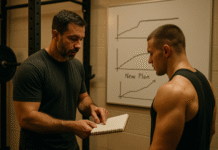
- Coach loop: ask for one focus cue per week.
Systematic reviews in schools and sport settings show video-based visual feedback enhances motor learning beyond verbal feedback alone—especially when you control when to view it. That’s your green light to press record. Taylor & Francis OnlinePMC
Mini-case
After 4 weeks of filming a 20-second salsa basic and right turn each class, most learners see clearer weight shifts and cleaner timing (on 1 or on 2). Replicate that with any skill—tighten one cue at a time.
Close by saving your best “before” clip—it becomes the most motivating “after.”
5. Progress with Structured Levels and Guardrails (Without Burnout)
Progression should feel challenging, not punishing. Use three dials: complexity (new steps/combinations), volume (sets/reps/rounds), and intensity (speed, range, or resistance). In weeks 1–4, grow volume at easy to moderate effort; weeks 5–8, add mild complexity; weeks 9–12, nudge intensity or speed. Keep most skill work at RPE 4–6/10 so you can focus on quality. For martial arts, increase pad rounds before any sparring; for dance, extend phrase length before adding turns; for yoga, expand hold time and transitions before advanced postures. Schedule a deload (lighter volume) every 4–6 weeks.
Numbers & guardrails
- Change one dial/week (complexity, volume, or intensity).
- Limit jumps: ≤10–15% volume increase on a like-for-like session.
- Cap intensity early: keep heart rate conversational for most classes.
- Green flags: crisp technique at end of set, stable breath, no sharp pain.
Tools/Examples
- Yoga: Sun Salutation A → add B; 3–5 breath holds → 5–7; balance work on soft mat.
- Martial arts: pad rounds 3×2:00 → 4×2:00; drills with light defense; no hard contact until coach clears you.
- Dance: 4×8 count phrase → 6×8; add quarter turns; switch tempos (slow → medium).
These FITT-style (frequency–intensity–time–type) progressions align with established exercise prescription guidance for healthy adults.
6. Build Supportive Strength and Mobility (Your Multiplier)
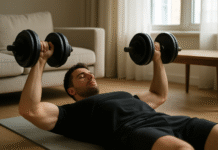
A little strength goes a long way for yoga holds, martial arts stability, and dance control. Twice per week, 20–40 minutes is enough. Prioritize hinge (hip hinge/RDL), squat (goblet/box), push (push-ups), pull (rows), carry (suitcase/farmer), and rotation/anti-rotation (pallof press). Add calf raises and foot intrinsic work for dance; neck/forearm/hip stability for grappling; thoracic mobility and core endurance for yoga. Keep reps in the 6–12 range, leaving 1–3 reps “in reserve.” Pair this with protein intake sufficient for active people; a widely cited position stand suggests about 1.4–2.0 g/kg/day (adjust to preferences, tolerance, and health context). Recover with hydration, fruits/vegetables, and consistent meals around training.
- Micro-blocks: 2 exercises × 3 sets after class on two days.
- Mobility: 5–10 minutes of active range work before class; longer mobility blocks on off days.
- Foot/ankle: calf raises, doming, single-leg balance.
Well-rounded strength supports joint positions, improves power transmission, and reduces fatigue-related technique breakdown—essential in new skills. Scholar Commons
7. Warm Up, Cool Down, and Recover Like an Athlete
Good sessions start with dynamic warm-ups (joint circles, leg swings, step-touch to music, shadow combos) and end with down-regulation (breathing, easy mobility, light static stretches). Dynamic warm-ups improve range and readiness, and static stretches can live after class or on recovery days. Sleep is your best legal performance enhancer; most adults need 7+ hours/night to recover and consolidate learning. If training intensity rises, protect 1–2 low-intensity days per week. For soreness, prioritize easy movement, hydration, and protein; save any strong stretching for when tissues feel warm. Track energy and mood; if both trend down for several days, reduce volume or intensity next week.
- Warm-up (5–8 min): breath + pulse (2 min), dynamic mobility (3 min), specific drills (2–3 min).
- Cool-down (3–5 min): slow breath, gentle stretches, easy walk.
- Sleep routine: consistent bed/wake times; dark, cool room; screens off 60 minutes prior.
Research supports dynamic stretching within warm-ups and highlights that static stretching is best placed away from power demands; public-health sleep guidance underscores the 7+ hours baseline and links insufficient sleep with worse health outcomes.
8. Safety, Etiquette, and Culture (Yoga Rooms, Dojos, and Dance Floors)
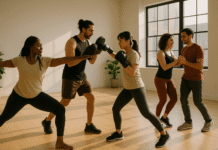
Every discipline has norms that keep you and partners safe. Yoga: arrive early to set up, tell the teacher about injuries, use props, skip painful shapes, and honor rest. Martial arts: trim nails, wear appropriate protection (mouthguard, wraps), listen for “stop” calls, tap early/tap often in grappling, and start with controlled contact only when your coach approves. Dance: mind floor flow (especially social Latin nights), ask before partnering, use clear yes/no communication, and manage space during spins and dips. Across all three, hydrate and respect personal boundaries. If you’re 65+ or new to balance work, consider tai chi or dance styles with slower tempos—they train coordination and stability with low impact and strong adherence. Group classes also bring community—making discipline feel like play.
- Essential gear: yoga mat/blocks/strap; hand wraps/gloves/mouthguard; dance shoes with appropriate soles.
- Green-room rules: be coachable, ask clarifying questions once per class, practice between sessions.
- Red flags: pressure to spar early, coaches who dismiss pain, classes that shame beginners.
Evidence suggests tai chi and dance-based programs can improve balance, physical function, and reduce fall risk in older adults; structured, low-impact practice is a safe on-ramp for many. Frontiers
9. Your 12-Week Skill Plan (Template + Mini-Case)
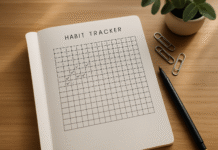
A simple template prevents overthinking. Split 12 weeks into three 4-week blocks: Learn (weeks 1–4), Groove (weeks 5–8), Refine (weeks 9–12). Keep 2–3 classes/week of your chosen activity and 2 short strength/mobility sessions. In each block, target one measure of progress: technique quality first, then consistency, then speed/complexity. Add a low-stakes test at the end of each block (record a sequence, dance a phrase to music, or perform a light pad/flow round). Use a single-page tracker: session date, focus cue, perceived effort, and one win.
Template (week view)
- Mon: Class (foundations) → write 2 cues
- Wed: Strength/mobility 25–30 min
- Fri: Class (combos/flows) → film 20 s
- Sat/Sun: Optional groove practice 10–20 min walk-through
Mini-case (yoga, martial arts, dance)
- Yoga (Vinyasa): Week 1: Sun Salutation A × 3; Week 4: add B + balance; Week 8: link short flow; Week 12: smooth, breath-led 10-minute sequence.
- Martial arts (karate): Week 1: stance/guard + straight punches; Week 4: add kicks and simple defense; Week 8: pad combinations; Week 12: light, coach-supervised situational drills (no hard contact).
- Dance (salsa): Week 1: basic + right turn; Week 4: cross-body lead; Week 8: add shines; Week 12: 32-count routine to medium tempo.
Guardrails
- Keep most work at RPE 4–6/10; if sleep drops below 7 hours for 3+ nights, cut the next session’s volume by 25–40%.
- Schedule a deload in week 5 or 9 if joints feel “gritty.”
Building around clear blocks and light testing gives you momentum and confidence—your progress becomes visible and repeatable. Public guidelines back the weekly activity/time structure, reinforcing that your plan is both safe and effective.
FAQs
1) How many days per week should I train when I’m just starting?
For most beginners, 2–3 classes per week plus 1–2 short strength/mobility sessions works best. It balances learning with recovery, and it’s easy to sustain for 12 weeks. If you’re older or returning from a layoff, start at the low end and add volume only when technique stays crisp at the end of sessions.
2) Can I learn two new activities at once (e.g., dance and BJJ)?
You can, but stagger intensities: make one activity primary (2 classes/week) and the other secondary (1 class/week) for the first 8–12 weeks. Keep total weekly minutes within your recovery capacity and prioritize sleep. If technique quality drops in both, reduce one immediately.
3) Do I need to be flexible to start yoga or dance?
No—flexibility is a training outcome, not a prerequisite. Start with beginner sequences and active range work; use props in yoga and choose slower-tempo dance classes. Place longer static stretches after sessions or on rest days so you don’t trade stability for range during technique work.
4) When is sparring appropriate in martial arts?
Only when your coach says your fundamentals and control are ready. Build rounds on pads, bags, or drills first. Start with situational, light-contact rounds and strict rules. Always wear appropriate protection and stop if technique collapses or you feel unsafe; tapping early and often is smart.
5) How long until I feel competent?
For most adults, 8–12 weeks of consistent practice delivers noticeable improvements in timing, balance, and confidence. True fluency takes longer, but regular short sessions (including 10–15 minute home drills) accelerate learning—especially when paired with targeted feedback and simple tests.
6) What if I can’t keep up in class?
Ask for regressions and focus on one cue. Film one short drill to review at home. Skip reps that cause sharp pain and build capacity with strength and mobility between classes. Consistency beats intensity—finishing each session safely matters more than matching someone else’s pace.
7) What equipment do I need to start?
Minimal is fine: a yoga mat and optional blocks/strap; hand wraps, gloves, and a mouthguard for striking arts; dance shoes appropriate to your style. Lightweight cross-training shoes and a water bottle cover most needs. Add gear over time as you specialize and your coach advises.
8) How should I warm up for each activity?
Use dynamic movements that resemble the session: joint circles, marching, step-touch with arm swings, shadow drills, or sun salutation variations. Save longer static stretches for post-class or recovery days. A good warm-up takes 5–8 minutes and finishes with the specific pattern you’ll train.
9) I’m 65+. What’s the safest way to begin?
Prioritize low-impact, balance-rich options: tai chi, gentle yoga, or beginner social dances. Aim for shorter, more frequent sessions and use a stable support (barre, wall) as needed. Evidence suggests tai chi can reduce fall risk and improve balance; ask instructors about modifications and props.
10) What nutrition supports skill learning?
Center meals on protein, colorful produce, and whole-food carbs. Many active adults do well around 1.4–2.0 g/kg/day of protein distributed across meals, plus fluids and electrolytes appropriate to climate and sweat rate. Eat within a few hours of training; perfection isn’t required—consistency is.
Conclusion
New skills keep training joyful and sustainable. By choosing the right style and level, setting a minimum viable schedule, and practicing deliberately with tight feedback loops, you’ll unlock faster learning without sacrificing safety. Progression with guardrails makes hard things feel doable; complementary strength and smart warm-ups stabilize your base; sleep and simple nutrition help the body adapt between sessions. Culture and etiquette matter too—when you respect the room, partners, and your limits, you’ll discover more support, better coaching, and a community that pulls you forward. Use the 12-week template to stack small wins, and capture them on video so you can see how far you’ve come.
Ready to begin? Pick one beginner class, place three calendar holds, and film your first 20-second drill this week.
References
- WHO Guidelines on Physical Activity and Sedentary Behaviour — World Health Organization, 2020. World Health Organization
- Adult Activity: An Overview (How much physical activity do adults need?) — Centers for Disease Control and Prevention, Dec 20, 2023. CDC
- Adding Physical Activity as an Adult — Centers for Disease Control and Prevention, Jan 8, 2024. CDC
- American College of Sports Medicine Position Stand: Quantity and Quality of Exercise for Developing and Maintaining Fitness in Apparently Healthy Adults — Medicine & Science in Sports & Exercise, 2011. PubMed
- International Society of Sports Nutrition Position Stand: Protein and Exercise — Journal of the International Society of Sports Nutrition, 2017. BioMed Central
- Yoga: Effectiveness and Safety — National Center for Complementary and Integrative Health (NIH), page updated 2024. NCCIH
- Yoga for Health (Clinician Digest, PDF) — National Center for Complementary and Integrative Health, Jan 2024. NCCIH
- Video-Based Visual Feedback to Enhance Motor Learning in Physical Education—A Systematic Review — German Journal of Exercise and Sport Research, 2021/2022. SpringerLink
- Understanding Motor-Learning Stages Improves Skill Instruction — American Psychological Association–linked article (Tenison et al., 2015) and related review excerpts. American Psychological Association
- Effects of Dynamic and Static Stretching Within Warm-Ups — Journal of Strength and Conditioning Research, 2012. PMC
- Current Concepts in Muscle Stretching for Exercise and Rehabilitation — International Journal of Sports Physical Therapy, 2012. PMC
- Recommended Amount of Sleep for a Healthy Adult (Consensus Statement) — Sleep, 2015; CDC summary 2024. and PMCCDC
- Exercise for Preventing Falls in Older People Living in the Community — Cochrane Review, 2019 (Tai Chi subgroup effects). Cochrane
- Dance Interventions and Physical Function/Quality of Life: Systematic Review and Meta-analysis — PLOS ONE, 2024. PLOS