







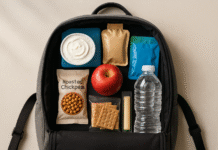











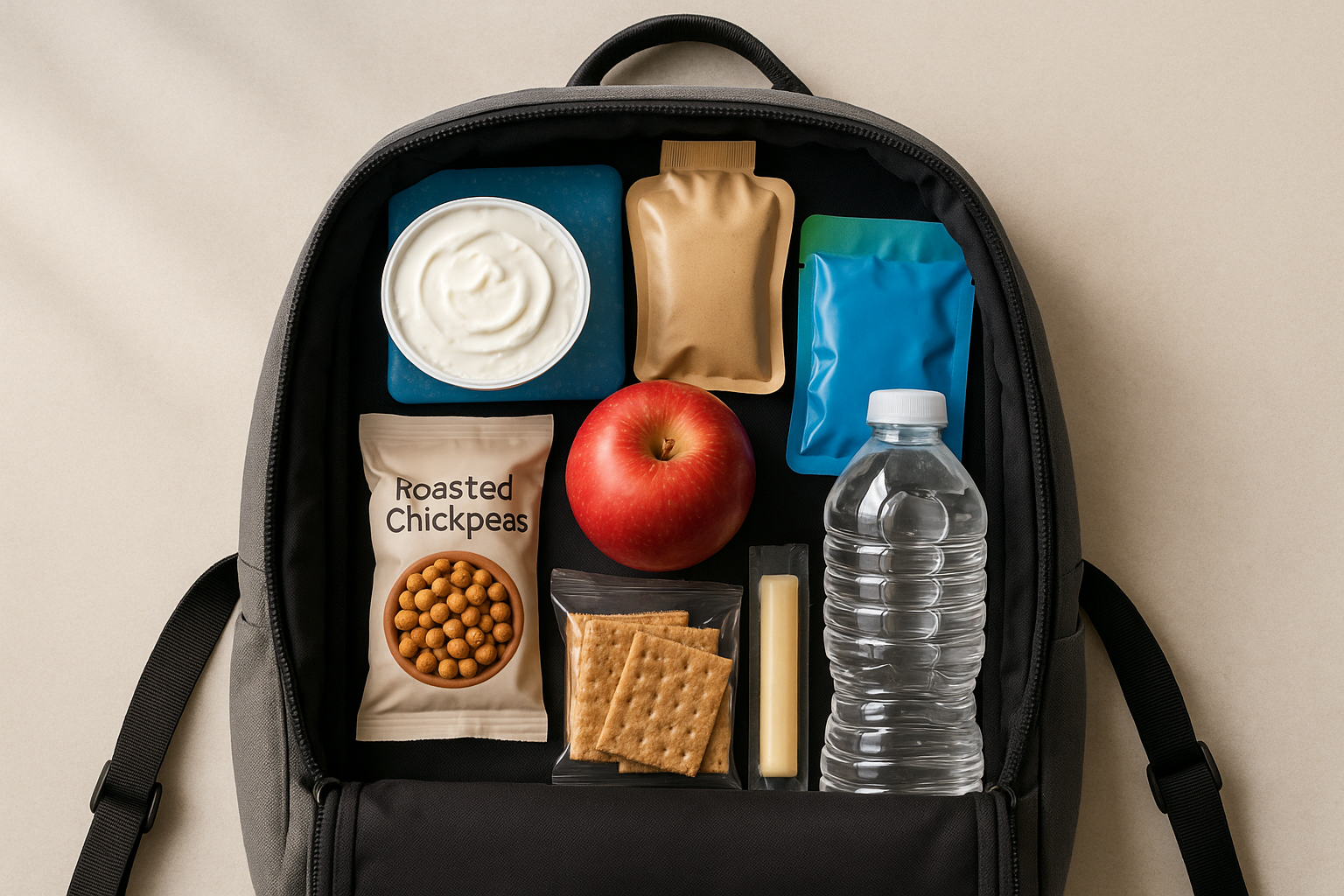
When work, commuting, or parenting compress your day, the right grab-and-go snack keeps you steady—no sugar crash, no hangry detour. This guide narrows in on portable healthy snacks that travel well, satisfy, and help you hit protein and fiber goals without derailing calories or sodium. You’ll learn quick selection rules, packing tips (with or without refrigeration), and region-savvy swaps so you can stock a bag, desk drawer, car, or carry-on with confidence. Portable healthy snacks are nutrient-dense foods designed to be safely carried and eaten on the move, emphasizing protein, fiber, and smart portions for steady energy.
Fast selection checklist (for the win): choose 10–20 g protein (when possible), 3–8 g fiber, ≤10 g added sugar per snack (≤8 g ideal), and check sodium—keep your daily total under current recommendations. If the snack is perishable (dairy, cut produce), pack it with a cold source and follow the 2-hour rule.
Quick note: This article is educational and not medical advice. If you have specific conditions (e.g., kidney disease, diabetes, allergies), tailor choices with a clinician or dietitian.
1. Greek Yogurt or Skyr Cups (Pack with Ice)
Greek yogurt and skyr are portable protein heavy hitters that keep you full between meetings. Choose plain, unsweetened cups to avoid added sugars; then sweeten yourself with fruit or a drizzle of honey you portion and control. A typical 170 g (¾-cup) serving of nonfat Greek yogurt delivers roughly 17–20 g protein while staying modest in calories, making it an ideal anchor for a snack that won’t spike and crash your energy. Because yogurt is perishable, it belongs in an insulated bag with cold packs and should be eaten within a safe window after leaving the fridge. Lactose-free options (and high-protein soy yogurts) travel similarly well if dairy doesn’t agree with you. For busy mornings, pre-top a cup with cinnamon and a tablespoon of nuts—still portable, still balanced.
1.1 Numbers & guardrails
- Target: 15–20 g protein, ≤8 g added sugar per cup (0 g is best; add fruit yourself).
- Pairings that travel: 1 small banana, ½ cup berries in a lidded container, or 1 tablespoon chopped nuts.
- Safety: Keep ≤2 hours unrefrigerated (≤1 hour if >32°C/90°F); otherwise, chill on ice until you’re ready to eat.
1.2 How to pack
- Freeze a gel pack overnight; place it on top of the cup (cold air sinks).
- Add a travel-size spoon and a packet of cinnamon or cocoa for flavor without sugar.
- For longer days, stash cups in the office fridge; rotate stock weekly.
A protein-forward base plus fruit or nuts checks satiety and micronutrients with minimal effort—ideal for chaotic schedules.
2. Nuts & Nut-Butter Squeeze Packs
Single-serve nut-butter packets and 1 oz (28 g) nut portions are tiny, durable, and satiating—perfect for desk drawers and carry-ons. Almonds, pistachios, peanuts, or mixed nuts offer ~160–180 kcal per 28 g with ~6 g protein and ~3–4 g fiber, plus unsaturated fats that help you feel full longer. Choose unsalted or lightly salted to manage sodium; flavored versions can hide sugars. Packets of peanut, almond, or cashew butter pair instantly with fruit or whole-grain crackers for a balanced macro profile. In South Asia, roasted chana (chickpeas/gram) and peanuts are affordable, widely available, and equally portable—keep a small jar in the car (heat-safe) and one on your desk.
2.1 Mini-checklist
- Portion control: 1 small palm (about 23 almonds) or a labeled 28 g pack.
- Read the label: 0 g added sugar; oil should be just “nuts” (and maybe salt).
- Pairings: apple, banana, or 2–4 whole-grain crackers.
2.2 Quick example
- 28 g almonds (~164 kcal, ~6 g protein) + medium apple ≈ satisfying 250–300 kcal snack with fiber to slow digestion.
Compact, nonperishable, and universally available—nuts and nut butters are the ultimate back-pocket plan.
3. Fresh Fruit That Travels Well
Fruit is nature’s portable packaging. Apples, bananas, mandarins, pears, and firm grapes handle backpacks, glove compartments, and briefcases without fuss. Whole fruit brings fiber, water, and micronutrients, and—when paired with protein or fat—curbs cravings for hours. If you prefer berries or cut fruit, portion them into a small lidded container and keep them chilled with an ice pack; once fruit is cut, treat it like any other perishable food. Dried fruit (dates, apricots, raisins) is super portable but calorie-dense; combine a tablespoon or two with nuts or seeds for a smarter “sweet + fat/fiber” combo that digests more evenly. In Pakistan and the Gulf region, dates (khajoor) are a practical on-the-go option—pair two dates with 10–12 almonds for a fast, balanced bite.
3.1 How to do it
- Choose hand-fruit you can eat mess-free; keep 2–3 pieces in rotation.
- If pre-cut, pack cold and eat within 2 hours at room temperature (1 hour in heat).
- For road trips: hardier fruit (apples, mandarins) lasts longer without bruising.
3.2 Pitfalls to avoid
- Only fruit, no protein: leads to quick hunger rebound—add yogurt, nuts, or cheese.
- Overdoing dried fruit: measure; it’s concentrated sugar and easy to overeat.
Whole fruit plus a protein “buddy” is a simple formula you can repeat daily without getting bored.
4. Veggie Sticks with Hummus or Guacamole Cups
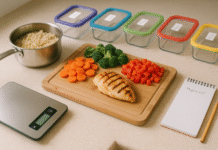
Crunchy vegetables plus a creamy dip make a snack that’s hydrating, fiber-rich, and satisfying. Pre-cut carrot sticks, cucumber, bell pepper, cherry tomatoes, and snap peas travel well in a sealed container. Pair with 2 tablespoons of hummus (about 2 g protein, ~2 g fiber) or a mini guacamole cup for healthy fats. Hummus is also a handy spread for whole-grain crackers or pitas, turning a veggie snack into a more filling mini-meal. Because both dip and cut vegetables are perishable, keep them chilled and follow the 2-hour rule; in a hot car or summer commute, aim for ≤1 hour without refrigeration. For extra crunch, add roasted chickpeas to the container and toss together right before eating.
4.1 Mini-checklist
- Veggies: 1–2 cups assorted sticks, washed and dried.
- Dip: 2–4 tbsp hummus or 1 single-serve guacamole cup.
- Transport: insulated bag + gel pack; store in a fridge once you arrive.
4.2 Tools/Examples
- Reusable bento box or jar with a dip well to prevent soggy vegetables.
- Flavor boosts: za’atar, sumac, or smoked paprika sprinkled on hummus.
Fresh crunch + legume or avocado cream delivers fiber and satisfaction for surprisingly few calories.
5. Whole-Grain Crackers with Cheese Sticks
This classic pair offers balanced carbs, protein, and fat in a tidy, portable form. Choose whole-grain crackers with ≥3 g fiber per serving and short ingredient lists. Add one cheese stick or mini round for ~6–8 g protein and calcium—string cheese, cheddar sticks, or mild cheeses travel well for a few hours if kept cold. For longer storage, keep crackers at your desk and bring chilled cheese from home. If you’re mindful of sodium, note the cracker label and choose lower-sodium cheeses or balance these with low-sodium snacks later in the day. To round it out, add a small piece of fruit for volume and micronutrients without much bulk.
5.1 Numbers & guardrails
- Crackers: look for ≥3 g fiber and ≤200 mg sodium per serving when possible.
- Cheese: 1 stick (~28 g) ≈ 70–90 kcal, ~6–8 g protein.
- Portions: 2–4 crackers + 1 stick + fruit hits the satiety sweet spot.
5.2 Common mistakes
- “Healthy” crackers with sneaky sugars or seed-oil glazes; check added sugar line.
- Skipping the cold pack for cheese—perishables still need chilling.
Simple and satisfying, this combo feels like a treat but behaves like a balanced snack.
6. Roasted Chickpeas or Dry-Roasted Edamame
If you crave crunch without chips, roasted chickpeas and dry-roasted edamame scratch the itch and bring meaningful protein and fiber. A 28 g portion of roasted chickpeas typically provides ~120 kcal, ~6 g protein, and fiber, while dry-roasted edamame is higher in protein—brands vary, but expect a solid protein punch in a small handful. Both are compact, shelf-stable, and tolerant of heat, making them perfect glove-box or desk-drawer regulars. Seasoned varieties can carry more sodium, so scan the label if you’re watching your total for the day. For variety, mix them with a few pumpkin seeds or pistachios—still crunchy, more minerals.
6.1 How to do it
- Buy single-serve packs or portion bulk into 28–30 g sachets.
- Flavor wisely: chili-lime, paprika, or za’atar—low-sugar, moderate-sodium rubs.
- For a mini-meal: pair with a fruit cup or a few whole-grain crackers.
6.2 Mini case
- Afternoon slump fix: 28 g roasted chickpeas (~120 kcal, ~6 g protein) + mandarin orange = fiber + protein to bridge to dinner without heaviness.
Crunch, fiber, and plant protein—your chip alternative that actually satisfies.
7. Tuna or Salmon Pouches (with Crackers)
Shelf-stable seafood pouches are a road-warrior’s friend: ~20 g protein per small pouch with heart-healthy omega-3s (especially salmon). They’re compact, don’t require draining, and pair instantly with whole-grain crackers for a balanced bite. If you’re pregnant or feeding young kids, choose “light” tuna (often skipjack) more often than albacore for lower mercury, or opt for salmon. Flavored pouches can be higher in sodium—plain water-packed with your own seasoning (lemon pepper, chili flakes) keeps it clean. Keep a spoon or fork in the bag, and you can eat straight from the pouch in under two minutes.
7.1 Numbers & guardrails
- Protein: ~17–20 g per 2.6–3 oz pouch (brand dependent).
- Sodium: choose ≤300 mg/serving if you’re watching totals; season yourself.
- Safety: shelf-stable unopened; refrigerate leftovers and eat promptly after opening.
7.2 Tools/Examples
- Add-ins: lemon packet, olive-oil mini, relish, or mustard.
- Pair with 3–4 crackers + sliced cucumber for crunch without extra sodium.
A small pouch delivers big satiety and brain-friendly fats with minimal fuss—perfect between back-to-back calls.
8. Jerky or Biltong (Low-Sugar, Moderate-Sodium)
Lean beef, turkey, chicken, or game jerky (and air-dried biltong) provide compact protein with little mess—ideal for flights, hikes, or field days. Look for brands with 0–2 g added sugar per serving and moderate sodium; some jerky is heavily salted, so the label matters. Jerky is generally shelf-stable and tolerates heat, but once opened, seal it airtight and finish within a day or two for best quality. Pair jerky with fruit or a raw veggie pack to balance sodium and add fiber. If you’re sensitive to additives, choose options without nitrites or artificial flavors—simple ingredient lists are common now.
8.1 Mini-checklist
- Protein: ~9–15 g per 28 g serving (varies by meat and brand).
- Sugar: ≤2 g added sugar per serving.
- Sodium: compare—pick the lowest that still tastes good to you.
8.2 How to pack
- Keep a resealable 1–2 serving bag in your backpack or glove box.
- Add a small fruit (mandarin, apple) to offset salt and improve hydration.
High-protein, no utensils, and long shelf life—jerky is a smart emergency snack when refrigeration isn’t possible.
9. Protein Bars (How to Choose a Good One)
Protein bars are convenient—but the quality spectrum is wide. A helpful rule: pick bars with ≥10–20 g protein, ≥3 g fiber, and ≤8–10 g added sugar, ideally from recognizable ingredients (nuts, seeds, oats, egg whites). Watch for sugar alcohols (erythritol, maltitol) if they bother your digestion. If you’re using a bar as a snack, ~150–220 kcal works for most; as a meal stand-in, aim closer to 250–350 kcal with more protein. For sodium, lower is better unless you’ve just trained in heat. Keep a “house list” of 2–3 brands that meet your personal criteria so you can grab and go without label math.
9.1 What to look for
- Protein: 10–20 g (closer to 20 g if it’s your whole snack).
- Fiber: 3–8 g from real foods (chicory root, oats, nuts, seeds).
- Added sugar: ≤8–10 g; or “0 g added sugar” with caution around sugar alcohols.
9.2 Quick example
- A ~200 kcal bar with 15 g protein and 5 g fiber is a solid hunger holdover for 2–3 hours between meals.
Use bars strategically—convenience when you need it, real food most of the time.
10. Overnight Oats or Chia Cups (Make-Ahead)
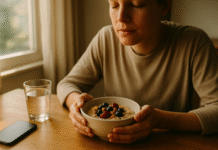
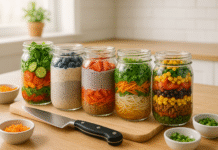
For those who like to prep once and coast all week, overnight oats or chia puddings in small jars are clutch. Combine rolled oats or chia seeds with milk (dairy or soy for extra protein), a pinch of salt, and optional Greek yogurt. By morning, you’ve got a creamy, portable base with complex carbs, fiber, and protein. Keep jars in the fridge; when commuting, pack them in an insulated bag with a gel pack and eat within a safe window. Flavor endlessly—cinnamon and apple, peanut butter and banana, cocoa and berries—without relying on added sugar. For texture, add nuts or roasted seeds just before eating to keep them crunchy.
10.1 How to do it
- Base: ½ cup oats + ½–⅔ cup milk; or 3 tbsp chia + ¾ cup milk.
- Boosts: ¼ cup Greek yogurt, 1 tbsp nut butter, ½ cup fruit.
- Pack cold with a spoon; finish within 2 hours if not refrigerated.
10.2 Mini-checklist
- Balance: aim for ≥12 g protein + ≥6 g fiber per jar.
- Sweeten smart: dates, fruit, or a measured drizzle of honey.
Prepped once, ready daily—these jars are a reliable anchor snack for heavy weeks.
11. DIY Trail Mix (Portion-Controlled)
Trail mix can be incredibly healthy—or a calorie bomb. The fix is a simple formula and small bags. Build yours as 50% nuts/seeds, 25% dried fruit, and 25% extras (dark chocolate chips, whole-grain cereal, coconut flakes). Portion into ¼-cup (30 g) bags for ~170–200 kcal with protein, fiber, and satisfying crunch. Pick unsweetened dried fruit and keep chocolate modest. For a regional twist, use dry-roasted chana, pistachios, walnuts, raisins, chopped dates, and a few cacao nibs. Store in a cool, dry place; heat won’t hurt safety, but oils can go rancid over months—rotate stock every few weeks.
11.1 Numbers & guardrails
- Per ¼ cup (30 g): ~170–200 kcal depending on mix; ~4–6 g protein.
- Sodium: choose unsalted nuts to keep totals lower.
- Sweetness: rely on fruit; keep chocolate to 1 tsp per bag.
11.2 Tips to stay on track
- Use small zipper bags or silicone pouches; what you pack is what you eat.
- Add a pinch of cinnamon or chili powder for flavor without sugar.
With a smart ratio and pre-portioned bags, trail mix becomes a disciplined, delightful staple.
12. Shelf-Stable Shakes & UHT Milk Boxes
When refrigeration is uncertain, shelf-stable protein shakes or UHT milk (tetra boxes) shine. Many ready-to-drink shakes provide 20–30 g protein with minimal prep—just shake and sip. Look for options with ≤8–10 g added sugar and consider lactose-free if needed. UHT dairy milk is shelf-stable unopened for months; pair it with a banana and a handful of nuts for a quick, balanced snack when you’re away from a fridge. Once opened, treat both like regular milk—refrigerate and use promptly. Keep a couple in your car kit, gym bag, or desk for “meeting ran long” emergencies.
12.1 Mini-checklist
- Protein shake: 20–30 g protein, ≤8–10 g added sugar.
- UHT milk: check date; store unopened at room temp; refrigerate after opening.
- Travel-friendly: slim cartons + attached paper straw = no dishes.
12.2 How to use
- Post-workout: shake + fruit for glycogen and protein.
- Mid-afternoon: UHT milk + 1 oz nuts for steady energy.
Long shelf life, high convenience—these are your back-up plans when plans go sideways.
FAQs
1) What’s the ideal macro target for a portable snack?
A practical target is 10–20 g protein and 3–8 g fiber with ≤8–10 g added sugar. Protein blunts hunger, fiber slows digestion, and limiting added sugar avoids spikes and crashes. If you’re very active or using the snack as a small meal, lean toward the higher end of protein and include slow-burn carbs (oats, whole-grain crackers, fruit).
2) How do I keep perishable snacks safe without a fridge?
Use an insulated bag with at least one cold source (two is better on hot days). Follow the 2-hour rule—refrigerate or eat perishable foods (yogurt, cheese, cut fruit/veg, leftovers) within two hours at room temperature, or one hour if ambient temps exceed 32°C/90°F. Keep a couple of shelf-stable backups (nuts, roasted chickpeas, jerky) in case meetings run long.
3) What should I look for on labels—sugar and sodium wise?
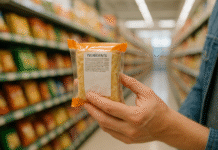
For added sugars, keep daily intake under 10% of calories (that’s ≤50 g on a 2,000-calorie diet). For sodium, adults should aim for <2,300 mg/day (some organizations suggest lower). For snacks, pick low-sodium versions when possible and balance higher-sodium items (jerky, crackers) with lower-sodium choices later in the day.
4) Are protein bars healthy or just candy?
They can be either. Choose bars with simple ingredients, ≥10–20 g protein, ≥3 g fiber, and low added sugar. If a bar is mostly syrups and sugar alcohols, expect digestive issues or a quick hunger rebound. Bars are best as plan B when real food isn’t handy; keep your favorites pre-vetted to save time.
5) I’m vegetarian—what are the best portable options?
Great picks include Greek/soy yogurt cups, roasted chickpeas/edamame, nuts and nut-butter packs, hummus with veg and crackers, trail mix, chia cups, and shelf-stable soy milk or shakes. These deliver the protein and fiber you need without refrigeration for long stretches (except yogurt/hummus, which need cold packs).
6) How can I snack affordably and still eat well?
Buy in bulk and portion (nuts, roasted chana, oats), choose store brands, and prep overnight oats/ chia at home. Shelf-stable tuna pouches, UHT milk, and frozen fruit (thawed into lunch boxes) stretch budgets. A weekly “snack box” routine—pre-bagging 8–10 snacks—reduces impulse buys and waste.
7) What’s a good pre-workout or post-workout portable snack?
Pre-workout (60–90 min): fruit + yogurt, or crackers + cheese (carbs + a little protein). Post-workout: a 20–30 g protein shake plus a banana, or tuna pouches with crackers. Hydrate and add a pinch of sodium if you’ve been sweating heavily, especially in hot climates.
8) How do I avoid overeating trail mix or nuts?
Pre-portion into ¼-cup (30 g) bags. Keep the full container out of reach and only carry what you plan to eat. If you prefer grazing, mix in puffed whole-grain cereal or roasted chickpeas to increase volume with fewer calories per bite.
9) Are jerky and biltong too salty for regular snacking?
They can be. Compare brands and pick lower-sodium options with 0–2 g added sugar. Pair with fruit or raw veg to balance saltiness. If you’re monitoring blood pressure or sodium strictly, reserve jerky for travel or emergencies and prioritize roasted legumes or yogurt for everyday use.
10) What about airport security and travel?
Solid foods (nuts, bars, jerky, fruit, sandwiches) pass security; liquids and gels (yogurt, hummus) must follow liquid rules unless purchased post-security. Pack shelf-stable shakes or buy them airside. For long trips, include both perishable (on ice) and nonperishable backups in your bag.
11) Can I make these snacks diabetes-friendly?
Yes—pair protein + fiber-rich carbs and watch portions. Good combos: Greek yogurt + berries; nuts + apple; roasted chickpeas + cucumber; tuna pouch + whole-grain crackers. Choose low-added-sugar options and consider a small walk after eating to help glucose control. Always personalize with your clinician’s guidance.
12) How many snacks a day is “right”?
It depends on your meals, activity, and appetite. Most busy adults do well with 1–2 purposeful snacks that prevent over-hungry dinners. Use hunger/fullness cues: a good snack keeps you satisfied 2–3 hours without making you sluggish before your next meal.
Conclusion
Busy doesn’t have to mean haphazard eating. With a short set of label guardrails (protein, fiber, added sugar, sodium), a few cold-pack habits, and a stocked “snack kit,” you can glide through long days without energy dips or vending-machine regret. The 12 options here cover every scenario—no fridge, long commute, airport gate, or back-to-back meetings—and they’re flexible enough to match your tastes, culture, and budget. Start by picking three that fit your week (for example, Greek yogurt cups, roasted chickpeas, and a vetted protein bar), portion them on Sunday night, and stash backups like nuts or jerky where you work or drive. Rotate flavors weekly so you never feel stuck with the same thing.
Ready to roll? Pick your top three, portion for the week, and pack today’s bag before you head out.
References
- The facts on fiber, Harvard T.H. Chan School of Public Health — The Nutrition Source, Nov 1, 2024. https://www.health.harvard.edu/nutrition/the-facts-on-fiber
- Added Sugars on the Nutrition Facts Label, U.S. Food & Drug Administration, Mar 5, 2024. https://www.fda.gov/food/nutrition-facts-label/added-sugars-nutrition-facts-label
- Sodium in Your Diet, U.S. Food & Drug Administration, Mar 5, 2024. https://www.fda.gov/food/nutrition-education-resources-materials/sodium-your-diet
- Sodium reduction: Key facts & recommendations, World Health Organization, Feb 7, 2025. https://www.who.int/news-room/fact-sheets/detail/sodium-reduction
- Advice About Eating Fish, U.S. FDA/EPA consumer guidance, 2022–2024 updates. https://www.fda.gov/food/consumers/advice-about-eating-fish
- Jerky and Food Safety, USDA Food Safety and Inspection Service, Nov 3, 2016. https://www.fsis.usda.gov/food-safety/safe-food-handling-and-preparation/meat-fish/jerky
- About Four Steps to Food Safety (Clean, Separate, Cook, Chill), U.S. CDC, Apr 29, 2024. https://www.cdc.gov/food-safety/prevention/index.html
- UHT Milk: What is Ultra-High Temperature Milk?, U.S. Dairy, Jan 20, 2025. https://www.usdairy.com/news-articles/uht-milk-what-is-ultra-high-temperature-milk
- Nutrition Facts for Almonds (1 oz/28 g), MyFoodData (USDA FoodData Central analysis), accessed Aug 2025. https://tools.myfooddata.com/nutrition-facts/170567/wt5
- Nutrition Facts for Nonfat Greek Yogurt (per 170 g), MyFoodData (USDA FoodData Central analysis), accessed Aug 2025. https://tools.myfooddata.com/nutrition-facts/170894/wt1
- Nutrition Facts for Canned Tuna, water-packed, MyFoodData (USDA FoodData Central analysis), accessed Aug 2025. https://tools.myfooddata.com/nutrition-facts/175158/wt1
- Keeping “Bag” Lunches Safe, USDA FSIS, (undated page; current as of Aug 2025). https://www.fsis.usda.gov/food-safety/safe-food-handling-and-preparation/food-safety-basics/keeping-bag-lunches-safe