
























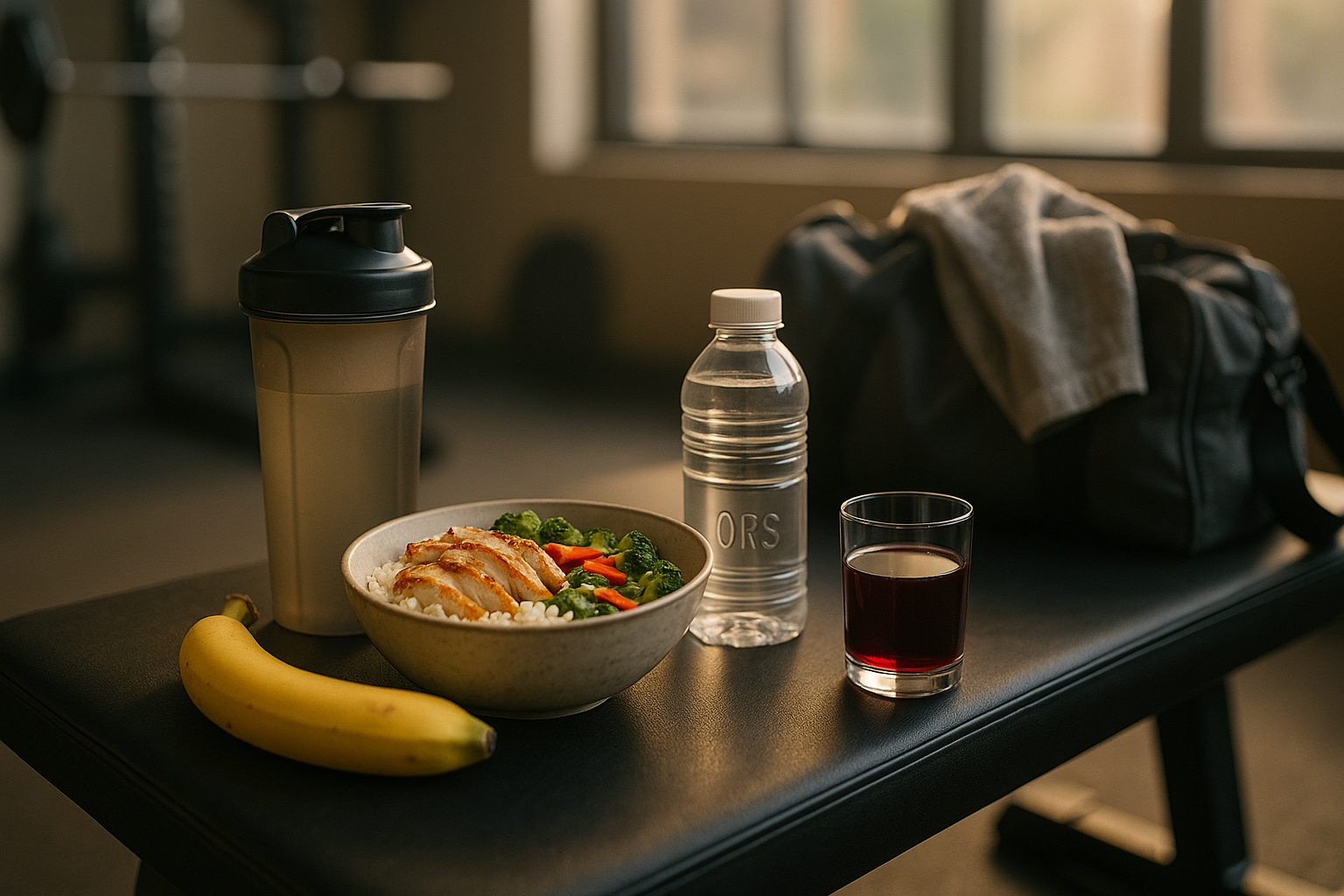
Finishing a hard session is only half the job—what you do in the next few hours determines how quickly you bounce back and how strong your next performance will be. This guide is for lifters, runners, team-sport athletes, and busy exercisers who want simple, evidence-based steps that actually move the needle. Post-workout nutrition means targeted intake of carbohydrates, protein, and fluids to replenish glycogen, stimulate muscle protein synthesis, and restore hydration so you’re ready for the next bout. In brief: aim for 20–40 g high-quality protein, 1.0–1.2 g/kg/h carbohydrate if quick turnaround matters, and enough sodium-containing fluids to replace about 150% of sweat losses. Details—and practical templates—below.
Quick steps (for skimmers): 1) 20–40 g protein with ~2–3 g leucine; 2) 1.0–1.2 g/kg/h carbs for 3–4 h if training again soon (or at least a carb-rich meal within 2 h); 3) fluids equal to ~150% of weight lost with 30–60 mmol/L sodium; 4) if carbs are limited, add 0.2–0.4 g/kg protein to help glycogen catch up; 5) consider pre-sleep protein and creatine during heavy blocks.
Medical note: The guidance below is general education, not medical advice. If you have a health condition (e.g., kidney disease, diabetes) or use medications, talk to a qualified professional before changing your routine.
1. Hit Your Protein Dose (20–40 g; ~0.25–0.40 g/kg, With 2–3 g Leucine)
You’ll recover faster when you give your muscles enough amino acids to rebuild what training just broke down. A practical post-workout target is 20–40 g of high-quality protein (or ~0.25–0.40 g/kg) delivering ~700–3,000 mg leucine to trigger muscle protein synthesis (MPS). You don’t need to chug it the minute you rack the bar—MPS stays elevated for at least 24 hours—but getting this dose within the first couple of hours is convenient and helps you check the box. Good options: whey, milk, soy isolate, eggs, or a mixed meal with meat/fish/legumes plus a leucine-rich side.
1.1 Why it matters
Adequate protein repairs contractile proteins and connective tissues, supports adaptation, and may reduce soreness over time. The International Society of Sports Nutrition (ISSN) recommends distributing these doses evenly every 3–4 hours across the day—your post-workout feeding is simply one of those pulses.
1.2 Numbers & guardrails
- Dose: 20–40 g protein or ~0.25–0.40 g/kg per feeding.
- Leucine: 0.7–3.0 g per serving (whey is leucine-rich; plant blends may need a slightly higher dose or added leucine).
- Timing: within 0–2 h post-workout works well; MPS remains responsive up to 24 h.
Bottom line: Prioritize the dose and quality; timing is flexible but getting it done soon after training is a simple win.
2. Refill Glycogen on a Schedule (1.0–1.2 g/kg/h for Fast Turnarounds)
If you have another session within 8–24 hours—or you just trained long and hard—structure carbs. The highest glycogen resynthesis rates occur when you consume ~1.0–1.2 g carbohydrate per kg body mass per hour for the first 3–4 hours, using moderate-to-high glycemic options (rice, bread, potatoes, sports drinks, fruit, honey). This takes advantage of elevated insulin sensitivity and glycogen synthase activity post-exercise. For single daily sessions, a carb-rich meal within 2 hours is usually sufficient.
2.1 How to do it
- Plan 3–4 mini-feedings (e.g., every 30–60 min).
- Mix glucose + fructose sources (rice plus fruit; sports drink with a banana) to support both muscle and liver glycogen.
- Aim for ~8–10 g/kg/day on heavy days if you don’t need rapid hourly refueling.
2.2 Mini example
A 70-kg runner training again tomorrow: 70–84 g carbs/h × 3–4 h = 210–336 g total in the early window. That could be 500 mL sports drink + 1 banana (~60 g) every hour plus a bagel with jam between hours 2–3.
Bottom line: When recovery time is short, organize carbs by the clock; otherwise, just ensure a large, carb-rich meal lands within 2 hours.
3. Pair Protein With Carbs When Your Carb Intake Is Limited
Can protein help glycogen resynthesis? Yes—especially when carb intake is sub-optimal. When you can’t reach ~1.0–1.2 g/kg/h of carb (travel, appetite, GI issues), adding ~0.2–0.4 g/kg/h protein boosts insulin and can accelerate glycogen restoration in the short term. If you are already hitting ≥1.2 g/kg/h of carbohydrate, adding protein doesn’t further increase glycogen per se—but you still want protein for muscle repair. SpringerOpen
3.1 Practical options
- CHO 0.8 g/kg/h + PRO 0.3 g/kg/h: e.g., 56 g carbs + 21 g protein per hour for a 70-kg athlete (rice balls + milk).
- Chocolate milk or milk + fruit when you need an all-in-one carb-protein-fluid solution.
3.2 Checklist
- If carb ≥1.0–1.2 g/kg/h → protein for MPS, not glycogen.
- If carb ≤0.8 g/kg/h → add 0.2–0.4 g/kg/h protein to close the gap on glycogen.
Bottom line: Use protein strategically to support glycogen when carbs are constrained; otherwise focus protein on rebuilding muscle.
4. Rehydrate Like a Pro: Replace ~150% of Sweat Losses + Sodium
Fluid replacement is more than “drink a lot.” For rapid rehydration (e.g., two-a-days, hot climates), target ~150% of the body mass lost during exercise within ~2 hours, and include sodium. Many sports drinks have only ~20 mmol/L sodium; evidence suggests ≥40 mmol/L improves fluid retention after sweat losses. Pair drinks with salty foods or use an oral rehydration solution (ORS) when rehydration speed matters most.
4.1 How to estimate
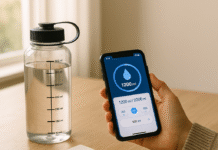
- Weigh before/after: Every 1 kg lost ≈ 1 L of sweat. Rehydrate with ~1.5 L per kg lost (e.g., 1.6 kg loss → 2.4 L fluids) and include sodium.
- Hot-weather tip (South Asia, Middle East): Consider saltier beverages or ORS (50–90 mmol/L Na) if you’re a salty sweater (salt stains, stinging eyes). gssiweb.org
4.2 Guardrails
- Avoid over-drinking plain water after long events—exercise-associated hyponatremia risk rises when sodium is not replaced.
- For routine sessions, ad libitum drinking + a salty meal often suffices; scale up for back-to-back training. PMC
Bottom line: Replace ~150% of losses and add sodium to lock in fluids, especially if you train again soon or in the heat.
5. Time It Smartly (The “Window” Is Wide—But Context Matters)
Is there a narrow “anabolic window”? Not really for muscle, because the exercise-induced increase in MPS persists for ~24 hours, so pre- or post-workout protein can work. For glycogen, timing matters more when recovery time is short—begin carbs as soon as practicable after exhaustive work if you train again the same day or early next morning. Otherwise, a carb-rich meal and your normal protein pulses across the day will cover you.
5.1 Practical timing flow
- Two-a-days/AM-PM: Start carbs immediately and repeat hourly; include protein in at least one feeding.
- Once-daily: Eat within 0–2 h post-session; then distribute protein q3–4 h.
- Evening sessions: Consider pre-sleep protein (see Strategy 7).
5.2 Common mistakes
- Focusing only on the first 30 minutes and under-eating the rest of the day.
- Overemphasizing timing while missing total daily intake.
Bottom line: Timing fine-tunes recovery; totals underpin it. Front-load carbs when turnarounds are short; pulse protein over the day.
6. Milk (or Fortified Alternatives) Can Be a 3-in-1 Recovery Drink
Dairy milk provides carbs, complete proteins (whey + casein), electrolytes, and water, making it an effective rehydration and recovery option. Studies suggest milk and chocolate milk can match or outperform isocaloric sports drinks for fluid balance and next-bout performance in some contexts. If you’re lactose-intolerant, consider lactose-free milk or fortified soy (closest protein profile among plant milks).
6.1 How to use it
- After strength or team-sport sessions: 500–750 mL low-fat milk (plain or chocolate) provides ~18–27 g protein + electrolytes; add fruit or toast for extra carbs.
- Endurance blocks: Chocolate milk works as a combined carb-protein-fluid—pair with salty snacks to raise sodium if needed. PubMed
6.2 Region note
In South Asia, a lightly salted lassi or doodh-patti (milk tea) with a savory snack can contribute fluid, sodium, and carbs—just watch added sugars and choose lactose-free options if needed. (General best practice derived from milk hydration data.)
Bottom line: Milk is a convenient, cost-effective recovery base; augment sodium and carbs to match your session.
7. Use Pre-Sleep Protein to Extend the Repair Window
A 30–40 g pre-sleep protein feeding (often casein) increases overnight amino acid availability and can enhance muscle protein synthesis during sleep, supporting adaptation across training cycles. This is especially useful after evening workouts or during heavy blocks when daily protein targets are higher. Whey and casein both work; casein digests slower, but recent work shows pre-sleep whey can also support synthesis. PubMed
7.1 How to do it
- 30–40 g casein in yogurt/quark or a shake 30–60 min before bed.
- If using plant proteins, increase dose or consider a blend (soy/pea + added leucine).
7.2 Mini example
Evening lifter (75 kg): bowl of skyr (~20 g protein) + 250 mL milk (~8 g) + scoop casein (~24 g) = ~52 g protein; or tofu scramble + soy milk if dairy-free.
Bottom line: Pre-sleep protein is an easy add that supports overnight recovery—especially after late sessions.
8. Creatine: Small Daily Habit, Big Recovery Dividend
Creatine monohydrate (CM) isn’t just about strength and power—it may reduce muscle damage markers and support better training quality across weeks, indirectly improving recovery. It’s among the most studied, safe supplements for healthy people. Use a 3–5 g/day maintenance dose (with or without a 5–7 day load at ~0.3 g/kg/day). Timing is flexible; many take CM post-workout with carbs out of convenience.
8.1 Practical notes
- Loading optional: 20 g/day split x 5–7 days, then 3–5 g/day.
- Hydration: Stay well-hydrated; mild water retention is normal initially.
- Vegetarians/vegans often see larger gains due to lower baseline stores.
8.2 Safety snapshot
Long-term data (up to 5 years) show CM is well-tolerated in healthy individuals; if you have renal issues, consult your clinician first.
Bottom line: Creatine is a high-confidence, low-effort add during serious training phases.
9. Polyphenols on Purpose: Tart Cherry & Curcumin
Tart cherry and curcumin have evidence for reducing DOMS and inflammatory markers after strenuous exercise. Meta-analyses show tart cherry can aid recovery of strength and attenuate soreness; curcumin may reduce CK and soreness, with mixed effects on cytokines. Use them around heavy competitions or dense blocks, not necessarily year-round, to avoid potentially blunting training adaptations from constant high antioxidant intakes.
9.1 How to use
- Tart cherry: ~240–480 mL/day juice or equivalent concentrate for 4–7 days around the event.
- Curcumin: standardized extracts providing ~150–1,000 mg/day curcuminoids for 3–7+ days post-exercise (with piperine or formulated for bioavailability). Dosages vary by product—follow labels.
9.2 Guardrails
- If GI-sensitive, start on a rest day.
- Don’t rely on supplements to cover poor fueling or sleep.
Bottom line: Smart, time-bound use of tart cherry or curcumin can take the edge off soreness without replacing fundamentals.
10. Carb + Caffeine Can Speed Glycogen Refill (Use Judiciously)
In lab settings, co-ingesting caffeine with carbohydrate after exhaustive exercise can increase glycogen resynthesis rates versus carbohydrate alone. It’s a niche play for urgent recovery windows and caffeine-tolerant athletes; mind your total daily caffeine and sleep. A rough heuristic used in studies is ~3–8 mg/kg caffeine during recovery alongside ample carbs, but start far lower to assess tolerance and avoid evening use.
10.1 When it helps
- Tournament days or stage races where every percentage point of glycogen matters before the next start.
- Heat/travel fatigue: caffeine may also reduce perceived effort, but don’t let it disrupt hydration or sleep.
10.2 Cautions
- Avoid close to bedtime.
- Those with anxiety, reflux, pregnancy, or caffeine sensitivity should skip this tactic. BioMed Central
Bottom line: Consider carb + caffeine only when you truly need a glycogen speed-boost and your sleep won’t take the hit.
11. Skip Alcohol After Hard Training—It Blunts Repair
Heavy drinking after training is a recovery tax. Controlled research shows alcohol reduces myofibrillar protein synthesis rates post-exercise, even when co-ingested with protein. It can also worsen sleep and hydration. If you choose to drink, keep it moderate and away from the post-workout window, especially during heavy blocks.
11.1 Practical approach
- If celebrating, eat first, hydrate with electrolytes, and limit to one standard drink, ideally several hours after your recovery meal and fluids.
- On key training days, zero is best.
11.2 Mini case
A team has a match Saturday evening and trains Sunday AM. Drinking Saturday night will likely impair repair signals and dehydrate you, compromising Sunday’s session quality.
Bottom line: Alcohol directly interferes with the muscle-building response—bank the win and postpone drinks.
12. Build Recovery Meals That Fit Your Culture, Budget, and Time
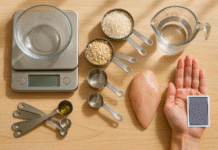
The best plan is the one you’ll follow. Anchor your plate with protein, carbs, sodium-containing fluids, and produce. Use simple ratios if you don’t track grams: 1 palm protein + 2–3 fists carbs + 1 thumb fats + salty drink for long sessions; 1 palm protein + 1–2 fists carbs for shorter strength days. Below are practical templates with approximate macros for a 70-kg athlete—scale up or down as needed.
12.1 Templates (pick one)
- South Asian plate (heavy session): 2 cups dal-chawal (lentils + rice), grilled chicken (120 g), raita with salt, mango, and 500–750 mL ORS or salted lime water → ~35–40 g protein, 130–150 g carbs, fluid + sodium.
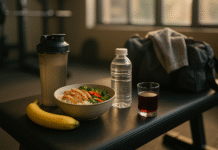
- Grab-and-go: 500 mL chocolate milk + banana + pretzels → ~20 g protein, 90–110 g carbs, ~500–700 mg sodium (brand-dependent).
- Mediterranean bowl: Pita + hummus, baked fish (150 g), roasted potatoes, olive oil, and mineral water + pinch of salt → ~35–45 g protein, 120–140 g carbs, added sodium.
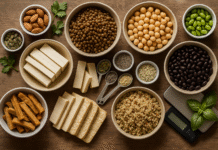
- Vegan: Tofu stir-fry (200 g) with white rice (2 cups cooked), edamame (1 cup), and a glass of fortified soy milk → ~45–55 g protein, 120–140 g carbs, calcium + potassium; salt to taste.
12.2 Mini checklist
- Protein: 20–40 g per meal.
- Carbs: Match session—more for endurance/volume.
- Fluids: Replace ~150% losses with sodium.
- Evenings: Add pre-sleep protein.
- Supplements (optional): creatine daily; tart cherry/curcumin around heavy blocks; caffeine only when needed.
Bottom line: Build around staples you enjoy; hit the protein, carb, and fluid targets, and the physiology takes care of itself.
FAQs
1) What should I eat right after a workout if I’m short on time?
A fast, balanced option is 20–40 g protein + 60–100 g carbs + sodium-containing fluid. Examples: chocolate milk + banana; whey shake + white rice and soy sauce; yogurt + honey + pretzels. This covers MPS, glycogen, and rehydration in one go.
2) How soon do I need to eat?
For muscle, the “window” is wide—MPS remains responsive up to 24 h—so within 0–2 h is convenient, not mandatory. For glycogen with a quick turnaround, start carbs as soon as practical (hourly plan if training again within 8–24 h).
3) How much should I drink after training?
Weigh before/after. Replace ~150% of the loss and include sodium (≥40 mmol/L works better for retention than ~20 mmol/L). If you lost 1.0 kg, drink ~1.5 L with salt or an ORS. koreystringer.institute.uconn.edu
4) Are plant proteins okay for recovery?
Yes. Aim for the same total dose (e.g., 30–40 g from soy/pea blends) to reach a leucine trigger of ~2–3 g. Fortified soy milk approximates dairy’s amino acid profile; add leucine-rich foods (e.g., soy isolate) if needed.
5) Does chocolate milk actually work?
Studies show milk/chocolate milk can be as effective as isocaloric sports drinks for hydration and next-bout performance, thanks to carbs, complete protein, and electrolytes. It’s a practical option if tolerated. PMC
6) Should I add caffeine after I work out?
Only when you truly need to speed glycogen reloading for a near-term event. Carb + caffeine can increase resynthesis rates, but watch sleep, jitters, and GI issues. Skip for evening sessions.
7) Is creatine useful for recovery or just strength?
Creatine mainly boosts high-intensity performance and training quality; across weeks, that improves recovery capacity. It’s safe for healthy adults at 3–5 g/day. BioMed CentralPubMed
8) Do tart cherry and curcumin really help?
Meta-analyses indicate modest benefits for soreness and some inflammatory markers, especially around heavy blocks or races. They’re not magic; use them strategically with solid fueling and sleep.
9) Is protein timing or daily total more important?
Daily total rules, but distributing 20–40 g doses every 3–4 h (including one post-workout) likely optimizes synthesis.
10) What about BCAAs?
Whole proteins outperform isolated BCAAs for recovery because they provide all essential amino acids and sufficient leucine. If you already hit total protein targets, extra BCAAs add little. PubMed
11) I’m cramping—should I chase potassium or sodium?
Cramping is multifactorial, but sodium often matters after heavy sweating. Include salty foods or higher-sodium drinks (≥40 mmol/L) during rehydration and meet overall energy needs. Persistent issues? Check with a clinician. PMC
12) Is alcohol after training really that bad?
Yes for recovery: alcohol suppresses post-exercise MPS even with protein on board. Save drinks for rest days or keep them minimal and away from the recovery window.
Conclusion
Faster recovery isn’t complicated—it’s consistent. Nail three pillars every time: protein (20–40 g), carbs (organized when turnarounds are short), and fluids with sodium (about 150% of sweat loss). Then layer context: pre-sleep protein for evening sessions, creatine during demanding blocks, and targeted polyphenols (tart cherry or curcumin) when soreness would otherwise derail quality training. If you need a final checklist: weigh in/out; start carbs promptly if training soon; include a real protein serving; salt your food or use ORS; and cap the day with a protein-rich meal or pre-sleep snack. Execute that playbook most days and you’ll feel the payoff in session quality, fewer “dead-leg” mornings, and better momentum week to week.
Ready to implement? Pick one template from Strategy 12, stock it in your kitchen or gym bag, and run it after your next three workouts.
References
- Jäger R. et al. International Society of Sports Nutrition Position Stand: Protein and Exercise. Journal of the International Society of Sports Nutrition, 2017. BioMed Central
- Kerksick C.M. et al. International Society of Sports Nutrition Position Stand: Nutrient Timing. Journal of the International Society of Sports Nutrition, 2017. BioMed Central
- Murray B. & Rosenbloom C. Fundamentals of Glycogen Metabolism for Coaches and Athletes. Sports Medicine, 2018. PMC
- Alghannam A.F. et al. Restoration of Muscle Glycogen and Functional Capacity. Frontiers in Physiology, 2018. PMC
- Peden D.L. et al. Post-exercise Rehydration: Comparing the Efficacy of Three Oral Rehydration Solutions. Frontiers in Sports and Active Living, 2023. Frontiers
- Ly N.Q. et al. Post-Exercise Rehydration in Athletes: Effects of Sodium Concentration. Nutrients, 2023. PMC
- Parr E.B. et al. Alcohol Ingestion Impairs Maximal Post-Exercise Rates of Myofibrillar Protein Synthesis. PLOS ONE, 2014. PMC
- Pedersen D.J. et al. High Rates of Muscle Glycogen Resynthesis When Carbohydrate is Co-ingested with Caffeine. Journal of Applied Physiology, 2008. Physiological Reviews
- Trommelen J. & van Loon L.J.C. Pre-Sleep Protein Ingestion to Improve the Skeletal Muscle Adaptive Response to Exercise Training. Nutrients, 2016. MDPI
- Hill J.A. et al. Tart Cherry Supplementation and Recovery From Strenuous Exercise: A Systematic Review and Meta-Analysis. Int J Sport Nutr Exerc Metab, 2021. Human Kinetics Journals
- Fang W. et al. Curcumin Supplementation and Exercise-Induced Muscle Damage: Meta-analysis. Phytotherapy Research, 2021. PubMed
- Shirreffs S.M. et al. Milk as an Effective Post-Exercise Rehydration Drink. British Journal of Nutrition, 2007. PubMed