



























Quality time with parents isn’t about grand gestures; it’s about consistent, intentional moments that make both generations feel seen, respected, and connected. In this guide, you’ll learn practical, low-cost ways to deepen bonds whether you live together, nearby, or continents apart. It’s for adult children, teens, and anyone who wants to bridge age gaps without forcing awkward conversations or complicated plans. Quick definition: quality time with parents means planned, undistracted interaction with clear purpose—listening, learning, and sharing experiences that matter to you both.
Quick start: pick one recurring 30-minute slot, agree on a simple activity, silence phones, and end with a next-time plan. Note: This guide offers general relationship ideas—not medical, legal, or financial advice.
1. Build “Micro-Routines” You Both Enjoy
Micro-routines are short, repeatable moments—morning chai together, a Friday sunset walk, or a 10-minute evening check-in—that keep connection alive with minimal planning. Start here because small rhythms beat occasional big gestures; they’re easier to keep, flexible across time zones, and forgiving when life gets busy. The goal is to make quality time automatic, not aspirational. Begin with one routine that fits both schedules and energy levels. If you’re long-distance, a weekly “tea on video” ritual works surprisingly well—set the kettle, open the app, and talk about one highlight and one challenge of the week. Over time, these routines become a shared heartbeat that bridges generations without pressure.
1.1 Why it matters
- Repetition creates psychological safety, making harder conversations easier later.
- Predictability helps parents who prefer structure—or who tire easily—pace their day.
- Tiny doses compound: 15–20 minutes, 2–3 times weekly, outperforms sporadic marathons.
1.2 How to set yours
- Choose a time you can keep: e.g., Sundays 6:30–7:00 pm.
- Name the ritual: “Porch Walk,” “Tea & Three Topics,” “Photo Friday.”
- Reduce friction: put mugs, shoes, or call link ready; set auto-reminders.
- Protect it: silence notifications; treat it like an appointment.
- End with a next step: confirm next week’s time or a small add-on (“share one recipe”).
Mini-checklist: short (≤30 minutes), specific (named), scheduled (recurring), simple (no prep), and satisfying (end with one win). Small routines, kept consistently, become your family’s bridge.
2. Create a Family Story Archive Together
Co-creating a story archive turns memories into a living project you build side by side. The direct outcome is deeper empathy: you’ll learn what shaped your parents’ choices and they’ll learn how you see the world. Start by recording short voice notes or videos of stories—“first job,” “how you met,” “the hardest year”—and pair them with scanned photos. Keep sessions to 30–45 minutes to avoid fatigue. The point isn’t perfection; it’s capturing voices, laughter, and details that vanish if we wait for a “better time.”
2.1 Tools & examples
- Recording: phone voice memo apps, Zoom/Meet recordings, or a handheld recorder.
- Digitizing: use your phone’s “Scan” feature or free scan apps; save as PDFs or JPGs.
- Organizing: simple folders by decade (“1970s,” “2000s”), or tags (“school,” “migrations”).
- Prompts: “What’s the best advice you received under pressure?” “What kitchen smells mean home?”
- Output: a shared cloud folder, printed photobook, or a private family site.
2.2 Mini-plan
- Session 1: pick 10 photos, record 3 stories (≤5 minutes each).
- Session 2: write 3 captions together; add dates and names.
- Session 3: choose 1–2 stories to share with grandkids/relatives.
Close each session by naming the next story theme. The archive becomes a bridge, not a museum.
3. Cook Across Generations—Swap, Save, and Modernize Recipes
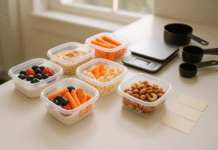
Cooking with parents turns everyday meals into heritage lessons and shared laughter. It’s immediately practical—everyone eats—and it helps transmit culture without speeches. Start by picking one dish meaningful to them and one dish meaningful to you. Decide who leads which recipe, then swap roles next time. Measure casually the first run, then standardize the recipe together so future generations can make it, allergies considered and substitutions noted.
3.1 How to do it
- Prep together: write the ingredient list, assign roles (chopping, seasoning).
- Teach explicitly: ask for “why”—spice order, heat, timing.
- Document: take photos of each step; voice-note quick tips (“add water if it sticks”).
- Modernize mindfully: lighter oil, gluten-free swaps, or budget-friendly cuts.
- Celebrate the result: share with neighbors or freeze portions for them.
3.2 Guardrails & numbers
- Keep sessions ≤90 minutes to reduce fatigue.
- Spend ≤10% of time on cleanup by “clean as you go.”
- Label containers with date and heating instructions for safety.
Close by agreeing on the next recipe and who will be the “teacher.” You’ll leave full—of food and stories.
4. Make Tech a Bonding Topic, Not a Battle
Technology can connect generations when the goal is empowerment, not perfection. Reframe “fix my phone” from a chore into a structured mini-lesson that ends in independence: setting up contacts with photos, teaching voice commands, or creating a simple shared album. The first 1–2 sentences of your plan should promise a clear payoff (e.g., “By the end, you’ll video call without help”). Keep sessions short, single-topic, and always finish by practicing until they can do it twice in a row.
4.1 Step-by-step
- Pick one skill: video calling, messaging, or photo sharing.
- Demonstrate once slowly; narrate the “why.”
- Let them try; only prompt with questions (“what’s next?”).
- Write a 3-step card (“Open app → Tap Dad → Press video”).
- Celebrate with a real call to a relative.
4.2 Common mistakes
- Teaching too many features at once.
- Taking the device and doing it for them.
- Using jargon; instead say “tap the blue camera icon.”
- Skipping practice and expecting retention.
End by scheduling a “tech tea” check-in two weeks later. The win isn’t the app; it’s the confidence.
5. Start a Two-Way Media Club (Film, Music, Podcasts, Books)
A media club is a low-pressure way to share tastes and values. Pick one item per week—a movie, old song list, or short podcast episode—and discuss for 20–30 minutes. The direct benefit is learning each other’s frameworks: what they consider “classic,” what you find compelling today. It also surfaces topics that are easier to explore through characters than head-on lectures.
5.1 Simple format
- Alternate picks weekly; set runtime expectations upfront.
- Start discussion with three prompts: “What did you notice?” “What did you feel?” “What surprised you?”
- Capture one quote or idea to revisit next week.
- Keep snacks and comfort central; this is connection, not critique.
5.2 Variations & tools
- Short-form weeks: poetry, a 15-minute talk, or a standalone TV episode.
- Theme months: migration stories, humor, music from their youth.
- Shared notes: a cloud doc or chat thread with 1–2 reflections each time.
Close each session by picking the next item and assigning who hosts. Over time, your “club” becomes a map of shared meaning.
6. Plan Outings with Accessibility—and Joy—In Mind
Outings can be wonderful if they respect mobility, sensory preferences, and stamina. The first rule: design for the least energetic person’s comfort, then add delight for everyone. Choose locations with seating, shade, clean restrooms, and easy parking or transit. Call ahead to confirm accessibility details and quiet hours. Keep travel time shorter than activity time; if the museum is 40 minutes away, aim for at least 60–90 minutes inside with rest breaks.
6.1 Pre-checklist
- Route: step-free paths, benches every 100–200 meters if possible.
- Food: soft or heart-healthy options, hydration plan.
- Noise: quieter times (weekday mornings), earplugs if necessary.
- Pacing: one anchor activity plus an optional coffee stop; avoid stacking events.
- Emergency info: meds list, contacts, meeting point.
6.2 Budget & local twists
- Use free-entry days, community centers, or parks with accessible trails.
- In hot climates, plan dawn or dusk walks; in cold regions, indoor gardens or libraries.
- Rotate who chooses the spot to keep agency balanced.
End with a photo and a quick “rose/bud/thorn” reflection. The point is joy within real limits.
7. Have the Hard Conversations—Gently, Early, and Often
Bridging generations includes topics like health preferences, housing, and finances—not to solve everything in one go, but to reduce future stress and misunderstandings. Approach as an ongoing series, starting with values (“what matters most if you were in hospital?”) before details (documents, contacts). Aim for short sessions, a calm environment, and one written outcome per talk.
7.1 How to approach
- Normalize it: “I want to be a good teammate for you.”
- Start with stories: ask about how their parents handled these topics.
- Use plain language: avoid jargon; write down definitions together.
- Divide subjects: health wishes, home safety, digital logins, emergency contacts.
- Document lightly: a one-page summary and where fuller papers live.
7.2 Guardrails
- This is general information, not professional advice.
- If disagreements arise, pause; agree to revisit with a neutral third party.
- Reconfirm choices annually or after major life events.
Close with appreciation for their trust. Hard conversations done kindly are a profound form of quality time.
8. Learn a New Skill Side by Side
Co-learning equals co-respect. Choose something neither of you has mastered—gardening, watercolor, basic coding, a new language—and watch the hierarchy dissolve. The direct payoff is fresh conversations that aren’t stuck in old roles. Keep stakes low and encourage imperfection; the goal is the process, not performance. Micro-goals help: a herb planter that survives a month, a three-chord song, a five-sentence conversation in another language.
8.1 Getting started
- Define a 4-week mini-project with a visible outcome.
- Buy a small, shared kit; unbox it together.
- Schedule two 45-minute blocks weekly with a stretch break.
- Keep a progress photo or audio diary for laughs later.
8.2 Common pitfalls
- Picking skills that strain eyesight or dexterity without accommodations.
- Comparing progress; instead, celebrate different strengths.
- Skipping a show-and-tell moment for relatives—tiny “recitals” motivate.
Wrap up each mini-project with a “what we learned” note and a snack. Then pick the next curiosity.
9. Lean into Cultural and Faith Rituals—On Your Terms
Rituals—festivals, weekly prayers, language days, traditional foods—are efficient bridges because meaning is pre-loaded. Start by asking which rituals still feel alive to your parents and which feel like obligation. Then co-design a “lightweight” version you can maintain: perhaps a shortened prayer, a favorite hymn, or one signature dish during holidays. Include respectful adaptations so both generations feel at home.
9.1 How to refresh rituals
- Identify the essence (gratitude, remembrance, togetherness) and keep that.
- Time-box: 45–60 minutes of focused observance, then social time.
- Share roles: someone leads the reading, someone cooks, someone documents photos.
- Invite one friend or neighbor to widen the circle when appropriate.
9.2 Region-specific notes
- If relatives live abroad, align ritual timing across time zones for a shared start.
- For multilingual families, print or save bilingual readings.
- For interfaith or blended families, agree on “witnessing, not convincing” ground rules.
Close by writing down what made it meaningful this time. Rituals evolve; the spirit remains.
10. Volunteer Together for a Cause You Both Care About
Service is quality time with a purpose. Choose a cause linked to family history—a hospital that helped a relative, an animal shelter your parent loves, a neighborhood cleanup. Matching values turns volunteering from “one more task” into a shared identity. Consider roles suited to energy levels: phone outreach, assembling kits at home, or letter-writing campaigns can be as impactful as on-site shifts.
10.1 Finding the right fit
- List shared interests (health, education, environment, arts).
- Filter by accessibility: sitting roles, short shifts, close to home.
- Start with a one-time event before committing regularly.
- Debrief over tea; capture one story from the day.
10.2 Examples & numbers
- Assemble 20 hygiene kits at home in under an hour.
- Record audiobooks for kids or visually impaired readers in 30-minute blocks.
- Write 3 gratitude notes weekly to community workers.
Close by marking your calendar for the next small action. Service is glue; it binds through doing.
11. Make Long-Distance Quality Time Feel Local
Distance doesn’t have to mean disconnection. The trick is mixing synchronous rituals (weekly calls, online games, watch-parties) with asynchronous touches (voice notes, postcards, shared photo streams). Set expectations about frequency and duration so no one feels guilty or overwhelmed. Use time zones to your advantage: send a good-morning voice note they’ll wake up to; ask them to send an evening reflection you’ll hear at lunch.
11.1 Toolkit
- Shared album: post 1 photo each day of something ordinary—sunsets, meals, pets.
- Watch together: pick a 25–40 minute episode and chat in the app.
- Play: turn-based games that allow pauses.
- Old-school charm: letters or care packages with local snacks.
11.2 Mini-rhythms
- “3-point check-in” calls: one joy, one challenge, one question.
- Monthly “postcard swap” with a theme (childhood memory, local landmark).
- Quarterly “virtual house tour” to notice new plants, art, or setups.
Close with a plan for your next visit—even a tentative season. Hope is a bridge, too.
12. Design Meaningful Celebrations and Milestones
Birthdays, anniversaries, and life transitions are natural anchor points. Design celebrations that emphasize presence over presents: hand-written letters read aloud, a slideshow of the year’s micro-moments, or a blessing circle where each person shares a wish. Keep ceremonies short, heartfelt, and inclusive, especially if energy or mobility is limited. Capture artifacts—videos, a guest book, or a simple playlist—to build family continuity.
12.1 Elements to include
- Opening moment: candle, prayer, or deep breath together.
- Appreciation round: each person shares one specific gratitude.
- Story prompt: “a time you felt proud of them this year.”
- Closing ritual: a song, dessert, or shared photo.
12.2 Planning guardrails
- Confirm capacity: 60–90 minutes max for formal parts.
- Invite a hybrid option for far-flung relatives.
- Assign roles: host, timekeeper, photographer, tech helper.
End by noting one tradition to repeat next year. Traditions become the family’s long-term memory.
FAQs
1) What’s the simplest way to start spending quality time with parents if our schedules are packed?
Pick a single 20–30 minute weekly slot and protect it. Name a micro-routine like “Tea & Three Topics,” set calendar reminders, and keep prep minimal. End each session by confirming the next one so you cut planning friction. It’s better to keep a tiny ritual every week than to plan a big activity you can’t sustain.
2) How do I bridge big differences in opinions or values without constant conflict?
Agree on conversation norms first: curiosity over criticism, time-limited debates, and a pause-and-return mechanism when tempers rise. Use third-party media (films, articles) as conversation starting points. Focus on shared goals—care, safety, dignity—instead of “winning.” When things escalate, take a walk or switch to a lighter topic and revisit later.
3) What if one parent wants more time than I can give?
Be honest and specific about availability; propose a recurring slot you can keep. Offer a mix of synchronous (calls) and asynchronous (voice notes, shared photos) touchpoints. Add variety—short check-ins plus a longer monthly session—so quality compensates for quantity. Consistency builds trust more than occasional long marathons.
4) How can I make tech lessons less frustrating for parents?
Teach one skill per session and end with independent practice. Use plain language, create a 3-step cue card, and schedule a follow-up to reinforce learning. Celebrate small wins with a real-life use case—calling a cousin, joining a family group album—so the payoff is immediate and memorable.
5) We have cultural or faith differences. How do we keep rituals without pressure?
Identify the ritual’s essence—gratitude, remembrance, togetherness—and design a lighter, respectful version. Share roles so no one feels coerced, and consider bilingual materials or blended formats. Frame participation as “witnessing, not convincing,” which allows everyone to show up authentically without feeling debated.
6) Any ideas for long-distance quality time beyond phone calls?
Mix synchronous and asynchronous touchpoints: shared photo streams, watch-parties, turn-based games, and monthly postcard swaps. Use routines like “3-point check-ins” (one joy, one challenge, one question). Plan tentative visits by season to give momentum and something to co-anticipate, even if dates shift.
7) How do we talk about health, housing, or finances without making it awkward?
Start with values and stories before documents. Keep sessions short, write one clear takeaway, and agree on a next step. Involve professionals for advice specific to your situation if needed. Revisit choices annually or after big life changes. Kind tone + small steps beats one high-pressure summit.
8) What if mobility or stamina is limited?
Choose activities with built-in rest: short museum visits with benches, home cooking with seated tasks, or neighborhood drives at golden hour. Keep travel time shorter than activity time, and confirm accessibility details ahead of time. Prioritize comfort (shade, water, quiet) and end while energy is still good.
9) How can teens connect with grandparents without it feeling forced?
Give teens ownership: let them teach a skill (short-form video editing, a game), pick media for the club, or interview grandparents for school projects. Keep time blocks short and celebrate tangible outputs (a two-minute edited clip, a scanned album). Agency turns “have to” into “want to.”
10) How do we maintain momentum after the first few weeks?
Name your rituals, track small wins, and keep a running list of next-time ideas. Rotate roles so everyone contributes. If you miss a week, restart without guilt—consistency over perfection. Refresh with theme months (heritage recipes, music decades) and occasional field trips that fit comfort levels.
Conclusion
Bridging generations doesn’t require dramatic breakthroughs; it thrives on small, repeatable moments that respect energy, preferences, and history. When you co-create micro-routines, collect family stories, cook and learn together, and design accessible outings, you transform time into connection. Mix synchronous rituals with asynchronous touches so distance and busy seasons don’t erode the bond. Approach hard topics early with kindness and clarity, and let rituals—old and new—carry meaning across years. Above all, aim for steady presence: short sessions, frequent smiles, and one clear next step every time. Start with one 30-minute micro-routine this week, and revisit this list to add a second once it sticks.
CTA: Choose one idea above, schedule it now, and text a parent the plan.
References
- “Intergenerational Relationships: Why They Matter,” American Psychological Association, 2020, https://www.apa.org/topics/families/intergenerational-relationships
- “Caregiving Basics: Starting the Conversation,” AARP, 2023, https://www.aarp.org/caregiving/basics/info-2023/how-to-start-the-conversation.html
- “Communicating With Older Adults: Health Literacy Considerations,” National Institute on Aging (NIH), 2022, https://www.nia.nih.gov/health/communicating-older-adults
- “Age-Friendly Environments and Accessibility,” World Health Organization, 2022, https://www.who.int/initiatives/age-friendly-environments
- “Multigenerational Living in the U.S.,” Pew Research Center, 2022, https://www.pewresearch.org/social-trends/2022/03/24/majority-of-americans-live-in-multigenerational-households/
- “Physical Activity Guidelines for Older Adults,” CDC, 2024, https://www.cdc.gov/physicalactivity/basics/older_adults/index.htm
- “Digital Inclusion and Older Adults: Tips for Families,” National Council on Aging, 2024, https://www.ncoa.org/article/digital-inclusion-for-older-adults
- “Volunteering and Health: Evidence Overview,” Corporation for National and Community Service, 2013, https://americorps.gov/evidence-exchange/volunteering-and-health-benefits
- “Cultural and Faith Practices in Aging Populations,” National Institute on Aging, 2021, https://www.nia.nih.gov/health/faith-and-health-older-adults
- “Family Storytelling: Benefits Across Generations,” Emory University Family Narratives Project, 2010, https://psychology.emory.edu/home/research/projects/sons-daughters-know/