























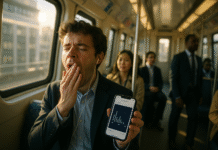




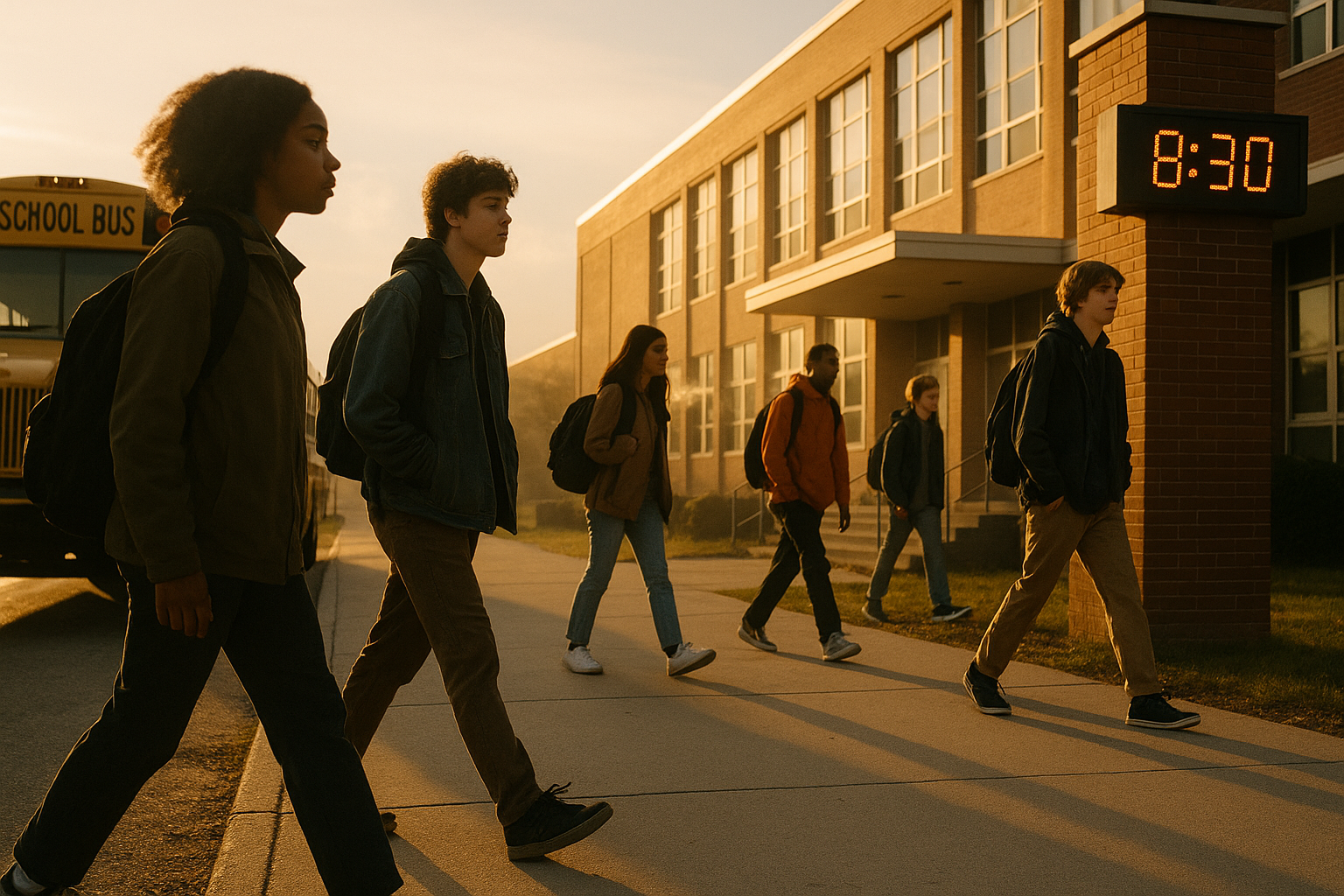
Teens are chronically short on sleep, and early bells make it worse. “School start times and teenagers’ sleep” isn’t just a lifestyle topic—it’s a public health, safety, and learning issue with clear policy levers. In this guide, you’ll learn exactly why later start times work, the trade-offs districts should plan for, and how states and school boards are implementing change. Quick answer: major medical groups recommend middle and high schools start at 8:30 a.m. or later; districts that move later see more sleep, better attendance, safer roads, and no systemic academic downside. This article is informational and not medical advice.
At a glance (key takeaways):
- Later starts align with adolescent biology (melatonin and circadian timing).
- Most teens need 8–10 hours; currently, a large majority get less on school nights.
- Evidence shows gains in sleep, attendance, graduation, and teen driver safety.
- Policy momentum is growing (e.g., California statewide; Florida by 2026–27).
- Logistics—busing, athletics, after-school jobs—are manageable with planning.
1. The biology case: why 8:30 a.m. aligns with teen circadian timing
Adolescents naturally fall asleep and wake later due to pubertal shifts in the circadian system, including later melatonin secretion. That means a 7:20 a.m. bell compresses sleep even when teens try to “do everything right.” Starting at 8:30 a.m. or later better matches biological clocks, enabling the recommended 8–10 hours of sleep for ages 13–18. This isn’t about “sleeping in” laziness; it’s physiology. When districts move later, teens sleep longer on school nights without large weekday–weekend “jet lag,” and daytime alertness improves with fewer lapses and less reliance on caffeine.
1.1 Why it matters
- Cognitive function: Sleep supports memory consolidation, executive function, and reaction time—core to learning and test performance.
- Mental health: Insufficient sleep correlates with higher depressive symptoms and stress; extending sleep can reduce these risks.
- Safety: Sleep loss slows reaction time similarly to low-level alcohol impairment—crucial for teen drivers.
1.2 Numbers & guardrails
- Medical groups recommend 8–10 hours for teens; many report <8 hours on school nights.
- Later bells reduce weekday sleep debt; typical gains range 30–60+ minutes in naturalistic studies.
- Guardrail: Avoid substituting later starts with much later bedtimes by pairing policy with sleep education.
Mini-checklist: Teach circadian basics in health class, limit late-night screen light, and normalize 8:30+ starts in policy so families aren’t fighting biology alone. Together, these steps convert policy change into real sleep.
2. Health outcomes: mental health, metabolic risks, and daytime functioning
Later starts are linked to improved mood, reduced daytime sleepiness, and healthier behaviors. Sleep scarcity is associated with higher odds of risky behaviors, weight gain, and attention/behavior problems in adolescents. By increasing sleep opportunity, districts can reduce nurse visits for fatigue, lower stimulant and energy drink reliance, and see calmer first-period classrooms. These benefits compound: well-rested students regulate emotions better, show up to class, and engage more in learning.
2.1 Evidence snapshot
- Population data: National surveys show ~70–80% of high schoolers report insufficient sleep on school nights.
- Behavioral risk: Less sleep is linked to obesity risk, injuries, and impaired attention.
- Mental health: Insufficient sleep tracks with elevated depressive symptoms and stress; improving sleep is part of multi-pronged prevention.
2.2 How schools can help
- Add a sleep hygiene mini-unit (dark, cool rooms; consistent schedules; light exposure timing).
- Time bright light in morning spaces and keep early periods less cognitively punishing during transitions.
- Offer screen-time norms in student handbooks (e.g., 60–90 minutes wind-down).
Synthesis: Health gains from later start times are not trivial or niche—they’re foundational conditions that support every other school initiative.
3. Safety outcomes: fewer teen car crashes with later bells
Road safety is one of the strongest, most consistent findings. After later start times, multiple communities reported reductions in teen motor-vehicle crashes, from modest to very large drops. Mechanism: more sleep → better reaction time and attention → safer driving. Even single-digit percentage reductions translate into lives saved and injuries prevented when scaled across a district or state.
3.1 What the studies show
- Fairfax County, VA: Crash rates among 16–18-year-old drivers fell significantly in the two years after shifting later; statewide teen crash rates did not improve concurrently.
- Jackson Hole, WY: A widely cited case observed about a 70% reduction in teen crashes after moving to an ~8:55 a.m. start, alongside increases in students sleeping ≥8 hours.
- Broader reviews: Systematic and cohort studies link later starts with fewer collisions and distracted-driving incidents.
3.2 Implementation notes
- Track teen crash rates locally before/after the change (partner with public safety).
- Communicate safety benefits to parents of new drivers and driver-ed programs.
- Coordinate with local DOT on school-zone timing, crossing guard hours, and signalization.
Synthesis: If your board needs a near-term, quantifiable outcome, teen crash reductions are compelling, measurable, and fast to materialize.
4. Learning and attendance: more sleep, better engagement, and stronger on-time metrics
Later starts reliably increase sleep and are associated with improvements in attendance, first-period tardiness, and, in many districts, GPA and graduation rates. Outcomes vary due to local context, but the weight of evidence points positive and rarely shows harm. Importantly, improvements in attendance are among the earliest to appear after a schedule shift, nudging funding and accountability metrics in the right direction.
4.1 Representative findings
- Seattle (Science Advances): Moving about an hour later produced a ~34-minute nightly sleep increase and a 4–5% bump in grades.
- Multi-district studies: Later starts correlate with higher attendance and graduation rates sustained over years.
- National data: While the average high school start time is ~8:00 a.m., only a minority meet the 8:30 standard—leaving headroom for gains.
4.2 Practical levers for principals
- Stagger high-stakes courses later in the morning during transition semesters.
- Pair later starts with first-period tutoring or advisory for reteaching and check-ins.
- Use attendance dashboards with early warning indicators to celebrate improvements.
Synthesis: Later starts remove a chronic barrier to being present and ready to learn; instructional quality finally meets students at their biological “on” time.
5. Equity: who benefits most and how to prevent new burdens
Early bells disproportionately penalize students with long commutes, caregiving responsibilities, late-evening jobs, or unstable housing. Later starts can reduce tardiness and absences for these groups, supporting graduation and postsecondary outcomes. But equity doesn’t happen automatically; a change can reallocate pain points if community voices aren’t centered—as Boston learned when an algorithmically optimized plan sparked backlash.
5.1 Equity-first design checklist
- Engage families most affected by early commutes, after-school jobs, and childcare.
- Offer before-school programming and breakfast access so later starts don’t reduce nutrition or supervision.
- Audit public transit connections (reduced fare cards, timing) and provide backup rides for students in temporary housing.
- Protect CTE and dual-enrollment access; coordinate with colleges on schedule windows.
- Translate materials and host listening sessions across neighborhoods and languages.
5.2 Watchouts & mitigations
- Busing tiers: Don’t “solve” high school by pushing elementary too early; consider modest shifts across all levels.
- Special education routes: Co-design timing with families and providers; protect therapy minutes.
- Communication: Publish equity impact assessments and revise iteratively.
Synthesis: Later start times are an equity intervention when designed with, not just for, communities—reducing structural penalties that early bells impose.
6. Athletics, arts, and after-school work: solving schedule collisions without sacrificing programs
The most common objection is, “What about sports?” Districts that plan proactively keep participation strong. The typical toolkit includes modest practice shifts, lighted fields for fall/winter seasons, earlier access to facilities during last periods, and rotating rehearsal blocks for performing arts. Employers often accommodate updated student schedules, particularly with district outreach.
6.1 Playbook for athletics directors
- Practice windows: Shift start 30–45 minutes later; prioritize varsity travel days earlier last period release.
- Facilities & lighting: Use portable lights or fixed field lighting for short transitional seasons.
- League coordination: Work with conference ADs to normalize later game start times.
- Strength & conditioning: Move some sessions before first bell as optional sunrise workouts (post-policy; not a workaround for late dismissals).
6.2 Supporting working students and clubs
- Provide on-campus employment (library, tech help desk, concessions) aligned with new schedules.
- Stagger club meeting blocks so students aren’t forced to choose between activities and transit.
- Create employer toolkits explaining the shift, with letters students can hand to managers.
Synthesis: With transparent planning, later starts and strong extracurriculars coexist—students gain sleep without losing the communities that make school meaningful.
7. Transportation & tiered busing: routing realities and how districts actually do it
Transportation is the heaviest lift—and solvable. Most districts run tiered busing, recycling fleets across elementary, middle, and high schools. Later high school starts can be offset by slight shifts among levels, modestly longer walk zones, or optimized routing. The risk isn’t logistical impossibility; it’s stakeholder trust. In Boston, abrupt algorithm-driven changes without sufficient engagement triggered backlash despite technical feasibility.
7.1 Operations tactics
- Route optimization: Update software inputs (stop consolidation, bell windows) and validate on road tests.
- Bell windows: Establish 10–15-minute windows by level to keep tiers efficient.
- Driver pipeline: Partner with local CDL programs; offer signing/retention bonuses during transitions.
- Contingencies: Maintain a small reserve fleet and real-time dispatch to cover breakdowns.
7.2 Communications & transparency
- Publish proposed routes early with feedback portals and multilingual forums.
- Share a cost–benefit memo (transport costs vs. health/safety/attendance gains).
- Pilot with a subset of schools; scale once kinks are worked out.
Synthesis: Transportation is an engineering and engagement problem; treat it as both, and the buses (and families) will come along.
8. Policy landscape: medical recommendations and state laws (what’s current)
Major medical bodies recommend later starts for adolescents, and some states now mandate them. The American Academy of Pediatrics (AAP) urged 8:30 a.m. or later for middle and high schools; the American Academy of Sleep Medicine (AASM) and AMA support the same. On the legislative front, California implemented a statewide law (middle school ≥8:00 a.m., high school ≥8:30 a.m. with rural exemptions), and Florida enacted a law requiring those thresholds beginning 2026–27. Many districts elsewhere have adopted later starts locally.
8.1 What this means for boards
- You’re not alone—there’s precedent, guidance, and model language.
- State law may constrain or enable your options; check exemptions (e.g., rural carve-outs).
- Align bell times with public transit and regional labor markets.
8.2 Regional notes
- In states debating change, committees often ask for cost models and transport analyses; bring RAND-style benefit framing and local crash/attendance baselines.
- Urban districts: leverage transit agencies for student ridership alignment.
- Rural districts: use flex routes and community hubs to maintain reasonable rides.
Synthesis: The policy trend line favors later starts; understanding your state context helps you move decisively and compliantly.
9. Economics & implementation roadmap: costs, savings, and step-by-step change
Districts worry about costs—more buses, driver shortages, overtime. Rigorous modeling suggests the macroeconomic benefits of later starts (higher graduation and earnings, fewer crashes) outweigh short-term costs, with projected national gains of $8.6B after two years and ~$83B within a decade if schools move to 8:30 a.m. Implementation works best as a staged, transparent process with clear metrics and a one-year “fine-tune” cycle.
9.1 Step-by-step
- Assemble a steering group: Students, families, teachers, ADs, transportation, special education, union reps, public health.
- Baseline & targets: Current start times, sleep survey, attendance, tardies, crash data. Set year-1 targets (e.g., +30 minutes sleep, −10% first-period tardies).
- Design options: 8:30 high school anchor; model 2–3 tier scenarios with cost and equity impacts.
- Engage & revise: Publish options; hold forums; iterate and publish a FAQ and equity memo.
- Launch & monitor: Start with professional-development days to help staff adjust; run weekly dashboards.
- Tune: After quarter 1, adjust late-bus runs, field lighting, and club blocks; publish what’s changing and why.
9.2 Funding ideas
- Temporary transport grants (state/federal), energy savings from consolidated routes, and ESSER carryover where allowed.
- Philanthropic support for lighting and data dashboards.
- Negotiate contract flex (split shifts, attendance incentives) to stabilize driver supply.
Synthesis: Treat later start times like any strategic initiative: define benefits, quantify trade-offs, engage stakeholders, and iterate. The return—health, safety, learning—makes the lift worthwhile.
FAQs
1) What’s the recommended start time, in plain terms?
For middle and high schools, plan for 8:30 a.m. or later. That aligns with adolescent biology and gives a realistic shot at the 8–10 hours teenagers need. If your district runs a three-tier bus system, anchor high schools at 8:30+, position middle schools close to that window, and avoid pushing elementary too early; distribute small shifts across all levels to protect family routines and supervision.
2) Won’t teens just go to bed later if school starts later?
Studies that measured sleep before and after a change generally find net sleep gains on school nights (often around 30–60 minutes). Some adolescents may shift bedtime slightly later, but the later wake time usually outpaces that change. Pair the policy with sleep education (wind-down routines, light management, consistent schedules) to lock in the gains and prevent weekday–weekend “social jet lag.”
3) How much sleep do teens really need—and how many are getting it?
Medical consensus is 8–10 hours per 24 hours for ages 13–18. Yet national surveillance data show most high school students report insufficient sleep on school nights. Later starts don’t guarantee perfect sleep but remove a structural barrier, making healthy sleep achievable without unrealistic bedtimes.
4) What happens to sports, band, theater, and clubs?
With planning, programs thrive. Districts typically shift practice windows 30–45 minutes later, add or upgrade field lighting, coordinate travel times with leagues, and create last-period practice blocks on travel days. Performing arts can rotate rehearsal blocks. For working students, districts can broker employer flexibility and provide on-campus jobs aligned to the new day.
5) Is there a cost? How do we pay for it?
Transportation is the largest line item (routing changes, driver hours). However, economic modeling indicates benefits—higher graduation/earnings and fewer crashes—outweigh costs within a couple of years at population scale. Many districts implement with minimal net costs by optimizing tiers, consolidating stops, and adjusting bell windows. Grants and one-time funds can cover transition items like lights and data systems.
6) Are there academic improvements—or just better mood?
Multiple districts report improved attendance and on-time arrival within the first year, with some showing GPA gains and higher graduation over time. Not every measure moves everywhere, but the pattern is positive and there’s no systemic harm to academics. Remember: more rested students learn more efficiently; teachers also report smoother first periods.
7) What about rural districts with long bus rides?
Rural districts can still align with 8:30 a.m. anchors using hub-and-spoke pickups, flexible stops, and coordinated community services. Many rural systems qualify for exemptions under state laws but still pursue later bells because of safety and health benefits. Engage agricultural and employer partners early to balance harvest seasons and teen work needs.
8) Could elementary students be pushed too early as a side effect?
That’s a key design risk. Avoid extreme flips where elementary starts before 7:45 a.m. Instead, make modest shifts across all levels and explore two-tier models if feasible. Early-care programs and breakfast access should be expanded if any elementary start moves earlier so families aren’t penalized.
9) Does daylight saving time or time-zone placement change the calculus?
Local sunrise matters for bus stop safety and first-period alertness. Districts near time-zone edges or at higher latitudes should review civil twilight times in winter and coordinate lighting, crossing guards, and stop locations accordingly. But the core biology—later teen circadian phase—doesn’t change with clock policy, so the 8:30 anchor still applies.
10) How do we measure success after changing start times?
Set baselines and track: average self-reported sleep, first-period tardies, attendance, grade distributions, nurse visits for fatigue, and teen crash rates (in partnership with public safety). Publish dashboards quarterly and hold “tune-up” sessions to adjust transportation, athletics, and after-school schedules. Celebrate early wins to maintain community support.
Conclusion
Later school start times are a straightforward lever with outsized returns. Adolescent biology pushes sleep later during puberty; early bells fight that biology and create chronic sleep debt. When schools move to 8:30 a.m. or later, teens sleep longer, show up more reliably, engage more fully, and drive more safely. The policy landscape is catching up—major medical bodies recommend later starts, and states like California and Florida have codified thresholds. Districts that succeed treat the change as both a logistics project and a community process: they engage families early, protect equity, coordinate athletics and jobs, and iterate after launch. If you’re a board member or superintendent, the next step is simple: set an 8:30 anchor, publish 2–3 routing options with equity impacts, and invite broad feedback. With a clear plan and transparent metrics, you can deliver healthier, safer, and more effective school days—starting with the first bell.
CTA: Share this guide with your board, set your 8:30 anchor, and launch a community-involved plan by the next school year.
References
- School Start Times for Adolescents. American Academy of Pediatrics (Pediatrics), Sept. 2014. https://publications.aap.org/pediatrics/article/134/3/642/74175/School-Start-Times-for-Adolescents
- Sleep and Health (Healthy Schools). Centers for Disease Control and Prevention, updated July 2, 2024. https://www.cdc.gov/physical-activity-education/staying-healthy/sleep.html
- Start Time for U.S. Public High Schools. National Center for Education Statistics, 2020 (2017–18 NTPS data). https://nces.ed.gov/pubs2020/2020006/
- Delaying Middle School and High School Start Times Promotes Student Health and Performance (Position Statement). American Academy of Sleep Medicine, 2020 (accessed 2025). https://aasm.org/aasm-position-delaying-middle-school-high-school-start-times-is-beneficial-to-students/
- Sleepmore in Seattle: Later school start times are associated with more sleep and better grades. Science Advances, Dec. 12, 2018. https://www.science.org/doi/10.1126/sciadv.aau6200
- School start time change and motor vehicle crashes in a high school student population. Journal of Clinical Sleep Medicine, 2020. https://pmc.ncbi.nlm.nih.gov/articles/PMC7075093/
- Examining the Impact of Later High School Start Times on the Health and Academic Performance of High School Students. (CAREI/University of Minnesota), 2014 (with updates and summaries). https://files.eric.ed.gov/fulltext/ED596205.pdf ; summary: https://carei.umn.edu/examining-impact-later-high-school-start-times-health-and-academic-performance-high-school-students
- Later School Start Times in the U.S.: An Economic Analysis. RAND Corporation, Aug. 30, 2017. https://www.rand.org/pubs/research_reports/RR2109.html ; press release: https://www.rand.org/news/press/2017/08/30.html
- Frequently Asked Questions—Waivers (SB 328 Late Start, California). California Department of Education, accessed 2025. https://www.cde.ca.gov/re/lr/wr/faq.asp
- CS/HB 733 — Middle School and High School Start Times (Florida). Florida Senate Bill Summary, 2023 (implementation 2026–27). https://www.flsenate.gov/Committees/BillSummaries/2023/html/3139
- School Start Times—A Review of the Evidence. Sleep Health (CDC authors), 2016. https://pmc.ncbi.nlm.nih.gov/articles/PMC4824552/
- Teen Sleep Duration Health Advisory. American Academy of Sleep Medicine, 2019. https://aasm.org/advocacy/position-statements/teen-sleep-duration-health-advisory/