

















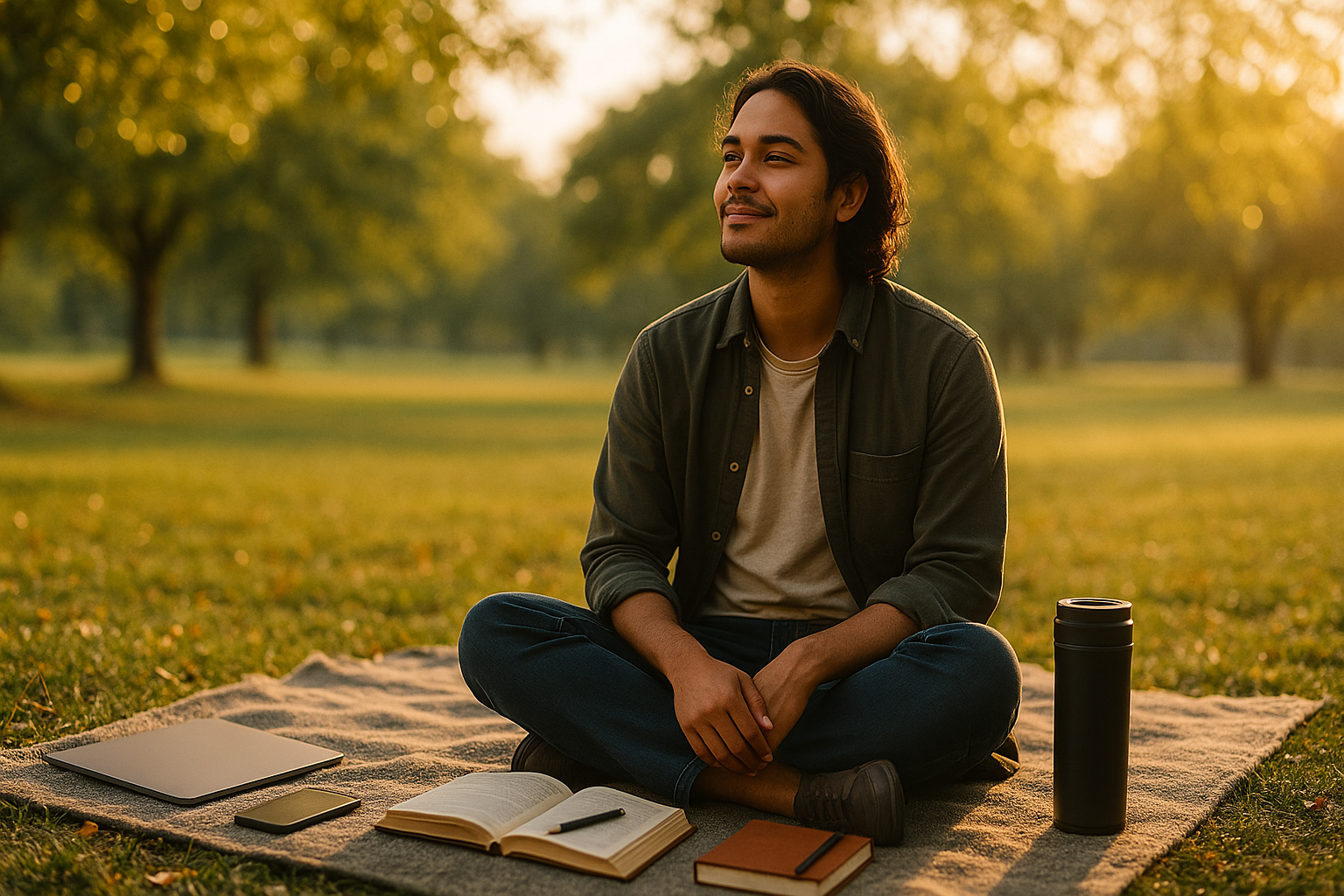
You don’t have to go off-grid to truly recharge. Solo Quality Time is the intentional practice of being alone on purpose to restore energy, clarity, and mood through activities you choose—without external demands. In the guide below, you’ll find 12 science-informed ways to make alone time feel nourishing rather than isolating, with concrete steps, tools, and guardrails. This guide is educational and not medical advice; if you live with a mental-health condition, adapt these ideas with your clinician’s input.
Quick start: Block a window, pick one activity, set a simple goal, silence notifications, and end with a short reflection. Repeat weekly, and iterate based on what actually restores you.
1. Protect a Weekly “Solitude Block”
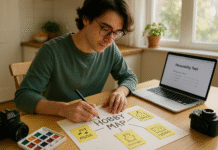
The fastest way to make Solo Quality Time real is to schedule it as a non-negotiable block. Start by picking a day and a duration that are easy to keep (e.g., 60–120 minutes on a weekend morning). The goal is a defined window where you can act freely, without social or digital pulls, to do something that feels intrinsically rewarding. Research distinguishes solitude (chosen aloneness that can reduce stress and enhance autonomy) from loneliness (an unwanted state linked to poorer health); learning to choose solitude is associated with less daily stress and greater autonomy satisfaction across time. Framing your time as a “solitude block” normalizes it, helps others respect it, and trains your mind to associate “alone” with “recharge,” not “deprivation.” As a practice, it’s simple: pick, protect, and show up—consistency matters more than length.
1.1 Why it matters
- On days people spend more time alone by choice, they often report lower stress and greater autonomy, with benefits accumulating over time (observational findings).
- Universities and psychology organizations emphasize that solitude is not inherently harmful; when chosen, it can support emotional balance. American Psychological Association
1.2 How to do it
- Choose a name: “Reset hour,” “Solo lab,” or “Quiet practice.”
- Set a scope: One activity per block (read, walk, write, stretch).
- Guard it: Put it on your calendar with alerts off.
- Close the loop: End with a 3-sentence reflection.
- Iterate: Adjust length by ±15–30 minutes based on how you feel afterward.
Wrap each block by noting one thing that felt restorative; this trains your brain to value the habit and keeps your solitude positively oriented.
2. Take a Nature Micro-Retreat (Attention Restoration)
Deliberate time in green spaces can replenish attention and lift mood. Attention Restoration Theory proposes that natural environments gently engage your mind (soft fascination), allowing fatigued directed attention to recover. Practically, a 20–60 minute “micro-retreat” in a park, botanical garden, or waterfront can be enough to notice improved mental clarity. If you’re in a dense city, go early or near sunset for quieter soundscapes. Activities can be as simple as slow walking, leaf-looking, or sitting under a tree. Many people find that leaving with a small “souvenir” (photo of a leaf pattern, a short voice memo) helps the calm persist at home.
2.1 Numbers & guardrails
- Classic and recent reviews connect nature exposure with attention recovery and improved affect; “green time” is a low-risk way to restore mental energy. Taylor & Francis Online
- Forest bathing (Shinrin-yoku) meta-analyses show reductions in depression and anxiety symptoms; effects on physiological markers vary by study.
2.2 Mini-checklist
- 20–60 minutes in greenery (view of trees counts).
- Leave phone in airplane mode.
- Move slowly; follow what’s visually interesting.
- End with 3 deep breaths while looking at the far horizon.
- Log one sentence: “After green time, I feel…”.
Close with a simple ritual—like sipping water while noticing the sky—to signal “retreat complete,” helping your nervous system encode the reset.
3. Do a 20–30 Minute Expressive Writing Session
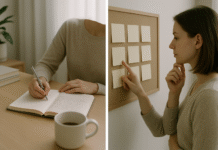
Writing privately about what’s on your mind can reduce distress, improve mood, and even nudge physical health over time. The best-studied format is expressive writing: set a timer for 20 minutes, write continuously about a stressful or meaningful topic, and don’t worry about spelling or structure. Repeat for 3–4 consecutive days, then take a break. People often report feeling lighter, clearer, and more self-aware; short-term emotional upswings can occur, but benefits typically emerge days to weeks later. If topics feel heavy, blend in gratitude or values journaling to keep the tone regulated.
3.1 Tools/Examples
- Classic protocol: 20 minutes/day × 3–4 days on the same topic.
- Prompts: “What am I avoiding?”, “What would be different if this were resolved?”, “What do I value here?”
- Safety: Pause if you feel overwhelmed; pair with grounding (5-5-5 breath).
- Apps: Day One, Obsidian, Apple Notes; any private paper notebook works.
3.2 Evidence snapshot
- Meta-analyses and reviews (400+ studies) report small but reliable benefits of expressive writing on psychological and some physical outcomes.
- The APA provides simple, accessible guidance on trying expressive writing at home.
End by writing one sentence that reframes the situation with self-kindness; this helps your brain integrate insights rather than ruminate.
4. Practice Mindfulness (10–20 Minutes, Guided)
A short, guided mindfulness session can quickly down-shift stress and improve emotional regulation. Choose one practice—breath awareness, body scan, or loving-kindness—and follow a 10–20 minute recording. Consistency matters: 3–5 days per week tends to feel very different after 2–4 weeks. If completely new, start with 3 minutes and build. Many people notice improved sleep latency, less reactivity, and more “space” around tough thoughts.
4.1 Why it matters
- The U.S. National Center for Complementary and Integrative Health summarizes evidence that mindfulness, meditation, and yoga can help with stress, anxiety, and mood.
- Meta-analyses suggest mindfulness-based therapies reduce anxiety and depression symptoms, with larger effects for people starting out more distressed; clinical programs like MBSR and MBCT are well-studied.
4.2 How to do it
- Pick one practice: Breath (count to 10), body scan (toe-to-head), or loving-kindness (“May I be safe…”).
- Set the scene: Sit upright, phone in Do Not Disturb, a gentle timer or app (Healthy Minds, Waking Up, Insight Timer).
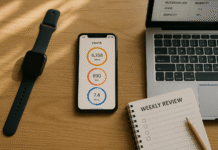
- Track streaks: Mark a calendar; aim for 12–15 sessions in 30 days.
- Post-note: One line on what you noticed (tension, thoughts, emotion).
Mindfulness is a skill; it grows with reps. Treat each session like brushing your mind—small, daily, and enough.
5. Do a 2–24 Hour Digital Detox
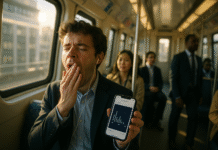
A digital detox—deliberately abstaining from phones or selected apps—can reduce perceived stress and improve well-being. Start tiny: try a 2-hour block in airplane mode while you read, cook, or walk. Progress to a weekly 12–24 hour “tech sabbath.” People who structure detoxes around meaningful offline activities find them easier and more satisfying than white-knuckling abstinence. If you must stay reachable, allow calls from “favorites” only.
5.1 Numbers & guardrails
- Systematic reviews and meta-analyses report associations between digital detox and improvements in mental well-being, life satisfaction, depression, and stress, though effect sizes and methods vary.
- Pediatric and adolescent guidance also describes screen-time reduction strategies for better mental health and sleep routines.
5.2 Mini-checklist
- Choose the window (2–24 hours) and purpose (read, hike, make).
- Set DND with exceptions for true emergencies.
- Pre-download music or maps.
- Put the phone in another room; use a kitchen timer or watch.
- End with a 3-minute reflection: what felt easier, harder, worth repeating?
Think “replace, not remove”: pair your detox with a nourishing solo activity so attention has somewhere enjoyable to land.
6. Create a “Reading Hour” Ritual
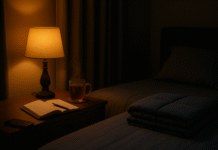
Reading can lower stress, ease muscle tension, and improve mood—especially when you swap evening scrolling for a physical book. Your ritual might be tea + armchair + a novel, or a Saturday morning essay with a pencil in hand. Set a page goal (e.g., 15–20 pages), mark your place with a Post-it for continuity, and keep your phone out of reach. Choose books that feel absorbing but not draining; fiction, nature writing, and memoir often work well.
6.1 Why it matters
- Guidance from health and university sources notes that reading can alleviate work stress, relax the body, and support mental well-being.
6.2 How to do it
- Stack the cue: Same chair, same mug, same hour.
- Set friction low: Library holds; keep two “next reads.”
- Pair it: Read after a short walk to prime attention.
- Reflect: One sentence on a line you loved or an image you kept.
A consistent reading hour reframes solitude as pleasure, not penance, and anchors your week with calm focus.
7. Enter a Flow-Focused Creative Session
“Flow” is an optimal state of full absorption and enjoyment in a task. Your solo block is perfect for cultivating it—choose something that balances challenge with your skill (drawing, coding, woodworking, writing music, language drills). Set one clear goal and work uninterrupted for 50–90 minutes. You’ll know you’re close when time fades and attention feels effortless. Not every session will click; the key is designing the conditions that invite flow.
7.1 Numbers & guardrails
- In psychology, flow is defined as an optimal experience from intense involvement in an enjoyable activity; scholars emphasize it as a discrete, highly enjoyable state.
7.2 How to do it
- Calibrate challenge: Slightly above current skill (10–20% harder).
- Clarify outcome: “Finish two verses,” “Solve one LeetCode medium,” “Paint a sky study.”
- Instant feedback: Metronome, compiler, timer, or visual progress.
- Cut friction: Prep tools, silence pings, full-screen the work.
- Cool-down: 3-minute note—what worked, what to tweak next time.
Treat flow as a craft. By tuning goals and environment, you make “deep fun” a regular part of your Solo Quality Time.
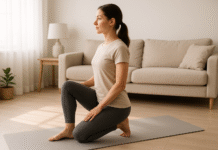
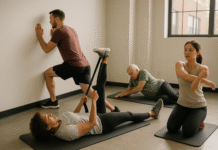
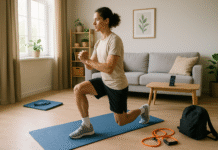
8. Move Your Body (Yoga, Walks, or Strength at Home)
Movement is one of the most reliable mood-shifters you can do alone. A 15–45 minute session—yoga flows, brisk walking, body-weight circuits—can lift energy, reduce anxiety, and improve sleep. If you haven’t moved much lately, start with 10 minutes and build toward guideline ranges. Yoga specifically shows promise as an adjunct for depressive symptoms, and many people enjoy its blend of breath, balance, and gentle strength.
8.1 Numbers & guardrails
- Global guidelines: Adults should aim for 150–300 minutes of moderate-intensity aerobic activity weekly (or 75–150 minutes vigorous), plus muscle-strengthening on 2+ days. CDC
- Systematic reviews suggest yoga can reduce depressive symptoms and help anxiety in various populations (evidence quality varies; think “adjunct,” not replacement). Frontiers
8.2 Mini-checklist
- Pick one: 20 minutes of sun salutations, 30-minute brisk walk, 3×(10 squats/10 push-ups/30-second plank).
- Warm up: 2 minutes of joint circles + easy marching.
- Breath cue: Nose-in, slow out; match steps to breaths on walks.
- Finish: 60-second forward fold or calf stretch.
- Log: One sentence on energy and mood.
Movement converts solitude into somatic relief—your body becomes the tool that clears your mind.
9. Cook for One (Therapeutic, Not Transactional)
Cooking solo can be meditative, confidence-building, and mood-supportive. Choose a simple dish you genuinely want to eat (omelet with herbs, lentil soup, sheet-pan vegetables with halloumi). Put on music, clear the counter, set out ingredients, and work at a deliberate pace. The aim isn’t culinary perfection; it’s the process—chopping, sizzling, tasting—that anchors you in the present. People frequently report improved cooking confidence, general well-being, and a sense of agency after brief cooking interventions.
9.1 Evidence snapshot
- A 7-week food literacy program improved participants’ general and mental health and cooking confidence (modest effects).
- Emerging studies explore cooking workshops as supportive add-ons in mental-health care.
9.2 How to do it
- Choose a 30–45 minute recipe you can finish without rushing.
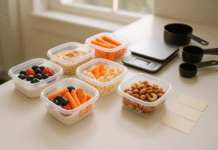
- Mise en place: Pre-chop and pre-measure to stay calm.
- Use a timer so you can step away to breathe while things simmer.
- Plate intentionally and eat without screens.
- Capture a photo or note one thing you’d tweak next time.
By making the kitchen a quiet studio, you transform a routine task into a sensory reset that tastes like care.
10. Take a Power Nap (or Planned Rest)
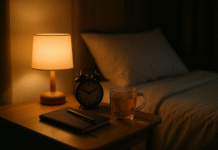
A well-timed nap can restore alertness and mood without derailing your night. Keep it 20–30 minutes to avoid sleep inertia; if you’re severely sleep-deprived, a longer nap (35–90 minutes) may be helpful but plan a buffer to fully wake up. Set an alarm, darken the room, and try a light eye mask. If sleep doesn’t come, simply resting with eyes closed and slow breathing often refreshes attention.
10.1 Numbers & guardrails
- Reviews indicate naps can enhance or restore cognitive and performance measures; longer naps (>35–90 min) may deliver larger benefits after poor sleep but increase grogginess risk. PubMed
- A widely cited NASA study (as summarized by Harvard Health) found pilots napping ~20–30 minutes were over 50% more alert afterward.
10.2 Mini-checklist
- Timing: Early afternoon (1–3 p.m.) to protect nighttime sleep.
- Setup: Cool, dark, quiet; white-noise app if needed.
- Alarm: 25 minutes + gentle sound.
- Plan a ramp: 5 minutes of light movement or sunshine post-nap.
Treat naps like a tool, not a crutch. Used 2–4 times per week, they can be a reliable solo reset.
11. Curate a 30-Minute Music-for-Mood Session
Intentional music listening can help regulate emotions and reduce stress. Build a 30-minute playlist that moves you from your current state to your target state (e.g., “anxious → steady → uplifted”). Sit or stretch while you listen; eyes closed can deepen the effect. If lyrics distract, try instrumental, ambient, or nature-inspired tracks. Music can also pair well with journaling or breathwork.
11.1 Evidence snapshot
- Reviews and scoping work suggest music engagement supports emotion regulation and can reduce stress; music therapy has documented benefits across clinical and non-clinical settings. American Psychiatric Association
11.2 How to do it
- Three-part arc: 10 minutes of grounding, 10 of steadying rhythm, 10 of brightening.
- Environment: Low light; sit, sway, or stretch.
- Add a closer: One track you reliably associate with calm.
- Optional: Note a lyric or texture that resonated.
Music is a portable, fast-acting way to steer your inner weather—solo time becomes a mini-sound bath.
12. Hold a Self-Compassion Mini-Retreat
End (or begin) your week with 30–60 minutes of structured self-kindness. The format: grounding breath (2 minutes), brief check-in (“What am I feeling?”), a compassionate letter to yourself (10–15 minutes), and a short loving-kindness meditation. Self-compassion is not self-pity; it’s treating yourself as you would a friend—acknowledging difficulty, recognizing common humanity, and responding with care. Many people report less self-criticism and more resilience after practicing regularly.
12.1 Why it matters
- Reviews and trials show self-compassion practices can reduce depression, anxiety, stress, and rumination, while increasing well-being and healthy behaviors; newer work supports online formats, too.
12.2 How to do it
- Three phrases: “This is hard,” “Others struggle too,” “May I be kind to myself.”
- Letter prompt: “If I were advising a dear friend in this exact situation, what would I say?”
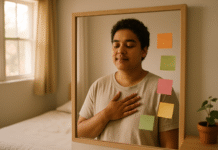
- Boundary cue: Place a hand on your chest; slow exhale for 6–8 counts.
- Closer: Choose one tiny kind action you’ll take today (glass of water, 10-minute walk).
Self-compassion makes solitude emotionally safe; when you’re kinder to yourself, alone time becomes a place you want to return to.
FAQs
1) What’s the difference between Solo Quality Time and loneliness?
Solo Quality Time is chosen aloneness with restorative intent; loneliness is an unwanted lack of connection that can harm health. In practice, you’re curating experiences you enjoy (reading, nature, making music), not isolating yourself. If alone time increases distress, pair it with grounding skills or shorten the window. (See research differentiating solitude’s benefits from loneliness.)
2) How much Solo Quality Time do most people need each week?
There’s no universal target. Many people find 90–180 minutes weekly—split into one or two blocks—feels substantial without crowding life. Start with 60 minutes and adjust by 15-minute increments based on post-session mood and energy. (Solitude benefits tend to be person-specific; consistency helps benefits accumulate.)
3) I’m anxious when alone. Where should I start?
Begin with guided practices that scaffold attention (short mindfulness audio, a simple recipe, or a 20-minute reading sprint). Keep sessions brief (10–20 minutes), add gentle movement, and end with a self-compassion phrase. Over time, increase autonomy as your nervous system learns solitude is safe. (Evidence supports mindfulness and self-compassion for distress.) Annual Reviews
4) Can a digital detox really help in just a few hours?
Yes—especially if you replace screens with a meaningful offline activity. Even 2–4 hours can calm the mental “itch” to check apps. Structured detoxes show improvements in stress and well-being in reviews, though effects vary by person and method.
5) What if I live in a noisy city without easy access to nature?
Seek micro-greens: a tree-lined street at sunrise, a courtyard with plants, a rooftop with sky views, or an indoor space with window views of foliage. Even looking at natural scenes can help attention recover; try parks during off-peak times or use transit to reach a quieter waterfront on weekends.
6) Is reading on a phone or e-reader okay for the “Reading Hour”?
Yes, but reduce distractions: use airplane mode, disable badges, or use a dedicated e-reader. Many find a paper book helps resist app temptation. Health and university sources point to reading’s stress-relieving qualities regardless of medium; the key is focus.
7) How do I know if I hit a flow state?
Time feels altered, self-consciousness fades, and the work is challenging but doable. You typically have clear goals and immediate feedback (metronome, compiler, brush strokes). It won’t happen every session; design the conditions and keep practicing. (See the APA definition and scholarship on flow.)
8) Are naps safe if I struggle with nighttime sleep?
Short 20–30 minute naps early afternoon are least likely to disrupt night sleep. If you have insomnia, experiment cautiously or focus on non-sleep rest (eyes closed, breathwork). Evidence shows performance benefits from short naps; longer naps can help after sleep loss but may cause grogginess.
9) I don’t have 60 minutes. What’s the minimum effective dose?
Try 10–20 minutes: a body scan, a brisk walk around the block, or one page of journaling. Stack two micro-sessions across the day (e.g., 12 minutes morning, 12 minutes evening). Short, frequent reps build the habit and still deliver noticeable relief. (Mindfulness and movement show dose-responsive benefits.)
10) Which activities have the strongest evidence?
Mindfulness-based practices, movement to guideline levels, and nature exposure have robust evidence bases. Expressive writing and music-based approaches show small-to-moderate benefits for many, and yoga is a solid adjunct for mood. Pick what you’ll actually do—adherence magnifies benefits. PubMed
11) How do I keep others from interrupting my solitude block?
Communicate beforehand: “I’m offline 10–11 a.m. Saturday to recharge; I’ll reply after.” Use shared calendars, door signs, and DND modes with emergency exceptions. Protecting solitude works best when loved ones know what it is and why it matters—so frame it as supporting your ability to show up well for them afterward. (Organizations highlight solitude as a healthy choice, not avoidance.)
12) What if Solo Quality Time makes me feel lonely?
Normalize it—many people feel a twinge at first. Shorten sessions, add gentle structure (guided audio), or finish with a planned social micro-touch (send one thoughtful message). If persistent sadness or isolation sticks around, talk with a clinician. Solo Quality Time is a skill; with practice, it trends more restorative. (See distinctions between solitude benefits and loneliness risks.)
Conclusion
Solo Quality Time isn’t about withdrawing from life—it’s about resetting so you can return more present, focused, and kind (to yourself and others). Start by scheduling a weekly solitude block and pairing it with one or two practices that reliably help you: a nature micro-retreat, a 20-minute journal session, a guided mindfulness audio, a digital detox, a reading hour, a flow-focused creative sprint, a yoga walk combo, a simple home-cooked meal, a power nap, music-for-mood, and a self-compassion mini-retreat. The research base suggests you don’t need perfection; you need consistency. Protect your window, minimize friction, and always close with a brief reflection so your brain learns, “This helped.”
If you’re ready to turn this into a habit, pick one activity and schedule one 60-minute block this week—then repeat. Your energy is worth the appointment.
CTA: Block your first “Solo Lab” now, pick one practice above, and give yourself a real hour to recharge.
References
- Weinstein, N., Nguyen, T., et al. “Everyday solitude: time alone has both benefits and harms for well-being.” Scientific Reports (Nature), 2023. Nature
- “Alone but not lonely: how solitude boosts wellbeing.” University of Reading News, Dec 5, 2023. reading.ac.uk
- Kaplan, S. “The restorative benefits of nature: Toward an integrative framework.” Journal of Environmental Psychology, 1995. ScienceDirect
- ECEHH. “Attention Restoration Theory: A systematic review.” European Centre for Environment & Human Health (review page). ecehh.org
- Siah, C.J.R., et al. “The effects of forest bathing on psychological well-being: A meta-analysis.” BMC Psychiatry (via PubMed), 2023. PubMed
- Szitás, D., et al. “Forest bathing reduces self-criticism and rumination.” Journal of Environmental Psychology, 2024. ScienceDirect
- Niles, A.N., et al. “Effects of Expressive Writing on Psychological and Physical Health: Meta-Analytic Review.” Emotion Review (PMC article), 2013. PMC
- “Expressive writing can help your mental health.” American Psychological Association, podcast/article page. American Psychological Association
- “Meditation and Mindfulness: Effectiveness and Safety.” National Center for Complementary and Integrative Health, June 3, 2022. NCCIH
- Hofmann, S.G., et al. “The Effect of Mindfulness-Based Therapy on Anxiety and Depression.” Journal of Consulting and Clinical Psychology, 2010 (PMC summary). PMC
- Galante, J., et al. “Mindfulness-based programs for mental health: IPD meta-analysis.” Nature Mental Health, 2023. Nature
- Ramadhan, R.N., et al. “Impacts of digital social media detox for mental health: Systematic review and meta-analysis.” Frontiers in Psychology (PMC), 2024. PMC
- Anandpara, G., et al. “A Comprehensive Review on Digital Detox.” International Journal of Environmental Research and Public Health (PMC), 2024. PMC
- “Digital Detox and Well-Being.” Pediatrics (AAP), Sept 17, 2024. AAP Publications
- “Reading for Stress Relief.” University of Minnesota—Taking Charge of Your Wellbeing, 2024 page. Taking Charge of Your Wellbeing
- “Health Benefits of Reading Books.” WebMD, Nov 25, 2024. WebMD
- “Flow.” APA Dictionary of Psychology, Apr 19, 2018. APA Dictionary
- Abuhamdeh, S. “Investigating the ‘Flow’ Experience: Key Conceptual and Methodological Issues.” Current Opinion in Psychology, 2020 (PMC). PMC
- Bull, F.C., et al. “World Health Organization 2020 guidelines on physical activity and sedentary behaviour.” British Journal of Sports Medicine (PMC), 2020. PMC
- “Physical Activity—Fact Sheet.” World Health Organization, June 26, 2024. World Health Organization
- Brinsley, J., et al. “Effects of yoga on depressive symptoms: Systematic review and meta-analysis.” British Journal of Sports Medicine, 2021. British Journal of Sports Medicine
- Rees, J., et al. “How a 7-Week Food Literacy Cooking Program Affects Mental and General Health.” Frontiers in Nutrition, 2022. Frontiers
- Mörkl, S., et al. “Culinary Medicine Cooking Workshops as Add-On Therapy.” International Journal of Environmental Research and Public Health, 2024 (PMC). PMC
- Lastella, M., et al. “To Nap or Not to Nap? Systematic Review.” Sleep Medicine Reviews (PMC), 2021. PMC
- “Can a quick snooze help with energy and focus? The science behind power naps.” Harvard Health, Dec 4, 2024. Harvard Health
- Tan, M., et al. “Music’s Dual Role in Emotion Regulation: Network Analyses.” Frontiers in Psychology (PMC), 2024. PMC
- Chong, H.J., et al. “Scoping Review on the Use of Music for Emotion Regulation.” Frontiers in Psychology (PMC), 2024. PMC
- Feng, Y., et al. “Effect of music therapy on emotional resilience and well-being.” BMC Psychology, 2025. BioMed Central
- Neff, K.D. “Self-Compassion: Theory, Method, Research, and Intervention.” Annual Review of Psychology, 2023 (PDF). Self-Compassion
- Muris, P., et al. “Self-Esteem and Self-Compassion: Narrative Review and Meta-Analysis.” Psychology Research and Behavior Management (PMC), 2023. PMC
- Randhawa, A.K., et al. “Online Self-Compassion Interventions and Well-Being: Systematic Review of RCTs.” Mindfulness, 2025. SpringerLink