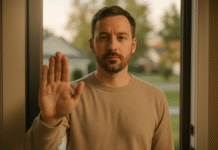





























When people say they want to “be heard,” they’re talking about signals they can feel, not just words they can quote. That’s why non-verbal cues—your gaze, nods, posture, tone, and timing—are the backbone of active listening. In plain terms: non-verbal cues in active listening are the visible and audible signals (beyond the literal words) that show attention, regulate turn-taking, and shape how safe and respected a speaker feels. Used well, they reduce misunderstandings and build trust across settings—from one-to-ones to video calls to healthcare encounters.
Quick start (skimmable): keep soft, culturally aware eye contact; nod once every key idea; use short backchannels (“I see,” “mm-hmm”) at natural pauses; relax your shoulders with a slight forward lean; keep your tone warm and steady; give space (literally and figuratively) and let a few seconds of silence do some work before you respond.
1. Eye Contact and Gaze That Invite, Not Intimidate
Eye contact is the most obvious “I’m with you” signal, but it’s also easy to get wrong. As a listener, your goal is soft, steady gaze that helps the speaker feel regulated—not interrogated. Short bursts of 2–5 seconds with occasional glances away often feel natural. Crucially, what counts as “respectful” eye contact is culturally shaped: direct gaze is prized in some contexts and can feel rude or challenging in others. Online, gaze gets trickier because looking at the speaker’s video feed and looking at the camera aren’t the same thing; tiny misalignments can make you look distracted even when you’re not. Treat eye contact as a conversation control knob: use it to show presence, invite elaboration, and hand back the floor.
1.1 Why it matters
Eye contact helps regulate turn-taking, boosts perceived involvement, and influences impressions of trust and attention—yet perceptions differ meaningfully across cultures (e.g., East Asian vs. Western norms). In healthcare and counseling, appropriate gaze supports rapport and disclosure; mishandled gaze can shut it down. In video calls, misaligned gaze and constant self-view can add “non-verbal overload,” contributing to fatigue.PMC
1.2 How to do it
- Aim for soft focus on the speaker’s eyes or face; don’t stare.
- In multicultural or hierarchical contexts, dial down intensity and length; follow the other person’s style.
- On video: lift your camera to eye level, occasionally look into the lens when affirming, and hide self-view to reduce self-monitoring.
- When handing the floor back, pair eye contact with a small nod and a slight lean away.
Close with awareness: your eyes can invite a story—and they can end one. Use them to open, not to close.
2. Facial Expressions That Validate Without Hijacking
Your face broadcasts acceptance, confusion, empathy, or skepticism before you say a word. In active listening, a “warm neutral” baseline with responsive micro-changes—brow softening, brief empathy smiles, and concern when appropriate—helps speakers feel safe to continue. Smiles generally increase likeability and trust, but context and culture matter; certain smile types or intensities can be misread or backfire. The aim is contingent expression: let your face track the speaker’s story without stealing the spotlight.PMCpsicothema.com
2.1 Numbers & guardrails
Research shows that variations in smiles carry diagnostic information and shape judgments like trustworthiness. Cross-cultural work cautions that conspicuous smiling isn’t uniformly valued; in some contexts it can reduce perceived competence or sincerity. Keep expressions brief and matched to content; avoid a fixed grin.PMC
2.2 Mini-checklist
- Rest face: relaxed jaw, unfurrowed brow.
- Empathy smile: brief, at positive or relief moments—never during pain disclosure.
- Mirror valence: let your expression lean positive/concerned with the narrative.
- Show confusion with a soft brow + “Could you say more?” rather than a grimace.
Finish by letting your face say “I’m tracking you” so your words can say “Go on.”
3. Head Nods and Backchannels That Keep Speech Flowing
Nods and short backchannels (“mm-hmm,” “right,” “I see”) are the grease in conversation’s gears. They signal attention, mark understanding, and invite the speaker to keep going—without grabbing the mic. Experiments show nodding increases perceived likeability and approachability, and conversation research finds backchannel habits are personal and culture-shaped; there’s no single “correct” frequency. Your task is timing: place backchannels at clause boundaries and idea completions so you’re adding momentum, not derailment.
3.1 Tools & examples
- Minimal encouragers: “Mm-hmm,” “Got it,” “Right,” delivered with steady tone.
- Prosodic cues: Slightly falling intonation to affirm; rising only when you genuinely ask.
- Non-verbal backchannels: Single nods or micro-nods at natural pauses; they can make up a substantial share of backchanneling even without words.
- Stacked validation: Nod + soft “yeah” + brief eye contact = strong “keep going” signal.PMC
3.2 Common mistakes
- Over-nodding (looks patronizing).
- Interrupt-channels (“Right, because…”) that steal the floor.
- Off-beat timing that cuts across the speaker’s clause.
Wrap with intention: the best backchannels are felt as permission, not pressure.
4. Posture and Torso Lean That Say “I’m With You”
Open, upright posture with a slight forward lean communicates approachability and readiness to understand. Conversely, slumping can signal disengagement, defensiveness, or fatigue. Beyond perception, posture also affects you: randomized and controlled studies link upright seating to more positive mood, lower negative affect, and improved stress responses during challenging tasks. In practice, think “long spine, relaxed shoulders, feet grounded”—and let the upper body mirror the speaker’s emotional intensity without looming.
4.1 How to do it
- Baseline: Sit/stand upright; shoulders down and back; hands visible.
- Orientation: Angle your torso and feet toward the speaker.
- Lean: Small forward lean when they share something important; ease back when they need space.
- Reset: If you notice tension, unclasp arms and unclench jaw as a silent de-escalator.
4.2 Mini case
During performance reviews, listeners who maintained upright, open posture reported feeling calmer and more compassionate, which in turn softened their tone and improved the conversation’s pace—consistent with posture-emotion links found in controlled studies. End by checking your body first; your words will follow your stance.PubMed
5. Proxemics: Using Space to Signal Respect and Safety
Where you place your body—distance, angle, barriers—quietly shapes how safe the speaker feels. Anthropologist Edward T. Hall popularized “proxemics,” the study of personal space, describing zones (intimate, personal, social, public) and how cultures tune them differently. In active listening, err on the side of comfortable personal distance unless the relationship and context warrant closer proximity. Remove physical barriers (closed laptops, crossed arms) and share a sightline to reduce defensiveness.
5.1 How to do it
- Sit at a slight angle rather than head-on during sensitive topics.
- Offer choice: “Would here or over there be more comfortable for you?”
- Avoid hovering or standing over a seated speaker.
- In crowded rooms, ask before moving closer and check for comfort.
5.2 Region-specific note
In some cultures and settings, closer distances are normal; in others, they feel intrusive. Let the other person set the norm and follow. Space is a message—make sure yours says “you’re safe.”
6. Paralinguistics: Tone, Pace, and Volume of Your “Mm-hmm”
Even your few listener words and sounds carry a signal package: tone, pitch, volume, tempo, and pausing. Studies show these vocal features sway judgments of confidence and warmth and can nudge processing and persuasion—especially when content is brief. As a listener, favor a warm, steady tone and moderate pace; let silence finish the speaker’s sentence before you fill it. Avoid “uptalk” unless you’re actually asking, and match your loudness to the room and topic. The point isn’t theatricality; it’s clarity without pressure.
6.1 Mini-checklist
- Tone: Low-to-mid, steady; avoid sharp edges during disclosures.
- Pace: Unhurried backchannels (“I see…”) at natural breaths.
- Volume: Slightly under the speaker; never overpower.
- Intonation: Falling to affirm; rising to invite or clarify.
6.2 Common pitfalls
Over-energized “yeah!”s can feel like “hurry up”; flat monosyllables can feel dismissive. Balance warmth with restraint so your voice holds space rather than fills it.
7. Hand Gestures: Open Palms, Fewer Fidgets
Your hands either spotlight the speaker’s ideas or pull focus. Open-palm “illustrators” (small, rhythmic hand movements aligned with the other’s phrasing) can encourage elaboration, while “adaptors” (pen-clicking, face-touching) leak anxiety and distract. Posture and gesture together convey relational messages—dominance, composure, trust—so keep gestures small, congruent, and supportive. If in doubt, let your hands rest, palms visible.APA Dictionary
7.1 How to do it
- Keep hands above the table and away from your face.
- Use small underline gestures on key moments (“That makes sense”).
- Park your pen between notes to avoid clicks/taps.
- Mirror tempo, not content; don’t “air-quote” the speaker’s words.
7.2 Mini example
In problem-solving meetings, listeners who paired a slight forward lean with low-amplitude open-palm gestures saw speakers expand on options longer before pausing—consistent with work on posture/gesture shaping relational meaning. Your hands can be spotlights; aim them at the speaker.
8. Mirroring and Matching: Rapport Without Mimicry Theater
Humans naturally, often unconsciously, echo each other’s posture, expressions, and rhythms—a phenomenon dubbed the chameleon effect. Done subtly, mirroring increases liking, affiliation, and smoothness of interaction; done crudely or mechanically, it can feel mocking or manipulative. The listening sweet spot is gentle alignment: match tempo, breathing, and broad posture class (open/closed), not exact gestures. Think “rhyming,” not “copying.”Taylor & Francis Online
8.1 Why it works (and when it doesn’t)
Perception-behavior links mean seeing a behavior primes doing it, fostering social glue. But forced, off-timed, or anatomically odd mimicry can backfire, decreasing trust. Keep your attention on them; mirroring should be a side effect of empathy, not a tactic you perform.
8.2 Mini-checklist
- Align posture class and pace; avoid mirroring idiosyncratic tics.
- Let your mirroring lag naturally by a few seconds.
- Drop mirroring if the other person shifts uncomfortably.
Mirroring is safest when it follows connection—never the other way around.ACME Lab
9. Silence: The Most Underused Listening Cue
Silence isn’t the absence of listening; it’s often the proof. Purposeful pauses let meaning land, give emotion time to breathe, and invite deeper disclosure. Surveys and clinical research show therapists use silence to facilitate reflection, support responsibility, and convey empathy—and clients can feel more attached and less distressed as a result. The key is attentive silence—paired with open posture and receptive face—not a blank stare.
9.1 How to do it
- Count two beats after a disclosure before replying.
- If silence stretches, add a soft backchannel (“take your time”).
- Keep gaze gentle; avoid screen-checking or note-scribbling mid-pause.
- If you need to break silence, reflect first (“That sounds heavy…”).
9.2 Guardrails
Not every silence is supportive; some are read as withdrawal. Use silence most when the speaker is searching for words or experiencing emotion; use structure when they’re seeking clarity. Let silence be an invitation, not an abdication.Wiley Online Library
10. Haptics (Touch): High-Impact, High-Caution
Touch can powerfully convey warmth and solidarity—but it’s context-bound and carries ethical, cultural, and personal boundaries. Light, appropriate touch has been shown in some experiments to increase compliance or prosocial responses; other research shows that observed touch influences perceptions of dominance or communality. In professional contexts, default to no touch unless there is clear consent, established norms, or duty of care (e.g., healthcare), and always consider power dynamics.ScienceDirectPMC
10.1 When it may be appropriate
- Close relationships with explicit consent (e.g., comforting hand squeeze).
- Healthcare settings with informed consent and cultural sensitivity.
- Safety or accessibility assistance (e.g., guiding through a crowded space).
10.2 Safer alternatives
Verbal empathy, open posture, and slow, affirmative nods often deliver the same reassurance without boundary risks. Kindness doesn’t require contact.ScienceDirect
11. Video Call Non-Verbals: Making Remote Feel Human
Video calls warp non-verbal cues: self-view mirrors heighten self-consciousness, tiled galleries create “hyper-gaze,” and camera-screen misalignment scrambles eye contact. Research links this to “non-verbal overload”—the extra effort to produce and monitor cues—which contributes to fatigue. To listen well remotely: raise your camera to eye level, sit back from the screen to widen your gesture space, nod into the lens when affirming, and turn off self-view after framing. For high-stakes conversations, consider simulated eye-contact aids or layouts that put the active speaker near your camera.
11.1 Mini-checklist
- Camera at eye height; light your face; avoid backlight.
- Hide self-view; look at the lens for key affirmations.
- Use deliberate nods and short, low-volume backchannels.
- Pause longer than in person to account for latency.
11.2 Why it matters
When remote signals are tuned, speakers report feeling more seen and less rushed, and listeners conserve mental energy otherwise spent fighting the medium. Tech can’t supply empathy—but it can stop stealing it.MIT Press DirectACM Digital Library
12. Cultural and Individual Calibration So Your Cues Land
There is no universal “best” non-verbal style. Eye contact, facial expressiveness, tone, and timing vary by culture, subculture, and individual preference. U.S. contexts may reward direct gaze and lively paralinguistics; other cultures value indirect gaze, softer vocal affect, and longer pauses. Treat your first minute as a calibration scan: mirror the other person’s intensity, check for comfort, and ask lightly (“Is this pace okay for you?”). Aligning your non-verbals is part of respecting identity and context.PMC
12.1 How to do it
- Observe first, then align. Start neutral; adjust eye contact, volume, and pace to the other’s norm.
- Use gentle checks. “Would you prefer more detail or more space to think?”
- Honor hierarchy and setting. What signals respect with a senior leader in Tokyo differs from a startup stand-up in Austin.
12.2 Example (eye contact)
Guides note that direct eye contact can be valued in many U.S. settings yet be considered rude or overly intense in parts of East Asia; listeners who adapt earn trust faster and avoid unintended friction. In short: make your cues fit their world.Cultural Atlas
FAQs
1) What are the most important non-verbal cues in active listening?
Eye contact/gaze, facial expression, nods/backchannels, posture/lean, tone/pace (paralinguistics), and spacing (proxemics) are the big six. Together they signal attention, regulate turns, and communicate safety. Calibrate for culture and channel (in-person vs. video) so they land as intended.
2) How much eye contact is “right”?
There’s no universal number. Many U.S. contexts favor more direct gaze, while other cultures value softer or more intermittent eye contact. Aim for gentle, periodic eye contact that matches the other person’s style and comfort. On video, occasionally look at the camera to simulate mutual gaze.
3) Do nods and “mm-hmms” really make a difference?
Yes. Nods and brief vocal encouragers keep the speaker going and increase perceived likeability and approachability when used naturally and at the right moments. Overuse or off-beat timing can feel patronizing, so keep them subtle and well-timed.
4) Is posture just about looking confident, or does it change how I feel?
Both. Upright, open posture tends to be perceived as attentive and composed—and controlled studies link upright seating with better mood and stress responses during tasks. Your body supports your listening mindset.
5) How does silence help?
A few seconds of quiet after key moments gives space for processing, emotion, and memory consolidation. In therapy research, attentive silence can facilitate reflection and reduce distress, especially when paired with supportive non-verbals.
6) Should I mirror the other person?
Gentle, natural mirroring of posture and tempo fosters rapport; deliberate, mechanical copying can backfire. Think “match the music, not the moves.” If the other person shifts away or looks uncomfortable, drop it.
7) What’s the role of tone if I’m barely talking?
Even short encouragers carry paralinguistic cues (tone, volume, pace) that shape how supportive you sound. Warm, steady tone at a moderate pace typically reads as calm and receptive; sharp or hurried prosody can feel like pressure.
8) How close should I sit or stand?
Use comfortable personal distance and avoid looming or hovering. Hall’s proxemics work outlines zones (intimate, personal, social, public) and reminds us that cultures tune these differently. When unsure, ask: “Is here comfortable?”
9) Do these cues change on Zoom/Teams?
Yes. Video calls distort gaze and amplify self-monitoring, creating “non-verbal overload.” Hide self-view after framing, raise your camera to eye height, nod into the lens when affirming, and pause longer to account for latency.
10) How do I adapt for multicultural teams?
Observe first, then align eye contact, expressiveness, pace, and spacing to the group norm. Health and government guidance notes, for example, that direct eye contact may be valued in many U.S. settings but considered rude in some Asian contexts. Lightly check preferences and follow their lead.
Conclusion
Active listening isn’t a script—it’s a choreography. Your eyes regulate turns and safety; your face validates without stealing the scene; your nods and brief encouragers keep momentum; your posture and distance hold the space; your tone and pace soften edges; your strategic silences invite depth; and your calibration to culture and medium ensures everything lands. The most reliable way to improve is to choose one cue per week—say, “well-timed nods”—and practice it deliberately in low-stakes conversations. Pair that practice with reflection: Did the speaker talk longer? Did they disclose more? Did I interrupt less? Over time, these small non-verbal upgrades compound into trust, clarity, and collaboration. Start with one signal, keep it human, and let your listening be felt as much as it’s heard. Ready to put this into practice? Try cue #3 today in your very next conversation.
References
- Nonverbal communication (NVC) — APA Dictionary of Psychology, American Psychological Association, n.d. APA Dictionary
- Active Listening — StatPearls (NCBI Bookshelf), K. Tennant et al., 2023. NCBI
- Proxemics — McGraw-Hill excerpt on E. T. Hall’s work (PDF), n.d. McGraw Hill Higher Education
- Proxemics | Research Starters — EBSCO, n.d. EBSCO
- Nodding raises likability and approachability — Hokkaido University (press release on Perception study), Nov 27, 2017. global.hokudai.ac.jp
- Backchannel behavior is idiosyncratic — Language and Cognition (Cambridge University Press), 2024. Cambridge University Press & Assessment
- Paralinguistic features and evaluations — Social Justice Research (Springer), 2021. SpringerLink
- The voice of confidence: Paralinguistic cues — Journal of Experimental Social Psychology, 1973. ScienceDirect
- Do slumped and upright postures affect stress responses? — Health Psychology, 2015. PubMed
- Nonverbal behaviors “speak” relational messages — Frontiers in Psychology, J. K. Burgoon et al., 2021. PMC
- The chameleon effect — Journal of Personality and Social Psychology, Chartrand & Bargh, 1999. PubMed
- Negative social consequences of anatomical mimicry — Frontiers in Psychology, Casasanto et al., 2020. PMC
- Therapist use of silence — Psychotherapy: Theory, Research, Practice, Training, Hill et al., 2003. PubMed
- Changes in patient emotional expression after silence — Frontiers in Psychology, Soma et al., 2022. PMC
- Communication styles (eye contact & silence across cultures) — HHS Think Cultural Health (PDF), Aug 2025. Think Cultural Health
- Gaze estimation in videoconferencing — Computers in Human Behavior, 2023. ScienceDirect
- Video-conferencing: non-verbal overload & fatigue — Technology, Mind, and Behavior, Fauville et al., 2023. ScienceDirect
- Perceiving active listening activates reward systems — Frontiers in Human Neuroscience, Kawamichi et al., 2014. PMC