

























Walking is one of the simplest ways to start losing weight—it’s low impact, inexpensive, and easy to fit around real life. This beginner-friendly guide gives you 10 clear steps to build a routine you’ll actually keep: how fast to walk, how often, what to track, and how to progress without burns or boredom. If you’re new to exercise, recovering from a break, or balancing a busy schedule, this is for you. Quick note: this article is educational and not medical advice—check with your clinician if you have health conditions or concerns.
Fast answer: Walking for weight loss means doing consistent, moderate-intensity walks (you can talk but not sing) long enough each week to help create a calorie deficit—ideally paired with simple nutrition habits. Most adults benefit from aiming for 150–300 minutes/week of moderate activity such as brisk walking.
Quick-start steps:
• Pick 5 walking slots you can protect this week (20–30 minutes each).
• Walk briskly: aim for a pace where you can talk but not sing, or ~100 steps/min.
• Add 5–10 minutes total per week, not per walk.
• Keep protein and fiber high; target a gentle 300–500 kcal/day deficit.
• Strength train twice weekly for better results and injury prevention.
1. Set Safe Goals and Get “Go” from Your Health History
Start by choosing a realistic time-based goal and checking for any red flags before you ramp up. A good opening target is 150 minutes per week of brisk walking, split across most days. If you’re carrying extra weight, on medications, or have joint, heart, or metabolic conditions, ask your clinician how to start and progress. Weight change should be steady, not dramatic: about 0.5–1 kg (1–2 lb) per week is considered safe for most adults. Planning your week up front—same times, same routes—reduces decision fatigue and helps you show up even on low-motivation days. If you live in a hot climate or have air quality issues, adjust timing (early morning or evenings) and watch local advisories.
1.1 Numbers & guardrails
- Public health guidelines: 150–300 min/week moderate intensity or 75–150 min/week vigorous, plus 2 days/week muscle strengthening.
- Healthy weight-loss pace: ~1–2 lb/week; many people need ~500 kcal/day deficit to lose ~1 lb/week.
- Brisk walking is typically moderate intensity; you should be able to speak in short sentences.
1.2 Mini-checklist
- Any new chest pain, dizziness, or unusual breathlessness? Seek medical advice.
- On meds affecting heart rate, blood sugar, or hydration? Ask about safe ranges.
- Heat alerts or poor AQI today? Reschedule or go indoors.
Bottom line: anchor your plan to safe, steady progress and the official time targets; they’re flexible enough to fit real life.
2. Find Your “Brisk” Pace (Talk Test, Cadence & RPE)
The simplest way to ensure fat-burning, heart-healthy walks is to hit moderate intensity. If you can talk but not sing, you’re there. Many beginners like a second cue: cadence. Research shows ~100 steps per minute is a reliable heuristic for moderate-intensity walking in most adults (older adults may need slightly higher cadence). Rate of Perceived Exertion (RPE) is another easy tool—aim for RPE 5–6/10 on flat ground. If you prefer mph, that’s often ~3–4 mph depending on height, terrain, and fitness. These cues let you adjust in real time whether you’re on a treadmill, sidewalk, or trail.
2.1 How to gauge intensity
- Talk test: converse comfortably, but you shouldn’t be able to sing.
- Cadence: count steps for 15 seconds, multiply by 4; target ≈100 steps/min (moderate).
- RPE: steady “somewhat hard” (5–6/10).
2.2 Common mistakes
- Overstriding to “go faster” (raises injury risk; increase cadence, not stride).
- Letting pace drift on gentle downhills—recheck talk test/cadence.
- Ignoring heat/humidity—pace feels harder in hot weather.
Bottom line: pick one cue you like (talk test, cadence, or RPE) and use it every walk so your effort stays in the sweet spot.
3. Follow a 4-Week Starter Plan You Can Repeat
A structured month eliminates guesswork and builds volume safely. You’ll start near your current capacity and add ~5–10 total minutes per week. Aim for 5 days/week with at least 1 lighter day. If you’re already active, start at the higher end of the ranges; if not, choose the lower. Keep every walk moderate using the cues above.
3.1 Weekly template
- Week 1: 5 walks × 20–25 min (100–125 min total).
- Week 2: 5 walks × 25–30 min (125–150 min total).
- Week 3: 5 walks × 30–35 min (150–175 min total).
- Week 4: 5 walks × 30–40 min (150–200 min total).
After week 4, repeat or progress toward 200–300 min/week, or introduce gentle intervals (see Step 5).
3.2 Why this works
- Keeps intensity moderate for fat oxidation and adherence.
- Honors rest/recovery with volume nudges, not leaps.
- Aligns with public health targets proven to improve weight and metabolic health.
Bottom line: consistency beats hero days—stack small minutes that compound into weekly totals.
4. Master Simple Walking Form (Posture, Stride, Arms)
Good technique reduces aches and lets you hold a brisk pace longer. Stand tall with your ribcage stacked over hips; eyes forward, not down. Keep shoulders relaxed, drive your elbows back at ~90°, and let hands stay loose. Land softly near your center of mass—think heel-to-midfoot-to-toe roll—while taking quicker, not longer steps as speed rises. Slight forward lean from the ankles (not the waist) helps. Shoes should fit the activity (walking or running shoes both work) and the shape of your foot; comfort is king.
4.1 How to do it
- Posture reset: grow tall, tuck chin slightly, unlock knees.
- Cadence tune-up: 10–20 seconds quick steps, then settle back to brisk.
- Arm swing: elbows back, hands pass hip crease; avoid crossing midline.
4.2 Tools/Examples
- Use a smartwatch or phone app to check cadence and posture cues via haptic reminders.
- Swap old shoes (>500–600 km / 300–400 miles) to reduce niggles; choose a comfortable, activity-appropriate fit.
Bottom line: small form fixes add up to easier speed and fewer aches, making it simpler to hit your weekly minutes.
5. Add Intervals and Inclines to Burn More in Less Time
Once you’re steady at 150 minutes/week, try interval walking: short bursts faster than your usual pace followed by easy recovery. It boosts fitness, insulin sensitivity, and energy expenditure without switching to running. A classic starting point is 30–60 seconds fast / 60–120 seconds easy, repeated 6–10 times inside your normal walk. On treadmills, a 2–5% incline increases workload at the same speed; outdoors, short hill repeats work the same way. Keep total session time similar while you learn the pattern.
5.1 How to add intervals (2x/week)
- Warm up 5–10 min brisk.
- Main set: 8 rounds of 45 s fast (RPE 7/10 or quick talk bursts only) + 75 s easy.
- Cool down 5–10 min easy + light calf/hip flexor mobility.
- Progress by adding rounds or extending fast segments.
5.2 Numbers & guardrails
- Interval walking shows benefits for glycemic control and body composition in trials; start conservatively and recover fully between surges. DD2
- Uphill walking increases METs/energy cost at a given speed—use short hills or 2–5% treadmill grade. Lippincott Williams & Wilkins
Bottom line: brief, controlled surges make walking “work harder” without pounding, accelerating fitness and calorie burn.
6. Track What Matters (Minutes, Cadence, and Streaks)
Data helps you stay honest and motivated—but keep it simple. Prioritize minutes at moderate intensity, weekly total time, and a consistency streak (days you hit your plan). Cadence is a useful form-feedback metric (you’ll see it creep toward ~100 steps/min during brisk sections). Steps can be helpful for all-day activity, but your walking workout should still be time-and-intensity focused. If you like calories, remember they’re estimates; treat them as trends, not truths.
6.1 Practical targets
- Minutes: 150–300/week moderate, or 75–150 vigorous—mix as you like.
- Cadence: ≈100 steps/min for moderate; ≈130 for vigorous bursts.
- Streak: aim for 15+ days out of 21 to cement habit.
6.2 Tools
- Any smartwatch or free phone app that shows cadence/pace and auto-pauses at crossings.
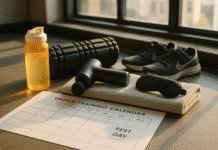
- A simple paper calendar for streak marks.
- Heart-rate zones optional; use RPE/talk test first.
Bottom line: minutes × moderate intensity × consistency = progress; let metrics serve the habit, not the other way around.
7. Pair Your Walking with Easy Nutrition Wins
Walking helps, but weight loss requires a calorie deficit. The gentle, sustainable way is trimming ~300–500 kcal/day via smarter meals and snacks while keeping protein and fiber high. Combine that with your weekly walking minutes and you’ll see steady changes over weeks, not days. For rough context, brisk walking burns ~100–135 kcal per 30 minutes for many adults (varies by body size and speed), which adds up nicely across the week.
7.1 Numbers & guardrails
- Safe rate: ~1–2 lb/week; many people need ~500 kcal/day deficit for ~1 lb/week.
- Brisk walking examples (30 min): ~107–135 kcal depending on speed and body weight (Harvard table).
7.2 Mini-checklist
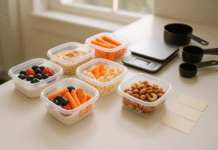
- Anchor each meal with protein + fiber (e.g., eggs and oats; lentil salad with chicken; yogurt + fruit + nuts).
- Swap sugary drinks for water, unsweetened tea, or sparkling water.
- Keep a protein-forward snack in your bag for post-walk hunger.
Bottom line: let walking raise your expenditure while nutrition trims intake—together they create the deficit that moves the scale.
8. Add Two Short Strength Sessions Each Week
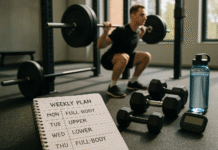
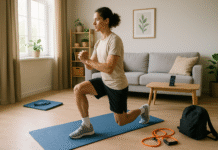
Strength training protects joints, preserves muscle during weight loss, and helps you walk faster with less effort. The public health guidance is at least two non-consecutive days/week. Keep it simple: 6–8 moves hitting legs, hips, core, and upper back. You can do this at home in 20–30 minutes with bodyweight, a resistance band, or light dumbbells. Expect your walking posture, stride power, and hill comfort to improve within a few weeks.
8.1 How to do it (20–30 minutes)
- Lower body: chair squats, step-ups, calf raises, glute bridges.
- Core/posture: dead bug or bird-dog, side plank, face pull/band pull-apart.
- Arms/back: supported rows, push-ups (incline works).
- Plan: 2–3 sets of 8–12 reps; slow, controlled.
8.2 Why it matters
- Supports weekly calorie burn (muscle is metabolically active).
- Reduces overuse aches by distributing load across stronger tissues.
- Meets the 2 days/week guideline shown to improve health outcomes.
Bottom line: two brief strength sessions each week amplify your walking results and resilience.
9. Hydration, Heat, and Air Quality: Walk Smart in All Weather
Hydration and environment can make or break a beginner plan—especially in hot, humid seasons. Begin well-hydrated; for longer or sweaty walks, sip periodically and listen to thirst. In extreme heat, lower intensity or move indoors; know early signs of heat illness (cramps, dizziness, nausea) and stop immediately if they appear. On poor air-quality days, shorten or reschedule, or walk indoors (mall, gym, covered tracks). In Pakistan and other warm regions, early morning or late evening often offers safer temperatures and AQI.
9.1 Heat guardrails
- Exercise on hot days raises dehydration and heat-illness risk; adjust time/effort and seek cool shade.
- CDC guidance: stay cool, stay hydrated, know symptoms, and plan ahead during heat waves. CDC
- Classic sports science suggests starting activity euhydrated and drinking during longer bouts as needed. PubMed
9.2 Air quality guardrails
- Use AirNow or local AQI apps; reduce intensity/duration as AQI worsens and avoid busy roads to cut particle exposure. US EPA
Bottom line: tailor your walk to the day’s conditions—smart adjustments keep training consistent and safe.
10. Make It Enjoyable So You’ll Actually Stick With It
Enjoyment drives adherence, and adherence drives results. Choose routes you like—waterfronts, parks, quiet streets—or mix treadmill sessions with podcasts or music. Walk with a friend once a week for accountability. Rotate two pairs of comfortable shoes and schedule light “recovery walks” after tougher days. To break plateaus, change one variable at a time: route, terrain, intervals, or weekly minutes. Celebrate non-scale wins—better sleep, lower resting heart rate, looser jeans—while the scale trends down gradually.
10.1 Adherence ideas
- Anchor walks to existing habits (after school drop-off, during lunch, after Asr/Maghrib, etc.).
- Set a 3-week streak goal; reward yourself with new socks or a playlist.
- Join a local mall-walker or park group; social commitment helps.
10.2 Footwear tips
- Prioritize comfort and fit that matches your foot shape and walking distance; cushioned walking or running shoes both work.
- Replace worn shoes periodically to keep joints happy.
Bottom line: if you like your routine, you’ll do it—design for enjoyment first, and results will follow.
FAQs
1) How many minutes should I walk to lose weight?
Most adults do well with 150–300 minutes/week of moderate walking. Start where you are and add 5–10 minutes per week until you consistently reach (or exceed) 150 minutes. Combine walking with a 300–500 kcal/day dietary deficit for steady loss. PMC
2) What pace counts as “brisk”?
Use the talk test—you can talk but not sing. Many people also use ~100 steps/min as a cadence cue for moderate intensity. If you prefer speed, that often lands around 3–4 mph, depending on height and terrain. CDC
3) Is walking enough without dieting?
Walking helps create energy expenditure and supports appetite control, but body weight mainly responds to total energy balance. Pair your walking minutes with a small calorie deficit and adequate protein + fiber for best results and sustainability.
4) How many calories does walking burn?
It varies by size and speed. As rough context, a 30-minute brisk walk often expends ~107–135 kcal for common body weights. Treat wearable calorie numbers as estimates; track trends over weeks.
5) Should I use intervals as a beginner?
Yes—once you’re comfortable at 150 min/week, add short surges (30–60 s fast, 60–120 s easy). Interval walking improves glycemic control and fitness in studies; keep total time similar and recover fully.
6) Is cadence really useful?
Surprisingly, yes. A body of research shows ~100 steps/min aligns with moderate intensity (≥3 METs) for most adults, and ~130 steps/min with vigorous. It’s a handy real-time cue without needing heart-rate data.
7) What about strength training—do I need it?
For health and weight loss, guidelines recommend at least two days/week of muscle-strengthening activity. Stronger legs, hips, and core improve stride efficiency and reduce aches so you can walk more.
8) How do heat and air quality affect my walks?
Heat increases dehydration and heat-illness risk; walk earlier/later, slow down, and hydrate. Poor AQI days call for shorter, easier walks or indoor alternatives; check AirNow or your local AQI app before heading out.
9) Do I need special walking shoes?
Not necessarily. Choose comfortable, activity-appropriate shoes that match your foot shape and walking distance; many people prefer lightweight running shoes for cushioning and flexibility. Replace them when worn.
10) I can’t hit 10,000 steps—can I still lose weight?
Yes. Minutes and intensity matter more than an arbitrary step total. Focus on accumulating 150–300 minutes/week of brisk walking and pair with a modest calorie deficit. Steps are a helpful all-day activity metric, but not required for fat loss.
Conclusion
Walking for weight loss works when it’s brisk, consistent, and paired with simple nutrition. Start with a plan you can keep: five weekly sessions at a moderate pace, guided by the talk test, cadence, or RPE. Protect your streak, then progress gently—add minutes first, sprinkle in short intervals, and keep two strength sessions in the week. Respect the weather and air quality so you can train safely all year. You’ll notice early wins in energy, sleep, and mood; the scale follows as your weekly minutes stack up and your meals support the goal. Lace up, pick your first 20-minute slot, and take the most doable step today.
CTA: Ready to start? Schedule five 20-minute walks this week and track your cadence—aim for 100 steps/min on the brisk parts.
References
- Adult Activity: An Overview, Centers for Disease Control and Prevention (CDC), Dec 20, 2023 — CDC
- WHO Guidelines on Physical Activity and Sedentary Behaviour, World Health Organization, Nov 25, 2020 — World Health Organization
- Measuring Physical Activity Intensity (Talk Test Examples), CDC, Dec 6, 2023 — CDC
- Steps for Losing Weight (Healthy Weight Loss Pace), CDC, Jan 17, 2025 — CDC
- Rate of Perceived Exertion (RPE) Scale, Cleveland Clinic, n.d. (accessed Aug 2025) — Cleveland Clinic
- How fast is fast enough? Walking cadence (steps/min) as a practical estimate of intensity, British Journal of Sports Medicine, 2018 — British Journal of Sports Medicine
- Walking cadence (steps/min) and intensity in 41–60-year-old adults, International Journal of Behavioral Nutrition and Physical Activity, 2020 — BioMed Central
- Calories burned in 30 minutes of activities (Walking examples), Harvard Health Publishing, Mar 8, 2021 — Harvard Health
- 2024 Adult Compendium of Physical Activities: A third update, Medicine & Science in Sports & Exercise (PMC), 2024 — PMC
- Interval Walking Training in Type 2 Diabetes (evidence summary), Journal of Clinical Endocrinology & Metabolism and related work; open-access overview via PMC, 2023 — PMC
- Heat and Athletes (Heat Health), CDC, June 25, 2024 — CDC
- Air Quality Guide for Particle Pollution, AirNow (U.S. EPA), 2025 — document.airnow.gov
- Shoes: Finding the Right Fit, American Academy of Orthopaedic Surgeons (AAOS), n.d. (accessed Aug 2025) — OrthoInfo