




















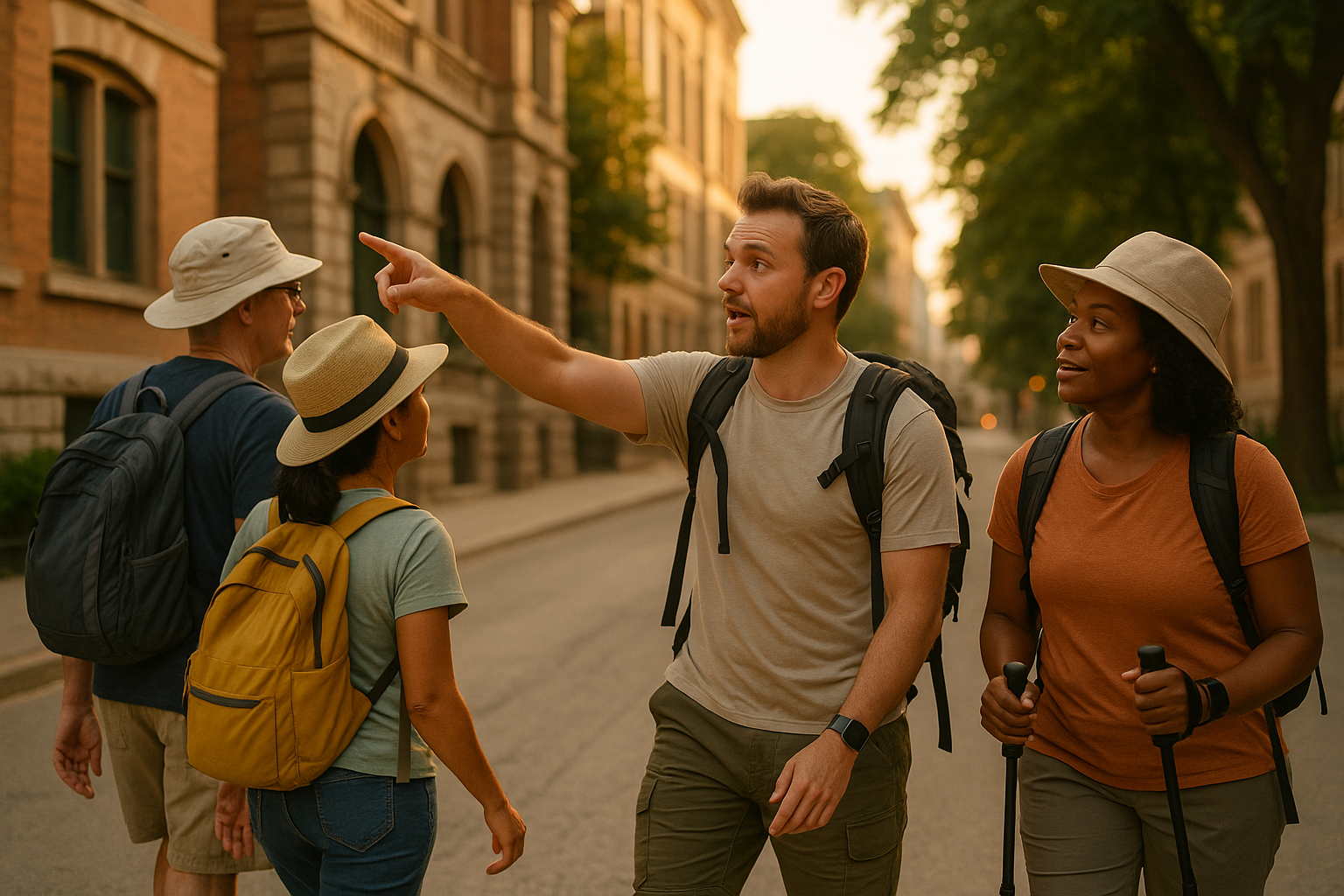
Walking tours can double as effective, low-impact workouts that build endurance, strengthen your heart, and boost mood—without pounding your joints. In practice, that means planning your route and pace so you accumulate moderate-intensity minutes while you explore. In simple terms, a walking tour becomes a low-impact workout when you move briskly enough that you can talk but not sing, aim for consistent effort, and manage heat, terrain, and recovery. Within the first hour, most people can collect 30–60 minutes toward the weekly goal of 150 minutes of moderate activity, and repeat it across a trip or several weekends back home. Below you’ll find 12 practical, evidence-informed ways to make it happen safely and enjoyably. (General information only; if you have medical conditions, get personalized guidance first.)
Quick-start steps: pick a neighborhood loop with a few hills or stairs; wear cushioned walking shoes; target a steady, brisk cadence; insert brief “photo-stop” recoveries; bring water and sun protection.
1. Choose Routes That Naturally Create Low-Impact Intervals
The fastest way to turn a stroll into training—without jarring impact—is to use the city’s built-in features. Start by selecting a route that includes modest hills, stairways, or gentle park paths. At the base, walk easy; up the hill, pick up to a brisk but conversational pace; crest, then recover while you take in the view. This “terrain-based interval” structure lets you modulate effort with landscape rather than speed alone, which is joint-friendly and easy to stick with across a long tour. It also creates mental milestones—landmarks, viewpoints, cafés—that make an hour of movement fly by. If you’re planning for a mixed-ability group, choose multiple “bail-outs,” like transit stops or shaded squares, so anyone can shorten or extend the loop without pressure.
1.1 Why it works
Hills and stairs raise cardiovascular demand while keeping the motion pattern low-impact. Walking at a moderate intensity (where you can talk but not sing) qualifies as exercise that counts toward the 150 minutes/week adult guideline; you can accumulate it in short bouts across a day of touring.
1.2 How to design it
- Map 2–4 short climbs (2–5 minutes each) spaced 5–10 minutes apart.
- Plan recovery segments at scenic stops to keep the day enjoyable.
- Include flat connectors so the route remains accessible to newer walkers.
Finish each interval feeling in control rather than gassed; that “I could do one more” sensation is your guardrail for sustainable training on vacation and at home.
2. Lock in Moderate Intensity With the Talk Test and Cadence
You don’t need lab gear to pace a fitness-minded tour. Start each segment at a conversational effort where you can speak in full sentences but wouldn’t choose to sing. That’s the goldilocks “moderate” zone for most adults and is the bedrock of low-impact cardio. If you prefer a number, a practical heuristic is ≈100 steps per minute; most adults reach moderate effort at or above this cadence during sustained walking on level ground. On gentle uphills, you may hit the same intensity with slightly fewer steps per minute; on downhills, you may need to quicken a bit to maintain the zone.
2.1 Numbers & guardrails
- Talk test: talk but don’t sing = moderate; only a few words = vigorous.
- Cadence: ≥100 steps/min corresponds to minimally-moderate intensity in adults. BioMed Central
- METs anchor: brisk walking (~3 mph) is ~3–4 METs (moderate).
2.2 Mini-checklist
- Use your watch’s stride/cadence field or count steps for 15 seconds ×4.
- Nudge pace on flats; let terrain handle effort on hills.
- If speech becomes choppy on a hot day, back off to steady breathing.
The combo of talk test plus cadence keeps pacing simple, safe, and repeatable from city to city.
3. Alternate Brisk Segments With “Viewing” Recoveries
A walking tour’s natural rhythm—move, stop, learn, photograph—makes it perfect for micro-intervals. Power-walk between points of interest for 3–8 minutes, then recover for 2–4 minutes while you read plaques, snap photos, or take notes. This seesaw pattern raises cardio stimulus without cranking impact or fatigue.
3.1 How to do it
- Brisk: target that 100+ steps/min cadence (talkable but focused).
- Recover: stroll, breathe through your nose, sip water, and enjoy the site.
- Repeat: plan 6–10 work blocks in a 60–90-minute tour.
3.2 Tools/Examples
- Use Google Maps/Komoot to pin 8–12 micro-destinations.
- In hilly districts, let climbs be your “work” and flats the “recover.”
- In museums/markets, walk the longest aisles as brisk laps, recover as you browse.
Close each tour with 5 easy minutes to normalize breathing and heart rate so you leave energized, not drained.
4. Build Mini Strength Breaks Into Landmarks
Strong, resilient lower limbs and posture muscles make longer tours feel easier. Without turning the day into a bootcamp, sprinkle body-weight micro-sets at logical pause points—public squares, park benches, waterfront railings.
4.1 What to include (pick 2–3, 1–2 sets each)
- Wall or rail push-ups (8–12).
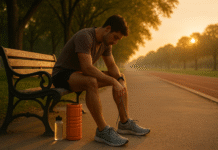
- Bench squats or sit-to-stands (8–12).
- Calf raises (10–15).
- Standing hip hinges or single-leg balance (6–10/side).
- Ankling drills (20–30 meters) to wake up the feet.
4.2 Why it matters
The adult guideline pairs aerobic minutes with 2+ days/week of muscle strengthening; these micro-sets help you chip away at that while touring. Keep reps submaximal and technique crisp; treat them as posture resets as much as strength work.
A few well-placed sets keep hips, knees, and ankles happier over the next miles and make climbing late-route steps feel surprisingly snappy.
5. Add Load Cautiously With a Light Daypack or Weighted Vest
A small load increases effort without changing your stride. Your daypack with water, a light layer, and snacks might add 2–4 kg—often enough for a mild training effect. If you’re experienced and joint-healthy, a weighted vest can nudge intensity further while keeping hands free. Start light; 5–10% of body weight is a common beginner range in expert guidance. Keep vest days intermittent and avoid long, steep descents if you feel joint irritation.
5.1 Numbers & guardrails
- Start at 5–10% body weight; progress slowly if pain-free. ACE Fitness
- Prioritize fit: snug, evenly distributed weight (front/back).
- If you have heart, joint, or respiratory conditions, skip vests unless cleared.
5.2 Mini-checklist
- Use vest on flat sections; take it off for stairs/long downhills.
- Keep stride short, cadence steady; don’t overstride.
- Alternate “vest days” with unloaded tours to recover.
When used judiciously, light load turns an otherwise easy loop into a time-efficient, joint-friendly workout.
6. Use Poles and Good Footwear to Protect Joints and Posture
Supportive walking shoes with cushioning and a comfortable toe box are non-negotiable for low-impact touring. Consider trekking or Nordic walking poles on uneven routes or descents; they can improve balance and upper-body engagement. Research is mixed on how much poles reduce knee joint loads overall, but some studies show meaningful reductions (≈12–25%) during downhill walking, while others find little change during level walking. Either way, many walkers report better stability and comfort—especially with a pack.
6.1 What the research says
- Downhill with poles: reductions in knee forces and moments were observed.
- Level walking: several studies found no reduction in compression forces. PubMed
- General review: poles may aid stability and reduce muscle damage over long days. PMC
6.2 Practical tips
- Adjust pole height so elbows are ~90°.
- Plant poles softly; avoid over-pushing which can tweak shoulders.
- Shoes: rotate pairs on multi-day trips; change socks mid-tour in heat.
Balance, rhythm, and foot comfort are the trifecta that keeps your “workout” feeling easy on the body.
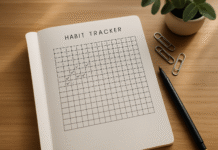
7. Track What Matters: Minutes, Cadence, Elevation, and Steps
Metrics turn a pleasant tour into progress. For low-impact fitness, your cornerstone is time in moderate intensity—aim to accumulate 150–300 minutes/week. Steps and elevation are helpful supporting metrics: steps give you volume; elevation reflects strength/endurance stimulus without impact spikes. Evidence suggests around 7,000+ steps/day is associated with lower mortality in middle-aged adults, but treat steps as a flexible tool, not a mandate.
7.1 Numbers to watch (as of August 2025)
- 150–300 min/week of moderate-intensity activity; short bouts count.
- 7,000+ steps/day linked with lower all-cause mortality in adults.
- Moderate cadence: ≈100+ steps/min for sustained segments.
7.2 Mini-checklist
- Use your watch’s “auto-lap” every 1 km to check cadence and effort.
- Tag elevation gain in ride/walk apps to compare routes by toughness.
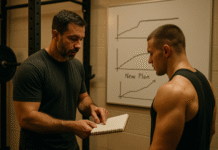
- Journal how you felt at the end; adjust next tour to finish strong.
Track enough to guide improvement, not so much that you forget to look up at the architecture.
8. Hydration, Heat, and Sun: Protect the Engine
Outdoor sightseeing can sneak up on you: radiant heat off stone streets, minimal shade, and hours on your feet. Build heat-smart habits into every tour—start earlier, schedule shade breaks, and carry water. On hot days, keep intensity at the talk-test level and extend recoveries. Use broad-spectrum sunscreen and protective clothing, and remember that UV risk peaks around midday. For long, sweaty outings, include salty snacks to replace sodium lost in sweat.
8.1 Guardrails
- Stay cool, stay hydrated; know heat-illness symptoms and stop activity if you feel faint or weak.
- Sun protection: limit midday exposure; use broad-spectrum sunscreen and reapply at least every 2 hours.
- In prolonged heat: water plus salty snacks can help replace losses. CDC Travelers' Health
8.2 Mini-checklist
- Start early; aim major climbs before late morning.
- Pack a hat, sunglasses, and a light, breathable layer.
- Use shade for recovery intervals; shorten work bouts in high heat.
Smart heat and sun tactics keep a fitness-oriented tour both safe and enjoyable.
9. Make It Accessible: Pace Groups, Rest Spots, and Route Options
A low-impact workout should be inclusive. For groups, set a clear pacing plan (“brisk to the next plaza, then photos and water”) and agree on regroup points. Build in optional shortcuts and extra loops so newcomers and experienced walkers both win. If you’re walking with a stroller or wheelchair, scout curb cuts, ramps, and surface quality; pick routes with accessible restrooms and shaded seating. On guided tours, don’t hesitate to ask about walking pace, stair counts, and rest frequency before booking.
9.1 How to do it
- Pace pods: split into two groups that leapfrog at landmarks.
- Regroup rules: every 10–15 minutes or at the next obvious feature.
- Map access: mark lifts/ramps; avoid narrow cobblestones for strollers.
9.2 Mini-checklist
- Share the map and meeting pin in chat before you start.
- Establish a “no drop” rule—no one left alone between regroup points.
- Rotate who leads; leadership changes naturally modulate pace.
When everyone feels accounted for, adherence rises—and a consistent habit is the real fitness multiplier.
10. Fuel, Foot Care, and Recovery to Walk Strong Tomorrow
Training happens when you recover. For walking-tour workouts, that means steady fueling, simple foot care, and gentle mobility afterward. Eat a normal meal beforehand; pack easy carbohydrates (fruit, bars) for tours longer than 90 minutes, and sip water regularly. Afterward, 5–10 minutes of calf/hamstring stretches and ankle circles preserve comfortable range of motion. Check for hotspots, dry feet, and change into clean socks. If you’re stacking days, keep one tour per week shorter and flatter as a recovery day.
10.1 Recovery mini-checklist
- Cool-down: 5 minutes of easy strolling plus light stretching.
- Feet: inspect skin; tape or apply balm to emerging hotspots.
- Refuel: normal meal with carbs and protein within a few hours.
10.2 Why it matters
Hitting the weekly 150–300 minutes is easier when you feel good the next day; tiny investments in mobility and foot care pay compound interest across a season of tours.
Gentle, consistent recovery turns today’s walk into tomorrow’s readiness.
11. Budget, Safety, and Logistics That Support Fitness
Fitness and fun thrive with simple logistics: public transit to/from the start, timed tickets that avoid long idle lines, and layers for shifting weather. Carry a small first-aid kit (bandages, blister patches), a portable battery, and identification. Share your live location with a friend if you’re solo. In very hot or polluted conditions, reschedule or shift to an indoor museum loop plus shaded park connectors rather than “gutting it out.”
11.1 Mini-checklist
- Time your route to arrive at popular spots right as they open.
- Build “plan B” loops (shorter/longer) into your map.
- Confirm water refill points; carry cash for small vendors.
A little planning removes friction so the healthiest choice—walking more—wins by default.
12. Make It So Enjoyable You’ll Repeat It
Sustainability is the secret sauce. Theme your tours (street art, waterfronts, film locations), gamify steps or elevation with friends, or collect “city climbs.” Track how many moderate-intensity minutes you accumulate and celebrate consistency, not perfection. Use playlists or walking-tour audio to keep your brain engaged, then turn it off to savor a quiet stretch. Rotate flat urban loops with leafy park circuits and occasional stair-rich neighborhoods for variety.
12.1 Momentum builders
- Themes: cafés of a district, bridges of a river, murals of a borough.
- Metrics: minutes in zone, cadence streaks, or elevation badges.
- Community: share routes; host a monthly “low-impact tour club.”
When walking tours are fun first and fitness-smart second, they become a habit—and habits are what transform health over months and years.
FAQs
1) What exactly makes a walking tour a “low-impact workout”?
It’s low-impact because your joints move through natural ranges without the aerial phases of running; it’s a workout when you sustain moderate intensity—you can talk but not sing—long enough to count toward weekly activity goals. On most routes, that’s a brisk, steady pace with short recoveries at landmarks. Even 10-minute chunks accumulate meaningfully across a day.
2) How fast should I walk?
Use the talk test and, if you like numbers, ~100+ steps/min as your cue for moderate effort on level ground. Hills, heat, and terrain change the cadence you need, so let breathing be your primary governor. If you can only speak a few words, you’ve drifted into vigorous intensity; ease up to stay low-impact and sustainable.
3) Do steps matter or just minutes?
Minutes at moderate intensity are the primary target, but steps are a helpful proxy for volume. Evidence links ≈7,000+ steps/day with lower mortality in middle-aged adults; still, treat steps as a flexible tool and remember that intensity and consistency also drive benefits.
4) Are weighted vests safe on walking tours?
They can be—if you’re healthy, start light (5–10% body weight), and progress cautiously. Use them intermittently and avoid steep descents if your knees are sensitive. People with cardiovascular, joint, or respiratory conditions should skip vests unless cleared by a clinician.
5) Do trekking or Nordic poles protect my knees?
Poles improve balance and help on uneven terrain. Research shows mixed effects on knee loading: reductions during downhill walking, but little change during level walking. If poles make you feel more stable and rhythmic, use them—especially with a pack or on stairs.
6) How long should a fitness-oriented walking tour be?
Aim for 60–90 minutes to collect a solid block of moderate-intensity time, split into brisk segments and sightseeing recoveries. Newer walkers can start with 30–45 minutes and add 5–10 minutes per week. Several shorter tours in a day also add up.
7) What’s the best way to manage heat and sun on a summer tour?
Start early, prioritize shade for recoveries, and reapply broad-spectrum sunscreen at least every two hours. If heat makes you light-headed or weak, stop and cool down. On very hot days, collect your minutes indoors or at cooler times. World Health Organization
8) Which shoes are best?
Choose supportive walking shoes with cushioning, a comfortable toe box, and a secure heel. If you’ll be on cobblestones or hills, slightly thicker midsoles can help. Rotate socks, consider blister patches in your kit, and swap insoles only if they improve comfort over several test walks.
9) How do I include strength work without ruining the vibe?
Sprinkle micro-sets at natural pause points: bench squats, wall push-ups, calf raises. Keep reps submaximal and form clean. Across a week, these sets help you meet the 2+ days of strengthening recommended for adults without dedicating a separate gym session.
10) I have limited time—what’s the minimum to benefit?
Any movement beats none. If you can collect three 10-minute brisk bouts across the day—say, hotel to museum, museum to café, café to park—you’ve banked 30 minutes toward the weekly 150. Over a month of travel or weekends, that consistency is powerful.
Conclusion
Walking tours are a rare win-win: you get culture, connection, and cardio in one outing. By choosing routes with natural intervals, pacing with the talk test (and optional cadence cues), and layering in micro-strength, hydration, and recovery, you transform sightseeing into training—without beating up your joints. Keep the focus on moderate, conversational effort and let the city’s terrain handle the intensity changes. Track minutes and steps to watch progress, but keep it playful with themes, photos, and café stops. Over weeks, these tours compound into the recommended 150–300 minutes of low-impact cardio and the kind of habit you’ll sustain long after the trip. Ready to start? Pick a neighborhood, map 2–4 short climbs, and walk your first “tour-as-workout” this week.
Call to action: Plan one 60-minute walking tour this weekend—map hills, set your brisk cadence, and turn exploration into effortless fitness.
References
- What Counts as Physical Activity for Adults. Centers for Disease Control and Prevention (CDC). Dec 6, 2023. CDC
- Measuring Physical Activity Intensity (Talk Test). CDC. Dec 6, 2023. CDC
- Tudor-Locke C, et al. How fast is fast enough? Walking cadence (steps/min) as a heuristic. Br J Sports Med. 2018. British Journal of Sports Medicine
- Aguiar EJ, et al. Cadence-based Classification of Minimally Moderate Intensity Ambulatory Activity in Adults. 2019. PMC
- Walking – Compendium of Physical Activities (MET values). Compendium of Physical Activities. 2023. Compendium of Physical Activities
- Paluch AE, et al. Steps per Day and All-Cause Mortality in Middle-aged Adults. JAMA Network Open. 2021. JAMA Network
- Schwameder H, et al. Knee joint forces during downhill walking with hiking poles. J Sports Sci. 1999. PubMed
- Jensen SB, et al. Is it possible to reduce the knee joint compression force during level walking with hiking poles? Scand J Med Sci Sports. 2011. Wiley Online Library
- About Heat and Your Health. CDC. July 25, 2025. CDC
- Ultraviolet radiation: Protecting against skin cancer (Q&A). World Health Organization (WHO). July 16, 2024. World Health Organization
- Heat and Outdoor Workers. CDC/NIOSH. June 25, 2024. CDC
- What to know about weighted vests. The Washington Post. July 25, 2025. The Washington Post
- Adding Physical Activity as an Adult. CDC. Jan 8, 2024. CDC