






















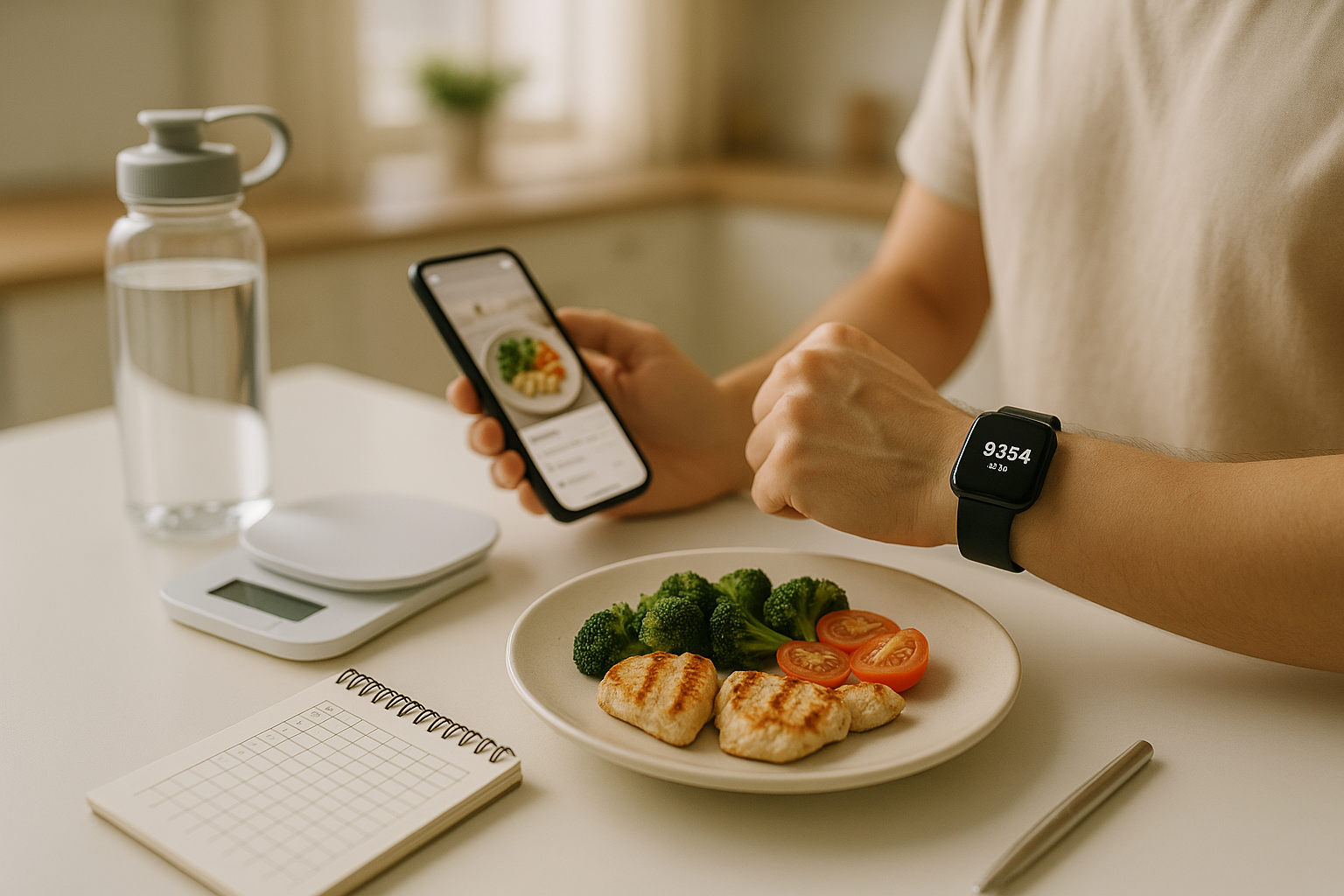
Weight loss habit tracking means monitoring the small, repeatable behaviors that drive energy balance—not just calorie totals and gym sessions. When you track pragmatic cues like portion sizes, sleep, step count, and stress, you can predict and adjust your weekly trend instead of guessing. This guide explains what to track, how to measure it, and realistic guardrails for each item so you can build a plan that survives busy seasons, travel, and low-motivation days. It’s written for anyone who wants steady, sustainable progress. Quick answer: track 11 daily and weekly habits that influence appetite, energy expenditure, and adherence; use simple, consistent metrics and review them weekly. Medical disclaimer: this article is educational and not a substitute for personal medical advice; speak with a qualified clinician if you have health conditions, take medications, or are pregnant.
What to track at a glance
- Portion sizes and plate balance
- Sleep duration and consistency
- Steps/NEAT and sit-breaks
- Protein per meal
- Fiber and produce servings
- Hydration and beverage swaps
- Alcohol frequency and units
- Eating pace and hunger/fullness
- Meal timing and planning
- Stress management and recovery
- Self-weighing and waist checks
1. Portion Sizes You Can Repeat Without Measuring Forever
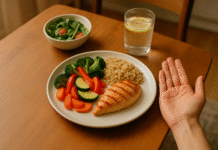
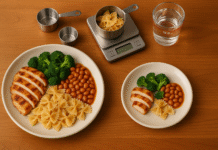
Portion size is the fastest lever to create a calorie deficit without counting every gram. The aim isn’t perfection; it’s repeatability—servings you can eyeball on busy days and reproduce in any kitchen. Start by standardizing a few anchor meals (breakfast, a go-to lunch, a weeknight dinner) and record their “visual recipe”: plate layout, palm or fist sizes, and any side items. When you consistently plate 1–2 palms of protein, 1–2 fists of vegetables, a cupped-hand of carbs, and a thumb or two of fats, you reduce the variance that often derails weekly averages. Track what you plate and what you actually eat (leftovers matter); small “extras” like oils, sauces, and snacks add up quickly. Over 1–2 weeks, adjust one variable at a time (e.g., slightly less starch at dinner) and watch your weekly weight trend.
Why it matters
- Portions are the “input device” for energy balance; consistent plating narrows the gap between plan and intake.
- Visual cues reduce decision fatigue and improve adherence during stressful or social days.
- Portion control complements any dietary preference (Halal, vegetarian, low-carb, etc.).
How to track it
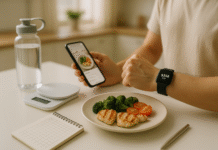
- Photo log: Snap your meal before eating; review patterns weekly.
- Hand-size method: Per meal, target ~1–2 palms protein, 1–2 fists veg, 1 cupped-hand carbs, 1–2 thumbs fats; adjust for body size/goals.
- “Measure once” audit: For two days, weigh/measure to calibrate your eye, then go back to visuals.
Numbers & guardrails
- Keep cooking oils to measured teaspoons/tablespoons when learning (e.g., 1 tsp ≈ 40 kcal).
- Use a smaller plate (8–10 in / 20–25 cm) to reduce accidental overserve.
- Maintain at least a fist of vegetables at lunch and dinner.
Synthesis: Train your eyes once, then keep portions consistent with photos and hand sizes; it’s the simplest form of calorie awareness that you’ll actually stick to.
2. Sleep Duration and Consistency to Stabilize Appetite
Sleep is the appetite thermostat you can’t see. Short, irregular sleep patterns are linked to increased hunger, cravings for energy-dense foods, and lower spontaneous activity. The habit to track isn’t just “hours in bed,” but a consistent sleep window that makes weekdays feel like weekends. Start with your current average and nudge it up by 15–30 minutes if you’re under 7 hours. Record bedtime, wake time, total sleep time, and a subjective energy score (1–5). When sleep duration and wake times stabilize, you’ll notice steadier appetite and fewer “I’m too tired to prep” choices.
Why it matters
- Sleep loss shifts hunger hormones and reduces decision quality around food.
- Better sleep improves recovery so you move more (NEAT) without trying.
- Consistency beats perfection; fixed wake times align body clocks.
How to track it
- Low-tech: Note bedtime/wake time + energy score in a notes app.
- Wearables: Use the same device nightly; trend weekly averages, ignore nightly noise.
- Wind-down checklist: 3–4 repeatable steps (dim lights, shower, no screens in bed).
Numbers & guardrails
- Aim 7–9 hours for most adults; start from your baseline and build.
- Keep bedtime/wake time within a ±30–60 min window, even on weekends.
- If you nap, cap at 20–30 min early afternoon to protect night sleep.
Synthesis: Track a stable sleep window and energy score; better sleep quietly lowers appetite and improves adherence more than any macro tweak.
3. Steps, NEAT, and Sit-Breaks to Raise Daily Burn
Non-exercise activity thermogenesis (NEAT)—all the movement you do outside workouts—often burns more energy across a week than formal exercise. Tracking steps and sit-breaks gives you easy levers to raise NEAT without extra gym time. Establish your honest baseline for 3–7 days, then add +1,000–2,000 steps/day as a progressive goal. Pair that with 1–2 minutes of movement every 30–60 minutes seated: walk to fill your water, take a call standing, or do a quick house task. Log steps, longest sit time, and total sit-breaks; the pattern matters more than any single day.
Why it matters
- Higher NEAT improves energy expenditure and weight-loss sustainability.
- Sit-breaks reduce “sedentary debt,” preventing afternoon slumps and mindless snacking.
- Steps are an accessible, universal metric—no gym required.
How to track it
- Pedometer/watch: Use one device; record a daily total and a 7-day rolling average.
- Sit-break timer: Phone reminders or watch nudges; tally breaks.
- NEAT menu: List quick tasks (stairs, tidying, walking meetings) to hit step goals.
Numbers & guardrails
- Add ~70–140 steps/hour across the day to net +1,000–2,000.
- Cap “catch-up” walks late at night if they disrupt sleep.
- If injured, swap steps for gentle mobility and frequent stand-ups.
Synthesis: Track steps and sit-breaks as your “movement margin”; small, frequent bouts outcompete sporadic hero workouts for long-term burn.
4. Protein Per Meal for Fullness and Muscle Retention
Protein anchors meals: it boosts fullness, helps retain lean mass during a deficit, and smooths blood-sugar swings that drive cravings. Track protein per meal, not just daily totals, to avoid “all at dinner” patterns that leave you hungry earlier. A workable starting range for many adults during weight loss is 1.2–1.6 g/kg/day, evenly split across 3–4 eating occasions. Log grams or use hand-size estimates (1 palm ≈ 20–30 g protein depending on your hand/food). Review satiety 60–90 minutes after meals to see if you’re hitting the mark.
Why it matters
- Adequate protein preserves muscle, supporting resting metabolism.
- Even distribution enhances satiety and muscle protein synthesis signals.
- High-protein breakfasts reduce later snacking for many people.
How to track it
- Per-meal target: e.g., 25–40 g at breakfast/lunch/dinner; 15–25 g for snacks.
- Template meals: Eggs + yogurt bowl; lentil dal + roti + salad; chicken + veg + rice.
- Grocery audit: Keep 3 ready proteins (e.g., canned tuna, Greek yogurt, tofu).
Numbers & guardrails
- Start at ~1.2 g/kg/day; adjust toward 1.6 g/kg/day if appetite is high.
- If you have kidney disease or other conditions, consult your clinician.
- Vegetarians: combine legumes, soy, dairy/eggs to meet targets.
Synthesis: Track protein per meal, not just per day; consistent hits reduce grazing and protect your lean, calorie-burning tissue.
5. Fiber and Produce Servings to Tame Calories Naturally
Fiber creates volume without many calories, slows digestion, and feeds a healthy gut—all helpful for appetite control. Instead of only counting grams, track produce servings (fruits/vegetables) alongside daily fiber; servings are easier to visualize and plan. Use a simple system: 1 cup raw veg, ½ cup cooked veg, 1 medium fruit, or 2 cups leafy greens = 1 serving. Set a starting goal of 5+ servings/day, then move toward 7–10 as meals settle. Pair higher-fiber carbs (beans, whole grains) with protein and fats to stay comfortably full.
Why it matters
- Higher fiber diets are consistently linked with lower energy intake and weight gain over time.
- Vegetables/fruit lower meal energy density, so portions look generous without excess calories.
- Produce variety improves micronutrient coverage and taste satisfaction.
How to track it
- Tally card: Mark servings on a sticky note each day.
- Pre-cut rule: Prep 2–3 veg boxes twice a week for instant add-ons.
- Swap list: White rice → lentils; fries → baked potato + skin; juice → whole fruit.
Numbers & guardrails
- Aim 25–38 g fiber/day (adults), adjusting gradually to avoid GI discomfort.
- Add ~1 serving/week if your gut feels sensitive.
- Hydrate more as fiber rises (see Section 6).
Synthesis: Track produce servings and fiber together; fuller plates with lower energy density make a deficit feel like normal eating.
6. Hydration and Beverage Swaps That Cut Easy Calories
Drinks are the sneakiest calories in many diets. Track plain-water intake and calorie-containing beverages separately to reveal patterns and swap intelligently. Start with a daily water target based on habit (e.g., 6–8 cups / 1.5–2 L), and record any sugary sodas, juices, creamy coffees, or energy drinks. If you like a pre-meal water ritual, note it and how it affects appetite. For variety, rotate unsweetened tea, sparkling water with lemon, or “half-juice” (juice diluted with water).
Why it matters
- Liquid calories add energy without much fullness, pushing you over maintenance.
- Replacing sugar-sweetened beverages with water reduces daily intake with minimal effort.
- Hydration supports training quality and appetite control signals.
How to track it
- Two lines per day: line A = water cups/L; line B = calorie-drinks + rough kcal.
- Bottle math: Use a 600–750 mL bottle; track refills.
- Caffeine curfew: Note last caffeinated drink time to protect sleep.
Numbers & guardrails
- Common water goals: 1.5–3.0 L/day depending on size, climate, activity.
- Reduce sugary drinks by 50% first; replace with low/no-calorie options.
- Flavor without calories: citrus, mint, tea, spices (e.g., cinnamon stick).
Synthesis: Track water and sugary drinks separately; a few smart swaps can save hundreds of calories per week without touching your plate.
7. Alcohol Frequency and Units So It Doesn’t Steal Your Deficit
Alcohol brings 7 kcal per gram plus lower inhibitions and late-night snacks. Track drinking days per week and standard drinks (units) per day you drink. That’s usually 12 oz/355 mL beer, 5 oz/148 mL wine, or 1.5 oz/44 mL spirits. Many people get leaner by first cutting the number of drinking days before reducing per-occasion volume. If alcohol isn’t part of your life or is restricted where you live, apply the same tracking logic to sugary beverages or desserts.
Why it matters
- Alcohol calories add up quickly and displace satiating foods.
- Drinking often leads to late eating and poorer sleep, both of which raise appetite next day.
- Seeing weekly totals highlights “social creep” you might miss.
How to track it
- Weekly log: Mark days with 0/1/2+ drinks; tally standard drinks on drinking days.
- Plan-ahead rule: Decide “which two days” to drink this week, not “whether.”
- Lower-impact options: Spirits with zero-cal mixers, light beers, smaller pours.
Numbers & guardrails
- Consider capping at 1–2 occasions/week while losing weight.
- Keep most occasions to 1–2 standard drinks; alternate with water.
- Avoid alcohol within 3–4 hours of bedtime to protect sleep quality.
Synthesis: Track drinking days and units; slight trims in frequency and quantity free up a meaningful weekly calorie buffer.
8. Eating Pace and Mindful Hunger/Fullness Checks
Fast eating and distracted meals make it easy to overshoot fullness by several hundred calories. The habit here is two-part: extend meal duration and rate hunger/fullness with a simple 1–10 scale before and after eating. Aim to start meals around hunger 3–4 (stomach noticeable, not urgent) and finish at fullness 6–7 (comfortably satisfied, not stuffed). Note the conditions: phone on/off, TV, at desk, with family, etc. Over time, you’ll match portion sizes and plate composition to your personal “fullness math.”
Why it matters
- Slower eating allows fullness signals to register, reducing second helpings.
- Mindful eating improves awareness of triggers (stress, boredom, social pressure).
- Simple scales make subjective sensations trackable.
How to track it
- Timer nudge: Stretch meals to 15–20 minutes; put the fork down between bites.
- Hunger/fullness scale: Log a number pre- and post-meal.
- Distraction log: Mark meals eaten while scrolling or working.
Tools & examples
- Try a “mindful bite”: note aroma, texture, and taste for the first bite of each new food.
- Serve seconds on a side plate after 10 minutes if still at hunger ≤4.
- Use chopsticks or smaller utensils to slow pace.
Synthesis: Track meal length and hunger/fullness numbers; slowing down and paying attention trims intake without feeling restricted.
9. Meal Timing and Planning to Reduce Decision Fatigue
When meals bunch late or vary wildly, appetite and snacking drift. Track meal timing (first bite/last bite of the day) and plan anchors—the 1–2 meals/snacks you eat at roughly the same times most days. The goal isn’t to lock into a single eating window forever, but to establish predictability that limits “I’ll just grab something” moments. If evenings are chaotic, anchor breakfast and lunch; if mornings are hectic, anchor lunch and dinner. Planning two protein-focused snacks per weeknight can prevent 9 pm raids.
Why it matters
- Regular timing aligns appetite and reduces impulsive eating.
- Early, protein-forward meals often stabilize energy and cut evening overeating.
- Planning defeats “decision fatigue,” a major adherence killer.
How to track it
- First/last bite: Record times to see your natural window.
- Anchor planner: Choose 1–2 meals you’ll repeat at set times for the next 5 days.
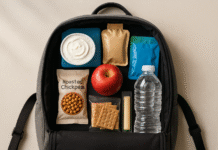
- Friction busters: Pre-portion snacks; keep a “rescue meal” (e.g., frozen veg + eggs).
Numbers & guardrails
- Keep your eating window consistent ±1 hour on most days.
- If experimenting with time-restricted eating, prioritize sleep quality and protein distribution.
- Avoid large meals within 2–3 hours of bedtime if they disrupt sleep.
Synthesis: Track first/last bite and set meal anchors; predictability cuts the chaos that drives overeating more than any exotic diet trick.
10. Stress Management and Recovery You’ll Actually Do
Stress doesn’t just feel bad—it nudges you toward energy-dense comfort foods and shortens sleep. Track a daily stress rating (1–10) and minutes of recovery (walks, prayer/meditation, breathwork, journaling, hobbies). The key is practicality: 5–10 minute “micro-recovery” breaks placed before known trigger times (e.g., post-work) beat ambitious routines you abandon. Pair your stress log with notes on snacking urges to map patterns; often, a short walk or breathing drill defuses the urge long enough to make a better choice.
Why it matters
- Stress increases hedonic eating, especially when sleep is short.
- Recovery practices improve mood and make sticking to portions easier.
- Tracking exposes high-risk times and environments.
How to track it
- Two numbers: stress (1–10) + recovery minutes.
- Trigger map: Note situations (commute, meetings, social media) that precede snacking.
- Micro-menu: 3–5 rapid resets (4-7-8 breathing, 10-min walk, stretching, dhikr/prayer).
Mini-checklist
- Put a 10-minute walk on your calendar after work.
- Keep a breathing prompt card at your desk.
- Create a “no-snack buffer” of 10 minutes after stressful events.
Synthesis: Track stress and short recovery sessions; feeling 10% better emotionally often cuts 30% of your high-calorie impulses.
11. Self-Weighing and Waist Checks to Close the Feedback Loop
Weight and waist are outcome measures, but tracking them is a habit that sharpens all the inputs above. Weigh daily or 3–4×/week under the same conditions (after waking, after bathroom, before eating) and chart the 7-day average; expect normal water swings of 0.5–1.5 kg (1–3 lb). Measure waist circumference weekly at the navel with a non-stretch tape after a normal exhale. Pair numbers with brief context (“late dinner,” “salty meal,” “period week”) so you don’t overreact. Use the trend to nudge one habit at a time—usually portions, steps, or sleep.
Why it matters
- Frequent, neutral feedback improves adherence without obsessive tracking.
- Waist captures fat-loss progress even when scale weight stalls (e.g., water, muscle).
- Trends prevent “scale drama” and snap decisions.
How to track it
- One scale rule: Same device, same spot on the floor, same routine.
- 7-day moving average: Smooths noise; review weekly.
- Waist method: Tape around the abdomen at the belly button; snug, not tight.
Numbers & guardrails
- Expect plateaus of 2–3 weeks; adjust one variable if the 4-week trend is flat.
- Celebrate non-scale wins (belt notch, energy, sleep consistency).
- If past tracking triggered anxiety, limit to twice weekly or focus on waist/clothes fit.
Synthesis: Make weighing/waist checks a quick, neutral ritual; trends guide calm tweaks and keep you progressing without obsession.
FAQs
1) Do I need to count calories if I’m tracking these habits?
Not necessarily. Many people lose weight by standardizing portions, raising steps, improving sleep, and hitting protein/fiber goals—without logging calories. If progress stalls for 3–4 weeks, use a brief calorie audit (3–7 days) to recalibrate visual portions, then go back to habit metrics. Think of calories as a spot-check tool, not a permanent chore.
2) How many steps should I aim for to support weight loss?
Start from your real baseline, then add +1,000–2,000 steps/day for 2–3 weeks. If you average 4,500 now, aim for 6,000–6,500, not 10,000 overnight. Combine sit-breaks with short walks after meals to improve digestion and keep energy stable. The best step goal is one you can maintain on busy days—not just weekends.
3) What’s a good daily protein target?
A practical range during weight loss is 1.2–1.6 g/kg/day, spread across meals. For a 75-kg person, that’s ~90–120 g/day. If you’re very active or prefer fewer meals, aim toward the higher end; if you have kidney issues or other medical conditions, personalize with a clinician or dietitian. Track per-meal hits to improve fullness.
4) How fast should I lose weight?
A steady 0.25–1.0% of body weight per week is realistic for most adults. Faster losses raise the risk of muscle loss, low energy, and rebound. Use your 7-day average weight and waist measurement to confirm fat loss, then tweak portions/steps/sleep if your 4-week trend is flat.
5) Is water tracking actually useful if I don’t drink soda?
Yes. Even without sugary drinks, mild dehydration can mimic hunger and lower energy, making meal choices harder. Tracking water helps enforce sit-breaks (refill walks) and supports higher fiber intake. If you already drink plenty, keep it simple: one bottle before lunch, one before dinner.
6) I work night shifts—how do I adapt these habits?
Anchor your sleep window after your shift, keep meal timing consistent relative to your wake time, and lean on protein/fiber-rich meals to stabilize appetite. Track light exposure (bright light during “day,” blackout curtains during “night”). For steps/NEAT, set movement breaks that match your actual work hours.
7) How often should I weigh myself?
Daily or 3–4×/week works well if you use a 7-day average and record context notes. If daily weighing raises anxiety, scale back to twice weekly and rely more on waist, clothes fit, and progress photos. The value is in the trend, not the single number.
8) Do “cheat meals” ruin progress?
One higher-calorie meal won’t erase a week of good habits, but unplanned high-calorie days can. Track them without judgment and adjust: slightly smaller portions, extra steps, and earlier bedtimes for 2–3 days. Planning indulgences (day and portion) tends to limit spillover and preserves your weekly deficit.
9) Is meal timing more important than total calories?
Total intake across the week still dominates. That said, regular timing and protein-forward earlier meals help many people curb evening overeating. If you try time-restricted eating, keep sleep and protein distribution strong; if it harms either, revert to consistent, spaced meals.
10) What’s the best app or tool for tracking these habits?
Pick the lowest-friction option you’ll use during busy weeks: a notes app, checklist, or calendar can beat feature-rich apps you abandon. For steps/sleep, a basic pedometer or watch is enough. For food, a photo log of plates often provides adequate feedback without calorie math.
11) How do I handle travel and social events?
Carry your anchor habits with you: protein at each meal, vegetables on every plate, a step minimum, a fixed sleep window, and a 2-drink cap if you drink. Track what you can (photos, steps, bedtime) and ignore what you can’t for a day. Resume normal routines at the next opportunity—don’t “make up” with extreme restriction.
12) What if the scale doesn’t move but my waist shrinks?
That’s progress. Early changes in glycogen/water and later shifts in body composition can mask fat loss on the scale. Keep tracking waist and clothes fit; maintain protein, steps, and sleep. If waist stalls for 4+ weeks, revisit portions or alcohol frequency and tighten one variable at a time.
Conclusion
Sustainable fat loss is mostly about repeatable decisions, not perfect math. When you track portions, sleep, steps, protein, fiber, hydration, alcohol, eating pace, timing, stress, and a calm feedback loop (weight/waist), you create a system that survives real-life friction. Each habit is simple enough to do on a hectic day, yet together they meaningfully shift appetite, energy, and weekly averages. Start with 2–3 habits you can implement today—often portions, steps, and sleep—then layer the others as routines stabilize. Review your weekly data, make one small adjustment, and keep going. In a few months, you’ll recognize the compounding effect of quiet, consistent habits.
CTA: Pick your first two habits now, set today’s minimums, and log your first entry—progress starts with the next plate and the next step.
References
- How Much Sleep Do I Need? Centers for Disease Control and Prevention (CDC). Reviewed 2024. https://www.cdc.gov/sleep/about_sleep/how_much_sleep.html
- WHO Guidelines on Physical Activity and Sedentary Behaviour. World Health Organization. 2020. https://www.who.int/publications/i/item/9789240015128
- Dietary Guidelines for Americans, 2020–2025. U.S. Departments of Agriculture and Health and Human Services. 2020. https://www.dietaryguidelines.gov
- Fiber. Harvard T.H. Chan School of Public Health—The Nutrition Source. Accessed 2025. https://www.hsph.harvard.edu/nutritionsource/carbohydrates/fiber/
- Rethink Your Drink: Beverages and Your Health. Centers for Disease Control and Prevention (CDC). Reviewed 2023. https://www.cdc.gov/healthyweight/healthy_eating/drinks.html
- Rethinking Drinking: Low-Risk Alcohol Drinking Levels. National Institute on Alcohol Abuse and Alcoholism (NIAAA). Updated 2023. https://www.rethinkingdrinking.niaaa.nih.gov/How-much-is-too-much/Is-your-drinking-pattern-risky/low-risk-drinking.aspx
- Jäger R, Kerksick CM, Campbell BI, et al. International Society of Sports Nutrition Position Stand: protein and exercise. J Int Soc Sports Nutr. 2017. https://jissn.biomedcentral.com/articles/10.1186/s12970-017-0177-8
- Levine JA. Non-exercise activity thermogenesis (NEAT). Best Pract Res Clin Endocrinol Metab. 2002;16(4):679–702. PubMed. https://pubmed.ncbi.nlm.nih.gov/12468415/
- Rogers JM, Ferrari M, Mosely K, Lang CP, Brennan L. Mindfulness-based interventions for adults who are overweight or obese: a meta-analysis of physical and psychological outcomes. Obesity Reviews. 2017. https://onlinelibrary.wiley.com/doi/10.1111/obr.12623
- Steinberg DM, Tate DF, Bennett GG, Ennett S, Samuel-Hodge C, Ward DS. The efficacy of a daily self-weighing weight loss intervention using smart scales. Ann Behav Med. 2013. https://link.springer.com/article/10.1007/s12160-012-9439-0
- Measuring Waist Circumference. National Institute of Diabetes and Digestive and Kidney Diseases (NIDDK). Updated 2022. https://www.niddk.nih.gov/health-information/weight-management/health-risks-overweight/assessing-your-weight/waist-circumference
- St-Onge M-P, Ard J, Baskin ML, et al. Meal timing and frequency: Implications for cardiovascular disease prevention. Circulation. 2020. American Heart Association. https://www.ahajournals.org/doi/10.1161/CIR.0000000000000741