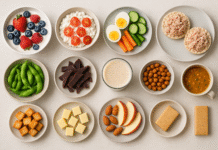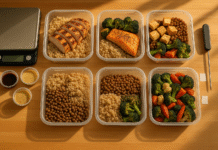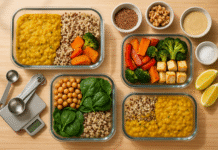
























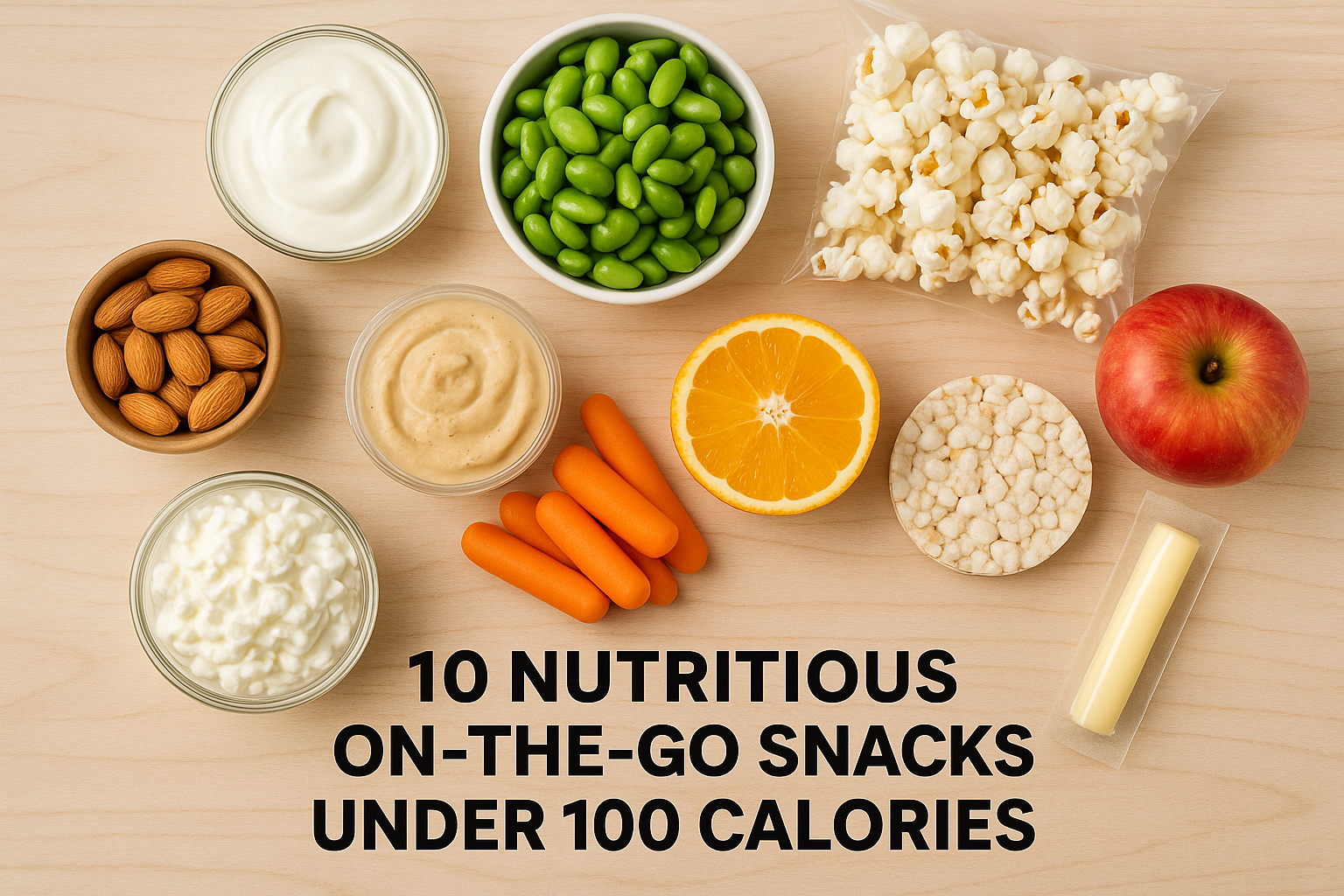
You’re busy, you’re hungry, and you want something quick that won’t derail your goals. This guide gives you 10 nutritious on-the-go snacks under 100 calories—each one portable, satisfying, and easy to prep. You’ll learn smart portions, practical packing tips, and simple ways to track whether these choices are actually helping your energy, weight, or training. If you’re juggling work, classes, parenting, or a commute, this is for you.
Disclaimer: This article is educational and not a substitute for personalized medical or nutrition advice. If you have specific health conditions or dietary needs, consult a qualified professional.
Key takeaways
- Under-100-calorie snacks are doable with smart portions and simple prep.
- Protein + fiber = staying power; pair them whenever possible.
- Pre-portioning beats willpower—use baggies, mini containers, or snack-size cups.
- Track what matters: hunger levels, energy, and consistency, not just calories.
- A 4-week plan helps build a lasting on-the-go snacking routine.
1) One Small Apple with Cinnamon (or Half a Medium)
What it is & benefits
A crisp apple delivers natural sweetness, fiber for fullness, and a solid serving of micronutrients in a hand-held package. Cinnamon adds aroma and a dessert-like vibe without extra calories, making this an easy on-the-go snack under 100 calories.
What you need
- 1 small apple (or half a medium)
- Optional: a pinch of ground cinnamon
- Low-cost alternative: any firm, in-season fruit (pears work great)
How to do it (step-by-step)
- Wash the apple the night before.
- Slice and sprinkle with cinnamon or pack it whole for maximum convenience.
- Store in a small reusable container or a zip bag.
Beginner modifications & progressions
- Simplify: Choose a mini apple and skip slicing to save time.
- Progress: Pair with 1 tsp nut butter (adds ~30–35 calories) on days you need a heartier bridge between meals.
Recommended frequency & metrics
- Frequency: 3–5 times per week as a “morning commute” or “2 p.m. slump” solution.
- Metrics: Notice 60–90 minutes of steady energy and a reduced urge to overeat at the next meal.
Safety, caveats & common mistakes
- Wash thoroughly.
- If you’re extremely active, half a medium apple may be too light—consider a higher-protein pairing when needed.
- Don’t rely on fruit alone for all snacks; rotate options for protein and healthy fats.
Mini-plan example
- Monday/Wednesday/Friday: Small apple during commute.
- Cinnamon pre-packed: Keep a tiny spice jar in your bag.
2) Baby Carrots + 1 Tablespoon Hummus
What it is & benefits
Crunchy carrots supply fiber and hydration, while a modest scoop of hummus adds flavor and a small protein boost—together, typically under 100 calories.
What you need
- 8–10 baby carrots
- 1 tablespoon hummus in a mini cup
- Budget alternative: make your own hummus from canned chickpeas to save money.
How to do it
- Scoop 1 tablespoon hummus into a small container (or use single-serve cups).
- Rinse carrots; pat dry so they don’t water down the hummus.
- Pack together in a leak-proof bag or bento box.
Beginner modifications & progressions
- Simplify: Skip hummus and go with carrots only if you’re truly in a rush.
- Progress: Add a few cherry tomatoes or sliced cucumbers for more volume without many extra calories.
Recommended frequency & metrics
- Frequency: 2–4 times weekly for a savory option.
- Metrics: Track how long you stay full and whether you’re satisfied with a smaller dinner portion.
Safety, caveats & common mistakes
- Watch hummus portions—tablespoons fill up fast.
- If sodium is a concern, compare brands or make your own.
Mini-plan example
- Sunday prep: Portion 4–5 hummus cups; divide baby carrots into snack bags.
- Grab & go: Keep a set in the office fridge.
3) Nonfat Greek Yogurt (100 g) + A Few Berries
What it is & benefits
Nonfat Greek yogurt packs a surprisingly rich texture and protein for very few calories per 100 grams. A small handful of berries adds color, fiber, and natural sweetness while staying under the threshold.
What you need
- 100 g nonfat plain Greek yogurt
- ~40–50 g berries (blueberries, strawberries, or raspberries)
- Alternative: regular nonfat yogurt if Greek isn’t available; portion accordingly.
How to do it
- Spoon yogurt into a small reusable cup (weigh once to learn what 100 g looks like).
- Top with berries; refrigerate overnight.
- Use an insulated bag or ice pack for transport.
Beginner modifications & progressions
- Simplify: Buy small, plain single-serve cups.
- Progress: Add 1 tsp chia seeds on heavier days (adds texture and omega-3s, ~20 calories).
Recommended frequency & metrics
- Frequency: 3–6 times weekly for protein support.
- Metrics: Note appetite control vs. a fruit-only snack; many people find yogurt steadier.
Safety, caveats & common mistakes
- Check labels—flavored cups can add sugar and jump over 100 calories fast.
- If lactose sensitive, try lactose-free or skyr-style options.
Mini-plan example
- Workweek routine: Prep two mini cups Sunday and two on Wednesday night.
- Berry rotation: Swap raspberries, blueberries, and sliced strawberries to keep it interesting.
4) One Hard-Boiled Egg
What it is & benefits
A single large hard-boiled egg is portable, protein-rich, and satiating—all for under 100 calories. It’s ideal when you want something savory and simple.
What you need
- 1 large egg
- Pot of water or an electric egg cooker
- Optional: pinch of salt/pepper or a dash of hot sauce
How to do it
- Boil 6–8 eggs at once (10–12 minutes after water boils).
- Cool, peel, and refrigerate in a sealed container.
- Pack one egg per snack with a tiny spice packet if you like.
Beginner modifications & progressions
- Simplify: Buy pre-cooked eggs at some groceries.
- Progress: Pair with raw veggies on high-hunger days (still aim to keep the pairing modest if you must stay under 100 calories).
Recommended frequency & metrics
- Frequency: 3–5 times per week for a protein-focused snack.
- Metrics: Watch how it curbs cravings for sweets later in the day.
Safety, caveats & common mistakes
- Keep refrigerated and don’t leave out long; eggs are perishable.
- If cholesterol intake is a concern, speak with a healthcare provider for personalized guidance.
Mini-plan example
- Sunday batch: Boil a dozen; label with the date.
- Flavor kit: Add a tiny packet of everything bagel seasoning to your work tote.
5) Air-Popped Popcorn (About 3 Cups)
What it is & benefits
Popcorn is a whole grain with impressive volume for its calories. Three cups of air-popped popcorn usually slide in under 100 calories and deliver satisfying crunch.
What you need
- Popcorn kernels + air popper OR a brown paper bag and microwave
- Optional seasonings: smoked paprika, garlic powder, nutritional yeast (sprinkle lightly)
How to do it
- Air-pop kernels or microwave in a paper bag (fold top over twice).
- Lightly season; avoid oil and heavy butter to keep calories low.
- Store in a zip bag; it keeps crisp several hours.
Beginner modifications & progressions
- Simplify: Buy pre-portioned, lightly salted air-popped bags (check labels).
- Progress: Add 1 tsp olive oil mist if you need flavor (adds ~40 calories; use sparingly if staying under 100).
Recommended frequency & metrics
- Frequency: 2–4 times weekly as a high-volume, low-calorie option.
- Metrics: Rate fullness after 10 minutes; popcorn gives satiety a chance to “catch up.”
Safety, caveats & common mistakes
- Many packaged popcorns include oils and sweeteners—scan labels.
- Over-salting can increase thirst and make you crave more snacks.
Mini-plan example
- Evening snack: 3 cups air-popped while prepping lunch for tomorrow.
- Seasoning rotation: Paprika Monday, garlic powder Wednesday, nooch Friday.
6) Low-Fat Cottage Cheese (About ½ Cup) + Cucumber Slices
What it is & benefits
Low-fat cottage cheese offers protein and calcium for relatively few calories. Paired with watery, crisp cucumbers, it becomes a refreshing, savory mini-meal.
What you need
- ~½ cup low-fat cottage cheese (1% works well)
- ~½ cup cucumber slices
- Optional: pinch of black pepper or dried dill
How to do it
- Portion cottage cheese into a small container.
- Slice cucumbers; pack separately to keep them crisp.
- Combine just before eating; season to taste.
Beginner modifications & progressions
- Simplify: Buy single-serve cottage cheese cups.
- Progress: Add tomato wedges or radish slices for variety within your calorie target.
Recommended frequency & metrics
- Frequency: 2–3 times per week for protein variety.
- Metrics: Compare satiety to yogurt; many people love alternating both.
Safety, caveats & common mistakes
- Cottage cheese sodium can be high—compare brands if needed.
- If dairy-sensitive, try lactose-free versions.
Mini-plan example
- Lunchbox add-on: Keep a spice mini-kit (pepper, dill) to jazz it up.
- Heat wave backup: This snack performs well when you don’t want hot food.
7) Almonds (About 14 Pieces)
What it is & benefits
Almonds bring healthy fats, a little protein, and crunch. About 14 almonds typically lands just under 100 calories, making them an ultra-portable option that doesn’t require refrigeration.
What you need
- Whole almonds
- Snack-size zip bags or mini containers
- Budget alternative: buy in bulk and portion at home
How to do it
- Count 14 almonds once, so you can eyeball it later.
- Pre-portion 5–7 bags for the week.
- Keep a couple in your backpack, glove box, or desk drawer.
Beginner modifications & progressions
- Simplify: Use 12–14 almonds if you tend to “one-more-it” mid-afternoon.
- Progress: Mix with a few unsweetened dried cranberries on higher activity days (watch portions).
Recommended frequency & metrics
- Frequency: 3–6 times per week when you need no-fuss protein + fat.
- Metrics: Track how many hours it holds you vs. a fruit-only snack.
Safety, caveats & common mistakes
- Easy to overeat; the pre-portion step is crucial.
- Nuts can be a choking hazard for young kids—use age-appropriate alternatives.
Mini-plan example
- Car kit: Stash two almond packs for traffic emergencies.
- Meeting buffer: Have one 30 minutes before long meetings to curb mindless snacking.
8) Plain Rice Cake + 1 Teaspoon Peanut Butter
What it is & benefits
A plain rice cake gives airy crunch with very few calories. Adding 1 teaspoon of peanut butter supplies flavor and staying power while keeping the total under 100 when measured accurately.
What you need
- 1 plain rice cake
- 1 measuring teaspoon of peanut butter
- Alternative: powdered peanut butter (lower calories per spoon)
How to do it
- Spread exactly 1 level teaspoon of peanut butter on the rice cake.
- If you need transport, place it between two small sheets of parchment in a container.
- Eat within a few hours to keep it crisp.
Beginner modifications & progressions
- Simplify: Use powdered peanut butter mixed with a few drops of water.
- Progress: Top with a couple of thin banana coins on active days (adds a small number of calories—measure if staying under 100 is critical).
Recommended frequency & metrics
- Frequency: 2–4 times a week as a “crunchy + nutty” fix.
- Metrics: Check whether a measured teaspoon is enough; if not, reserve this snack for days you can go slightly above 100.
Safety, caveats & common mistakes
- Peanut butter is calorie-dense; level off the teaspoon (no “heaping” spoons).
- If peanut allergies are a concern, use almond butter or seed butter and confirm safety.
Mini-plan example
- Desk drawer: Keep a sleeve of rice cakes and a jar of PB with a measuring spoon.
- Late-night swap: Replace chips with this measured snack.
9) Shelled Edamame (About ½ Cup, Cooked)
What it is & benefits
Edamame (young soybeans) are a convenient plant-protein source with fiber and a mild, nutty flavor. About ½ cup cooked, shelled edamame typically fits under 100 calories and keeps you full longer than many carb-only snacks.
What you need
- Frozen shelled edamame
- Microwave or quick boil
- Sprinkle of salt, pepper, or chili flakes (optional)
How to do it
- Microwave or boil a batch; cool and portion into small containers.
- Add a light pinch of seasonings.
- Refrigerate and grab a cup as you head out.
Beginner modifications & progressions
- Simplify: Buy ready-to-eat packs from the refrigerated section.
- Progress: Mix with a few sliced snap peas or shredded carrots for crunch (watch total portions).
Recommended frequency & metrics
- Frequency: 2–4 times per week, especially on training days.
- Metrics: Compare post-snack energy and snack-to-meal spacing vs. fruit-only options.
Safety, caveats & common mistakes
- Drain fully to avoid soggy texture.
- If soy intake is a medical question for you, ask a qualified professional for individualized advice.
Mini-plan example
- After-work bridge: ½ cup before the gym to prevent over-ordering dinner.
- Weekend errand fuel: Pack a small container in your tote.
10) Light String Cheese (One Stick)
What it is & benefits
A single stick of light, part-skim mozzarella string cheese is typically well under 100 calories and offers protein plus calcium in a perfectly portable format.
What you need
- One light string cheese
- Cooler bag or office fridge access
- Alternative: mini wedges of reduced-fat spreadable cheese
How to do it
- Buy a multi-pack; store 2–3 in your work fridge.
- Pair with a few grape tomatoes or cucumber slices if you’d like extra crunch without many added calories.
- Peel and enjoy—no utensils needed.
Beginner modifications & progressions
- Simplify: Keep it plain.
- Progress: Pair with a mini rice cake for “crunch + creaminess” on busier days (check your total calories).
Recommended frequency & metrics
- Frequency: 3–5 times per week for a tidy protein boost.
- Metrics: Note whether this reduces late-night cheese grazing.
Safety, caveats & common mistakes
- Refrigerate.
- Some brands vary in calories—scan labels to keep your pick under 100.
Mini-plan example
- Commuter strategy: Keep one at work for the ride home to prevent drive-thru detours.
- Travel tip: Pack it in an insulated pouch with a small ice pack.
Quick-Start Checklist
- Pick 3 core snacks from the list that fit your taste and routine.
- Portion once for the whole week (almonds, popcorn, carrots, edamame).
- Pack two backups in your bag or desk (almonds, string cheese, rice cakes).
- Add a small measuring kit: 1 tsp spoon, small containers, snack bags.
- Set a daily “snack alarm” for your problematic hunger window (e.g., 11:00 a.m. or 4:00 p.m.).
- Track a simple metric: hunger (0–10) before and 20 minutes after each snack.
Troubleshooting & Common Pitfalls
“I’m still hungry 20 minutes later.”
- Choose a protein-forward option (egg, Greek yogurt, cottage cheese, edamame, string cheese).
- Consider adding low-calorie volume (cucumber, tomatoes, extra lettuce leaves) if you can spare a few extra calories.
“I blow past 100 calories without realizing it.”
- Use measuring spoons for peanut butter and hummus.
- Pre-portion nuts, popcorn, and dried goods once a week.
“I forget my snack at home.”
- Keep shelf-stable backups at work or in your car (almonds, rice cakes).
- Stash a cooler sleeve in your backpack for dairy-based snacks.
“I crave sweets in the afternoon.”
- Try apple + cinnamon or Greek yogurt + berries.
- Drink water and walk for 2–3 minutes—cravings often fade.
“The scale won’t budge.”
- Snacks are just one part of intake. Track your total daily calories for 3–5 days to see patterns.
- Evaluate evening portions—many overcompensate later.
“I’m training hard and 100 calories isn’t enough.”
- That’s okay. Use these ideas as light options and scale up on high-output days by adding protein (another egg, extra yogurt) or complex carbohydrates.
How to Measure Progress (Beyond Just Calories)
- Hunger management: Rate hunger before and 20 minutes after snacks on a 0–10 scale. Aim for a 2–4 point drop.
- Energy stability: Note afternoon energy on a 1–5 scale. The right snack should reduce energy dips.
- Performance markers: For exercisers, track perceived exertion or time-to-fatigue on training days.
- Consistency: Count “smart snack days” per week (goal: 5+).
- Outcome trends: Weekly average weight or waist measurement can help you spot progress without obsessing over daily fluctuations.
A Simple 4-Week Starter Plan
Week 1: Build the Base
- Pick any 3 snacks from this guide.
- Pre-portion on Sunday.
- Eat one snack each weekday at your toughest hunger window.
- Track hunger before/after.
Week 2: Add Protein & Volume
- Swap at least two snacks for a protein-forward choice (egg, yogurt, cottage cheese, edamame, string cheese).
- Add low-calorie veggies to one snack daily.
- Track afternoon energy (1–5).
Week 3: Refine & Rotate
- Rotate in two new snacks from the list to prevent boredom.
- Tighten portions using a measuring spoon or scale once this week.
- Log any evening overeating and see whether earlier snacks helped.
Week 4: Personalize
- Keep the three most satisfying under-100 options as your staples.
- Prepare a travel kit (almonds, rice cakes, spice pack, napkins).
- Review metrics; adjust up or down on training or rest days.
FAQs
1) Are all fruits under 100 calories per piece?
No. Many are, but size matters. Small apples, clementines, and plums typically fit; larger bananas or mangos can exceed 100 unless portioned.
2) Is it better to eat a 100-calorie snack or skip snacking altogether?
It depends on your appetite and schedule. If a small, balanced snack prevents overeating later, it’s useful. If you’re not hungry, you don’t have to force a snack.
3) Can I have two of these snacks back-to-back?
You can, but that defeats the under-100 goal. If you’re regularly doubling up, consider a single, more substantial snack with extra protein or fiber—intentionally chosen and portioned.
4) What if I crave savory, not sweet?
Lean on options like edamame, cottage cheese with cucumbers, a hard-boiled egg, string cheese, or popcorn with savory seasonings.
5) Are 100-calorie snack packs from the store a good idea?
They’re convenient but not always nourishing. Compare protein, fiber, and ingredient quality. Use them as a fallback, not a staple.
6) How do I keep dairy snacks safe while commuting?
Use an insulated bag with a small ice pack. Eat within 2–4 hours if not refrigerated.
7) I’m vegetarian/vegan—what fits me here?
Great vegan-friendly options include apples, carrots + hummus (check ingredients), edamame, popcorn, almonds, rice cake with powdered peanut butter, and fruit + plant-based yogurt (portion carefully).
8) Do spices and herbs add calories?
Not meaningfully in typical pinches; they’re excellent for flavor without affecting the budget.
9) How precise do I need to be with measuring?
For calorie-dense items (nuts, nut butters, hummus), be precise. For produce, estimate confidently once you learn visual cues.
10) Will these snacks help with weight loss?
They can support a calorie deficit and steadier appetite. Combine them with balanced meals, movement, and sleep habits for best results.
11) Can kids have these snacks?
Yes, but adjust textures and choking risks. Nuts and popcorn can be problematic for young children; consult guidance on age-appropriate options.
12) What if I’m sensitive to soy or dairy?
Swap edamame for another plant protein (like a small portion of roasted chickpeas) and use lactose-free or plant-based dairy alternatives, adjusting portions to stay under 100.
Conclusion
Under-100-calorie snacking doesn’t have to be bland, tiny, or unsatisfying. With the right portions and a little batch prep, these 10 options deliver flavor, protein or fiber, and real-world convenience—so you can stay on track anywhere, anytime.
CTA: Pick three snacks from this list, portion them tonight, and enjoy your first on-the-go win tomorrow.
References
- Apples, raw, with skin – FoodData Central. Accessed 2025. https://fdc.nal.usda.gov/fdc-app.html#/food-details/1102649
- Hummus, commercial – FoodData Central. Accessed 2025. https://fdc.nal.usda.gov/fdc-app.html#/food-details/465022
- Yogurt, Greek, nonfat, plain – FoodData Central. Accessed 2025. https://fdc.nal.usda.gov/fdc-app.html#/food-details/748989
- Egg, whole, hard-boiled – FoodData Central. Accessed 2025. https://fdc.nal.usda.gov/fdc-app.html#/food-details/173413
- Popcorn, air-popped, unsalted – FoodData Central. Accessed 2025. https://fdc.nal.usda.gov/fdc-app.html#/food-details/169910
- Cottage cheese, low fat (1% milkfat) – FoodData Central. Accessed 2025. https://fdc.nal.usda.gov/fdc-app.html#/food-details/746769
- Almonds, unroasted – FoodData Central. Accessed 2025. https://fdc.nal.usda.gov/fdc-app.html#/food-details/170567
- Rice cakes, brown rice, plain – FoodData Central. Accessed 2025. https://fdc.nal.usda.gov/fdc-app.html#/food-details/170535
- Soybeans, green, boiled (edamame) – FoodData Central. Accessed 2025. https://fdc.nal.usda.gov/fdc-app.html#/food-details/174732
- Cheese, mozzarella, part-skim, low-moisture (per 28 g) – FoodData Central. Accessed 2025. https://fdc.nal.usda.gov/fdc-app.html#/food-details/173426
- Healthy snacking basics – The Nutrition Source, Harvard T.H. Chan School of Public Health. Accessed 2025. https://www.hsph.harvard.edu/nutritionsource/healthy-eating-plate/snacking/
- Smart snacking tips – MyPlate, U.S. Department of Agriculture. Accessed 2025. https://www.myplate.gov/eat-healthy/what-is-myplate/smart-snacking
- Healthy snacking: tips for adults – American Heart Association. Updated 2023. https://www.heart.org/en/healthy-living/healthy-eating/eat-smart/nutrition-basics/healthy-snacking