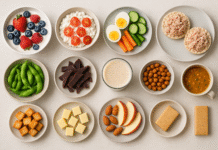









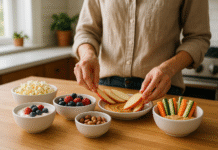
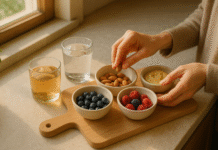














Portion control is the practice of matching how much you serve—and actually eat—to what your body needs, using visual cues, simple tools, and deliberate habits. Done well, it lets you feel satisfied while steadily managing calories, instead of white-knuckling hunger or counting every crumb. As a quick start, think in steps: decide your plate proportions, pre-portion food (don’t eat from bags), check the Nutrition Facts serving size, fill half your plate with produce, eat slowly, and use short-term tracking to calibrate your eye. This guide turns those steps into 12 practical, sustainable strategies you can use at home, work, or restaurants. (General information only; for medical conditions or specialized diets, consult a qualified clinician.)
1. Use a Plate Framework to Auto-Balance Portions
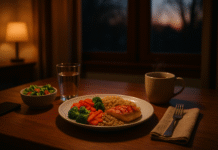
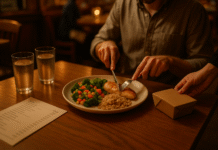
A reliable way to control portions without weighing is to divide your plate: fill about half with vegetables and fruit, and split the other half between whole grains and protein. This visual, “plate method” approach caps the starch/protein real estate and nudges you to add high-volume, lower-calorie foods first. It’s flexible across cuisines—rice bowls, curries, stews, mezze—and it scales to your plate size at home or a takeaway container at work. If you prefer an evidence-led variant, Harvard’s Healthy Eating Plate emphasizes vegetables/fruits for half the plate, whole grains and healthy proteins in the remaining quarters, plus water and healthy oils in moderation. The USDA’s MyPlate offers a similar consumer-friendly template and tool set, including a personalized MyPlate Plan to set daily food group targets. The punchline: let the plate layout do the portioning for you before the first bite.
1.1 Why it works
- It limits calorie-dense foods by constraining their space.
- It boosts fiber/water-rich foods that increase meal volume.
- It’s quick to apply in real life—no math at the table.
1.2 How to do it
- Start plating vegetables/salad first (half the plate).
- Add a palm-size protein (beans, tofu, fish, poultry).
- Add a fist-size cooked whole grain or starchy veg.
Mini example: Build a plate with 2 cups mixed vegetables, 1 palm of grilled fish, and 1 fist of brown rice; you’ll likely eat fewer calories than a freestyle pile of rice and meat, while feeling fuller.
Bottom line: A plate template turns portion control from willpower into layout. Use it daily.
2. Favor Low Energy Density (Volumetrics) to Get Full on Fewer Calories
To control portions without hunger, load your meals with foods that deliver fewer calories per bite—think watery, fibrous, minimally processed options like vegetables, brothy soups, legumes, and fruit. The “Volumetrics” approach, developed by Penn State’s Barbara Rolls, shows that choosing low energy-density foods lets you eat satisfying portions while managing calorie intake. Swap cream-based soup for broth-based, chips for air-popped popcorn, and refined snacks for fruit or veg with hummus. You’re not shrinking plates—you’re changing what fills them. Over time, these swaps can shave hundreds of calories a day with less effort.
2.1 Numbers & guardrails
- Broth soups, most vegetables, and many fruits: very low energy density.
- Baked/air-popped snacks vs fried: notably lower per-bite calories.
- Add volume with water-rich foods first, then protein, then grains.
2.2 How to apply today
- Start meals with a salad or broth soup.
- Bulk pasta dishes with vegetables; use less pasta per portion.
- Choose fruit as your default dessert on most days.
Mini example: A 2-cup vegetable soup (~150–250 kcal depending on recipe) can replace 2 handfuls of crisps (~280–320 kcal) and still leave you more full. Bottom line: Make “more volume, fewer calories” your default build.
3. Calibrate Your Eye: Measure Once, Then Use Hand Cues
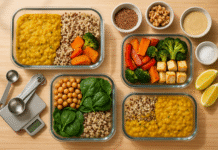
Portion control gets easier after a short calibration phase. For 1–2 weeks, measure common foods with a scale or cups, then transition to hand-based cues that scale with body size: a palm for protein, a fist for cooked grains/starchy veg, a cupped hand for nuts/dried fruit, and two thumbs for cheese. Public health guides endorse hand measures as practical, person-specific references; children’s portions roughly match what fits in their palm, while adults often use an 80 g fruit/veg benchmark for “1 portion.” Once you’ve trained your eye, you can eyeball ¾ cup rice or ~30 g of cheese with surprising accuracy.
3.1 Tools & examples
- Digital kitchen scale for calibration week.
- Measuring cups/spoons for cereals, rice, oils, dressings.
- Hand cues for daily use (palm, fist, thumb, cupped hand).
3.2 Mini checklist
- Pick 5–7 foods you mis-portion (rice, pasta, nuts, cereal, oil).
- Weigh/measure them for a week; note what they look like on your dishes.
- Switch to hand cues; re-measure weekly to keep honest.
Bottom line: Measure briefly to learn, then let your hands keep you on track.
4. Make Labels Your Ally: Start with Serving Size
The “Serving size” on the Nutrition Facts label tells you the reference amount the rest of the numbers apply to; it’s your anchor for portions. Updated FDA rules (content current as of March 28, 2024) require serving sizes to reflect what people actually eat and highlight calories and serving size more prominently. Many packages also have dual columns showing “per serving” and “per package,” which is crucial for snacks and drinks you might finish in one sitting. Before you eat, scan serving size, calories, and added sugars; then pour or plate only the amount you intend to consume. This small pause prevents accidental “two servings as one.”
4.1 How to do it
- Find “Serving size” and “Servings per container.”
- If “per package” info is shown, decide upfront: whole pack or measured portion?
- Use %DV to keep sodium, sugars, and saturated fat in check.
4.2 Common mistakes
- Assuming a “single-serve” look equals one serving.
- Ignoring dual-column labels on pints, big bottles, or share bags.
Mini example: A “share bag” with 2.5 servings at 180 kcal each is 450 kcal if you eat the lot. Bottom line: Read serving size first; it’s the map for everything else on the label.
5. Pre-Portion Snacks & Leftovers—and Keep Serving Dishes Off the Table
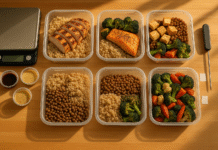
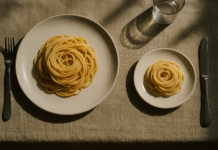
Two of the biggest overeating traps are eating straight from large packages and family-style serving from the table. CDC guidance recommends plating individual servings and storing tempting foods out of sight; research shows people unintentionally consume more when portions and packages are larger. Create “grab-and-go” snack packs (nuts, yogurt, chopped veg), and when cooking, portion leftovers into single-meal containers before you sit down. If you do serve family-style, keep vegetables and salad within arm’s reach and keep calorie-dense dishes further away.
5.1 Mini-checklist
- Never eat from a multi-serve bag; portion into a small bowl.
- Plate food in the kitchen; keep mains off the table.
- Store treats high/at the back; fruit/veg at eye level.
5.2 Tools
- 250–500 ml lidded containers for snacks.
- 1-compartment containers for mains, 2-compartment for mains+veg.
Bottom line: Make pre-portioning and out-of-sight storage your default environment.
6. Lead with Protein and Fiber to Boost Fullness
Protein (beans, lentils, tofu, fish, poultry, eggs) and fiber (vegetables, fruit, whole grains, pulses) help you feel satisfied on fewer calories, which naturally tames portions. Starting meals with vegetables or legumes, and anchoring the plate with a palm-size protein, slows the rise of hunger and reduces the urge to reload starchy sides. Harvard’s Healthy Eating Plate underscores whole grains and healthy proteins while reminding us that potatoes and fries don’t “count” as vegetables in this framework due to their impact on blood sugar. Aim to include a source of both protein and fiber in every meal and most snacks.
6.1 How to structure meals
- Breakfast: Oats + yogurt + berries; or tofu scramble + veg + whole-grain toast.
- Lunch: Lentil soup + salad; bean-rich wrap with slaw.
- Dinner: Fish + big veg side + small whole-grain.
6.2 Numbers & guardrails
- Consider a palm of protein per meal.
- Make half your plate vegetables/fruit most meals.
- Prefer intact/whole grains over refined.
Bottom line: Protein plus fiber = slower hunger return and smaller “seconds.”
7. Slow Down and Eat Mindfully
Eating fast or while distracted makes portion control harder because your brain gets less feedback from taste, smell, and fullness signals. Building small pauses into meals—putting the fork down between bites, sipping water, chatting if you’re with company—helps natural satiety signals catch up. Planning ahead also matters: healthier snacks available between meals can prevent “I’m ravenous” overserving at dinner. CDC’s meal and snack guidance highlights planning and paying attention to portion size, including condiments and dressings. Set a simple rhythm: plate, pause, finish when satisfied rather than “plate-cleaned.”
7.1 Mini routine
- Take 10 slow breaths before eating.
- First bites = vegetables; last bites = starches.
- Check-in halfway through: still hungry or just tasting momentum?
7.2 Common pitfalls
- Screen-eating from a bag/box.
- Rushing meals and overshooting fullness.
Bottom line: A slower pace makes “enough” easier to spot and “too much” easier to avoid.
8. Plan Meals and Snacks to Prevent Over-Hunger
Portion slip-ups often follow long gaps without food. Map your day so you don’t arrive at meals famished. Batch-prep 2–3 mix-and-match mains (e.g., chili, roasted veg, grilled chicken/tofu) and assemble meals with your plate framework. For snacks, stock portable options like fruit, yogurt, nuts/seeds, or veg sticks. The CDC suggests planning at home and using tools like MyPlate Plan to estimate daily food group targets by age, sex, height, weight, and activity; it also recommends plating foods individually and avoiding eating straight from packages.
8.1 Quick planning template
- Anchor 3 meals around protein + produce + whole grain.
- Pre-pack 1–2 snacks you actually enjoy.
- Calendar cue: set reminders for prep and grocery runs.
8.2 Mini example
A weekday plan might be: oats + berries (breakfast), lentil soup + salad (lunch), stir-fried veg + tofu + brown rice (dinner), fruit + yogurt (snack). Bottom line: Structure reduces guesswork; guessing inflates portions.
9. Outsmart Restaurant Portions and Takeout
Restaurant portions are commonly larger than needed at one sitting. Use pre-commitments: split an entrée, ask for a half-portion, or box half before you start. Choose broth-based soups, salads, grilled mains, and veg-heavy sides to add volume without excess calories, and be specific about dressings and sauces (on the side). The CDC advises splitting entrées and plating individually rather than grazing from shared dishes—simple moves that curb mindless extra bites. Treat dessert as a shared taste, not a second meal.
9.1 Menu tactics
- Scan the menu online; decide before you’re hungry.
- Start with salad/veg or broth-based soup.
- Swap fries for a side of vegetables or a baked potato.
9.2 Order language
- “Box half when it’s ready, please.”
- “Dressing/sauce on the side.”
- “Extra vegetables; smaller portion of rice.”
Bottom line: Pre-committing beats post-hoc willpower when plates are big.
10. Build a Portion-Smart Kitchen (Plates, Utensils, Containers)
Your environment can quietly steer portions. Keep smaller bowls and plates handy for snacks and desserts; use ramekins for nuts or sweets; and stock plenty of 250–500 ml containers for leftovers. Place healthier, low-energy-density foods at eye level in the fridge and pantry, and stash treats higher and further back. Keep a small ladle for dressings/sauces and a tablespoon near the stove as your default oil measure. Make the easy option the right-sized one, and the oversized option a little less convenient.
10.1 Setup checklist
- 8–9″ plates for snacks/light meals; ramekins for nuts/sweets.
- Clear containers for pre-portioned leftovers and snacks.
- Oil cruet with 1-tbsp measuring top; small ladle for sauces.
10.2 Weekly reset
- Restock cut fruit/veg and ready protein.
- Pre-portion bulk buys on shopping day.
- Move tempting foods out of sight; produce to the front.
Bottom line: Design your kitchen so portions are pre-decided by your tools and layout.
11. Hydrate and “Pre-Load” Meals with Vegetables or Broth
Drinking water regularly and starting meals with salad or broth-based soup increases meal volume for minimal calories, helping you feel satisfied with smaller portions of calorie-dense foods. This dovetails with low energy density: water and fiber are your allies. Begin dinner with 1–2 cups of mixed vegetables or broth soup; you’ll likely serve smaller amounts of rich mains without thinking about it. Keep a carafe of water on the table and set a pre-meal glass habit.
11.1 Practical moves
- Soup or salad first; main course second.
- Keep cucumbers, tomatoes, carrots, and leafy greens washed and ready.
- Infuse water (lemon, mint) to make hydration more inviting.
11.2 Mini example
Start with 2 cups chopped salad (light vinaigrette), then plate a palm of protein and a fist of whole grain. You’ll feel filled and still within your plan. Bottom line: Front-load meals with water- and fiber-rich foods to downsize portions naturally.
12. Track for Two Weeks, Then Switch to Guardrails
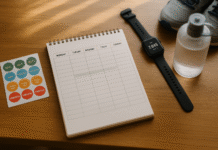
You don’t have to log forever, but a short burst of tracking creates powerful portion awareness. For 10–14 days, weigh/measure common foods, record portions and hunger/fullness, and note which dishes derail you. Then transition to simple “guardrails”: plate method, hand cues, standard go-to breakfasts/lunches, and a few pre-portioned snacks. Revisit tracking for 3–4 days whenever portions creep. CDC resources and MyPlate Plan can help you estimate daily targets and keep your big picture in view without micromanagement.
12.1 Guardrails menu
- Default plate layout and hand cues.
- Snack packs prepared after shopping.
- Restaurant script (“box half,” “sauce on the side”).
12.2 Maintenance loop
- Track 3–4 days monthly as a reset.
- Re-measure sticky foods (oils, nuts, cereals) quarterly.
- Refresh your go-to meals seasonally.
Bottom line: Use data briefly to learn, then keep portions in line with simple, sustainable rules.
FAQs
1) What’s the difference between serving size and portion size?
Serving size is the reference amount on the Nutrition Facts label; portion size is what you choose to eat. A package may contain multiple servings, so your portion could equal two or more servings if you eat the whole pack. Checking serving size first helps you pour or plate an appropriate portion.
2) How do I estimate portions without a scale?
Use hand cues: palm for protein, fist for cooked grains or starchy vegetables, cupped hand for nuts/dried fruit, two thumbs for cheese. These cues scale with body size and are grounded in practical public health guidance. Calibrate for a week with a scale, then eyeball confidently.
3) Do I have to count calories to control portions?
Not necessarily. Visual frameworks (plate method), low energy density choices (volumetrics), and pre-portioning can manage calories indirectly. Brief tracking phases are helpful to learn your true portions, but day-to-day success can rely on simple guardrails rather than constant counting.
4) Are salads always “safe” for portions?
They’re a great base, but extras matter. Cheese, nuts, croutons, creamy dressings, and added sugars in dried fruit can turn a light salad into a calorie bomb. Build bulk with vegetables, add a palm of protein, and use measured dressings or vinaigrettes on the side.
5) What about beverages—do they affect portion control?
Yes. Sugary drinks add calories without fullness and can displace more satisfying foods. Prefer water, unsweetened tea/coffee, or low-fat dairy/fortified soy alternatives in reasonable amounts. Even 100% juice is best limited to a small glass.
6) How can I handle buffets or social events?
Walk the line first, decide what you’ll take, and start with vegetables and lean protein. Use a smaller plate if available, keep one layer (no stacking), and return for fruit if you’re still hungry after 10 minutes. Consider sharing desserts or choosing fruit-forward options.
7) What if I’m active or have higher energy needs?
Increase portions mainly from whole grains/starches and protein while keeping half the plate produce. Use your hunger/fullness feedback and performance markers to titrate. Tools like the MyPlate Plan can personalize daily food group targets based on your activity level.
8) Are restaurant salads better than mains for portion control?
Not automatically. Some salads carry more calories than grilled mains due to dressings, cheese, fried toppings, and candied nuts. Ask for dressing on the side, prioritize vegetables and lean protein, and treat add-ons as flavor, not bulk.
9) How often should I re-measure foods?
Re-measure sticky items (oils, nut butters, cereals, rice/pasta) monthly or whenever your weight trend or clothing fit suggests portions are creeping up. A brief re-calibration keeps your eye honest without constant weighing.
10) Is “healthy snacking” compatible with portion control?
Yes—if snacks are planned and pre-portioned. Stock yogurt, fruit, veg sticks, whole-grain crackers, nuts/seeds (in small containers). The CDC highlights planning, plating, and avoiding straight-from-the-bag eating to keep snack portions in check.
11) Do potatoes count as vegetables on the plate?
For portion frameworks like Harvard’s Healthy Eating Plate, potatoes (and fries) are not counted as vegetables due to their blood sugar impact; treat them like a starchy side and keep portions modest. Balance them with non-starchy vegetables.
12) Can I still eat favorite comfort foods?
Yes—occasionally and in smaller portions. Consider lighter ingredient swaps and keep the serving modest. Enjoy mindfully, not as an everyday staple. CDC guidance suggests enjoying comfort foods less often and in smaller amounts within an overall balanced pattern.
Conclusion
Portion control isn’t about rigid restriction; it’s about designing meals so “enough” happens by default. When you build plates around vegetables and fruit, lean on protein and fiber for fullness, choose lower energy-density foods, and set your environment to serve rather than sabotage you, portions settle into a sustainable groove. Short calibration phases make your eye accurate, while label literacy and pre-portioning keep creeping servings in check. Restaurants and social meals become easier when you pre-commit and plate with intention. Most importantly, you don’t have to do everything at once—pick two strategies from this guide, apply them daily for two weeks, then layer in a third. With a few well-chosen guardrails, portion control for weight management becomes a quiet habit you barely notice—except when your energy and progress speak for themselves. Start tonight: plate half vegetables, add a palm of protein, a fist of whole grain, and box the extra.
References
- Tips for Healthy Eating for a Healthy Weight, Centers for Disease Control and Prevention (CDC), December 28, 2023. CDC
- Changes to the Nutrition Facts Label, U.S. Food & Drug Administration (FDA), content current as of March 28, 2024. U.S. Food and Drug Administration
- What Is MyPlate?, U.S. Department of Agriculture (USDA) MyPlate, accessed August 2025. MyPlate
- Healthy Eating Plate, Harvard T.H. Chan School of Public Health—The Nutrition Source, last reviewed January 2023. The Nutrition Source
- 5 A Day portion sizes, National Health Service (NHS), page last reviewed July 19, 2022. nhs.uk
- Getting Portion Size Right for You (PDF), British Nutrition Foundation, publication PDF, accessed August 2025. British Nutrition Foundation
- How to Avoid Portion Size Pitfalls to Help Manage Your Weight (PDF), CDC, brochure/handout, accessed August 2025. CDC
- Volumetrics ranked No. 1 weight loss diet, Penn State University News, January 4, 2022. Penn State
- How to Have Healthier Meals and Snacks, CDC, January 4, 2024. CDC
- Holt SH et al. “A Satiety Index of Common Foods,” European Journal of Clinical Nutrition (PDF via ResearchGate), 1995 (original study); accessed August 2025. researchgate.net