


















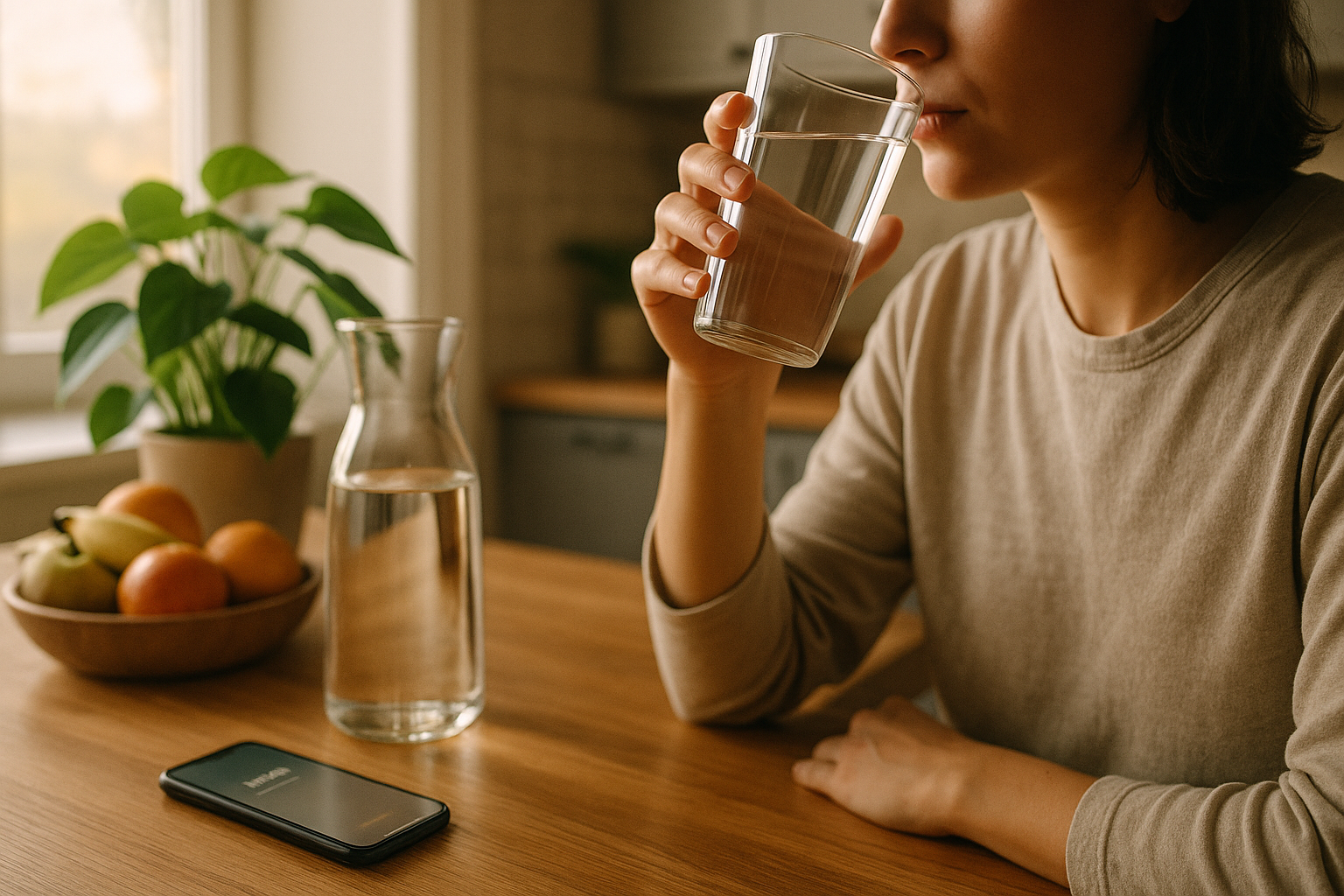
Your first drink sets the tone for the hours ahead. A morning hydration routine is a simple, repeatable habit—usually a 300–500 ml (10–17 fl oz) glass of plain, safe water within the first hour of waking—that jump-starts fluid balance and makes it easier to hit your daily intake. In short: drink a modest glass soon after waking, pair it to a cue (like opening the blinds), and personalize the rest based on your climate, activity, and health needs. Adequate hydration supports thinking, mood, temperature regulation, and digestion throughout the day, not just in the morning.
Quick-start steps (at a glance):
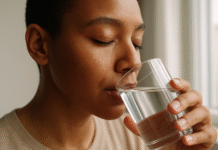
1) Pour 300–500 ml of water. 2) Sip it within 10–30 minutes of waking. 3) Wait 15–30 minutes before coffee if you like. 4) Check urine color later in the morning; aim for pale yellow. 5) Repeat a smaller glass before leaving home.
Medical note: The advice below is general and educational. If you have kidney, heart, or endocrine conditions, fluid restrictions, or take medications with special instructions, follow your clinician’s guidance.
1. Set a Right-Sized “First Glass” Target (and Know Your Daily Range)
Start with a clear, right-sized target: 300–500 ml (10–17 fl oz) on waking works for most healthy adults because it’s enough to nudge you toward euhydration without feeling sloshy before breakfast or morning meds. The exact amount isn’t a medical requirement—total daily fluids matter more than perfect timing—but a defined morning glass helps you build momentum and reduces the odds of playing “catch-up” later. Across the day, typical adequate-intake ranges from major health bodies land around 2.7 L/day for women and 3.7 L/day for men from all fluids, including water, other beverages, and moisture in foods. Use your morning glass as the first step toward that personal daily total, then adjust for heat, activity, and body size.
1.1 Why it matters
- Hydration status influences clarity of thinking, mood, and temperature regulation; mild shortfalls can show up as “brain fog,” fatigue, or overheating risk—especially in hot months. A consistent morning baseline helps.
- Even small deficits (≈1–2% body mass) can affect how you feel and perform; a morning glass is a low-friction way to narrow the gap early. NATA
1.2 Numbers & guardrails
- Total daily: Aim roughly toward 2.7–3.7 L/day from all beverages and foods, adjusting for climate and activity.
- First glass: 300–500 ml is practical for most; scale to thirst and comfort (smaller if you take meds on an empty stomach).
Mini-checklist
- Pour before screens.
- Choose a glass you enjoy using.
- If you wake up thirsty, lean toward the top end (≈500 ml).
Bottom line: your morning glass is a springboard into an appropriately hydrated day—not a stand-alone fix. Aim for consistency over precision.
2. Choose Plain, Cool-to-Comfortable Water (Add Flavor If It Helps You Drink)
The best “default” morning drink is plain, safe water at a temperature you’ll actually finish. In sports science, cool fluids (roughly 15–22°C / 59–72°F) consistently improve palatability and voluntary intake; while this evidence comes from exercise settings, the same preference pattern can help your morning habit feel easier. If plain water bores you, lightly infuse it with lemon, mint, or cucumber—taste can boost adherence without adding significant calories or sugar. Temperature won’t meaningfully change hydration at rest, but comfort does; pick cold in hot weather or room-warm on chilly mornings.
2.1 How to do it
- Keep a bedside or kitchen carafe with a clean glass.
- If you like cold, pre-chill a bottle to ~15–21°C; if you prefer warm, just ensure it’s not scalding.
- Infuse flavor (citrus, mint, berries) overnight; strain in the morning.
2.2 Common myths & facts
- “Warm water burns fat.” No; water temperature has negligible direct effect on metabolism at rest. Some lab studies explore temperature and gastric sensations, but hydration remains the main goal. Oxford AcademicPMC
- “Only room temp hydrates.” Untrue—cool beverages often lead to more voluntary drinking.
Mini-checklist
- Pre-fill a clean bottle before bed.
- If you add citrus, rinse teeth after to protect enamel.
Choose the temperature and flavor profile you’ll reliably finish—adherence outruns theory.
3. Time Your First Glass Around Meds, Breakfast, and Caffeine
Drink soon after waking—within 10–30 minutes—then pace your next beverages around medications and breakfast. Some meds (for example, certain thyroid or osteoporosis medications) must be taken with water on an empty stomach; your label or clinician’s instructions override any generic schedule. If coffee or tea is part of your morning, you don’t need to “earn” it with water, but spacing a few minutes between your first glass and your caffeine can reduce reflux or jitteriness. For people prone to early-morning bathroom trips, front-load a moderate glass on waking and pause larger volumes right before commuting.
3.1 Practical sequencing (example)
- 0:00 — Wake → sip 300–400 ml water.
- 0:10 — Take any empty-stomach meds as directed with water.
- 0:30–0:60 — Coffee/tea or breakfast; small water sips as desired.
- 1:30–2:00 — Top-up 150–250 ml, check urine color.
3.2 Numbers & guardrails
- If fasting for labs or specific procedures, follow the instructions exactly.
- If you experience reflux, try smaller sips more often rather than one big bolus.
A gentle cadence beats chugging; match the flow to your physiology and obligations.
4. Know When to Add Electrolytes (and When Not To)
Most healthy people don’t need an electrolyte mix every morning. Electrolytes—especially sodium—matter if you’ve had heavy sweat overnight (very hot climate, no AC), a long early workout, or if you’re rehydrating from illness. Sports medicine guidance for high-sweat conditions emphasizes sodium in beverages to support fluid retention and restore balance. For routine office mornings, plain water or a typical breakfast is fine; save electrolyte products for days when your sweat losses are obviously higher.
4.1 When to consider electrolytes
- You wake with salt crust on skin/pillow after a hot, humid night.
- You train early (>45–60 minutes, moderate to hard).
- You’re recovering from vomiting/diarrhea (per clinician advice).
4.2 How to do it (without overdoing it)
- Choose reputable mixes; avoid very high sodium unless medically indicated.
- Start with standard-strength products; adjust by heat, duration, and how you feel.
- Pair with food (e.g., breakfast) to ease GI tolerance.
Mini case: In peak summer, an outdoor runner loses ~1.0 kg during a 60-minute session. Rehydration guidance often targets ~125–150% of the loss over several hours (≈1.25–1.5 L here), with sodium to aid retention; your morning glass can kick off that plan, but the bulk of rehydration should be steady across the next 2–4 hours.
Electrolytes are tools for specific situations—use them purposefully, not by default.
5. Make It Automatic: Habit Stacking, Cues, and Light Tracking
A routine sticks when it’s easy and anchored to something you already do. “Habit stacking” simply means linking your morning glass to a fixed cue—opening curtains, starting the kettle, or feeding a pet—so it happens without debate. Then, measure just enough to stay honest: a bottle with volume markings, a phone reminder, or a hydration widget in Apple Health, Fitbit, or Garmin can keep you on course without turning water into a chore. If you love data, weigh yourself before/after early workouts to learn your sweat rate; if you don’t, a urine color check later in the morning is a simple sanity check.
5.1 Tools/Examples
- Low effort: Clear 350–500 ml glass at the sink; fridge carafe.
- Light tracking: Phone alarm labeled “first glass,” bottle with time markers.
- Athletic add-on: Pre/post-workout body mass checks 1–2×/week to estimate sweat loss.
5.2 Mini-checklist
- Pick one cue you already do daily.
- Place water in line of sight the night before.
- Track for 2 weeks; then keep only what helps.
When your morning glass becomes “what you do,” you’ll stop bargaining with yourself and simply drink.
6. Coffee, Tea, and Your Morning Glass: Friends, Not Foes
Good news for coffee and tea lovers: in habitual caffeine consumers, moderate coffee intake hydrates about as well as water. The diuretic effect is mild and largely offset by the beverage’s fluid volume. That means your morning cup counts toward daily fluids. If you’re sensitive to caffeine, space your water and coffee or choose lower-caf options, but you don’t need to avoid your brew to “protect hydration.” For pregnancy, cap caffeine at <200 mg/day (about one 12-oz cup of drip coffee) and focus most fluids on water.
6.1 Why it matters
- Many people skip the first water because they assume coffee dehydrates; evidence shows otherwise in typical, moderate use.
6.2 Practical tips
- Enjoy coffee/tea after your first water if you’re prone to reflux.
- If you take iron supplements, keep tea/coffee away from the dose for best absorption.
- Herbal teas can be a caffeine-free, hydrating option later in the morning.
Coffee and tea can live peacefully alongside your morning water—let them.
7. Put Safety First: Use Clean, Safe Drinking Water
If your tap water is safe and pleasant, it’s the simplest choice. Where safety or taste is uncertain, use certified filters, bottled water from reputable sources, or boiled-and-cooled water as appropriate. The World Health Organization’s drinking-water guidelines emphasize microbiological safety and managing chemical risks; if you’re traveling, immune-compromised, or living where water quality varies, prioritize trusted sources and safe storage (clean containers, lids). When infusing water with fruit/herbs, refrigerate overnight and discard within 24 hours.
7.1 Region & travel notes
- In hot climates with intermittent municipal supply, let taps run briefly, use point-of-use filtration, and keep a spare sealed bottle on hand.
- On the road, sealed bottled water or boiled water is prudent if local safety is uncertain.
7.2 Mini-checklist
- Confirm local water safety.
- Clean/replace filters on schedule.
- Use clean, covered containers for bedside carafes.
Hydration is only as good as the water’s quality—make safety step zero.
8. Personalize for Life Stage, Climate, and Health
Hydration isn’t one-size-fits-all. Older adults may have a blunted thirst response, and those in hot weather or without air-conditioning need more deliberate intake. During pregnancy, aim for 8–12 cups (≈1.9–2.8 L) of fluids per day; a morning glass helps you “bank” part of that total early. In very hot conditions, older adults are advised to drink plenty and favor beverages with electrolytes while avoiding alcohol; if you’ve been told to limit fluids for a medical reason, ask your clinician how to adjust during heat.
8.1 Climate cues (hot weather)
- Increase morning volume toward the upper end (≈400–500 ml).
- Plan an extra top-up before leaving an air-conditioned space.
- Consider electrolytes if you’re sweating heavily early (see Routine 4).
8.2 Life-stage pointers
- Pregnancy: 8–12 cups/day; sipping steadily helps manage nausea. A morning glass counts toward the total.
- Older adults: Build in routine cues; use cool, palatable beverages and easy access. National Institute on Aging
Morning water is the same habit—just tuned to your climate, age, and medical context.
9. Measure Without Obsessing: Urine Color, Simple Math, and Staying Safe
You don’t need a lab to gauge hydration. A validated urine-color chart (pale-straw to light yellow) is a practical indicator of hydration status; athletes and sports clinicians have long used first-morning urine color and specific gravity alongside body-mass changes to monitor status. For most people, a quick color check later in the morning is enough. Also learn your sweat losses: for a few workouts, weigh before/after (1 kg lost ≈ 1 L fluid). Avoid overdrinking quickly; very high intake rates (e.g., >750 ml/hour for multiple hours) can be risky for blood sodium (hyponatremia).
9.1 Mini-checklist
- Aim for pale yellow urine (color ≤3–4 on standard charts).
- Replace sweat losses gradually over the next few hours, not all at once.
- Avoid “water-chug” challenges; spread intake and include sodium when warranted.
9.2 Tools/Examples
- Print a reputable urine color chart for your bathroom or use a sports med handout.
- Use a 500 ml glass: one full glass on waking, half glass with breakfast, and another mid-morning—easy math on autopilot. NCAA
Track what matters, not everything—simple signals keep you safely on target.
FAQs
1) How much should I drink right after waking?
There’s no single medical requirement, but 300–500 ml (10–17 fl oz) works well for many adults. It’s large enough to nudge you toward euhydration, small enough to stay comfortable before breakfast or meds. Remember: total daily fluids matter more than rigid timing; your morning glass just makes the day’s goal easier to hit. Adequate-intake ranges for adults are ≈2.7 L/day (women) and 3.7 L/day (men) from all fluids.
2) Does lemon water “detox” me better than plain water?
No special detox happens—your liver and kidneys already do that. If lemon makes water more appealing, great; that can help you drink enough. Rinse after acidic infusions to protect enamel. The real win is consistent daily intake across beverages and foods, not a specific morning elixir.
3) Do coffee and tea dehydrate me if I drink them early?
In habitual caffeine users, moderate coffee hydrates about as well as water and counts toward your daily total. The diuretic effect is mild and offset by the fluid volume. If you’re sensitive, separate your first water and your brew by 15–30 minutes. During pregnancy, keep caffeine <200 mg/day. ACOG
4) Should I add electrolytes to my first glass every morning?
Not usually. Save electrolyte mixes for high-sweat days (hot, humid conditions; early long workouts) or illness recovery per clinician advice. Sodium in fluids can aid retention when losses are high, but for a typical desk-morning, water plus breakfast is ample.
5) What color should my urine be if I’m well hydrated?
Aim for pale straw to light yellow. Sports medicine groups often use validated urine-color charts (first-void morning urine ≤3–4) alongside other measures. While lighting and dilution can affect perception, color remains a useful at-home cue.
6) Warm or cold—does temperature change hydration?
Hydration comes from finishing the drink you poured. Cool beverages (≈15–22°C / 59–72°F) tend to be more palatable and increase voluntary intake in exercise settings; at rest, temperature has little physiological impact. Choose the temperature you’ll actually drink.
7) I’m fasting for labs—should I still drink my morning glass?
Follow the lab’s instructions. Many blood tests allow water, some require strict fasting (sometimes even limiting water). When in doubt, ask your provider or the lab so results aren’t affected.
8) How does hot weather change my morning routine?
Increase your waking glass toward ~400–500 ml, plan an extra top-up before going outside, and consider electrolytes if you’re sweating early. Older adults and those without AC should be particularly deliberate with fluids and cooling strategies during heat waves.
9) Is there any benefit to morning water for brain health or aging?
Hydration supports cognition and mood acutely, and observational NIH research links better hydration (proxied by serum sodium) with healthier aging—though it doesn’t prove causation. Your best bet: steady fluid intake across the whole day, starting with a simple morning habit. National Institutes of Health (NIH)
10) How fast is “too fast” to drink water?
Spread intake across the day. Extremely high rates for prolonged periods (e.g., >750 ml/hour for hours) can dilute blood sodium and become dangerous (hyponatremia). This is uncommon at home but a known risk in endurance events or “chug” challenges.
Conclusion
A morning hydration routine isn’t about perfection—it’s about removing friction. Pour a realistic 300–500 ml glass you’ll actually finish, set it beside a cue you already do, and let it roll into the rest of your day. Personalize the details: cool water if you prefer, a citrus slice if it helps, electrolytes only when sweat losses call for them. Use simple, trustworthy signals—urine color, body cues, climate—to adjust without obsessing. The payoff is quiet but real: steadier energy, clearer thinking, and easier temperature regulation in the hours when you need them most. Start tomorrow with one easy glass and keep the momentum with small top-ups and a practical plan. Action step: Tonight, set a clean 500 ml glass by the sink and a note on your kettle—tomorrow’s first sip is waiting.
References
- About Water and Healthier Drinks. Centers for Disease Control and Prevention (CDC). Accessed Jan 19, 2024. CDC
- Water | Dietary Reference Intakes: The Essential Guide to Nutrient Requirements (Chapter 8). National Academies Press (NASEM). 2005. National Academies Press
- Mild Dehydration Affects Mood in Healthy Young Women. Journal of Nutrition. Armstrong LE et al., 2012. PubMed
- No Evidence of Dehydration with Moderate Daily Coffee Intake. PLOS ONE. Killer SC et al., 2014. PMC
- American College of Sports Medicine Position Stand: Exercise and Fluid Replacement. Sawka MN et al., 2007. (see PDF summary for temperature/palatability). PubMedeclass.hmu.gr
- Guidelines for Drinking-Water Quality, 4th ed. World Health Organization (WHO). 2011. Iris
- How Much Water Should I Drink During Pregnancy? American College of Obstetricians and Gynecologists (ACOG). Updated 2021. ACOG
- Hot Weather Safety for Older Adults. National Institute on Aging (NIA). 2022. National Institute on Aging
- National Athletic Trainers’ Association Position Statement: Fluid Replacement for the Physically Active. Casa DJ et al., Journal of Athletic Training 2015. PMC
- Urinary Indices of Hydration Status. Armstrong LE et al., International Journal of Sport Nutrition 1994. PubMed
- Hyponatremia. StatPearls (NCBI Bookshelf). Updated 2023. NCBI
- Water: How much should you drink every day? Mayo Clinic (summarizes NASEM adequate intake ranges). Updated 2024. Mayo Clinic