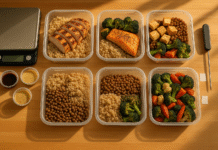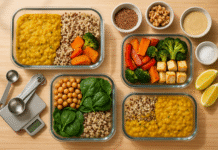




















Freezer-friendly meal prep means cooking once, then eating well for days or weeks by storing complete meals (or near-complete kits) in the freezer at 0°F/–18°C. Done right, you’ll save money, reduce weeknight stress, and cut food waste while keeping food safe and tasty. In short: portion thoughtfully, cool quickly, package airtight, label clearly, and reheat to safe temperatures. At a glance, the flow is simple—cook, cool fast in shallow containers, freeze solid, then reheat straight from frozen or after an overnight thaw. Below you’ll find 12 proven ideas with exact guardrails for freezing, thawing, and reheating. Quick definition: freezer-friendly meal prep is the practice of preparing meals in advance, freezing them at 0°F/–18°C for quality, and reheating to 165°F/74°C for safety.
Fast steps (skim list): 1) Cook and season slightly bold. 2) Cool in shallow containers. 3) Package airtight (bags or rigid containers). 4) Label with dish + date + portions. 5) Freeze flat for faster thawing. 6) Reheat to 165°F/74°C (soups/gravy to a rolling boil).
Safety note (as of August 2025): Freezing keeps food safe indefinitely at 0°F (–18°C); storage “times” are for quality, not safety. Thaw in the fridge (preferred), cold water, or microwave—never on the counter. Reheat leftovers to 165°F/74°C.
1. Hearty Soups & Stews (Brothy or Blended)
Soups and stews are the freezer MVP because they reheat evenly, keep texture, and scale beautifully for batch cooking. To prep for the freezer, simmer your favorite base—think chicken vegetable, minestrone, lentil, or blended tomato—then cool fast in shallow containers before packaging. Brothy soups freeze best without delicate greens or high-water vegetables; stir those in fresh at reheat. Creamy soups can freeze, but swap heavy cream for evaporated milk or add cream when reheating to avoid curdling. Portion in 1–2 cup (240–480 ml) amounts for lunches and 3–4 cup (700–950 ml) for family dinners. Label clearly with name, date, and portion; freeze flat in bags for quick thawing and stackable storage.
1.1 How to prep & freeze
- Cook soup, seasoning slightly bolder than usual (freezing mutes salt/acid).
- Cool quickly: divide into shallow pans (≤2 in / 5 cm depth), then refrigerate before freezing.
- Portion into airtight containers or freezer bags; squeeze out excess air.
- Freeze flat on a tray; once solid, file upright like books.
- Add tender greens, dairy, or fresh herbs during reheat, not before freezing.
1.2 Numbers & guardrails
- Quality window: 2–3 months for best flavor/texture; safe indefinitely at 0°F (–18°C).
- Thaw: Overnight in the fridge, or reheat from frozen on the stovetop.
- Reheat: Bring to a rolling boil; check 165°F/74°C in the center.
Synthesis: Keep soup base simple and sturdy, then add delicate elements at reheat for a just-cooked taste with zero weeknight stress.
2. Chili (Beef, Turkey, or Vegetarian)
Chili is built for freezing: its thick, saucy matrix protects texture, and flavors bloom over time. Choose your style—beef and bean, turkey and sweet potato, smoky chipotle, or vegetarian with lentils and bulgur. Cook until flavors meld, then cool quickly in shallow containers. Beans hold up well; just avoid overcooking before freezing. Portion chili in 1–1½ cup (240–360 ml) containers for bowls or 2–3 cups (480–720 ml) to top baked potatoes or nachos. On reheat night, set out fresh toppings—lime, scallions, yogurt, shredded cheese—to add brightness.
2.1 Tools & tips
- Add 1–2 tbsp tomato paste per quart for structure and color.
- Consider cocoa, espresso, or masa harina in small amounts for depth.
- Skip long-simmered delicate veg; add diced onion/pepper fresh while reheating.
2.2 Numbers & guardrails
- Quality window: ~3 months; safe indefinitely at 0°F.
- Thaw: Fridge overnight; or reheat from frozen over low heat, stirring to prevent scorching.
- Reheat temp: 165°F/74°C; thin with stock or water as needed.
Synthesis: Chili’s density makes it reheat like a dream; pair with fresh toppings to balance richness.
3. Meatballs Three Ways (Beef/Pork, Turkey/Chicken, or Lentil)
Meatballs are portion-perfect, kid-friendly, and endlessly adaptable. Bake trays of meatballs—classic Italian beef/pork, lighter turkey, or plant-based lentil-mushroom—then flash-freeze so they don’t clump. Pack in meal-size bags with sauce separately (marinara, coconut curry, or Swedish gravy). For fastest weeknight service, keep small 12–16 meatball packs for pasta, subs, or grain bowls. Flavor boldly (garlic, grated onion, Parmesan, soy) to withstand freezing and saucing.
3.1 How to flash-freeze (home “IQF”)
- Bake to doneness; cool to room temp.
- Arrange on a parchment-lined sheet in a single layer.
- Freeze 1–2 hours until firm, then transfer to bags.
- Label by type and date; keep sauce separate.
3.2 Numbers & guardrails
- Quality window: 2–3 months cooked; safe indefinitely at 0°F.
- Thaw: Direct-to-sauce simmer 10–15 minutes; or microwave from frozen.
- Reheat target: 165°F/74°C in the center of a meatball.
Synthesis: Individually frozen meatballs + separate sauces = modular dinners you can build in minutes.
4. Baked Pasta & Lasagna
Cheesy baked pastas—and especially lasagna—freeze exceptionally well when you tweak assembly. Par-cook pasta to firm al dente so it doesn’t go mushy after freezing and reheating. Build in a metal or freezer-safe glass pan, stopping before the final cheese layer if you prefer fresher browning later. Chill thoroughly (uncovered in the fridge until cold), wrap airtight, and freeze. For single servings, assemble in mini loaf pans or line a pan with parchment, freeze, then lift and wrap the frozen block.
4.1 How to assemble for the freezer
- Sauce generously; dry edges cause freezer burn.
- Use sturdy cheeses (low-moisture mozzarella, ricotta whisked with egg).
- Add the final shredded cheese at reheat for best browning.
- Double-wrap: foil against the surface, then a tight outer layer (foil or bag).
4.2 Numbers & guardrails
- Quality window: 2–3 months; safe indefinitely at 0°F.
- Bake from frozen: 350°F/175°C, 50–75 minutes for a family pan (foil on), uncover last 10–15 minutes; confirm 165°F/74°C center.
- Thaw option: Fridge 24 hours reduces bake time by ~20–30%.
Synthesis: Moisture-rich sauces and tight wrapping are the difference between dull pasta and a bubbling, just-baked pan.
5. Chicken Thighs Frozen in Marinade (Raw)
Freezing raw chicken in marinade is a high-impact, low-effort prep: the chicken absorbs flavor during the freeze/thaw, then cooks up juicy with minimal hands-on time. Use thighs for forgiveness, and choose marinades with oil, salt, aromatics, and moderate acid (e.g., yogurt-garlic, soy-ginger, lemon-herb). Portion 4–6 thighs per bag, press flat for quick freezing, and label clearly. On cook day, thaw in the fridge and bake, grill, or air-fry. Discard any leftover raw marinade or boil it before using as a sauce.
5.1 Mini-checklist
- Mix marinade; add chicken in a labeled freezer bag.
- Press air out; freeze flat.
- Thaw in fridge on a tray to catch drips.
- Cook to 175°F/80°C (thighs) for tenderness.
5.2 Numbers & guardrails
- Quality window: 2–3 months for best texture; safe indefinitely at 0°F.
- Thaw: Fridge 24 hours per 1–1.5 in (2.5–4 cm) thickness.
- Safety: Never thaw or marinate on the counter; cook poultry to safe temps.
Synthesis: Freezing in marinade builds flavor while saving you a step later—just thaw, cook, and serve.
6. Breakfast Burritos & Egg Muffins
Make mornings automatic with freezer-ready burritos and egg muffins. For burritos, use large tortillas, fluffy scrambled eggs, breakfast sausage or beans, roasted peppers, and cheese. Cool fillings completely to avoid soggy tortillas, then wrap tightly (foil + bag). For egg muffins, whisk eggs with milk, salt, and add-ins (spinach, mushrooms, feta); bake in silicone liners for easy release. Freeze both items on a tray until firm, then pack airtight. Reheat burritos wrapped in a slightly damp paper towel; reheat muffins loosely covered to avoid rubbery texture.
6.1 Pitfalls to avoid
- Overly wet fillings (watery veg, salsa inside)—serve salsas on the side.
- Under-seasoning—freezing dulls salt and acid.
- Skipping the tray-freeze step—leads to clumping and torn wraps.
6.2 Numbers & guardrails
- Quality window: 1–2 months for best texture; safe indefinitely at 0°F.
- Reheat: Microwave burritos 2–4 minutes total, turning once; egg muffins ~60–90 seconds. Confirm 165°F/74°C.
- Thaw option: Fridge overnight for more even heating.
Synthesis: Keep fillings dry, season assertively, and tray-freeze to preserve structure—and your breakfast will taste café-fresh.
7. Curries & Dals (Thai, Indian, and Beyond)
Coconut- or tomato-based curries and lentil dals are ideal for freezing because their sauces protect texture and reheat smoothly. Cook your base (e.g., chickpea tikka masala, Thai green curry with chicken, or moong dal), let spices bloom, and cool rapidly. For vegetable curries, under-cook tender veg by a few minutes so they finish perfectly on reheat. Freeze rice separately in single-serving packets for a complete set. On reheat, revive with a splash of coconut milk, stock, or water and a squeeze of fresh lime.
7.1 How to portion smart
- Pack 1–1½ cup (240–360 ml) servings for lunches; 3–4 cups (700–950 ml) for family dinners.
- Freeze rice in 1-cup (150–180 g) packets, pressed flat for speed.
- Add green herbs and a final drizzle of ghee or oil after reheating.
7.2 Numbers & guardrails
- Quality window: 2–3 months; safe indefinitely at 0°F.
- Thaw: Fridge overnight, or reheat from frozen on low heat; stir often.
- Reheat: 165°F/74°C; coconut sauces should never split if heated gently.
Synthesis: Freeze curry and rice as a two-part system and you’ll have a complete, warming meal in minutes.
8. Shepherd’s Pie & Pot Pies
Layered savory pies hold up beautifully in the freezer when assembled with moisture control in mind. Cook the filling thick (more gravy than broth) and let it cool completely before topping with mashed potatoes or pastry. For shepherd’s pie, pipe or spread potatoes to the edges to seal; for pot pies, cut vents in the crust before freezing. Wrap tightly (surface contact with parchment/foil), then a second outer wrap or bag to prevent freezer burn. Bake from frozen until bubbling in the center and golden on top.
8.1 How to assemble for success
- Thicken gravy (cornstarch or flour) so it won’t weep after thaw.
- Avoid over-wet vegetables; roast mushrooms/zucchini first to drive off moisture.
- For pot pies, freeze in ramekins for single-serves; for family, use a deep pie dish.
8.2 Numbers & guardrails
- Quality window: ~3 months; safe indefinitely at 0°F.
- Bake from frozen: 375°F/190°C, 45–70 minutes depending on size; tent with foil if browning too fast; internal 165°F/74°C.
- Thaw option: Fridge 24 hours to reduce bake time ~25%.
Synthesis: Dense fillings and airtight wrapping deliver golden-topped pies that taste freshly baked.
9. Shredded Chicken, Pork, or Jackfruit Bases
Batch-cook a neutral, seasoned-but-versatile protein—poached and shredded chicken, slow-cooked pulled pork, or braised jackfruit—then package in 1–2 cup (120–250 g) portions. These bases transform into tacos, enchiladas, soups, salads, or sandwiches with a quick sauce change. Cook low and slow for tenderness, rest until steam subsides, then chill fast in shallow layers before freezing flat. Keep a few sauce “boosters” in the freezer too (enchilada sauce, salsa verde, barbecue).
9.1 Mini case: 2-hour taco night
- Morning: Move one bag shredded chicken and one bag salsa verde to the fridge.
- Evening: Simmer together 8–10 minutes to 165°F/74°C; warm tortillas; add slaw.
- Cost/time: <$3 per serving, ~15 minutes hands-on.
9.2 Numbers & guardrails
- Quality window: 2–3 months cooked meat; safe indefinitely at 0°F.
- Thaw: Fridge overnight or reheat from frozen with 2–4 tbsp liquid.
- Reheat: 165°F/74°C; stir to distribute heat.
Synthesis: Neutral shredded bases turn into many dinners; sauce them differently, eat creatively.
10. Stir-Fry Kits (Protein + Veg + Sauce)
Make your own frozen stir-fry kits by portioning sliced raw protein (chicken, steak, shrimp, tofu), pre-blanched or roasted vegetables, and a small frozen sauce puck. Freeze components separately: tray-freeze veg so they don’t clump, portion protein in thin, flat packs for rapid thaw, and freeze sauce in silicone molds. On cook night, you can cook from frozen (for veg) and near-frozen (for sliced meat) directly in a hot wok, finishing with the sauce to glaze.
10.1 Build-your-kit checklist
- Protein: 8–10 oz (225–280 g) per kit, sliced thin; freeze flat.
- Veg: broccoli, bell peppers, carrots, green beans; tray-freeze until firm.
- Sauce: soy/ginger/garlic + cornstarch + a touch of honey; freeze in 2–3 tbsp pucks.
10.2 Numbers & guardrails
- Quality window: 2–3 months (protein), 2–3 months (veg); safe indefinitely at 0°F.
- Thaw: Protein overnight for best sear; veg can go straight from frozen.
- Cook: High heat; finish to 165°F/74°C for mixed dishes with meat.
Synthesis: Kits reduce chopping on busy nights and give you wok-fresh flavor without last-minute prep.
11. Stuffed Peppers & Cabbage Rolls
These tidy, portion-controlled bundles freeze beautifully and bake up saucy and satisfying. Par-cook rice to firm al dente, mix with seasoned ground meat or lentils, stuff into blanched peppers or cabbage leaves, and nestle in tomato sauce. Freeze unbaked for best texture: chill completely, pack snugly in a pan, press parchment onto the surface, wrap, and freeze. On bake day, cook from frozen, basting with sauce to keep the tops supple.
11.1 How to do it
- Blanch cabbage leaves or par-roast peppers to soften.
- Mix filling (meat/lentil + rice + aromatics + egg/crumbs).
- Pack tightly; seat in sauced pan; cover surface with parchment before wrapping.
- Bake covered from frozen, uncovering to brown at the end.
11.2 Numbers & guardrails
- Quality window: ~3 months; safe indefinitely at 0°F.
- Bake from frozen: 375°F/190°C, 45–70 minutes depending on size; check 165°F/74°C in center of a roll.
- Thaw option: Fridge 24 hours for more even cooking.
Synthesis: Tight wrapping and saucy baking keep stuffed peppers and rolls tender, juicy, and freezer-burn-free.
12. Grain Bowl Starters (Rice/Quinoa + Roasted Veg)
A grain-plus-veg base lets you assemble balanced bowls in minutes—just add a protein and sauce. Cook rice, quinoa, or farro slightly shy of done, then cool and portion in 1-cup (150–180 g) bags pressed flat. Roast vegetables (broccoli, sweet potato, cauliflower) to drive off moisture; cool and tray-freeze. Pack one grain bag + one veg bag per “kit.” Reheat grains in the microwave (sprinkle of water) and re-crisp veg in a hot skillet or air fryer. Top with a fried egg, leftover chicken, or chickpeas and a spoon of pesto or tahini.
12.1 Why it works
- Grains reheat quickly with a splash of water/steam.
- Dry-roasted veg avoid sogginess after thaw.
- Modular kits cut weeknight decisions; flavors rotate with sauces.
12.2 Numbers & guardrails
- Quality window: 1–2 months for best texture; safe indefinitely at 0°F.
- Reheat: Microwave grains 1–2 minutes, stirring once; skillet-reheat veg 3–5 minutes; target 165°F/74°C for mixed dishes.
- Thaw: Optional; thin, flat packs thaw in 30–60 minutes in the fridge.
Synthesis: Prep neutral, well-seasoned bases and finish with fresh sauces to keep bowls interesting all month.
FAQs
1) How long can freezer meals last?
As long as food stays at 0°F/–18°C or below, freezing keeps it safe indefinitely; the “time limits” you see are for quality (flavor/texture). As a practical rule, aim to eat most home-frozen cooked dishes within 2–3 months for best results, and always reheat to 165°F/74°C.
2) What are the safest ways to thaw?
Best is overnight in the refrigerator. Faster options are cold-water thaw (sealed bag submerged, change water every 30 minutes) or microwave defrost. If you use cold water or microwave, cook immediately after thawing. Never thaw on the counter—outer layers warm into the danger zone while the center is still frozen.
3) Can I refreeze thawed food?
Yes—if it was thawed in the refrigerator and kept cold (≤40°F/4°C), you may refreeze it, though quality can drop slightly. Food thawed with microwave or cold water should be cooked before refreezing. When in doubt about time/temperature abuse, discard it.
4) How do I avoid freezer burn?
Cool fast, package airtight, and remove excess air. Use heavy-duty freezer bags or rigid containers, fill with minimal headspace for liquids, and double-wrap casseroles (direct contact layer + outer wrap). Store flat, stack once frozen solid, and keep your freezer at 0°F/–18°C.
5) What reheating temperature is safe?
Reheat leftovers and mixed dishes to 165°F/74°C; bring soups/sauces to a rolling boil. Use a food thermometer in the center or thickest part. Check more than one spot in large casseroles to confirm even heating.
6) Do cooked rice and pasta freeze well?
Yes—with care. Cook slightly under al dente, cool quickly, and freeze in flat, thin portions for speed. Reheat rice with a splash of water to steam and fluff; finish pasta in hot sauce for 1–2 minutes to restore texture.
7) My freezer is frost-free—does that matter?
Auto-defrost freezers cycle slightly above/below 0°F, which can dry food over time. Counter with airtight packaging, dense stacking, and quality windows of 1–3 months for best texture. Label clearly and rotate (“first in, first out”).
8) What if the power goes out?
Keep doors closed. A full freezer holds safe temperature for ~48 hours, 24 hours if half full. If food still has ice crystals or is ≤40°F/4°C, it can be refrozen; otherwise, discard perishable items. Consider appliance thermometers so you can verify temps after an outage.
9) Is it okay to put hot food straight in the fridge/freezer?
Yes—prioritize getting food out of the danger zone. Divide into shallow containers (≤2 inches/5 cm deep) so it cools quickly, then refrigerate before freezing. Modern fridges can handle the load; avoid stacking warm containers tightly.
10) Which foods don’t freeze well?
High-water produce (lettuce, cucumber), soft cheeses, crumb toppings on casseroles (add at reheat), and dishes thickened with large amounts of cornstarch or cream can suffer texture changes. Workarounds: add delicate items fresh, use evaporated milk, or add dairy upon reheating.
11) Can I freeze raw meat in marinade?
Yes—assemble in a bag, press out air, and freeze flat. Thaw in the fridge on a tray and cook to safe temps (e.g., poultry 165°F/74°C). Discard leftover raw marinade or boil for 1 minute before using as a sauce.
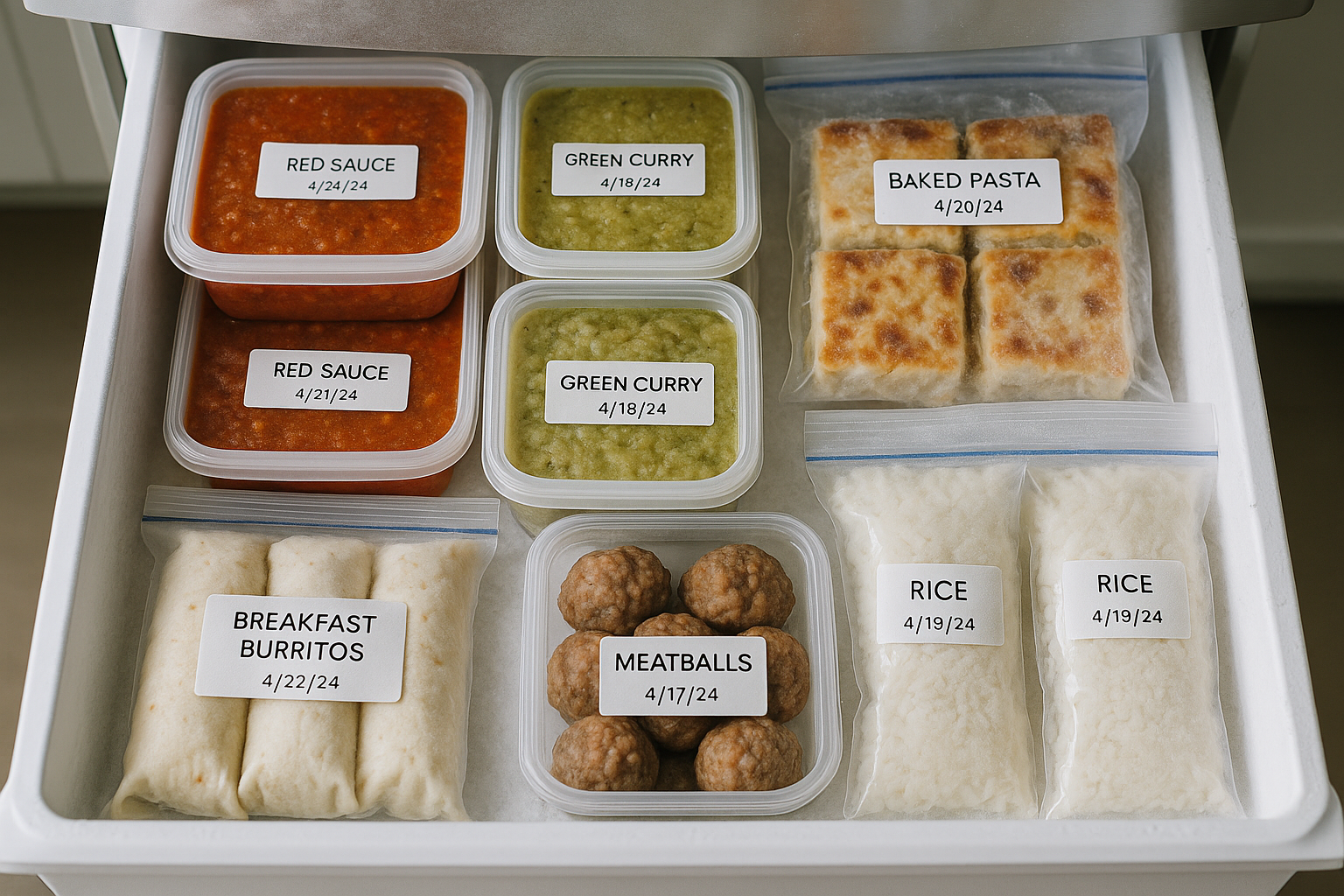
12) Any labeling system tips?
Write dish, date, portions, and reheat notes on painter’s tape or directly on bags with a freezer-safe marker. Consider a simple code (“B6” = six burritos) and a freezer inventory on your phone for zero guesswork.
Conclusion
Freezer-friendly meal prep isn’t about stockpiling mystery leftovers—it’s a system that trades one calm cooking session for many stress-free meals. The big wins come from respecting time and temperature: cook thoroughly, cool fast in shallow containers, package airtight, and reheat to a verified 165°F/74°C. Choose dishes that naturally thrive after freezing—soups, chili, meatballs, baked pastas, curries, savory pies, shredded bases, stir-fry kits, stuffed peppers, and grain-plus-veg starters—and portion them in sizes that match your real life. Keep delicate add-ins (greens, herbs, final cheese) for reheat night to preserve a fresh bite. Finally, label clearly and rotate; your freezer should feel like a curated menu, not cold storage. Start with two or three ideas from this list and build a rhythm—by next month, “What’s for dinner?” will already be answered.
CTA: Pick one recipe from this list, batch it this weekend, and label three future dinners—you’ll thank yourself all week.
References
- Freezing and Food Safety — USDA Food Safety & Inspection Service (FSIS), updated Jul 31, 2020. https://www.fsis.usda.gov/food-safety/safe-food-handling-and-preparation/food-safety-basics/freezing-and-food-safety
- Cold Food Storage Chart — FoodSafety.gov (USDA/FSIS, FDA, CDC), Sep 19, 2023. https://www.foodsafety.gov/food-safety-charts/cold-food-storage-charts
- FoodKeeper App (Storage Times & Tips) — FoodSafety.gov (USDA FSIS/Cornell/FMI), Apr 26, 2019. https://www.foodsafety.gov/keep-food-safe/foodkeeper-app
- Leftovers and Food Safety — USDA FSIS, Jul 31, 2020. https://www.fsis.usda.gov/food-safety/safe-food-handling-and-preparation/food-safety-basics/leftovers-and-food-safety
- Cook to a Safe Minimum Internal Temperature — FoodSafety.gov, Nov 21, 2024. https://www.foodsafety.gov/food-safety-charts/safe-minimum-internal-temperatures
- How to Chill, Freeze and Defrost Food Safely — Food Standards Agency (UK), accessed Aug 2025. https://www.food.gov.uk/safety-hygiene/how-to-chill-freeze-and-defrost-food-safely
- Storing and Reheating Food (Defrost Guidance) — NHS (UK), accessed Aug 2025. https://www.nhs.uk/start-for-life/baby/weaning/safe-weaning/storing-and-reheating-food/
- Freezing Rice and Pasta — University of Nebraska–Lincoln Extension, accessed Aug 2025. https://food.unl.edu/article/freezing-rice-and-pasta/
- Tray Pack (Home “Flash Freeze”) Method — Iowa State University Extension, Mar 5, 2024. https://blogs.extension.iastate.edu/answerline/2024/03/05/tray-pack-for-freezing-food-why-and-how/
- Freezing Convenience Foods You’ve Prepared at Home — Oregon State University Extension, publication PNW 296, accessed Aug 2025. https://extension.oregonstate.edu/catalog/pnw-296-freezing-convenience-foods-youve-prepared-home
- Food Safety During Power Outage — FoodSafety.gov, Aug 8, 2024. https://www.foodsafety.gov/food-safety-charts/food-safety-during-power-outage
- How to Freeze Home-Prepared Foods — University of Missouri Extension, revised Jan 2021. https://extension.missouri.edu/publications/gh1505