



























Healthy snacking is intentional, portion-aware eating that adds nutrients and steady energy between meals; mindless munching is autopilot grazing driven by habit, stress, or convenience rather than true hunger. This guide shows you how to build snacks that satisfy without sabotaging meals, how to avoid the most common traps (screens, jumbo packages, sugar “health halos”), and how to make better choices anywhere—from your office to the airport. It’s written for busy people who want simple, evidence-aligned strategies that work in real life. Quick note: this is general education, not medical advice; if you manage conditions like diabetes, kidney disease, or food allergies, personalize these ideas with a qualified professional. Below, you’ll learn exactly what to do, in what order, and with practical examples you can use today.
Quick start: To snack smart, (1) pause and check hunger, (2) pair protein + fiber, (3) portion once, not from the bag, (4) read the label for serving size, added sugars, and sodium, and (5) eat without screens so you actually notice fullness.
1. Check Hunger First, Not After the Wrapper Is Empty
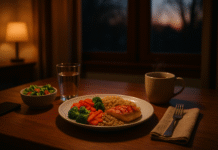
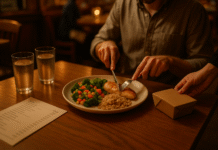
The fastest way to stop mindless munching is to confirm you’re actually hungry before you eat. Start with a 30–60 second pause: scan for physical hunger cues (stomach emptiness, gentle gnawing, low energy) versus emotional or situational triggers (boredom, stress, a meeting starting, scrolling a feed). This simple check prevents “see food, eat food” patterns and helps you decide whether a snack or a non-food break would help more. If you are hungry, choose a small, balanced snack that will bridge you to your next meal; if not, try water, a short walk, or a task switch and reevaluate in 10–15 minutes. Over time, this reflex builds trust with your appetite and reduces overeating later because you arrive at meals less ravenous and more in control.
1.1 Why it matters
Eating on autopilot is strongly tied to environmental cues—screens, social pressure, open packages—rather than needs. A pause lets your thinking brain lead, not the cue. It also reduces the guilt/shame loop that often follows impulsive eating, replacing it with a simple, repeatable process.
1.2 A 5-step “HALT” mini-check
- Hungry? Name it 1–10 (eat at ~3–6, not at 0 or 9/10).
- Anxious/Angry? Try a 3-minute breathing reset first.
- Lonely? Message a friend or step near coworkers.
- Tired? Drink water, stretch, or step outside for light.
- Still hungry? Choose a protein + fiber snack and portion once.
1.3 Numeric example
If you “snack” when not hungry just twice a day at ~150 calories each, that’s ~300 extra calories daily. Over a month, that’s ~9,000 calories—roughly equivalent to several full restaurant meals you never planned to eat. A 60-second check can reclaim that margin.
Bottom line: A brief, honest hunger check turns snacking from reflex into choice—your most reliable filter against mindless munching.
2. Build Every Snack with Protein + Fiber (and a Little Fat)
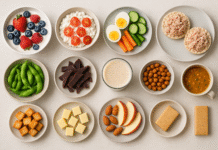
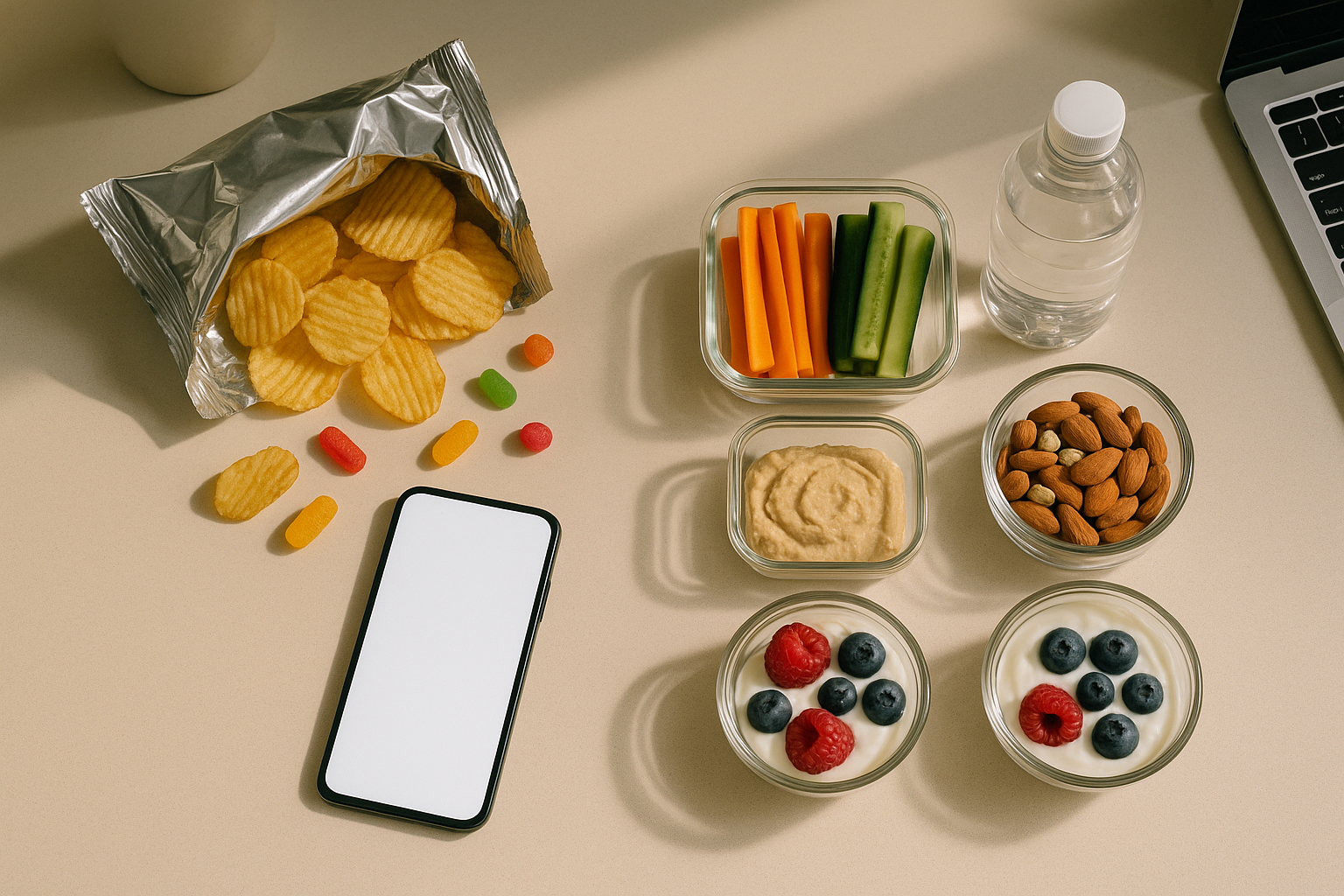
The simplest formula for staying full is protein + fiber, with a small amount of healthy fat for satisfaction. Protein slows digestion and supports steady energy; fiber adds volume and delays gastric emptying; fat improves flavor and mouthfeel so you don’t feel deprived. Together, they help you stop at one portion and arrive at your next meal calm rather than craving. Think in food combos, not macros spreadsheets: yogurt + berries + nuts; hummus + carrots; apple + peanut butter; whole-grain crackers + cheese; roasted chickpeas + cucumber; edamame + orange segments.
2.1 Numbers & guardrails
- Fiber aim (per day): About 14 g per 1,000 kcal eaten (≈28 g on a 2,000 kcal pattern). A snack offering 3–5 g of fiber contributes meaningfully.
- Protein aim (per snack): Practical for most adults is 7–15 g—enough for satiety without turning a snack into a full meal.
- Added sugars: Prefer snacks with ≤8–10 g added sugar (less is better).
- Sodium: Keep single-snack sodium roughly ≤300–400 mg, especially if your overall pattern trends high.
2.2 Quick-builder list (mix 1 from each column)
- Protein: Greek yogurt, cottage cheese, tofu cubes, roasted chickpeas, edamame, eggs, string cheese.
- Fiber: Berries, pear, apple, carrot sticks, snap peas, cherry tomatoes, air-popped popcorn.
- Healthy fat (optional): Nuts, seeds, peanut/almond butter, olive tapenade, tahini.
2.3 Mini case
Swap a pastry (~300–400 kcal, low protein/fiber) for 170 g Greek yogurt (~17 g protein) with ½ cup berries (2–4 g fiber) and 1 tbsp walnuts (~5 g fat). You’ll likely feel fuller on ~200–250 kcal with better nutrient density and steadier energy.
Bottom line: Pair protein and fiber, then add a little fat for staying power; it’s the fastest way to make one portion feel like enough.
3. Time Snacks to Support, Not Replace, Meals
Snack timing should stabilize energy and mood—not stand in for meals or stoke all-day grazing. As a rule, place a snack when you’re several hours past your last meal and beginning to feel genuine hunger, or ahead of a workout/long meeting when you won’t be able to eat. Many adults do well with one to two intentional snacks per day; more than that can blend into constant nibbling, while none can lead to “hangry” overeating later. Use predictable anchors (e.g., mid-morning, mid-afternoon) but be flexible: your appetite varies with sleep, stress, and activity.
3.1 How to do it
- Set anchors: Identify the two windows you tend to fade (e.g., 11:00 a.m. and 4:00 p.m.).
- Preempt peaks: If a training session or long commute looms, place a snack 30–90 minutes beforehand.
- Protect meals: Leave 2–3 hours between a snack and your next meal so hunger can build naturally.
- Size smart: Most people feel best at 150–250 kcal for routine snacks; scale up slightly if highly active.
3.2 Region & role notes
- Students/shift workers: A portable, higher-protein snack at the end of a shift can prevent drive-thru detours on the way home.
- Parents: A small pre-dinner snack for kids can smooth evening energy without spoiling appetite—think fruit + milk or hummus + veggies.
- South Asia tip: If teatime is a must, pair your chai with roasted chana or lightly spiced makhana instead of deep-fried pakoras on most days.
Bottom line: Snack with purpose—place it where it protects your meals and energy rather than dissolving the day into constant grazing.
4. Portion Once, Not from the Bag (Use Containers, Hands, or a Scale)
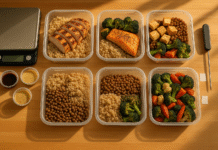
Mindless munching often starts with family-size packages and ends with surprise portions. The fix is to portion once: serve your snack into a small bowl or container, close the package, and put it away before you take a bite. If you’re at home, use a kitchen scale once or twice to calibrate your eye; if you’re out, use hand measures (a cupped hand ≈ a handful of popcorn or cherries; a thumb ≈ a tablespoon of nut butter). You’ll still enjoy the snack—just the amount you intended.
4.1 Practical tools
- Containers: ½–1 cup glass or BPA-free containers for nuts, dips, and cut fruit.
- Kitchen scale: Weigh chips, crackers, or granola once to learn what 28–40 g looks like.
- Hand guide: Palm of your hand ≈ 1 serving of dense protein (cheese block, tofu), thumb ≈ 1 tbsp spreads, two cupped hands ≈ 1–2 cups leafy veg.
4.2 Common pitfalls
- “Bottomless” bowls: Refills erase portion memory—serve once.
- Eating while prepping: Tally tastes; they add up.
- Car snacking: Use a closed container, not an open bag on the seat.
4.3 Mini case
You love trail mix. Pre-portion 30 g (≈¼ cup) into five small containers on Sunday. At work, you eat one container with an apple and water, then stop. Previously, handfuls from a desk jar added up to 3–4 portions without you noticing.
Bottom line: Portion first and close the package; small containers and simple hand cues remove guesswork and keep portions honest.
5. Read the Label: Serving Size, Added Sugars, and Sodium Tell the Story
Front-of-pack claims (e.g., “natural,” “whole grain,” “light”) can be helpful—or misleading. The Nutrition Facts panel is your truth source. Start with servings per container and serving size; many “single-serve” drinks or bags actually contain two or more servings. Next, scan added sugars (aim lower), dietary fiber (aim higher), and sodium (stay moderate). Compare products per 100 g or per serving to make apples-to-apples decisions. Finally, skim ingredients for forms of sugar (syrup, juice concentrate), refined grains, and ultra-long lists that often signal highly processed snacks.
5.1 A fast label checklist
- Serving reality: How many servings will you actually eat? Multiply the numbers.
- Added sugars: Prefer ≤8–10 g per serving (less is better).
- Fiber: Look for ≥3 g per serving in grain snacks; produce and legumes carry their own.
- Sodium: Keep snack choices in the ≤300–400 mg range per serving when possible.
- Ingredients: Short and recognizable is usually better.
5.2 Numeric example
Granola A: 2/3 cup, 250 kcal, 13 g added sugar, 2 g fiber.
Granola B: ½ cup, 200 kcal, 5 g added sugar, 5 g fiber.
Even adjusting for volume, B delivers less sugar and more fiber—you’ll likely feel satisfied on less.
Bottom line: Labels beat marketing—learn the big three (serving size, added sugars, sodium) and you can choose smarter in 30 seconds.
6. Control Your Environment: Make the Easy Choice the Better Choice
Your snack defaults are shaped by what’s visible and reachable. If chips live on your desk and fruit hides in the crisper, you’ll eat chips. Flip the script: keep ready-to-eat nutritious options at eye level, store indulgences out of sight (or in smaller portions), and build friction around less-helpful foods. At work, visibility matters even more; shared jars and snack tables turn “just passing by” into automatic grazing. You don’t need willpower 24/7—just better defaults.
6.1 Setup steps
- Sightlines: Put cut fruit/veg at the front of the fridge; stash less-helpful snacks on a high shelf.
- Single-serve portions: Buy or make smaller packs so “one” truly means one.
- Desk rule: Only one snack within reach; everything else closed and away.
- Water cue: Keep a bottle within arm’s reach to reduce thirst-driven nibbling.
6.2 Workplace & home strategies
- Shared spaces: Sit a few seats away from the snack spread; out of sight reduces unplanned bites.
- Family rhythm: Create a predictable snack window so kids (and adults) aren’t constantly browsing.
- South Asia tip: Keep roasted chana, fruit chaat (light on chutneys), or unsweetened lassi visible; reserve fried namkeen for occasional, portioned treats.
Bottom line: Design beats discipline—make smart snacks obvious and convenient, and you’ll eat them without needing heroic willpower.
7. Make Smart Swaps That Save Calories and Add Nutrients
You don’t have to quit your favorites; you just need versions that deliver more satisfaction per bite. Swapping high-calorie, low-fiber snacks for options with more bulk, protein, or fiber can cut energy density while improving fullness. The goal is not “diet” food, but better value—more crunch, chew, flavor, or creaminess for the calories.
7.1 High-impact swaps
- Chips → air-popped popcorn: 3 cups (~90 kcal) deliver big volume vs. 1 oz chips (~150–160 kcal).
- Candy bar → dates + nuts: 2 dates with 10 almonds (~180–200 kcal) add fiber and healthy fat, with natural sweetness.
- Fried namkeen → roasted makhana or chana: Similar spice, far less oil and more fiber.
- Ice cream → frozen yogurt + berries: Keep portion to a small bowl; add fruit for fiber and sweetness.
- Cream crackers → whole-grain crackers + cheese: Fewer empty carbs, more protein.
7.2 Mini cases
- Crunch craving: Swap 1.5 oz chips (~225 kcal) for 4 cups popcorn (~120 kcal) + 1 tbsp nutritional yeast. Savings: ~100 kcal, more volume.
- Sweet craving: Swap a 55 g candy bar (~250 kcal, little fiber) for ¾ cup yogurt + ½ cup berries (~150–180 kcal, protein + fiber).
- Savory tea-time: Swap 6–8 pakoras (often >350–400 kcal) for a small bowl of chaat with extra chickpeas, lemon, and less sev.
Bottom line: Keep the experience you love—crunch, sweet, creamy—while upgrading fiber, protein, and volume so one portion actually satisfies.
8. Pack “Ready to Go” Kits for Work, School, and Travel
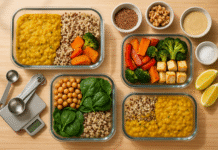
Mindless munching spikes when you’re hungry, rushed, and options are limited. A small snack kit solves this by making good choices faster than the vending machine. Stock portable, non-messy items in your bag, car, or desk so you can assemble a balanced snack anywhere. For longer travel days, add perishables in a small insulated pouch with an ice pack.
8.1 Kit builder (pick 1–2 from each)
- Protein: Shelf-stable milk or soy milk boxes, tuna pouches, roasted edamame/chickpeas, mini cheese, beef-free jerky alternatives.
- Fiber/produce: Apples, pears, clementines, sugar snap peas, cherry tomatoes, baby carrots, whole fruit cups (in juice).
- Healthy fat/whole grains: Nuts, seeds, nut butter packets, whole-grain crackers, oat packets.
- Hydration: Water bottle; tea bags for hot water on the go.
8.2 Situational tips
- Airports: Bring an empty bottle; buy fruit + yogurt or a salad box; skip large pastries before long sits.
- Road trips (Pakistan/South Asia): Pack roasted chana, dates, bananas, and small containers of homemade trail mix to avoid deep-fried roadside snacks.
- Busy office: Keep a “rainy day” drawer with 3 full snack sets so you’re never stuck.
Bottom line: Prepared beats perfect; with a few shelf-stable items, you can eat well anywhere and sidestep desperation snacking.
9. Tame Stress and Sleep Debt—Two Hidden Snack Triggers
Stress and short sleep both nudge you toward quick-hit snacks—especially sweets and refined carbs. When you’re tired, hunger and reward signals shift, making highly processed options more tempting. You can’t white-knuckle your way through biology, so build small buffers: regular sleep, short movement breaks, and non-food stress relievers. If evenings are your danger zone, plan a satisfying, protein-forward snack earlier so you’re not fighting both fatigue and cravings.
9.1 What helps in real life
- Sleep target: Most adults do best with 7–9 hours; protect a regular bedtime and wake time.
- Move the mind: 5 minutes of stretching, a walk, or a few deep breaths can blunt stress snacking.
- Swap cues: Pair tea or sparkling water with a book or playlist when you usually browse and nibble.
- Preempt the crash: If dinner will be late, add a 4–6 p.m. protein + fiber snack.
9.2 Mini-checklist for the evening window
- Did I eat enough protein and fiber during the day?
- Am I actually hungry or just tired/bored?
- Would a hot drink, shower, or brief walk help first?
- If hungry, can I make a quick balanced snack and plate it?
Bottom line: Support your biology—better sleep and stress tools reduce impulse snacking so your other good habits can stick.
FAQs
1) What’s the difference between a snack and a small meal?
A snack fills a gap without replacing a meal—typically a single pairing like yogurt with fruit or veggies with hummus. A small meal has multiple components and usually more calories. If your “snack” routinely includes three or more items and leaves you not hungry for the next meal, it’s functionally a meal; that’s fine, just plan your day around it to avoid extra calories.
2) How many calories should a snack have?
There isn’t a single right number, but many adults feel best at 150–250 kcal for routine snacks, with 250–300 kcal reasonable before workouts or long gaps. Children, highly active adults, or those with specific medical needs may require different amounts. Use fullness, energy, and how dinner goes as your feedback loop.
3) Do I need to track macros for snacks?
Not unless you enjoy it. A simple rule—protein + fiber + a little fat—gets you most of the benefits with less effort. Examples: cottage cheese with pineapple, whole-grain crackers with cheese, apple with peanut butter, or roasted chickpeas with cucumber. If you’re training or managing blood sugar, a dietitian can help fine-tune macro targets.
4) Are packaged snacks always worse than homemade?
No. Packaged options vary widely. Some are excellent (roasted edamame, unsweetened Greek yogurt cups, low-sugar granolas), others are essentially candy. Read the label: check serving size, added sugars, fiber, and sodium. When a packaged choice matches your protein/fiber goals and fits your day, it’s a win.
5) What should I look for on the Nutrition Facts label?
Start with serving size and servings per container, then scan added sugars, dietary fiber, and sodium. Prefer higher fiber and protein with lower added sugars and moderate sodium. Ingredients lists that are short and recognizable often indicate less-processed options, though there are exceptions.
6) How can I stop snacking at night?
First, ensure your dinner is balanced and satisfying. Next, set a consistent bedtime so you’re not snacking to fight fatigue. Create a post-dinner routine (hot tea, light stretching, reading) and keep tempting snacks out of sight. If you’re truly hungry, choose a small protein + fiber snack, plate it, and eat without screens.
7) Are “low-fat” or “low-carb” snacks better for weight loss?
Neither label guarantees better results. What matters most is satiety and total pattern. Some people do well with lower-carb, higher-protein snacks; others prefer higher-fiber, moderate-carb options. Choose the foods that keep you comfortably full and make it easy to stop at one portion.
8) Is fruit a good snack if I’m watching sugar?
Whole fruit is generally a great snack: it brings water, fiber, vitamins, and minerals, and its natural sugars are packaged with fiber that slows absorption. Pair fruit with protein (e.g., nuts, yogurt, cheese) to improve fullness and reduce blood sugar spikes. Fruit juice, by contrast, lacks fiber and is easier to overconsume.
9) What’s a good office snack drawer setup?
Stock 3 “grab-and-go” sets: roasted chickpeas or edamame, whole-grain crackers, nut butter packets, and shelf-stable milk or soy milk. Add fruit you can keep at your desk (apples, clementines). Keep everything else out of reach. Portion into small containers so one is truly one.
10) How do I handle social situations with snack tables?
Do a quick scan first, plate one balanced option (protein + fiber), and step away from the table. Hold a drink in your non-dominant hand to slow automatic nibbling. If you want a treat, pick your favorite item, plate it, and enjoy it mindfully—then move on.
11) Can I snack before workouts?
Yes—especially if the last meal was several hours ago. Aim for an easy-to-digest combo 30–90 minutes pre-exercise: banana with peanut butter, yogurt with berries, or a small oat packet with milk. After training, include protein and carbs to recover.
12) I crave salty snacks. Any better choices?
Try roasted nuts or seeds (portion-controlled), roasted chickpeas, air-popped popcorn with spices, or whole-grain crackers with cheese. Check sodium on labels and consider seasoning snacks yourself with herbs, spices, and citrus to amplify flavor without relying on salt.
Conclusion
Healthy snacking isn’t about perfection or willpower; it’s about structure and small decisions that add up. You now have a playbook: pause to check hunger, pair protein + fiber with a little fat, place snacks where they support meals, portion once, read labels for serving size, added sugars, and sodium, shape your environment, swap for better value, pack kits for busy days, and support sleep and stress so urges don’t run the show. Treat these as dials, not switches—adjust them based on your day, your activity, and your preferences. When you hit the right mix, your snacks will feel satisfying, your meals will feel calmer, and your energy will be steadier from morning to night. Start with one rule this week—portion once or build protein + fiber—and stack from there.
Call to action: Pick one snack you eat most days and upgrade it today using the protein + fiber rule—set yourself up for an easy win.
References
- Snacks and Healthy Eating, Harvard T.H. Chan School of Public Health (n.d.). https://www.hsph.harvard.edu/nutritionsource/healthy-eating-plate/snacks/
- How to Understand and Use the Nutrition Facts Label, U.S. Food & Drug Administration (updated, date available on page). https://www.fda.gov/food/nutrition-education-resources-materials/how-understand-and-use-nutrition-facts-label
- Guideline: Sugars Intake for Adults and Children, World Health Organization (2015). https://www.who.int/publications/i/item/9789241549028
- Dietary Guidelines for Americans, 2020–2025, U.S. Department of Agriculture & U.S. Department of Health and Human Services (2020). https://www.dietaryguidelines.gov/
- Healthy Eating for a Healthy Weight, Centers for Disease Control and Prevention (n.d.). https://www.cdc.gov/healthyweight/healthy_eating/index.html
- Sodium and Salt—How Much Sodium Should I Eat?, Centers for Disease Control and Prevention (page updated; date available on site). https://www.cdc.gov/salt/reduce_sodium_tips.htm
- Mindful Eating: Savor the Flavor, Harvard Health Publishing (2016; updates noted on page). https://www.health.harvard.edu/staying-healthy/mindful-eating
- How Much Sleep Do I Need?, Centers for Disease Control and Prevention (page updated; date available on site). https://www.cdc.gov/sleep/about_sleep/how_much_sleep.html
- Changes to the Nutrition Facts Label, U.S. Food & Drug Administration (updated; date available on page). https://www.fda.gov/food/food-labeling-nutrition/changes-nutrition-facts-label
- How Much Sugar Is Too Much?, American Heart Association (n.d.; updates noted on page). https://www.heart.org/en/healthy-living/healthy-eating/eat-smart/sugar/how-much-sugar-is-too-much