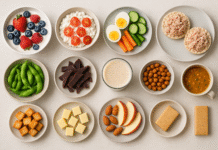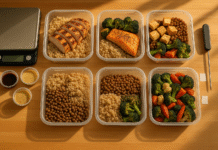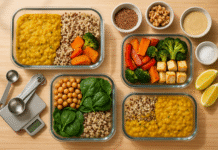


























Plant-based eating can be nutritionally complete, but success hinges on getting certain nutrients consistently. The short list includes vitamin B12, iron, vitamin D, calcium, omega-3 fats (ALA, EPA, DHA), iodine, zinc, selenium, and adequate protein. Here’s the crisp answer up front: meet the recommended intakes with a mix of fortified foods, well-chosen whole foods, and targeted supplements where needed; pair and prepare foods to boost absorption; and check bloodwork if you’re at higher risk or have symptoms. This guide explains exactly how, with realistic targets, food ideas, and safety guardrails. Quick note: this is educational information, not medical advice—work with a clinician for personalized care.
1. Vitamin B12
Vitamin B12 is the one nutrient that virtually all vegans (and many vegetarians) need to plan for via fortified foods or a supplement. The adult RDA is 2.4 µg/day, and there are no reliable natural vegan food sources, making B12 a “must-plan” nutrient. The simplest approach is to take a small daily B12 supplement or routinely use B12-fortified foods (e.g., fortified plant milks, breakfast cereals, or nutritional yeast) in sufficient amounts. Because B12 deficiency can be silent for a long time and cause neurological issues, prevention matters more than “chasing” symptoms. As of August 2025, major nutrition bodies continue to advise B12 supplementation for vegans; forms like cyanocobalamin or methylcobalamin are both acceptable, with cyanocobalamin often used in research due to stability.
1.1 Why it matters
B12 supports red blood cell formation, nerve health, and DNA synthesis. Insufficient intake can lead to anemia, fatigue, neuropathy, and cognitive changes. Pregnancy and breastfeeding increase needs; infants require adequate B12 via maternal status or formula. Because body stores are large yet finite, deficiency may take months to years to appear, making proactive intake essential.
1.2 How to hit your target
- Pick one reliable pattern:
- Fortified foods 2–3 times daily totaling ≥3 µg B12, or
- A daily supplement of ~50–150 µg, or
- A weekly supplement of ~2,000 µg.
- Take B12 away from hot beverages if using lozenges; consistency beats timing.
- Monitor if you’re in a higher-risk group (GI disorders, metformin or acid-suppressing meds, older age).
1.3 Numbers & guardrails (as of Aug 2025)
- RDA (adults): 2.4 µg/day; pregnancy: 2.6 µg; lactation: 2.8 µg.
- B12-fortified plant milk often provides ~1–3 µg per cup; check labels.
- If previously low or symptomatic, your clinician may use higher repletion doses before maintenance.
Mini-checklist: Choose your one dependable B12 source (supplement or fortified foods), stick to it daily/weekly, and verify your plan covers at least the RDA; consider periodic bloodwork if at risk.
2. Iron
The direct answer: you can cover iron on a plant-based diet by emphasizing legumes, tofu/tempeh, whole grains, seeds, and leafy greens—and by boosting non-heme iron absorption with vitamin C–rich foods while minimizing tea/coffee with meals. Adult RDAs are 18 mg/day for premenopausal women and 8 mg/day for adult men and postmenopausal women; pregnancy needs are higher under medical guidance. Because plant iron is non-heme, absorption varies widely, so pairing and timing make a big difference.
2.1 Why it matters
Iron is essential for hemoglobin, oxygen transport, energy metabolism, and cognition. Low iron can lead to fatigue, impaired exercise performance, brittle nails, and restless legs. Athletes, people with heavy menstrual blood loss, and those with GI conditions need particular attention.
2.2 How to improve absorption
- Add vitamin C: include citrus, berries, kiwi, bell pepper, tomatoes, or broccoli with iron-rich meals.
- Mind inhibitors: separate tea/coffee/cocoa and high-polyphenol beverages from iron-rich meals by ~1–2 hours.
- Calcium caution: avoid taking calcium supplements with your iron-rich meal.
- Phytate management: use soaking, sprouting, sourdough/fermentation, or longer cooking to lower phytate in legumes and grains.
2.3 Practical day example (~18–22 mg iron)
- Breakfast: fortified oatmeal (iron-fortified) with strawberries.
- Lunch: lentil-spinach stew + lemony cabbage-carrot slaw.
- Snack: hummus with roasted red peppers.
- Dinner: tofu-tempeh stir-fry with broccoli, cashews, and brown rice; finish with orange slices.
Synthesis: Focus on iron-dense plants, add vitamin C every time, and separate known inhibitors from your iron-centered meals. If you need supplements, do so under clinical guidance and retest.
3. Vitamin D
Here’s the simple version: if you lack regular midday sun exposure or live at higher latitudes, plan on a vitamin D supplement alongside fortified foods. The adult RDA is 600 IU (15 µg) up to age 70 and 800 IU (20 µg) thereafter, with individual adjustments based on blood 25(OH)D levels. Both D2 (ergocalciferol) and D3 (cholecalciferol) raise vitamin D status; D3 tends to maintain higher levels, and vegan D3 from lichen is widely available now.
3.1 Why it matters
Vitamin D supports calcium absorption, bone mineralization, muscle function, and immune modulation. Deficiency risk increases with limited sun, darker skin tones, covered clothing, indoor lifestyles, winter months, and certain medications or GI conditions.
3.2 How to cover your bases
- Check labels: many plant milks and yogurts are fortified (usually 100–200 IU per serving).
- Choose a supplement: 600–1,000 IU/day is common for adults; confirm with your clinician based on labs.
- D2 vs D3: both work; D3 (including vegan lichen-derived D3) often maintains levels more effectively.
- Monitor: If at risk, test 25(OH)D and adjust dose accordingly.
3.3 Region & season notes
- Winter, high latitude, and air pollution reduce skin synthesis.
- Modest, safe sun exposure varies by skin tone, season, latitude; prioritize skin cancer prevention.
Bottom line: Fortify, supplement intelligently, and test if you’re at risk. Vitamin D and calcium strategies work best together.
4. Calcium
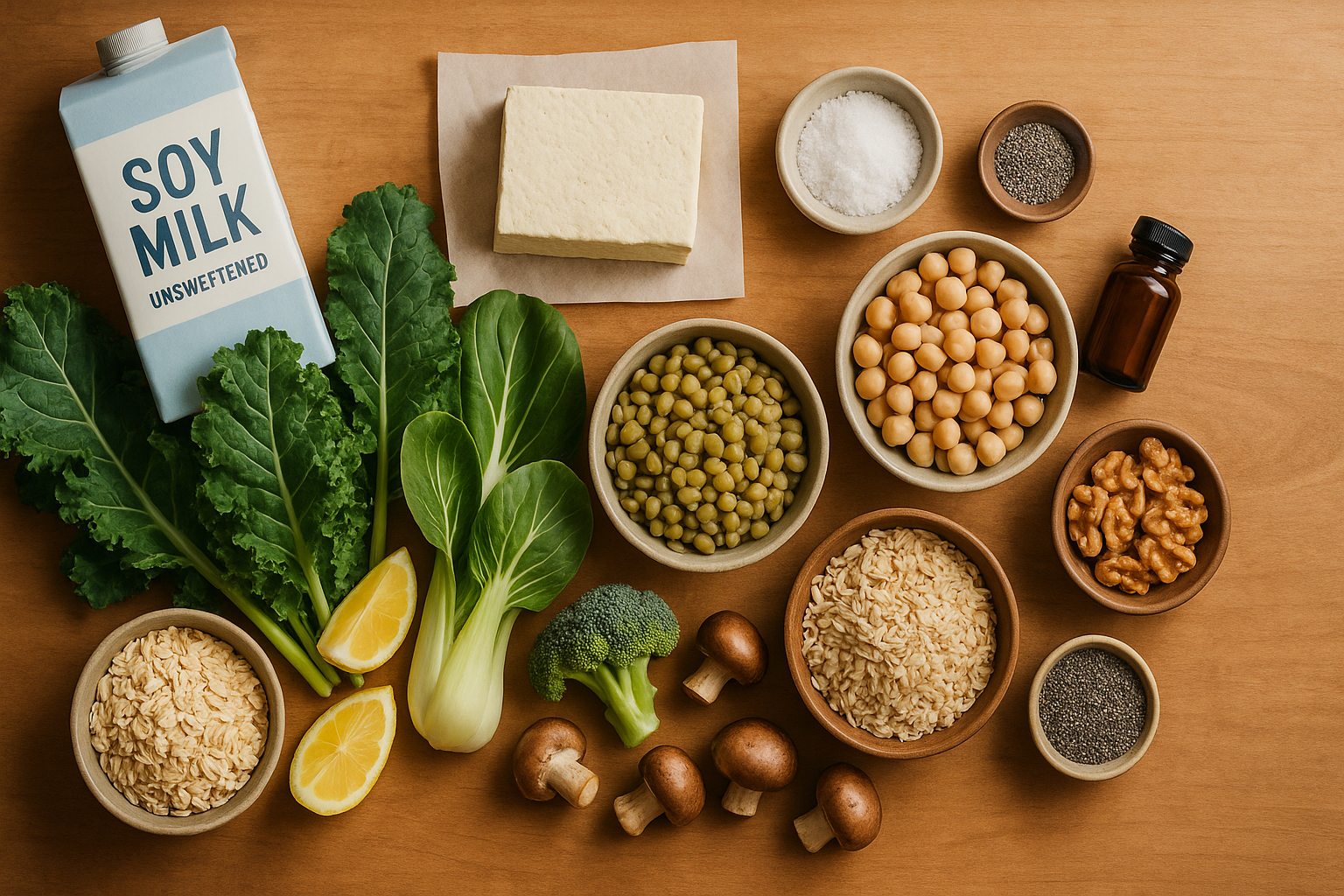
Answer first: target ~1,000 mg/day (adults 19–50; women 51–70 need 1,200 mg; adults 71+ need 1,200 mg) from fortified plant milks/yogurts, calcium-set tofu, leafy greens (low-oxalate), beans, and possibly a supplement if your diet falls short. Because oxalate reduces absorption, focus on low-oxalate greens (e.g., kale, bok choy, broccoli) more than spinach/chard for calcium.
4.1 Why it matters
Calcium supports bone structure, muscle contraction, nerve signaling, and blood clotting. Plant-based patterns can easily meet needs with smart choices, but many adults—omnivore or vegan—fall short. Consistent intake, vitamin D sufficiency, resistance exercise, and adequate protein together support bone health.
4.2 Food-first strategy
- Fortified plant milks: often 300–450 mg per cup—two cups put you well on the way.
- Calcium-set tofu: look for “calcium sulfate” as the coagulant.
- Greens: choose lower-oxalate greens (kale, Chinese cabbage, broccoli).
- Beans/soy: white beans, soybeans/edamame, tempeh.
- Extras: tahini, almonds, fortified juices/cereals.
4.3 Supplement smarts
- If needed, split ≤500 mg per dose for better absorption.
- Calcium citrate absorbs well with or without food; carbonate prefers meals.
- Avoid combining a large calcium dose with iron-rich meals.
Synthesis: Build a “calcium backbone” with fortified milks and calcium-set tofu, add low-oxalate greens and beans, and only supplement the gap you can’t cover with food.
5. Omega-3 Fats (ALA, EPA & DHA)
The direct answer: include ALA-rich seeds and nuts daily (flax, chia, hemp, walnuts), use canola/soy oils as needed, and consider an algae-based EPA/DHA supplement for insurance—especially for pregnant/lactating adults or if you rarely eat fortified foods. Typical Adequate Intakes for ALA are ~1.1 g/day (women) and 1.6 g/day (men); algae oils can directly raise DHA (and sometimes EPA) status.
5.1 Why it matters
Omega-3s contribute to cell membranes, brain and retinal health, and cardiometabolic function. ALA converts to EPA/DHA inefficiently, with wide individual variability, which is why many plant-based eaters opt for a small algae-oil dose.
5.2 Practical playbook
- Daily ALA:
- 1 Tbsp ground flax or chia, or
- 2 Tbsp hemp seeds, or
- A small handful of walnuts.
- Optional algae oil: 200–300 mg DHA (±EPA) per day or several times per week; adjust with clinician if pregnant/breastfeeding.
- Kitchen swaps: use canola/soy oil for cooking; keep flax oil for cold dishes.
5.3 Mini case
A vegan taking 250 mg DHA/day from algae oil increased serum DHA within weeks in randomized trials; higher intakes (≈900–1,000 mg/day) can markedly elevate the omega-3 index in vegetarians.
Synthesis: Hit daily ALA with seeds/nuts, and consider modest algae DHA/EPA for a direct boost—especially when life stage or personal preference calls for it.
6. Iodine
Bottom line: 150 µg/day for most adults (higher in pregnancy/lactation) is the goal, most reliably met with iodized salt or an iodine supplement if you avoid iodized salt and sea foods. Seaweed can be very high or erratic in iodine—use modest portions and avoid frequent kelp unless labels standardize content.
6.1 Why it matters
Iodine is essential for thyroid hormones (T3, T4), which regulate metabolism and support brain development (critical in pregnancy and infancy). Both low and excess iodine can impair thyroid function. Many countries rely on universal salt iodization; coverage varies by region and household practices.
6.2 Practical intake strategies
- Iodized salt: use modestly in home cooking; check that your brand is iodized.
- Supplements: ~150 µg/day when not using iodized salt or if advised by your clinician.
- Seaweed caution: Nori is typically lower; kelp can be extremely high—use sparingly unless iodine content is standardized.
6.3 Region-specific note
In areas without consistent salt iodization or where specialty salts (e.g., rock/sea salts without iodine) are common, an iodine supplement is often simpler and safer than relying on seaweed variability.
Synthesis: Prefer steady, moderate iodine from iodized salt or a small supplement; keep seaweed portions modest and varied.
7. Zinc
The short answer: hit 8 mg/day (women) or 11 mg/day (men) by emphasizing legumes, tofu/tempeh, whole grains, nuts/seeds—and by reducing phytate with soaking, sprouting, fermentation, or longer cooking. Because phytate can limit zinc absorption, preparation methods matter more on plant-based patterns.
7.1 Why it matters
Zinc supports immune function, wound healing, taste and smell, and reproductive health. Some vegetarians show lower zinc intakes and serum levels than omnivores, though the body adapts somewhat. Ensuring steady intake and improving bioavailability is a smart hedge.
7.2 Tools to improve absorption
- Soak & sprout beans, chickpeas, lentils; rinse before cooking.
- Choose sourdough/fermented breads and tempeh; fermentation reduces phytate.
- Pair with protein: mixed-meal proteins can support zinc absorption.
- Mind calcium mega-doses around zinc-dense meals if you supplement both.
7.3 Mini-checklist
- 1 cup cooked beans or lentils
- 100–150 g tofu or ½ cup tempeh
- A handful of pumpkin or hemp seeds
- Whole-grain sourdough or oats
Synthesis: Combine zinc-rich foods daily and use preparation techniques that tame phytate; supplement only if a clinician confirms low status or persistent symptoms.
8. Selenium
Direct guidance: aim for 55 µg/day from varied foods; be cautious with Brazil nuts (selenium varies widely and can be very high). Many plant-based eaters meet needs via grains, beans, mushrooms, and seeds—plus one small Brazil nut occasionally if desired, not daily by default.
8.1 Why it matters
Selenium is part of selenoproteins that influence antioxidant defenses, thyroid hormone metabolism, and immune function. Both deficiency and excess are problematic; intakes above the UL of 400 µg/day can cause selenosis (e.g., nail/hair brittleness, GI upset).
8.2 Practical plan
- Steady sources: whole grains, legumes, sunflower seeds, mushrooms.
- Brazil nuts caution: one average nut may contain roughly ~68–91 µg—sometimes more—so use sparingly to avoid exceeding the UL.
- Supplements: generally unnecessary unless clinically indicated; avoid stacking multiple selenium-containing products.
8.3 Mini case
If you enjoy Brazil nuts, treat them like a periodic selenium booster (e.g., one nut on a few days per week), and skip selenium in your multivitamin that day to prevent overshooting.
Synthesis: Prioritize varied whole foods, add an occasional Brazil nut if desired, and be mindful of the UL—more is not better.
9. Protein (and Essential Amino Acids)
Here’s the quick answer: most plant-based eaters meet protein needs by building meals around legumes/soy, whole grains, nuts/seeds, and high-protein plant foods (tofu, tempeh, edamame, seitan). The general RDA is 0.8 g/kg/day, though active individuals, older adults, and people aiming for body recomposition often do better at ~1.0–1.2 g/kg/day (or higher under coaching).
9.1 Why it matters
Protein supports muscle repair, satiety, bone health, and metabolic health. Plant proteins contain all essential amino acids across the day; soy and mycoprotein are “complete” on their own, while classic combinations (grains + legumes) optimize amino acid balance.
9.2 How to build your day
- Anchor each meal with ~20–35 g protein:
- Breakfast: tofu scramble + whole-grain toast + tahini.
- Lunch: lentil-quinoa bowl with edamame and pumpkin seeds.
- Dinner: tempeh stir-fry or lentil-pasta Bolognese.
- Snacks: roasted chickpeas, soy yogurt, protein smoothie (soy milk + PB + oats).
- Training? Distribute protein evenly (every 3–4 hours) and include a protein-rich meal within a few hours post-workout.
9.3 Numeric example
At 70 kg, the RDA is 56 g/day; many thrive at 70–85 g/day depending on goals. Three meals at ~25 g plus a 10–15 g snack covers it comfortably.
Synthesis: Center meals on legumes/soy, whole grains, and nuts/seeds; hit a per-meal protein target and space intake across the day.
FAQs
1) What are the top “can’t-miss” nutrients on a plant-based diet?
Vitamin B12 is non-negotiable for vegans and often needed for many vegetarians via fortified foods or supplements. After that, focus on iron, vitamin D, calcium, omega-3s, iodine, zinc, selenium, and adequate protein. With smart food choices and the right two or three fortified/supplement “anchors,” you can meet all needs reliably while keeping meals delicious and simple.
2) Do I need a daily multivitamin if I’m vegan?
Not necessarily. Many people do well with a B12 supplement plus vitamin D (seasonally or year-round) and algae-based DHA as desired. If you rarely use iodized salt, consider iodine. A multi can be convenient, but it’s easy to overshoot some nutrients (like selenium). Choose products that match your true gaps and confirm with a clinician if you have medical conditions or take medications.
3) Can I get enough iron without meat?
Yes. Build meals around legumes, tofu/tempeh, whole grains, and seeds, and include a vitamin C–rich food to boost non-heme iron absorption. Keep tea/coffee away from iron-rich meals and separate large calcium supplements. If bloodwork confirms deficiency, your clinician may recommend an iron supplement and follow-up testing; correct dosing and timing matter for comfort and absorption.
4) Is vitamin D2 “bad” and D3 “good”?
Both D2 and D3 raise blood levels; D3 tends to maintain higher 25(OH)D over time. Many plant-based eaters choose vegan D3 from lichen. The most important step is to take vitamin D consistently at a dose that maintains an adequate blood level; your provider may check labs and adjust seasonally.
5) How much protein do I really need on a vegan diet?
Start with 0.8 g/kg/day and consider ~1.0–1.2 g/kg/day if you’re active, older, or focused on body composition. Prioritize legumes/soy, whole grains, and nuts/seeds; aim for 20–35 g per meal spread across the day. Many vegans easily hit 70–90 g/day without powders, though protein-fortified foods can help when appetite or time is limited.
6) What about calcium from spinach—why do people say it “doesn’t count”?
Spinach is nutritious but high in oxalate, which binds calcium and reduces its absorption. Prefer low-oxalate greens (kale, bok choy, broccoli) and fortified plant milks or calcium-set tofu as primary calcium sources. Enjoy spinach for iron, folate, and carotenoids, but don’t rely on it for calcium.
7) How do I use seaweed safely for iodine?
Seaweed iodine varies—nori is generally modest; kelp can be extremely high. If you don’t regularly use iodized salt, a small iodine supplement (~150 µg/day) is simpler and more predictable than relying on seaweed. During pregnancy/lactation, defer to your clinician for individualized dosing.
8) Do I need an algae-based omega-3 supplement?
Not everyone, but it’s helpful insurance for those who want consistent DHA/EPA status, especially during pregnancy/lactation. Daily ALA from flax/chia/hemp/walnuts is still essential. Typical algae-oil doses are 200–300 mg DHA (±EPA) per day; some choose higher temporarily under supervision.
9) Can soaking and sprouting really improve mineral absorption?
Yes. Soaking, sprouting, and fermentation reduce phytate, a compound in legumes and whole grains that binds minerals like iron and zinc. These simple kitchen steps can measurably improve bioavailability. Sourdough fermentation and tempeh are everyday examples of phytate-reducing techniques.
10) How often should I test my nutrient status?
There’s no one schedule for everyone. If you’re newly transitioning, pregnant, managing symptoms, or using supplements, your clinician might check B12, iron markers (ferritin, CBC), vitamin D, and sometimes thyroid (iodine-related) periodically. Stable, asymptomatic adults with a consistent plan may test less often.
Conclusion
Plant-based diets can be richly nourishing when you intentionally cover a short list of nutrients. Treat B12 as a must-do, and give special attention to iron, vitamin D, and calcium. Layer in omega-3s (ALA daily; algae DHA/EPA as desired), and don’t overlook iodine, zinc, and selenium. You’ll notice a repeating pattern: pair foods to boost absorption (vitamin C with iron), prepare foods to tame phytate (soak, sprout, ferment), and supplement smartly only where the food environment or personal factors make it hard to meet needs. Put this into action by setting two or three daily anchors—say, B12, fortified plant milk, and ALA seeds—and then rotate legumes, tofu/tempeh, whole grains, greens, nuts, and seeds across your meals. If you’re in a life stage with higher needs (pregnancy, later adulthood, heavy training) or you’re troubleshooting symptoms, partner with your clinician for targeted labs and dosing. Ready to lock this in? Pick your B12 plan today, stock a fortified milk, and add a tablespoon of ground flax to tomorrow’s breakfast.
CTA: Save this guide and set a reminder for your B12—and you’ve already won half the battle.
References
- Vegetarian Dietary Patterns for Adults: A Position of the Academy of Nutrition and Dietetics — Journal of the Academy of Nutrition and Dietetics (Position Paper). Academy of Nutrition and Dietetics. 2025. https://www.jandonline.org/article/S2212-2672%2825%2900042-5/fulltext
- Vitamin B12 — Health Professional Fact Sheet — NIH Office of Dietary Supplements. Updated July 2, 2025. https://ods.od.nih.gov/factsheets/VitaminB12-HealthProfessional/
- Vitamin B12 — Consumer Fact Sheet — NIH Office of Dietary Supplements. Updated Dec 15, 2023. https://ods.od.nih.gov/factsheets/VitaminB12-Consumer/
- Iron — Health Professional Fact Sheet — NIH Office of Dietary Supplements. Updated Oct 9, 2024. https://ods.od.nih.gov/factsheets/Iron-HealthProfessional/
- Vitamin D — Health Professional Fact Sheet — NIH Office of Dietary Supplements. Updated Jun 27, 2025. https://ods.od.nih.gov/factsheets/VitaminD-HealthProfessional/
- Tripkovic L, et al. Comparison of vitamin D2 and D3 supplementation in raising serum 25-hydroxyvitamin D status: a systematic review and meta-analysis. Am J Clin Nutr. 2012. https://pmc.ncbi.nlm.nih.gov/articles/PMC3349454/
- Calcium — Consumer Fact Sheet — NIH Office of Dietary Supplements. Updated Sep 14, 2023 (PDF 2022 details). https://ods.od.nih.gov/factsheets/Calcium-Consumer/
- Omega-3 Fatty Acids — Health Professional Fact Sheet — NIH Office of Dietary Supplements. Accessed Aug 2025. https://ods.od.nih.gov/factsheets/Omega3FattyAcids-HealthProfessional/
- Iodine — Health Professional Fact Sheet — NIH Office of Dietary Supplements. Updated Nov 5, 2024. https://ods.od.nih.gov/factsheets/Iodine-HealthProfessional/
- Zinc — Health Professional Fact Sheet — NIH Office of Dietary Supplements. Updated Sep 28, 2022. https://ods.od.nih.gov/factsheets/Zinc-HealthProfessional/
- Selenium — Health Professional Fact Sheet — NIH Office of Dietary Supplements. Updated Apr 15, 2024. https://ods.od.nih.gov/factsheets/Selenium-HealthProfessional/
- Mariotti F, Gardner CD. Dietary Protein and Amino Acids in Vegetarian Diets—A Review. Nutrients. 2019. https://pmc.ncbi.nlm.nih.gov/articles/PMC6893534/
- Gupta RK, et al. Reduction of phytic acid and enhancement of bioavailable micronutrients in food grains. Food Sci Technol Int. 2013. https://pmc.ncbi.nlm.nih.gov/articles/PMC4325021/
- Lynch SR, Cook JD. Interaction of vitamin C and iron. Ann N Y Acad Sci. 1980. https://pubmed.ncbi.nlm.nih.gov/6940487/
- WHO. Guideline: Fortification of Food-Grade Salt with Iodine for the Prevention and Control of Iodine Deficiency Disorders. (NCBI Bookshelf). Accessed Aug 2025. https://www.ncbi.nlm.nih.gov/books/NBK254244/
- Hunt JR. Bioavailability of iron, zinc, and other trace minerals from vegetarian diets. Am J Clin Nutr. 2003. https://www.sciencedirect.com/science/article/pii/S0002916522033652
- ODS Staff. Omega-3 Fatty Acids — Consumer Fact Sheet (ALA/EPA/DHA overview). NIH Office of Dietary Supplements. 2022. https://ods.od.nih.gov/pdf/factsheets/Omega3FattyAcids-Consumer.pdf
- García-Maldonado E, et al. Changes in fatty acid levels after consumption of a novel algae-based DHA supplement. J Diet Suppl. 2022. https://pmc.ncbi.nlm.nih.gov/articles/PMC9684969/