
























A Mindful Breakfast is a morning meal eaten with deliberate attention—tuning into hunger, slowing your pace, savoring the senses, and choosing a balanced plate that supports steady energy and calm. In practice, it means anchoring your morning with hydration, protein, fiber, and a quiet environment so your attention isn’t hijacked before the day even begins. Below, you’ll find 12 practical, evidence-aware steps to make that happen without fuss or perfectionism. Quick answer: a Mindful Breakfast prioritizes presence over autopilot; it combines 20–30 g protein, 8–12 g fiber, slow carbs, and a few minutes of distraction-free eating. For how-to readers, here’s a fast, skimmable sequence: hydrate; light and breath; hunger scan; build a balanced plate; choose slow carbs; make protein the anchor; load plants; pace and chew; brew smarter; time it with your clock; micro-prep; troubleshoot.
Friendly note: This article is for general education. If you manage conditions like diabetes, kidney disease, or gastrointestinal disorders, check with a qualified clinician or registered dietitian before making changes.
1. Hydrate and Settle Your Nervous System First
Start by drinking water and creating a brief pause before food so your body and brain “land” in the morning. Hydration counters overnight fluid losses, supports alertness, and helps distinguish thirst from hunger, which often get confused. A small glass (about 300–500 ml / 10–17 fl oz) is a practical target for most adults, then sip as desired. Pair that with two minutes of quiet breathing and natural light exposure near a window or outside; morning light helps signal your body clock that it’s daytime, which can improve alertness now and sleep later. If you’re not hungry yet, this pause also gives you a moment to notice whether you need a lighter start (like yogurt and fruit) or a fuller plate.
1.1 How to do it
- Pour water before you start prepping food; drink first.
- Step into morning light for 2–5 minutes (balcony, courtyard, or open window).
- Try 6 slow breaths (inhale 4 counts, exhale 6).
- If you wake very early, keep overhead lighting gentle; save bright, cool light for after sunrise.
- Notice your hunger level (0–10) and decide the plate size accordingly.
1.2 Numbers & guardrails
- Typical daily fluid needs are ~3.7 L for men and ~2.7 L for women from all beverages/foods (context-dependent).
- Don’t force chugging: spread fluids and use thirst and urine color (pale straw) as simple checks.
- Avoid extreme overhydration; more isn’t always better.
Synthesis: A small hydration + light ritual takes under five minutes, clarifies appetite, and gently gears up your focus for a mindful meal.
2. Create a Phone-Free, 5-Minute Breakfast Buffer
A Mindful Breakfast starts before the first bite: it starts when you decide not to scroll. Notifications yank attention and push you into reactive mode, which makes hurried, less satisfying eating far more likely. A five-minute buffer—phone face-down, TV off—boosts awareness of hunger and taste, helps you pace your bites, and prevents “mindless top-ups” of bread, chai, or juice. That calm shows up later as better concentration and fewer mid-morning cravings. You don’t need fancy rituals; think of it as brushing your mental teeth—short, automatic, and non-negotiable.
2.1 Mini-checklist
- Place phone in another room or use Do Not Disturb.
- Set a soft 5–10 minute timer as your “mindful window.”
- Eat seated at a table with simple, uncluttered setup.
- One task only: eating. No email, news, or meetings.
- Add a small cue (napkin folded, a plant on the table) to make it inviting.
2.2 Common mistakes
- “Working breakfast.” Multitasking turns meals into grazing.
- Eating while standing. Faster eating, weaker satiety signals.
- Starting hungry but under-plating. Leads to snacking 20 minutes later.
Synthesis: Protecting five phone-free minutes is the lowest-effort way to make the rest of your breakfast more mindful.
3. Scan Hunger, Sleep, and Mood Before You Plate
Answer two quick questions: “How hungry am I (0–10)?” and “How did I sleep?” Poor sleep elevates appetite and cravings; recognizing that ahead of time can guide you to prioritize protein, fiber, and a slower pace. Check your mood and stress, too; emotional states sway portions and speed. A simple scan nudges you from autopilot to intention: if you’re a 3/10, choose a light plate and close the meal early; if you’re 8/10 after a morning workout, build a fuller one.
3.1 How to do it
- Rate hunger (0–10), sleep quality (0–10), mood (−2 to +2).
- Decide plate size and snack plan based on the numbers.
- Consider context: long commute? early meetings? morning training?
3.2 Numbers & guardrails
- If sleep was short, emphasize 20–30 g protein and fiber (oats, legumes, veg, berries).
- If appetite is low, go “mini”: 1 cup yogurt + fruit + nuts, and a mid-morning piece of fruit.
- If appetite is high post-exercise, include 30–60 g carbs from whole grains/fruit.
Synthesis: A 30-second scan personalizes your breakfast to the body you actually woke up with, not yesterday’s plan.
4. Build a Balanced Plate: Protein, Fiber, Slow Carbs, and Healthy Fats
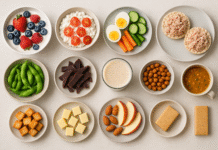
The fastest way to make breakfast mindful (and satisfying) is to build it around four anchors: 20–30 g protein, 8–12 g fiber, slow/whole-food carbohydrates, and a small portion of healthy fats. Protein stabilizes appetite and preserves lean tissue; fiber from whole grains, legumes, fruit, and seeds helps steady blood sugar and supports gut health; slow carbs (oats, whole wheat roti/toast, barley, millet) deliver steady energy; fats (olive oil, nuts, seeds) round out flavor and satiety. You don’t need to count obsessively—hit the ranges most mornings and your mid-morning focus improves.
4.1 Examples (mix & match)
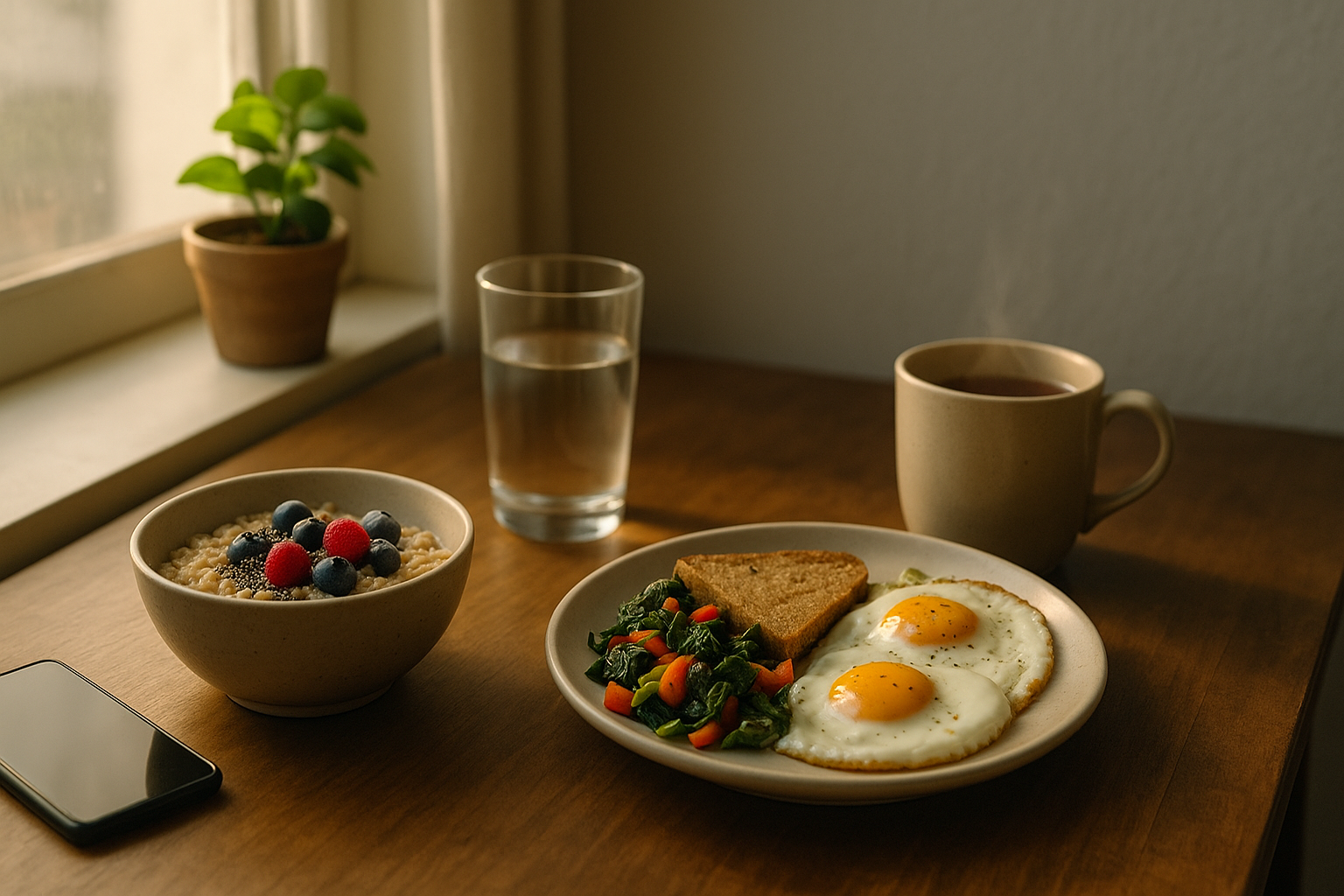
- Savory: 2 eggs + ½ cup sautéed vegetables + 1 small whole-grain roti + 1 tsp olive oil + ½ cup berries.
- Plant-based: ¾ cup tofu bhurji + 1 slice whole-grain toast + 1 Tbsp tahini + tomato-cucumber salad.
- Quick bowl: ½ cup dry oats cooked + ¾ cup yogurt + 1 Tbsp chia + ½ cup fruit + cinnamon.
4.2 Numbers & guardrails
- Protein per meal: aim ~0.25–0.4 g/kg (about 20–40 g for most adults).
- Fiber: total day target ~25–38 g; 8–12 g at breakfast is a helpful chunk.
- Fats: 1–2 Tbsp nuts/seeds/nut butter or a small drizzle of oil is enough.
Synthesis: A four-anchor plate prevents energy dips and guards against mid-morning grazing—without needing a calculator.
5. Choose Low-to-Moderate GI Carbs to Avoid the Mid-Morning Crash
Carb quality matters more than carb fear. Low-to-moderate glycemic index (GI) choices release glucose slower, helping attention and satiety. Think oats, barley, whole wheat, legumes, and fruit with peels; pair them with protein and fat to lower the meal’s overall glycemic impact. This doesn’t mean never eating white bread or paratha—just make the slower option your default and reserve quick carbs for sport or rare cravings.
5.1 How to do it
- Swap sugary cereals for steel-cut oats or overnight oats.
- Prefer whole wheat roti or multigrain toast over white bread.
- Add fiber boosters (chia, flax, berries) to cereal or yogurt.
- Add legumes: leftover chana, dal, or beans alongside eggs/tofu.
- If using honey/jam, keep it to 1–2 teaspoons.
5.2 Mini case
You usually eat white bread and jam at 8:00. By 10:30 you’re starving. Try switching to 1 slice multigrain toast + 2 eggs + sliced tomato + 1 tsp olive oil + a small apple. Most people report steadier energy and less grazing through noon.
Synthesis: Aim for “slow and whole” carbs, paired with protein and produce; your focus two hours later will thank you.
6. Make Protein the Anchor (Without Turning Breakfast Into a Science Project)
Protein upfront turns down the volume on cravings and supports muscle maintenance. Practical range: 20–30 g at breakfast for most adults, higher for larger or very active individuals. Animal and plant proteins both work—eggs, yogurt, milk, paneer, tofu, dal, beans, tempeh, skyr, and even leftovers from dinner. If you struggle to hit the range, blend: eggs + dal; yogurt + nuts/seeds; tofu + whole grains.
6.1 Tools & examples
- Eggs: 2 large eggs ≈ 12–13 g protein; add ½ cup dal (≈ 9 g) or ¾ cup yogurt (≈ 15–17 g).
- Dairy: ¾ cup Greek yogurt/skyr ≈ 15–20 g; cottage cheese/paneer similar per ¾ cup.
- Plant: ¾ cup firm tofu ≈ 15–18 g; 1 cup cooked beans ≈ 12–15 g; 2 Tbsp peanut butter ≈ 7–8 g.
6.2 Common pitfalls
- Just fruit + coffee. Low protein and fiber; hunger rebounds fast.
- Protein powders as a crutch. Useful sometimes, but aim for whole foods first.
- Only carbs pre-workout. Add a small protein source for better satiety and recovery.
Synthesis: Choose a protein “anchor,” then build the rest of the meal around it; the number on the plate matters less than the habit of leading with protein.
7. Load Your Plate With Plants for Fiber, Color, and Calm Energy
Breakfast is a golden chance to front-load fiber and polyphenols. Vegetables in omelets, dal with spinach, tomatoes on toast, fruit in oats, and seeds over yogurt all push you toward the day’s 25–38 g fiber goal. Fiber slows digestion, feeds the gut microbiome, and helps flatten glucose spikes. Color diversity (berries, leafy greens, tomatoes, peppers) often signals varied antioxidants; it also makes the plate more satisfying visually, which paradoxically helps you eat more slowly.
7.1 Simple adds (3–7 picks)
- ½ cup berries or diced mango
- 1 cup sautéed spinach/tomato/onion in eggs or tofu
- 1 small cucumber/tomato salad with lemon and herbs
- 1 Tbsp chia or ground flax
- ½ cup beans or dal
- 1 small apple or pear (peel on)
- Fresh herbs (cilantro/mint) for aroma and bite
7.2 Region-specific note
If you love paratha and chai, add plants and protein rather than only cutting: e.g., baked or tawa paratha + masala omelet with vegetables + small bowl of cucumber raita + reduce sugar in chai by half. You’ll keep the cultural favorite and upgrade satiety.
Synthesis: Plants early in the day lift fiber, flavor, and visual satisfaction—three levers that make mindful pacing easier.
8. Pace, Chew, and Actually Taste Your Food
Eating slowly isn’t fluff; it’s physiology. It takes time for fullness hormones and stretch signals to register. When you slow down—chewing food thoroughly, pausing between bites, setting the fork down—you perceive sweetness and savoriness more clearly and often eat just enough. A realistic pace is finishing breakfast in at least 10–15 minutes, not five, with mouthfuls chewed 15–20 times (more for fibrous foods). You’ll notice texture and temperature, which are the anchors of mindful tasting.
8.1 Mini-checklist
- Sit down. Place utensils down between bites.
- Chew 15–20 times; fully swallow before the next bite.
- Halfway pause: ask “Am I still hungry?”
- Aim for 10–15 minutes minimum; 20 is excellent.
- End at “comfortable” not “stuffed” (about 7/10 fullness).
8.2 Tiny experiment
If you normally finish breakfast in 6 minutes, set a timer for 12. Keep the same meal. Most people report equal satisfaction with less desire to snack mid-morning, because satiety had time to show up.
Synthesis: Pacing is free, immediate, and powerful—no special diet required.
9. Brew Better: Caffeine, Chai/Coffee, and Sugar Smarts
Caffeine can enhance alertness, but timing and dose matter for sleep and jitters. A modest cup with or after breakfast is a reasonable default for most adults. If sleep is fragile, avoid caffeine at least 8 hours before bedtime. Be mindful of sugar in chai/coffee; many people unknowingly sip 2–4 teaspoons (8–16 g) of added sugar every morning, which adds up quickly. If you love sweet tea or coffee, taper sweetness gradually; spice (cardamom, cinnamon) or milk froth can maintain enjoyment with less sugar.
9.1 How to do it
- Keep added sugar at breakfast to 0–8 g when possible; taper 1 tsp at a time.
- If you get jitters, try caffeine with food and consider a smaller cup.
- For afternoon meetings or workouts, switch to decaf or unsweetened tea later in the day.
- Sensitive sleepers: set a hard caffeine cutoff 8–10 hours before bed.
9.2 Numbers & guardrails
- Typical caffeine half-life ranges widely (~2–12 hours), so individual responses vary.
- Watch for hidden sugars in “ready-to-drink” coffees/teas and sweetened creamers.
Synthesis: Keep caffeine a supportive tool, not a sugar delivery system—your focus will feel cleaner and your sleep will thank you.
10. Time Your Breakfast With Your Body Clock (But Don’t Force It)
Meal timing interacts with circadian rhythms. Many people feel and perform better when most calories are earlier in the day, but “breakfast or bust” is outdated—skipping isn’t automatically harmful and doesn’t guarantee weight gain or loss. Practical rule: eat within 1–3 hours of waking if you’re genuinely hungry; if not, start with water, light, and a small protein-forward mini-meal and have a fuller meal mid-morning. Align earlier if you struggle with late-night snacking or sleep.
10.1 How to do it
- If mornings are hectic, move a portion of dinner to a container as “tomorrow’s breakfast.”
- Early exercisers: a carb + protein snack (e.g., banana + yogurt) before training, fuller meal after.
- If you’re experimenting with time-restricted eating, keep the first meal balanced and protein-forward.
10.2 Numbers & guardrails
- Early daytime eating windows (e.g., 8 a.m.–6 p.m.) may support cardiometabolic markers for some individuals, but personalization matters.
- Breakfast is optional for weight; consistency and quality outrank ideology.
Synthesis: Let hunger and schedule guide timing—prioritize earlier, steadier energy if it helps you sleep and snack less.
11. Micro-Prep: Five-Minute Setups That Save Your Morning
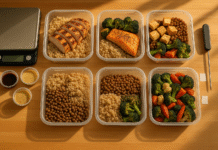
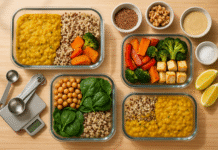
Mindful doesn’t mean elaborate. A few micro-preps turn chaotic mornings into calm. The night before, assemble overnight oats; batch-boil eggs; chop vegetables for omelets; soak chana; portion berries; or pre-fill a water bottle and set your mug and pan on the counter. In the morning, you’re assembling, not deciding—cognitive load drops, and it’s easier to keep the phone away and the pace slow.
11.1 Five quick prep ideas
- Overnight oats: oats + milk/yogurt + chia + fruit.
- Egg box: boil 6 eggs; grab 2 with veg and toast.
- Tofu/egg bhurji kit: chopped onion/tomato/pepper in a container; cook in 5 minutes.
- Paratha upgrade: make whole-wheat dough ahead; cook on tawa with minimal oil.
- Grab-and-go: yogurt cup + nut/seed mix + apple.
11.2 Common mistakes
- No plan for “late” days. Keep a 2-minute option (yogurt + fruit + nuts).
- Only carb prep. Pre-cook protein, too (eggs, tofu, beans).
- Skipping plants. Pre-wash/snack veggies (cucumber, cherry tomatoes) to toss onto plates.
Synthesis: Micro-prep turns mindful breakfast from a hope into a habit—especially on busy weekdays.
12. Troubleshoot: Real-Life Scenarios and Quick Fixes
Even with good intentions, life happens: travel, kids, deadlines, training days. A Mindful Breakfast adapts, not breaks. Have a “Plan B” when you’re short on time, and a “Plan C” when you’re out of the house. On training mornings, tune portions toward carbs and protein; on sedentary days, lean more on protein, veg, and fiber. If stress kills appetite, go small now and schedule a mid-morning mini-meal.
12.1 Common scenarios & fixes
- Running late: yogurt + banana + almonds; or two boiled eggs + fruit; or a skyr cup + oats.
- On the road: convenience store? Choose plain yogurt, nuts, unsweetened milk, a piece of fruit.
- Kids at the table: make a topping bar (fruit, seeds, yogurt) and involve them in plating.
- After a hard workout: 25–40 g protein + 30–60 g carbs (oats, toast, fruit) within 1–2 hours.
- Low appetite mornings: smoothie with yogurt/tofu + fruit + seeds; finish the rest at 10–11 a.m.
12.2 Mini-checklist
- One 2-minute breakfast, one 5-minute breakfast, one “travel kit.”
- Keep shelf-stable backups: oats, seeds, nut butter, shelf-stable milk, fruit.
- Revisit your plan weekly; adjust for upcoming early starts or trips.
Synthesis: When you plan for messy realities, mindfulness survives contact with Monday.
FAQs
1) What exactly is a “Mindful Breakfast,” and why does it matter?
It’s a meal you eat with full attention—phone-free, paced, and balanced—with protein, fiber, slow carbs, and modest fats. The payoff is steadier energy, fewer mid-morning cravings, and a calmer start. You don’t need a special diet; you need presence, better defaults, and a tiny bit of prep.
2) Do I have to eat breakfast to be healthy?
No. Breakfast isn’t mandatory for everyone. Some people feel better and snack less when they eat earlier; others prefer a later first meal. Quality, timing, sleep, and total intake across the day matter more than the ideology of “always” or “never.” If you skip breakfast and overeat at night, experimenting with an earlier meal can help.
3) How much protein should I target at breakfast?
Most adults do well with 20–30 g of protein at breakfast, higher if you’re larger or very active. That could look like 2 eggs + yogurt, tofu scramble with beans, or skyr with seeds and oats. Even distribution across meals typically supports satiety and muscle maintenance better than loading protein at dinner.
4) What are easy high-fiber additions?
Chia or ground flax (1 Tbsp), berries or an apple, sautéed spinach/tomato in eggs or tofu, and a scoop of cooked beans/dal all add 3–6 g each. Aim for 8–12 g at breakfast and you’ll be well on your way to the daily 25–38 g.
5) I love paratha and chai. Can breakfast still be mindful?
Yes. Keep the pattern: add protein (eggs, yogurt, dal), include vegetables or fruit, and gradually reduce sugar in chai. Consider baked or lightly oiled tawa paratha most days, keeping richer versions as a weekend treat.
6) How do I slow down if I’m always rushing?
Prepare one 2-minute backup (yogurt + fruit + nuts) and pre-plate it the night before. Then protect a 5-minute phone-free window. Sit, chew, and pause halfway to check fullness. Even five minutes can shift your whole morning.
7) What about coffee timing—is there a “best” time?
There’s no universal best, but for sensitive sleepers a caffeine cutoff 8–10 hours before bedtime helps. Pair coffee/tea with or after food to soften jitters, and watch added sugars. If you need an afternoon pick-me-up, try light exposure, a quick walk, or decaf.
8) I train in the morning—should breakfast be different?
Yes. Before training, a small carb + protein snack (banana + yogurt or toast + peanut butter) can help. Afterward, include 25–40 g protein and 30–60 g carbs to refuel and recover. Hydrate early and keep caffeine modest if you’re prone to jitters.
9) Is low-carb the only way to avoid energy crashes?
No. Carb quality and pairing matter more than extreme restriction. Whole grains, legumes, fruit, and vegetables—especially when paired with protein and fats—offer steady energy without the crash many get from refined, sugary choices.
10) I’m not hungry in the morning. Should I force breakfast?
Don’t force it. Start with water and light. If appetite wakes later, have a balanced mini-meal mid-morning. If you routinely arrive at lunch starving and overeat, try a modest, protein-forward breakfast or a planned mid-morning snack.
11) Can a Mindful Breakfast help with weight management?
It can help indirectly: slowing down, balancing protein and fiber, and reducing mindless sugar are habits that support appetite regulation and sustainable intake. But breakfast itself isn’t magic—consistency across the day and week is what matters.
12) How do I keep this up on busy workweeks?
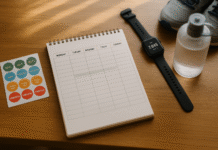
Set a weekly 10-minute “breakfast reset”: stock yogurt, eggs/tofu, oats, fruit, and seeds; boil eggs; chop veg; portion nuts. Choose one 2-minute and one 5-minute default and stick a note on the fridge. Friction down; mindfulness up.
Conclusion
A Mindful Breakfast isn’t a ceremonial ritual—it’s a reliable pattern you can repeat on messy Mondays and gentle Sundays alike. Hydrate and step into light to tell your body it’s morning. Sit down for five phone-free minutes and check your hunger. Build a balanced plate anchored by protein and plants; choose slow carbs and a small portion of healthy fats. Chew, pace, and taste. Time caffeine thoughtfully, and tailor meal timing to your sleep, training, and schedule. Most importantly, lower friction with micro-prep and keep a plan for “late” days. Over time, these small moves stack into steadier energy, clearer focus, and calmer mornings. Start with one step tomorrow—hydrate, light, and a simple protein + plant plate—and build from there. Ready to try? Pick your two-minute default and set your phone aside for five minutes at breakfast.
References
- Dietary Guidelines for Americans, 2020–2025 (9th ed.) — U.S. Department of Agriculture & U.S. Department of Health and Human Services, 2020. https://www.dietaryguidelines.gov/sites/default/files/2020-12/Dietary_Guidelines_for_Americans_2020-2025.pdf
- Fiber — The Nutrition Source — Harvard T.H. Chan School of Public Health, n.d. (accessed Aug 2025). https://nutritionsource.hsph.harvard.edu/carbohydrates/fiber/
- Extra protein at breakfast helps control hunger — Harvard Health Publishing, Dec 1, 2018. https://www.health.harvard.edu/staying-healthy/extra-protein-at-breakfast-helps-control-hunger
- Effect of breakfast on weight and energy intake: systematic review and meta-analysis of RCTs — BMJ, 2019. https://www.bmj.com/content/364/bmj.l42
- Caffeine and Sleep Problems — Sleep Foundation, updated Jul 16, 2025. https://www.sleepfoundation.org/nutrition/caffeine-and-sleep
- Glycemic Index — Official GI website — University of Sydney GI Group, updated 2025. https://glycemicindex.com/
- Meal Timing and Frequency: Implications for Cardiometabolic Health — American Heart Association Scientific Statement, Circulation, 2017. https://www.ahajournals.org/doi/10.1161/cir.0000000000000476
- Meditation and Mindfulness: Effectiveness and Safety — National Center for Complementary and Integrative Health (NCCIH), Jun 3, 2022. https://www.nccih.nih.gov/health/meditation-and-mindfulness-effectiveness-and-safety
- Early Time-Restricted Feeding Improves Insulin Sensitivity, Blood Pressure, and Oxidative Stress — Sutton et al., Cell Metabolism, 2018. https://www.cell.com/cell-metabolism/fulltext/S1550-4131%2818%2930253-5
- About Water and Healthier Drinks — Centers for Disease Control and Prevention (CDC), 2024 (page reviewed; accessed Aug 2025). https://www.cdc.gov/healthy-weight-growth/water-healthy-drinks/index.html
- Effects of light on human circadian rhythms, sleep and mood (Review) — Blume et al., Somnologie, 2019. https://pmc.ncbi.nlm.nih.gov/articles/PMC6751071/
- How Long Does It Take for Caffeine to Wear Off? — Sleep Foundation, updated Jul 16, 2025. https://www.sleepfoundation.org/nutrition/how-long-does-it-take-caffeine-to-wear-off