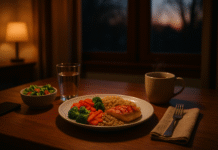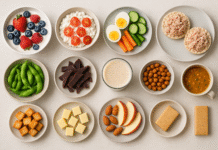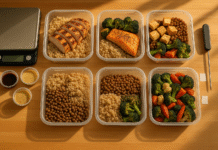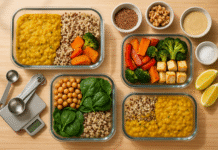























Weekly meal prep is the practice of planning, shopping, cooking, and portioning meals in one or two sessions so you can eat well all week with minimal daily effort. A balanced 7-day menu simply means your breakfasts, lunches, dinners, and snacks collectively meet your nutrition goals—adequate protein, fiber, and healthy fats—while fitting your budget, schedule, and taste. This guide walks you through seven proven steps, from setting targets to reheating safely, with realistic menus, shopping tactics, and time-saving tips. General disclaimer: this article is educational and not a substitute for individualized medical advice.
Quick answer (for skimmers): To plan a balanced 7-day menu, (1) set clear nutrition, budget, and time constraints; (2) map a simple weekly menu using repeatable themes; (3) build a categorized shopping list from that menu; (4) batch-cook in a logical order; (5) portion and store safely; (6) check the macro/fiber balance and make smart swaps; and (7) assemble and reheat meals with midweek adjustments.
1. Define Your Targets: Nutrition, Budget, Time, and Preferences
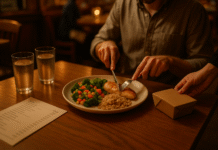
Start by deciding exactly what “balanced” means for you this week; then lock constraints that will steer every choice. A practical baseline is the Healthy Eating Plate: half your plate vegetables and fruits, one-quarter whole grains or starchy veg, and one-quarter protein, plus healthy fats and water. This visual model helps ensure variety and nutrient density without complicated math. Set a daily calorie range (e.g., 1,800–2,400 kcal for many adults) and protein target; if you train regularly, 1.4–2.0 g protein per kilogram of body weight per day is a widely cited range for active people. Next, set a fiber goal (e.g., 25 g/day for most women, 38 g/day for most men) to support fullness and digestive health. Cap sodium—most adults benefit from keeping intake ≤2,300 mg/day, with 1,500 mg/day as an ideal goal. Finally, set your budget, time window for the main prep (e.g., 2–3 hours), and any dietary requirements (e.g., halal, vegetarian, gluten-free). Mayo Clinic Health System
1.1 Numbers & Guardrails
- Protein example: 70-kg person × 1.6 g/kg ≈ 112 g/day (e.g., 3 main meals with 30–35 g each + a 15–20 g snack).
- Fiber: Aim for 25–38 g/day, or 14 g/1,000 kcal as a simple rule-of-thumb.
- Sodium: Keep ≤2,300 mg/day; try to choose low-sodium stock, canned beans, and sauces.
1.2 Common Mistakes
- Planning calories without setting protein/fiber minimums.
- Ignoring time reality (aiming for 10 recipes when you have 90 minutes).
- Overloading on sauces/sodium and underseasoning with herbs/citrus.
Bottom line: write these constraints at the top of your plan; they become your week’s “rules of the road” and prevent impulse decisions from derailing balance.
2. Build a Simple 7-Day Framework (Menus That Reuse Ingredients)
A balanced 7-day menu is easier when you repeat patterns. Choose two breakfasts, three lunches, and four dinners that intentionally share ingredients—like a big pot of grains, a tray of roasted veg, and two proteins that morph into multiple meals. Anchor dinners with “theme nights” (e.g., Sheet-Pan Monday, Curry Tuesday, Bowl Wednesday, Pasta Friday) and let lunches rely on components (protein + grain + veg + sauce). This approach lowers cost, reduces waste, and keeps flavors varied without multiplying recipes. It also scales for households: just adjust portions and sides.
2.1 Sample 7-Day Menu Skeleton (Swap to Fit Your Cuisine)
- Breakfasts (rotate 2):
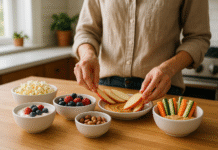
- Overnight oats with chia, berries, and nut butter.
- Veg omelet cups + whole-grain toast or roti.
- Lunches (mix & match 3):
- Grilled chicken (or tofu) grain bowls: brown rice + roasted veg + tahini-yogurt.
- Lentil & veggie soup with side salad and whole-grain bread.
- Chickpea “shawarma” salad with cucumber, tomato, olives, lemon-garlic dressing.
- Dinners (4 anchors):
- Sheet-Pan: salmon (or paneer) + potatoes + green beans.
- Curry/Stew: daal + cumin basmati + kachumber.
- Bowl: fajita-style peppers/onions + beef/beans + corn + salsa.
- Pasta/Whole-grain: whole-wheat spaghetti + tomato-lentil sauce + salad.
2.2 Tools/Examples
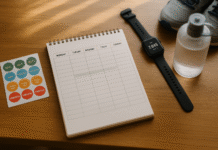
- Planning apps/templates: Google Sheets, Notion, Mealime, Paprika, AnyList.
- Overlap strategy: roast 2–3 sheet pans of mixed veg on prep day; use in grain bowls, wraps, and pasta toss-ins.
- Region-savvy swaps (South Asia / hot climates): pick hardy greens (cabbage, carrots) and quick-cooking pulses; buy smaller quantities of delicate herbs and restock midweek.
Bottom line: Decide the structure first. You can vary sauces and sides for novelty while staying within your nutrition and time targets.
3. Write a Categorized Shopping List (That Matches Your Menu & Budget)
Turn your 7-day framework into a precise list organized by store section (produce, pantry, dairy, meat/alternatives, frozen). Check your pantry/freezer before adding items; then batch similar ingredients (e.g., “3 onions total” not “1 onion” per recipe). A categorized list shortens shop time and reduces missed items. To budget, price a few staples at your usual stores, note unit prices (per 100 g or per pound), and compare. Focus bulk buys on shelf-stable or freezable items (rice, oats, legumes, frozen berries) and buy perishable items in quantities you can prep or freeze within 2–3 days.
3.1 Mini Example (1 Person, ~2,000 kcal/day, 7 Days)
- Proteins: 1 kg chicken thighs or 700 g firm tofu; 500 g salmon or paneer; 1 kg mixed lentils/beans.
- Grains/Starch: 1.5 kg brown rice/bulgar/whole-wheat pasta; 1.5 kg potatoes/sweet potatoes; 10–14 slices whole-grain bread or 7 rotis.
- Produce: 1.2–1.5 kg mixed veg for roasting (carrots, peppers, cauliflower), 1 head leafy greens, 1 cucumber, tomatoes, onions, garlic, 1–2 herbs, 7–10 fruits.
- Dairy/Alts: 1 L milk or fortified alt, 500 g yogurt.
- Pantry: olive oil/ghee, spices (cumin, coriander, paprika), canned tomatoes, chickpeas, broth/stock (low-sodium), tahini, soy sauce.
- Extras: lemons/limes, nuts/seeds.
3.2 Budget Tactics
- Build around loss leaders (weekly specials).
- Use one versatile sauce base (e.g., garlic-yogurt) to replace costly bottled dressings.
- Buy whole veg and cut yourself; pre-cut costs more.
- Plan a midweek “top-up” for delicate produce.
- Track cost/serving in your sheet; aim for ranges (e.g., breakfast $0.60–$1.20, lunch $2–$3.50, dinner $3–$5) and adjust proteins accordingly.
Bottom line: The week’s list should reflect your meal structure, not the other way around—shop once with intent, then cook what you planned.
4. Batch-Cook With a Smart Workflow (2–3 Hours, Minimal Chaos)
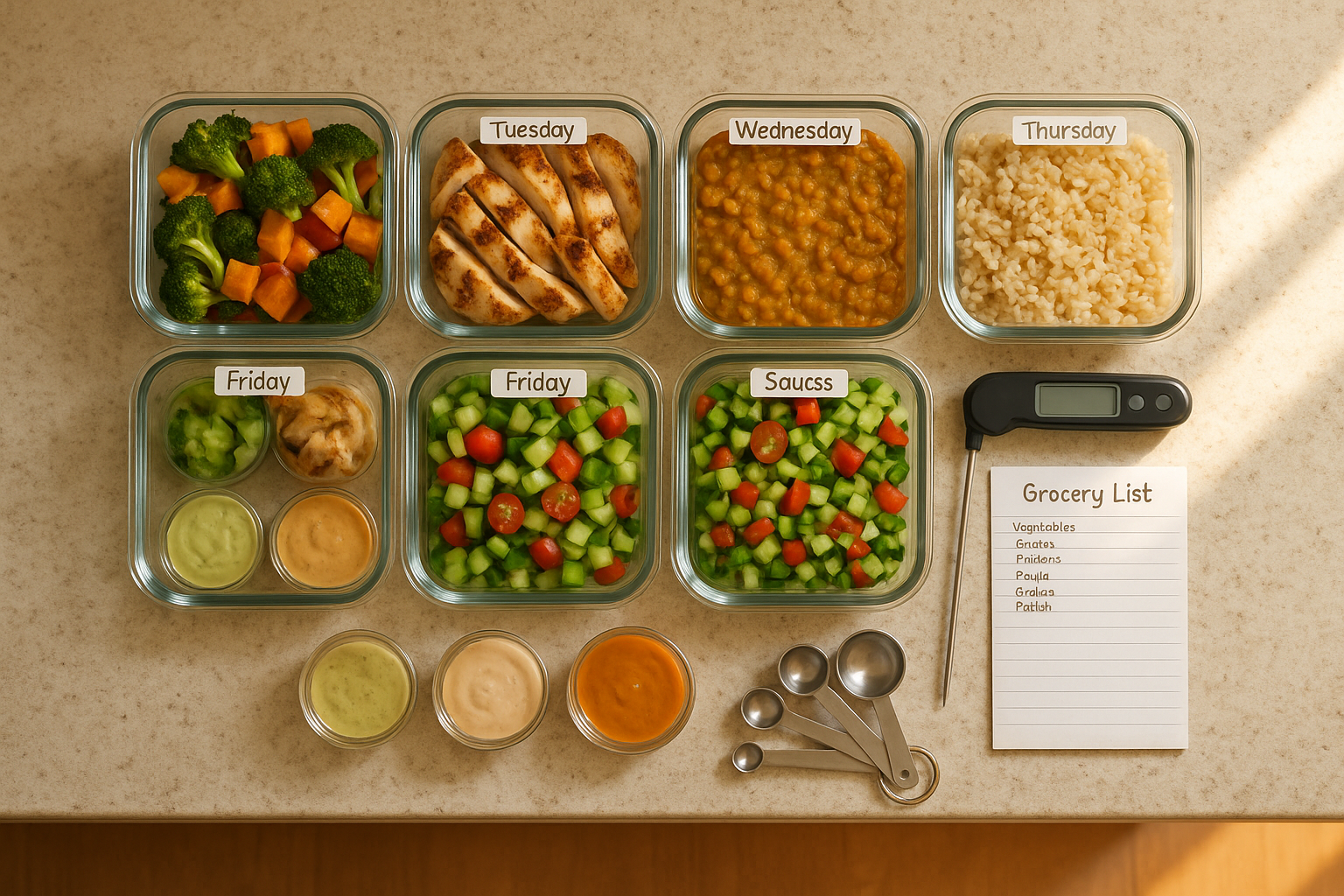
Batch-cooking is where your plan becomes real meals. A good workflow sequences tasks to maximize appliance use and cooling time. Start with long-lead items (grains, stews), load the oven with sheet pans, and use the stovetop for quick sautés while things bake. Keep a “command station”: timer, thermometer, labels, and containers. Cool foods quickly in shallow containers; in hot weather (≥32°C), move cooked foods to the fridge within 1 hour to stay out of the bacterial “danger zone.” Reheat thoroughly during the week to 165°F (74°C).
4.1 Suggested 150-Minute Flow (Example)
- 0–15 min: Wash hands; clear sinks; preheat oven to 200°C/400°F; start rice cooker or pot (brown rice).
- 15–35 min: Chop a full board of roasting veg; toss with oil/spices; load 2–3 sheet pans.
- 35–55 min: Start daal or soup; set to simmer.
- 55–75 min: Pan-sear chicken/tofu; finish in oven if needed; begin a second grain (bulgur or pasta).
- 75–95 min: Make two sauces/dressings; chop salad components; rinse beans.
- 95–120 min: Pull trays; rest proteins; taste and adjust stew/soup.
- 120–150 min: Portion into shallow containers; label; cool fast; store.
4.2 Mini Checklist
- Thermometer ready; check internal temps.
- Shallow containers (≤5 cm depth) for faster cooling.
- Label: dish + date + “use by”.
- Clean-as-you-go to keep surfaces clear.
Bottom line: A simple sequence and a couple of big batch anchors (grains + one stew + roasted veg) yield a whole week’s worth of mix-and-match meals.
5. Portion, Store, and Reheat Safely (No Guesswork)
Food safety underpins the entire week. Keep the fridge at ≤4°C / 40°F and the freezer at ≤–18°C / 0°F. Refrigerate perishable foods within 2 hours of cooking—or 1 hour if ambient temperatures exceed 32°C / 90°F. Most cooked leftovers keep 3–4 days in the fridge; freeze portions you won’t eat by then. Always reheat leftovers to 165°F (74°C) measured at the food’s center; sauces and soups should bubble throughout. Watch rice in particular: cool quickly, refrigerate promptly, and reheat thoroughly to reduce Bacillus cereus risk. Label containers and use FIFO (first-in, first-out).
5.1 Safety Mini-Guide
- Danger Zone: 40–140°F (4–60°C); bacteria multiply fastest here.
- Cooling: Split hot food into shallow containers; refrigerate promptly. (Food service guidance: 135→70°F within 2 hours, 70→41°F within 4 hours.) U.S. Food and Drug Administration
- Rice: Chill quickly; don’t leave on “warm”; reheat only once. National agencies emphasize rapid cooling and thorough reheating for rice.
- Appliance targets: Fridge ≤40°F; Freezer ≤0°F.
5.2 Containers & Labels
- Favor borosilicate glass (oven/microwave-safe) for mains; BPA-free plastic for snacks.
- Use 2-compartment trays for meals with sauces; leakproof cups for dressings.
- Label with date and use-by window (e.g., “Mon stew—use by Thu”).
Bottom line: Cold fast, heat hot, and label everything—those three habits keep your 7-day plan safe and stress-free.
6. Balance the Plate: Protein, Fiber, Veg Variety, and Smart Swaps
A “balanced” 7-day menu wins on the weekly average, not perfection at every bite. Anchor each main meal with 25–35 g protein, add 7–12 g fiber across the day per meal (to reach 25–38 g total), and cover color variety across the week (dark leafy greens, orange veg, crucifers, berries). Keep sodium in check by seasoning with herbs, citrus, garlic, and spices; choose low-sodium stocks and rinse canned beans. If calories need trimming, swap half the starch for non-starchy veg; if energy needs are high, add nuts, olive oil, or an extra grain scoop.
6.1 Smart Swaps (By Goal)
- More protein: add eggs, Greek yogurt, cottage cheese, tofu/paneer, legumes; boost bowls with 90–120 g cooked meat or 150–200 g tofu.
- More fiber: choose oats over cornflakes; brown rice over white; add ½ cup beans/lentils to soups/sauces. Mayo Clinic
- Lower sodium: pick “no-salt-added” tomatoes/beans; season with lemon, cumin, coriander, chili, and fresh herbs.
- Healthy fats: add olive oil, avocado, nuts/seeds in measured amounts.
6.2 Region-Savvy Examples
- South Asia: rotate daal, chana, rajma; use chapati/roti as whole-grain anchors; snack on roasted chana and seasonal fruit.
- Middle East & North Africa: build mezze plates (hummus, tabbouleh, grilled chicken/tofu, olives) with whole-grain pita.
- Hot climates: emphasize quick-wilting sautéed greens and no-cook salads midweek.
Bottom line: Use the Healthy Eating Plate as the north star, then nudge macronutrients and sodium with easy swaps to hit your weekly targets.
7. Assemble, Reheat, and Adapt Midweek (Stay Flexible Without Drifting)
All the prep pays off only if weeknights feel frictionless. Assemble plates using a simple 2-1-1 formula: 2 parts vegetables, 1 part protein, 1 part whole grains/starch, plus a spoon of healthy fat or sauce. Reheat moist foods in covered containers and add a splash of water; crisp items (roasted potatoes, breaded cutlets) in an air fryer or oven. Always reheat leftovers to 165°F (74°C) and serve hot. Plan “rescue meals”—ultra-quick backups like eggs + sautéed veg, tuna/chickpea salad, or frozen mixed veg tossed with tofu and a bottled curry paste—to catch surprise schedule changes. If you live somewhere hot, remember the 1-hour rule for getting perishable foods back into the fridge after a grocery run or cooking session.
7.1 Mini Checklist
- Keep fresh garnishes (herbs, lemon, scallions, pickled onions) ready; they make prepped meals taste “new.”
- Do a Wednesday audit: freeze anything you won’t eat by Day 4.
- Maintain a running list of wins/keepers for next week’s plan.
Bottom line: Make eating the easy choice—safe reheating, bright finishing touches, and one midweek check keep the plan on track.
FAQs
1) Is weekly meal prep safe for a full 7 days?
Yes—with smart freezing and a midweek check. Most cooked leftovers are safest for 3–4 days in the fridge; freeze portions you won’t eat by then and thaw in the fridge the night before. Reheat all leftovers to 165°F (74°C) and discard anything left out more than 2 hours (or 1 hour above 32°C/90°F).
2) How long should a full prep session take?
Plan 2–3 hours for a week of components if you batch wisely: one grain, one stew, two proteins, two sheet pans of veg, and a couple of sauces. Larger families or more elaborate menus may take longer; shaving time comes from overlapping oven/stovetop tasks and pre-chopping.
3) What containers are best?
Use glass for mains (oven/microwave-safe, less staining), BPA-free plastic for snacks/fruit, and leakproof 2-compartment boxes for saucy meals. Choose shallow containers for fast cooling and safe storage (≤5 cm depth); label by date and “use by”.
4) What are good protein targets per meal?
Many active adults aim for 25–35 g protein per main meal, with daily totals between 1.4–2.0 g/kg of body weight depending on training, body size, and goals. Spread protein across the day for muscle maintenance and recovery.
5) How do I prevent soggy vegetables?
Roast hot (200–220°C / 400–425°F), don’t crowd pans, and cool quickly before lidding. Reheat dry in an air fryer/oven or re-crisp in a hot pan. Store delicate greens separately and add at assembly.
6) Can I safely meal-prep rice and pasta?
Yes—cool quickly, refrigerate promptly, and reheat thoroughly. Rice needs special care because of Bacillus cereus; don’t leave it warm on the counter or in the cooker, and reheat to 165°F (74°C) before eating. Right as Rain by UW Medicine
7) How can I keep sodium under control?
Cook from minimally processed ingredients, choose low-sodium canned goods and stock, and season with herbs, spices, citrus, and yogurt-based sauces. Most adults should stay ≤2,300 mg/day, with 1,500 mg/day as an ideal target.
8) What if I hate eating the same thing every day?
Prep components, not single full meals: a protein, a grain, two veg, and a couple of sauces. You can turn them into bowls, wraps, salads, or pasta toss-ins. Flavor variety (e.g., chimichurri vs. tahini-yogurt) makes the same base feel different.
9) How do I fit in enough fiber without feeling bloated?
Aim for 25–38 g/day, ramp up gradually, and drink water. Mix soluble (oats, beans, citrus) with insoluble (whole grains, veg skins). Add ½ cup beans to one meal daily and swap whole grains for refined to close the gap.
10) What’s a realistic budget for one person?
It varies by region, but many people hit $40–$70/week by centering legumes, grains, eggs, seasonal produce, and one or two higher-cost proteins. Track cost/serving and adjust portion sizes and proteins to meet your number.
11) Do I need a food thermometer at home?
It’s one of the best low-cost tools you can buy. It confirms safe 165°F (74°C) reheats and correct doneness for meats. It also reduces overcooking, so food tastes better. Food Safety and Inspection Service
12) Is there a best “day” to meal prep?
Pick the day that naturally pairs with your shopping trip and leaves a 2–3 hour block. Many people like Saturday shop + Sunday prep, but any day works as long as you hit the 2-hour refrigeration window for cooked foods in warm weather.
Conclusion
A balanced 7-day menu isn’t about perfection—it’s about stacking small, smart decisions so good meals are the default all week. By defining your nutrition, budget, and time constraints up front, the rest of the process becomes a straightforward checklist: map a simple weekly framework, shop against that plan, batch-cook anchor components, and store them safely. During the week, assemble plates with a 2-1-1 formula, brighten with fresh garnishes, and keep a couple of rescue meals ready for chaos. Most importantly, review midweek: freeze what you won’t use, adjust your next plan based on what you loved (or didn’t), and refine your shopping list to cut waste. Treat this as a repeatable system, not a one-off project, and meal prep turns from a Sunday chore into a weekly superpower. Ready to start? Pick one protein, one grain, two vegetables, and a sauce—then schedule your 150-minute prep block this week.
References
- Healthy Eating Plate — Harvard T.H. Chan School of Public Health / Harvard Health Publishing. 2011–present. The Nutrition Source
- How Much Sodium Should I Eat Per Day? — American Heart Association. July 15, 2025. www.heart.org
- International Society of Sports Nutrition Position Stand: Protein and Exercise — Journal of the International Society of Sports Nutrition. 2017. PubMed
- Dietary Fiber: How Much Do You Need? — Mayo Clinic / National Academy of Medicine figures. 2018–2025. and Mayo Clinic News NetworkMayo Clinic Press
- Position of the Academy of Nutrition and Dietetics: Health Implications of Dietary Fiber — Journal of the Academy of Nutrition and Dietetics. 2015. PubMed
- Leftovers and Food Safety — USDA Food Safety and Inspection Service (FSIS). July 31, 2020. Food Safety and Inspection Service
- “Danger Zone” (40°F–140°F) — USDA FSIS. June 28, 2017. Food Safety and Inspection Service
- 4 Steps to Food Safety — FoodSafety.gov (USDA/HHS). September 18, 2023. FoodSafety.gov
- About Four Steps to Food Safety — Centers for Disease Control and Prevention. April 29, 2024. CDC
- Always Refrigerate Perishable Food Within 2 Hours — CDC. February 14, 2024. CDC
- Safe Minimum Internal Temperature Chart — USDA FSIS. 2024. FoodSafety.gov
- Home Food Fact Checker (Rice Safety) — UK Food Standards Agency. Accessed 2025. Food Standards Agency