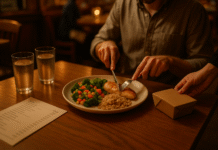






















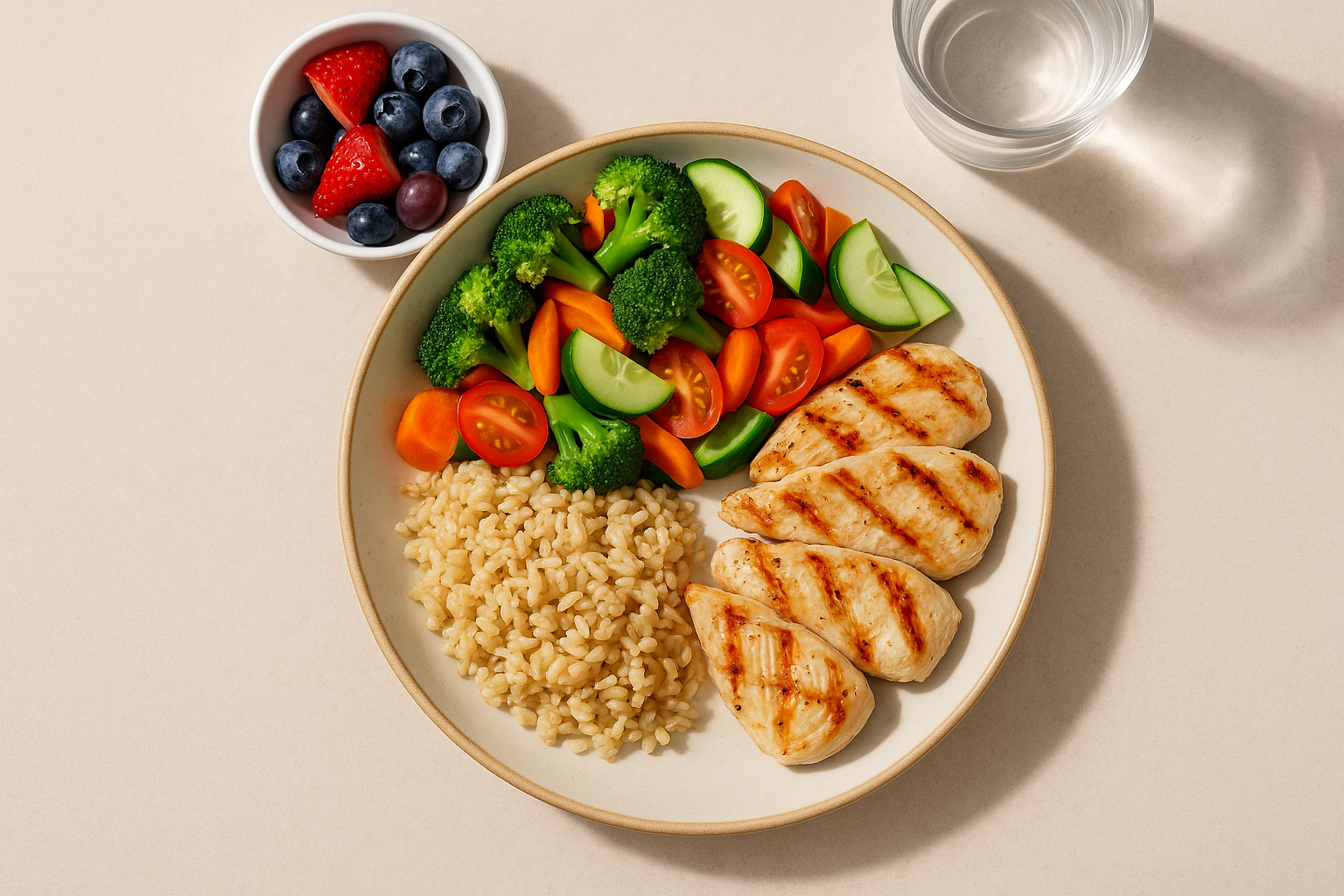
The Plate Method is a fast, visual way to build balanced meals without counting calories or macros. In one glance: fill ½ your plate with non-starchy vegetables, ¼ with lean protein, and ¼ with high-quality carbohydrates like whole grains or starchy vegetables. This simple layout helps control portions, steady energy, and make healthier choices at home or when eating out. In this guide, you’ll learn exactly how to use the method, how to adapt it to your cuisine, and how to make it stick in real life. Educational only; not a substitute for personalized medical advice.
Quick start (at a glance):
- 9-inch plate → ½ veggies, ¼ lean protein, ¼ whole grains/starchy veg
- Add a spoon-sized portion of healthy fats for cooking or dressing
- Fruit and/or dairy as small sides if desired
- Water or unsweetened tea/coffee instead of sugary drinks
- Adjust portions for activity level, appetite, and health goals
1. Set Your Foundation: A 9-Inch Plate and the ½-¼-¼ Layout
Begin by choosing a 9-inch (about 23 cm) plate—the size matters because it gently caps how much food fits without feeling restrictive. Next, mentally draw a line to split the plate in half, then divide the remaining half into two equal quarters. This yields the classic ½ vegetables, ¼ lean protein, ¼ quality carbs balance. The advantage is speed and consistency: you don’t need measuring cups at every meal. This layout works across cuisines and cooking styles—from roasted trays to one-pot meals—because you can plate the finished food to match the visual proportions. If you eat from bowls, use the same fractions by volume. The goal is a repeatable habit you can follow at breakfast, lunch, and dinner.
1.1 Why it matters
- A smaller plate helps prevent “portion creep” created by large dinnerware.
- The ½-¼-¼ split naturally boosts fiber and micronutrients while moderating calories.
- It reduces decision fatigue—your eyes and plate do the portioning for you.
- It fits with major public health frameworks (e.g., diabetes plate and healthy eating plates).
1.2 How to do it
- Use a 9-inch plate most of the time; scale up modestly for very high activity days.
- Plate vegetables first (they claim the most space).
- Add protein to one quarter, then carbs to the last quarter.
- Dress with a measured splash of healthy oil or a small pat of flavorful topping.
Bottom line: anchor every meal to the ½-¼-¼ visual; consistency beats precision.
2. Fill Half Your Plate with Non-Starchy Vegetables
Start by claiming half your plate for non-starchy vegetables—think leafy greens, broccoli, cauliflower, peppers, tomatoes, cucumbers, mushrooms, eggplant, okra, zucchini, and similar. This half-plate is the engine of satiety: vegetables add volume, fiber, and water with relatively few calories, helping you feel full without overloading energy intake. Roasted, sautéed, steamed, raw, or air-fried—variety keeps the habit enjoyable. Aim for multiple colors daily; different pigments often mean different beneficial compounds. If you’re new to this, prep a big batch of versatile veg (e.g., roasted mixed vegetables) to reheat throughout the week. For salads, add a protein and a whole-grain topper to complete the plate.
2.1 Numbers & guardrails
- The diabetes plate and healthy plates consistently recommend ½ plate vegetables as a starting point.
- For reference, one veg portion is often ~80 g (e.g., a small apple-sized serving or 3 heaped tablespoons cooked veg). You don’t need to count, but it helps calibrate your eye. NHS inform
2.2 Mini-checklist
- Color: include at least two colors per meal.
- Texture: mix raw crunch with cooked softness for satisfaction.
- Convenience: keep frozen veg or pre-washed greens on hand.
- Flavor: lean on spices, citrus, vinegar, and herbs.
- Local notes: sabzi (mixed veg), stir-fried bhindi (okra), or kachumber salad all fit perfectly.
Bottom line: half a plate of colorful, non-starchy veg is your most reliable fullness and nutrient strategy.
3. Reserve One Quarter for Lean Protein
Protein occupies ¼ of your plate to support fullness, muscle repair, and stable energy. “Lean” means choosing options lower in saturated fat and prepared in lighter ways (grilling, baking, steaming). Excellent choices include fish, skinless poultry, eggs, tofu, tempeh, edamame, lentils, chickpeas, beans, and low-fat paneer or yogurt. If you prefer red meat, keep portions modest and frequency lower. Plant-forward eaters can rotate dal (lentils), chana (chickpeas), kidney beans, soy, or seitan; just remember many legumes also contain carbohydrates, so you may split them between the protein and carb quarters when plating.
3.1 How to do it
- Use the palm of your hand (without fingers) as a quick guide to a cooked protein portion.
- Marinate or spice boldly so smaller portions still feel satisfying.
- Batch-cook protein (e.g., roasted chicken, baked tofu) for mix-and-match bowls.
- Mix plant and animal proteins across the week if you’re omnivorous.
3.2 Tools/Examples
- Examples (¼ plate): grilled fish fillet; tofu steaks; egg curry (keep sauce lighter); dal tadka portioned to a quarter.
- Meal template: sabzi + grilled chicken + small roti; or salad + chickpeas + quinoa spooned into a quarter.
Bottom line: a palm-sized ¼-plate of lean protein anchors fullness and helps you meet daily needs without crowding out vegetables.
4. Use the Final Quarter for “Smart Carbs”
The last ¼ of your plate goes to quality carbohydrates—whole grains (brown rice, oats, barley, quinoa, whole-wheat roti/chapati), starchy vegetables (potatoes, sweet potatoes, corn), or fiber-rich legumes. Whole and intact grains have a gentler effect on blood sugar than refined grains. Keep portions modest, focusing on fiber and minimal added fats. If you’re very active, you can expand this quarter slightly at high-energy meals; if you’re managing blood sugar or aiming for fat loss, keep it a true quarter or occasionally smaller.
4.1 Why whole grains
- Whole and intact grains better support satiety and blood glucose than refined options.
- Choosing intact grains reduces the need for added fats and sauces for flavor.
4.2 Common mistakes
- Overflowing the carb quarter “just a little” until it becomes half the plate.
- Counting sweet beverages as part of the plate—liquid sugar adds up fast (see Step 7).
Bottom line: protect the carb quarter; favor whole grains and fiber-rich starches for steadier energy.
5. Add Healthy Fats and Flavor—Without Flooding the Plate
Healthy fats make vegetables delicious and help you absorb fat-soluble nutrients. Think olive or canola oil for cooking, a few olives or nuts as garnish, avocado slices, sesame seeds, or a spoon of tahini or yogurt-based dressing. The Plate Method doesn’t give fat its own wedge; instead, measure a small amount and use it to dress your meal. This keeps calories in check while letting flavors pop. Avoid routinely deep-frying your protein or vegetables; you’ll blow past your goals quickly without realizing it.
5.1 Numbers & guardrails
- Use healthy oils, limit butter, and avoid trans fats—a core recommendation of healthy plate frameworks. A spoon-sized drizzle (about 1–2 teaspoons) per serving is plenty for flavor.
5.2 Flavor boosters that carry their weight
- Citrus (lemon/lime), vinegars, and fresh herbs
- Dry spice rubs and whole spices bloomed in a teaspoon of oil
- Yogurt, mustard, tomato, or tamarind-based sauces over cream-heavy gravies
- Toasted nuts or seeds sprinkled, not piled
Bottom line: cook and dress with measured, unsaturated fats to amplify taste without drowning the plate.
6. Choose Fruit and Dairy as Optional Sides
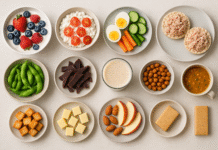
Fruit and dairy can complement your plate as small sides rather than major wedges. A cup of plain yogurt, a glass of milk, or a small bowl of fruit adds protein, calcium, potassium, and fiber (in fruit). Prefer whole fruits over juice, which concentrates sugar and bypasses chewing and fiber. If lactose is an issue, try lactose-free or fortified alternatives (soy tends to have the most similar protein profile among plant milks). Keep sweetened yogurts, condensed milk desserts, and fruit juices occasional.
6.1 How to do it
- Pair a small fruit with lunch or dinner for a sweet finish.
- Choose plain yogurt and sweeten lightly with fruit or a drizzle of honey.
- If adding dairy, keep it to a modest serving alongside, not on the plate.
6.2 Framework alignment
- Major plate models include fruits and dairy among core food groups and often encourage making half your plate fruits and vegetables overall through the day, with dairy typically served on the side.
Bottom line: add fruit and/or dairy as small, strategic sides—enough to round out nutrients, not enough to crowd the plate.
7. Drink Smart: Water First, Sugar Last
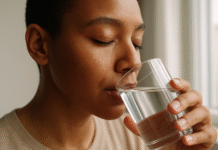
What’s in your glass can make or break a balanced plate. Water, unsweetened tea, or coffee (with little or no added sugar) should be your defaults. Sugary drinks—sodas, sweetened teas, energy drinks, heavy fruit juices—pack rapidly absorbed sugars that spike energy intake without fullness. If you choose juice, keep it small and occasional. For athletes in long, hot sessions, electrolyte drinks may be helpful, but they’re not everyday beverages. Reading labels matters: sugars hide in flavored milks, bottled coffees, and even “healthy” smoothies.
7.1 Numbers & guardrails
- Public health guidance recommends keeping free sugars <10% of daily energy, with <5% offering additional benefits; keeping salt <5 g/day also supports heart health. These limits help frame beverage and seasoning choices that pair with your plate.
7.2 Mini-checklist
- Default to water; carry a bottle.
- If you like fizz, choose unsweetened sparkling water.
- Keep fruit juice to a small glass; prioritize whole fruit.
- Sweeten tea/coffee lightly, if at all.
Bottom line: your beverage should support, not sabotage, the balance you built on the plate.
8. Right-Size Portions with Simple Tools (No Math Required)
The Plate Method is visual by design, but portion literacy still helps. A “serving size” on labels reflects what people typically eat, not necessarily what you should eat. Your portion is what you choose to put on the plate—and the ½-¼-¼ grid helps guide that choice. Learn a few quick anchors so your eye becomes accurate over time. Use a palm for protein, cupped hand for cooked grains, thumb for oils/nut butters, and fist for fruit. Keep a small measuring cup or ladle for rice, dal, or curry to avoid accidental doubles. Over a few weeks, these checks become second nature.
8.1 Facts worth knowing
- Serving size ≠ your ideal portion; labels show typical consumption, not a recommendation.
- Portion control is easier at home; restaurants often plate outsized starch and fats.
8.2 Practical tips
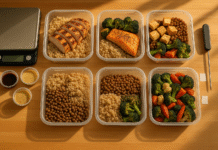
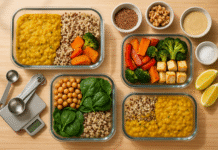
- Pre-portion leftovers into plate-ready containers.
- Use smaller bowls for rice or pasta.
- Plate vegetables first; make them crowd out extras.
- Keep sauces on the side; dip, don’t drench.
Bottom line: pair the Plate Method with a few visual tools to right-size portions effortlessly.
9. Adapt the Plate Method to Your Culture, Health Goals, and Life Stage
The Plate Method is flexible—adapt it to your cuisine, goals, and family. In South Asian meals, for example, think: ½ sabzi (mixed vegetables or bhindi), ¼ protein (dal/chana, grilled fish, chicken tikka, tofu/paneer), ¼ carbs (1 small whole-wheat roti or a measured scoop of brown rice). For East Asian bowls, load the vegetables, add tofu/fish/chicken, and finish with a quarter of rice/noodles. For Mediterranean plates, pile salad/veg, add fish or beans, and include a quarter of whole-grain bread or grains like bulgur. Kids and older adults may prefer softer textures and smaller, more frequent meals; the proportions still apply.
9.1 Health goals
- Weight management: keep carb quarter tight; favor high-fiber veg; measure fats.
- Blood sugar control: the diabetes plate follows the same proportions and is an easy way to structure meals.
- Athletes: expand the carb quarter at high-training meals; add an extra fruit or dairy serving around workouts.
9.2 Common swaps (by cuisine)
- Roti/Chapati: choose whole-wheat; keep to one small piece in the carb quarter.
- Rice: prefer brown/basmati; use a measured ladle.
- Curries: emphasize veg-heavy, tomato- or yogurt-based gravies; skim excess oil.
- Street food/eating out: deconstruct mixed dishes onto a plate to “see” the half-veg rule.
Bottom line: keep the ratio, change the ingredients—your plate should reflect your culture and your goals.
10. Make It Stick: Planning, Eating Out, and Everyday Systems
Habits, not knowledge, determine what ends up on your plate. Stock your kitchen to make the ½-¼-¼ layout the path of least resistance: pre-wash greens, roast a tray of mixed vegetables twice a week, cook a pot of dal or beans, and keep a ready protein (tofu, eggs, grilled chicken, canned tuna/beans). When eating out, visualize the plate and assemble it from the menu: add a side salad or extra veg, choose grilled/roasted mains, and swap half the starch for vegetables when possible. If portions are large, box half before you start or share. At home, plate in the kitchen and bring only salad/veg to the table to encourage second helpings of the right things.
10.1 Mini-systems that work
- Shop a template: Veg x3, Protein x2, Whole grain x2, Fruit x2, Healthy fat x1.
- Sunday prep: roast veg, cook a grain, cook a protein, make a dressing.
- Default lunches: salad boxes or grain bowls pre-portioned into the ½-¼-¼ layout.
- Restaurant rule: always add one extra veg side; limit sugary drinks.
10.2 A numeric example
- Dinner plate: 1 heaped half of roasted cauliflower + peppers; ¼ plate grilled fish; ¼ plate brown rice; spoon of olive oil for cooking; glass of water; small bowl of yogurt or fruit as a side.
Bottom line: build simple systems so your environment—not willpower—delivers a balanced plate day after day.
FAQs
1) What exactly is The Plate Method?
It’s a visual way to portion meals: half your plate non-starchy vegetables, one quarter lean protein, one quarter quality carbs like whole grains or starchy veg. It simplifies decisions, boosts fiber and micronutrients, and helps moderate calories without counting. It’s compatible with many eating patterns and cuisines and works at home or when eating out.
2) How is this different from serving sizes on labels?
A “serving size” on a nutrition label describes what people typically eat—not necessarily the amount that’s right for you. Your portion is what you actually plate and eat. The Plate Method translates recommended proportions into an easy visual so your portions align with your goals, regardless of the printed serving size.
3) Do I need a special portion-control plate?
No, a regular 9-inch plate works well. Specialty plates can help at first, but you can achieve the same result by mentally drawing the lines and plating vegetables first. Over time your eye becomes accurate, especially if you occasionally sanity-check with a measuring cup or your hand.
4) Can I follow The Plate Method if I’m vegetarian or vegan?
Absolutely. Fill half the plate with vegetables as usual. For the protein quarter, lean on tofu, tempeh, edamame, beans, lentils, chickpeas, or soy yogurt. Remember legumes also contribute carbohydrates, so be mindful not to double-fill the carb quarter—use smaller grain portions or let legumes “count” for both the protein and carb quarters.
5) How do I use it for weight loss?
Keep the framework identical but emphasize very high-volume vegetables in the half plate (leafy greens, crucifers, mushrooms), measure fats carefully, and keep the carb quarter true to size. Choose intact grains over refined ones, hydrate with water, and consider a fruit or yogurt side in place of dessert. Consistency meal-to-meal is more impactful than perfect precision.
6) Is white rice off-limits?
No food is “forbidden.” However, refined grains like white rice are less filling per calorie than intact whole grains. If you choose white rice, keep it to the carb quarter and pair it with the half-plate of vegetables and a lean protein to blunt blood sugar swings. On high-activity days, you may allow a slightly larger portion.
7) Where do fats fit on the plate?
Fats don’t need a dedicated wedge. Use a measured spoon of healthy oils for cooking or as dressing, and garnish with small amounts of nuts, seeds, avocado, or olives. This adds flavor and helps absorb fat-soluble vitamins while keeping total energy in check.
8) What should I drink with Plate Method meals?
Water is best. Unsweetened tea or coffee is fine. Sugary drinks and large juices add quick calories without fullness. If you like juice, a small glass alongside is okay; whole fruit is better for fiber and chewing satisfaction. For strenuous workouts in the heat, an electrolyte drink can help—but it’s not an everyday beverage.
9) Can kids and older adults use this?
Yes. Keep the proportions but serve textures they enjoy and can chew easily. Offer fruit or yogurt as sides, season well with herbs and spices, and plate smaller, more frequent meals if appetites are lower. Invite kids to help plate the half-veg rule—it turns the method into a game and builds lifelong habits.
10) How do I apply the method to mixed dishes (e.g., biryani, casseroles, stir-fries)?
Deconstruct mentally: estimate how much of the dish is veg, protein, and carb. Serve the mixed dish into the protein and carb quarters, then add extra vegetables on the side to complete the half-plate rule. For future batches, recipe-engineer by doubling vegetables and moderating oils and starch.
11) Do I need to count calories or carbs with The Plate Method?
Not necessarily. The visual approach works well on its own for many people. If you have specific medical goals (e.g., diabetes management or weight-class sports), you may add tracking temporarily for insight, then return to the visual plate for long-term simplicity.
12) How does this align with public health guidance (MyPlate, Healthy Eating Plate, Diabetes Plate)?
They all converge on similar principles: lots of vegetables, some lean protein, quality carbohydrates, healthy fats, and water over sugary drinks. The exact wording differs, but the day-to-day plate looks very similar—especially when you serve dairy and fruit as small sides and emphasize whole grains and unsweetened beverages.
Conclusion
The Plate Method turns nutrition from a math problem into a picture you can plate in 60 seconds: ½ vegetables, ¼ lean protein, ¼ quality carbs, with measured healthy fats, plus a small fruit or dairy side and water. Start with a 9-inch plate, serve vegetables first, and let the layout do the heavy lifting. Over time, your eye will learn the proportions automatically, and your grocery list and cooking habits will fall into place. Whether you’re making sabzi and roti, stir-frying tofu with rice, or grilling fish with salad and potatoes, the same visual rules apply. Keep flavor high with herbs and spices, keep sugary drinks rare, and use quick tools (hand guides, small ladles) to right-size portions. Build your next meal using the Plate Method—then repeat tomorrow.
CTA: Tonight, grab a 9-inch plate and make it ½ vegetables, ¼ protein, ¼ smart carbs—snap a photo and make it your new default.
References
- Eating Well & Managing Diabetes — American Diabetes Association (accessed 2025). https://diabetes.org/food-nutrition/eating-healthy
- Healthy Eating Plate — Harvard T.H. Chan School of Public Health (accessed 2025). https://nutritionsource.hsph.harvard.edu/healthy-eating-plate/
- Healthy Eating Plate (PDF poster) — Harvard T.H. Chan School of Public Health, 2012. https://nutritionsource.hsph.harvard.edu/wp-content/uploads/2012/10/healthy-eating-plate.pdf
- What Is MyPlate? — U.S. Department of Agriculture, MyPlate.gov (accessed 2025). https://www.myplate.gov/eat-healthy/what-is-myplate
- Healthy Diet: Fact Sheet — World Health Organization, Apr 29, 2020 (and BeHealthy initiative page, accessed 2025). https://www.who.int/news-room/fact-sheets/detail/healthy-diet ; https://www.who.int/initiatives/behealthy/healthy-diet
- Nutrition Facts Label and Your Health — Centers for Disease Control and Prevention, Dec 13, 2023. https://www.cdc.gov/healthy-weight-growth/healthy-eating/nutrition-label.html
- The Eatwell Guide — NHS, UK (accessed 2025). https://www.nhs.uk/live-well/eat-well/food-guidelines-and-food-labels/the-eatwell-guide/
- Building a plan for healthy eating — Harvard Health Publishing, Jun 3, 2024. https://www.health.harvard.edu/healthbeat/building-a-plan-for-healthy-eating