













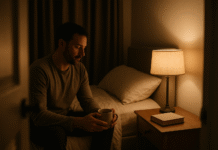

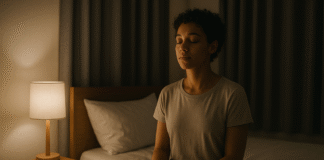
12 Strategies: Stress Management for Healthy Sleep Habits
Stress and sleep are tightly linked: when stress spikes, sleep fragments; when sleep crumbles, stress hormones and emotional reactivity climb. This guide turns that...
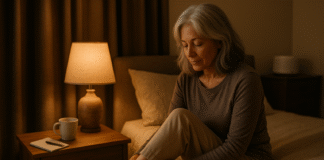
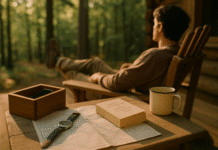
5 Calming Bedtime Rituals for Seniors
Sleep changes with age, but your need for consistent, good-quality rest does not—most adults 65+ still benefit from about 7–8 hours nightly. The most...
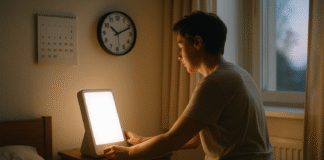
6 Circadian Rhythm Disorders: Symptoms and Management
Circadian rhythm disorders are conditions where your internal 24-hour body clock falls out of sync with your social or work schedule, leading to trouble...
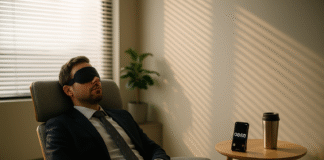
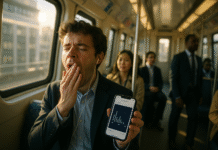
12 Napping Strategies for Busy Professionals
You don’t need a free afternoon to nap like a pro—you need a plan that fits a calendar packed with meetings, commutes, and deadlines....
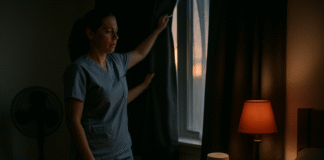
12 Strategies for Sleep Hygiene for Night Shifts (Handling Shift Work...
Working nights flips your body clock and often steals sleep, alertness, and mood. This guide is for anyone on permanent nights or rotating schedules...

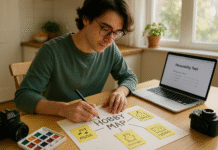
9 Truths About Chronotypes: Morning Larks vs Night Owls
Chronotypes are your built-in timing preferences—being a “morning lark,” “night owl,” or somewhere between—driven by your circadian clock and shaped by genetics, age, and...

11 Evening Screen Time Guidelines for Children
Calm, predictable evenings are built, not wished into existence. This guide distills the most practical, evidence-aligned evening screen time guidelines for children into 11...
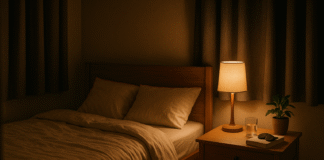
15-Step Bedtime Routine Checklist for Better Sleep
A great night’s sleep rarely “just happens”—it’s built, habit by habit. This bedtime routine checklist gives you a clear, practical, and science-informed sequence to...

9 Strategies for Jet Lag vs Shift Work: Aligning Your Circadian...
When your body clock doesn’t match the clock on the wall, performance, mood, and health suffer. Whether you’re crossing time zones or clocking into...

12 Ways Social Media Before Sleep Affects Your Brain (and What...
Scrolling feels harmless, but social media right before bed changes how your brain winds down, when your body clock thinks “night” starts, and how...