























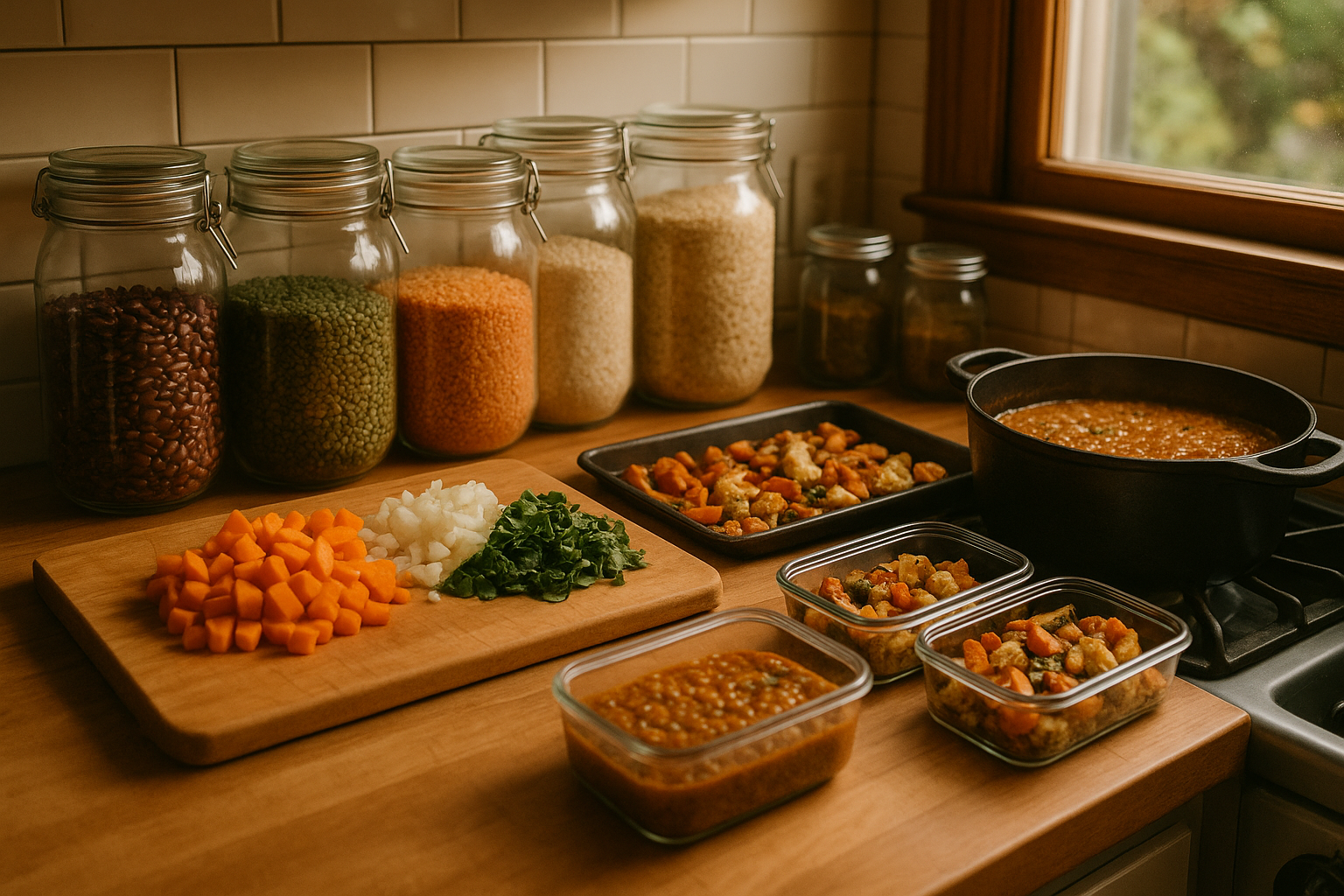
Eating Vegan on a Budget is not about deprivation—it’s about smart choices, planning, and leaning into delicious whole foods that naturally cost less. In this guide, you’ll learn practical tactics, low-cost recipes, and decision frameworks to cut your grocery spend while still hitting your protein, fiber, and micronutrient needs. Whether you’re new to plant-based eating or simply tightening expenses, these methods work across different regions and store types.
Quick definition: Eating vegan on a budget means building meals around low-cost staples (legumes, grains, seasonal produce), planning ahead, and minimizing waste so every purchase turns into multiple affordable, satisfying meals.
Skimmable quick-start (6 steps):
- Pick 3–4 cheap core proteins (e.g., lentils, chickpeas, black beans, peanut butter).
- Plan 5 dinners you can batch cook and freeze.
- Shop with a tight list; compare unit prices.
- Buy in bulk when it truly lowers cost per serving.
- Use leftovers intentionally (FIFO: first in, first out).
- Keep 10–12 “autopilot” recipes you can make with pantry items.
Brief note: This article shares general, educational guidance for food budgeting. It isn’t medical or financial advice; adapt any suggestions to your dietary needs, prices where you live, and local food safety guidelines.
1. Plan Around Cheap Staples First (Not Recipes That Require Pricey Ingredients)
Start by anchoring meals to budget workhorses—dried beans and lentils, whole grains (rice, oats, barley), potatoes/sweet potatoes, carrots, onions, cabbage, apples/bananas, and canned tomatoes. This flips the usual decision: instead of chasing a trend recipe and then paying for specialty items, you choose a stable, low-cost base and build flavor around it. This approach smooths out weekly price swings, helps you buy in larger, cheaper formats, and ensures nearly everything you purchase has multiple uses across breakfasts, mains, and sides. Planning around staples also reduces last-minute takeout spending because your pantry can always produce a decent meal in 30 minutes.
1.1 How to do it
- Pick 8–12 staples that are consistently cheap in your area.
- Draft a simple template (e.g., “Mon: lentil dish, Tue: tofu or chickpea stir-fry, Wed: pasta + veg”).
- Pre-commit to repeating ingredients across 2–3 recipes to eliminate waste.
- Keep a running “use me next” list for perishables (e.g., half cabbage, leftover cilantro).
- Schedule a 15-minute weekly check of pantry/freezer before writing your list.
1.2 Mini checklist
- Do I have a cheap protein backbone for each day?
- Are grains and legumes balanced so meals feel varied?
- Did I plan leftovers for at least two lunches?
Synthesis: When staples drive your menu, you control cost and waste from the start, making every other tactic in this guide more effective.
2. Batch Cook & Freeze: Turn One Hour Into a Week of Meals
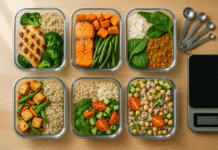
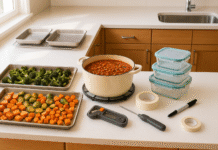
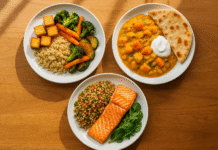
Batch cooking multiplies your time and lowers cost per serving. Cooking larger quantities reduces energy use, trims impulse purchases, and helps you buy ingredients in bulk formats with better unit prices. Freezing portions protects your budget from “nothing to eat” moments that trigger delivery. It also improves variety: one weekend session can yield three different mains—say, lentil chili, vegetable biryani, and chickpea korma—ready to rotate with fresh add-ons. The key is portioning and labeling, so you actually eat what you cook.
2.1 How to do it
- Choose 2–3 base recipes that share ingredients (e.g., onions, carrots, tomatoes, lentils).
- Cook in a wide pot for faster evaporation and deeper flavor.
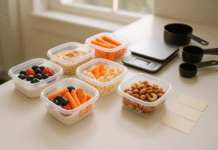
- Cool quickly, portion into flat, labeled freezer bags or containers, and date them.
- Freeze in 1–2 serving sizes for speed and waste control.
- Reheat directly from frozen or thaw overnight in the fridge.
2.2 Mini recipe: “Big-Pot Budget Lentil Chili”
- Sauté 2 onions + 3 carrots + 3 cloves garlic.
- Add 2 cups dry lentils, 2 cans tomatoes, 1 Tbsp chili powder, 1 tsp cumin, salt.
- Cover with water/veg stock by ~1 inch; simmer 25–30 minutes.
- Finish with a spoon of peanut butter or tahini for body.
Synthesis: Batch cooking creates a cheap, edible savings account—ready-to-go meals that keep you on budget when life gets busy.
3. Compare Unit Prices & Use a Simple “Cost-per-Serving” Formula
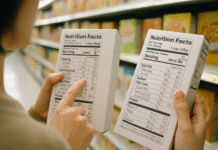
Sticker prices can mislead; unit prices (per kilogram, per liter, per 100 g) reveal true value across package sizes and brands. A simple formula—cost per serving—helps you choose between pantry items and prepared foods. For example, dried lentils at a low unit price can yield 2.5–3x their weight cooked, slashing per-serving cost compared to many packaged alternatives. Applying the same lens to plant milks, snacks, and sauces will often push you toward DIY or larger formats.
3.1 Numbers & guardrails
- Rule of thumb: For dried legumes, 1 cup (200 g) dry ≈ 2.5–3 cups cooked.
- Cost-per-serving formula: (package price ÷ total cooked yield in servings).
- Track 10 common buys (rice, oats, lentils, chickpeas, pasta, tofu, peanut butter, canned tomatoes, onions, bananas) as your “price book.”
3.2 Mini checklist
- Did I check unit price, not just sticker price?
- Will I realistically use the larger size before it spoils?
- Does a DIY version beat store-bought once time and energy are considered?
Synthesis: A few quick calculations at the shelf protect you from marketing tricks and keep your cart full of genuine value.
4. Buy in Bulk—But Only What You’ll Use (Store It Right)
Bulk wins when you have turnover and storage. Beans, lentils, rice, oats, flour, and spices last months when kept cool and dry. Bulk nuts and seeds can also be cheaper, but they require airtight storage and (ideally) refrigeration or freezing to prevent rancidity. Buying 5–10 kg of rice can be a great deal if your household eats it weekly; it’s wasteful if it gathers moisture and spoils. Smart bulk buying pairs with decanting into jars or bins and clear labeling so you actually rotate stock.
4.1 How to do it
- Start with 2–3 items you eat weekly; scale up only after you confirm turnover.
- Use airtight containers; store grains/legumes away from heat and sunlight.
- Label with purchase date and expected use-by window; practice FIFO rotation.
- For nuts/seeds/whole-grain flours, freeze or refrigerate to extend freshness.
4.2 Mini case
Buying a 5 kg bag of rice at 20% lower unit price saves each time you cook. If you make rice twice a week, the bag may last ~2–3 months—well within a typical quality window—delivering reliable savings without quality loss.
Synthesis: Bulk is a budget friend when you plan storage and turnover so every kilogram gets eaten at peak quality.
5. Cook With Seasonal & “Ugly” Produce (Same Nutrition, Lower Cost)
Seasonal produce is often cheaper and tastier. “Ugly” or imperfect produce—crooked carrots, small potatoes—usually costs less despite similar nutrition. Building meals around what’s abundant lowers your bill and broadens your recipe repertoire. If fresh prices spike, pivot to frozen vegetables (often just as nutritious and already prepped) or canned tomatoes and corn for stews, curries, and chilis. Seasonal flexibility keeps you from overpaying for a specific vegetable a recipe demanded.
5.1 How to do it
- Check weekly deals and plan 2–3 sides around discounted produce.
- Learn 3 base techniques—roast, stir-fry, steam—so you can adapt to any veg.
- Buy imperfect produce for soups, stews, and blended sauces.
- Keep frozen mixed vegetables as a back-up to stretch meals.
5.2 Mini recipe: “Sheet-Pan Veggie Roast”
- Toss chopped carrots, potatoes, onions, and any crucifer (cauliflower/cabbage) with oil, salt, pepper, and a pinch of cumin or smoked paprika.
- Roast at 220°C / 425°F until browned.
- Serve with tahini-lemon drizzle or a yogurt-free garlic sauce (tahini + water + lemon + garlic).
Synthesis: Let abundance guide your cooking, and your bill drops without sacrificing flavor or nutrition.
6. Make Legumes Your Protein Anchor (Skip Pricey Meat Analogues)
Legumes are the budget MVP for protein, fiber, and minerals. Dried beans and lentils cost a fraction of processed meat alternatives and deliver serious satiety. If you tolerate soy, firm tofu can be economical where available; otherwise, chickpeas, black beans, red/yellow lentils, and split peas are widely accessible. Pressure cookers/Instant Pots speed up cooking dried beans, and a weekly pot can anchor burritos, curries, salads, and soups. Flavor comes from aromatics (onion, garlic), acids (lemon, vinegar), and spice blends—not from expensive substitutes.
6.1 Tools/Examples
- Tools: Pressure cooker or Instant Pot; large Dutch oven; fine-mesh strainer.
- Flavor kits: Garam masala for dals, chili powder + cumin for chili, za’atar for bean salads.
- Batch idea: Cook 1 kg dried chickpeas; portion for hummus, chana masala, and quick salads.
6.2 Mini recipe: “Everyday Red Lentil Dal”
- Sauté onion, garlic, ginger; add 1 cup red lentils, 2.5 cups water, turmeric, salt.
- Simmer 15–20 minutes.
- Temper whole cumin + chili in oil; pour over; finish with lemon.
Synthesis: Center legumes, and you’ll hit protein goals cheaply while keeping meals hearty and satisfying.
7. Use Grains & Starches Strategically (Variety Without Cost Creep)
Grains and starchy vegetables (rice, pasta, oats, potatoes) are inexpensive, filling backbones that pair beautifully with legumes. Rotating through a few keeps meals interesting without complicating your pantry. Oats scale across breakfast (porridge, overnight oats) and baking (oat pancakes, muffins); potatoes roast well and make excellent hash with leftover beans; pasta tossed with a tomato-lentil sauce eats like comfort food for pennies.
7.1 How to do it
- Choose 3 grains you love (e.g., rice, oats, pasta) and keep them stocked.
- Use potatoes/sweet potatoes 1–2 nights a week for variety.
- Make double portions of grains and store them for quick bowls or fried rice.
- Add acids (lemon, vinegar) to keep grain-based meals lively.
7.2 Mini recipe: “Budget Lentil Bolognese”
- Sauté onion, carrot, celery; add garlic.
- Stir in red lentils, crushed tomatoes, Italian herbs, salt; simmer until saucy.
- Toss with pasta; finish with olive oil and black pepper.
Synthesis: Smart starch rotation delivers comfort, satiety, and savings—no specialty products required.
8. Reduce Waste With a FIFO Fridge, “Use-Up” Nights, and Freezer Smarts
Food you throw away is money lost. Using FIFO (first in, first out) means older items move to the front so they’re eaten first. Schedule one use-up night weekly where the menu is dictated by what’s close to spoiling—think fried rice with limp veg, soup from wilting greens, or pasta with the last half-jar of sauce. The freezer is your ally: freeze stale bread for croutons, overripe bananas for smoothies, and cooked grains/beans in flat bags for quick thawing.
8.1 Mini checklist
- Front-load perishables in your weekly plan (e.g., leafy greens early, root veg later).
- Label opened items with the date.
- Keep a “freezer map” list on your phone so you use what you’ve stored.
- Portion sauces and broths in ice cube trays to avoid thawing big blocks.
8.2 Mini recipe: “Anything-Go Fried Rice”
- Sauté mixed chopped veg + garlic.
- Add day-old rice and soy sauce (or tamari), a splash of vinegar, and chili flakes.
- Toss in cooked chickpeas or cubed tofu; finish with green onion.
Synthesis: Waste control is budget control—organized storage and planned leftovers turn potential losses into extra meals.
9. Build a Price Book & Repeat Winners
A simple price book (notes app or spreadsheet) tracks the lowest prices for your 20 most common items across nearby stores or markets. Over time you’ll learn sale cycles and know when to stock up. Pair this with a “repeat winners” list—meals your household loves and you can cook on autopilot. Rotating proven winners protects you from experimenting with expensive ingredients that may not get used again.
9.1 How to do it
- Log item, store, brand, size, unit price, and best seen price.
- Decide your “buy” thresholds (e.g., “buy lentils if under X per kg”).
- Revisit monthly; adjust for new stores or brands you discover.
9.2 Tools/Examples
- Use your phone’s notes, Google Sheets, or a budgeting app.
- Keep a second tab for recipes that match staples and sale items.
Synthesis: Knowing your baseline prices and sticking to proven meals makes budgeting predictable and low-stress.
10. Shop Smart: Lists, Loyalty, and Off-Brands
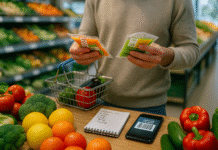
Walking into a store without a list is an invitation to overspend. A tight list based on your weekly plan prevents impulse buys; loyalty programs and store apps often stack discounts with digital coupons; and store brands frequently match national brands in quality at lower prices. If you have time, split your shop: pantry staples at a discount grocer, produce at a market near closing time for markdowns, and specialty items at an ethnic grocer where they’re often cheaper.
10.1 Mini checklist
- Shop after eating, not hungry.
- Stick to the perimeter for produce and basics; avoid long “browse” sessions in snack aisles.
- Compare store-brand vs national-brand unit prices.
- Use cash or prepaid cards if overspending is a pattern.
10.2 Region note
In many regions, pulses, spices, and rice are substantially cheaper at South Asian, Middle Eastern, or Latin American grocers. Buying there can cut costs while also improving variety.
Synthesis: Lists and loyalty keep spending deliberate; off-brands and strategic store choices amplify the savings.
11. DIY High-Margin Staples: Plant Milk, Broth, Spice Blends & Hummus
Some vegan basics carry big markups. Making them yourself can slash costs. Oat milk requires only rolled oats, water, a pinch of salt, and optional dates/vanilla; vegetable broth can come from saved onion/garlic/carrot ends simmered with herbs; spice blends (taco mix, garam masala, Italian seasoning) cost less when you assemble them from bulk spices; hummus is famously cheaper and creamier when made from dried chickpeas.
11.1 How to do it
- Oat milk: Blend 1 cup rolled oats + 4 cups water; strain if you like, add pinch of salt.
- Broth: Freeze clean veg scraps; simmer with bay leaves and peppercorns 45–60 minutes; salt to taste.
- Spice blends: Mix in small batches; store airtight; label and date.
- Hummus: Cook chickpeas till tender; blend with tahini, lemon, garlic, salt; thin with cooking liquid.
11.2 Mini case
If a liter of store-bought oat milk is several times the cost of oats alone, DIY can pay off even after accounting for time—especially if you use it daily in coffee, porridge, or baking.
Synthesis: Targeting high-margin items for DIY yields a disproportionate budget win with minimal effort.
12. Hit Micronutrients Cheaply: B12, Iodine, Iron & Omega-3s
You don’t need pricey superfoods to cover micronutrients. For most vegans, a reliable B12 source (fortified foods or a low-cost supplement) is non-negotiable. Iodized salt is an affordable iodine source in many countries. Iron from beans/lentils pairs well with vitamin C (lemon, tomatoes) to aid absorption. Omega-3 ALA comes from flaxseed and chia; grind flax for better uptake and store it cold. You can meet needs frugally by building habits rather than buying exotic powders.
12.1 How to do it
- Choose one B12 strategy you’ll actually follow (fortified plant milk or a low-cost supplement per label instructions).
- Use iodized salt in home cooking unless your doctor advises otherwise.
- Pair iron-rich meals with vitamin-C-rich foods.
- Add 1–2 Tbsp ground flaxseed to oats, smoothies, or dal.
12.2 Mini checklist
- Is my B12 covered weekly?
- Do I have an iron + vitamin C pairing most days?
- Am I storing ground flax in the fridge/freezer?
Synthesis: Covering key micronutrients can be simple and cheap when you use fortified basics and a few strategic pantry items.
13. Budget Breakfasts & Snacks That Actually Satisfy
Breakfast and snacks silently drive costs when they’re packaged. Swapping to whole-food options cuts spend and improves nutrition. Oats anchor countless combos; peanut butter on toast plus a piece of fruit is still one of the cheapest, protein-friendly, hunger-crushing snacks; air-popped popcorn beats chips for cost and volume; roasted spiced chickpeas satisfy crunchy cravings for pennies.
13.1 Ideas list
- Overnight oats: Oats + plant milk + banana; add peanut butter.
- Oat pancakes: Blend oats + water + banana; cook like pancakes.
- Popcorn: Air-pop and season with nutritional yeast + paprika.
- Roasted chickpeas: Toss with oil + spices; roast until crisp.
- Fruit + nuts: Banana or apple with a handful of peanuts.
13.2 Mini recipe: “Baked Oat Squares”
- Blend 2 cups oats, 2 ripe bananas, 1.5 cups plant milk, 1 tsp baking powder, pinch salt.
- Bake in a lined pan at 180°C / 350°F until set.
- Cut into squares; freeze extras for grab-and-go breakfasts.
Synthesis: Low-cost, high-satiety breakfasts and snacks keep you full and your budget happy without relying on packaged foods.
14. A Sample One-Week Budget Plan (Shopping List + Meal Flow)
A practical plan shows how these strategies fit together. This sample uses common, affordable ingredients and assumes you’re cooking for two adults; scale as needed. The backbone is two big-pot mains (lentil chili, chickpea curry), a tray of roasted vegetables, a pot of rice, and a batch of overnight oats. Leftovers become lunches, and the freezer catches any overflow. Adjust spice levels, oils, and add-ins to your taste and regional availability.
14.1 Shopping list (core)
- Dried red lentils (500 g), dried chickpeas (1 kg) or canned equivalents
- Rice (2–3 kg), pasta (1 kg), rolled oats (1–2 kg)
- Potatoes (2 kg), onions (2 kg), carrots (1–2 kg), cabbage or cauliflower (1 head)
- Canned tomatoes (4–6 cans), tomato paste (1 tube/can)
- Garlic, ginger, lemons/limes or vinegar
- Peanut butter or tahini, iodized salt, basic spices (cumin, chili powder, turmeric, paprika, black pepper)
14.2 Weekly flow
- Weekend batch: Cook lentil chili + chickpea curry; roast a sheet pan of mixed veg; cook 6–8 cups rice; prep overnight oats for 4–5 days.
- Mon/Tue dinners: Lentil chili + rice; Roasted veg bowls with chickpeas.
- Wed/Thu dinners: Chickpea curry + rice; Pasta with lentil-tomato sauce.
- Fri dinner: Use-up night (fried rice with leftover veg/beans).
- Lunches: Leftovers or hummus/veg wraps.
- Breakfasts/snacks: Overnight oats, popcorn, fruit + peanuts.
Synthesis: A repeatable weekly rhythm converts low-cost staples into varied, filling meals—and keeps your budget predictable.
FAQs
1) What’s the single best way to start Eating Vegan on a Budget?
Begin with a short list of cheap staples—lentils, beans, rice, oats, potatoes, carrots, onions, canned tomatoes—and plan five dinners that reuse those ingredients. Batch cook two mains on the weekend and portion them for the week. This combo of planning and batching prevents impulse spending and ensures you always have a satisfying meal ready.
2) Are dried beans really cheaper than canned?
Usually, yes—especially when purchased in bulk and cooked in big batches. Dried beans have a lower unit cost and expand 2–3x when cooked. That said, canned beans are still budget-friendly and incredibly convenient. If time is your bottleneck, canned can be the right choice; just rinse to reduce sodium.
3) Do I need expensive meat substitutes to meet protein needs?
No. Legumes (lentils, chickpeas, black beans, split peas), soy foods like tofu (where affordable), peanuts, and whole grains together provide ample protein. Focus on hearty dishes—dal, chili, bean stews, chickpea curries—and you’ll cover both protein and fiber without pricey processed products.
4) How can I keep meals exciting if I’m repeating cheap staples?
Rotate spices and cooking techniques. The same chickpea base tastes different as chana masala, lemon-garlic chickpeas, or smoky paprika roasted chickpeas. Add texture (crunchy toppings like toasted seeds) and acidity (lemon, pickles, vinegars) to lift flavors without extra cost.
5) Is frozen produce okay for budget vegan cooking?
Absolutely. Frozen vegetables are often harvested at peak ripeness, then flash-frozen, preserving nutrients. They’re prepped and ready, reduce waste, and are often cheaper than off-season fresh produce. Keep mixed vegetables, spinach, and peas on hand to stretch soups, curries, and stir-fries.
6) How do I cover B12 and iodine cheaply?
Pick one reliable B12 source—fortified foods you use daily (like plant milk) or an affordable supplement following label guidance. For iodine, iodized salt is a low-cost option in many countries (if suitable for your health needs). Build these into routines so you never forget.
7) What’s a realistic weekly food budget target?
Budgets vary by region and household size. Instead of chasing a universal number, track your current spend for a month, then aim to cut 10–20% by using this guide: plan around staples, batch cook two mains, compare unit prices, and reduce waste. Most households see savings within two weeks.
8) How do I avoid overspending on snacks and sweets?
Set a weekly snack budget and prioritize homemade options like air-popped popcorn, baked oat squares, and fruit with peanuts. If you want a treat, buy a single portion rather than a bulk bakery item that goes stale. Keep your pantry filled with satisfying, low-cost choices so you’re not tempted by pricey packaged snacks.
9) Can I eat vegan on a budget without soy?
Yes. Focus on lentils, chickpeas, other beans, split peas, and peanuts for protein; pair them with grains and vegetables. Use tahini or peanut butter for richness in sauces. You’ll still hit protein and calorie needs while keeping costs low.
10) What if I have very limited cooking time?
Lean on canned beans, frozen vegetables, and pre-cooked grains (or cook grains in bulk weekly). Choose 15–20 minute recipes like red lentil dal, bean-and-veg stir-fries, and pasta with lentil-tomato sauce. Batch once on the weekend to eliminate weeknight decision fatigue.
11) Are store brands safe and good quality?
In many regions, store brands meet the same standards as national brands and can be excellent value. Compare ingredient lists and unit prices. Try a small size first to check quality; if it’s good, switch fully to save consistently on staples.
12) How do I stop food from spoiling before I use it?
Adopt FIFO, label opened items with dates, and schedule one use-up night weekly. Freeze perishable extras in single portions—bread, cooked beans, cooked grains, chopped herbs in oil. Plan your weekly menu so the most perishable items are eaten first.
Conclusion
Eating Vegan on a Budget works best when you combine a few high-leverage habits: plan around cheap staples, batch cook reliably, compare unit prices, reduce waste, and keep a short list of “autopilot” recipes you actually look forward to eating. Layer in smart shopping—lists, loyalty programs, and store brands—and you’ll spend less without sacrificing flavor or nourishment. The goal isn’t perfection; it’s consistency. If you cook two big pots each week, maintain a FIFO fridge, and repeat proven meals, your spending stabilizes and mealtimes get easier.
Your next step: pick 8–12 staples, plan five dinners that reuse them, and batch two mains this weekend. Save this guide, choose one tactic to start, and cook something simple tonight.
CTA: Ready to lock in savings? Choose two batch recipes now and add the ingredients to your list.
References
- Protein — The Nutrition Source, Harvard T.H. Chan School of Public Health, updated 2024. https://www.hsph.harvard.edu/nutritionsource/what-should-you-eat/protein/
- Beans, Peas, and Lentils — Protein Foods Group, MyPlate (USDA), accessed 2025. https://www.myplate.gov/eat-healthy/protein-foods/beans-peas-and-lentils
- Vitamin B12 Fact Sheet for Consumers, NIH Office of Dietary Supplements, updated 2024. https://ods.od.nih.gov/factsheets/VitaminB12-Consumer/
- Reducing Wasted Food Basics, U.S. Environmental Protection Agency (EPA), updated 2024. https://www.epa.gov/recycle/reducing-wasted-food-basics
- Pulses: Nutritious Seeds for a Sustainable Future, Food and Agriculture Organization of the United Nations (FAO), accessed 2025. https://www.fao.org/pulses-2016/en/
- Healthy Eating on a Budget, NHS (UK), updated 2024. https://www.nhs.uk/live-well/eat-well/healthy-eating-budget/
- The Cost of Healthy Eating, The Nutrition Source, Harvard T.H. Chan School of Public Health, 2023. https://www.hsph.harvard.edu/nutritionsource/healthy-eating/cost/
- Vegetarian Diets, Academy of Nutrition and Dietetics, updated 2024. https://www.eatright.org/health/wellness/vegetarian-and-special-diets/vegetarian-diets
- Freezing and Food Safety, USDA Food Safety and Inspection Service (FSIS), updated 2024. https://www.fsis.usda.gov/food-safety/safe-food-handling-and-preparation/food-safety-basics/freezing-and-food-safety