
























Vegan dinners can absolutely be crowd-pleasers—especially when they’re planned with familiar flavors, smart textures, and weeknight-friendly shortcuts. “Plant-based family meals” simply means building dinner around vegetables, legumes, whole grains, and healthy fats, with flavors your household already loves. The fastest way to make this work is to use repeatable templates and stock a few reliable sauces so dinner feels easy, not experimental. Below you’ll find 12 field-tested strategies, each with practical steps, examples, and clear nutrition guardrails (protein, iron, B12, and sodium). This guidance is for general education only—always adapt for allergies, medical needs, and your pediatrician’s or dietitian’s advice. If you want a one-sentence summary: use a simple dinner template, make protein tasty and visible, season boldly without excess salt, and batch once to cook easy all week.
At a glance, here’s the quick path to success: pick a template (like bowl, tacos, pasta), add a flavorful sauce, include a visible protein (tofu, beans, lentils), pile on veggies, and finish with a crunchy topper. The 12 sections below show you exactly how to do it, with kid-friendly examples and region-flexible options.
1. Use a Simple Dinner Template So Everyone Knows What’s Coming
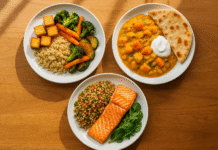
Start with a repeatable structure so dinner isn’t a creative writing exercise at 6 p.m. A reliable template reduces decision fatigue and makes meals feel consistent, even when ingredients change. The most forgiving is the “base + protein + veg + sauce + crunch” formula: put a familiar base (rice, pasta, chapati, tortillas, baked potatoes) on the plate; add a visible protein (crispy tofu, chickpeas, lentil patties); pile on 1–2 colorful vegetables; finish with a bold sauce (marinara, peanut-sesame, chimichurri) and a crunchy topper (toasted seeds, crushed roasted chickpeas, baked pita chips). This works across cuisines, helps picky eaters identify what they’re eating, and scales for guests without extra effort. Because the shape of dinner is predictable, you can swap ingredients based on price and season, preserving routine while keeping flavors fresh.
1.1 Why it works
- Predictability builds trust; kids and busy adults know what to expect.
- It simplifies shopping lists into categories, not specific recipes.
- It encourages balanced plates (carb + protein + veg) with minimal tracking.
1.2 How to do it (mini checklist)
- Base: rice, quinoa, couscous, pasta, baked sweet potato, flatbreads.
- Protein: black beans, chana (chickpeas), red lentil “meatballs,” tofu, tempeh.
- Veg: roasted broccoli/cauliflower, sautéed peppers, shredded cabbage, salad greens.
- Sauce: tomato basil, curry, tahini-lemon, peanut-sesame, green chutney.
- Crunch: toasted seeds, crushed peanuts, baked croutons, crispy onions.
Close your night by asking: “What’s tomorrow’s base and sauce?” Answer that, and dinner is already half solved.
2. Make Plant Protein Visible—and Tasty Enough to Steal the Show
The fastest way to win over a mixed-age table is to treat protein like the star, not a silent filler. Visible, well-seasoned protein anchors the meal and signals satiety. Beans and lentils become craveable when you adjust texture: mash them into burger patties, braise them until creamy, or roast chickpeas until shatter-crisp. Tofu transforms with pressing, marinating, and high-heat roasting or air-frying; tempeh loves a quick steam followed by a sticky glaze. Flavor is your ally: barbecue rubs, taco seasoning, garam masala, or lemon-pepper make plant proteins familiar to meat-eaters without imitating meat exactly. A crisp exterior + saucy finish feels indulgent while staying nutritious.
2.1 Tools & examples
- Crispy tofu cubes: press 20 minutes, toss with cornstarch + spices, roast at 220°C (425°F) for 22–28 minutes; glaze with teriyaki or gochujang-honey (or date syrup).
- Lentil “meatballs”: 1 cup cooked brown lentils + ½ cup breadcrumbs + 2 tbsp flax “egg” + herbs; bake then simmer in marinara.
- Chickpea smash burgers: mash with grated onion, cumin, smoked paprika; pan-sear, then finish with a tangy sauce.
2.2 Common mistakes
- Mushy texture: skip pressing tofu; forget to dry beans before roasting.
- Under-seasoning: use only salt and pepper—lean on bold spice blends.
- Invisible protein: hiding legumes in sauces leads to light portions and complaints of “I’m still hungry.”
Finish with confidence: if you can smell the spices when the protein hits the table, you’ve likely nailed it.
3. Build Big Flavor With Family-Friendly Sauces (and Keep Sodium in Check)
Sauces make or break a vegan dinner, turning “rice and veg” into “teriyaki tofu bowls” or “butter-chickpea curry.” Keep 3–5 house sauces in rotation—one tomato-based, one nut/seed-based, one herby, one tangy, one spicy. Flavor is not the same as salt; you can hit bold notes with acid (lemon, vinegar), umami (tomato paste, miso), aromatics (garlic, ginger, onions), and gentle heat (smoked paprika, black pepper). Most families oversalt by accident; flavor-build early with aromatics and finish with lemon, not a salt-shaker. As a general health guardrail for adults, international guidance recommends less than ~2,000 mg sodium per day as of Feb 2025; taste buds adapt in 2–3 weeks, so gradual reductions stick.
3.1 House sauces worth batching
- Marinara: onions + garlic + tomato paste + crushed tomatoes + basil.
- Peanut-sesame: peanut or sunflower butter + soy or tamari + lime + ginger (use low-sodium).
- Tahini-lemon: tahini + lemon juice + garlic + water to thin.
- Coriander-mint chutney: herbs + green chili + lemon + a touch of sugar.
- BBQ glaze: tomato paste + molasses (or dates) + vinegar + mustard + spices.
3.2 Numbers & guardrails
- Compare labels; pick sauces ~120–180 mg sodium per tablespoon.
- Brighten at the end with 1–2 tsp lemon juice or 1 tsp vinegar per serving.
- Batch in 250–300 ml jars; refrigerate 5–7 days or freeze in ice-cube trays for a month.
Sauces are your weeknight safety net; stock them and dinner stops feeling like a gamble.
4. Reinvent Family Classics With Smart, Comfort-First Swaps
Instead of telling the family “we’re eating different food now,” keep the dish name and change the parts. Tacos become lentil-walnut tacos; spaghetti becomes lentil bolognese; pizza gets a mushroom-onion topping with olive oil and herbs; burgers become black bean or tofu patties with the same buns and pickles. This lowers psychological resistance and leverages muscle memory. Texture matters: mince mushrooms finely for “beefy” chew, toast walnuts for richness, and reduce sauces slightly thicker than usual to mimic body. Use plant cheese sparingly for familiarity, not coverage; most of the flavor should come from the sauce and seasoning.
4.1 Swap playbook
- Bolognese: 1 cup brown lentils + 1 cup minced mushrooms + 1 cup onion-carrot-celery; simmer in marinara 25–30 minutes.
- Tacos: 1 cup cooked lentils + ½ cup toasted walnut crumbs + taco spice; crisp in a pan.
- Pizza: brush crust with garlic olive oil; add caramelized onions, mushrooms, olives, spinach; finish with basil.
4.2 Mini case
- Family that “hated tofu” loved crispy tofu parm when served on the same spaghetti night with marinara and crunchy breadcrumbs; familiarity + crisp edges did the trick.
Make comfort the centerpiece; once the family trusts dinner, diversity follows naturally.
5. Batch Once, Remix All Week (and Store Leftovers Safely)
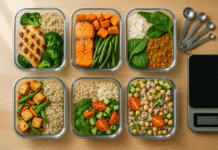
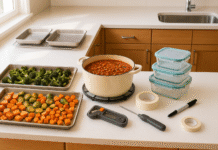
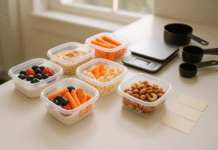
The easiest way to guarantee weeknight wins is front-loading: cook one pot of beans, a grain, a tray of roasted veg, and one sauce on the weekend. Then remix into bowls, wraps, pasta, or stuffed potatoes across 3–4 nights. This saves money, reduces takeout pressures, and gives you a buffer for school activities and late meetings. Food safety matters: cool foods promptly, refrigerate within two hours, and use leftovers within 3–4 days or freeze for 3–4 months for best quality. Divide hot food into shallow containers to cool faster; label with date; reheat until steaming.
5.1 Weekend batch plan (2 hours)
- Beans: 4 cups cooked (black beans or chickpeas).
- Grain: 6 cups cooked (rice/quinoa/bulghur).
- Veg: 2 trays roasted (broccoli/cauliflower/carrots).
- Sauces: marinara + tahini-lemon.
5.2 Remix ideas
- Mon: bowls (rice + crispy tofu + veg + tahini).
- Tue: tacos (beans + shredded veg + salsa).
- Wed: pasta (marinara + lentil “meatballs”).
- Thu: stuffed sweet potatoes (beans + BBQ glaze + slaw).
Batching gives you structure; food safety keeps your plan on track and your family well.
6. One-Pan, Pressure Cooker, and Slow Cooker Shortcuts
Time is the #1 barrier to home-cooked dinners; appliances can help without turning dinner into “stew again.” Sheet-pan meals cook protein and veg together; pressure cookers make dal, chili, or chickpeas tender in under an hour; slow cookers are hands-off for curries and soups. The trick is to use bold finishes (fresh herbs, acid, a crunchy topping) so textures pop. For sheet pans, combine small/fast-cooking veg (broccoli, peppers) with cubed tofu or tempeh and roast hot; for pressure cookers, rely on sauté + spice bloom before liquids; for slow cookers, finish with coconut milk or lemon for brightness.
6.1 One-pan combos
- Mediterranean tray: chickpeas + cherry tomatoes + onions + olives + oregano → finish with lemon and parsley.
- BBQ tofu & veg: tofu + sweet potatoes + onions + BBQ glaze → finish with spring onions.
- Tandoori-ish: cauliflower + potatoes + tofu + tandoori spice → finish with cilantro + lime.
6.2 Pressure/slow cooker notes
- Pressure: sauté aromatics 3–4 minutes; add spices 30–60 seconds; add beans/liquid; cook per appliance guide.
- Slow: add sturdy veg early; soft greens and coconut milk in the last 20–30 minutes.
Use these tools to reclaim weeknights; the finishing touches keep flavors lively.
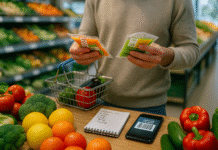
7. Shop Smart and Stock a Budget-Friendly Pantry
Plant-based doesn’t have to mean pricey. The most economical proteins in the store are dried beans and lentils, followed by canned beans (still cheap), tofu, and eggs (if your household is vegetarian, not vegan). Buy grains in bulk (rice, oats), lean on frozen vegetables (nutritious and affordable), and choose in-season produce for price and flavor. Build a “Weeknight 20” pantry: twenty items that unlock dozens of meals without a recipe. Keep a running list of loss leaders (store specials) and plan dinners around those; use the freezer as your savings account.
7.1 The Weeknight 20 (example)
- Lentils, chickpeas, black beans, canned tomatoes, tomato paste, coconut milk.
- Rice, oats, pasta, quinoa or bulghur.
- Onions, garlic, ginger, carrots, frozen peas, frozen spinach.
- Tahini, peanut/sunflower butter, soy sauce or tamari (reduced sodium).
- Spice blends: taco, garam masala, Italian herb, smoked paprika.
7.2 Stretch tactics
- Cook one protein, eat it two ways (chili → tacos).
- Turn scraps into flavor: herb stems for chimichurri, stale bread into croutons.
- Buy whole produce (e.g., whole carrots) instead of pre-cut.
A strong pantry beats takeout menus—because the easiest option at 7 p.m. becomes your kitchen.
8. Win Over Kids With Texture, Autonomy, and Mild-to-Bold Flavors
Kids (and many adults) say no to textures, not vegetables. Offer crisp + creamy + saucy in the same meal and let each person assemble. Keep spice heat optional (serve chilies or hot sauce on the side), and use build-your-own bars for tacos, bowls, and wraps. Introduce new foods alongside safe favorites and don’t pressure bites—exposure beats lectures. Shapes matter: cut vegetables into sticks, coins, or “fries”; mash beans into patties; make sauces glossy and smooth. Autonomy is magic: a small scoop of something new feels less risky when they chose it.
8.1 Kid-friendly moves
- Dippers: tahini-lemon, yogurt-free ranch (blended tofu + herbs), hummus.
- Finger foods: roasted chickpeas, broccoli “trees,” sweet potato wedges.
- Mild mains: coconut chickpea curry, lentil bolognese, BBQ tofu sliders.
8.2 Mini-checklist for new foods
- Serve with 1–2 safe foods.
- Offer a no-thank-you bowl (pressure off).
- Keep portions tiny (1–2 tbsp); praise curiosity, not finishing.
Make it fun and low-pressure and you’ll watch curiosity replace caution.
9. Keep Nutrition Guardrails: Protein, Iron, B12, Calcium & Iodine (Without Obsessing)
You can keep vegan dinners both delicious and balanced by hitting a few guardrails. Adults generally do well aiming around 0.8 g protein per kg body weight (more may be appropriate for older adults or athletes), spread across meals. For iron, pair legumes with vitamin C–rich foods (lemon, tomatoes, peppers) and avoid tea/coffee with meals to improve non-heme iron absorption. Vitamin B12 is the non-negotiable for vegans—use fortified foods and/or a supplement according to age and life stage. Fortified plant milks, tofu set with calcium sulfate, tahini, and leafy greens support calcium; iodized salt or seaweed (in moderated amounts) covers iodine. Keep sodium modest by seasoning with aromatics and acids and tasting before salting.
9.1 How to apply, as of Aug 2025
- Protein: adults ≈ 0.8 g/kg/day; older adults may benefit from ~1.0–1.2 g/kg—speak with a clinician if you have kidney disease.
- Iron boosters: add ½ lemon per serving, or serve with tomatoes/peppers to enhance absorption.
- B12: use fortified foods (e.g., fortified plant milks, breakfast cereals) and/or an age-appropriate supplement.
- Sodium: aim below ~2,000 mg/day for adults; flavor with citrus, herbs, spices.
9.2 Example plate (25–35 g protein)
- 1 cup cooked lentils (~18 g) + 150 g crispy tofu (~15–18 g) over rice and veg with lemon-tahini.
- For kids, simply serve smaller portions with the same components.
These are rails, not shackles; hit them most days and let taste lead the way.
10. Navigate Allergies and School Policies Without Stress
Nut-, soy-, and gluten-free needs don’t have to derail dinner. Sunflower seed butter makes a great nut-free “satay”; chickpeas, lentils, and peas cover protein without soy; corn tortillas, rice, quinoa, and potatoes anchor gluten-free meals. Check labels on sauces, spice blends, and plant milks for hidden allergens and fortification levels. For school lunches and community events, pack foods that are low-mess and self-contained (wraps, baked samosas, lentil patties, pasta salads) and respect posted allergen rules. If someone in your household has celiac disease or a severe allergy, keep separate utensils and prep spaces and store look-alike foods on different shelves.
10.1 Swap table
- Nut-free “satay”: sunflower butter + soy-free tamari + lime + ginger.
- Soy-free protein: chickpea “tofu” (burmese tofu), lentil burgers, pea-protein crumbles.
- Gluten-free bases: rice, potatoes, corn tortillas, millet, quinoa.
10.2 Family safety checklist
- Color-code cutting boards.
- Read labels every time (brands change).
- Pack lunches with ice packs; reheat to steaming when possible.
Allergy-aware cooking becomes second nature when you standardize a few favorite swaps.
11. Make Rituals and Theme Nights Your Secret Scheduling Tool
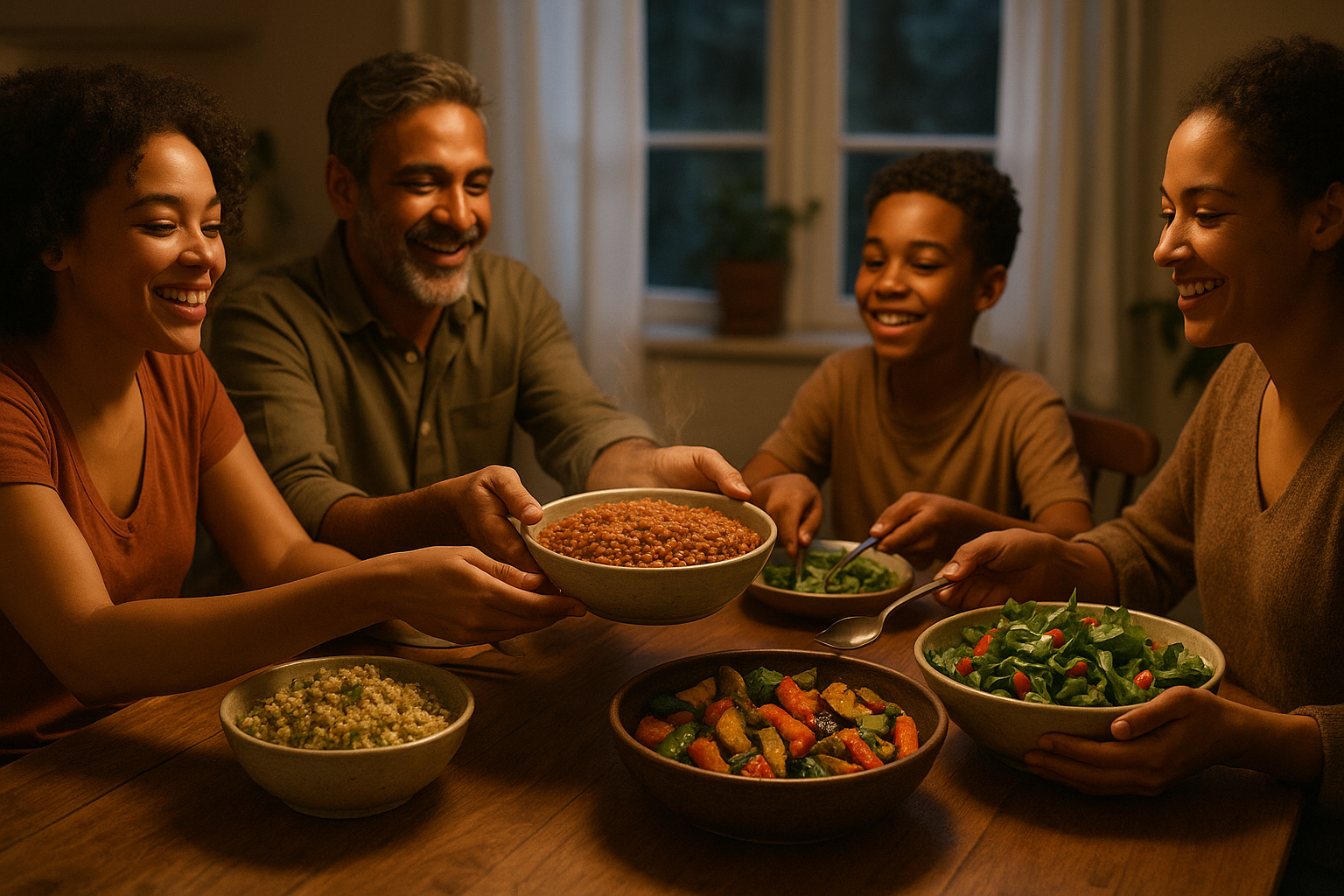
Rituals cut decisions and make dinner something to look forward to. Pick two theme nights and stick to them for a month—Taco Tuesday and Pasta Friday are classics, but you might rotate “Soup Night,” “Dal & Roti Night,” or “Bowl Bar.” Post the plan on the fridge; kids love to help choose toppings on their night. Keep a few 15–20 minute back-pocket meals for chaotic days: tomato-basil pasta with lentil balls, hummus wraps with roasted veg, or scrambled tofu with toast and salad. Family involvement (washing veg, setting the table, stirring sauces) turns dinner from a task into an activity.
11.1 Theme ideas
- Tacos/Wraps: lentils or black beans, salsa, shredded cabbage, avocado.
- Pasta Night: marinara + lentil balls; pesto with peas; garlic oil with roasted veg.
- Dal Night: masoor dal, tadka, basmati, quick kachumber.
11.2 Keep it fun
- Let kids choose a topping each week.
- Create a “new sauce of the month.”
- Celebrate “leftovers remix” with silly names.
When dinner has a rhythm, grocery lists shrink and happiness grows.
12. A 7-Day Vegan Dinner Plan With Prep Timeline (Global Flavors, Local Flex)
A tangible plan beats good intentions. Use this 7-day grid as a plug-and-play dinner week, with prep done on Sunday. Swap in local favorites (e.g., chana masala, aloo gobi, chapati) and seasonal produce where you live. Each dinner follows the base + protein + veg + sauce + crunch template and includes a prep cue. Portions assume a family of 4; scale up or down.
12.1 The plan
- Sun (prep day): cook 4 cups dry beans or lentils; 6 cups rice/quinoa; roast 2 trays mixed veg; make marinara + tahini-lemon; press and marinate 600–800 g tofu.
- Mon (Bowls): rice + crispy tofu + roasted broccoli + tahini-lemon + toasted sesame. Add lemon for iron boost.
- Tue (Tacos): spiced lentil-walnut crumble + corn tortillas + cabbage + salsa + pumpkin seeds.
- Wed (Pasta): whole-wheat spaghetti + marinara + lentil “meatballs” + side salad; finish with olive oil and basil.
- Thu (Dal & Roti): masoor dal tadka + sautéed spinach + chapati; cucumber-tomato salad with lime.
- Fri (Pizza Night): olive oil–garlic base + mushrooms, onions, olives, spinach + chili flakes; side chickpea salad.
- Sat (Stir-Fry): ginger-garlic tofu + peppers + snap peas over quinoa; finish with lime and coriander.
12.2 Prep & storage pointers
- Cool and refrigerate within 2 hours; keep leftovers 3–4 days; freeze extras in labeled portions.
- Keep sodium in check by tasting before salting; finish with citrus.
- Keep B12 steady via fortified plant milk at breakfast or a supplement per age/life stage.
A simple rhythm, big flavors, and smart storage turn plant-based dinners into a routine everyone enjoys.
FAQs
1) Are plant-based family meals healthy for kids?
Yes—when well planned, plant-based diets can meet kids’ nutrient needs and support growth. Focus on regular sources of protein (beans, lentils, tofu), iron paired with vitamin C (tomatoes, lemon), calcium (fortified plant milks, tofu set with calcium sulfate, tahini, leafy greens), iodine (iodized salt), and vitamin B12 from fortified foods and/or a supplement. For infants and toddlers, follow life-stage guidance from your pediatrician and national dietary guidelines, and add new foods gradually.
2) How much protein do we actually need at dinner?
Adults typically do well with about 0.8 g/kg/day total protein, spread over meals, which might look like 20–35 g per dinner depending on body size and activity. Older adults and athletes may benefit from a bit more (around 1.0–1.2 g/kg for older adults, individualized to health status). Hitting that range is straightforward with lentils, tofu, tempeh, beans, and whole grains; aim to see a visible protein on the plate.
3) My family hates tofu. What can I serve instead?
Try texture-first proteins: crispy roasted chickpeas, lentil burgers, bean-and-mushroom “meat” sauce, or pea-protein crumbles. Marinated tempeh can win over tofu skeptics, and Burmese “chickpea tofu” is soy-free. Keep familiar flavor profiles—BBQ, taco, marinara—and finish with a crunchy topping to make bites satisfying.
4) How do I keep sodium reasonable without bland food?
Build flavor early with onions, garlic, and spices, then finish with acid (lemon, vinegar) and fresh herbs. Choose reduced-sodium sauces and soy sauce/tamari, taste before salting, and remember that palates adapt in a couple of weeks. Bold spices, citrus, and umami (tomato paste, mushrooms, miso) give you “pop” without relying on salt.
5) What about vitamin B12—do vegans really need a supplement?
B12 is the one nutrient vegans must plan for: use fortified foods (plant milks, breakfast cereals, nutritional yeast) and/or take an age-appropriate supplement. Requirements vary by age and life stage (e.g., 2.4 µg/day for most adults, with higher needs in pregnancy and lactation). Discuss dosing with your clinician or dietitian, and keep it consistent.
6) Can I prep a whole week of vegan dinners in one go?
Yes. Cook one pot of beans or lentils, a grain, two trays of roasted vegetables, and 1–2 sauces on the weekend. Store in shallow containers, refrigerate within 2 hours, and plan remixes (bowls, tacos, pasta, stuffed potatoes). Eat leftovers within 3–4 days and freeze extras for future “emergency” dinners.
7) Are plant-based milks fine for kids?
Fortified, unsweetened plant milks can fit into family meals, especially for cooking and cereal, but nutrient profiles vary widely (protein, calcium, iodine, B12). Read labels and prioritize fortified options; soy or pea milks often provide more protein than oat or almond. For toddlers and young children, follow pediatric guidance and national dietary recommendations.
8) Will a plant-based dinner keep teenagers full after sports?
Yes—if you combine protein + complex carbs + healthy fats. A big bowl with rice or pasta, lentils or tofu, roasted veg, and a creamy tahini or peanut sauce is both satisfying and nutritionally dense. Add a snack with protein and carbs (e.g., hummus wrap, peanut-butter banana sandwich) within an hour after training to support recovery.
9) We’re on a tight budget. What are the cheapest wins?
Dried lentils and beans are the most economical proteins; canned beans are still affordable and convenient. Buy whole vegetables and grains in bulk, lean on frozen produce, and plan dinners around weekly store specials. Batch-cook once, then remix; it reduces waste and late takeout splurges.
10) How do I handle picky eaters without cooking separate meals?
Use build-your-own formats (tacos, bowl bars) and include at least one safe food (rice, plain roti, pasta) on every plate. Offer tiny tastes of new foods without pressure, keep spice heat optional, and pair new textures with dips. Consistency and autonomy beat negotiations.
11) Can plant-based be culturally familiar?
Absolutely. Many traditional dishes are naturally plant-forward: chana masala with basmati, masoor dal and chapati, sabzi with potatoes and cauliflower, mujadara, rajma, pasta e ceci, black-bean tacos, and vegetable stir-fries. Keep your household’s flavor vocabulary—the method is flexible.
12) Is it safe to refrigerate hot food?
Yes—modern guidance favors getting food out of the 40–140°F (4–60°C) danger zone quickly. Transfer hot foods to shallow containers and refrigerate within 2 hours. This reduces bacterial growth; reheat leftovers until steaming, and use within 3–4 days for best safety and quality.
Conclusion
Plant-based family dinners succeed when you treat them like any great weeknight meal: simple structure, stand-out flavor, visible protein, and a few smart shortcuts. The base + protein + veg + sauce + crunch template calms decision fatigue; batching on the weekend lets you remix for days; and a short list of house sauces keeps flavors bold without relying on salt. Nutrition guardrails aren’t complicated: make protein visible, pair iron-rich foods with vitamin C, keep B12 steady via fortified foods or a supplement, and season smartly. Most importantly, make dinner a ritual people enjoy—theme nights, build-your-own bars, and kid-sized tasks turn the table into a place your family wants to be. Start with one template and one sauce this week, batch a pot of lentils on Sunday, and you’ll feel the difference by Friday.
Ready to start? Pick your template tonight, and set out tomorrow’s base and sauce before you go to bed.
References
- Vegetarian Dietary Patterns for Adults: A Position of the Academy of Nutrition and Dietetics. Journal of the Academy of Nutrition and Dietetics (JAND), 2025. JandOnline
- Position of the Academy of Nutrition and Dietetics: Vegetarian Diets. Academy of Nutrition and Dietetics; PubMed record, 2016. PubMed
- Vitamin B12 – Health Professional Fact Sheet. National Institutes of Health, Office of Dietary Supplements, July 2, 2025. Office of Dietary Supplements
- Iron – Health Professional Fact Sheet. National Institutes of Health, Office of Dietary Supplements, Oct 9, 2024. Office of Dietary Supplements
- Vegetarian and Vegan Diets (NHS Inform). NHS Inform (Scotland), Feb 21, 2025. NHS inform
- The Vegan Diet (UK NHS). NHS, guidance page (last reviewed per site), accessed Aug 2025. nhs.uk
- Sodium Reduction – Fact Sheet. World Health Organization, Feb 7, 2025. World Health Organization
- Leftovers and Food Safety. USDA Food Safety and Inspection Service, Jul 31, 2020. fsis.usda.gov
- How much protein do you need every day? Harvard Health Publishing, updated Jun 22, 2023. Harvard Health
- Dietary Guidelines for Americans, 2020–2025. U.S. Departments of Agriculture and Health and Human Services, Dec 2020. dietaryguidelines.gov