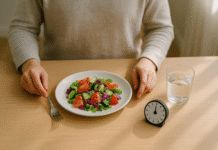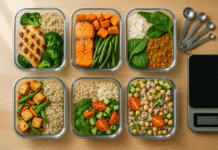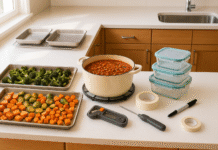











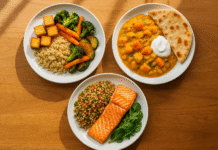
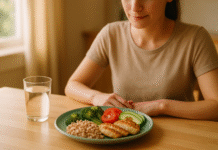













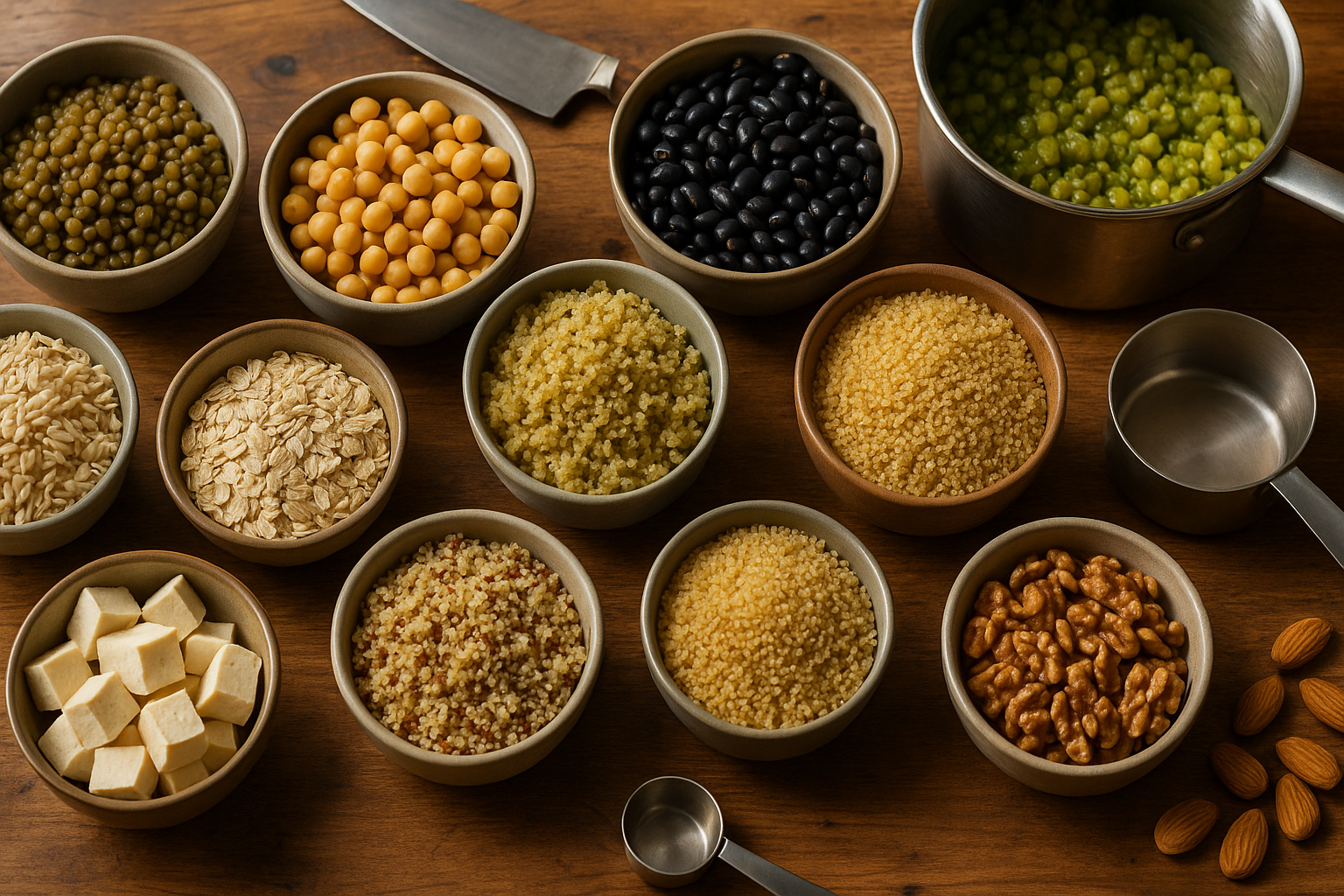
A balanced plant-based plate doesn’t have to be complicated: build it around legumes, whole grains, and nuts, then layer in vegetables, fruit, and seasonings. These staples deliver the core trio—protein, fiber, and healthy fats—plus minerals like iron, magnesium, and zinc. In simple terms, legumes bring protein and fiber, whole grains contribute slow-digesting carbs and extra protein, and nuts add healthy fats and micronutrients. Together, they keep you full, support metabolic health, and make meal prep affordable. Quick snapshot: fill ½ your plate with vegetables, ¼ with whole grains, ¼ with legumes, and add a small handful of nuts. (General education only—nutrition needs vary; this is not medical advice.)
1. Lentils
Lentils are a fast-cooking legume that provide robust protein and fiber with minimal effort and cost. Start with this: one cooked cup of lentils can anchor a full meal—toss with vegetables and a grain, or simmer into a stew. Unlike many beans, lentils don’t require soaking, making them a weeknight hero. Their neutral, earthy flavor takes well to spices from cumin and coriander to curry leaves and smoked paprika. Red and yellow lentils break down into a silky dal; brown and green hold shape for salads, patties, and bakes. If you’re optimizing nutrition, pair lentils with vitamin C–rich ingredients (tomatoes, lemon) to support non-heme iron absorption, and combine with grains across your day for complementary amino acids. In South Asia, lentils (dal) with rice (chawal) is a time-tested pattern for good reason.
1.1 Why it matters
Lentils deliver plant protein, resistant starch, and soluble fiber for steady energy and digestive health. They’re also rich in folate, iron, and potassium—nutrients often underconsumed.
1.2 How to use it
- Cook ratios: 1 cup dry lentils : 2½–3 cups water, 15–25 minutes simmering.
- Pressure cooker: 6–10 minutes at pressure for whole brown/green; 3–5 minutes for red/yellow.
- Flavor base: Start with onions, garlic/ginger; bloom spices in oil before adding lentils.
- Meal formats: Dal + rice; lentil Bolognese; salad bowls with roasted veg; lentil shepherd’s pie.
- Storage: Cook a batch; refrigerate 4 days or freeze 2–3 months.
1.3 Numbers & guardrails
A typical ½–1 cup cooked serving offers notable protein and fiber; aim for a palm-sized portion as your meal’s protein anchor. If legumes cause bloating, start with smaller portions and increase gradually.
Bottom line: Lentils are versatile, budget-friendly, and fast—ideal as your default protein on busy nights.
2. Chickpeas
Chickpeas (garbanzo beans) are a culinary shapeshifter: creamy in curries, crisp in the oven, and silky when blended into hummus. The direct answer: they supply steady protein and fiber and pair effortlessly with grains and vegetables to make a complete, satisfying meal. Dried chickpeas benefit from soaking for even cooking and improved digestibility; canned versions are convenient, just rinse well to reduce sodium. From chana masala to roasted snack mixes to pasta salads, chickpeas thrive in both long-simmered sauces and quick 15-minute bowls. Their mild flavor loves bold spices (chili, garam masala, harissa) and bright acids (lemon, vinegar). As with other legumes, vitamin C–rich sides can enhance iron uptake.
2.1 How to cook (dried and canned)
- Soak: 8–12 hours in cool water with a pinch of baking soda; rinse before cooking.
- Boil: 60–90 minutes until tender; or pressure cook: 20–35 minutes depending on age/size.
- Canned: Rinse 30–60 seconds; save aquafaba for emulsifying dressings or vegan meringues.
- Texture targets: Soft for hummus; al dente for salads; very soft for curries.
2.2 Common mistakes
- Skipping the soak (for very old beans) can lead to split skins and uneven cooking.
- Under-salting: Salt toward the end to avoid tough skins but don’t fear seasoning.
- Single-use mindset: Beyond hummus—try chickpea “tuna” salad, chana pulao, or sheet-pan trays.
2.3 Mini case
Batch-cook 1 kg dried chickpeas on Sunday; freeze in 2-cup bags. You’ll have ~6–7 meal-ready packs for soups, wraps, and bowls all month.
Bottom line: Chickpeas are crowd-pleasing and endlessly adaptable—keep both canned and cooked-from-dry on hand.
3. Black Beans
Black beans offer a deep, slightly sweet flavor and creamy interior that suits bowls, tacos, stews, and even veggie burgers. The short answer: they are a protein-and-fiber powerhouse that stabilize energy and pair well with grains like brown rice or corn tortillas. They also bring polyphenols (anthocyanins) found in their dark skins. If you’re new to cooking beans from dry, black beans are a forgiving start—soak if you like, but it’s optional if you pressure-cook. Spice profiles range from cumin-lime-garlic to chipotle-tomato; finish with acidity (lime, vinegar) and herbs (cilantro) to brighten.
3.1 How to do it
- No-soak pressure-cooker: 25–30 minutes at pressure; natural release 10 minutes.
- Soak + simmer: Soak 6–8 hours; simmer 60–75 minutes.
- Seasoning tips: Add aromatics early (onion, bay leaf) and salt late; stir in lime at the end.
- Meal ideas: Black bean chili; rice-and-beans bowls; enchiladas; mashed as a quesadilla filling.
3.2 Numbers & guardrails
Plan ~½–1 cup cooked beans per serving. For gentle digestion, introduce beans gradually and consider spice aids (asafoetida/hing), or add kombu during cooking.
Bottom line: Black beans anchor hearty, high-fiber meals with minimal cost and prep.
4. Soy Foods (Tofu, Tempeh, and Edamame)
Soybeans are legumes transformed into diverse staples: tofu (curdled soy milk), tempeh (fermented whole soybeans), and edamame (young green soybeans). The direct answer: soy foods deliver high-quality plant protein with all essential amino acids, making them ideal when you need a sturdy protein centerpiece. Tofu takes on marinades and crisps well; tempeh adds a nutty bite and ferments for improved digestibility; edamame is fast and snackable. Concerns about soy are often overstated for most people; for personalized medical guidance (e.g., thyroid, medication interactions), consult a clinician.
4.1 Tools & techniques
- Firm/extra-firm tofu: Press 10–20 minutes; pan-sear or bake 20–30 minutes at 200°C.
- Silken tofu: For smoothies, miso soup, desserts.
- Tempeh: Steam 10 minutes to mellow bitterness, then marinate and pan-sear.
- Edamame: Boil or steam 4–5 minutes; toss with sea salt, chili, or garlic oil.
4.2 Mini checklist
- Keep cornstarch for crispy tofu.
- Use soy sauce/tamari, miso, or gochujang for umami.
- Try mapo tofu, tempeh satay, edamame fried rice, or tofu scramble.
Bottom line: Soy foods provide convenient, complete protein options that play well with any spice profile.
5. Split Peas
Split peas (green or yellow) are peeled, halved field peas that cook into a hearty, velvety soup without soaking. The answer: they’re a budget-friendly way to load meals with protein, soluble fiber, and thickness—no cream needed. They excel in pureed soups, dal-like stews, and as a base for veggie patties. Their mild flavor happily carries smoked paprika, cumin, thyme, or curry blends.
5.1 Numbers & guardrails
- Ratio: 1 cup split peas : 4 cups water; simmer 45–60 minutes, stirring to prevent sticking.
- Pressure cooker: 8–12 minutes at pressure.
- Portion: Start with ~¾ cup cooked as your legume quarter of the plate.
- Digestibility: Skins are removed, making split peas gentler than some whole beans.
5.2 Use cases
- Classic split pea soup with carrots, celery, and bay leaves.
- Pakistani-style dal chana analogs with aromatics and chilies.
- Thicken vegetable soups by stirring in a cup of cooked puree.
Bottom line: Split peas are a creamy, one-pot path to protein-rich comfort food.
6. Quinoa
Quinoa is a gluten-free pseudocereal valued for its complete amino acid profile and quick cook time. In short: it offers moderate protein with a light, fluffy texture and works hot or cold—stir into pilafs, salads, and breakfast bowls. Rinsing removes saponins (bitter compounds); toasting enhances nuttiness. For balance, pair quinoa with legumes or tofu and plenty of vegetables. Because it cooks in ~15 minutes, it’s ideal for last-minute meal prep.
6.1 How to do it
- Rinse well in a fine-mesh sieve; toast 1–2 minutes in a dry pan (optional).
- Cook ratio: 1 cup quinoa : 2 cups water; simmer 12–15 minutes, rest 5 minutes.
- Flavors: Citrus zest, herbs, olive oil; or spices like cumin, coriander, smoked paprika.
- Formats: Quinoa tabbouleh, burrito bowls, breakfast porridge with fruit and nuts.
6.2 Common mistakes
- Skipping the rinse → lingering bitterness.
- Too much water → mushiness; measure carefully.
- Under-seasoning → bland; use broths and dressings.
Bottom line: Quinoa is a speedy, protein-forward base that upgrades salads and bowls without gluten.
7. Brown Rice
Brown rice retains the bran and germ, offering fiber, B vitamins, and minerals compared with white rice. Direct answer: use it when you want a steadier energy curve and a heartier chew; it pairs with any legume or tofu dish. Variety matters: short-grain is stickier for sushi-style bowls; long-grain stays separate for pilafs. If you grew up with white rice, try mixing 50:50 for a gentle transition.
7.1 Technique map
- Stovetop absorption: 1 cup rice : 2 cups water; simmer 40–50 minutes; rest 10 minutes.
- Boil and drain: Like pasta; 25–35 minutes then steam 10 minutes.
- Pressure cooker: 20–25 minutes at pressure.
- Batch & freeze: Spread on a tray to cool; portion and freeze for 2–3 months.
7.2 Numbers & guardrails
Portion ~½–1 cup cooked as the grain quarter of your plate. Wash thoroughly to remove surface starch. If arsenic exposure is a concern, the boil-and-drain method and rinsing can reduce it.
Bottom line: Brown rice is a reliable, neutral base that supports savory legume dishes and vegetable-forward plates.
8. Oats
Oats bring beta-glucan soluble fiber that supports cholesterol management and satiety. The answer: they’re a versatile whole grain for breakfast bowls, savory bakes, smoothies, and even veggie burgers. Choose rolled for speed, steel-cut for chew; both are nutritious. Oats pair well with fruit and nuts in the morning or with mushrooms and miso for dinner porridge. For gluten sensitivity, look for certified gluten-free oats.
8.1 How to cook
- Rolled oats: 1 cup oats : 2 cups water/milk; simmer 5–8 minutes.
- Steel-cut: 1 cup oats : 3–4 cups liquid; simmer 20–30 minutes.
- Overnight oats: Soak 1:1–1:1.5 oats to milk; chill 6–12 hours.
- Baking: Pulse into oat flour for pancakes and quick breads.
8.2 Numbers & guardrails
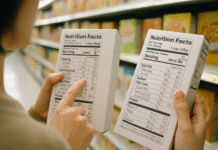
A bowl delivering ~3 g beta-glucan per day is a common target associated with cholesterol benefits; check labels for soluble fiber per serving. Mind toppings—opt for fruit and nuts over sugar-laden syrups.
Bottom line: Oats are an all-day grain: quick, comforting, and clinically useful for heart health patterns.
9. Whole Wheat & Bulgur
Wheat in whole form or as bulgur (parboiled, cracked wheat) is a practical staple for salads, pilafs, and wraps. Short answer: it offers fiber and protein with a toasty flavor; bulgur’s quick cook time makes it weeknight-friendly. Whole-wheat flour boosts nutrition in flatbreads and baking. If you tolerate gluten, wheat provides breadth: chapatis, tabbouleh, grain bowls, and hearty soups.
9.1 How to do it
- Bulgur: Soak fine bulgur in hot water 10–15 minutes; cook medium/coarse bulgur 10–12 minutes.
- Whole wheat berries: Soak 6–8 hours; simmer 45–60 minutes, or pressure-cook ~25 minutes.
- Flatbreads: Swap 25–50% whole-wheat flour into parathas, rotis, or pizza dough.
9.2 Common mistakes
- Overcooking bulgur → mushy salads.
- Ignoring salt/acid → flat flavors; add lemon, vinegar, or pomegranate molasses.
- No texture contrast → add cucumbers, herbs, nuts, and a juicy tomato.
Bottom line: Whole wheat and bulgur deliver speed, texture, and nutrition for grain salads and breads.
10. Barley
Barley’s chewy bite and nutty flavor make soups and salads satisfying. The direct answer: it’s a mineral-rich whole grain with notable beta-glucan fiber (like oats), making it smart for heart-healthy patterns. Pearl barley is polished and cooks faster; hulled barley is less processed and higher in fiber but needs more time. Add barley to vegetable soups or toss with roasted vegetables and a lemony dressing.
10.1 Numbers & guardrails
- Pearl barley: 1 cup barley : 3 cups water; simmer 25–35 minutes.
- Hulled barley: 1 : 3½–4; simmer 45–60 minutes or pressure-cook ~25–30 minutes.
- Portion: ½–1 cup cooked as your grain component.
- Note: Contains gluten; avoid if you have celiac disease.
10.2 Tools/Examples
- Hearty mushroom–barley soup.
- Barley “risotto” with thyme and peas.
- Barley tabbouleh with herbs and olive oil.
Bottom line: Barley adds chew, fiber, and comfort, especially in cool-weather meals.
11. Almonds
Almonds bring crunch, vitamin E, magnesium, and plant protein to snacks and meals. Short answer: a small handful (about 28 g) adds healthy fats and staying power to bowls, salads, and breakfast. They also grind into almond flour for gluten-free baking and blitz into almond butter for sauces. Lightly toast to amplify flavor; keep portions moderated if you’re tracking calories.
11.1 How to use it
- Snack: Pair with fruit for fiber + fat balance.
- Toppings: Sprinkle over oatmeal, pilafs, and yogurt alternatives.
- Sauces: Almond butter thinned with water, miso, and lime makes a quick dressing.
- Baking: Almond flour adds tenderness to quick breads and cookies.
11.2 Numbers & guardrails
An ounce of almonds typically provides several grams each of protein and fiber with mostly monounsaturated fat. For sodium control, choose unsalted; for sweetness, use dates or fruit rather than sugar.
Bottom line: Almonds are a versatile texture and nutrient booster for nearly any plant-forward dish.
12. Walnuts
Walnuts stand out for their alpha-linolenic acid (ALA), a plant omega-3, plus antioxidants in the skin. In brief: a small daily portion supports a heart-healthy pattern and complements both savory and sweet meals. Their slightly bitter, buttery flavor loves maple, cinnamon, and cocoa on the sweet side; and balsamic, herbs, and mushrooms on the savory side. Walnuts also make a convincing crumble for plant-based “meat” sauces when pulsed with lentils and spices.
12.1 How to use it
- Topping: Scatter over oatmeal, salads, or roasted squash.
- Sauces: Blend into walnut pesto with parsley or basil.
- Proteiny crumble: Pulse walnuts + lentils + spices for taco or pasta fillings.
- Toasting: 5–7 minutes at 175–180°C; cool before storing.
12.2 Numbers & guardrails
A small handful (around 28 g) typically provides a few grams of protein, fiber, and ~2.5 g ALA. Keep them in the fridge or freezer to protect their delicate fats from rancidity.
Bottom line: Walnuts deliver plant omega-3s and an addictive crunch that upgrades both everyday bowls and special dishes.
FAQs
1) How do I build a balanced plant-based plate with these staples?
Start with a simple template: half vegetables (raw or cooked), a quarter whole grains (brown rice, quinoa, bulgur, oats), and a quarter legumes (lentils, chickpeas, beans, tofu/tempeh). Add a small handful of nuts for healthy fats and texture. Season with herbs, spices, citrus, and a modest amount of oil. This pattern makes meals filling, affordable, and adaptable to cuisines—South Asian dals, Mediterranean bowls, or Latin-inspired rice-and-bean plates.
2) Are legumes “complete” proteins?
Most legumes are not “complete” alone, but that’s not a problem—your body builds complete proteins from the amino acids you eat throughout the day. Combining legumes with grains (e.g., dal + rice, beans + tortillas) or including soy or quinoa helps cover all essential amino acids. You don’t need to pair foods in the same meal; variety across the day does the job.
3) Will beans upset my stomach, and how can I reduce gas?
If legumes are new to you, start small and increase gradually so your gut adapts to their fibers. Soak dried beans, discard soak water, and rinse before cooking. Pressure-cooking, adding aromatics like ginger or bay leaf, and using spices such as asafoetida (hing) can help. Rinsing canned beans and chewing thoroughly also makes a difference.
4) What are easy batch-cook ideas for a busy week?
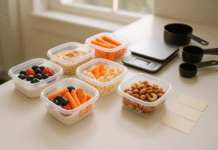
Cook a pot each of lentils and a whole grain (brown rice or barley) and roast a tray of vegetables. Portion into containers and vary sauces: tahini-lemon one day, tomato-chili the next, herby pesto after that. Keep nuts in small jars for quick toppings. You can freeze cooked legumes and grains for 2–3 months, so nothing goes to waste.
5) Is quinoa healthier than brown rice?
They’re different tools. Quinoa cooks faster and provides a broader amino acid profile; brown rice offers a familiar texture and is widely available. Choose quinoa for quick bowls and salads, and brown rice for curries and stir-fries. Many people mix them 50:50 for texture, speed, and nutrition benefits from both.
6) Do nuts cause weight gain?
Nuts are energy-dense, but they’re also satiating thanks to fat, fiber, and protein. Portion control helps—aim for a small handful (about 28 g). Use nuts to replace, not add to, less nutritious snacks, and lean on them for crunch in salads and oats. Storing nuts in plain view can invite mindless snacking; pre-portioning removes friction.
7) I’m gluten-free—what can I choose from this list?
Stick to gluten-free options like lentils, chickpeas, black beans, soy foods, split peas, quinoa, brown rice, and certified gluten-free oats. Avoid barley and bulgur (and check wheat-based products). Always verify labels for cross-contact if you have celiac disease or a diagnosed wheat allergy.
8) How do I improve iron absorption from plant foods?
Pair iron-rich legumes with vitamin C–rich foods—think dal with tomatoes or chickpeas with lemony dressings. Cooking in cast-iron pans can add a small amount of iron. Tea and coffee with meals may reduce absorption for some people; enjoy them between meals if iron status is a concern. Speak with a clinician if you suspect deficiency.
9) Are canned beans and packaged grains okay?
Absolutely. Canned beans are nutritious and convenient—just rinse to reduce sodium and any canning liquid aftertaste. Packaged grains like parboiled brown rice and bulgur speed up weekday cooking. Frozen, pre-cooked rice and quinoa are excellent for emergencies; quality has improved dramatically.
10) What about phytic acid—do I need to soak or sprout?
Phytic acid can bind some minerals, but it also acts as an antioxidant. Traditional practices—soaking, sprouting, fermenting—can reduce phytic acid and may improve digestibility for some people. If you enjoy the process, great; if not, don’t stress. Eating a varied diet with vitamin C–rich foods helps you get the minerals you need.
11) Can children thrive on meals built from these staples?
Yes, with thoughtful planning. Offer a variety of legumes, grains, and nuts (mind choking hazards; serve nut butters or finely chopped nuts for younger children). Include fortified foods where appropriate and ensure adequate calories for growth. Pediatric dietitians can provide individualized guidance for picky eaters or specific medical needs.
12) What kitchen tools save the most time with these foods?
A pressure cooker/Instant Pot for legumes and brown rice, a rice cooker for set-and-forget grains, and a sheet pan for roasting vegetables. A high-powered blender makes quick sauces (tahini, nut-based dressings) and silky soups. A fine-mesh sieve is essential for rinsing quinoa and small lentils.
Conclusion
Legumes, whole grains, and nuts are the backbone of balanced, plant-forward eating because they deliver the macro- and micronutrient fundamentals in a budget-friendly, flexible way. Legumes contribute satisfying protein and fiber; whole grains add slow-releasing carbohydrates and extra protein; nuts supply healthy fats and key micronutrients. When you combine them—dal over brown rice with a walnut-cucumber salad, or black beans with quinoa and an almond-lime dressing—you create meals that are filling, flavorful, and diverse enough to keep you motivated all week. Start by mastering two or three from each category, then rotate spices and sauces to stay excited. Batch-cook smartly, portion with intention, and use nuts as strategic toppers. Your next step: pick one legume, one grain, and one nut from this list and plan three mix-and-match meals for the coming week—your future self will thank you. Make one pot today, and you’ve got balanced meals on repeat.
References
- Beans and Legumes, Harvard T.H. Chan School of Public Health (The Nutrition Source), 2023. https://www.hsph.harvard.edu/nutritionsource/legumes/
- Whole Grains, Harvard T.H. Chan School of Public Health (The Nutrition Source), 2023. https://www.hsph.harvard.edu/nutritionsource/whole-grains/
- Nuts and Seeds, Harvard T.H. Chan School of Public Health (The Nutrition Source), 2023. https://www.hsph.harvard.edu/nutritionsource/nuts-and-seeds/
- FoodData Central, U.S. Department of Agriculture, 2019–2025. https://fdc.nal.usda.gov/
- Omega-3 Fatty Acids Fact Sheet for Consumers, National Institutes of Health Office of Dietary Supplements, 2024. https://ods.od.nih.gov/factsheets/Omega3FattyAcids-Consumer/
- Pulses: Nutritious Seeds for a Sustainable Future, Food and Agriculture Organization of the United Nations, 2016. https://www.fao.org/pulses-2016/en/
- Glycemic Index and Diabetes, American Diabetes Association, 2024. https://diabetes.org/health-wellness/food-nutrition/meal-planning/glycemic-index-and-diabetes
- Nuts and Your Heart: Eating Nuts for Heart Health, American Heart Association, 2023. https://www.heart.org/en/healthy-living/healthy-eating/eat-smart/fats/healthy-cooking-with-nuts-seeds
- Beta-Glucans and Maintenance of Normal Blood Cholesterol Concentrations (Scientific Opinion), EFSA Journal, 2011. https://efsa.onlinelibrary.wiley.com/doi/10.2903/j.efsa.2011.2207
- What Is a Plant-Based Diet?, Academy of Nutrition and Dietetics (eatright.org), 2023. https://www.eatright.org/health/wellness/vegetarian-and-special-diets/what-is-a-plant-based-diet