





















If your go-to stress relief is scrolling, you’re not alone—but swapping even small doses of outdoor time for screen time can calm your nervous system, lift mood, and sharpen focus. In plain terms, “replacing screen time with nature” means choosing short, repeatable outdoor activities whenever you’d normally reach for a device. The research is compelling: spending about 120 minutes per week in natural settings is linked with better health and wellbeing, and even a single 90-minute walk in nature can reduce rumination, a thought pattern tied to anxiety and low mood.
Quick start (5 steps): 1) Pick one outdoor habit below. 2) Schedule two 20–30 minute blocks this week. 3) Put your phone on airplane mode. 4) Track how you feel before/after. 5) Repeat and stack. As a general guardrail, many adults also aim for 150 minutes of moderate activity per week; several ideas here help you meet that movement target while soaking up the restorative effects of green or blue spaces. (General information only; if you have medical conditions, talk to a clinician about safe activity levels.)
1. Park Power Walks & Micro-Hikes
A brisk walk in a local park is one of the fastest ways to swap 20 minutes of scrolling for 20 minutes of stress relief. Start by choosing a nearby green space and a simple loop you can finish in 20–40 minutes; you’ll get light-to-moderate cardio, more daylight, and the mood boost of trees and birdsong with almost no gear. Walks in nature are especially potent for the mind: compared with urban street walking, a single 90-minute nature walk can reduce rumination and quiet activity in brain regions linked to repetitive negative thought. Framing your walk as a non-negotiable “micro-hike” makes it easier to stick with; put it in your calendar right where an evening social scroll would go. If safety is a concern, go during daylight hours, invite a friend, or choose park areas with steady foot traffic.
- How to do it this week
- Map a 1.5–3 km loop in a park (try AllTrails or your phone’s maps).
- Schedule two walks: one weekday, one weekend.
- Airplane mode on; pocket your phone unless you’re navigating.
- Use a simple cadence cue: “nose inhale, long mouth exhale” for 10 breaths.
- Track mood (0–10) before and after.
Why it works
Nature exposure reduces mental noise and helps downshift physiological arousal; regular park walks also nudge you toward the 120-minute weekly nature “dose” tied to higher wellbeing. As a bonus, they contribute to the 150 minutes/week of moderate activity recommended for adults. Close each loop by noting one detail you noticed (a bird, a leaf pattern)—this anchors your attention in the present and makes the habit sticky.
2. Backyard, Balcony, or Community Gardening
Gardening replaces passive consumption with a tactile, sensory reset: soil texture, plant scents, and slow, purposeful movement. You don’t need a yard; containers on a balcony or windowsill herb pots deliver many of the same benefits. Gardening sessions double as light exercise while immersing you in “soft fascination”—gentle, engaging stimuli that restore attention. Practically, a 30–60 minute gardening block is the perfect size to displace a TV episode or a news doomscroll. Start with low-maintenance plants (basil, mint, marigolds, native pollinator flowers) and simple tasks: watering, pruning, potting, and harvesting. Because plants change daily, gardening encourages consistent micro-breaks from screens.
- Starter kit checklist
- 3–4 containers with drainage, 20–30 cm diameter.
- Potting mix + slow-release fertilizer.
- Trowel, gloves, watering can; optional kneeling pad.
- Plant picks: two herbs, one flowering annual, one native perennial.
- Weekly task card: water (touch soil first), deadhead, add mulch, note pests.
Numbers & guardrails
Aim for two 30–45 minute sessions per week. In hot climates, water at dawn/dusk and wear sun protection; in colder months, focus on planning, seed starting under lights, or joining a community garden workday. Gardening checks the “nature time” box while accumulating moderate-intensity movement minutes—especially when hauling soil or weeding in a squat, which also builds leg endurance. Wrap up by photographing growth milestones; that small documentation ritual replaces “refresh feed” with “notice progress.”
3. Birdwatching with the Merlin + eBird Combo
Birding turns idle phone use into a purpose: noticing, identifying, and logging wildlife. It’s low-cost, beginner-friendly, and works in city parks, campuses, and even parking-lot trees. A 20–30 minute “sit spot” at dawn or late afternoon can be as restorative as a walk, with the added satisfaction of naming what you see and hear. Use the free Merlin app to ID calls in real time, then submit observations to eBird to contribute to community science. The focused attention required by birding is a natural antidote to fragmented, high-stimulation screen time—it nudges your brain into a calm, attentive mode.
- How to start (30-minute plan)
- Pick a bench with trees and varied edges (water, meadow, thick shrubs).
- Sit quietly for 5 minutes to let birds resume normal behavior.
- Use Merlin Sound ID for 10–15 minutes; confirm visually when possible.
- Log 10-minute stationary counts in eBird.
- End by noting one “spark bird” you want to find next time.
Tools/Examples
Even without binoculars, you’ll spot frequent urban species (house sparrows, bulbuls, mynas). If you buy optics, a basic 8×42 pair balances brightness and stability. In regions with extreme midday heat, schedule sessions within two hours after sunrise. Over time you’ll learn habitats and timing patterns, which compels you to trade couch surfing for dawn walks—a beneficial shift for circadian rhythm and stress. Pair this with “no social apps before birding” as a habit contract, and your device becomes a field tool, not a distraction.
4. Outdoor Yoga or Mindful Breathing Sessions
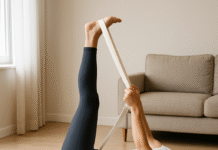
When your nervous system is wound tight from notifications, a 15–30 minute outdoor yoga or breathwork session can quickly restore balance. Practicing outside adds natural light, airflow, and sense impressions (rustling leaves, soft ground) that deepen relaxation compared with indoor practice. Start with simple sequences—standing folds, gentle twists, hip openers—and finish with 5 minutes of paced breathing (inhale 4, exhale 6). If you prefer stillness, sit comfortably, set a 10-minute timer, and follow your breath while noting three natural sounds. These micro-sessions are small enough to replace short social media breaks yet powerful enough to lower perceived stress.
- Mini-sequence (no mat required)
- 1–2 minutes: neck rolls, shoulder circles.
- 3 minutes: standing forward fold to half lift, repeat x5.
- 5 minutes: low lunge right/left, gentle twist each side.
- 3 minutes: wide-leg standing fold, sway.
- 5 minutes: box or 4–6 breathing seated.
Why it matters
Natural environments enhance restoration; even passive exposure to nature’s sights and sounds accelerates stress recovery markers. Regular outdoor movement also contributes to the 150 minutes/week activity guideline. Keep a foldable mat by the door and pair your session with sunrise or sunset to anchor the habit. In high-pollen seasons or poor air quality, choose a balcony with airflow or a shaded courtyard; if conditions are severe, skip outside and play nature sounds instead to approximate some benefits.
5. Nature Photography Walks (Smartphone-Only Is Fine)
Photography turns a walk into a creative hunt: light, lines, textures, small wildlife. It’s an ideal bridge for people who love tech but want to disengage from endless feeds. Commit to a 30–60 minute loop where your only phone function is the camera; airplane mode keeps you focused. Pick a simple assignment—“three reflections,” “five greens,” “one bird portrait.” The creative constraint replaces passive consumption with intentional seeing. As your eye sharpens, you’ll start noticing calmer breathing and looser shoulders by the second half of the walk—a sign the activity is working as a stress valve.
- Field tips
- Use gridlines; favor early/late light for softer contrast.
- Lock exposure with a long press; keep ISO low to reduce noise.
- Get physically closer rather than zooming.
- Try “rule of odds”: groups of 3 or 5 elements.
- End by deleting 80%—curation is part of the craft.
Mini case
If you normally spend 45 minutes after dinner scrolling, redirect that time to a photo loop three evenings per week. Over four weeks, you’ll have ~9 photo walks, ~270 minutes outside—more than the 120-minute nature threshold associated with better wellbeing—and likely a small album you’re proud of. That positive reinforcement helps the habit persist when work ramps up. On busy weeks, shrink the loop to 20 minutes and look only for close-ups (bark textures, dew on leaves), which works well even in pocket parks.
6. Cycling Commutes & Weekend Rides
Swapping one short drive—or even a rideshare—to a bike ride a few days a week compounds benefits: daylight exposure, aerobic exercise, and outdoor immersion. Start with low-traffic routes and distances you can complete in 15–30 minutes each way. On weekends, add a longer 60–90 minute ride on separated paths if available. Use a basic cycling computer or a free app to track distance and effort, but keep the phone stowed during the ride. The goal is flow, not metrics obsession. In hot or humid climates, ride early, carry water, and use lightweight, light-colored clothing.
- Safety & setup
- Helmet, front/rear lights, and a bell.
- Tire pressure check before every ride.
- “ABC” pre-ride: Air, Brakes, Chain.
- Learn and use hand signals; obey traffic laws.
- Start with 8–15 km outings and build by ~10% weekly.
Numbers & guardrails
Two 30-minute commutes plus one 60-minute weekend ride yields 120 minutes outside and 120 minutes of moderate activity—nearly meeting both the nature exposure dose and movement guidelines. If your city lacks bike infrastructure, try a park loop or an indoor–outdoor split (15 minutes on a stationary bike, then 15 minutes of walking outside) to keep the nature element. Replace one podcast ride per week with a silent ride to deepen the restorative effect.
7. Trail Running (or Dirt-Path Jogging) Instead of Treadmills
Trail running is the runner’s upgrade for relief: softer surfaces, varied terrain, and constant micro-sights that pull attention outward. Even gentle dirt paths in city parks deliver many of the same benefits as “wild” trails. Expect to run 30–60 seconds per kilometer slower than road pace due to surface and elevation; that’s normal. The point is a lower-stress, higher-joy session. Start with 20–35 minutes, keeping effort conversational. If you’re new to trails, alternate 5 minutes easy jog with 2 minutes walk to scan footing and scenery.
- Checklist for a smooth start
- Shoes with grippy tread; optional small waist belt.
- Short route with 1–2 loops you can repeat.
- Eyes ~3–5 meters ahead to pick lines.
- Walk steeper descents until you’re confident.
- Hydrate; in hot seasons, run at sunrise.
Why it works
Moving through green space supports attention restoration and mood. Trail running adds playful challenge without screens, inviting a flow state. Keep your phone in airplane mode for safety calls only. Over four weeks, three 30-minute trail sessions per week deliver ~360 minutes of outdoor time—well over the 120-minute nature “dose” and a solid chunk toward fitness guidelines, all while reducing repetitive strain versus pavement. If air quality is poor, substitute laps on a shaded dirt oval or postpone until levels improve.
8. Kayaking, Canoeing, or Stand-Up Paddleboarding on Blue Spaces
Flatwater paddling combines rhythmic movement with the soothing effects of water—what researchers call the benefits of “blue spaces.” Even a slow 30–60 minute paddle on a calm lake or sheltered river can wash away the mental residue of a hyperconnected day. The repetitive stroke, open vistas, and distance from notifications create natural quiet. If rentals are available, test different craft (kayak versus SUP) to see which feels stable and fun. Always wear a PFD and check conditions.
- Safety & planning
- Beginner wind limit: under ~10 knots (18 km/h); avoid whitecaps.
- Mandatory: PFD, whistle; sun protection.
- Paddle with a buddy; tell someone your plan.
- Launch early morning for smooth water and fewer crowds.
- Avoid unknown currents; stick to no-wake zones at first.
Evidence & guardrails
Living near or spending time around blue spaces is associated with better general and mental health at a population level. While correlation isn’t causation, pairing paddling with phone-free time creates a practical stress-management ritual. If water access is limited, seek park ponds with rentals or substitute a riverside walk where you can sit and watch water for 10 minutes—natural sound and motion still help recovery.
9. Fishing as Active Meditation
Fishing brings two rare ingredients into modern life: patience and presence. Whether you’re float-fishing a pond or casting from a quiet riverbank, the focus on line, water, and timing crowds out digital noise. New anglers can start with a simple spinning setup and barbless hooks for easier catch-and-release. Beginners often do best with 60–90 minute sessions at dawn or dusk when fish are more active and temperatures are kinder. The act of tying knots, watching the line, and feeling the subtle tug delivers a mindfulness-in-motion effect that many people find more accessible than formal meditation.
- Beginner setup
- Light spinning rod/reel, 6–8 lb line.
- Small assortment of hooks, floats, and soft lures.
- Pliers, hemostats, and a small tackle box.
- Local permit (where required) and basic regulations knowledge.
- Sun hat, polarized sunglasses to see through glare.
Region notes & ethics
Check local fishing regulations and licensing; seasons and limits vary widely. In hotter regions, prioritize early/late windows and handle fish with wet hands, keeping them in water for release. If you’d rather not fish, sit quietly near water for 20 minutes and watch ripples or birds instead; many of the same “blue mind” benefits apply without a rod. Pair your outing with a “no email until after sunrise” rule to protect the calm the rest of the morning.
10. Community Sports in the Park
Pick-up games—football, ultimate frisbee, basketball—transform social scrolling into real-world connection and play. Even light-hearted games deliver moderate-to-vigorous bursts that melt stress hormones and fill your “relatedness” tank in ways social media rarely does. Organize a standing weekly hour in a park and make a simple equipment kit (ball, cones, water). Keep it inclusive: mixed ability, rotating teams, simple rules. If coordination is hard, look for community recreation programs or park-run style events.
- How to make it stick
- Send a single message to 6–8 friends: “Saturdays 5 pm, Park X—come when you can.”
- Keep games to 45–60 minutes; end on a high note.
- Gentle warm-up and cool-down to reduce injury risk.
- Phone basket: everyone drops their device in a bag during play.
- Celebrate with a quick shared snack or stretch on the grass.
Numbers & guardrails
A weekly 60-minute game plus one 20–30 minute weekday park walk puts you near 90 minutes of outdoor time; add one more micro-session to cross the 120-minute nature benchmark. The social commitment is a powerful antidote to “I’ll just scroll” inertia. In hot seasons, play under trees, shift to earlier or later times, and bring extra water; in cold seasons, layer and favor dynamic games that keep you warm.
11. Foraging Walks (Safety-First, Education-Forward)
Foraging is essentially detective work with leaves and fungi. The goal for beginners isn’t eating; it’s learning. A 45-minute guided walk—ideally with a local naturalist or mycology club—dives your attention into shapes, smells, and habitats, snapping you out of digital autopilot. Start by identifying 3–5 common edible-lookalikes without tasting anything. Focus on trees, flowers, and non-consumptive plant ID to build skills safely. Photograph, sketch, and compare features in field guides; the slower pace and intense focus are meditative.
- Safety rules (non-negotiable)
- Never eat anything unless 100% identified by an expert you trust.
- Learn dangerous lookalikes in your region first.
- Avoid polluted areas (roadsides, industrial zones).
- Respect local laws and protected areas; take only photos unless permitted.
- Wash hands after handling unknown plants/fungi.
How to progress
After a few walks, try a simple, unmistakable edible in your area—again, only with expert confirmation. Many people find that the hunt and the learning are the real prizes; the “plate” is optional. If wild harvesting isn’t appropriate, transfer skills to an herb garden or a “leaf detective” photo journal on your balcony. The deep noticing foraging demands replaces shallow, rapid digital stimuli with sustained, calming attention.
12. Stargazing & Night-Sky Walks
Stargazing is the ultimate evening scroll replacement: you trade blue-light-heavy feeds for cool, dark skies that nudge melatonin in the right direction. Start by stepping outside 30–60 minutes after sunset and letting your eyes adjust for 10–20 minutes. Identify bright objects first (the Moon, visible planets, a couple of constellations) with a star app set to red-light mode to protect night vision. On cloudy nights, notice wind, tree silhouettes, and nighttime soundscapes instead—the point is unhurried, sensory presence. Bring a lightweight camp chair and a light jacket; lie back and breathe slowly.
- Beginner steps
- Choose the darkest spot available (courtyard corner, rooftop, park).
- Use a star app in red mode; silence notifications.
- Learn three anchors (e.g., Big Dipper, Orion, Scorpius) by season.
- Try 4–6 breathing while watching a single star for 20 breaths.
- Keep a simple sky log: date, sky quality, three things you noticed.
Why it works
Dark, quiet, natural settings cue the body to downshift. Even if you live in a light-polluted city, spotting the Moon’s phase and one constellation provides a nightly anchor that ends the day away from screens. On camping trips, aim for the “20–5–3” rhythm popularized by some outdoor psychologists—regular short park time, periodic deeper nature time, and a handful of fully disconnected days per year—to deepen the effect.
FAQs
1) How much nature time is “enough” to feel calmer?
A large UK study found that around 120 minutes per week in nature—whether as two 60-minute visits or four 30-minute ones—was linked with better health and wellbeing. You don’t need to hit that number perfectly every week, but it’s a practical target. Many people feel a shift after just 20 minutes when they put their phone away and focus on sensory details.
2) I live in a dense city. Where do I go?
Pocket parks, riverside paths, cemeteries (where permitted), botanical gardens, and even tree-lined streets count. Evidence shows benefits from urban green spaces, not just remote wilderness. If safety is a concern, go during daylight, choose busier parks, or join a group walk or birding meetup. On bad-weather days, sit by an open window with plants or natural sounds—still helpful when outdoor access is limited. World Health OrganizationPMC
3) Will this help my fitness too, or just stress?
Many of these activities—walking, cycling, running, paddling—also contribute to the 150 minutes/week of moderate activity recommended for adults, which supports heart health, sleep, and mood. Mix light, enjoyable outdoor time with a couple of sessions that raise your breathing and heart rate.
4) What if I only have 10 minutes?
Short bouts still count. Try a “10-minute reset”: step outside, breathe in for 4 and out for 6, and name five natural details. Stack two of these during the day and one after dinner to replace three micro-scrolls. Over a week, that’s 210 minutes of outdoor time—well over the 120-minute nature benchmark.
5) I’m sensitive to heat, cold, pollen, or air quality—what then?
Work the edges of the day (dawn/dusk), use shade and layers, and check pollen/air-quality forecasts. On high-pollen days, choose hardier activities (cycling with sunglasses, balcony yoga) or shorten exposure. When air quality is poor, reduce exertion outdoors or move sessions indoors near open windows with natural sounds.
6) Which apps support—not sabotage—this goal?
Navigation and nature ID apps (AllTrails/Komoot, Merlin, eBird, iNaturalist) add purpose. Set them to airplane mode and log data after you finish. For habit support, calendar the session and use a one-tap focus mode that hides social apps during your outing.
7) Can kids do these with me?
Absolutely. Try a 20-minute “treasure hunt” walk (find 3 leaf shapes, 2 birds, 1 cloud you like) or a family gardening bed. Kids often respond best to specific missions and short timelines. Leave devices in the car or set them to camera-only mode to keep everyone present.
8) I’m anxious about safety outdoors—ideas?
Choose high-visibility parks, go with a friend, and pick times with more foot traffic. Carry water, a small first-aid kit, and let someone know your plan. Start with daylight walks and graduate to quieter settings as your confidence grows.
9) What if I’m not outdoorsy or fit?
Start with low-barrier options: park sits, birding from a bench, balcony gardening, or stargazing. The aim is state change, not athletic achievement. As comfort builds, layer in short walks or gentle yoga outside.
10) Is “forest bathing” legit or just a fad?
“Forest bathing” (shinrin-yoku) is simply unhurried time in wooded areas. Emerging studies suggest it can lower stress markers and improve mood; while methods and outcomes vary, the practice is safe and low cost, and many people find it deeply calming.
11) Do blue spaces (water) offer unique benefits?
Yes. Systematic reviews associate exposure to blue spaces with better general and mental health, and many people report extra calm near lakes, rivers, and the sea. If you can’t paddle, even waterside walks or sit spots help.
12) How do I keep my phone from hijacking the outing?
Before you step outside, turn on airplane mode, set one emergency contact to bypass Do Not Disturb if needed, and put the device out of sight. Decide in advance whether you’ll use the camera or a nature app; if not, leave it at home for short sessions. Pair every outdoor block with a small “finish line” ritual (journal note, photo, or glass of water) to reinforce success.
Conclusion
Replacing screen time with nature is less about willpower and more about building a portfolio of outdoor micro-habits that you can slot into everyday life. When you swap even one evening scroll for a 20-minute park loop or balcony yoga session, you get movement, daylight, and sensory richness your nervous system craves. Over weeks, those swaps start adding up: 120 minutes in green or blue spaces, more restful sleep, and a steadier, warmer mood. The key is to choose one practice you actually enjoy, calendar it right where a digital habit lives, and protect it with a couple of friction-cutting rules (airplane mode, shoes by the door, a friend waiting at the park).
From birding sit-spots to stargazing, every idea here is intentionally small-enough-to-start yet meaningful enough to feel a shift. Pick one now, schedule the first two sessions, and notice how your body and mind respond. When you find what works, keep it simple and keep it outside.
CTA: Tonight, trade 20 minutes of scrolling for a short walk under trees—airplane mode on, senses open.
References
- Spending at least 120 minutes a week in nature is associated with good health and wellbeing, Scientific Reports (Nature Publishing Group), June 2019. Nature
- Nurtured by nature, American Psychological Association, April 2020. American Psychological Association
- Nature experience reduces rumination and subgenual prefrontal cortex activation, Proceedings of the National Academy of Sciences, June 2015. PNAS
- Adult Activity: An Overview—Physical Activity Guidelines for Americans, Centers for Disease Control and Prevention, December 20, 2023. CDC
- Urban green spaces and health, World Health Organization (Europe), October 2016. IRIS
- Urban blue spaces and human health: A systematic review and meta-analysis, Health & Place (Elsevier), 2021. ScienceDirect
- Effects of forest bathing (Shinrin-yoku) in stressed people: A systematic review, International Journal of Environmental Research and Public Health, 2024. PMC
- Effects of natural sound on human stress recovery (experimental study), Journal of Environmental Psychology, 2024. ScienceDirect
- The 20-5-3 rule for reconnecting with nature (popularized guideline), Tom’s Guide, August 2025 (discussing Dr. Rachel Hopman’s framework). Tom's Guide