



















Holidays are when families try to slow down and actually be together—yet the days can blur into errands, social obligations, and screens. This guide gives you 11 field-tested traditions that reliably turn “busy” into “bonded,” whether you celebrate Christmas, Eid, Diwali, Hanukkah, Lunar New Year, Nowruz, Vesak, or a simple end-of-year break. In plain terms, quality time during holidays means intentionally planned, shared rituals that create connection, meaning, and memories across generations. Done well, traditions reduce decision fatigue, set expectations, and make togetherness feel easy rather than forced. Research links routines and rituals with family stability, better communication, and resilience—exactly what you want in high-emotion seasons.
If you want a quick starting point, here’s a fast recipe: pick one connection anchor (shared meal, gratitude circle, or service), one joy anchor (game night or craft), and one reflection anchor (photo ritual or story night). Put them on the calendar before the rush, assign roles, and protect them like a flight.
1. The Cook-and-Share Feast (A Meal That Everyone Builds Together)
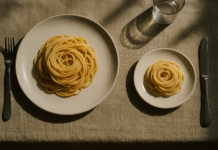
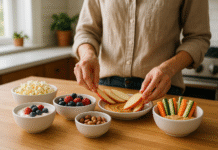
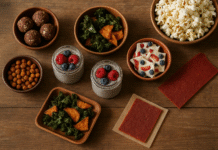
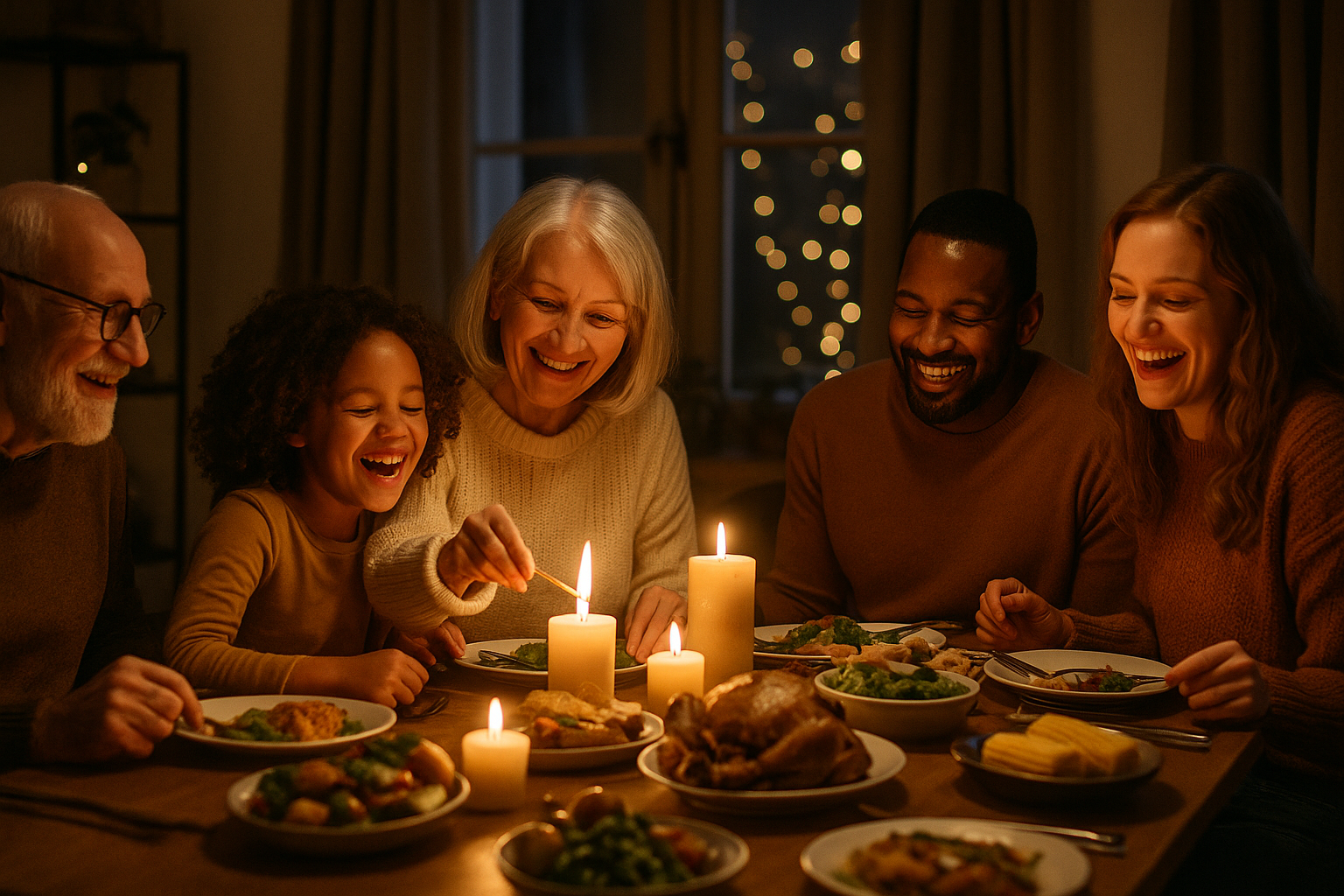
A shared meal is the universal holiday ritual: it gives people a place to gather, a timeline to coordinate around, and a reason to talk. The twist that turns dinner into quality time is co-creation—everyone contributes something tangible, from a signature dish to a table role. This spreads workload, lowers stress on one host, and makes participation feel meaningful for kids and elders alike. Meals also carry symbolic weight across cultures (from Eid biryani and sheer khurma to Diwali mithai, Hanukkah latkes, Christmas roasts, or Lunar New Year dumplings), so they’re an easy way to express identity without a lecture. Studies on “commensality” (sharing food) associate mealtimes with social, mental, and physical benefits; the point isn’t gourmet perfection, it’s predictable togetherness. The outcome: people show up, lean in, and leave feeling fed in more ways than one. PMC
- Mini-checklist
- Choose a theme (heritage dishes, “grandma’s favorites,” or a potluck by color).
- Assign roles: cook, sous-chef, playlist DJ, table artist, photographer, prayer/thank-you.
- Timebox cooking windows (e.g., 90 minutes prep, 30 minutes plate, 60 minutes linger).
- Label each dish with the maker’s name and a one-line memory.
- Add a no-phones rule from “serve” to “dessert.”
How to keep it manageable
Plan 1 main, 2 sides, 1 salad, 1 dessert for 6–8 people; scale up in increments of 4. Pre-chop the day before and set a “mise en place” tray per dish. Rotate hosts annually to keep costs and labor fair.
Region notes
In South Asia, many families prep bulk spice mixes before Eid or Diwali; in East Asia, dumpling folding lines are classic—give younger kids “press and seal” jobs.
Close by repeating the principle: the meal is the stage; co-creation is the script that makes connection automatic.
2. Story Night & Oral Histories (Record the Voices You Love)
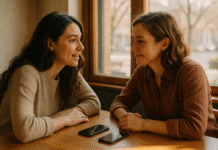
Storytelling turns relatives into real people, not roles. The goal is to capture family lore—funny, tender, ordinary—that would otherwise disappear. Start with a 60–90 minute “story night” where each person answers the same prompt (“Tell us about your first holiday away from home,” “What did your grandmother cook?”). Record audio on a phone, label files, and back them up. Why it works: stories transmit identity and strengthen attachment by showing how your family handles challenge and joy. They also let kids practice active listening and empathy. Over time, you build an audio time capsule you’ll treasure more than any present.
- Starter prompts
- “What tradition from your childhood do you still miss?”
- “Describe a time a holiday didn’t go to plan—and how we recovered.”
- “Who taught you your favorite recipe and what did they say while teaching it?”
Tools/Examples
Use Voice Memos/Recorder, Otter, or Google Recorder (auto-transcription). Create a shared cloud folder with year and topic. Print a mini “zine” afterward with 5 quotes per person.
Numbers & guardrails
Cap each story at 3–4 minutes. For 10 people, plan ~50 minutes plus pauses. Rotate a “story keeper” who preps prompts and handles edits.
Finish with a reflection: memories don’t archive themselves—set a yearly date and it will.
3. Gratitude & Reflection Circle (Five Minutes That Reframe the Season)
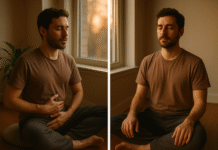
This tradition is a short, structured pause that reduces anxiety and improves mood: sit in a circle before the meal or gift-exchange and let each person share one gratitude, one lesson, and one hope for the next year. Limit to five minutes per person. Why it works: gratitude practices and brief mindfulness encourage emotional regulation and prosocial behavior; even small rituals are linked to lower blood pressure and healthier coping with stress. You don’t need a retreat to feel benefits—holidays already provide the cue.
- Mini-checklist
- Choose a consistent moment (e.g., after candles are lit, after Maghrib on Eid, before dessert on Christmas Eve).
- Use a physical “talking piece” (a candle, a date, a ribbon) to reduce interruptions.
- Invite, don’t force; listeners can pass and revisit later.
- End with a one-line blessing or moment of silence.
Variations by celebration
For Hanukkah, reflect nightly on small wins; for Diwali, pair with rangoli lighting; for Eid, add a duʿāʾ for the community. For secular gatherings, use a gratitude jar that accumulates all month.
Common mistakes
Turning it into a sermon, rushing, or letting one person dominate. Keep it short, kind, and rhythmic.
Return to the core: five intentional minutes can change the tone of an entire evening.
4. The Giving Tradition (Volunteer, Donate, or Host With Purpose)
Giving is a powerful connector because it ties your family story to your community’s. Decide on one annual act: pack food parcels, visit a neighbor who’s alone, donate toys, fundraise for a local cause, or set aside a percentage of gift spending for charity. In Muslim families, pairing holiday generosity with zakat or sadaqah is natural; in other traditions, designate a “giving night.” Research on family routines suggests predictable, meaningful practices strengthen cohesion and social responsibility in youth—exactly what a giving ritual teaches.
- How to do it
- Pick a cause your kids can understand (hunger, warmth kits, school supplies).
- Put it on the same date annually; appoint a “logistics lead” and “storyteller” to debrief.
- Set a simple metric: “10 kits,” “₹/Rs/$1,000 pooled,” or “2 hours together.”
- Capture one photo and one sentence about why you chose this act.
Region notes
In Pakistan and India, winter drives for blankets are impactful; during Lunar New Year, many families bring care packages to elders. For Kwanzaa (Ujima/Ujamaa), cooperative economics activities align well.
Mini case
A family of six commits ₹/Rs 10,000 per year: ₹/Rs 5,000 to a local shelter, ₹/Rs 3,000 in school supplies, ₹/Rs 2,000 to a neighbor’s medical fundraiser. Everyone helps deliver.
End by noting the long view: kids remember how you gave more than what you got.
5. Heritage Craft & Décor Workshop (Make the Symbols Together)
Hand-made décor transforms a house into a shared canvas. Choose crafts that anchor your holiday’s symbols—paper snowflakes, diya painting and torans for Diwali, paper lanterns for Eid or Lunar New Year, Hanukkah dreidel garlands, Advent wreaths, or Kwanzaa kinaras. The point isn’t perfect aesthetics; it’s joint attention and tactile memory-making. Crafting also helps younger kids regulate energy when excitement spikes. Pair it with music from your culture or family favorites to add sensory cues.
- Supply list
- Cardstock, colored paper, string, safe scissors, non-toxic paint/glue.
- Recycled jars (luminarias), dry flowers, cloves/oranges, fabric scraps.
- Protective table covering; a “drying zone” and photo backdrop corner.
How to run it
Timebox to 60–75 minutes. Assign a “demo lead” to show one technique. Split into stations (lanterns, cards, garlands). Display maker name and year on each item.
Region notes
Rangoli or alpana designs can welcome guests and symbolize light overcoming darkness; crescent-and-star lanterns are popular before Eid; red-gold paper cuts and couplets suit Lunar New Year.
Wrap with a ritual: hang or place the crafts together and take a group photo for the yearly album.
6. Lights Walk, Nature Stroll, or Stargazing (Move, Look, Talk)
Movement helps people relax and talk more freely. After a heavy meal or before evening prayers, take a 30–60 minute neighborhood stroll to see lights or nature. You can add a scavenger list (find a star, a specific color of lantern, a new decoration, a dog in a sweater). For families near parks or mosques/temples/churches, combine a visit with photos. The benefit is not just steps—it’s patterned time side-by-side, which invites conversation, and a reset for over-stimulated kids.
- Mini-checklist
- Safety first: reflective bands, group sizes, and a return time.
- Pick a route with a midpoint pause (chai/tea stall, cocoa thermos, or a bench).
- Make it screen-free; allow one phone for photos and safety.
- Close with one question everyone answers on the walk back.
Region notes
In Karachi/Lahore, a Chaand Raat stroll before Eid shopping can become a tradition; in colder climates, a brief stargazing session (blankets + thermos) works well; in Sydney or Cape Town, dawn beach walks are perfect.
Common mistakes
Over-ambitious distances with grandparents or toddlers; aim for joy, not endurance.
Return to the principle: shared movement = easy conversation = natural bonding.
7. Family Games Tournament (Friendly Competition, Big Laughs)
Games cut across age, language, and introversion levels. A well-run tournament gives structure (bracket, scorecards, a goofy trophy) and permission to play. Choose classics (Ludo, Carrom, Uno, Scrabble, Bananagrams, Dominos, charades) or culture-specific games (Tambola/Housie, Mahjong, Mancala). Keep rounds short (10–15 minutes), teams mixed by age, and the prize symbolic (a paper crown, the “golden ladle,” or next year’s rule-maker).
- Setup
- Create a simple bracket on paper; best-of-3 for finals.
- Add “house rules” to level the field (e.g., younger kids get a head start).
- Assign a “vibes captain” to keep things light and a “scorekeeper” to avoid disputes.
Why it works
Ritualized play is a healthy stress release and builds a shared family language of jokes and references. Rituals—formalized, repeatable sequences—reduce anxiety and improve performance in various contexts; that carries into social settings, too.
Mini case
Eight participants, 90 minutes, four tables. Rotate every 15 minutes; crown winners with a family-made sash. Everyone signs the back for next year.
Finish with a principle: competition is a spice—keep the meal friendly.
8. The Annual Photo + Memory Capsule (Make Time Visible)
Photos freeze faces; capsules freeze context. Each year, take a group photo in the same spot, then capture “the year in one page” for each person: age/grade or role, one highlight, one challenge, one favorite tradition, one hope. Put pages and a few small artifacts (ticket stub, recipe card, drawing) into a dated envelope or box. Over a decade, you’ll have an arc as satisfying as any novel—and a concrete reason to gather. It also gives shy family members a non-verbal way to contribute.
- Checklist
- Choose a consistent background and tripod spot; set a recurring reminder.
- Appoint a “memory captain” to gather pages and items.
- Limit capsule to 10 items max to keep it curated.
- Back up the photo to two places (cloud + external drive).
How to scale
For large families, make capsules per household; for small ones, invite “chosen family” or neighbors to join.
Numbers & guardrails
A 30-minute window is plenty: 10 minutes for photos, 20 for capsules. Don’t aim for museum-quality—aim for continuity.
Close with the why: time passes either way; this tradition lets you watch it together.
9. Hybrid Holiday: Cook-Along or Craft-Along With Distant Relatives
When loved ones can’t travel, a synchronous “cook-along” or “craft-along” bridges distance. Pick one simple recipe or craft, share a one-page prep sheet with ingredients/tools, and schedule a 60–75 minute video call (Zoom, WhatsApp, FaceTime). Assign on-screen roles: “demo lead,” “spotlight photographer,” “kid host.” End with a 10-minute tasting/show-and-tell. Hybrid rituals preserve intergenerational contact, maintain family identity during mobility or migration, and keep traditions alive during disruptions.
- How to do it
- Send prep sheet a week in advance; note substitutions for different regions.
- Plan for time zones; overlap windows of 8–10 a.m. and 6–8 p.m. where possible.
- Record the session, edit a 60–90-second highlight reel, and share it.
Region notes
If relatives are in multiple countries, pick a dish with flexible staples (rice/noodles, lentils, flatbreads). For Ramadan/Eid across time zones, host a pre-iftar craft session for kids, then a brief post-Maghrib meet-and-greet.
Common mistakes
Overcomplicated recipes, poor audio, or unclear camera angles. Keep shots wide, instructions simple, and expectations light.
End with the reminder: presence is a verb; hybrid presence still counts.
10. The Home Service Project (Hospitality, Not Perfection)
Before many holidays, households reset spaces—think Diwali cleaning for Lakshmi puja, pre-Eid tidy-up before guests, or post-Christmas toy rotation. Turn chores into a shared ritual that teaches stewardship: pick one “house service” with a visible outcome—kitchen deep clean, bookshelf refresh, blanket drive assembly, or guest-room prep with handwritten welcome notes. Rotate teams by room and age; soundtrack it; set a 90-minute sprint with a celebratory snack at the end. The result is less stress for hosts and a shared sense of pride.
- Mini-checklist
- Define “done” with a 3–5 point checklist per area (e.g., clear surfaces, wipe, organize, add flowers).
- Use timers and visible before/after photos.
- Pair elders with teens; give toddlers a “sticker inspector” role.
Why it matters
Predictable, meaningful routines support socio-emotional development and a coherent sense of “how our family works,” which buffers stress during busy seasons. Arizona Department of Education
Numbers & guardrails
Keep it under 2 hours. Celebrate with a small reveal tour and “best transformation” applause.
Close with the principle: hospitality is love made visible—let everyone practice it.
11. Faith & Mindfulness Anchors (Small Sacred Moments, Big Calm)
Whether your family prays, meditates, lights candles, recites blessings, or simply breathes together for one minute, a shared contemplative moment marks time as special. Place it at the same point in the evening (after sunset prayer, before opening gifts, after lighting diyas or the hanukkiah). Evidence suggests that consistent small rituals lower anxiety and support connection; mindfulness practices also help people cope with stress and make healthier choices. Relationship research likewise highlights “rituals of connection” as a pillar of strong bonds.
- How to do it
- Choose one repeatable act (lighting, prayer, breath count, short chant).
- Keep it under 5 minutes; use the same words/actions yearly.
- Invite guests to observe or join respectfully; explain the meaning in one sentence.
Region notes
For Muslim families, align with Maghrib or Isha during Eid or with Taraweeh in Ramadan; for Diwali, the first lighting can include a shared intention; for Hanukkah, add a 30-second gratitude after blessings; for Christmas Eve, a carol or reading works well.
Common mistakes
Making it performative, policing it, or tacking it on at the end. Mark it clearly and keep it gentle.
Leave readers with the why: small sacred moments give large days a heartbeat.
FAQs
1) What does “quality time during holidays” actually mean?
It’s time that’s intentional, shared, and repeatable—not just co-present but co-engaged. Think rituals that make participation easy: a co-cooked meal, a gratitude circle, a lights walk. Research on family routines/rituals shows these patterns organize family life and buffer stress, which is why they make holidays feel grounded rather than chaotic.
2) How many traditions should a family run at once?
Two or three anchors are plenty: one connection (meal/service), one joy (game/craft), one reflection (story/gratitude). Over-programming backfires—people need slack. If you’re starting fresh, pilot one new tradition this year and review what worked in January.
3) We’re a mixed-culture family. How do we combine traditions respectfully?
Choose themes (light, generosity, renewal) that exist across many holidays, then express them with each culture’s symbols—e.g., diyas + candles, dates + cookies, rangoli + wreaths. Name what you’re doing: “We’re blending to honor all parts of our family.” Invite elders to teach, and alternate whose tradition leads each year.
4) What if someone doesn’t want to participate?
Make rituals opt-in with roles. Offer observing roles (photographer, music DJ, greeter) and participation windows (join for the circle even if you skip crafts). The goal is belonging, not compliance. Keep traditions short and rhythmic so hesitant relatives can try without feeling trapped.
5) How can we include toddlers or elders with mobility limits?
Choose seated-friendly rituals: story night, gratitude circles, crafts with pre-cut materials, and in-home service projects. For walks, set short loops with rest points. Assign seniors as judges/story keepers; toddlers as sticker inspectors or garnish-sprinklers. Build rest into the schedule.
6) Are there low-cost options?
Yes—most listed traditions cost little: potluck meals, paper crafts, neighborhood walks, game nights with cards/dominos, service like letter-writing to neighbors. Set a shared budget cap and rely on time/creativity more than purchases.
7) What does research actually say about family rituals?
Reviews and guides link routines/rituals with better communication, child adjustment, and resilience; they help families navigate stress and transitions. You don’t need elaborate plans—predictability + meaning are the active ingredients. See APA summaries, Child Trends briefs, and recent systematic reviews for overviews.
8) How do we handle religious differences among guests?
Use explanatory hospitality: state the meaning (“We light this to remember our blessings”) and invite people to observe or participate in a way consistent with their practice (silent reflection, their own prayer). Avoid surprise proselytizing; keep rituals short and optional.
9) What if holidays are emotionally hard for us?
Holidays can amplify grief, conflict, or loneliness. Choose gentle, low-stimulus rituals (short gratitude, tea + story photo browsing, a brief memorial candle). Keep expectations modest. Mindfulness and simple connection rituals can help with stress regulation and mood.
10) How do we keep traditions from becoming chores?
Name a tradition owner each year to refresh small details (music, theme color) while preserving the core act. Timebox activities, rotate labor, and end with a micro-celebration. If a tradition repeatedly drains energy, retire or revise it—rituals serve people, not the other way around.
11) We’re spread across countries. Any tips for time zones?
Pick overlap windows (early morning + evening), keep agendas tight (60–75 minutes), send a one-page prep sheet with substitutions for local staples, record calls for those who can’t attend, and alternate which time zone is most convenient from year to year.
12) Do “secular” families need rituals?
Rituals aren’t inherently religious; they’re structured meaning-making. Lighting a candle for gratitude, hosting a service hour, or telling origin stories are secular-friendly ways to create continuity and belonging. Relationship science calls these “rituals of connection,” and they’re useful in any household.
Conclusion
Traditions are the simple machines of family life: small inputs, big outputs. By choosing a handful of repeatable, meaningful actions—co-cooking a feast, recording stories, a five-minute gratitude circle, a lights walk, one act of giving—you create points in time that everyone can count on. Predictability reduces friction; symbolism deepens memory; shared roles make belonging tangible. Over years, these tiny anchors become a family’s unofficial curriculum: how we welcome people, how we celebrate, how we recover when plans go sideways. Start by putting one tradition on the calendar now, assign roles, and protect it from busyness. Next year, iterate: keep what lifted you; tweak what dragged. The goal isn’t perfection; it’s presence—with each other, in this season, in this life.
Ready to start? Pick one tradition, schedule it, and invite everyone with one clear line: “This is how we’ll make time count together.”
References
- Family routines and rituals may improve… American Psychological Association (Press Release), Dec 2002. https://www.apa.org/news/press/releases/2002/12/rituals
- Create Shared Meaning: Rituals for the Family. The Gottman Institute, Mar 4, 2024. https://www.gottman.com/blog/create-shared-meaning-rituals-for-the-family/
- Building Family Culture: Holiday Stories That Connect. The Gottman Institute, May 3, 2025. https://www.gottman.com/blog/building-family-culture-holiday-stories-that-connect/
- Flourishing From the Start: What Is It and How Can It Be Measured? Research Brief. Child Trends, 2017. https://cms.childtrends.org/wp-content/uploads/2017/03/2017-16FlourishingFromTheStart-1.pdf
- Routines are associated with positive developmental outcomes in children: A systematic review. Journal of Family Theory & Review (Wiley), 2024. https://onlinelibrary.wiley.com/doi/10.1111/jftr.12549
- Family Rituals and Quality of Life in Children with Cancer. Health and Quality of Life Outcomes (NIH/PMC), 2015. https://pmc.ncbi.nlm.nih.gov/articles/PMC4542831/
- Rituals Reduce Anxiety and Improve Performance. (Brooks et al.) Organizational Behavior and Human Decision Processes, Working Paper PDF, 2016. https://www.hbs.edu/ris/Publication%20Files/Rituals%20OBHDP_5cbc5848-ef4d-4192-a320-68d30169763c.pdf
- Meditation: A Heartfelt Habit? Harvard Health Publishing, Jul 1, 2024. https://www.health.harvard.edu/mind-and-mood/meditation-a-heartfelt-habit
- For Thanksgiving, 6 facts about Americans and family. Pew Research Center, Nov 20, 2023. https://www.pewresearch.org/short-reads/2023/11/20/for-thanksgiving-6-facts-about-americans-and-family/
- How Americans celebrate Thanksgiving (2024). Pew Research Center, Nov 21, 2024. https://www.pewresearch.org/short-reads/2024/11/21/the-vast-majority-of-americans-celebrate-thanksgiving-but-their-traditions-and-activities-vary-widely/
- Guidance for Families: Proper and predictable routines help children feel secure. UNICEF (LACRO), 2021. https://www.unicef.org/lac/en/media/19346/file/Operative%20Tool%202.pdf