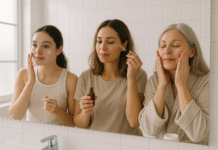











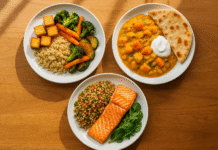
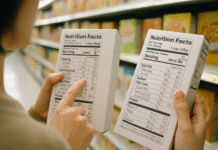
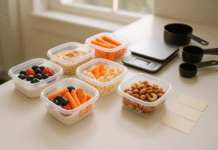













What you drink and eat shows up on your face—often faster than you think. In practical terms, hydration and diet influence oil production, barrier function, inflammation, color, and even how “bouncy” skin feels. Below you’ll find 11 science-backed levers you can pull to nudge your complexion toward clearer, calmer, and more radiant. Quick answer up front: aim for steady fluids across the day (with electrolytes when sweating), prioritize low-glycemic, fiber-rich meals, include omega-3s and vitamin-C-rich produce, and keep added sugar, excess salt, and heavy alcohol low. This guide is informational and not a substitute for medical advice; if you have a health condition, medications, or a skin disorder, check with your clinician first.
1. How Much Water Your Skin Actually Needs Each Day
Your skin doesn’t drink water directly—but your total body hydration determines how well skin cells get nutrients and maintain a healthy barrier. A useful reference is the National Academies’ Adequate Intake for total water: ~3.7 L/day for men and ~2.7 L/day for women (from all beverages and foods). About 20% typically comes from food; the rest from drinks. Needs rise with heat, activity, and altitude, and individual requirements vary. Practical markers: light-straw urine most of the day, steady energy, and minimal thirst. Harvard and CDC materials also note that coffee/tea can count toward fluids, while alcohol should be limited. Mayo Clinic
1.1 Numbers & guardrails
- Baseline Adequate Intake (adults): ~3.7 L (men), ~2.7 L (women) per day, including fluids from food (as of Aug 2025).
- Hot climates/active work can push needs to 6–8 L/day; listen to thirst and monitor urine color and body weight trends.
- Safe sources matter: ensure potable water or use certified filtration/boiling where needed.
Mini-checklist
- Drink a glass with each meal and snack.
- Front-load some fluids in the morning; taper slightly after dinner to protect sleep.
- Use a bottle with volume markers to track intake.
Bottom line: Hitting your personal hydration “sweet spot” supports circulation and barrier function—foundations for dewy skin—without overdoing it.
2. Electrolytes: Keep Water Where Your Skin Can Use It
Hydration isn’t just water—it’s water plus electrolytes. Sodium, potassium, and others help you absorb and retain fluid. When you sweat (workouts, heat waves, outdoor jobs), water alone can lag; small amounts of sodium/potassium improve absorption. For heavy sweat or GI losses, oral rehydration solutions (ORS) use a specific glucose-sodium ratio to leverage intestinal co-transport and speed rehydration. Use sports drinks or ORS during long, hot sessions; otherwise, water plus naturally salty foods (or a pinch of salt in food) often suffices. Avoid excessive dilution (chugging liters of plain water in a short window), which can risk hyponatremia in rare cases. PMC
2.1 How to do it (everyday & sweaty days)
- Everyday: water + potassium-rich produce (bananas, tomatoes), normal salted meals.
- Hot workouts/long shifts: pre-hydrate; sip 150–250 mL every 15–20 min; include sodium (e.g., sports drink or ORS) for sessions >60–90 min.
- After: replace ~150% of fluid lost (weigh before/after; 1 kg loss ≈ 1 L), include sodium to aid retention.
Watch-outs
- Symptoms of over-dilution: headache, nausea, confusion—seek care promptly. MedlinePlus
Bottom line: Pair water with electrolytes when you’re sweating or ill so more of what you drink actually hydrates tissues that keep skin plump and comfortable.
3. Low-Glycemic Carbs to Calm Breakouts and Oil Swings
High-glycemic diets spike insulin/IGF-1, which can drive sebum and inflammation—inputs for acne. Dermatology guidance and several trials suggest low-glycemic patterns (whole grains, legumes, fibrous veg) may improve acne severity for some, while evidence for dairy—especially skim milk—is mixed but notable. This isn’t about extreme restriction; it’s about glycemic load, fiber, and balanced meals that keep blood sugar steady. Expect changes over weeks, not days, and track your skin response.
3.1 Practical plate shifts
- Swap refined grains/sugary snacks for intact grains, beans, and fruit.
- Combine carbs with protein/fat to slow absorption.
- Consider a 2–4 week low-GI trial while monitoring skin and energy.
Mini case: A person shifting breakfast from sweet cereal + juice to oats + berries + yogurt often reports fewer mid-morning crashes and, over time, calmer T-zone.
Bottom line: Steady-carb, fiber-rich meals can reduce breakout-prone volatility and support a more even tone.
4. Omega-3 Fats for a Calmer Barrier and Less Redness
Omega-3s (EPA/DHA from fish; ALA from plants) modulate inflammatory pathways (resolvins/protectins) and support lipid composition in the skin barrier. Reviews link omega-3 intake with benefits across inflammatory skin conditions and barrier function; early studies suggest supplementation can improve hydration and reduce TEWL in some settings. Food-first sources: salmon, sardines, trout, walnuts, flax, chia. If you supplement, select third-party-tested products and discuss interactions (e.g., anticoagulants) with a clinician.
4.1 Tools & targets
- Aim for 2 seafood meals/week; plant ALA daily.
- If supplementing, common ranges are 250–1,000 mg/day EPA+DHA; individualized with your clinician.
- Pair with overall anti-inflammatory pattern (vegetables, legumes, extra-virgin olive oil).
Common mistakes
- Relying only on ALA for EPA/DHA needs; conversion is limited.
- Treating supplements as a cure-all instead of supporting an overall pattern.
Bottom line: Omega-3s help nudge inflammation downward and bolster barrier lipids, lending to a calmer, less reactive look. MDPI
5. Protein, Vitamin C, and Collagen Support for Firmness
Collagen gives skin its snap. Your body builds collagen from protein plus vitamin C, which is required for the hydroxylation of proline and lysine in collagen synthesis. Most people can cover needs with mixed proteins (fish, eggs, dairy, tofu, legumes) and daily vitamin-C-rich produce (citrus, peppers, berries). Meta-analyses of oral collagen peptides report modest improvements in skin elasticity and hydration in several small RCTs; results vary by dose and duration (usually 2.5–10 g/day for 8–12 weeks). If used, treat collagen as a supportive add-on to a nutrient-dense diet—never a replacement.
5.1 Mini-checklist
- Include 20–30 g protein at meals; add vitamin-C-rich produce daily.
- If trialing collagen: choose hydrolyzed peptides with third-party testing; reassess at 12 weeks.
Bottom line: Give your body the raw materials and co-factors it needs to maintain structure; supplements can help at the margins, but whole foods do the heavy lifting.
6. Micronutrient Essentials (A, D, E, Zinc)—With Cautions
Vitamin A (dietary) supports keratinocyte differentiation, and vitamin D and E influence immune and antioxidant activity; zinc participates in wound healing and sebum regulation. Mild inadequacy can show as dryness, slow healing, or dullness. Food-first patterns usually suffice; if supplementing, avoid megadoses (vitamin A toxicity is real, and high zinc can disrupt copper). Zinc has some evidence for acne in select cases, but dosing and forms vary—work with a clinician.
6.1 Food ideas
- Vitamin A: eggs, liver (occasional), leafy greens, orange veg (beta-carotene).
- Vitamin D: oily fish, fortified dairy/alternatives; sunlight prudently.
- Vitamin E: nuts, seeds, oils.
- Zinc: shellfish, beef, beans, pumpkin seeds.
Guardrails
- Respect upper limits (ULs) and medication interactions; lab-check if you suspect deficiency.
Bottom line: Micronutrients matter—get them from food when possible, and supplement conservatively and intentionally.
7. The Gut–Skin Axis: Fiber, Ferments, and (Sometimes) Probiotics
Your gut microbiome can influence skin via immune signaling and metabolites (e.g., short-chain fatty acids). Diets high in fiber and fermented foods support diversity, which may translate into calmer skin in some people. Evidence for probiotics is strongest for prevention or modest improvement in atopic dermatitis in specific groups; findings are mixed across strains and conditions. Focus first on fiber (30+ g/day) and fermented foods; discuss targeted probiotics with your clinician if you have eczema or frequent antibiotics. PMC
7.1 How to do it
- Daily: legumes, whole grains, vegetables, fruit, nuts/seeds.
- Add ferments: yogurt/kefir, sauerkraut, kimchi, tempeh.
- Consider strain-specific probiotics for AD under guidance; evidence varies by product and population. PMC
Bottom line: Feed your microbes first; when the gut is happier, skin often follows—especially in inflammatory dermatoses.
8. Color Your Plate: Carotenoids and Polyphenols for a Natural Glow
Carotenoids (beta-carotene, lycopene, lutein) can subtly shift skin tone toward a healthier “golden” hue, while polyphenols help counter oxidative stress from UV and pollution. Controlled studies link increased fruit/vegetable intake with perceptible skin color changes in weeks, attributed to carotenoid deposition. Think tomatoes, carrots, leafy greens, mango, berries, tea, cocoa. This isn’t self-tan; it’s a gentle brightness that reads as vitality.
8.1 Mini plan
- Aim for 5+ colors/day: dark greens, reds, oranges, purples, whites/tans (mushrooms, onions).
- Cook tomatoes in olive oil for lycopene bioavailability; eat some produce raw for vitamin C.
Bottom line: The quickest visual “glow up” from food often comes from piling on colorful plants—your mirror may notice within a month.
9. Keep Sugar, Ultra-Processed Foods, and Alcohol in Check
Excess added sugar accelerates formation of advanced glycation end products (AGEs), which cross-link collagen and elastin, reducing elasticity and contributing to a sallow tone over time. Ultra-processed foods often combine refined starches, sugars, and fats that fuel inflammation. Alcohol in excess disrupts sleep, provokes vasodilation (flushing), and acts as a diuretic; limit to low-risk ranges and hydrate well.
9.1 Guardrails & swaps
- Keep added sugars ≤10% of calories; favor fruit for sweetness.
- Prefer whole or minimally processed foods most of the time.
- If drinking, alternate alcoholic drinks with water; choose lower-ABV options; respect local guidelines.
Bottom line: Lower glycation and calmer physiology pay dividends in skin texture and tone over months, not days—play the long game.
10. Hydration Timing: Mornings, Workouts, and Sleep
When you hydrate matters for comfort, performance, and sleep. After an overnight fast, a morning glass gets you back to baseline. Before workouts, pre-hydrate; during, sip regularly; after, replace 125–150% of fluid lost with some sodium to aid retention. In the evening, taper a bit to reduce sleep disruption (and nocturia). Caffeinated drinks generally do not dehydrate net across the day, but watch total caffeine so sleep—and skin recovery—aren’t compromised.
10.1 Simple schedule
- Morning: 300–500 mL on waking, then with breakfast.
- Pre-exercise: ~500 mL about 2 hours before; small top-up 10–20 min pre-start.
- During: 150–250 mL every 15–20 min (more in heat).
- After: fluids + sodium; include a mixed meal.
- Evening: sip, don’t chug.
Bottom line: Right-time hydration supports circulation, sweat management, and sleep—three quiet forces behind a fresher face tomorrow.
11. Special Contexts: Heat, Travel, and Fasting Days
Hot climates (and heat waves) raise sweat losses dramatically; outdoor workers and athletes can need multiple extra liters per day. Use shade, breathable fabrics, electrolytes, and scheduled drink breaks. On long flights, low cabin humidity increases transepidermal water loss—think water bottle + gentle moisturizer and avoid heavy alcohol. During fasting traditions (e.g., dawn-to-sunset fasts), front-load fluids and electrolyte-rich foods at non-fasting meals, focusing on soups, yogurt, fruit, and salted grains/legumes. Always ensure your water is safe and potable wherever you are.
11.1 Region-specific notes (hot, humid, or arid environments)
- Expect higher sweat losses; plan electrolytes with water in midday heat.
- If local tap water is not reliably safe, boil or use certified filtration. CDC
- For travelers: carry a reusable bottle through security (empty) and refill; moisturize hands/face; limit diuretics pre-bed on red-eyes.
Bottom line: Context changes your needs—adapt fluids, electrolytes, and meal choices so your skin isn’t left high and dry.
FAQs
1) How quickly will my skin look better if I improve hydration?
Mild dehydration can show as dullness within a day; correcting it (steady fluids, some electrolytes after sweat) can restore “bounce” quickly. Structural changes from diet—like more colorful produce or less sugar—take longer (weeks to months) as collagen turnover and carotenoid deposition accumulate.
2) Do coffee and tea count toward hydration, or do they dehydrate me?
Moderate caffeinated beverages contribute to daily fluids. While caffeine is mildly diuretic, studies indicate a net positive hydration effect across the day—so your coffee and tea can count. If you’re caffeine-sensitive or it disrupts sleep, taper earlier.
3) Is sparkling water bad for my skin?
Plain carbonated water hydrates similarly to still water. Watch flavored versions for acids/sugars that may affect dental enamel; for skin specifically, the key is total fluid adequacy and overall diet quality rather than bubbles.
4) What’s the best drink for workouts: water, sports drink, or ORS?
For sessions under an hour in cool conditions, water is fine. For longer/hotter efforts, a sports drink with sodium helps replace sweat losses; for heavy GI losses or dehydration, ORS formulas are more efficient due to glucose-sodium co-transport. World Health OrganizationPubMed
5) Can a low-glycemic diet really help acne?
Evidence suggests low-glycemic patterns can reduce acne severity in some individuals, and dermatology groups acknowledge potential benefits. Consider a 2–4 week trial with whole grains, legumes, and high-fiber produce while monitoring skin. PubMed
6) Should I take collagen supplements for better skin?
Food-first (protein + vitamin C) is foundational. Meta-analyses of oral collagen peptides show modest improvements in elasticity/hydration in small RCTs; if you try it, pick a tested product and reassess after ~12 weeks. EFSA Journal
7) Which micronutrient is most often low in people with dull, dry skin?
There’s no single culprit, but inadequate vitamin C, A, D, E, or zinc can contribute. Zinc sometimes supports acne management, but dosing and form matter—get labs and guidance before supplementing beyond a multivitamin. Harvard Public Health
8) How do added sugars age skin?
High sugar intake accelerates the formation of AGEs that cross-link collagen/elastin, reducing elasticity and contributing to a yellow-dull tone. Prioritize whole foods and keep added sugars in check to reduce glycation pressure over time. PMC
9) I live in a very hot climate. How much more should I drink?
Needs vary widely with heat, clothing, and workload. Active people in hot environments can require several extra liters daily. Weighing before/after outdoor shifts or workouts is a practical way to estimate losses and plan electrolyte-containing rehydration.
10) Are alcohol and “puffy face” really connected?
Heavy or frequent alcohol can impair sleep, trigger vasodilation (flushing), and alter fluid balance—often read on the face the next day. Limiting intake and hydrating between drinks helps reduce puffiness and redness over time. (If swelling is persistent, see a clinician.)
11) Is there a perfect amount of water per day for glowing skin?
There’s no one number. Use Adequate Intake values as a starting point, then adjust for climate, activity, and diet. Focus on consistent intake, safe water, and electrolyte balance when sweating; your skin reflects systemic balance more than any single glass.
12) What’s one change I can make this week?
Add one extra serving of colorful produce at lunch and keep a 600–750 mL bottle at your desk. That single combo hits carotenoids, vitamin C, fiber, and steady fluids—the most common “glow-up” duo. PubMed
Conclusion
Your complexion is a living dashboard of internal balance. When water intake matches your needs—and electrolytes keep it in the right compartments—circulation, nutrient delivery, and barrier function hum along. When meals favor slow-burning carbs, omega-3-rich fats, solid proteins, and vitamin-C-rich plants, inflammation quiets, collagen has materials to renew, and pigments from produce subtly brighten tone. Meanwhile, trimming added sugars lowers glycation’s drag on elasticity, moderating alcohol reduces puffiness, and fiber-plus-ferments keep the gut–skin cross-talk on your side. None of this requires perfection or a supplement stack—just steady choices, adjusted for your climate and life. Pick one hydration win and one plate upgrade this week, watch how your skin responds over the next month, and build from there. Start today: fill your bottle, add a colorful fruit or veg to your next meal, and feel the difference.
References
- 4 Water (DRIs: Water, Potassium, Sodium, Chloride, Sulfate), National Academies of Sciences, Engineering, and Medicine, 2005. https://nap.nationalacademies.org/read/10925/chapter/6
- How much water should you drink?, Harvard Health Publishing, last reviewed 2025. https://www.health.harvard.edu/staying-healthy/how-much-water-should-you-drink
- About Water and Healthier Drinks, Centers for Disease Control and Prevention, Jan 2024. https://www.cdc.gov/healthy-weight-growth/water-healthy-drinks/index.html
- Exercise and Fluid Replacement (Position Stand), American College of Sports Medicine, 2007. https://pubmed.ncbi.nlm.nih.gov/17277604/
- Oral Rehydration Salts—Production of the New ORS, WHO/UNICEF, 2006. https://files.givewell.org/files/DWDA%202009/Interventions/ORS/WHO_Oral_rehydration_salts_report_2006.pdf
- Vitamin C—Health Professional Fact Sheet, NIH Office of Dietary Supplements, updated 2024. https://ods.od.nih.gov/factsheets/VitaminC-HealthProfessional/
- Zinc—Health Professional Fact Sheet, NIH Office of Dietary Supplements, updated 2024. https://ods.od.nih.gov/factsheets/Zinc-HealthProfessional/
- Diet and acne: can what you eat cause or worsen acne?, American Academy of Dermatology Association, 2024. https://www.aad.org/public/diseases/acne/causes/diet
- Fruit and vegetable consumption predicts changes in skin color, Whitehead et al., PLoS ONE, 2012.
- The effects of advanced glycation end products on skin aging, Wang et al., Experimental Dermatology, 2024. https://onlinelibrary.wiley.com/doi/full/10.1111/exd.15065
- Hydration status of coffee vs water, Killer et al., PLoS ONE, 2014. https://journals.plos.org/plosone/article
- Omega-3 fatty acids and skin diseases (review), Sawada et al., Int J Mol Sci, 2021. https://pmc.ncbi.nlm.nih.gov/articles/PMC7892455/