


























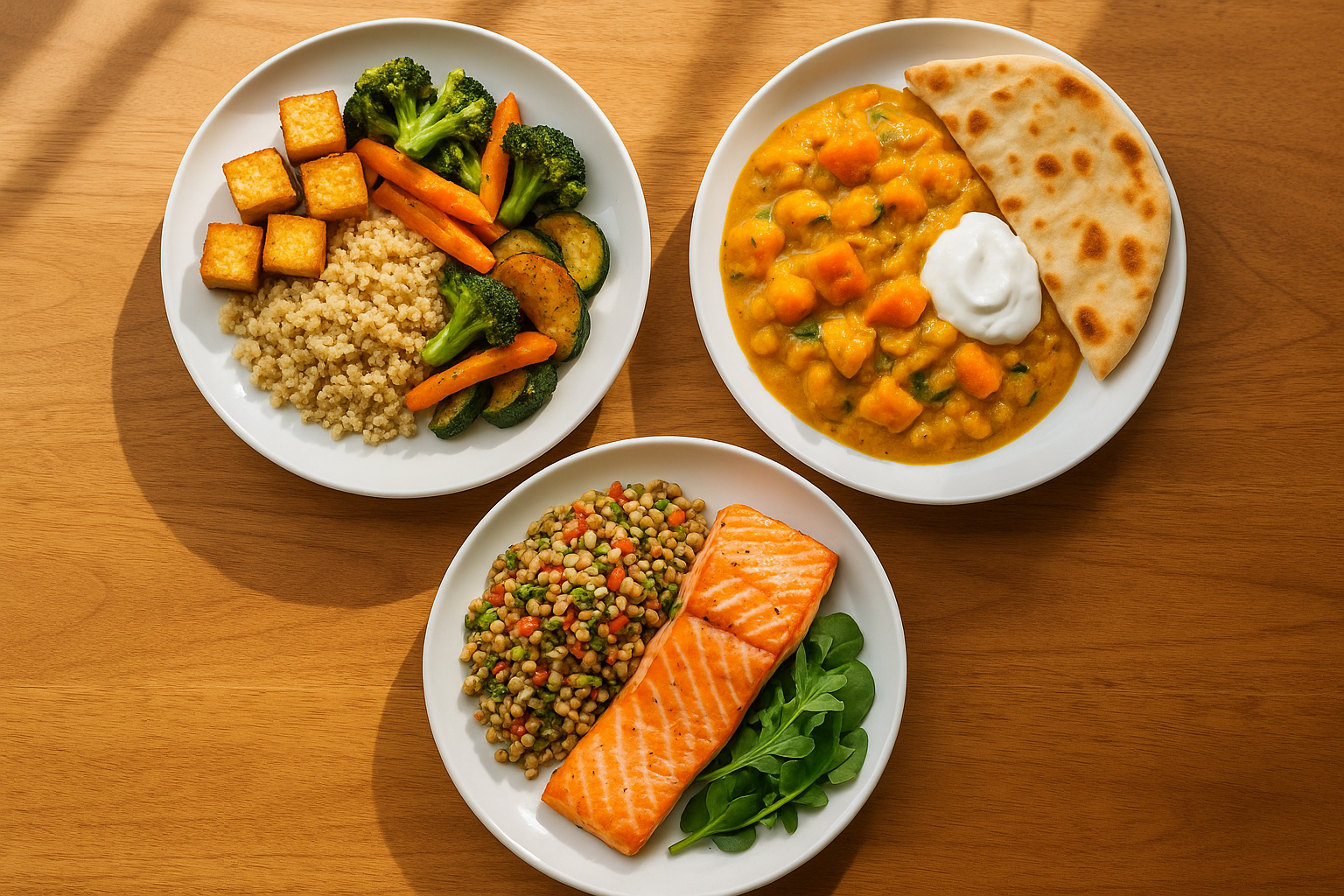
If you’re sorting out the differences between vegan, vegetarian, and flexitarian eating, you’re not alone. This guide gives you clear definitions, the science on health and sustainability, and practical steps to build satisfying meals—no matter where you fall on the plant-forward spectrum. In short: vegan excludes all animal-derived foods; vegetarian allows eggs and/or dairy; flexitarian is mostly plants with occasional meat, fish, or poultry. The right choice depends on your goals, preferences, and health needs. Quick note: this article is educational, not medical advice—if you have health conditions, talk with a qualified clinician or registered dietitian.
Within the first few minutes of reading, you’ll get a crisp side-by-side understanding, learn where the evidence is strongest (heart health, diabetes risk), and see exactly which nutrients to watch—such as vitamin B12, iodine, iron, calcium, and omega-3s—as of August 2025. We’ll also show you how to plate balanced meals, shop on a budget, navigate restaurants, and understand the environmental stakes.
1. What Each Diet Actually Means (and What You Can Eat)
Vegan excludes all animal products; vegetarian allows eggs and/or dairy; flexitarian is “mostly plants” with optional, occasional animal foods. Those definitions sound simple, but real-life eating is more nuanced. Vegan patterns cut out meat, fish, poultry, eggs, dairy, gelatin, and often honey. Vegetarian patterns include several subtypes: lacto-ovo (dairy + eggs), lacto (dairy only), and ovo (eggs only). Flexitarian (sometimes called “semi-vegetarian”) emphasizes plant foods while leaving room for modest servings of animal foods—think beans, grains, veggies, fruit, nuts, and seeds as the default, with fish, poultry, or meat added infrequently. These distinctions matter because they drive both nutrient exposures (e.g., B12 for vegans) and lifestyle fit (e.g., eating out). As you compare, remember that healthfulness hinges on overall food quality (whole foods vs. ultra-processed), not just the label you pick.
1.1 Key variants you’ll hear
- Vegan: 100% plant-derived; relies on fortified foods or supplements for B12.
- Vegetarian (lacto-ovo common): dairy and eggs included; fish and meat excluded.
- Flexitarian: mostly plant foods; small, strategic use of meat/fish/poultry.
- Pescatarian: fish included, meat excluded (not strictly vegetarian, but often discussed alongside).
- Plant-forward/plant-predominant: umbrella terms that focus on proportion rather than strict rules.
1.2 Why definitions matter
- They set nutrient priorities (e.g., vegans: B12, iodine, DHA/EPA; vegetarians: iron and zinc; flexitarians: keep animal foods modest and minimally processed).
- They shape social practicality (restaurant options, travel, family meals).
- They influence sustainability outcomes (generally, fewer animal foods → lower average footprint).
Mini-checklist: Decide your default protein (legumes/soy), your dairy/egg stance (if any), and how often you want animal foods. That trio determines which “lane” fits your life while keeping room for quality and variety.
2. Health Outcomes: What the Evidence Shows
Across large cohorts and meta-analyses, plant-based patterns are linked to lower risk of cardiovascular disease and type 2 diabetes—especially when the plant foods are minimally processed. A 2019 meta-analysis found higher adherence to plant-based diets associated with a 23% lower risk of type 2 diabetes (RR≈0.77), with stronger protection in “healthy” plant-based patterns emphasizing whole grains, fruits, vegetables, legumes, nuts, and oils like olive oil. More recent analyses report reduced cardiovascular incidence and mortality among vegetarians/vegans compared with omnivores, while highlighting that “plant-based quality” matters.
Plant-rich eating also appears to support lower blood pressure on average, and is compatible with heart-healthy guidance from major organizations. The American Heart Association encourages dietary patterns rich in whole plant foods and lower in sodium, added sugars, and saturated fat (which, in the U.S., often come from ultra-processed foods and certain animal products). JAMA Network
2.1 Numbers & guardrails
- Type 2 diabetes: Plant-based adherence linked with ~20–25% lower risk; dose-response seen.
- Cardiovascular disease: Vegetarian/vegan patterns show modestly lower CVD risk vs. omnivorous; evidence continues to evolve for stroke subtypes.
- Quality matters: “Healthy plant-based” beats “less healthy plant-based” (i.e., whole foods > ultra-processed snacks).
2.2 Common mistakes that blunt benefits
- Overrelying on ultra-processed meat imitations instead of beans, tofu, tempeh, lentils.
- Neglecting protein distribution (aim for ~20–40 g per main meal, adjusted to body size/activity).
- Forgetting nutrients to watch (Section 3) and sodium in processed foods.
Bottom line: A plant-forward pattern can reduce chronic disease risk, but the win comes from whole-food emphasis, routine fiber, and balanced fats—no single “vegan/vegetarian/flexitarian” label guarantees results.
3. The Nutrients to Watch (and Exactly How to Cover Them)
All three patterns can meet human needs with planning; the nutrients that need special attention are vitamin B12, iron, zinc, iodine, calcium/vitamin D, and omega-3s—plus overall protein. The Academy of Nutrition and Dietetics’ latest position (2025) affirms that well-planned vegetarian—including vegan—diets are appropriate for adults and can be nutritionally adequate. That said, vegans must secure B12, and vegetarians/flexitarians should still mind iron, zinc, iodine, and calcium choices.
- Vitamin B12: Adults generally need ~2.4 mcg/day; vegans should rely on fortified foods and/or supplements because natural plant sources are negligible.
- Iodine: Essential for thyroid hormones; many countries iodize salt, but coverage and use vary (globally ~88% of households use iodized salt; check your local brand or use seaweed carefully to avoid excess).
- Iron: Plant (non-heme) iron has lower, more variable absorption; pair iron-rich foods (legumes, tofu, pumpkin seeds, fortified cereals) with vitamin C sources to enhance uptake.
- Zinc: Bioavailability is reduced by phytate in grains/legumes; soaking/sprouting/fermenting can help. Some vegetarians/vegans may benefit from targeted fortified foods or supplements if intake is low. Office of Dietary Supplements
- Calcium & Vitamin D: Adults typically aim for ~1,000 mg calcium/day (women 51+ and all adults 71+ need 1,200 mg). Choose calcium-set tofu, fortified plant milks, leafy greens, and consider vitamin D per local sun exposure.
- Omega-3s: Aim to meet ALA (1.6 g/day men; 1.1 g/day women) from flax, chia, walnuts, canola/soy oils; vegans who want EPA/DHA can use algae-based supplements (EPA/DHA intakes have no RDA; organizations vary in guidance).
3.1 Tools & examples
- Track a week with Cronometer or similar; check B12, iodine, iron, calcium, zinc, and omega-3s (ALA).
- Fortification map: Fortified plant milks, breakfast cereals, nutritional yeast (B12), iodized salt (verify the label).
- Prep methods: Soak/ferment beans and whole grains; pair iron with citrus/peppers.
Synthesis: No matter which lane you choose, a short “nutrient audit” ensures adequacy—and for vegans, B12 is non-negotiable.
4. Protein: How Much You Need and How to Get It on Any Pattern
Most adults do well at the baseline 0.8 g/kg/day protein target; older or athletic adults often benefit from more (about 1.0–1.2 g/kg/day for healthy aging and up to 1.2–2.0 g/kg/day around training), which is achievable with plant foods. The RDA (0.8 g/kg) is a minimum to maintain nitrogen balance. Research in older adults suggests higher intakes help preserve muscle; professionals often advise spreading protein across meals (e.g., ~20–40 g/meal depending on body size).
High-protein plant options (approximate per cooked cup or typical serving):
- Tempeh (~30 g), extra-firm tofu (~20–40 g/cup), edamame (~18 g)
- Lentils/beans (~15–18 g), seitan (~20+ g/3 oz), soy milk (~7–10 g/cup)
- Peanut butter (~7 g/2 Tbsp), hemp seeds (~9–10 g/3 Tbsp), quinoa (~8 g/cup) Massachusetts General Hospital
4.1 Mini example (70-kg adult)
- Target: 0.8–1.2 g/kg → 56–84 g/day.
- Day plan: Breakfast tofu scramble (20 g), lunch lentil bowl (25 g), snack soy yogurt + nuts (15 g), dinner tempeh stir-fry (30 g) → ~90 g total.
- Completeness myth: You don’t need to combine proteins at the same meal; variety across the day covers essential amino acids.
Synthesis: Whether vegan, vegetarian, or flexitarian, consistent, varied plant proteins can meet needs—and scaling up for performance or aging is straightforward with soy, legumes, and grains.
5. Choosing the Right Lane for Your Goals
Pick vegan, vegetarian, or flexitarian based on your health goals, lifestyle, and preferences—not ideology. If you want maximal environmental impact reduction and you enjoy soy/legumes, vegan may suit you. If you value dairy/eggs for convenience or taste, lacto-ovo vegetarian is a strong middle path. If you prefer gradual change or share meals with mixed-diet households, flexitarian can deliver most health and environmental gains by shifting proportions rather than enforcing absolutes. Evidence suggests many cardiometabolic benefits scale with more healthy plant foods and fewer highly processed or high-saturated-fat animal foods. PLOS
5.1 Decision cues
- Health priorities: Heart risk, blood pressure, diabetes prevention → emphasize whole plant foods (any lane). JAMA Network
- Convenience: Eggs/dairy can simplify breakfast, baking, and eating out (vegetarian lane).
- Family/social fit: Flexitarian often sticks because it’s adaptable.
- Ethics/environment: Vegan typically has the lowest footprint if food quality remains high. MDPI
5.2 Quick start (choose 1–2 to try first)
- Make half your plate vegetables + fruit, ¼ whole grains, ¼ protein (beans/soy/fish if flex). Use olive/canola for cooking.
- Schedule 2–3 meatless dinners/week; rotate lentil chili, tofu stir-fry, chickpea curry.
- Swap plant milk in coffee/cereal; pick fortified options for calcium/B12.
Synthesis: The “best” pattern is the one you’ll sustain—aim for quality, fiber, and diversity, regardless of where you start.
6. Smart Grocery Shopping & Label Literacy (Whole Foods Beat Ultra-Processed)
Whole-food plant staples deliver most of the benefits; ultra-processed meat analogues can fit occasionally but shouldn’t crowd out beans, lentils, soy, whole grains, nuts, and vegetables. Ultra-processed foods—plant-based or not—tend to bring excess sodium, refined starches, and additives that may undermine cardiometabolic goals. Major heart-health guidance emphasizes reading labels and choosing options lower in sodium, added sugars, and saturated fat; the Heart-Check mark can help for packaged items.
Pantry power list (budget-friendly):
- Legumes: Lentils, chickpeas, black beans (dry or canned, low-sodium).
- Soy: Firm tofu, tempeh, edamame; calcium-set tofu for extra bone support.
- Grains: Oats, brown rice, quinoa, whole-grain pasta, barley.
- Nuts & seeds: Peanut butter, walnuts, almonds, chia, flax, pumpkin seeds.
- Flavor: Tomato paste, spices, tahini, miso, nutritional yeast (often with B12).
6.1 Label checkpoints
- B12 & iodine fortification: Plant milks/cereals often add B12; verify iodized salt on the label.
- Sodium: Aim <600 mg/meal for everyday items when possible; rinse canned beans.
- Saturated fat: Keep low; choose oils like olive/canola over coconut/palm.
- Protein per serving: Helpful if you’re targeting 1.0–1.2 g/kg/day.
Synthesis: Stocking a core set of plant staples makes weeknight cooking fast, affordable, and aligned with the health benefits linked to plant-forward eating.
7. Meal Planning That Works (Vegan, Vegetarian, or Flex—Your Choice)
A simple plate template + a few “default meals” removes friction. Use Harvard’s Healthy Eating Plate as a visual: half produce, a quarter whole grains, a quarter protein, plus healthy oils and water/tea/coffee. Then create 6–8 “go-to” meals you can rotate: a tofu or bean scramble, lentil soup, grain bowls, stir-fries, big salads with legumes, and flex options like salmon-grain bowls if you choose. This approach hits fiber, protein, and micronutrient targets without micromanaging every gram.
7.1 Sample 2-day plan (swap freely)
- Day A (vegan):
Breakfast tofu scramble + whole-grain toast + fruit; Lunch quinoa–chickpea tabbouleh + tahini; Snack soy yogurt + walnuts; Dinner tempeh–broccoli stir-fry over brown rice. - Day B (vegetarian/flex):
Breakfast Greek yogurt bowl + berries + chia; Lunch lentil soup + side salad + olive oil; Snack apple + peanut butter; Dinner (flex) baked salmon (or tofu) with farro and roasted vegetables.
7.2 Mini-checklist
- Build meals around beans/soy; layer vegetables and whole grains.
- Include a calcium or B12 source daily (fortified milk/yogurt, tofu, nutritional yeast).
- Keep frozen vegetables and edamame on hand for speed.
Synthesis: Meal planning is less about recipes and more about reliable building blocks; once you have them, any lane is easy to sustain.
8. Eating Out, Traveling, and Social Life
You can stay plant-forward almost anywhere with a few menu strategies. Scan for dishes with beans, tofu, lentils, or hearty vegetables; request swaps (extra veggies, whole-grain sides, olive oil dressings). Many cuisines—Mediterranean, Middle Eastern, Indian, Ethiopian, East Asian, Mexican—offer rich plant-based options. If you’re flexitarian, fish-forward or poultry-forward choices are common; vegetarians can lean on eggs/dairy when vegan options are thin. The AHA reminds us that heart-healthy choices are possible whether food is cooked at home or ordered out—reading ingredients and defaulting to minimally processed foods goes a long way.
Checklist for out-of-home eating
- Preview menus and identify 2–3 plant-rich options.
- Ask for swaps: extra legumes, steamed vegetables, whole grains.
- Watch the sodium in sauces/soups; request dressings on the side.
- Carry a backup snack (nuts, roasted chickpeas) for travel days.
Synthesis: Social flexibility beats perfection; aim for the best plant-forward option available and move on—consistency over time matters more than any single meal.
9. Sustainability: How the Diets Compare (and Why Food Quality Still Matters)
On average, diets with fewer animal foods have lower greenhouse gas emissions, land, and water use; vegan patterns typically score lowest, with vegetarian and flexitarian following. The landmark Poore & Nemecek (2018) meta-analysis across 38,700 farms found large footprint differences, with beef and lamb far higher than plant proteins on average. Systematic reviews and cohort analyses since then consistently show vegan/vegetarian diets lower GHG emissions compared to omnivorous diets, while also noting that actual impact varies by production practice and food choice. PubMed
Quality caveat: A “plant-based” diet centered on ultra-processed snacks may not deliver environmental or health gains similar to one built on legumes, whole grains, vegetables, fruit, nuts, and seeds. Even within the same food (e.g., beef) there’s up to 50-fold variation by producer and system; choose whole, minimally processed foods and limit high-impact items for the biggest win. The IPCC and Harvard analyses echo that shifting diets toward healthy plant foods supports climate and health goals. josephpoore.com
9.1 Practical takeaways
- Maximize legumes and soy as default proteins.
- Flex smartly: If including animal foods, pick smaller portions of fish or poultry and reduce red/processed meats.
- Cut food waste and cook from pantry staples—you’ll save money and emissions.
Synthesis: If sustainability is part of your decision, vegan has the lowest average footprint, but any move toward whole-food plant staples—and away from high-impact meats and ultra-processed items—makes a measurable difference.
FAQs
1) What’s the simplest difference between vegan, vegetarian, and flexitarian?
Vegan excludes all animal-derived foods (meat, fish, poultry, eggs, dairy, gelatin, often honey). Vegetarian allows eggs and/or dairy but excludes meat and fish. Flexitarian is mostly plants with occasional animal foods. The right choice hinges on your values, taste, convenience, and health goals rather than a label.
2) Can a vegan or vegetarian diet provide enough protein without combining foods at every meal?
Yes. The 0.8 g/kg/day RDA is usually achievable through legumes, soy, whole grains, nuts, and seeds. Older or athletic adults may aim higher (about 1.0–1.2 g/kg/day or more around training), distributed across meals. You don’t need to “complement” proteins at each meal; variety over the day suffices. The Nutrition Source
3) Do vegans need supplements?
Vegans need a reliable vitamin B12 source from fortified foods and/or supplements because plants don’t supply B12. Depending on diet and sun exposure, some may also consider vitamin D, iodine (if not using iodized salt), and algae-based omega-3s. Discuss specifics with a clinician or dietitian.
4) Is a flexitarian diet “enough” to improve health?
Often, yes. Many benefits scale with increasing healthy plant foods and decreasing ultra-processed and high-saturated-fat items. A flex pattern centered on legumes, whole grains, vegetables, fruit, nuts, and seeds can deliver substantial cardiometabolic upsides while being easier to maintain long term.
5) Which diet is best for heart health?
Patterns emphasizing healthy plant foods—whether vegan, vegetarian, or flexitarian—are associated with lower cardiovascular risk. Choose whole grains, legumes, vegetables, fruit, nuts, and healthy oils; keep sodium, added sugars, and saturated fat in check. AHA Journals
6) How do these diets affect type 2 diabetes risk?
Higher adherence to plant-based eating—especially when focused on whole, minimally processed plant foods—is linked to ~20–25% lower risk of type 2 diabetes in prospective cohorts and meta-analyses. Quality matters: whole plant foods outperform refined starches and sugary snacks.
7) What about iron and zinc on plant-based diets?
Plant iron (non-heme) absorbs less efficiently, and phytate can reduce zinc absorption. Pair iron-rich foods with vitamin C (citrus, peppers), and use soaking/sprouting/fermenting to improve mineral availability. If labs or symptoms point to deficiency risk, consult a clinician about testing and targeted supplementation.
8) Are plant-based meat alternatives healthy?
They can help with transitions or convenience but often carry sodium and additives. Use them as occasional supports, not daily staples; lean on beans, lentils, tofu, tempeh, and whole grains for routine protein. Read labels and favor minimally processed options aligned with heart-health guidance.
9) How do these diets impact the environment?
On average, vegan < vegetarian < flexitarian < omnivorous for greenhouse gas emissions and land use, with wide variation by product and producer. Opting for legumes/soy as default proteins and reducing red/processed meats drives most of the gains. Nature
10) Is fish “vegetarian”?
No. Including fish makes a pattern pescatarian, which is not vegetarian—though it can be part of a flexitarian approach. Some pescatarian patterns show cardiometabolic benefits too, but they fall outside strict vegetarian definitions. Cleveland Clinic
11) I use sea salt. Do I still get iodine?
Not necessarily. Many sea salts aren’t iodized. If your salt isn’t iodized, include iodine-rich foods (e.g., dairy/eggs in vegetarian patterns, or carefully portioned seaweed in vegan) or discuss supplementation with a clinician to meet needs without excess.
12) What about cancer risk and processed meat?
The IARC classifies processed meat as carcinogenic (Group 1) for colorectal cancer, and red meat as probably carcinogenic (Group 2A). This classification speaks to strength of evidence, not magnitude of risk per serving, but it supports limiting processed meats within flex approaches.
Conclusion
Plant-forward eating is a spectrum, not a cage. Vegan, vegetarian, and flexitarian patterns can all support excellent health when built on whole foods, adequate protein, and attention to a small set of nutrients (B12, iodine, iron, zinc, calcium/vitamin D, and omega-3s). The biggest wins come from what you add—beans and lentils, soy foods, whole grains, vegetables, fruit, nuts, and seeds—paired with what you trim—ultra-processed foods, excess sodium, added sugars, and high-saturated-fat items. As of August 2025, the evidence continues to favor plant-rich dietary patterns for cardiometabolic outcomes and environmental benefits, especially when quality is high. Your next step is simple: choose a lane that fits your life, stock a handful of staple ingredients you genuinely like, and commit to two plant-powered dinners this week. Small moves, repeated, change your plate—and your health.
CTA: Pick your lane, plan two plant-powered meals, and put the beans on to soak tonight.
References
- Vegetarian Dietary Patterns for Adults: A Position of the Academy of Nutrition and Dietetics. Journal of the Academy of Nutrition and Dietetics (2025). JandOnline
- What is a plant-based diet and why should you try it? Harvard Health Publishing (Mar 28, 2024). Harvard Health
- Vitamin B12 – Health Professional Fact Sheet. NIH Office of Dietary Supplements (Jul 2, 2025). Office of Dietary Supplements
- Iodine – Consumer Fact Sheet. NIH Office of Dietary Supplements (May 1, 2024). Office of Dietary Supplements
- Iron – Health Professional Fact Sheet. NIH Office of Dietary Supplements (Oct 9, 2024). Office of Dietary Supplements
- Calcium – Consumer Fact Sheet. NIH Office of Dietary Supplements (Sep 14, 2023). Office of Dietary Supplements
- Omega-3 Fatty Acids – Consumer/Health Professional Fact Sheets. NIH Office of Dietary Supplements (Jul 18, 2022; accessed 2025). and https://ods.od.nih.gov/factsheets/Omega3FattyAcids-HealthProfessional/
- The American Heart Association Diet and Lifestyle Recommendations. American Heart Association (Jul 30, 2024). www.heart.org
- Association Between Plant-Based Dietary Patterns and Risk of Type 2 Diabetes: A Systematic Review and Meta-analysis. JAMA Internal Medicine (Jul 22, 2019). PubMed
- Vegetarian and Vegan Diets and Cardiovascular Disease: Systematic Reviews and Meta-analyses. Frontiers in Cardiovascular Medicine (2021) and Nutrients/BMJ Nutrition (2022–2024). Representative entry: Dybvik JS et al., 2022. ; Landry MJ et al., 2024. PMCScienceDirect
- Healthy Eating Plate. Harvard T.H. Chan School of Public Health, The Nutrition Source (accessed 2025). The Nutrition Source
- Reducing food’s environmental impacts through producers and consumers. Science (2018). and overview at Our World in Data (2022). ScienceOur World in Data
- Healthy plant-based diets better for the environment than less healthy plant-based diets. Harvard T.H. Chan School of Public Health News (Nov 10, 2022). hsph.harvard.edu
- IARC Monographs evaluate consumption of red meat and processed meat. WHO/IARC Press Release 240 (Oct 26, 2015) and Q&A. ; IARCWorld Health Organization
- Dietary Guidelines for Americans, 2020–2025. U.S. Departments of Agriculture and Health and Human Services (Dec 2020). Dietary Guidelines
- Protein: Recommended Intakes and Considerations Across Adulthood. Selected sources: Lonnie M et al., Nutrients (2018); Campbell WW et al., The Journals of Gerontology (2023); Harvard Health (Jun 2023). ; ; PMCOxford AcademicHarvard Health
- Vegetarian, Vegan and Plant-Based Diet – Food Fact Sheet. British Dietetic Association (accessed 2025). British Dietetic Association
- The right plant-based diet for you / Healthy Plant-Based Meal Visuals. Harvard Health Publishing (2021). Harvard Health
- Omega-3 ALA Adequate Intakes (Men 1.6 g, Women 1.1 g). AHA and NIH ODS roundups (2022–2023). ; Office of Dietary Supplementswww.heart.org
- IPCC Special Report on Climate Change and Land. Intergovernmental Panel on Climate Change (2019). IPCC